


A 2026 Guide by Sellingantiques
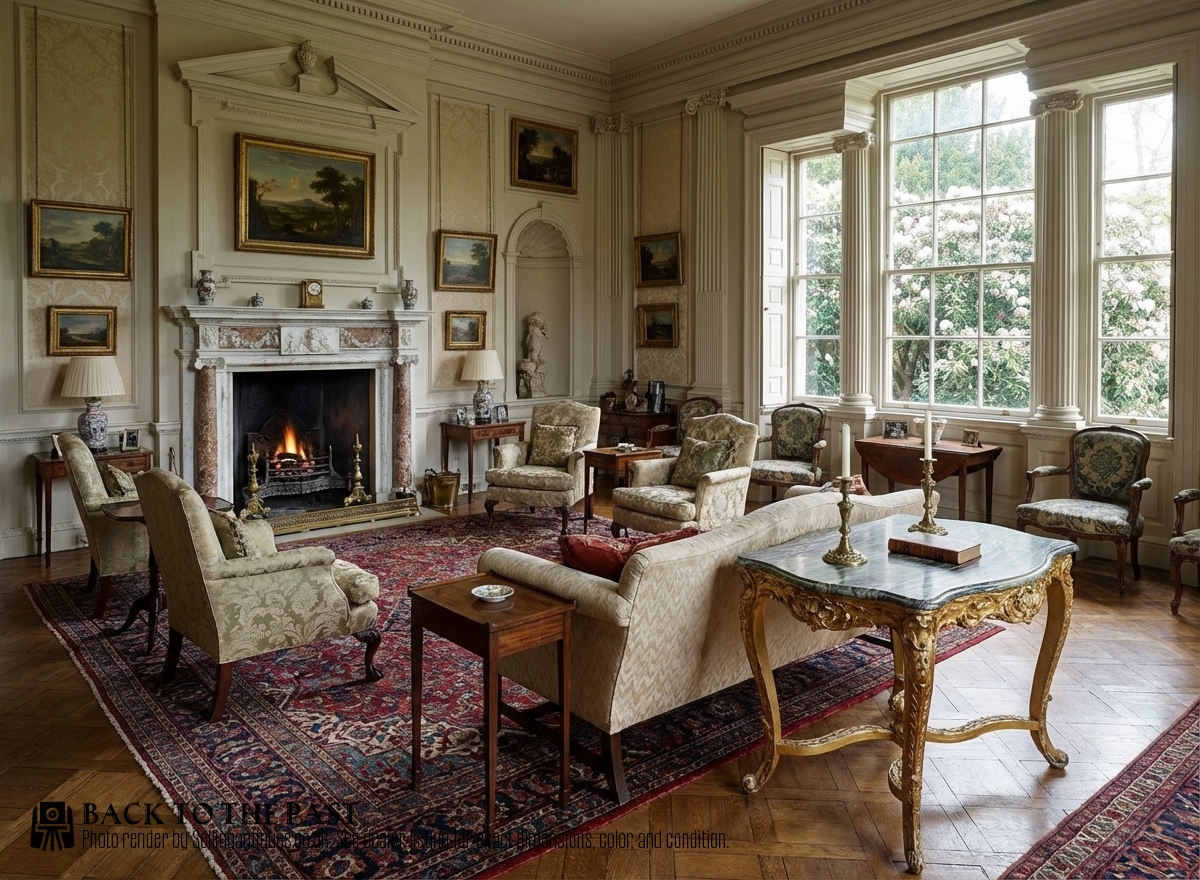
Carved Gilt Framed Marble Top Table, 1910
Priced at £395 from Rupert Hitchcox Antiques
These appeared mostly in the eighteenth and nineteenth centuries. Wealthy homes needed durable surfaces for dining rooms and hallways.
French makers embraced antique marble top tables early. They topped commodes and console tables with local regional stones.
Look at the Victorian era for peak production. Middle-class parlours adopted them as status symbols holding heavy oil lamps.
Pubs and cafes bought cast iron versions in huge numbers. The stone wiped clean and handled spilled beer well.
Thomas Brooks made ornate parlour examples in New York during the mid-nineteenth century. His workshops paired white stone with carved walnut.
French provincial pieces rarely carry a maker mark. Local joiners built the bases and bought the stone tops from regional quarries.
Coalbrookdale cast some fine iron bases in Britain. They traded through the nineteenth century, often stamping their metalwork underneath.
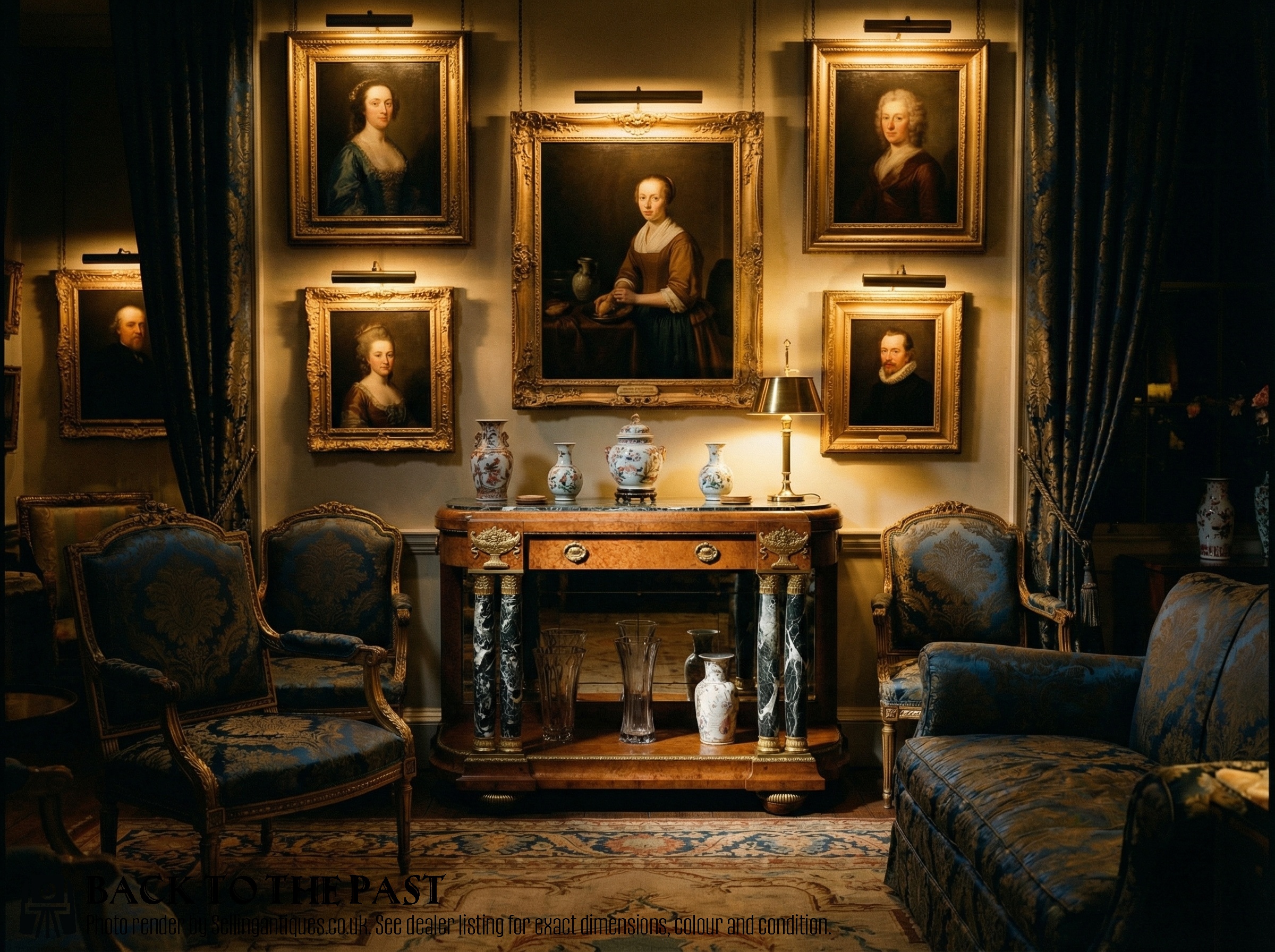
Louis Xv Marble Topped Console Table, 1910
Priced at £3,850 from Shackladys Antiques
The 2026 retail price guide for Antique Marble Top Tables is drawn from a proprietary archive of over 1.1 million retail prices indexed by Sellingantiques since 2003. This guide relies exclusively on their own internal data; no external sources or auction records are used.
Analysing nearly 25 years of UK antique market history alongside current retail values, the data indicates that typical UK retail prices for Antique Marble Top Tables range between £700 and £4,400. Entry-level prices generally fall under £700 and premium examples upwards of £4,400.
Edges are rarely just cut square. Look for a thumb-mould or chamfered profile on most antique marble top tables.
The slab usually lifts right off. Pegs or gravity hold the stone in place on the base rather than screws.
Castors sit on the feet of many wooden versions. Wheels helped maids move the heavy frames to clean.
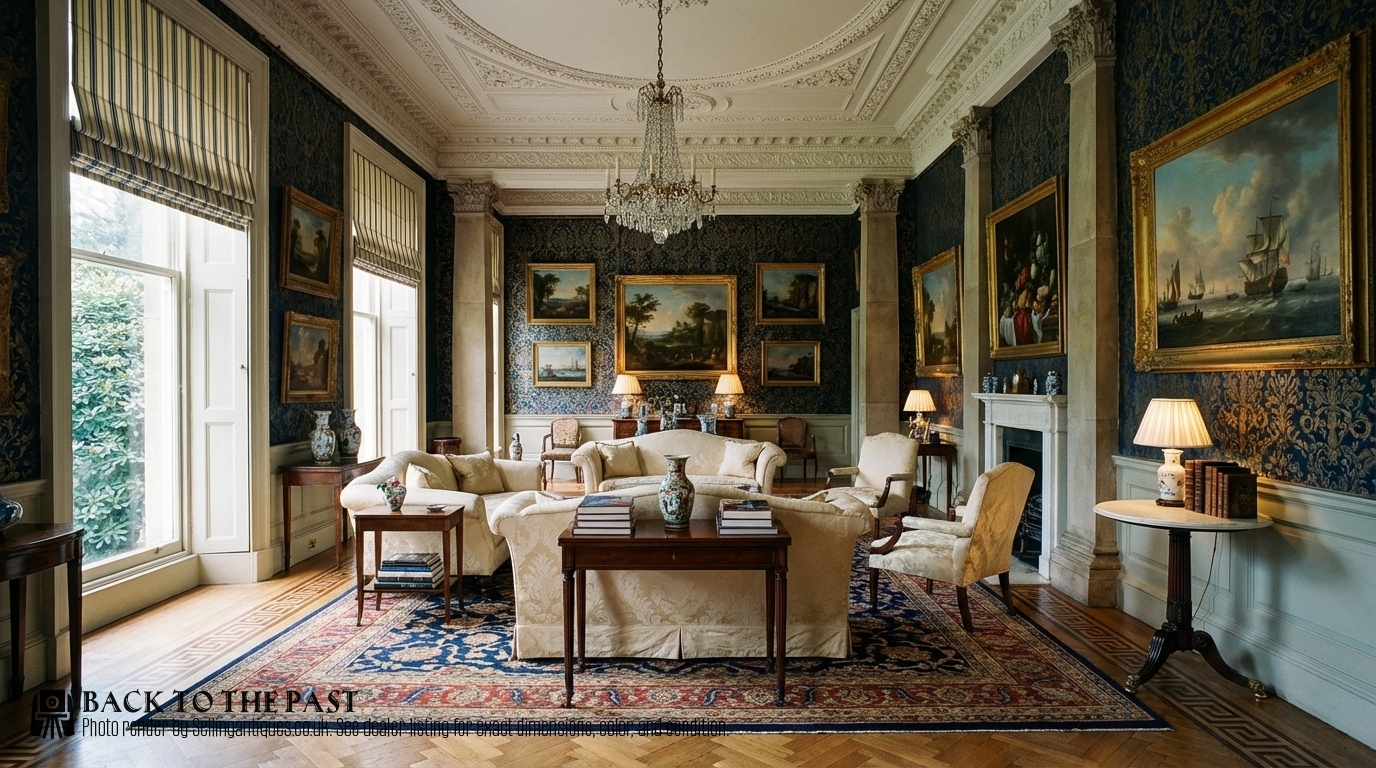
Regency Period Marble Top Table, Regency
Priced at £875 from James R Millington Antiques
Early stone edges were shaped by hand. Masons used chisels and abrasives to slowly grind the profiles before machine cutting took over.
Woodworkers cut deep mortise and tenon joints for the bases. The frames had to support massive dead weight without twisting.
Sub-tops of rough pine sometimes sit beneath thinner slabs. This gave the illusion of a massive block while saving on expensive stone.
"Certain regional stones show fascinating fossil inclusions. You can sometimes trace ancient shells trapped right in the polished surface."
"The heavy tops naturally self-level over time. Gravity works with the base joints to keep the surface stable on uneven floors."
"Pastry chefs preferred these for dough work. The stone stays cool to the touch, stopping butter from melting during rolling."
Based on almost 25 years of Sellingantiques UK antique market data, Antique Marble Top Tables appeared 3978 times (out of 1,100,000 antiques) which gives it a rarity score of 45/100.
This score measures scarcity within the Sellingantiques archive only and is not a survey of the entire antiques market, so these statistics may not be indicative of the general availability of Antique Marble Top Tables elsewhere.
Standard household sprays often contain acids or bleach. These eat into the polished surface and leave dull, etched marks behind.
Stick to warm water and a mild dish soap instead. Wipe the surface dry with a soft cloth to stop water spots forming.
The wobble usually comes from the base rather than the stone itself. Look closely at the joints where the legs meet the frieze underneath.
Over the years, the glue dries out and the heavy top forces the joints loose. A furniture restorer can knock the frame apart, clean the old glue, and cramp it back together.
If the stone is just rocking on a solid base, check the dowel pins. Sometimes adding a thin leather shim under one corner of the slab levels it out.
They require two people to lift safely. The iron base alone often weighs more than the stone slab on top.
This weight was intentional. They sat outside on uneven pavements and needed to withstand high winds and customers leaning on them.
Cutting antique stone is risky. Old slabs often contain hidden fissures that crack open when a modern drill bit hits them.
Look for pieces that already have a splashback or pre-cut bowl holes from their original washstand days. You can often adapt these existing gaps for modern pipes without touching the main flat surface.
Please note: This Antique Marble Top Tables guide and its associated pricing data are provided for general informational purposes only. It does not constitute formal financial, investment, or appraisal advice and should not be relied upon as the sole basis for any commercial activity, purchasing, or sales decisions. Sellingantiques.co.uk accepts no liability for any actions taken in reliance on this information. Always consult with a qualified professional or independent appraiser.
