




A 2026 Guide by Sellingantiques
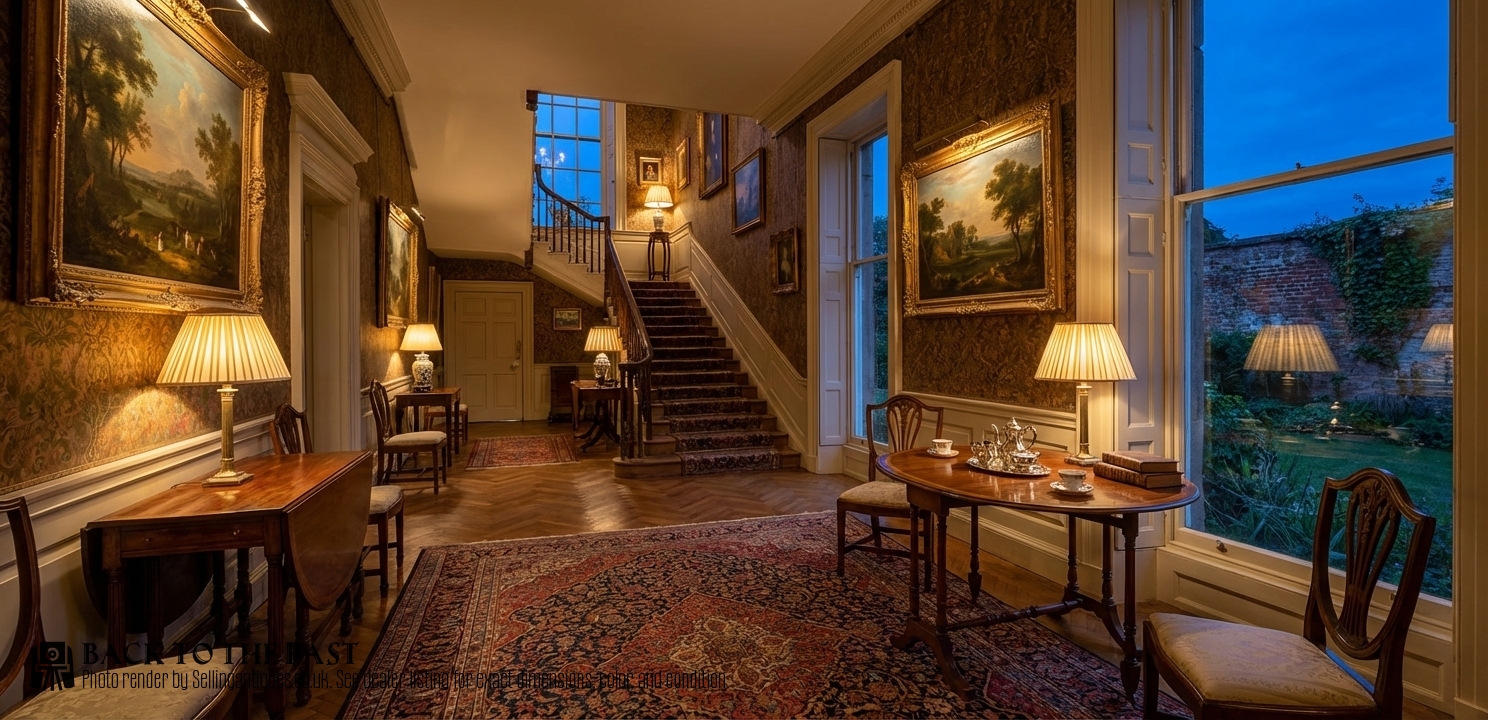
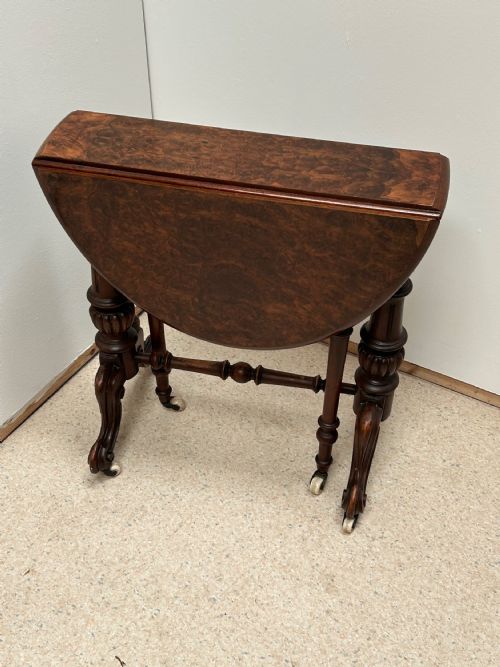
Fine Mahogany Inlaid Baby Sutherland Table, 1900
Priced at £595 from Fernyhough Antiques Ltd
Space was tight in early urban homes. Folding furniture offered a practical solution so you didn't lose the whole room.
Look for early oak examples from the late seventeenth century, as gateleg mechanisms supported heavy timber leaves before lighter mahogany took over.
Dining habits shifted during the Georgian period. Smaller tables became popular for tea drinking and card playing in the parlour.
Victorian households needed versatile pieces. Antique drop leaf tables often served double duty in kitchens where space wasn't guaranteed.
Gillows of Lancaster produced hundreds of these tables. Their late eighteenth-century sketchbooks show varied designs with finely turned legs and crisp tops.
Provincial joiners account for most surviving oak tables. They rarely signed their work, relying instead on local timber and traditional peg joinery.
High-end mahogany versions came from Thomas Chippendale. His firm's ledgers record breakfast tables with folding leaves delivered to major country houses during the 1760s.
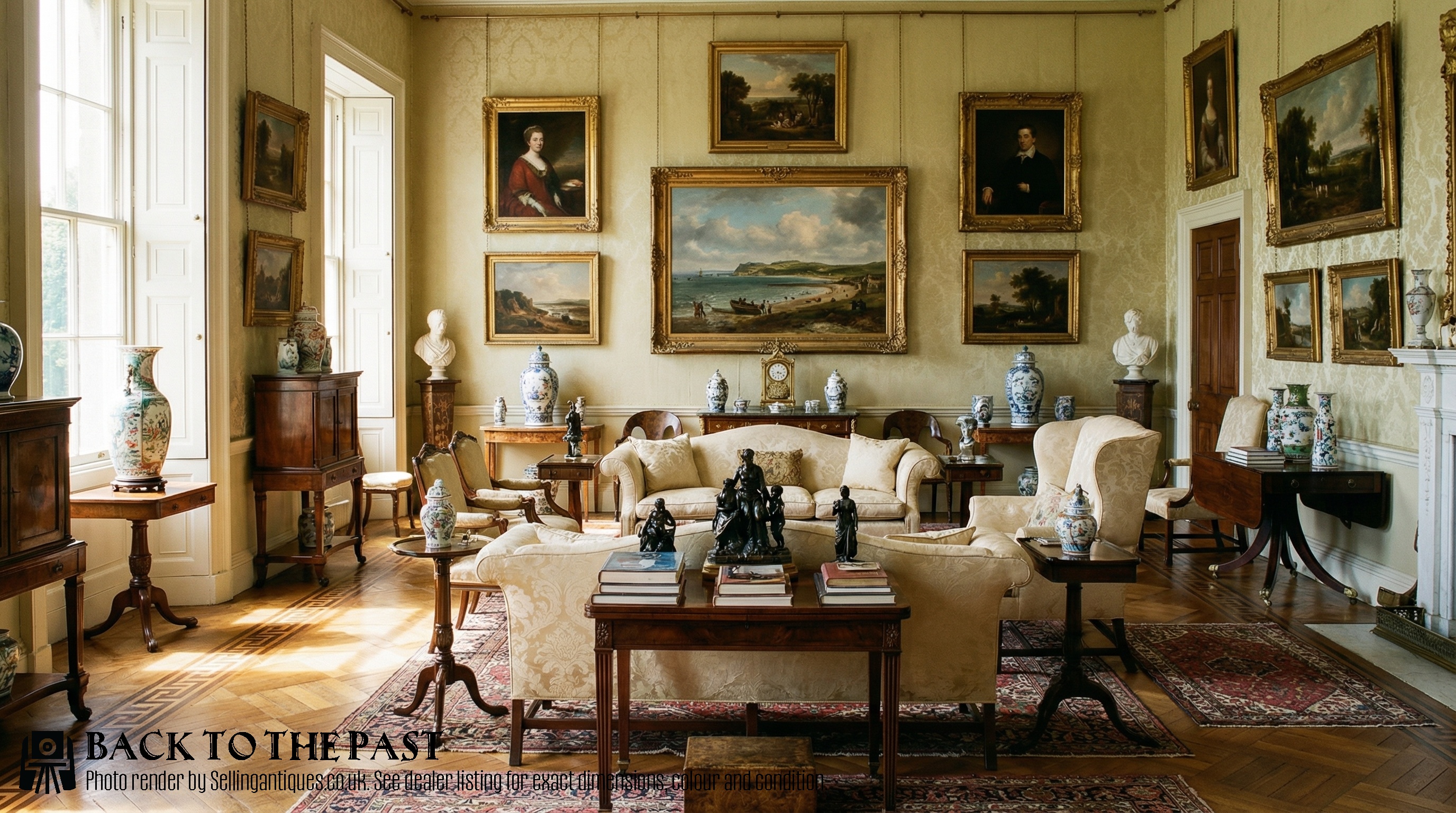
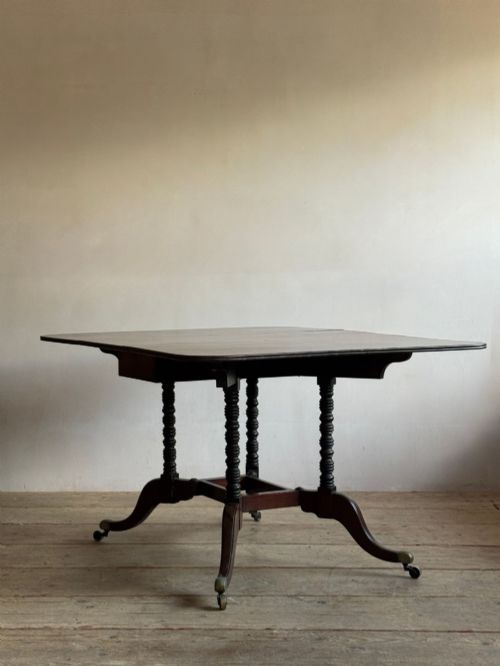
Regency Mahogany Drop Leaf Pedestal Dining Table, Regency
Priced at £695 from In A Nutshell Antiques and Interiors
The 2026 retail price guide for Antique Drop Leaf Tables is drawn from a proprietary archive of over 1.1 million retail prices indexed by Sellingantiques since 2003. This guide relies exclusively on their own internal data; no external sources or auction records are used.
Analysing nearly 25 years of UK antique market history alongside current retail values, the data indicates that typical UK retail prices for Antique Drop Leaf Tables range between £400 and £2,200. Entry-level prices generally fall under £400 and premium examples upwards of £2,200.
Hinged flaps define the whole form. They'll drop straight down against the frame, transforming a large dining surface into a narrow console.
Swinging legs or brackets support the extensions. Wooden hinges underneath pivot the supports outwards to hold the timber horizontal.
Drawer compartments sometimes sit at either end. They provided handy storage for cutlery or table linen in smaller homes, keeping daily items within reach.
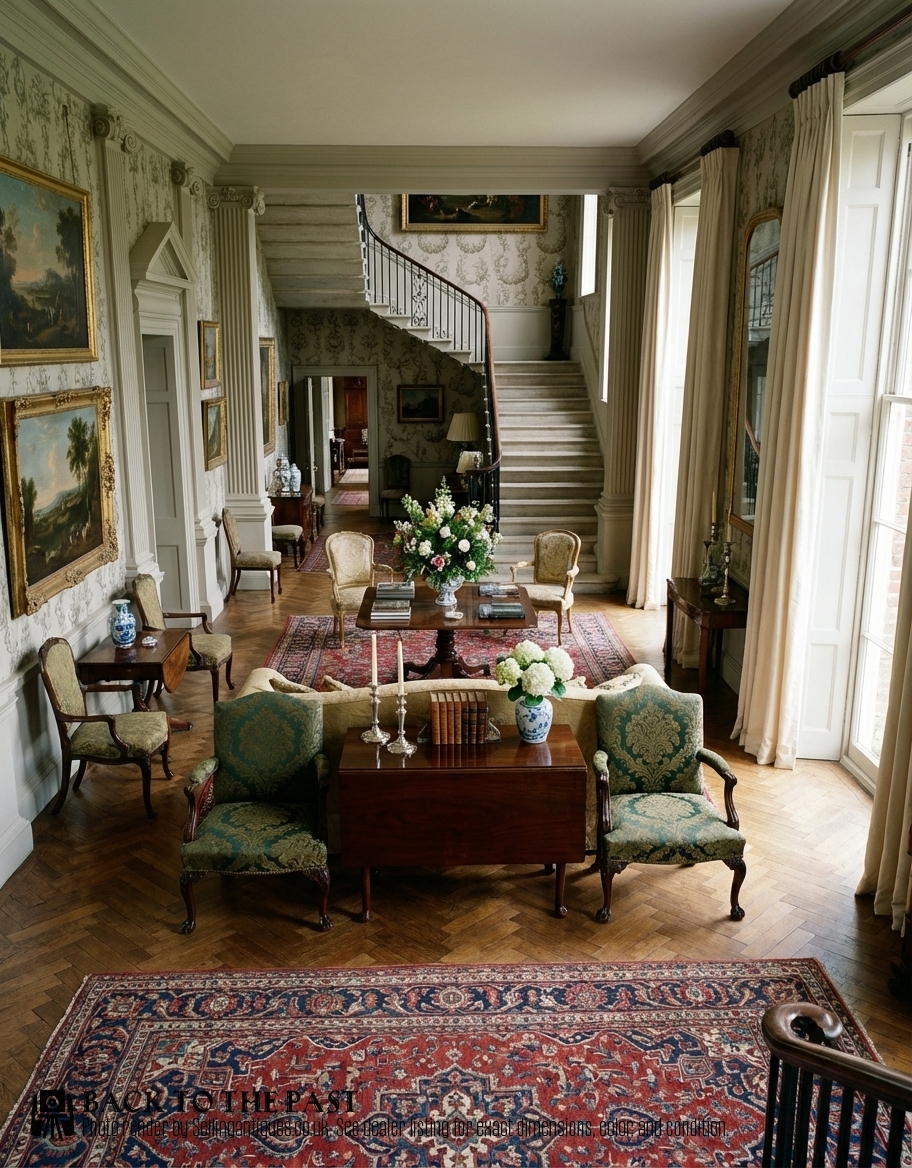
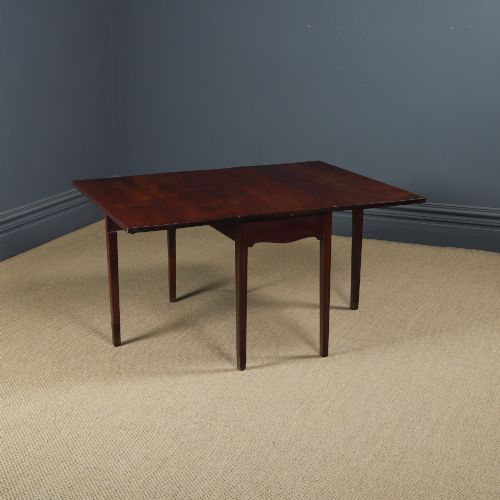
Georgian Drop Leaf Pad Foot Dining Table, Georgian
Priced at £1,050 from Elmgarden
Early joints used wooden pegs. Joiners drove tapered dowels through mortise and tenon frames, leaving visible circular marks.
The shift from solid oak to veneered finishes required flatter substrates. Pine carcases often sat beneath decorative woods on later Georgian pieces to stop surface cracking.
Iron hinges evolved to be countersunk. Cabinetmakers set them flush into the underside of the timber, allowing the leaves to fold tightly against the main frame.
"Modern apartments suit these perfectly. You'll get a full dining surface that folds flat against a wall when guests leave."
"Look past the main end drawer. You might find a false back concealing a clever secondary till for valuable items."
"Snapping a well-made wooden knuckle joint into place is satisfying. It proves the old hand-tooled engineering still works."
Based on almost 25 years of Sellingantiques UK antique market data, Antique Drop Leaf Tables appeared 3306 times (out of 1,100,000 antiques) which gives it a rarity score of 52/100.
This score measures scarcity within the Sellingantiques archive only and is not a survey of the entire antiques market, so these statistics may not be indicative of the general availability of Antique Drop Leaf Tables elsewhere.
Start by checking for rusted screws. Old iron hinges bind up when rust expands in the joint or when dust compacts over decades.
A tiny drop of light machine oil on the pivot pin often helps. Work the leaf gently up and down to draw the oil inside the barrel. Never force a stuck leaf, as the wood will crack before the iron gives way.
Mild soapy water on a well-wrung cloth removes surface dirt safely. Dry the timber immediately with a soft towel to prevent moisture sitting on the old finish.
Water rings mean moisture has bloomed in the shellac or wax layer. A coat of good quality beeswax polish applied with fine wire wool can sometimes blend these marks out.
Uneven floors are the usual culprit. Old timber tables will rock if all feet cannot sit flush on the floorboards.
Turn it over to check the structural joints. Loose mortise and tenon connections let the whole frame flex sideways.
Leg clearance is a valid concern with gateleg designs. The swinging frames sit exactly where your guests want to put their knees, limiting chair placement along the sides.
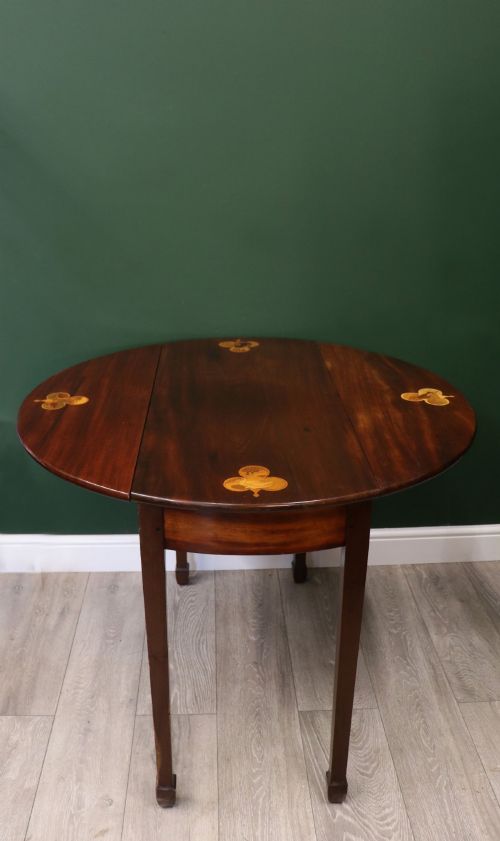
Pembroke tables avoid this by using brackets instead of full swinging legs. They lack the length for large dinners but work well for small gatherings.
If you need to seat six, look for a larger mahogany drop leaf on a central pedestal base. These keep the edges clear for chairs.
Please note: This Antique Drop Leaf Tables guide and its associated pricing data are provided for general informational purposes only. It does not constitute formal financial, investment, or appraisal advice and should not be relied upon as the sole basis for any commercial activity, purchasing, or sales decisions. Sellingantiques.co.uk accepts no liability for any actions taken in reliance on this information. Always consult with a qualified professional or independent appraiser.
