


A 2026 Guide by Sellingantiques
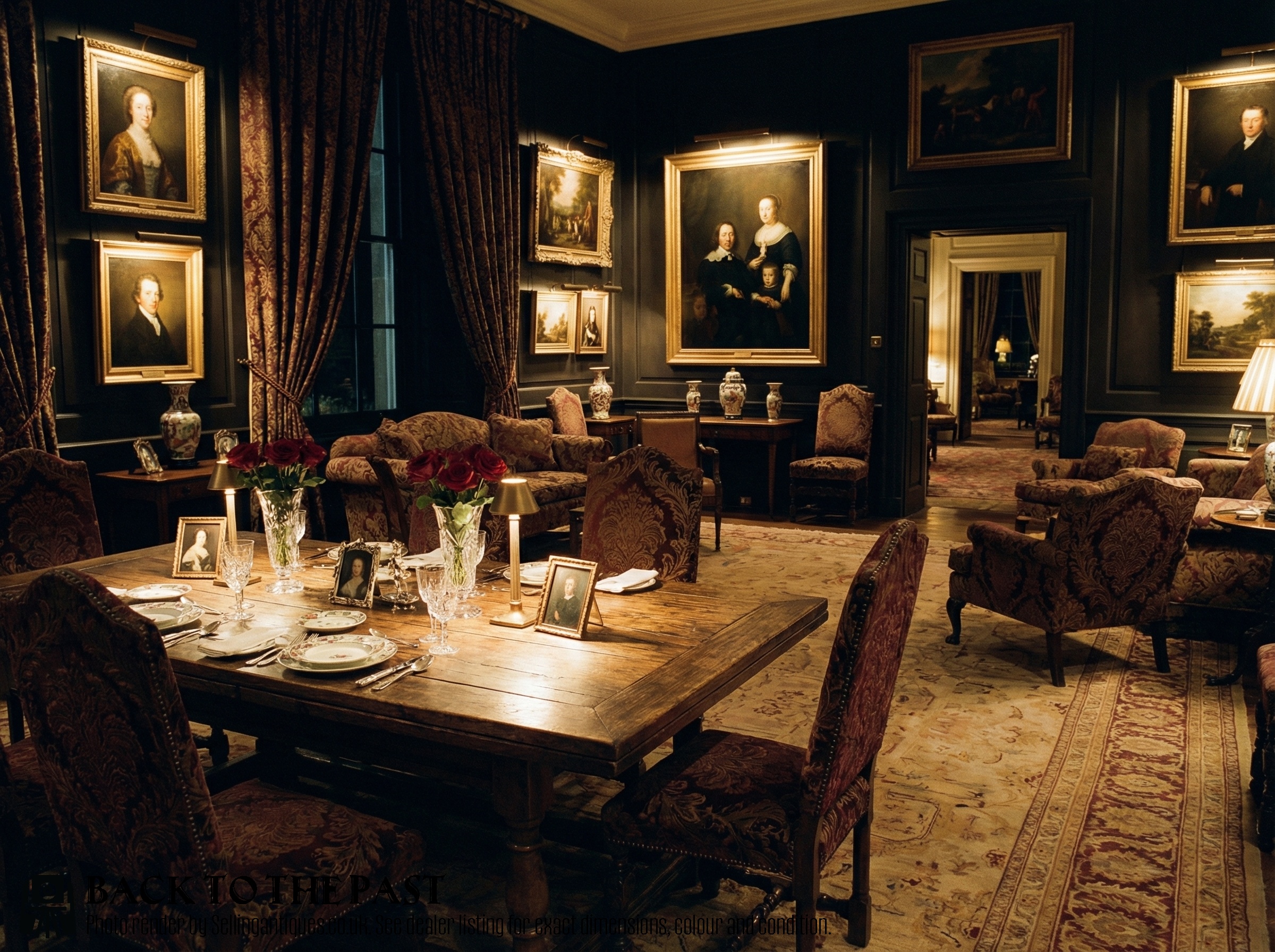
Dining Table. Georgian ( and Later). Oak. Extending to 2.9m, Georgian
Priced at £995 from Antiques Online Ltd
Dedicated dining rooms only became common in wealthier houses during the late eighteenth century. Families previously ate in the main hall on loose boards placed over trestles.
Look for early antique dining tables that fold or dismantle. Space was often required for other activities once a meal finished.
The Victorian era brought heavy formats with multiple leaves. Servants wound a crank handle to open the frame out for dinner parties.
Round tables grew popular during the Regency period. Guests could talk across the surface without a strict hierarchy of seating at the ends.
Gillows of Lancaster and London made extending dining tables during the late eighteenth and nineteenth centuries. Their telescopic actions are often stamped on the top edge of a drawer.
Thomas Chippendale supplied large mahogany dining tables in the mid-eighteenth century. Documented examples exist in the houses he furnished, featuring heavy straight legs.
Search for patent plates on Victorian winding mechanisms. Joseph Fitter produced brass winding actions in Birmingham from the 1860s, supplying frames to many regional table makers.
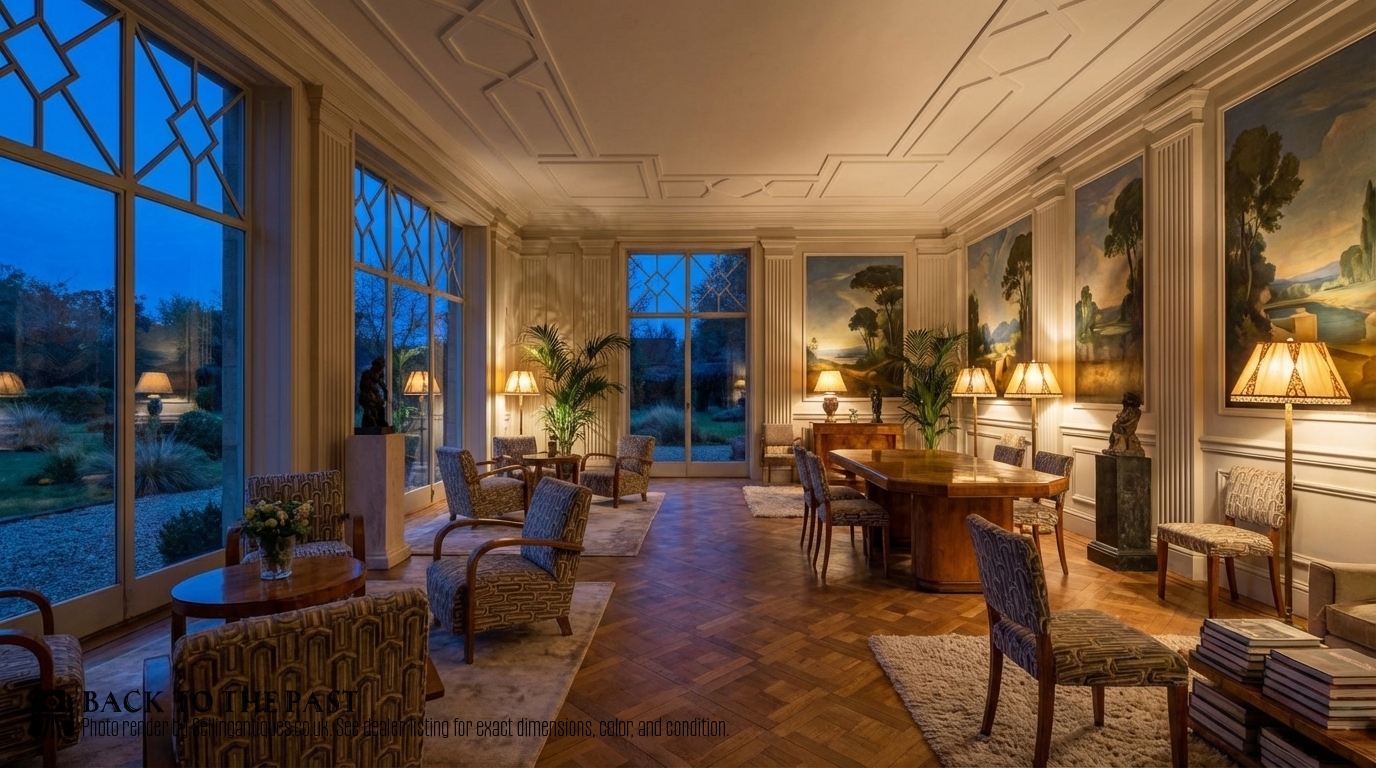
Stunning Art Deco Walnut Dining Table, 1930
Priced at £1,995 from Philip Hunt Antiques
The 2026 retail price guide for Antique Dining Tables is drawn from a proprietary archive of over 1.1 million retail prices indexed by Sellingantiques since 2003. This guide relies exclusively on their own internal data; no external sources or auction records are used.
Analysing nearly 25 years of UK antique market history alongside current retail values, the data indicates that typical UK retail prices for Antique Dining Tables range between £800 and £5,300. Entry-level prices generally fall under £800 and premium examples upwards of £5,300.
Removable leaves allow the top to expand. They sit on runners or a telescopic frame pulled apart when extra seating is required.
Castors appear on the bottom of most heavy nineteenth-century legs. Solid brass wheels let the table roll smoothly over dining room carpets.
Notice the edges of the main top. Some are left square, while others carry a thumb-moulded or reeded profile carved directly into the timber.
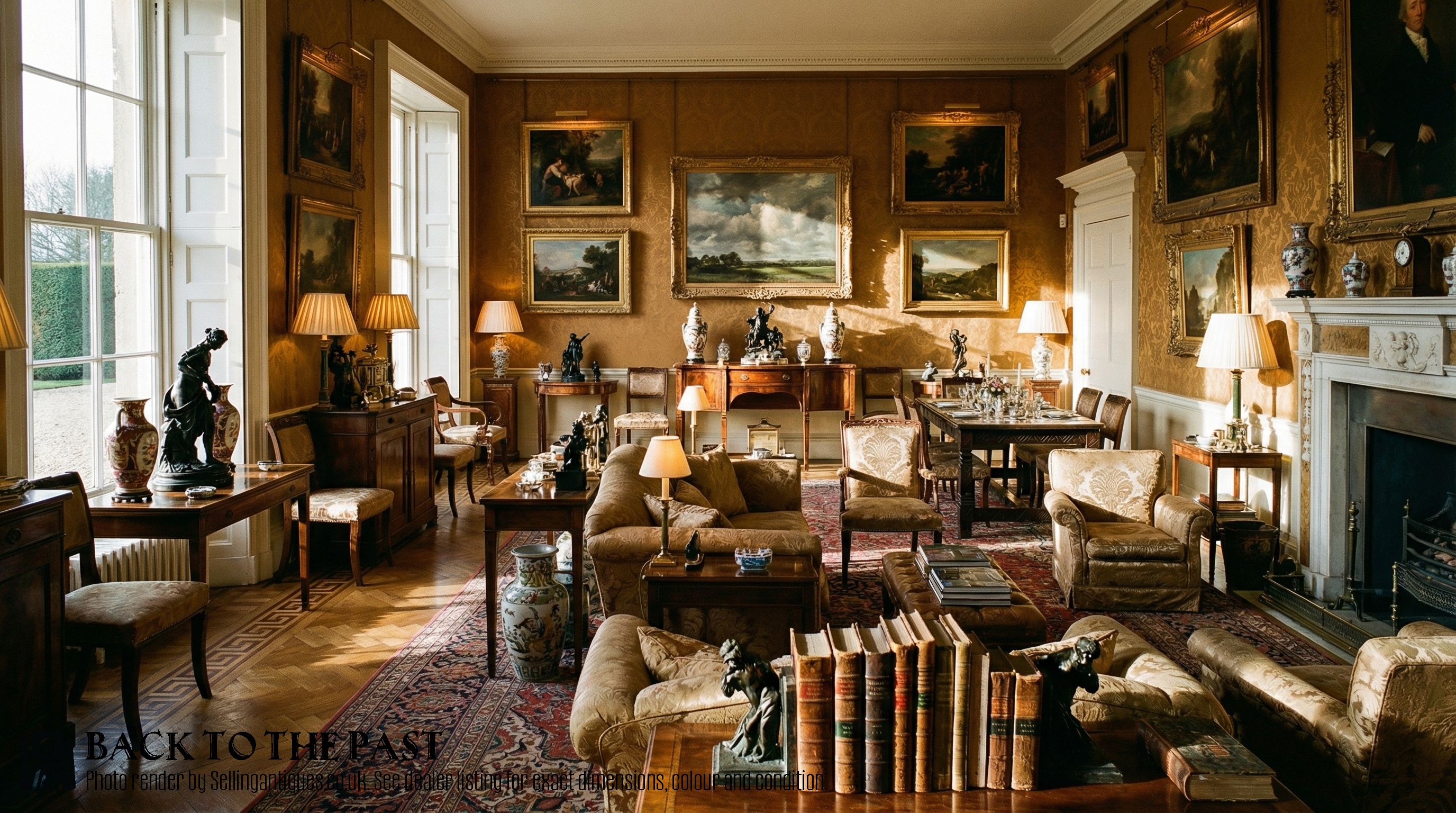
North African Mosaic Top Dining Table, 19th Century
Priced at £1,500 from Elmgarden
Early joined tables rely on massive timber sections. Craftsmen cut deep mortises into thick oak legs to hold the side rails together.
The introduction of stronger screws changed how tops were attached. Makers could secure wide mahogany boards to a lighter frame without cutting heavy joints.
Look at the runners on an extending table. Precision cabinetmaking was needed to make these long wooden slides glide past each other without jamming.
"Extra table leaves were often stored in a different room or a bespoke cabinet. They sometimes retain a lighter colour because they spent less time exposed to sunlight."
"The brass clips used to join separate table sections are carefully engineered. They pull the heavy wooden edges together for a seamless eating surface."
"Many Georgian pedestal tables have concealed castors. The wheels sit hidden under the brass foot caps to maintain a clean line."
Based on almost 25 years of Sellingantiques UK antique market data, Antique Dining Tables appeared 19149 times (out of 1,100,000 antiques) which gives it a rarity score of 2/100.
This score measures scarcity within the Sellingantiques archive only and is not a survey of the entire antiques market, so these statistics may not be indicative of the general availability of Antique Dining Tables elsewhere.
You should stick to a good quality beeswax polish. Apply it sparingly every few months.
Silicone sprays will leave a cloudy residue on antique surfaces. A soft cloth and a gentle buff is all most dining tables need.
Most Victorian extending tables have brass castors fitted to the legs. Some of these include a thread that lets you adjust the height slightly to cope with uneven floors.
If a table lacks adjustable castors, you can slide felt pads under the feet. Old houses rarely had flat floors, so heavy timber frames were built to settle.
Adding the central leaves often helps stabilise the frame. The extra weight pushes the legs down onto the floorboards.
It depends on the size of the table. Small leaf extensions are usually supported by the main telescopic runners or by wooden bearers pulling out from the frieze.
Long tables require extra help. Makers often provided a separate central leg that drops down when the table is fully extended to stop the middle from bowing.
Central heating is tough on antique furniture. The dry air shrinks old timber, which can cause the joints to loosen and the main boards to crack along the grain.
Keep the table away from direct heat sources like radiators. Using a humidifier in the room during the winter months helps maintain a stable moisture level in the wood.
Oak is a dense timber and most period tables have survived centuries of temperature changes. A slight opening of the grain is normal and rarely affects the structural integrity of a thick top.
Please note: This Antique Dining Tables guide and its associated pricing data are provided for general informational purposes only. It does not constitute formal financial, investment, or appraisal advice and should not be relied upon as the sole basis for any commercial activity, purchasing, or sales decisions. Sellingantiques.co.uk accepts no liability for any actions taken in reliance on this information. Always consult with a qualified professional or independent appraiser.
