
A 2026 Guide by Sellingantiques
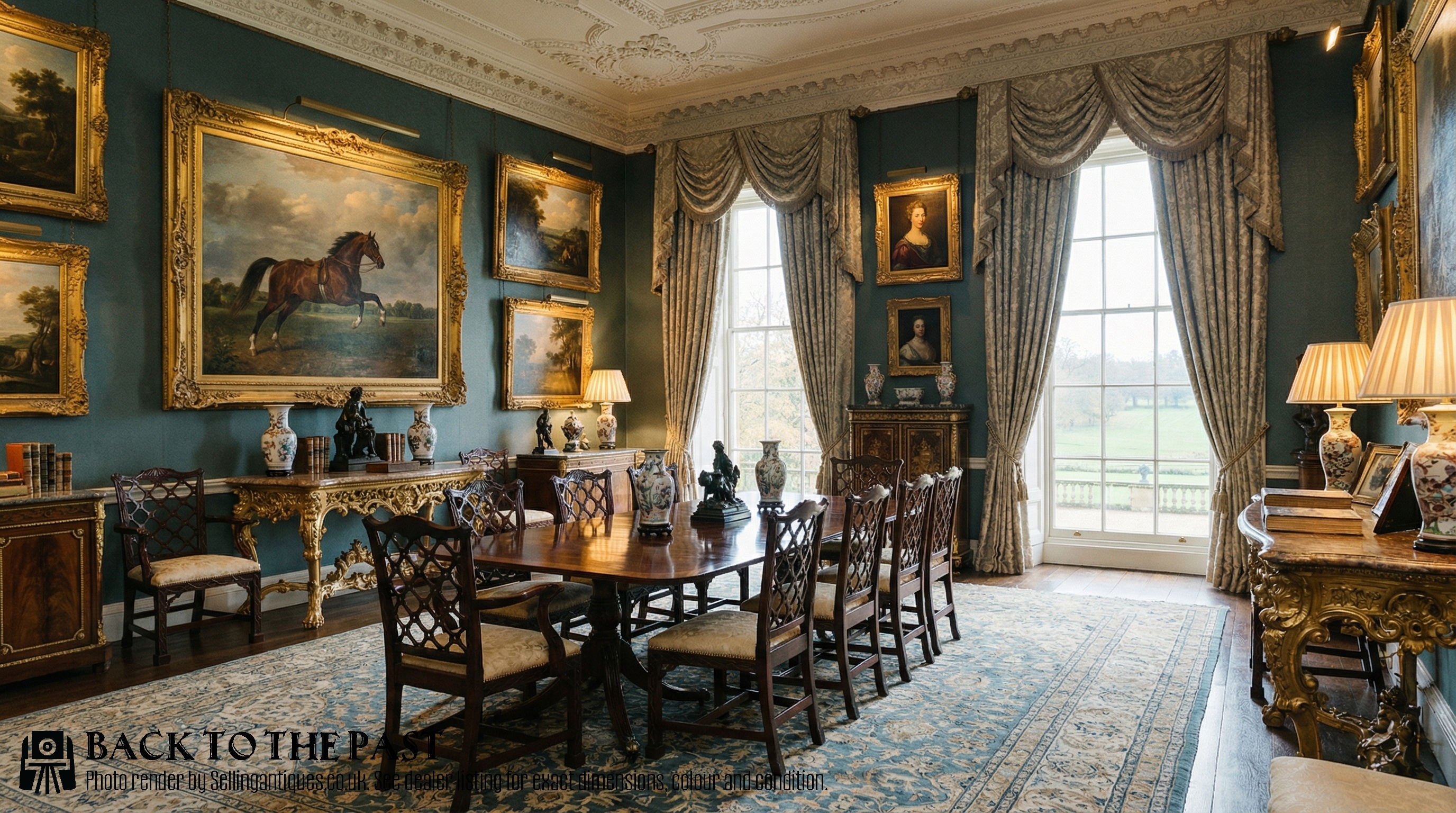
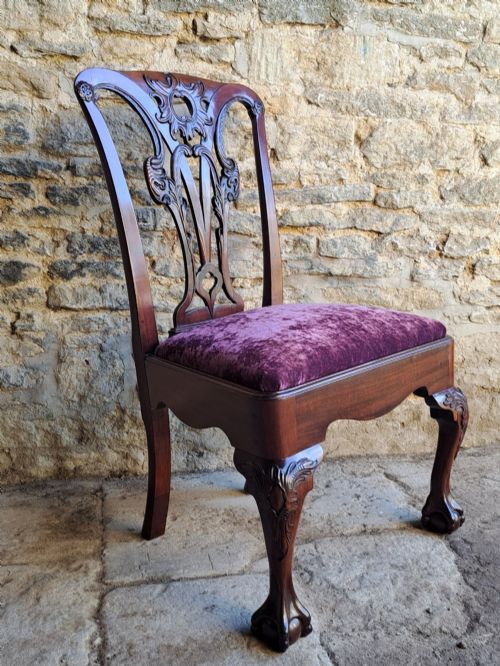
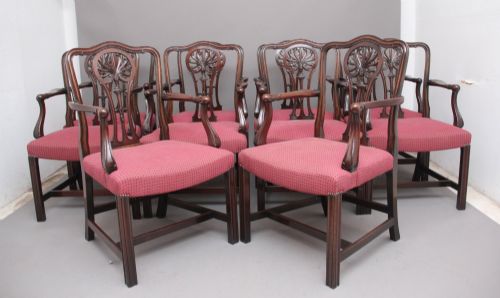
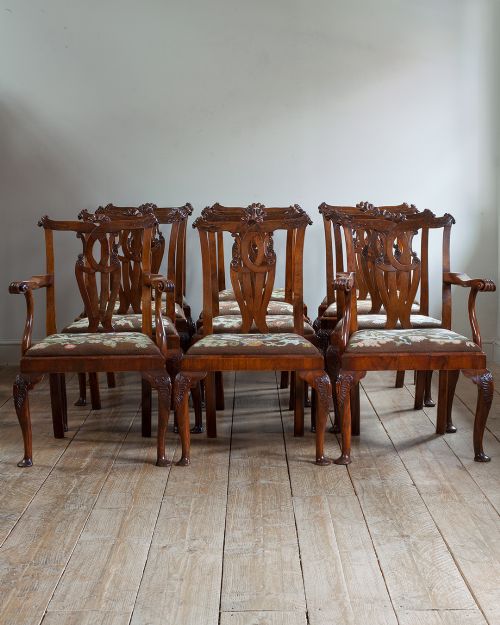
Outstanding Set 0f 14 Chippendale Revival Mahogany Dining Chairs, 1900
Priced at £19,950 from Philip Hunt Antiques
Thomas Chippendale published his pattern book in 1754. It spread these chair designs across Britain and the colonies.
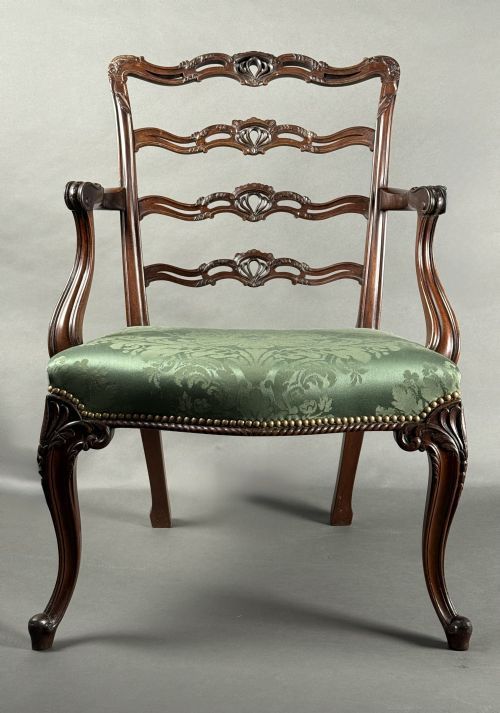
Look for the blend of styles. The Director included Gothic, Chinese and Rococo motifs adapted for English tastes.
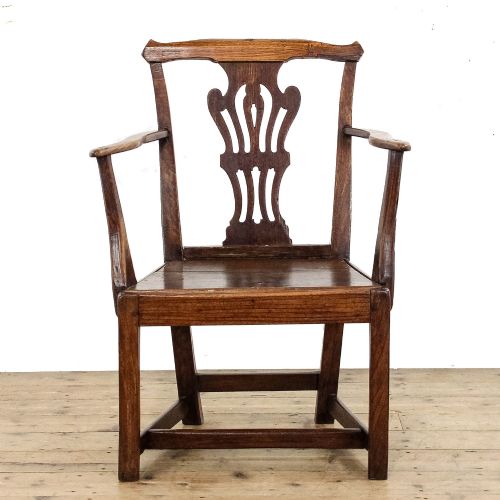
Regional variations appeared quickly. Country makers simplified the complex carving found in London pieces to suit local patrons and different timbers.
Not all date to the eighteenth century. The style saw major revivals in the late nineteenth and early twentieth centuries.
Thomas Chippendale himself ran his London workshop on St Martin's Lane from 1754 until his death in 1779.
Gillows of Lancaster produced hundreds of these chairs. They often stamped their later eighteenth-century frames on the seat rail.
Irish makers like James Hicks later produced high-quality revival versions. Earlier Dublin craftsmen added their own heavy, flat-carved details to the standard patterns.
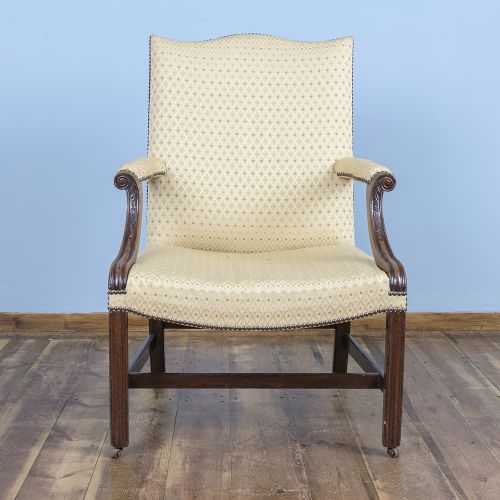
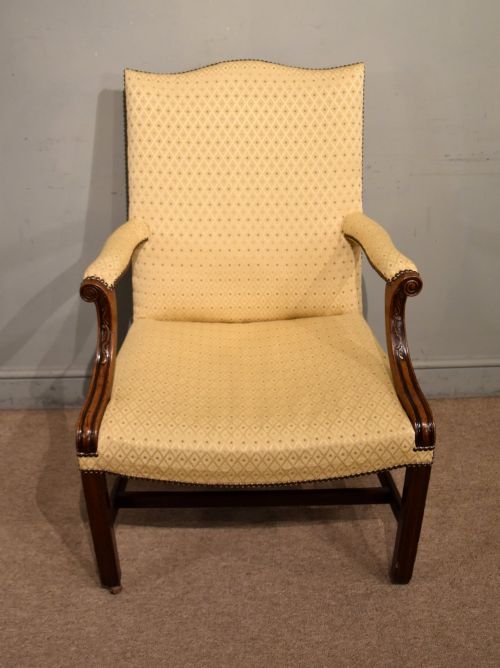
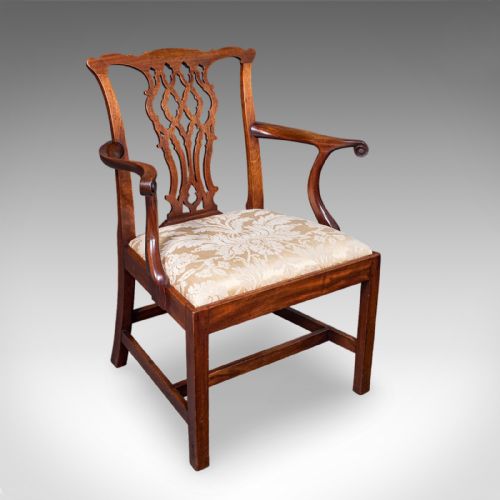
Impressive Mahogany Chippendale Style Desk Chair, 1900
Priced at £950 from Philip Hunt Antiques
The 2026 retail price guide for Antique Chippendale Chairs is drawn from a proprietary archive of over 1.1 million retail prices indexed by Sellingantiques since 2003. This guide relies exclusively on their own internal data; no external sources or auction records are used.
Analysing nearly 25 years of UK antique market history alongside current retail values, the data indicates that typical UK retail prices for Antique Chippendale Chairs range between £600 and £4,400. Entry-level prices generally fall under £600 and premium examples upwards of £4,400.
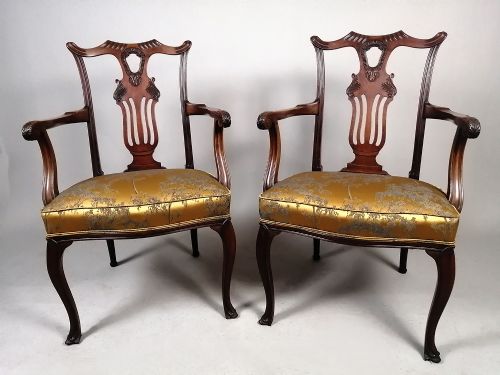
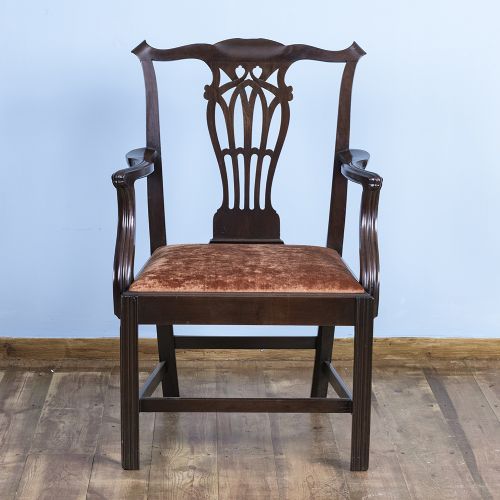
The yoke-shaped top rail is a classic indicator. It typically sweeps up at the ends like a Cupid's bow.
Pierced central splats are standard on antique Chippendale chairs. You will find them carved with interlaced ribbons, Gothic arches or Chinese fretwork.
Feet vary by sub-style. Rococo pieces often have ball and claw, while the Chinese-influenced chairs stand on straight, square legs.

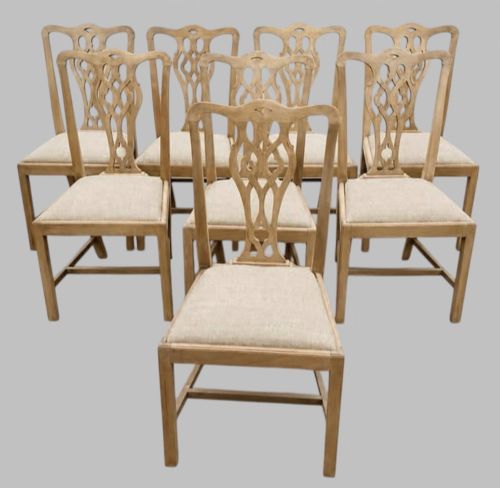
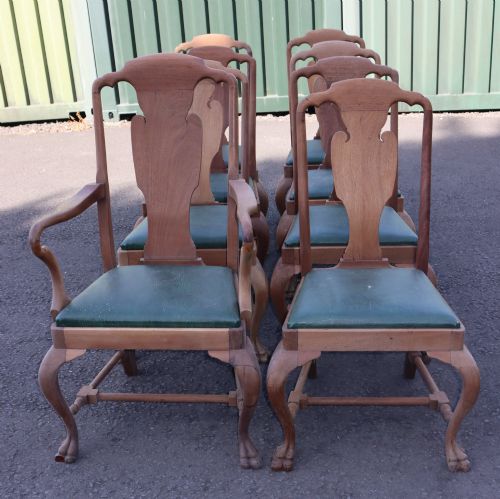
Set of 12 Late C19th Mahogany Dining Chairs in the Chippendale Revival Style ., 19th Century
Priced at £6,000 from M Lees and Sons
Traditional mortise and tenon joints hold the main frame together. Wooden pegs sometimes secure these connections on country pieces.
Carvers worked the intricate back splats from a single piece of wood. The grain had to run vertically to stop the delicate fretwork snapping.
Corner blocks give the seat frame strength. Turn it over to see these small triangular sections glued or screwed behind the legs.
"The original designs were surprisingly adaptable. A single pattern in the Director book showed different carving options on the left and right halves."
"Country carpenters took great pride in their local interpretations. They matched the high-style outlines using native timbers they had seasoned themselves."
"Basic chair proportions remain highly regarded. Modern seating designers still study the rake of the back and seat height for ergonomic principles."
Based on almost 25 years of Sellingantiques UK antique market data, Antique Chippendale Chairs appeared 2437 times (out of 1,100,000 antiques) which gives it a rarity score of 61/100.
This score measures scarcity within the Sellingantiques archive only and is not a survey of the entire antiques market, so these statistics may not be indicative of the general availability of Antique Chippendale Chairs elsewhere.
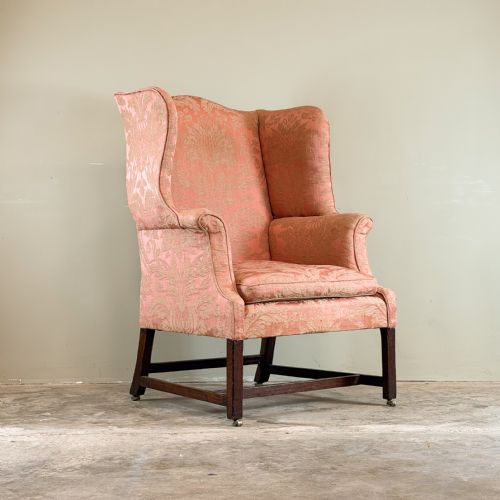
Most eighteenth-century examples wore worsted wool, silk damask or leather. The choice depended on the room the chair was intended for, with hardwearing leather preferred for dining spaces.
Many have been recovered several times since. Unless the frame retains its original horsehair stuffing and early tacks, you can choose a textile that suits the wood and the period.
Eighteenth-century dining tables were sometimes built lower than today's standard height. This made a slightly lower seat comfortable for the original owners.
Another factor is historical wear. Chairs that have stood on stone or damp floors for two centuries often lose an inch or more to rot at the base of the feet.
Castors were sometimes fitted originally to raise the height. Many of these have been lost over time.
You can use a well-maintained mahogany chair for daily sitting. The timber is dense and the traditional mortise and tenon joints are highly durable.
Just treat the backrest with respect. The pierced splats are the weak point and leaning back heavily can crack the fretwork.
Sunlight causes mahogany to fade over time. The legs often catch less direct light than the backrest, which sits higher and closer to windows.
Housemaids also swept and polished the lower sections aggressively. Years of rubbing against the legs can remove the darker patinated surface, leaving the wood looking lighter and smoother than the untouched upper frame.
Please note: This Antique Chippendale Chairs guide and its associated pricing data are provided for general informational purposes only. It does not constitute formal financial, investment, or appraisal advice and should not be relied upon as the sole basis for any commercial activity, purchasing, or sales decisions. Sellingantiques.co.uk accepts no liability for any actions taken in reliance on this information. Always consult with a qualified professional or independent appraiser.
