


A 2026 Guide by Sellingantiques
English examples first appeared during the late seventeenth century. Wealthy households wanted formal seating for dining and receiving guests.
Dutch influence drove much of the early design. Look at the tall cane backs of Charles II chairs.
Regional makers across Britain adapted the form throughout the eighteenth century using local woods.
The Arts and Crafts movement revived the shape. Designers stretched the backrest proportions to create striking geometric silhouettes.
Documented names from the seventeenth century are rare. Unless they're stamped, most production relied on anonymous urban chairmakers and turners working within the guild system.
Daniel Marot published influential designs during the William and Mary period. His engravings helped spread the tall-backed aesthetic across Britain.
Charles Rennie Mackintosh famously produced ebonised highback designs around 1900. He built them specifically for Glasgow tea rooms and private commissions.
The 2026 retail price guide for Antique Highback Chairs is drawn from a proprietary archive of over 1.1 million retail prices indexed by Sellingantiques since 2003. This guide relies exclusively on their own internal data; no external sources or auction records are used.
Analysing nearly 25 years of UK antique market history alongside current retail values, the data indicates that typical UK retail prices for Antique Highback Chairs range between £300 and £2,000. Entry-level prices generally fall under £300 and premium examples upwards of £2,000.
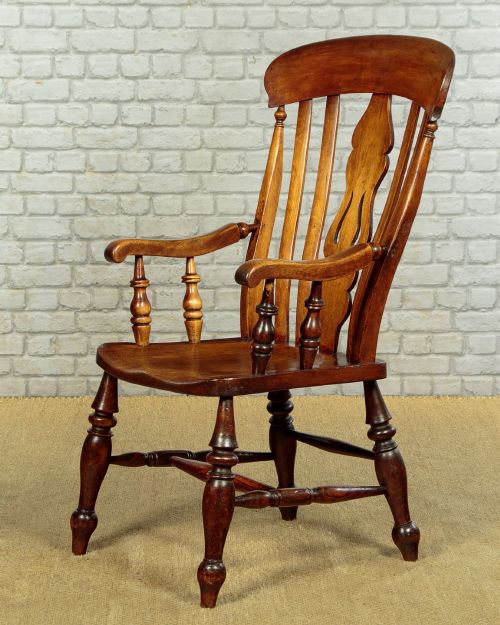
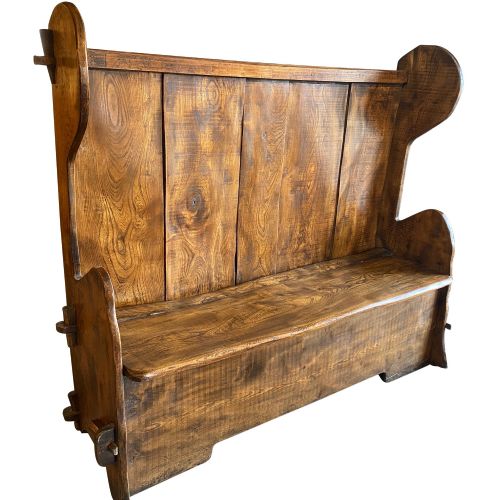
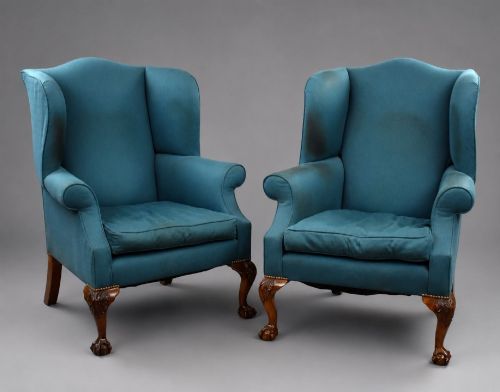
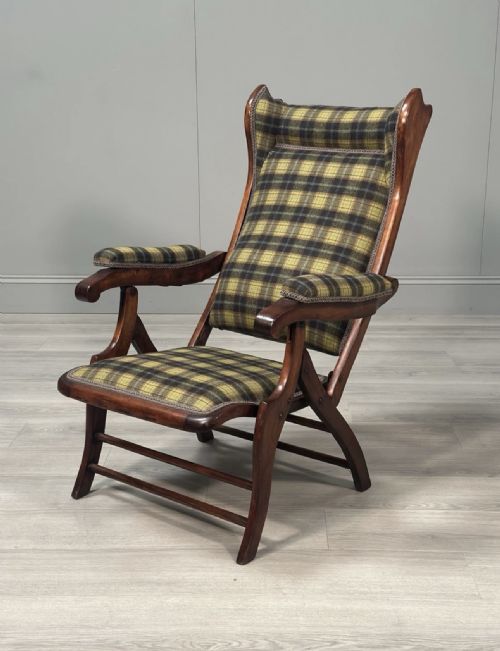
A tall, narrow backrest dominates the structure. Some have solid central splats while others use split turnings.
Carved crest rails sit at the very top. These frequently feature crowns, cherubs or simple scrolling foliage.
Front legs often end in Braganza toes or Spanish feet on older examples. Stretcher bases connect the legs to stop them splaying.
Early makers used mortise and tenon joints held by wooden pegs. Turn a chair around to see the circular peg ends flush with the back stiles.
Turners shaped the legs and uprights on pole lathes. This created the distinctive bobbin and barley-twist profiles found on seventeenth-century antique highback chairs.
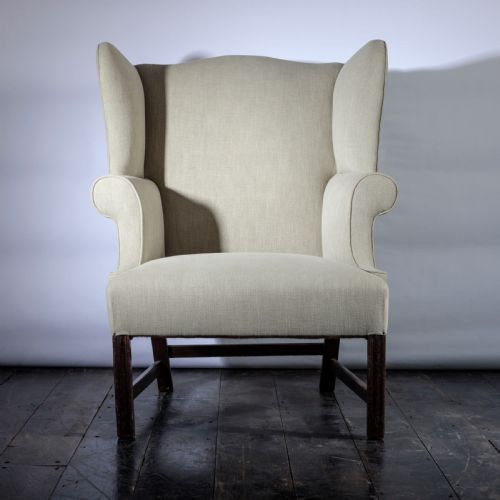
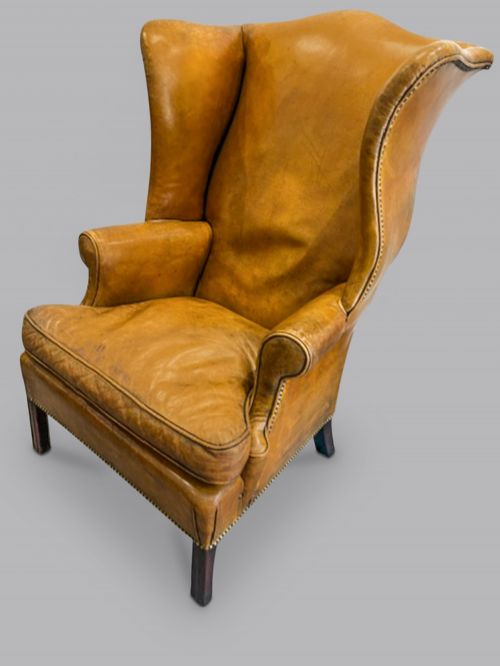
Upholstered versions feature webbing stretched across a wooden frame. Hand-forged iron tacks secure the foundation fabrics where they're hidden from view.
"The severe upright stance actually promotes active listening. Sitters were forced to lean forward slightly during conversation."
"High crest rails served a social function. The taller the back, the more status it gave the person sitting in the room."
"Many regional craftsmen developed specific turning patterns. These local details help identify exactly where a provincial chair was made."
Based on almost 25 years of Sellingantiques UK antique market data, Antique Highback Chairs appeared 193 times (out of 1,100,000 antiques) which gives it a rarity score of 96/100.
This score measures scarcity within the Sellingantiques archive only and is not a survey of the entire antiques market, so these statistics may not be indicative of the general availability of Antique Highback Chairs elsewhere.
A soft brush removes most loose dust. Work the bristles gently between the woven strands without pressing too hard against the panels.
A slightly damp cloth deals with stubborn dirt. Wipe lightly over the surface and let the cane dry naturally in a well-ventilated room.
Early seating often sits lower than modern expectations. People were generally shorter, and domestic tables were sometimes built lower to match.
Wear plays a big part too. Feet standing on damp brick floors rot away slowly over the decades. Generations of owners simply sawed off the damaged tips to level the chair out again.
It's a wood turning that resembles a thick spiral rope.
Craftsmen cut the deep grooves on a lathe. The style was popular during the late seventeenth century.
Animal hide glue becomes brittle as it ages. The seasonal shrinking and swelling of the wooden joints breaks the old adhesive bond.
Leaving it loose risks snapping the wooden dowels or tearing the mortise cheeks. A restorer can dismantle the loose sections, clean out the residue, and re-glue the joints safely.
Please note: This Antique Highback Chairs guide and its associated pricing data are provided for general informational purposes only. It does not constitute formal financial, investment, or appraisal advice and should not be relied upon as the sole basis for any commercial activity, purchasing, or sales decisions. Sellingantiques.co.uk accepts no liability for any actions taken in reliance on this information. Always consult with a qualified professional or independent appraiser.
