
A 2026 Guide by Sellingantiques
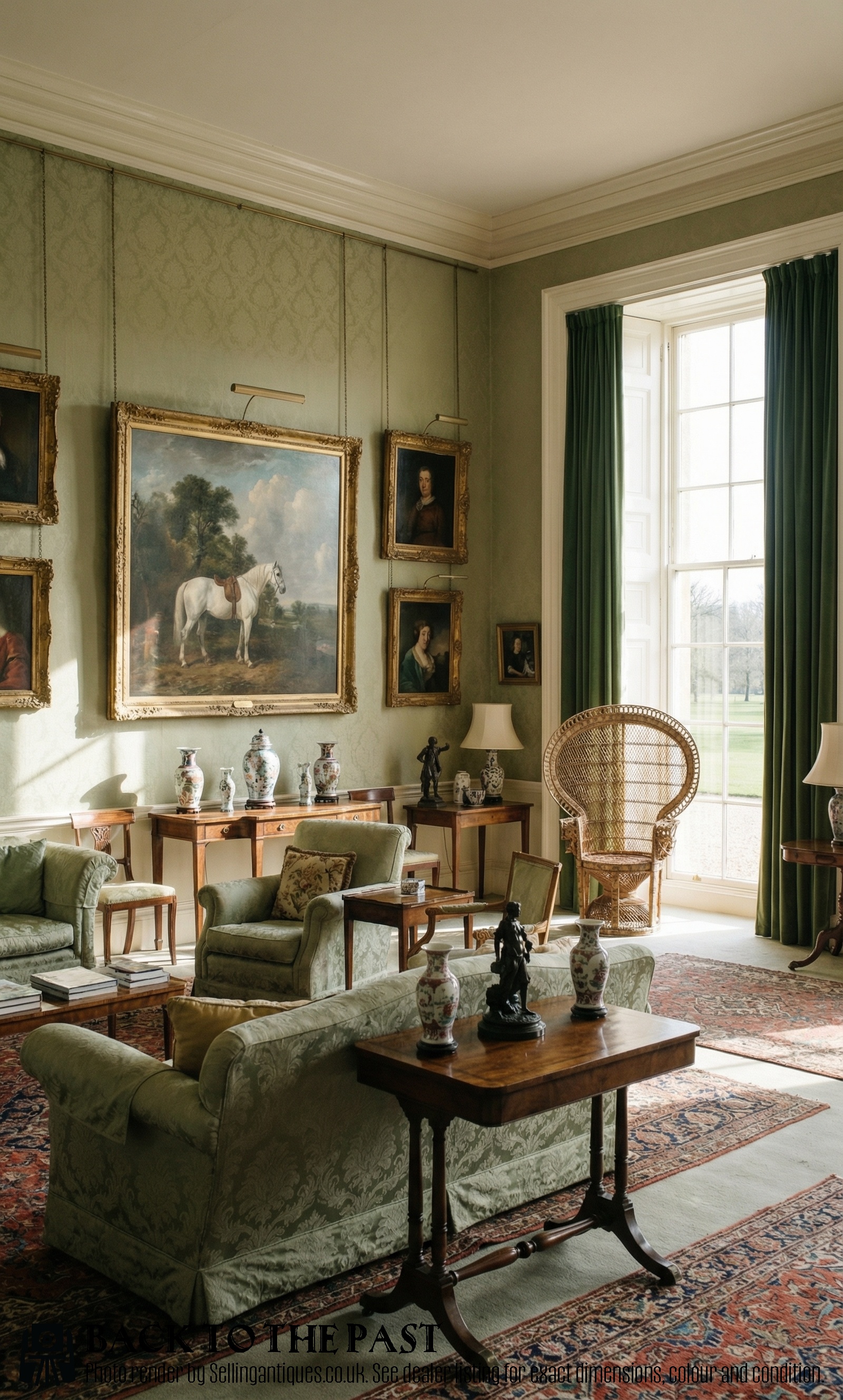
Good Anglo Indian Cane Peacock Chair., 1930
Priced at £295 from Rupert Hitchcox Antiques
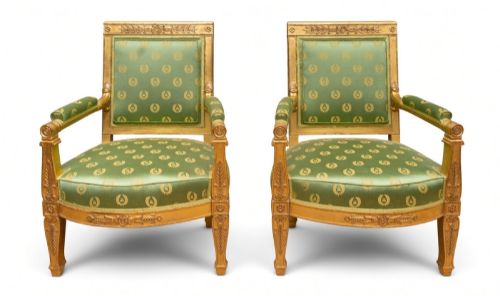
Originally part of larger drawing room suites rather than made as single standalone items.
Wealthy households needed seating that could be moved easily by servants for card games.
Remember that the contrasting accent chair as a focal point is a later Victorian idea.
Cluttered nineteenth-century reception rooms demanded an eclectic mix of these smaller occasional seats.
Howard & Sons produced some distinctive low-seated nursing and easy chairs during the late nineteenth century.
Stamped maker marks are actually quite rare on antique accent chairs.
Regional cabinet makers turned out thousands of these unsigned pieces for middle-class homes across the country.
The 2026 retail price guide for Antique Accent Chairs is drawn from a proprietary archive of over 1.1 million retail prices indexed by Sellingantiques since 2003. This guide relies exclusively on their own internal data; no external sources or auction records are used.
Analysing nearly 25 years of UK antique market history alongside current retail values, the data indicates that typical UK retail prices for Antique Accent Chairs range between £500 and £2,700. Entry-level prices generally fall under £500 and premium examples upwards of £2,700.
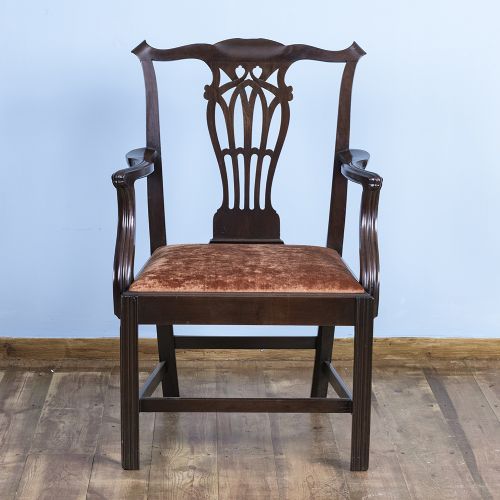
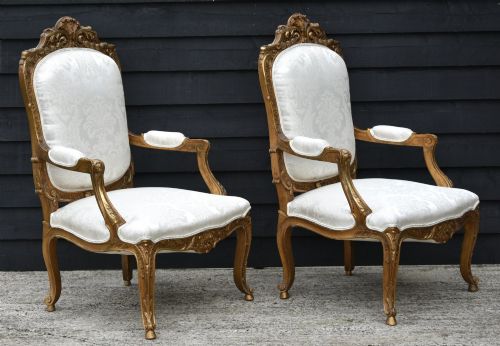
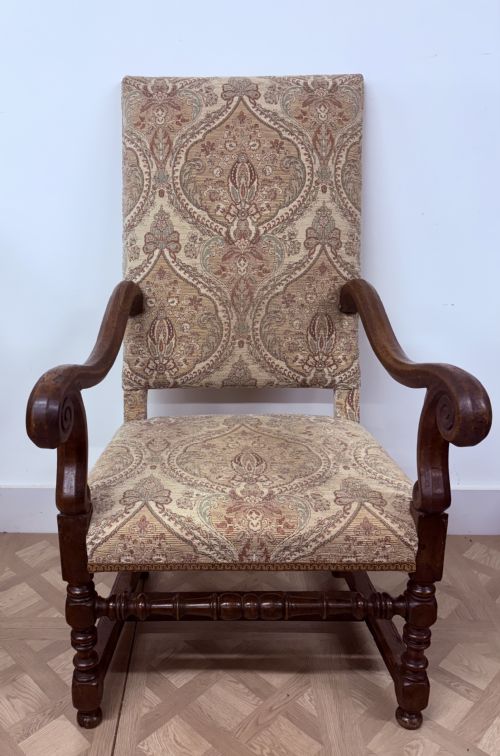
Open arms or armless designs are common, allowing ladies in wide skirts to sit without restriction.
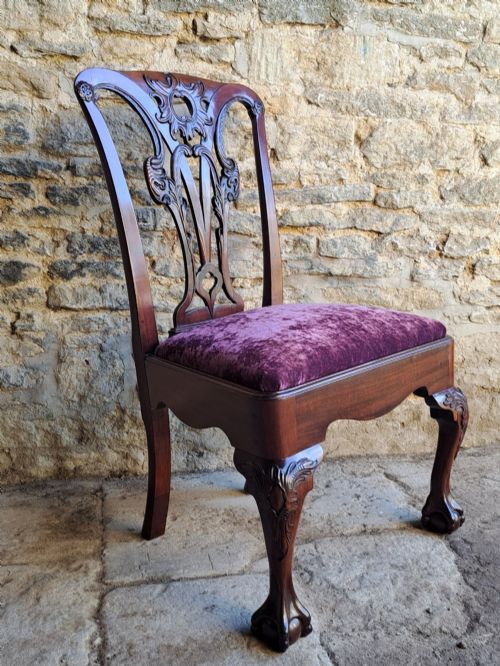
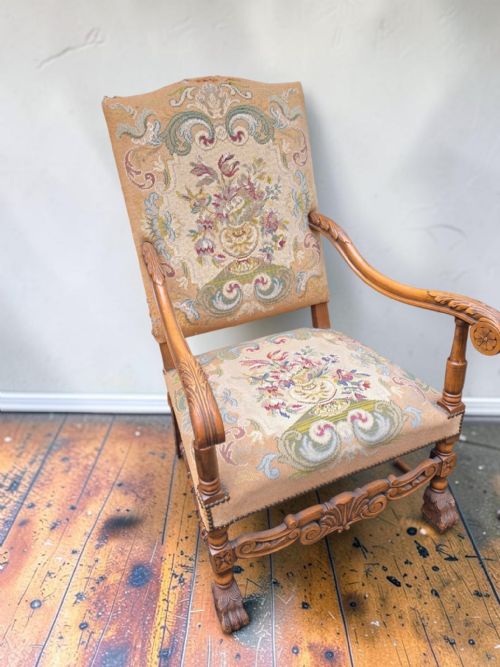
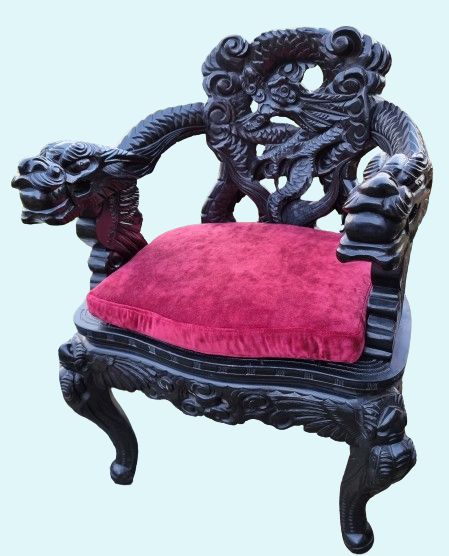
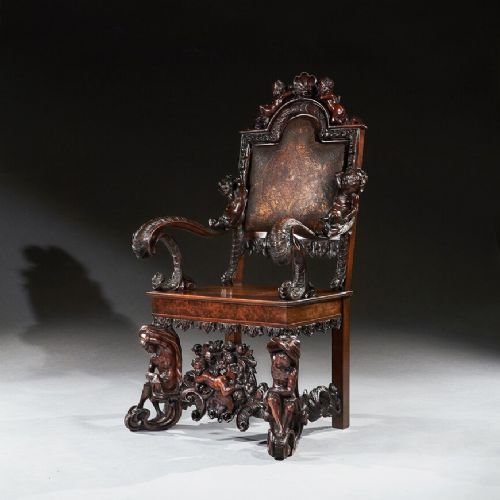
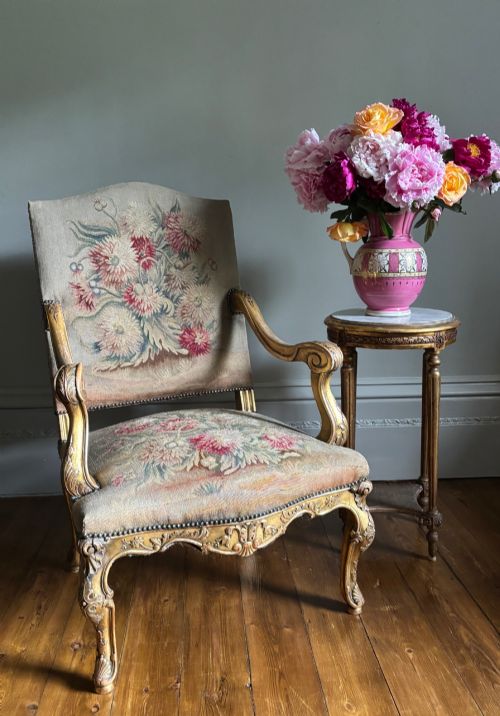
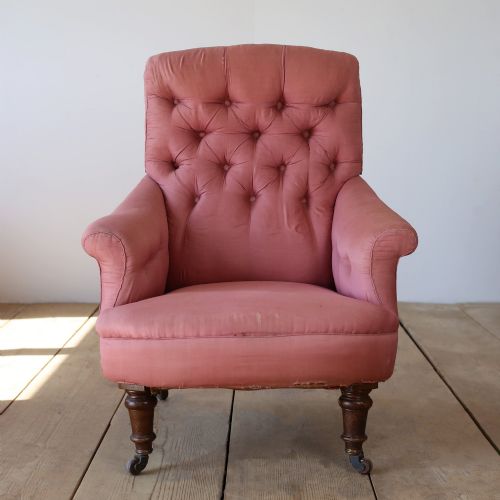
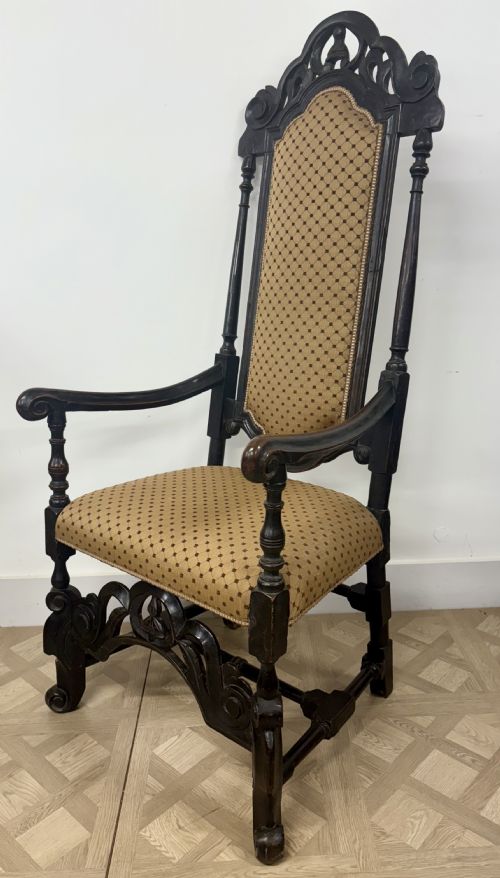
You will spot elaborate detailing on the backrests, from pierced splats to deep buttoning.
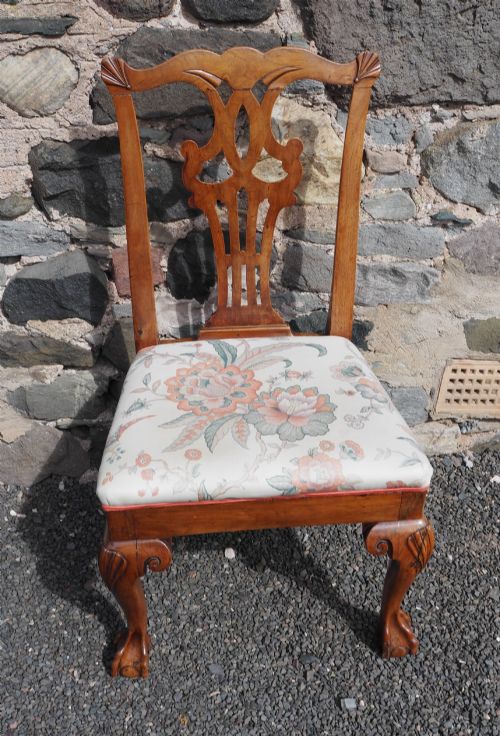
Front legs tend to receive the most decoration, sitting on brass castors while the back legs remain plain.
Hand-cut mortise and tenon joints hold the seat rails to the uprights on earlier examples.
Victorian workshops adopted dowel joints and steam-powered bandsaws to cut frames out much faster.
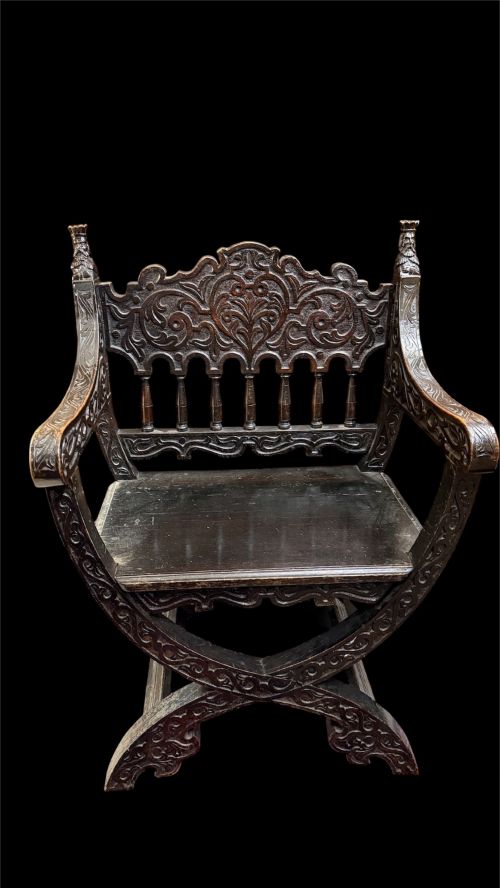
Notice how the crisp hand-carving on eighteenth-century accent chairs differs from the shallower repetitive motifs produced by later machinery.
"Some smaller examples were deliberately built low to the ground to make changing shoes easier in bedrooms."
"Castors were fitted so a host could slide chairs rapidly across carpets to arrange impromptu seating circles."
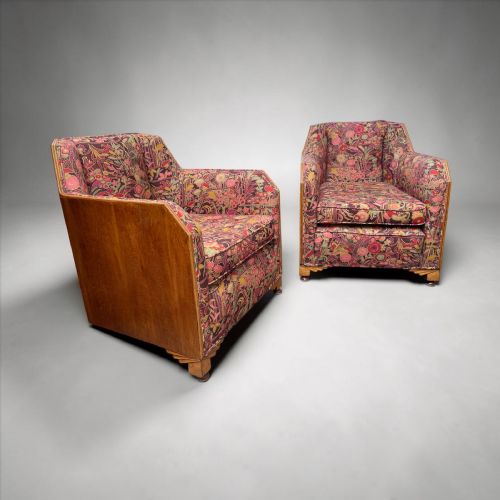
"Many heavily upholstered frames conceal an elegantly carved and lightweight wooden carcase inside."
Based on almost 25 years of Sellingantiques UK antique market data, Antique Accent Chairs appeared 2479 times (out of 1,100,000 antiques) which gives it a rarity score of 61/100.
This score measures scarcity within the Sellingantiques archive only and is not a survey of the entire antiques market, so these statistics may not be indicative of the general availability of Antique Accent Chairs elsewhere.
Mixing styles often yields a much better room than a strict matched set. An antique accent chair is meant to stand out slightly from the main seating.
You just need a common thread to tie the room together. Matching the timber colour or using complementary fabrics helps bridge the gap between different eras.
Natural fibres like wool, linen and cotton velvet tend to sit best on antique frames. They breathe well and age gracefully alongside old wood.
Avoid shiny synthetic fabrics if you want to retain a period feel. A classic damask or a subtle stripe rarely goes wrong.
Do not worry about matching skirting boards. Wood finishes in a hallway rarely need to correspond exactly, and a contrast often looks better.
An antique accent chair works well in an alcove. It breaks up empty space and provides practical seating.
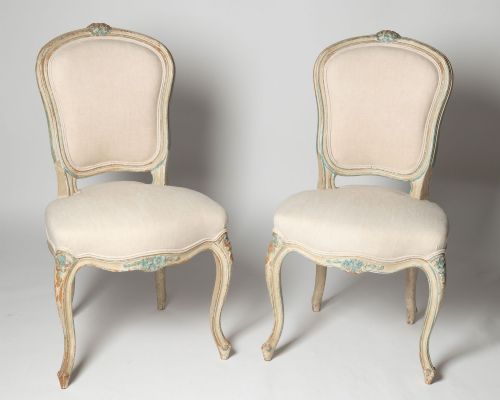
You are both right. A pair frames a fireplace neatly, but two different chairs bring a relaxed feel to the room.
Just ensure the seat heights are roughly similar.
Please note: This Antique Accent Chairs guide and its associated pricing data are provided for general informational purposes only. It does not constitute formal financial, investment, or appraisal advice and should not be relied upon as the sole basis for any commercial activity, purchasing, or sales decisions. Sellingantiques.co.uk accepts no liability for any actions taken in reliance on this information. Always consult with a qualified professional or independent appraiser.
