
A 2026 Guide by Sellingantiques
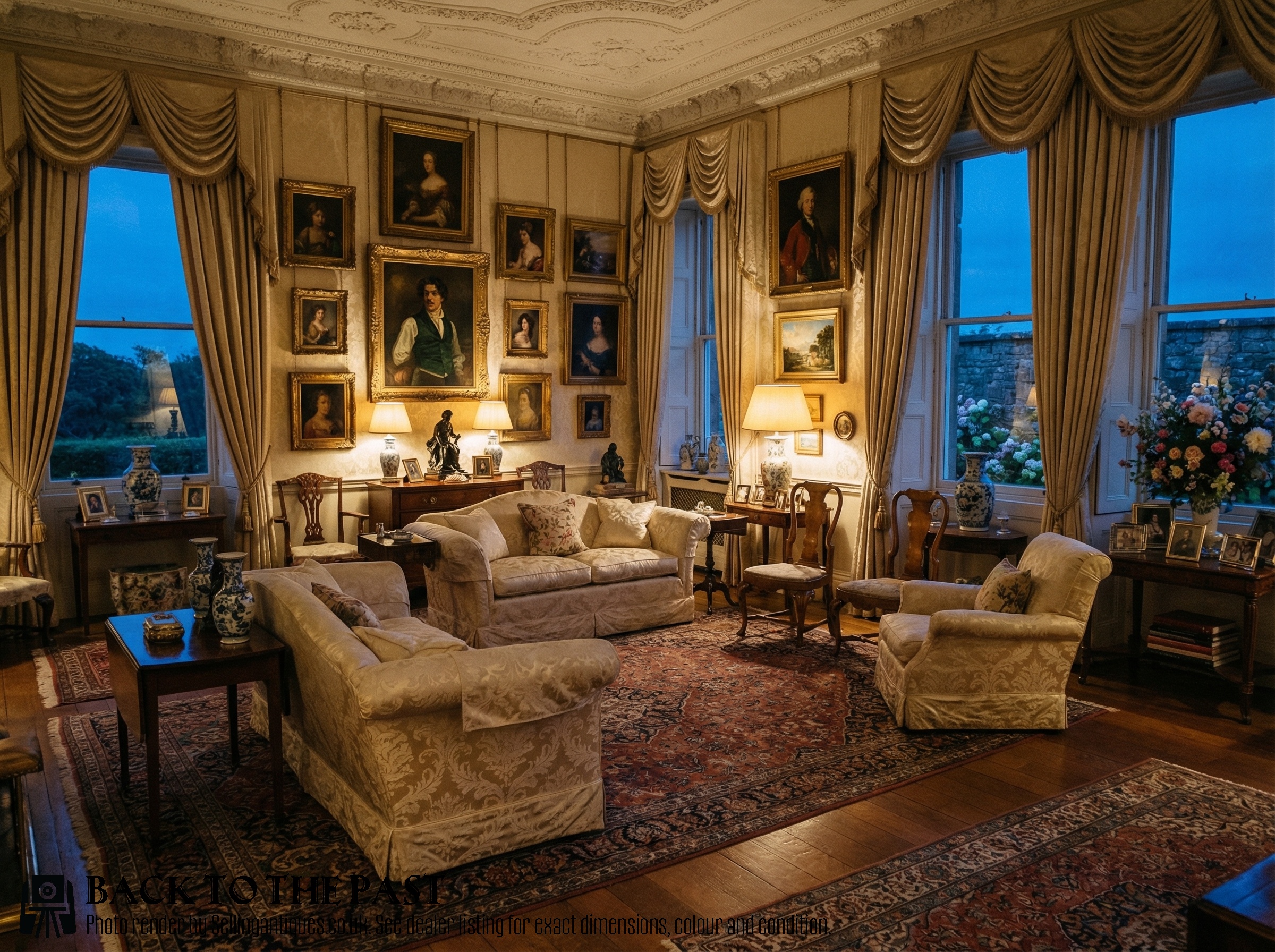
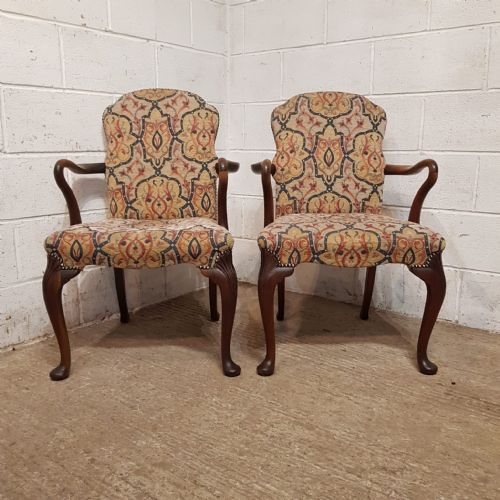
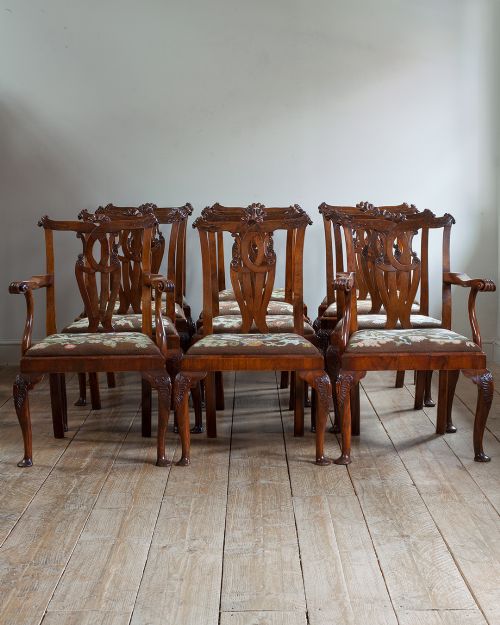
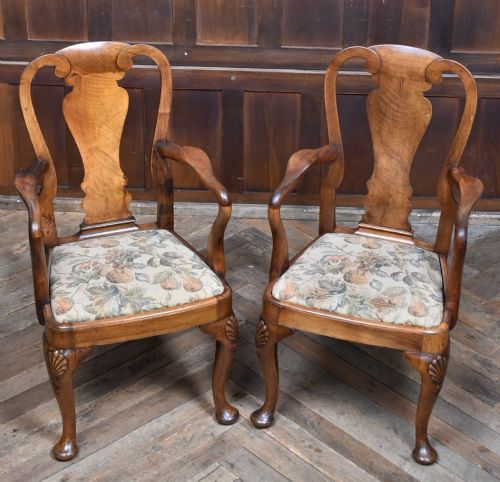
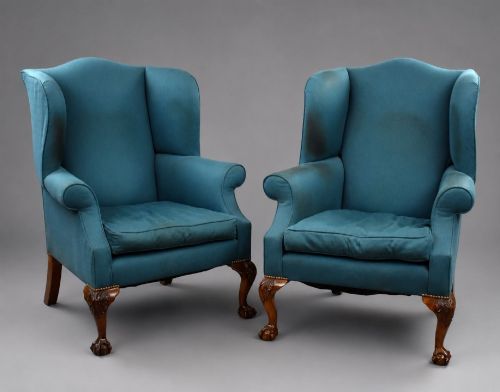
Fine Pair of Queen Anne Walnut Chairs by Charles Tozer, 1900
Priced at £1,350 from Rams Head Antiques
The style takes its name from the British monarch reigning between 1702 and 1714.
A gradual shift away from the stiff, upright seating of the previous century.
They don't actually belong strictly to her reign, as the fashion persisted well into the 1730s.
Trace the Dutch influence that arrived earlier but softened into the curved antique Queen Anne chairs we recognise today.
Giles Grendey produced notable walnut seating in this period, running his Clerkenwell workshop between 1716 and 1780.
A trade relying heavily on regional variations rather than looking for a specific stamped brand.
Expect most chairs from this era to carry no maker's mark.
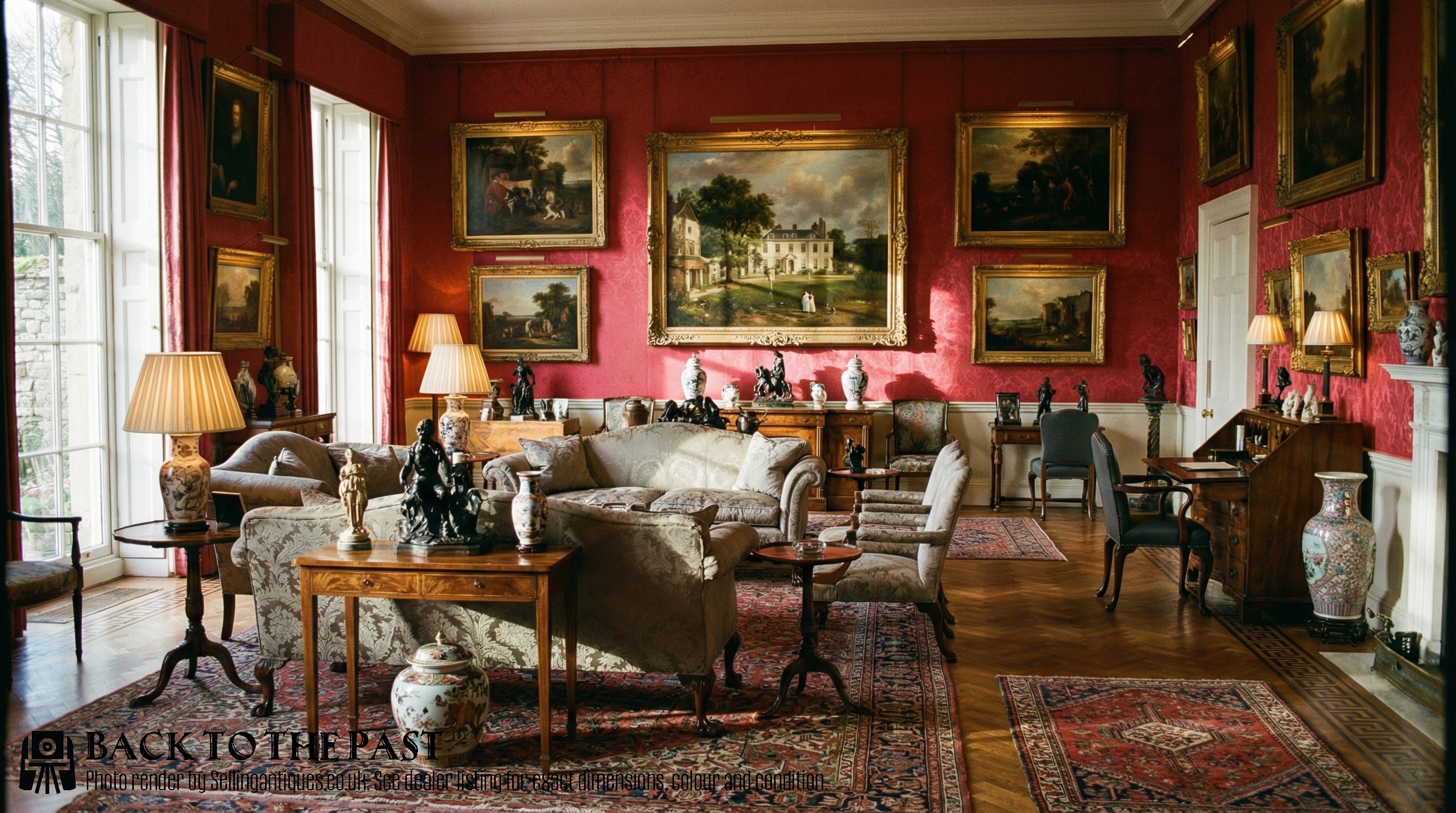
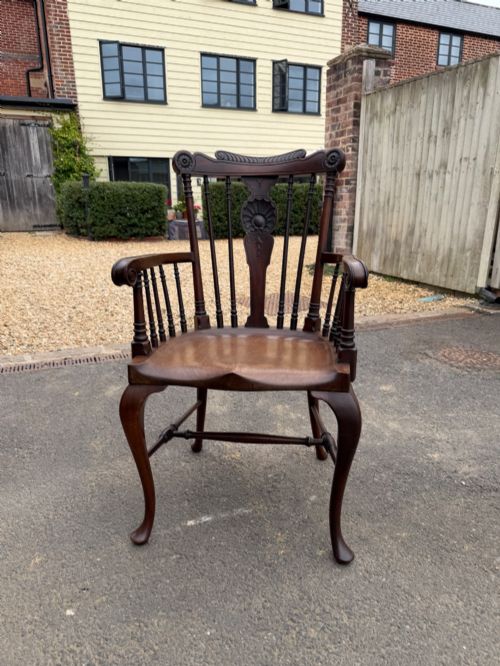
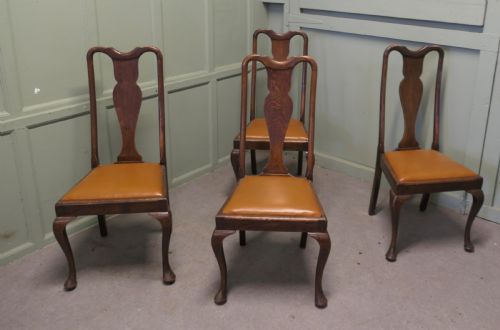
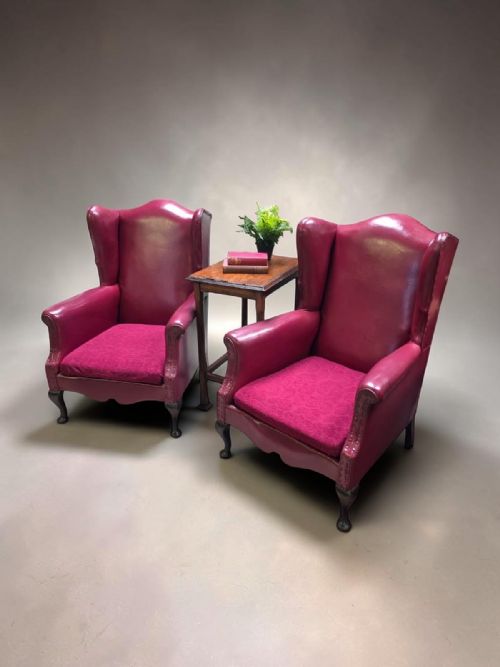
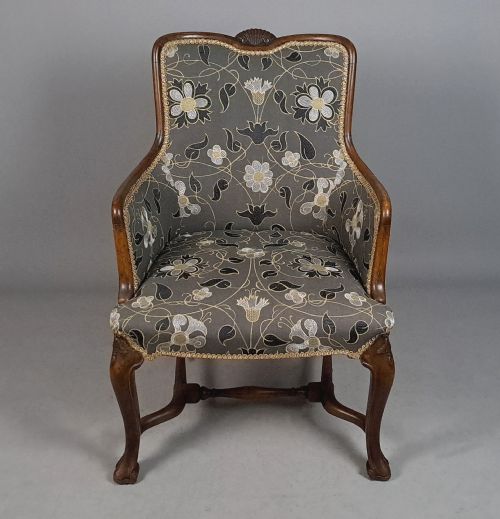
Antique Desk Chair / Library Chair, 1900
Priced at £575 from Brookside Antiques
The 2026 retail price guide for Antique Queen Anne Chairs is drawn from a proprietary archive of over 1.1 million retail prices indexed by Sellingantiques since 2003. This guide relies exclusively on their own internal data; no external sources or auction records are used.
Analysing nearly 25 years of UK antique market history alongside current retail values, the data indicates that typical UK retail prices for Antique Queen Anne Chairs range between £600 and £3,700. Entry-level prices generally fall under £600 and premium examples upwards of £3,700.
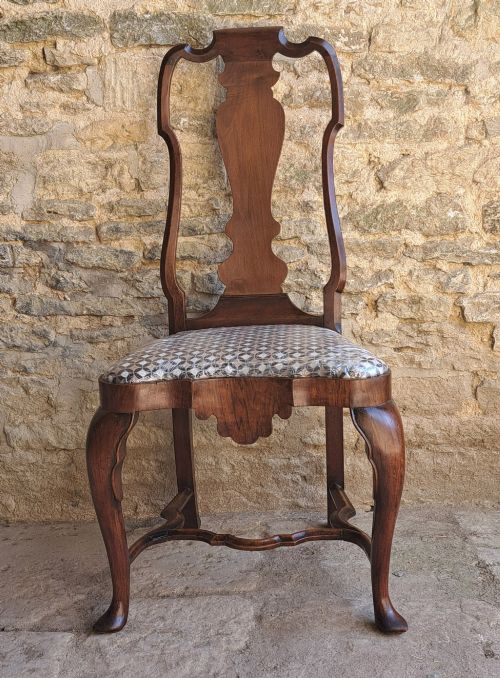
The cyma curve dictates the entire outline of these frames.
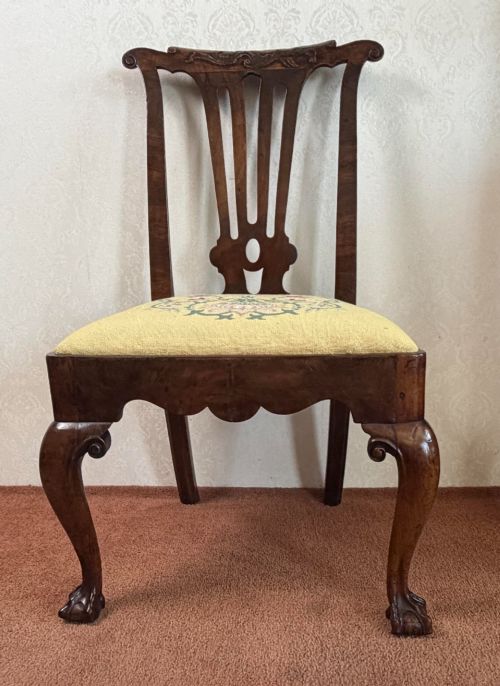
Cabriole legs ending in pad or club feet on most antique Queen Anne chairs.
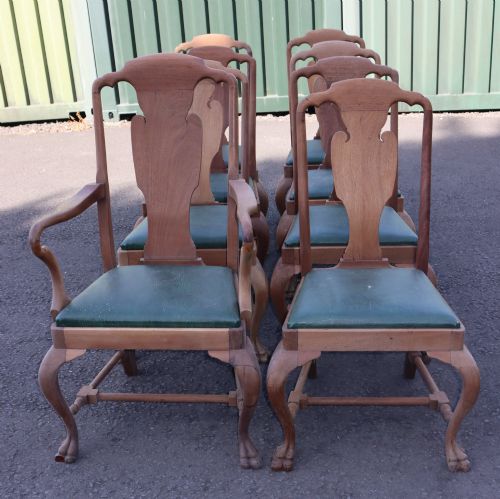
Notice the vase-shaped splat resting directly on the back shoe without a lower cross rail.
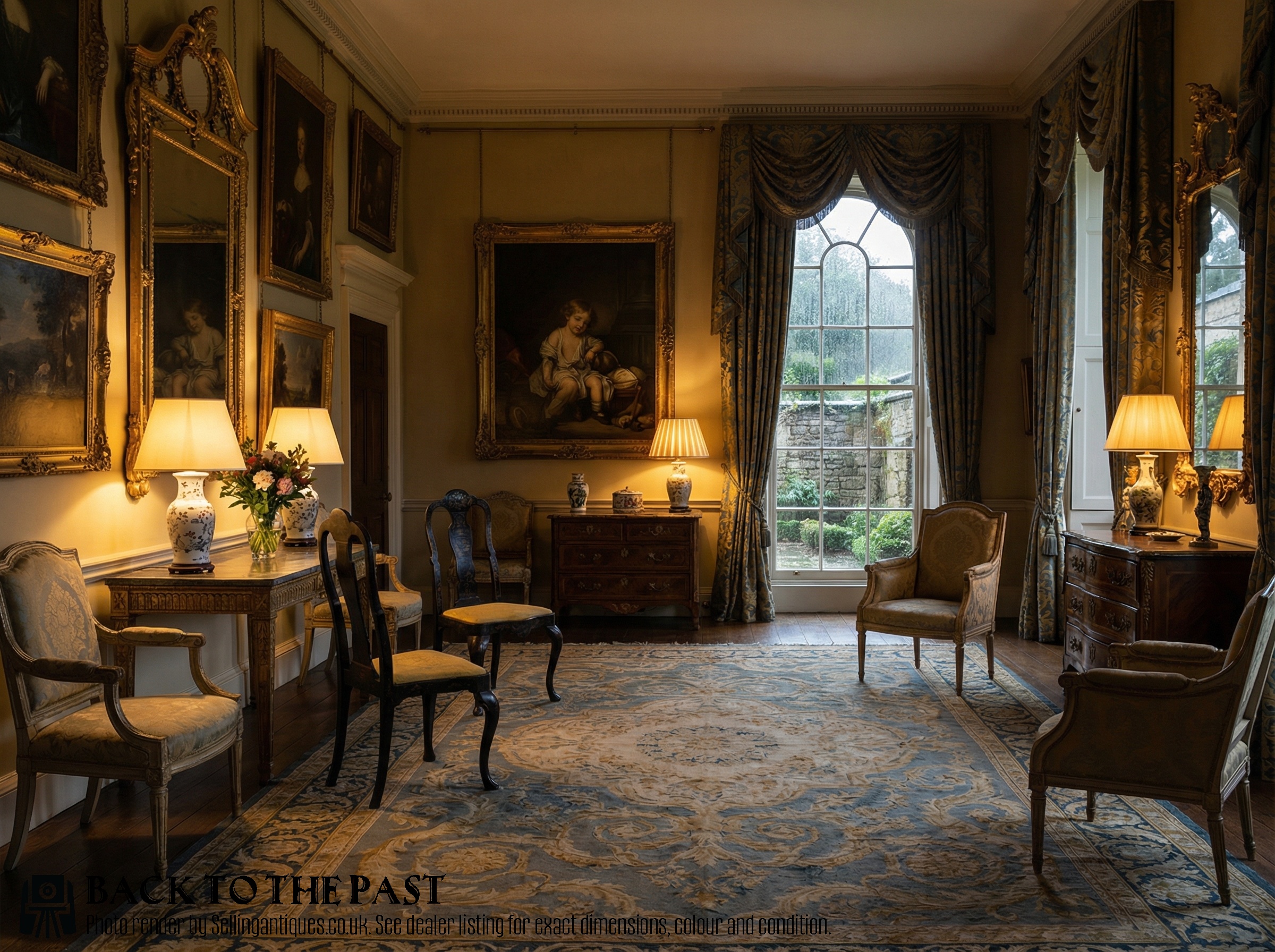
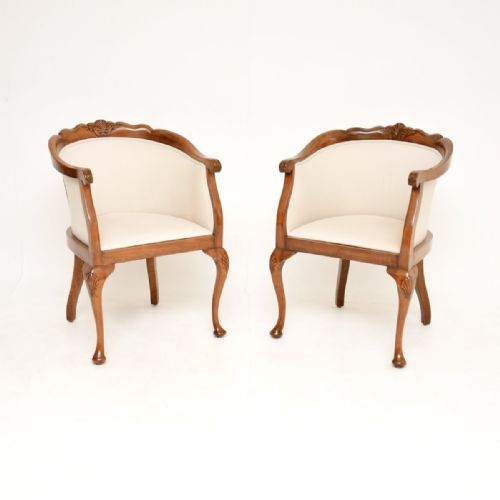
Pair of Antique Black Lacquer Chairs, 1920
Priced at £685 from Elaine Phillips Antiques Ltd
Chair makers relied on tight mortise and tenon joints to secure the shaped seat rails.
Inspect the curved back profile, usually steamed and bent to fit the human spine.
Wooden pegs sometimes driven through the joined timber and planed flush with the surface.
"Some examples retain their original needlework seat covers, preserved in dark rooms."
"Appreciate the complex matching of walnut veneers applied over solid timber on the finer back splats."
"A shift towards comfort that introduced padded seating to a much wider domestic audience."
Based on almost 25 years of Sellingantiques UK antique market data, Antique Queen Anne Chairs appeared 1185 times (out of 1,100,000 antiques) which gives it a rarity score of 79/100.
This score measures scarcity within the Sellingantiques archive only and is not a survey of the entire antiques market, so these statistics may not be indicative of the general availability of Antique Queen Anne Chairs elsewhere.
Walnut itself resists woodworm. The problem usually starts in the beech wood used for the hidden seat rails.
Once beetles get into the beech, they can spread. Treating the timber halts the damage, leaving old flight holes visible.
The seat comprises a secondary wooden frame covered in webbing and fabric. It simply slots into the top of the main chair rails without permanent fixings.
This design allowed owners to change their upholstery easily as fashions shifted. It also makes repairing the fabric straightforward, as you can lift the entire pad away from the polished timber.
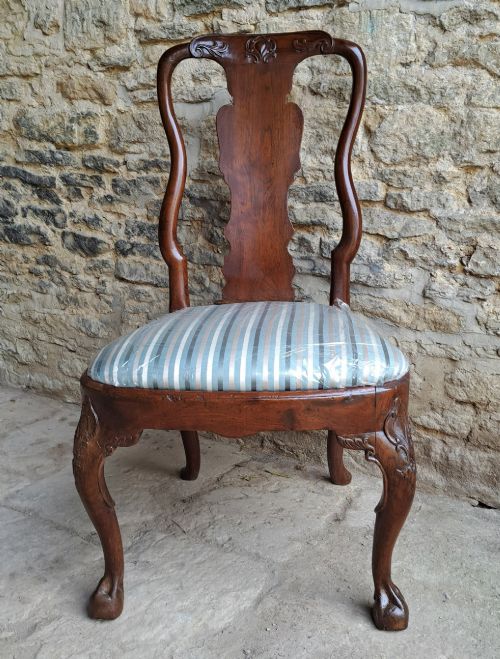
Ball and claw feet emerged slightly later, becoming common in the Georgian period. They often appear on seating that still maintains the curved silhouette of earlier styles.
Design did not change overnight. Makers blended older features like the vase splat with newer foot carved details to satisfy client tastes.
The rake of the back was an intentional design choice to improve comfort. Early eighteenth-century makers studied posture and stepped away from the rigid vertical seating of the 1600s.
Some lean is natural, but loose joints exaggerate the angle. It is worth checking the mortise and tenons connecting the side rails to the back uprights.
Please note: This Antique Queen Anne Chairs guide and its associated pricing data are provided for general informational purposes only. It does not constitute formal financial, investment, or appraisal advice and should not be relied upon as the sole basis for any commercial activity, purchasing, or sales decisions. Sellingantiques.co.uk accepts no liability for any actions taken in reliance on this information. Always consult with a qualified professional or independent appraiser.
