
A 2026 Guide by Sellingantiques
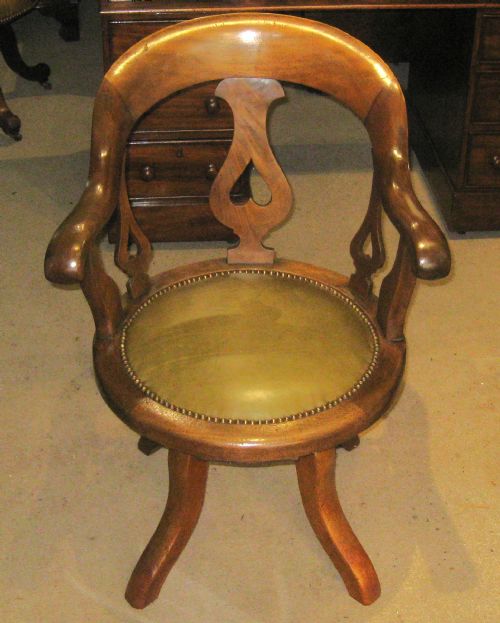
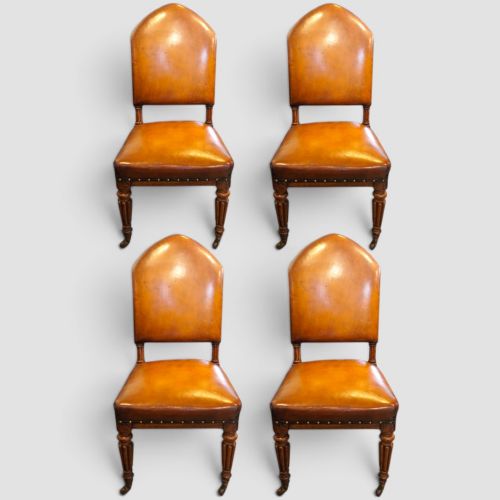
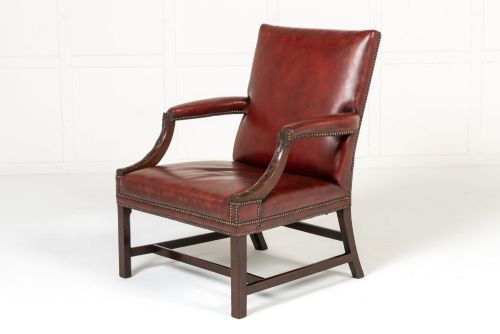
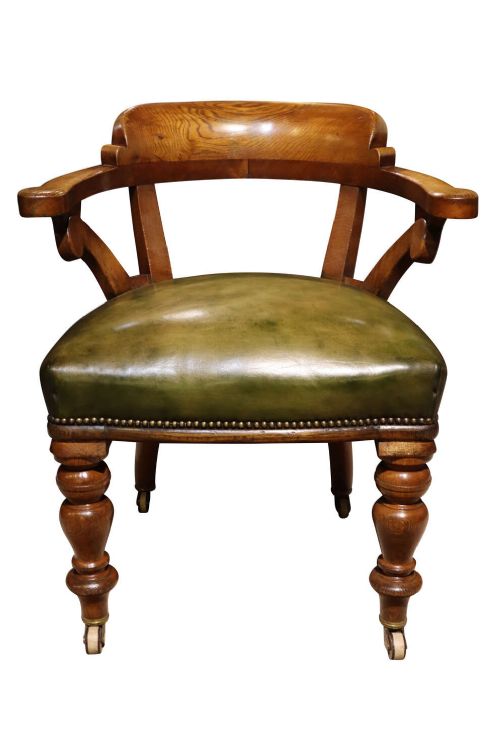
Pair of Victorian Mahogany & Buttoned Leather Captains Desk Chairs, 1880
Priced at £2,450 from LTANTIQUES.CO.UK
Early antique leather chairs often furnished dining rooms. The material wiped clean easily after meals and resisted spills.
Gentlemen clubs in the nineteenth century relied heavily on them. Deep buttoning arrived and changed the visual lines.
Libraries required durable seating. Hide stood up to constant friction from heavy coats and brass buttons.
Look at provincial pieces from the eighteenth century. Regional makers adapted fashionable designs using local hides and sturdy oak frames.
Howard and Sons produced some of the most recognised deep-seated lounge chairs during the late nineteenth century.
Gillows of Lancaster supplied leather seating throughout the eighteenth and nineteenth centuries. Their mahogany frames often carry a stamp.

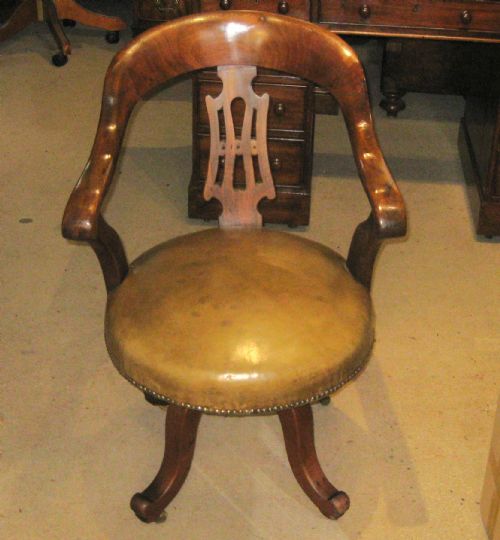
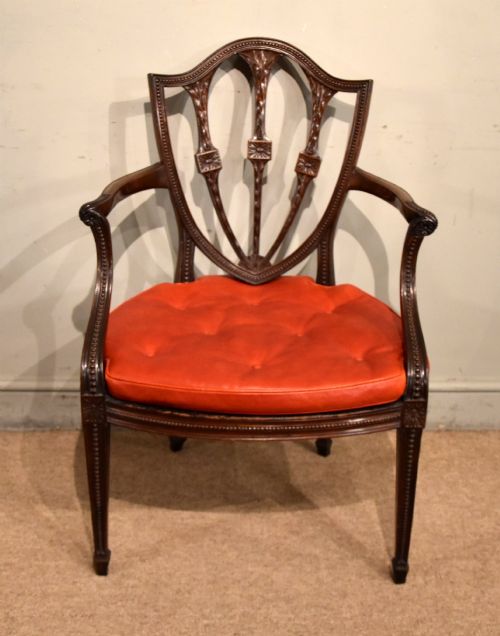
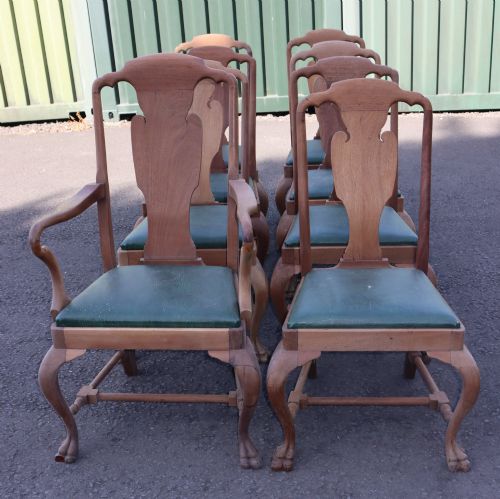
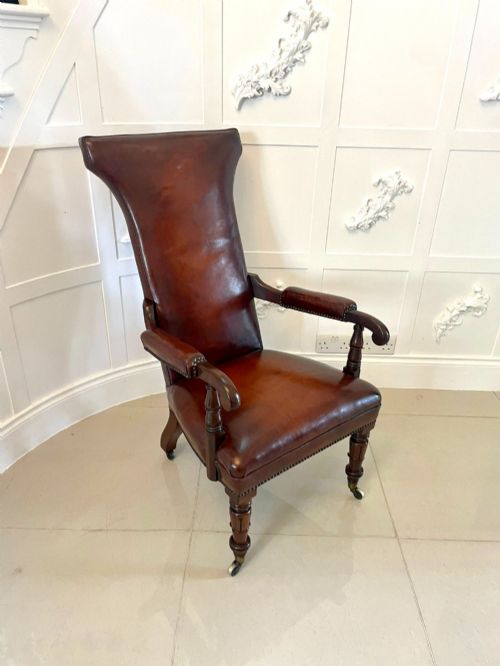
Walnut Library Armchair / Desk Armchair, 1900
Priced at £595 from Brookside Antiques
The 2026 retail price guide for Antique Leather Chairs is drawn from a proprietary archive of over 1.1 million retail prices indexed by Sellingantiques since 2003. This guide relies exclusively on their own internal data; no external sources or auction records are used.
Analysing nearly 25 years of UK antique market history alongside current retail values, the data indicates that typical UK retail prices for Antique Leather Chairs range between £700 and £3,500. Entry-level prices generally fall under £700 and premium examples upwards of £3,500.
Brass nailing secures the hide to the frame. The heads can be individually hammered or grouped in strips.
Castors often sit on the front legs of reading chairs. They make moving heavy frames across carpets much easier.
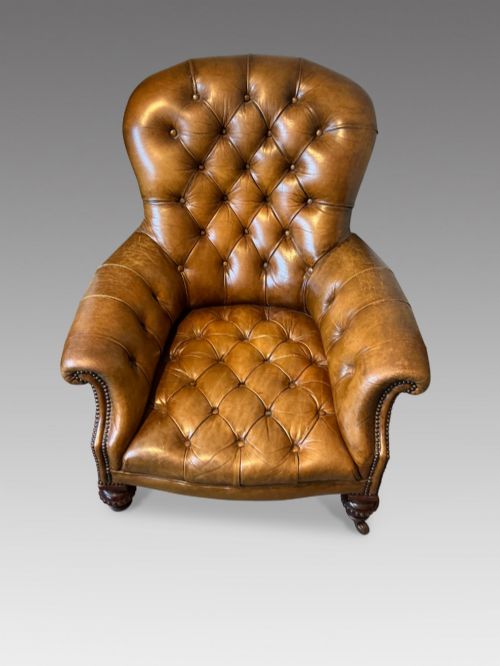
Deep buttoning defines many Victorian antique leather chairs. This technique traps horsehair in tight pockets to stop it shifting.
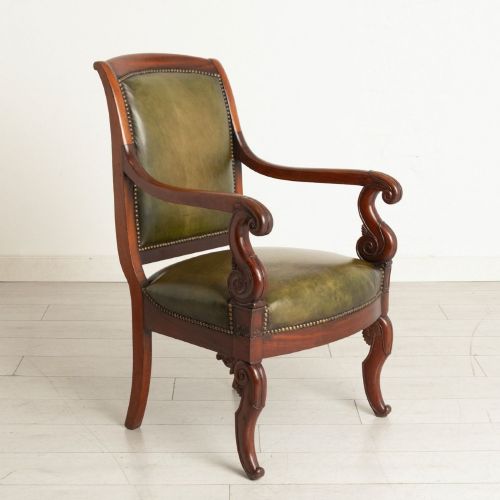
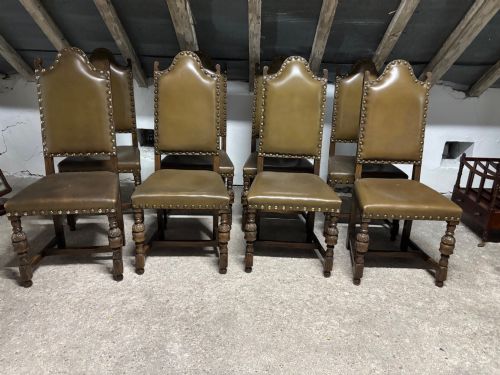
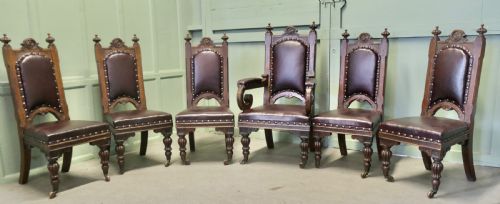
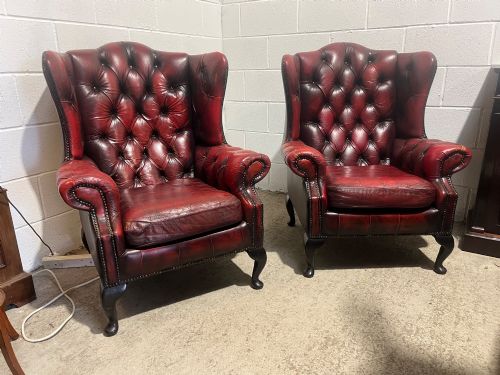
Polished Oak Cockfighting Chair in Dark Red Leather, 1860
Priced at £2,500 from David Griffith Antiques
Mortise and tenon joints hold the main frame together. Good makers pinned these joints with wooden dowels for extra strength.
Tacking hide requires strong hands. Upholsterers stretched the material taut over the horsehair before driving in the brass nails.
Frame edges often feature a shallow rebate. This recessed lip helps protect the exposed edge of the hide from catching.
"Hide breathes well. This natural airflow keeps the seat comfortable across different seasons."
"A worn surface actually improves the flexibility. Decades of gentle use leave the material softer than the day it was tacked on."
"Original horsehair stuffing holds its shape for over a century. The natural fibres interlock and resist flattening."
Based on almost 25 years of Sellingantiques UK antique market data, Antique Leather Chairs appeared 6009 times (out of 1,100,000 antiques) which gives it a rarity score of 30/100.
This score measures scarcity within the Sellingantiques archive only and is not a survey of the entire antiques market, so these statistics may not be indicative of the general availability of Antique Leather Chairs elsewhere.
Hide needs occasional feeding to stop it cracking. Most restorers apply a good quality hide food or a microcrystalline wax.
Work it in gently with your bare fingers or a soft cloth. Leave the chair to sit overnight in a warm room before buffing off any excess wax.
Yes. Traditional upholsterers can strip the seat and tease out the old horsehair. Then they build the layers back up.
They're usually keen to save original materials.
Loose joints often turn up on old dining chairs. The hide glue dries out over a century of central heating and shifting body weight.
A cabinetmaker will knock the joint apart. They clean the old surfaces down to bare wood before re-cramping the frame tight. They use traditional animal glue so the fix can be reversed in the future if needed.
You can tap loose tacks back in. Use a small tack hammer and place a piece of cloth over the head to stop it bruising.
If the hole is too wide, the tack will just fall out again. An upholsterer might plug the void with a sliver of wood before driving the tack home.
Please note: This Antique Leather Chairs guide and its associated pricing data are provided for general informational purposes only. It does not constitute formal financial, investment, or appraisal advice and should not be relied upon as the sole basis for any commercial activity, purchasing, or sales decisions. Sellingantiques.co.uk accepts no liability for any actions taken in reliance on this information. Always consult with a qualified professional or independent appraiser.
