
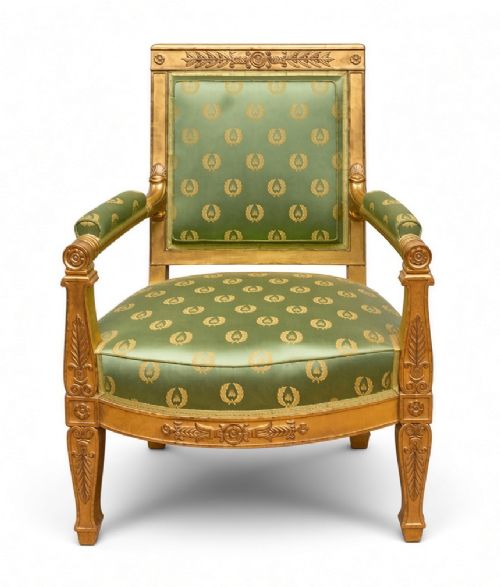
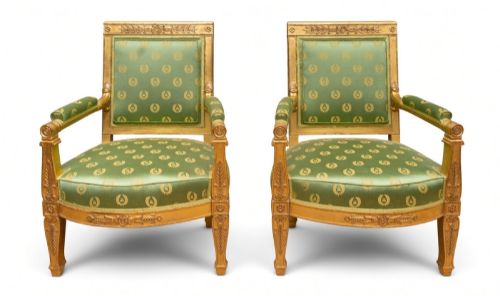
A 2026 Guide by Sellingantiques
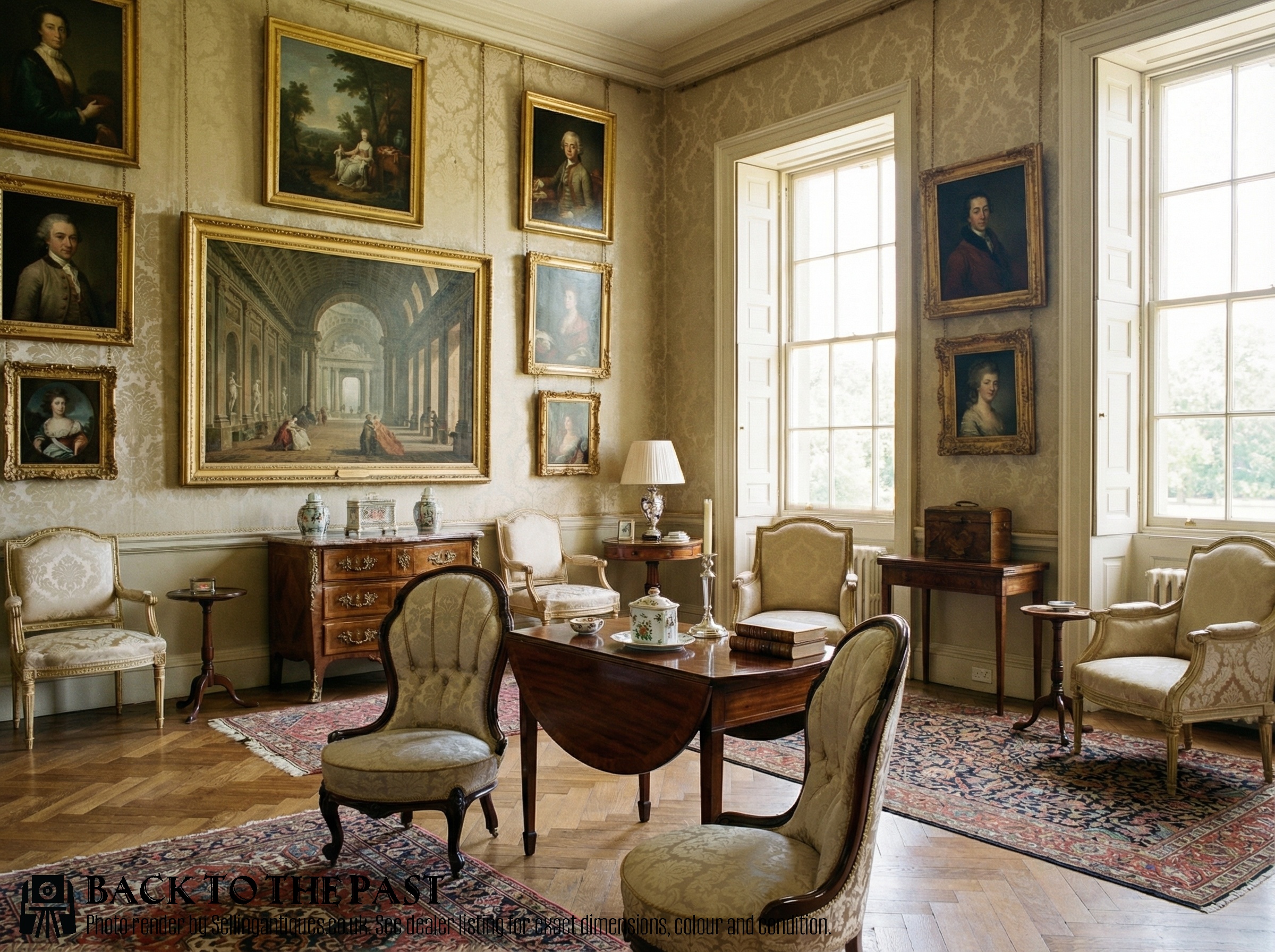
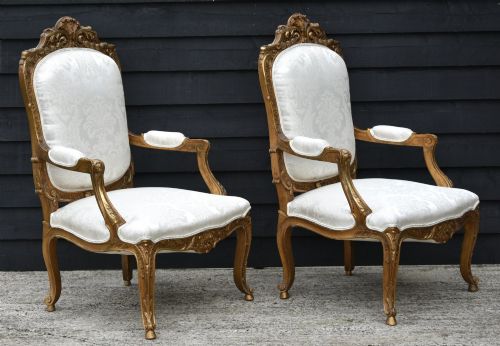
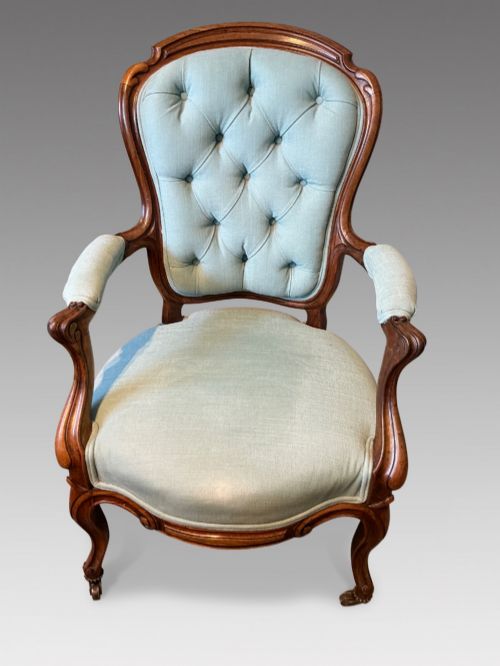
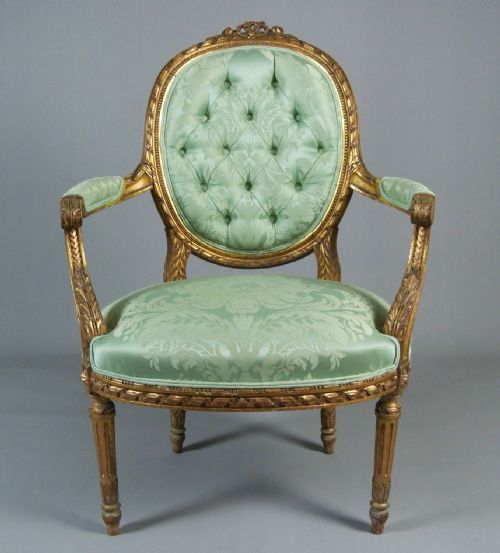
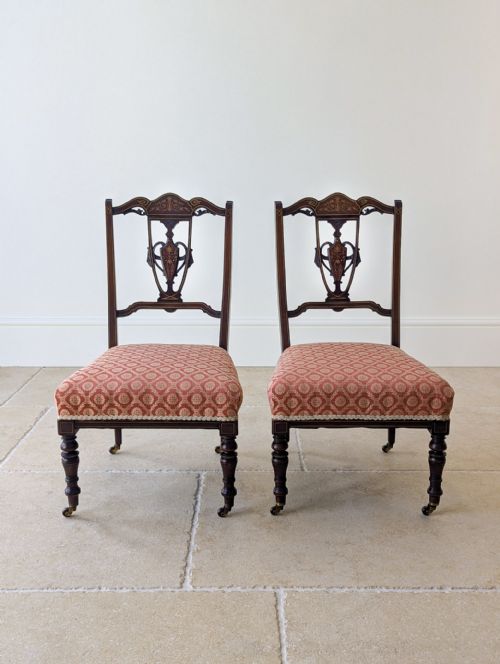
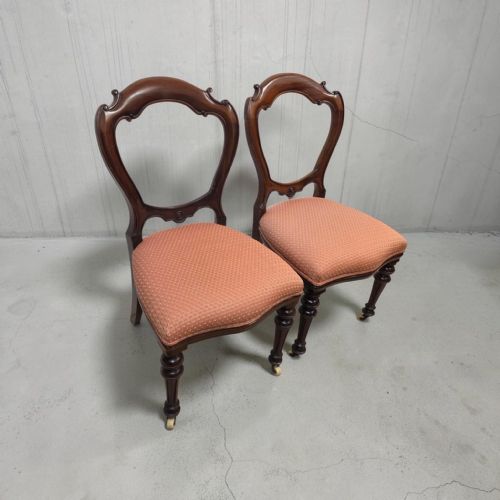
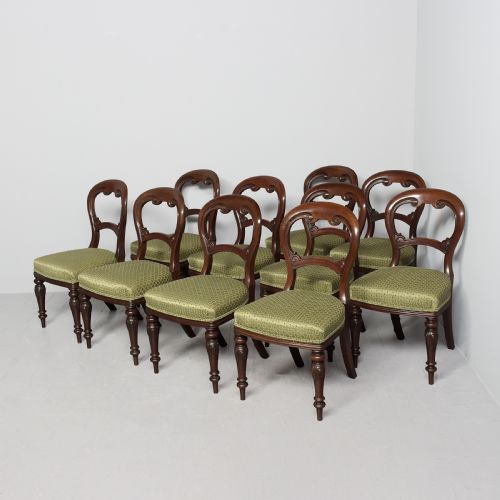
Antique Victorian Chairs, Victorian
Priced at £600 from Pap Antiques and Restoration Ltd
During the eighteenth century, these seats became essential for entertaining guests in the formal drawing room.
Victorian society demanded strict posture from women. Antique salon chairs sit low to the ground to accommodate bulky skirts and crinolines.
Look for matching sets. They were often commissioned as suites including a sofa, armchair and several side chairs.
French influences dominated British taste for drawing room furniture throughout the nineteenth century.
Slowly replacing heavy Jacobean seating, this lighter style meant servants could easily move them around for different conversation groups.
Thomas Chippendale produced designs for French-style seating in his Director during the 1750s.
Gillows of Lancaster supplied numerous drawing room suites throughout the late eighteenth and nineteenth centuries.
Stamped examples turn up from Howard and Sons. They supplied high-quality upholstered seating from the mid-nineteenth century onwards.

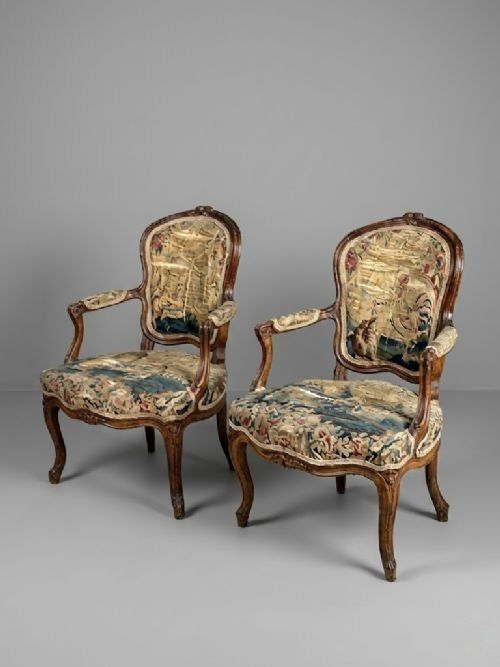
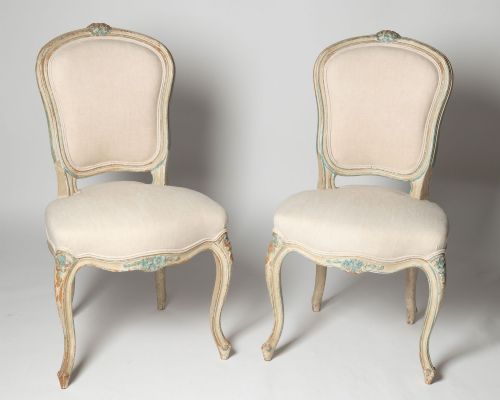
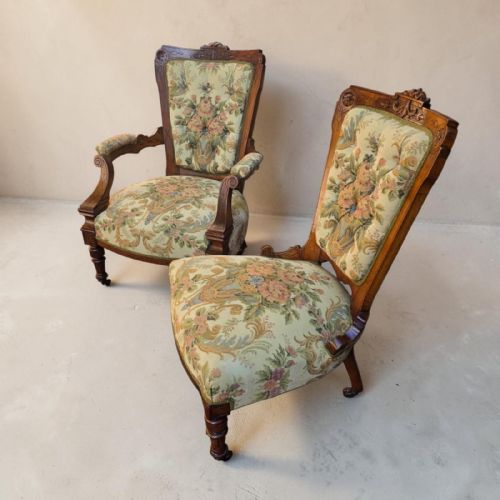
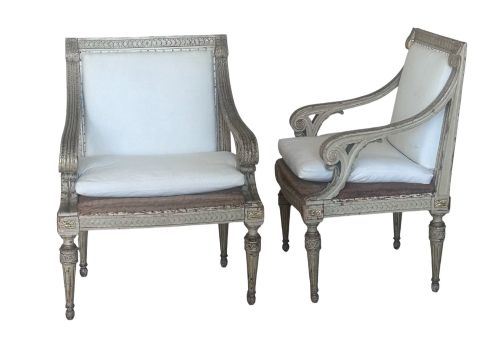
Pair of French Carved Walnut Salon Chairs, 1920
Priced at £180 from In A Nutshell Antiques and Interiors
The 2026 retail price guide for Antique Salon Chairs is drawn from a proprietary archive of over 1.1 million retail prices indexed by Sellingantiques since 2003. This guide relies exclusively on their own internal data; no external sources or auction records are used.
Analysing nearly 25 years of UK antique market history alongside current retail values, the data indicates that typical UK retail prices for Antique Salon Chairs range between £500 and £2,700. Entry-level prices generally fall under £500 and premium examples upwards of £2,700.
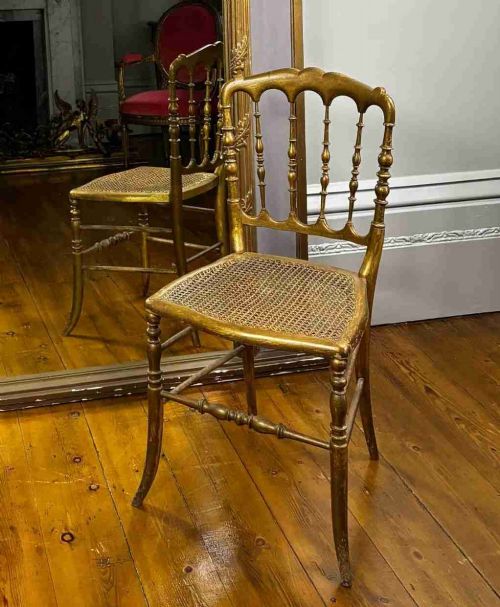
Cabriole legs are common on the front. The back legs usually splay outwards to provide stability.
Notice the padded backrest. It sits within a carved wooden border rather than covering the whole frame.
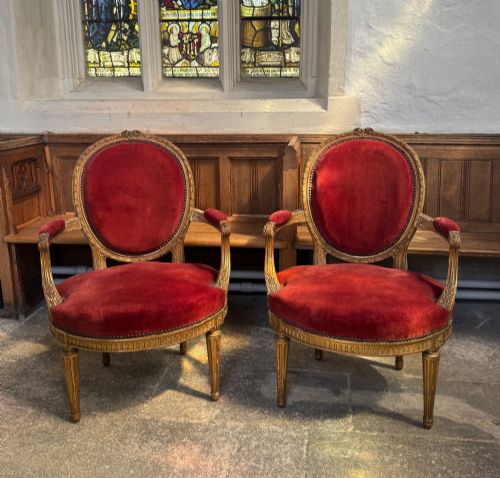
Arms are frequently set back from the front edge. This specific shape accommodated voluminous dresses of the period.
Mortise and tenon joints hold the seat frame together, providing necessary strength for a slim profile.
Craftsmen shaped the curved backrests using spokeshaves. The fluid lines require careful hand shaping rather than heavy machine work.
Look closely at the carved details. The crispness of the floral motifs indicates the skill of the original carver.
"Many retained their original needlework covers for decades. Ladies stitched these panels themselves as a leisure activity."
"They're intentionally designed to flatter the sitter. The low height forced an elegant, upright posture."
"Some frames incorporate subtle hand-holds carved into the back. Servants used these to lift the chairs without dirtying the silk upholstery."
Based on almost 25 years of Sellingantiques UK antique market data, Antique Salon Chairs appeared 1815 times (out of 1,100,000 antiques) which gives it a rarity score of 70/100.
This score measures scarcity within the Sellingantiques archive only and is not a survey of the entire antiques market, so these statistics may not be indicative of the general availability of Antique Salon Chairs elsewhere.
They weren't just decorative. Women wore heavy layers of skirts and rigid corsets which made conventional seating uncomfortable.
A lower seat allowed the sitter to rest their feet flat on the floor. This helped them maintain the strict posture expected in a formal drawing room setting.
Yes. Most of these frames have been recovered several times.
An upholsterer will strip the old cover back to the wood. They'll then build up the layers again using traditional webbing.
It's usually better to find a specialist antique restorer for loose frame joints. A modern carpenter might be tempted to use modern wood glues or metal brackets.
A restorer will carefully knock the loose joint apart. They clean off the old hide glue before reassembling the frame with traditional hot glue.
This traditional approach ensures the repair will last for decades. It prevents damage to the original timber.
That arrangement turns up often. The front legs carry small brass castors while the splayed back legs terminate in a simple square or turned foot.
Servants would lift the chair slightly by the back rail to roll it forward. Putting castors only on the front provided mobility while stopping the chair sliding backward when someone sat down.
Please note: This Antique Salon Chairs guide and its associated pricing data are provided for general informational purposes only. It does not constitute formal financial, investment, or appraisal advice and should not be relied upon as the sole basis for any commercial activity, purchasing, or sales decisions. Sellingantiques.co.uk accepts no liability for any actions taken in reliance on this information. Always consult with a qualified professional or independent appraiser.
