
A 2026 Guide by Sellingantiques
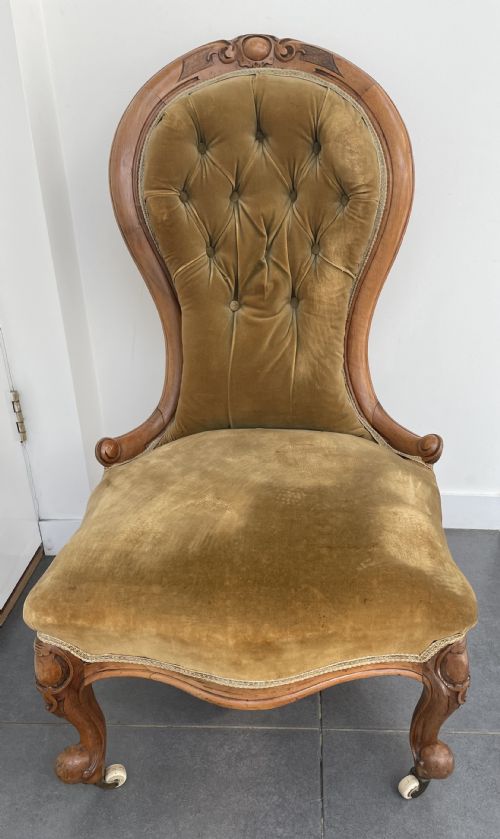
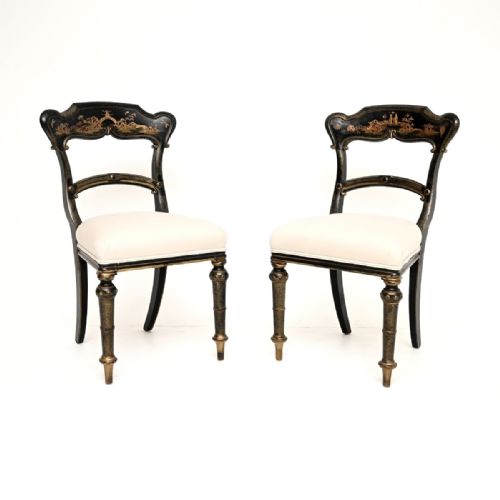
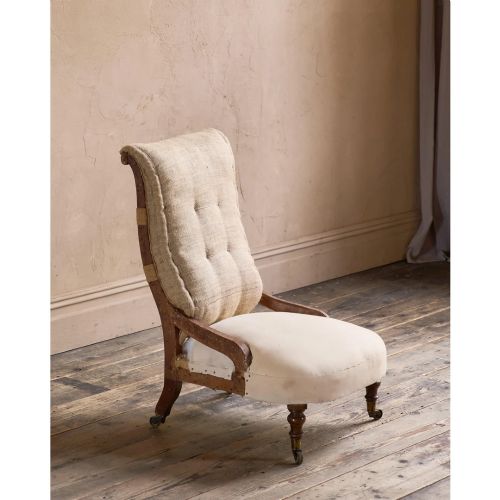
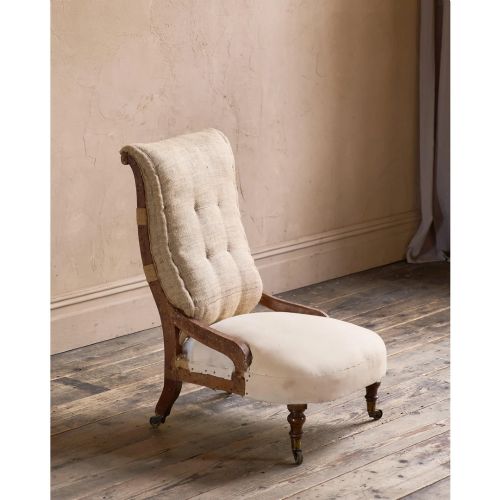
Gillows Bedroom Chair.
, 19th Century
Priced at £1,195 from Kontrast Antiques
They first emerged in the early eighteenth century. This gave high-society women a practical solution when dressing in layered petticoats.
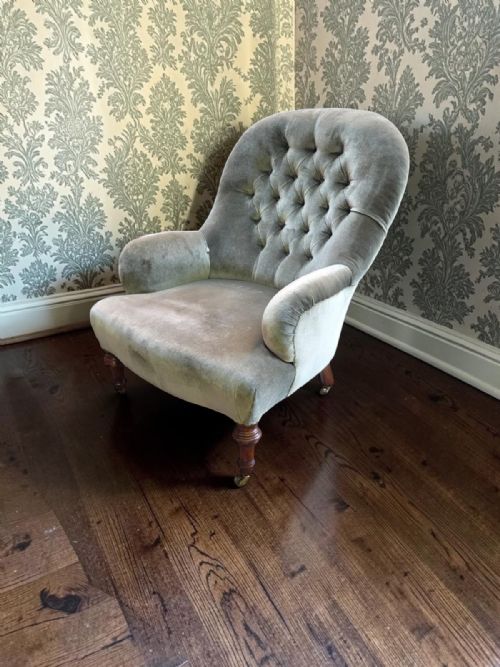
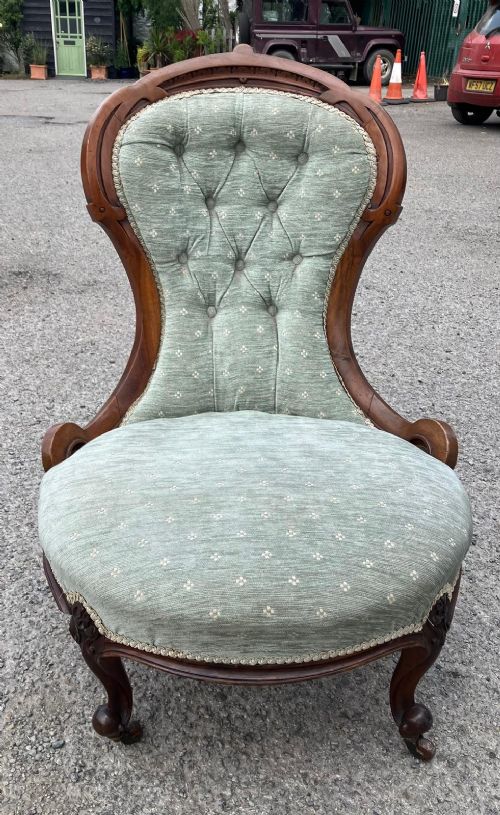
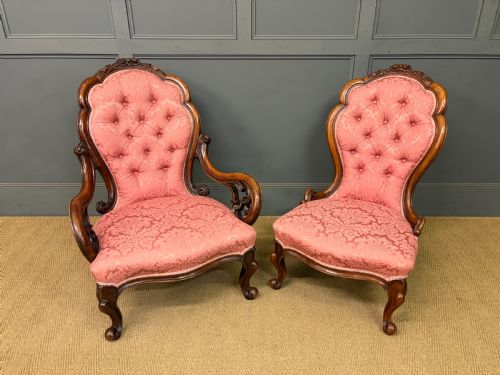
Notice how Victorian examples became heavily upholstered. They mirrored the era's taste for plush, button-backed comfort in private spaces.
Later designs shifted spaces entirely. The form gradually moved from private bedrooms into the main parlour.
Twentieth-century decorators frequently revived antique slipper chairs. They used them as accent pieces for smaller modern rooms where bulky armchairs wouldn't fit.
You'll occasionally see taller versions. Makers adapted the frame for general seating once the original dressing function faded.
Gillows of Lancaster and London made several low nursing or slipper forms during the mid-nineteenth century. They often stamped the top edge of the back legs.
Howard and Sons produced low-seated armless chairs later in the Victorian period, frequently marking their brass castors.
Many antique slipper chairs carry no maker's mark at all. The provincial cabinetmakers who built them relied instead on popular London pattern books.
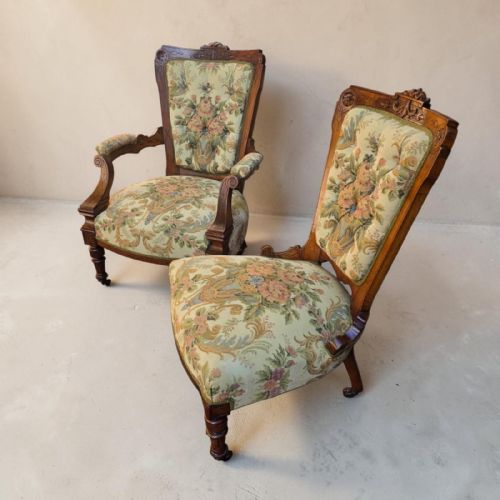
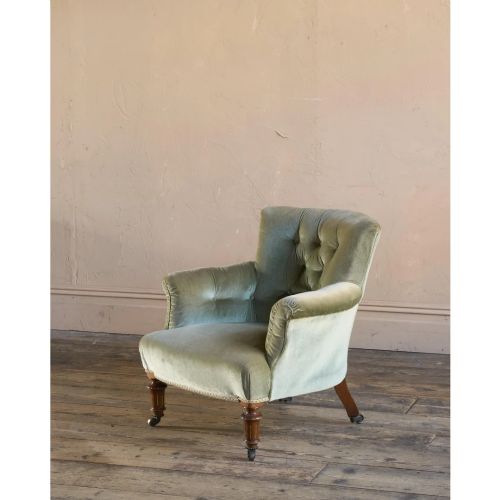
Carpet and Velvet Chair, 1910
Priced at £485 from Ropeworks Antiques
The 2026 retail price guide for Antique Slipper Chairs is drawn from a proprietary archive of over 1.1 million retail prices indexed by Sellingantiques since 2003. This guide relies exclusively on their own internal data; no external sources or auction records are used.
Analysing nearly 25 years of UK antique market history alongside current retail values, the data indicates that typical UK retail prices for Antique Slipper Chairs range between £400 and £1,500. Entry-level prices generally fall under £400 and premium examples upwards of £1,500.
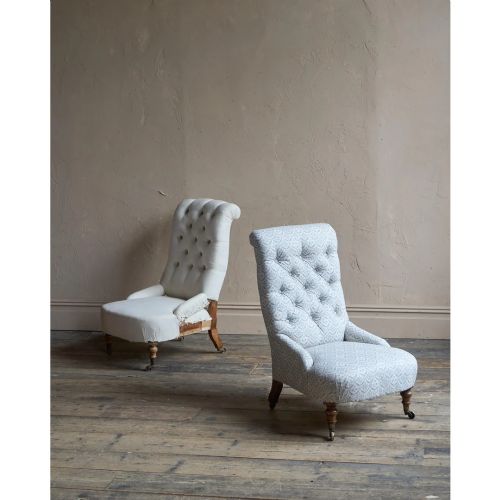
The defining characteristic of an antique slipper chair is the low seat height, usually dropping down to around fifteen inches from the floor.
Look for the absence of arms. This was a deliberate choice that allowed unhindered movement when women leaned forward to lace boots or manage heavy skirts.
High, slightly raked backs are common. They offer support to the sitter while keeping the overall footprint small.
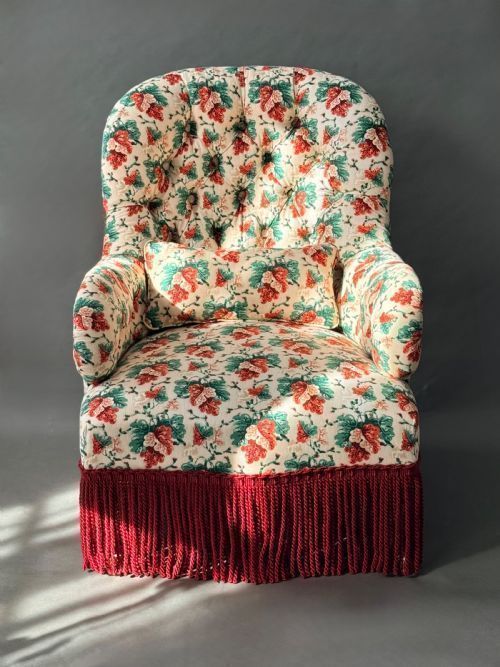
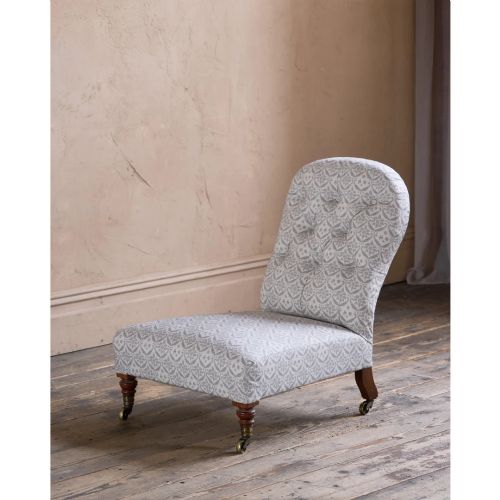
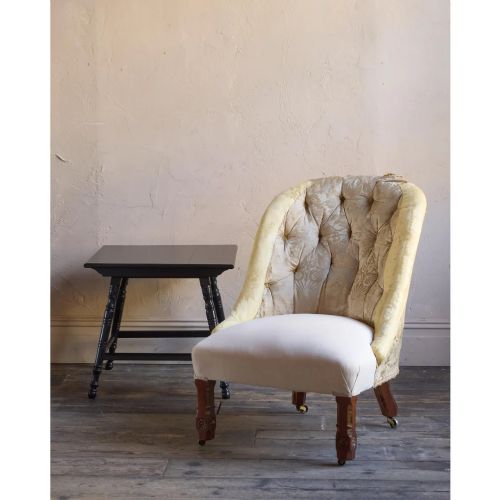
Antique Slipper Chair in Vintage Mulberry Linen, 19th Century
Priced at £1,600 from Desired Effect Antiques Ltd
Early frames rely on tight mortise and tenon joints. Makers drove these directly into heavy seat rails to secure the short legs.
Nineteenth-century craftsmen started introducing coil springs into the seat. This structural shift required much deeper frames and heavy canvas webbing to hold the tension.
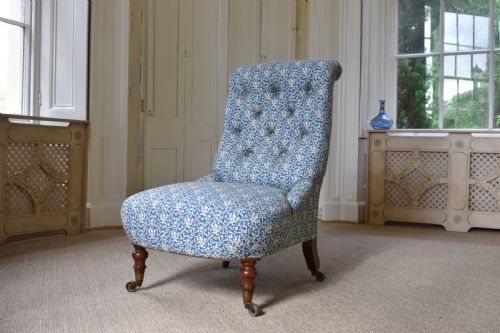
Examine the castors. Solid brass wheels pinned firmly into hardwood legs point to a traditional build meant to endure decades of dragging.
"Nursing mothers found them just as useful as women getting dressed. This dual purpose made them a staple of the nineteenth-century nursery."
"Their compact dimensions make them versatile today. They fit neatly into alcoves or under low windows where larger pieces block the light."
"Some mid-century modern designers based their low-slung lounge seating directly on the proportions of the classic Victorian slipper chair. The low centre of gravity appealed to minimalist tastes."
Based on almost 25 years of Sellingantiques UK antique market data, Antique Slipper Chairs appeared 684 times (out of 1,100,000 antiques) which gives it a rarity score of 87/100.
This score measures scarcity within the Sellingantiques archive only and is not a survey of the entire antiques market, so these statistics may not be indicative of the general availability of Antique Slipper Chairs elsewhere.
Most sit lower than standard dining chairs. The seat usually rests about fifteen inches off the floor.
This low profile brought the sitter closer to their feet.
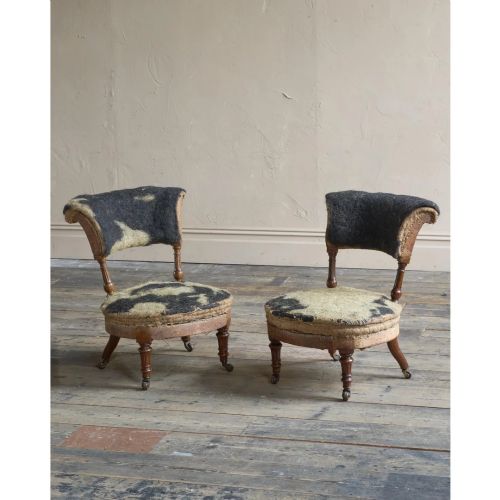
A sagging seat usually means the webbing underneath has failed. The canvas strips dry out and snap over the decades, dropping the springs down.
You can't just tie them back if the base has gone. It won't hold the tension.
A traditional upholsterer will strip the base back to the wooden frame, secure new webbing, and stitch the springs back in. It takes time but works.
Velvet and wool are reliable choices that suit Victorian frames. They handle the tension of buttoning without pulling or tearing.
Lighter silks or cottons can work for show, but they wear through quickly on the seat edge. Stick to hard-wearing upholstery grades.
That steep backward rake stops the chair from tipping over. Because the backrest sits quite low, a sitter leaning heavily against it creates a strong pivot point at the back legs.
Without that splayed angle, you'd end up on the floor. Makers factored this geometry into the original frame.
Please note: This Antique Slipper Chairs guide and its associated pricing data are provided for general informational purposes only. It does not constitute formal financial, investment, or appraisal advice and should not be relied upon as the sole basis for any commercial activity, purchasing, or sales decisions. Sellingantiques.co.uk accepts no liability for any actions taken in reliance on this information. Always consult with a qualified professional or independent appraiser.
