
A 2026 Guide by Sellingantiques
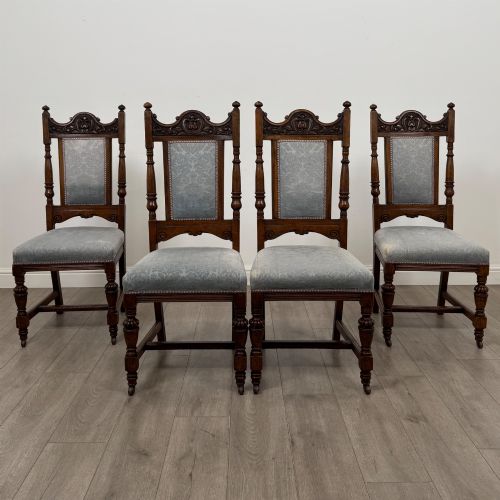
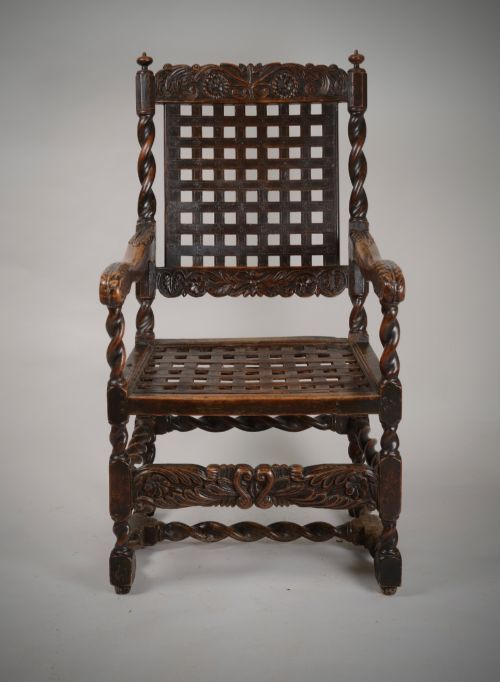
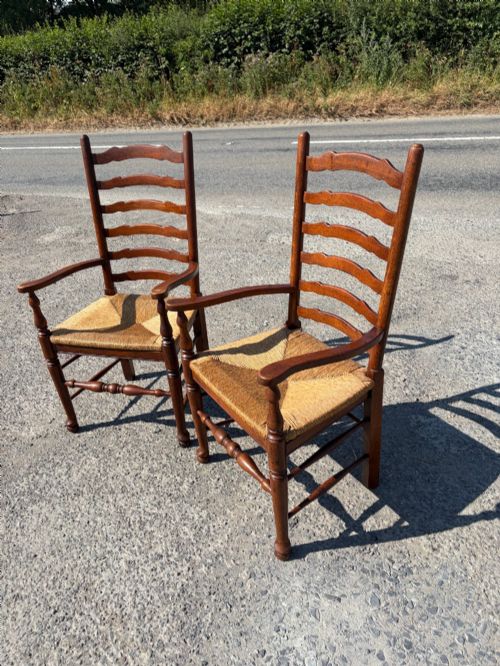
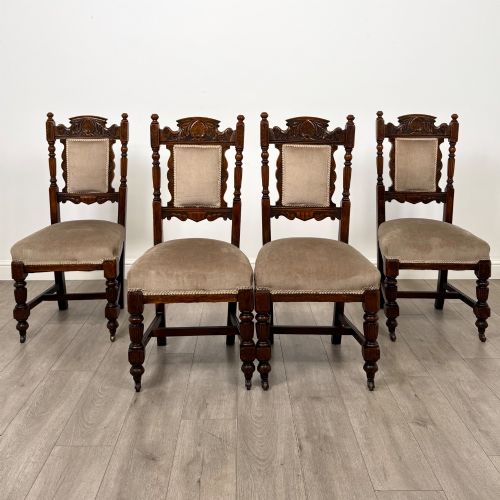
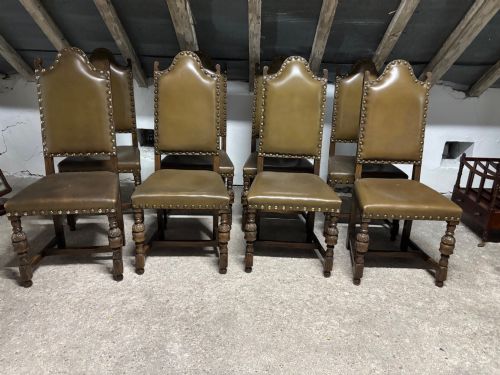
Pair of Antique English Victorian Gothic Carved Solid Oak Hall Chairs C1850, Victorian
Priced at £595 from Lincoln Restorations
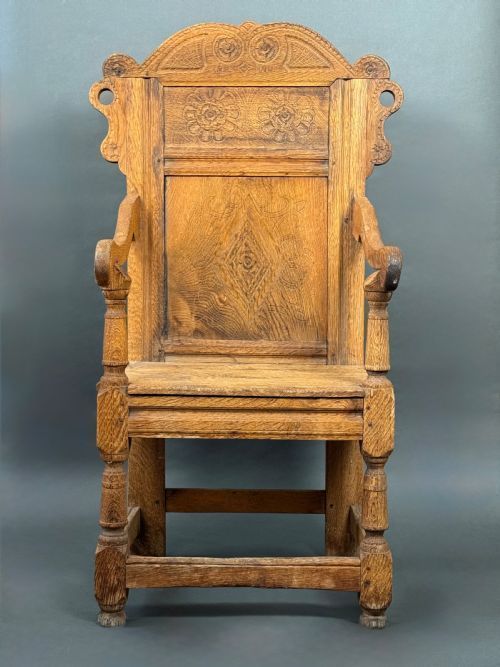
Stand in front of an early wainscot armchair and you see a heavy piece originally reserved strictly for the head of the household.
By the late seventeenth century, sets of antique oak chairs became standard dining furniture in prosperous regional homes.
Check the back panels for distinct regional variations in the carved details.
Provincial joiners often adapted high-style London walnut designs, translating those sophisticated urban trends into sturdy vernacular forms for their local clients.
The introduction of lighter imported timbers eventually pushed solid oak out of favour as Victorian tastes shifted towards mahogany.
Documented individual makers remain scarce for most early oak seating.
Provincial joiners handled most of the trade, working to local traditions rather than signing their pieces.
Gillows of Lancaster produced fine later examples once they expanded their northern workshops in the eighteenth century.
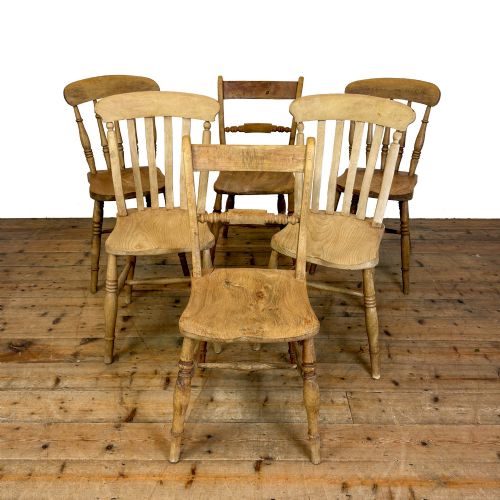
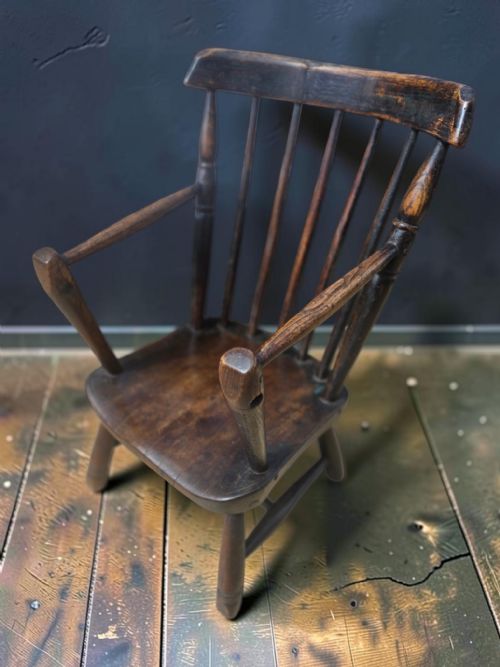
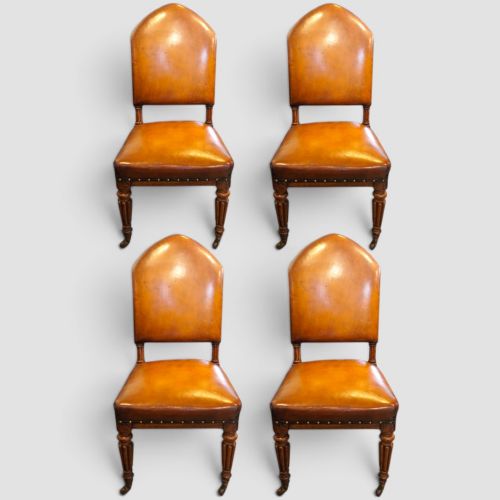
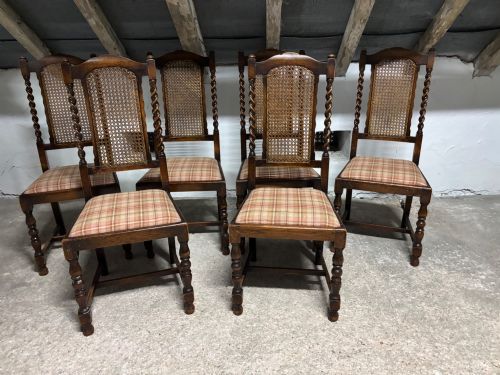
Antique Oak Furniture 17thc Single Side Chair with Attractive Central Splat. English C1680-90., 17th Century
Priced at £575 from Mark Seabrook Antiques
The 2026 retail price guide for Antique Oak Chairs is drawn from a proprietary archive of over 1.1 million retail prices indexed by Sellingantiques since 2003. This guide relies exclusively on their own internal data; no external sources or auction records are used.
Analysing nearly 25 years of UK antique market history alongside current retail values, the data indicates that typical UK retail prices for Antique Oak Chairs range between £400 and £1,900. Entry-level prices generally fall under £400 and premium examples upwards of £1,900.
Solid panelled backs or open frames with horizontal slats feature heavily across the early periods.
Dropped seats often held loose squab cushions for comfort, softening the hard wooden boards underneath.
Turned front legs tied with low stretchers give the base a rigid, box-like stance.
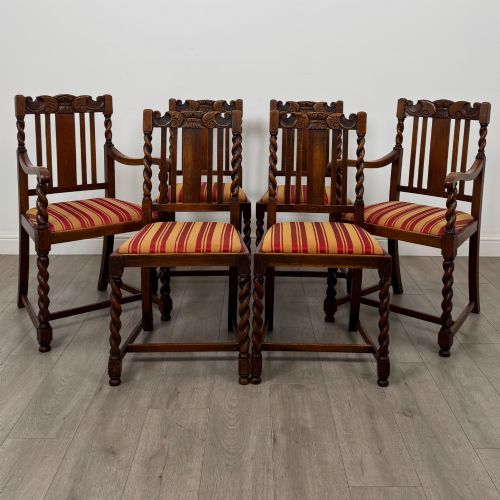
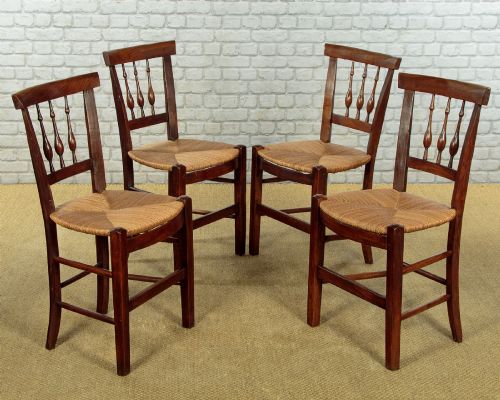
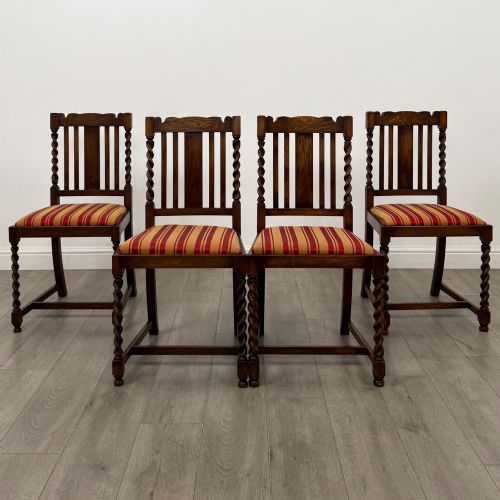
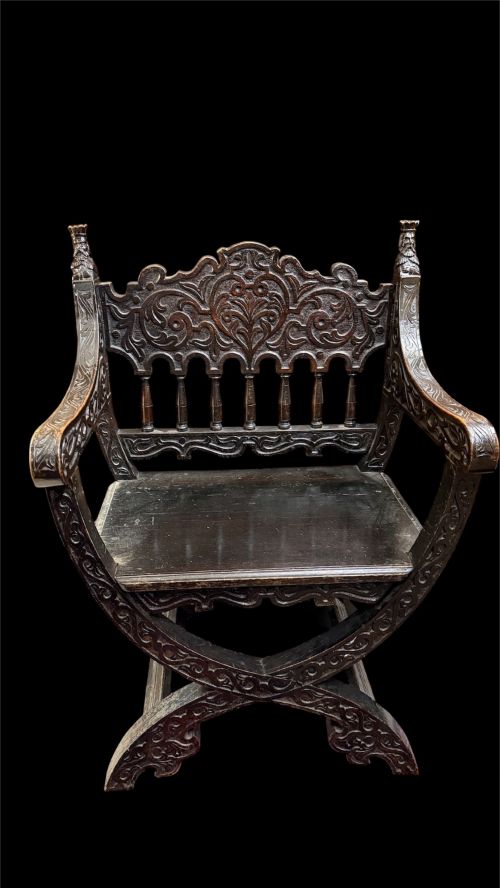
Liberty & Co Set of 4 Charles Bevan Oak Chairs Arts & Crafts, 1880
Priced at £995 from Mews Antiques
Pegged mortise and tenon joints held the heavy frames together without relying on hide glue.
Woodworkers cleaved the timber rather than sawing it to keep the long grain intact and strong.
Hand-carved decoration evolved from simple gouge work to elaborate floral motifs across the top rails.
"The dark colour on many pieces comes from centuries of beeswax and domestic smoke rather than the original workshop finish."
"Regional carvers shared distinct local patterns that still map closely to specific counties today."
"Some seat heights sit surprisingly low because the makers designed them specifically for sitting near an open hearth."
Based on almost 25 years of Sellingantiques UK antique market data, Antique Oak Chairs appeared 10485 times (out of 1,100,000 antiques) which gives it a rarity score of 12/100.
This score measures scarcity within the Sellingantiques archive only and is not a survey of the entire antiques market, so these statistics may not be indicative of the general availability of Antique Oak Chairs elsewhere.
Dense timber makes these pieces difficult to lift with one hand. The early panelled examples are particularly substantial because joiners used thick stock to ensure rigidity.
Later provincial spindle-back designs are lighter. Woodturners reduced the mass, so they aren't as cumbersome to move around.
Joiners routinely mixed timbers based on what they had in the workshop. Elm was a popular choice for seat boards because its interlocking grain resists splitting better than oak.
Ash also turns up frequently in secondary areas. The makers stained the whole piece dark, so the different woods blended together under a unified finish.
It refers to cutting the log radially from the centre out to the bark.
This method exposes the pale streaks in the grain known as medullary rays. It stops the boards warping as they dry.
Those low horizontal bars are called stretchers. They hold the legs rigid and stop the frame spreading under load.
Generations of sitters hooking their heels over the front stretcher naturally wore away the sharp top edges. It's a common sign of heavy domestic use in taverns and farmhouses.
Please note: This Antique Oak Chairs guide and its associated pricing data are provided for general informational purposes only. It does not constitute formal financial, investment, or appraisal advice and should not be relied upon as the sole basis for any commercial activity, purchasing, or sales decisions. Sellingantiques.co.uk accepts no liability for any actions taken in reliance on this information. Always consult with a qualified professional or independent appraiser.
