
A 2026 Guide by Sellingantiques
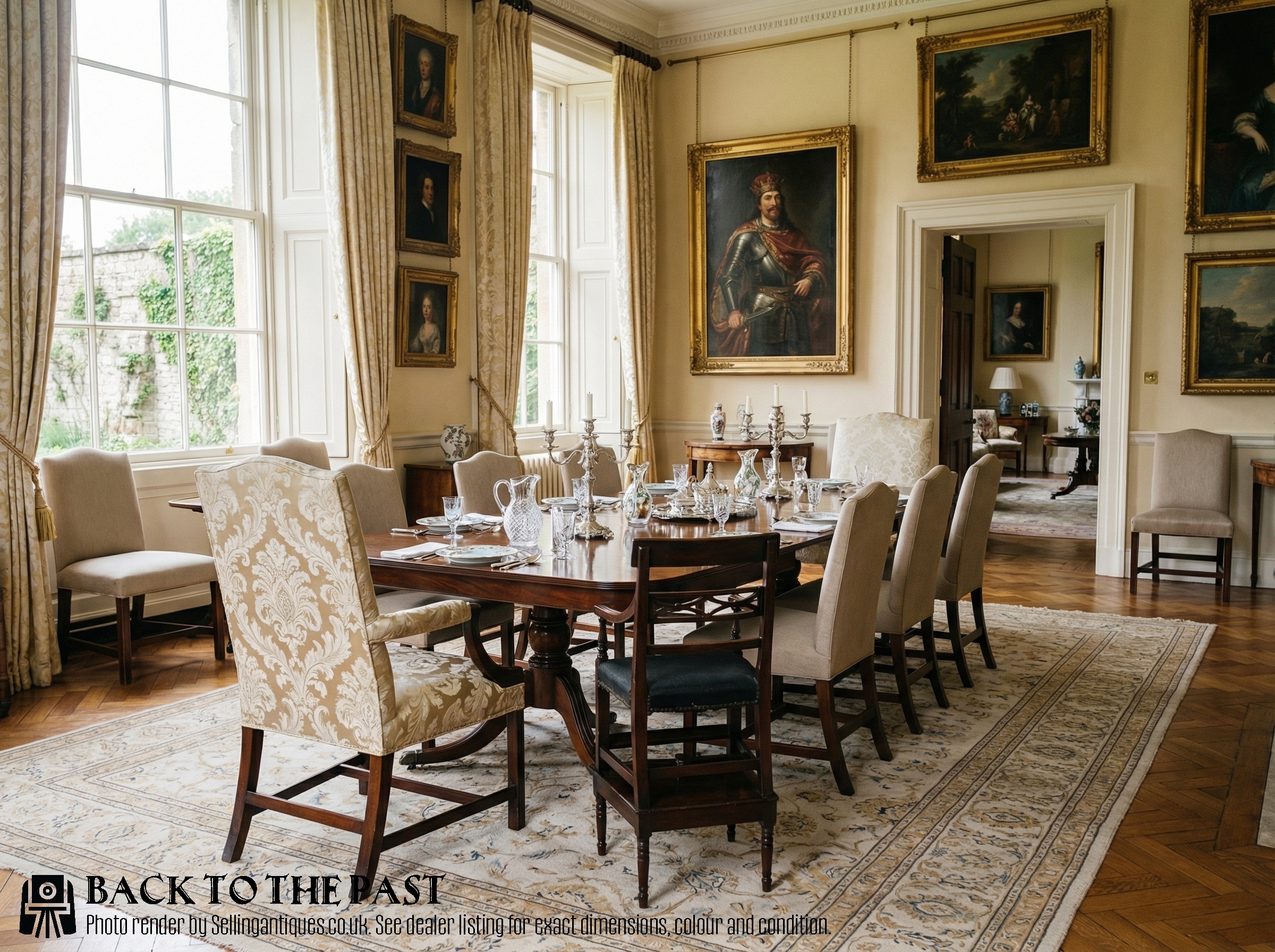
Rare 18th Century Child's High Chair in Mahogany, 18th Century
Priced at £650 from Stalham Antique Gallery
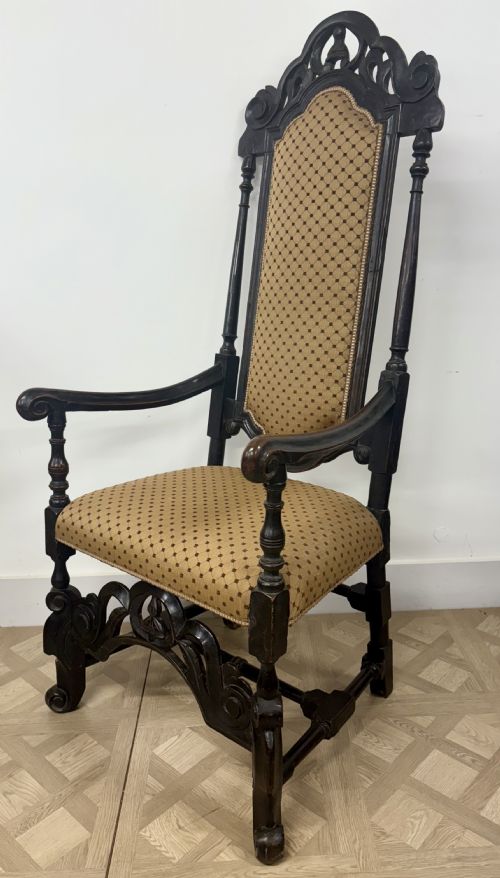
Seventeenth-century examples often mirror adult seating on a stretched frame. They were scaled-down versions of dining chairs, just raised up.
Look for the shift in the Georgian period. Dedicated child forms emerged with specific safety adaptations.
Victorian antique high chairs sometimes incorporate mechanical elements. Metamorphic designs fold down into low strollers or rocking chairs.
Restraints changed over the decades. Early ones relied on a simple wooden rod passed through the armrests.
Thonet produced bent beechwood high chairs in large numbers. Their factory output spans the late nineteenth and early twentieth centuries.
Provincial craftsmen turned out the vast majority of antique high chairs. Most lack a maker's mark or stamp.
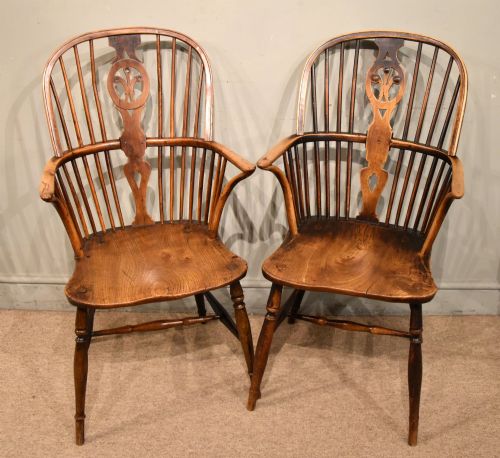
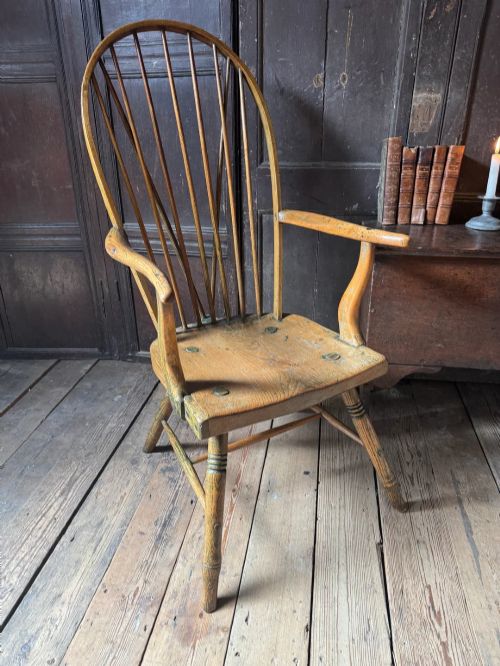
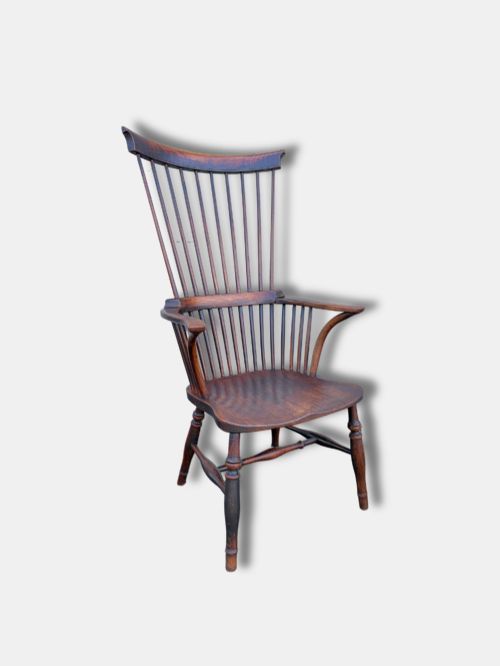
High Wycombe workshops supplied London with thousands of beech and elm stick-back versions.

19th C. European Painted Childs High Chair in the Style of Roosje Hindeloopen, 19th Century
Priced at £750 from The Old Yard
The 2026 retail price guide for Antique High Chairs is drawn from a proprietary archive of over 1.1 million retail prices indexed by Sellingantiques since 2003. This guide relies exclusively on their own internal data; no external sources or auction records are used.
Analysing nearly 25 years of UK antique market history alongside current retail values, the data indicates that typical UK retail prices for Antique High Chairs range between £500 and £2,500. Entry-level prices generally fall under £500 and premium examples upwards of £2,500.
Wide splayed legs prevent the frame from tipping over. A broad stance is vital for stability.
Check the footrest placement. Adjustable pegs or slotted rails accommodate a growing child.
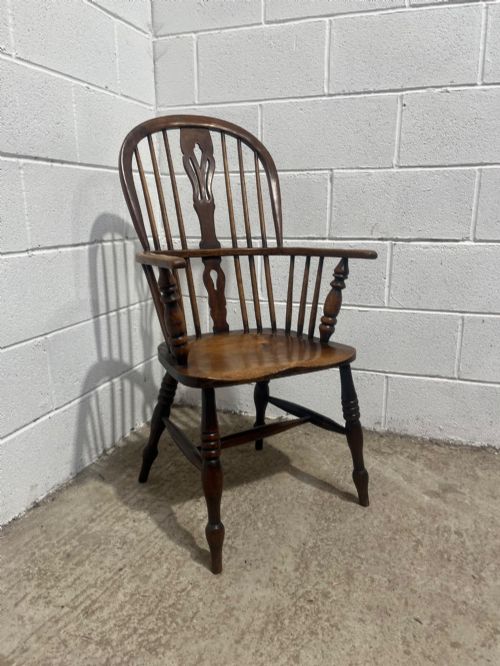
Enclosed backs offer more lateral support. Windsor variants wrap around the sitter with a continuous bent bow.
Pegged mortise and tenon joints secure the early oak frames. Craftsmen drove wooden dowels through the joined timbers to lock them.
Steam-bending altered the usual profile. Beech rods were heated and shaped in metal moulds to form continuous flowing lines.
Notice the shift from solid wood seats to woven cane. This reduced the overall weight for lifting.
"Many were built to be multi-functional. A single piece could serve as a dining seat, a play table, and a rocker."
"The carving on wealthy commissions matched the primary dining suite. They sat seamlessly alongside adult furniture in the dining room."
"Clever tray mechanisms often use a swing-over design. They pivot from the back rather than clipping on the front."
Based on almost 25 years of Sellingantiques UK antique market data, Antique High Chairs appeared 2593 times (out of 1,100,000 antiques) which gives it a rarity score of 60/100.
This score measures scarcity within the Sellingantiques archive only and is not a survey of the entire antiques market, so these statistics may not be indicative of the general availability of Antique High Chairs elsewhere.
Many parents do use them for meals. You have to evaluate the stability of the joints and the width of the leg splay first.
Modern safety standards require a five-point harness. Antique pieces lack these, so you would need to retrofit a secure strap system before placing a child inside.
A drop of light machine oil on the cast iron hinge pins will usually free them up. Rust builds up in the pivot points if the chair has been stored in a damp shed or attic.
Just go slowly. Forcing the folding mechanism can crack the timber framing around the bolts. Work the joint gently back and forth once oiled.
A circular cutout in a solid timber seat indicates it doubled as a commode. A ceramic chamber pot slid into a grooved rail underneath.
This feature is more common on early nineteenth-century country pieces. The pots rarely survive with the frame.
Those holes held a turned wooden rod. It slid straight through one arm, across the child's lap, and out through the other arm.
A wooden peg or a leather thong dropped through a smaller hole in the rod's end. This stopped the child from pushing it back out. It was a simple restraining bar rather than a flat food tray.
Please note: This Antique High Chairs guide and its associated pricing data are provided for general informational purposes only. It does not constitute formal financial, investment, or appraisal advice and should not be relied upon as the sole basis for any commercial activity, purchasing, or sales decisions. Sellingantiques.co.uk accepts no liability for any actions taken in reliance on this information. Always consult with a qualified professional or independent appraiser.
