


A 2026 Guide by Sellingantiques
Early English examples arrived as mismatched pieces imported from China. Local potteries later standardised the antique tea service into unified patterns.
Silver services appeared first in wealthy households during the early eighteenth century. Ceramic versions followed closely as the drink became affordable.
Watch for changes in piece counts over time. A standard set expanded to include slop bowls and tea caddies by the 1770s.
Factories in Staffordshire dominated the market for middle-class homes. They churned out printed earthenware sets by the thousands.
Hester Bateman produced plain, elegant silver teapots in late eighteenth-century London. Her workshop focused on thin-gauge sheet silver to save weight.
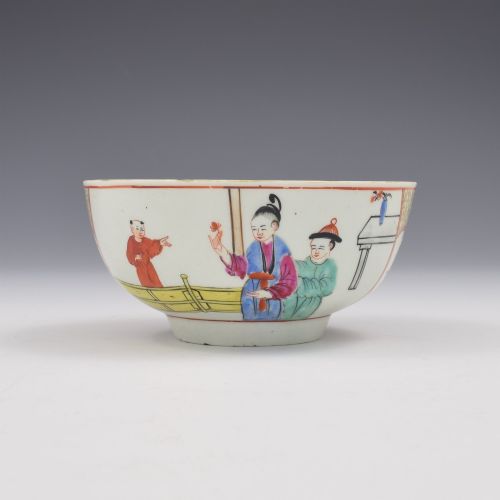
The Worcester factory turned out thousands of painted porcelain sets. Their blue and white underglaze patterns copy Chinese export wares.
Look for Meissen crossed swords on early European porcelain. They set the standard for hard-paste tea services across the continent.
The 2026 retail price guide for Antique Tea Service is drawn from a proprietary archive of over 1.1 million retail prices indexed by Sellingantiques since 2003. This guide relies exclusively on their own internal data; no external sources or auction records are used.
Analysing nearly 25 years of UK antique market history alongside current retail values, the data indicates that typical UK retail prices for Antique Tea Service range between £400 and £4,000. Entry-level prices generally fall under £400 and premium examples upwards of £4,000.
A traditional antique tea service centres on the teapot. Matching cream jugs and covered sugar basins form the basic three-piece suite.
Huge matched silver trays often group pieces from different years. Silversmiths copied earlier patterns to expand a family's existing collection.
You'll often find strainer holes pierced directly into the clay. These sit inside the body right behind the ceramic spout.
Potters initially threw teapots on a wheel. Slip-casting in plaster moulds later allowed for complex fluted bodies and fast mass production.
Silversmiths raised early pots from a single flat sheet. Seamed construction became the norm as rolling mills supplied uniform metal gauges.
Transfer printing changed ceramic decoration. Engraved copper plates applied ink to tissue paper, which workers then pressed onto the fired clay.
"Early sets often included two different sizes of cups. The smaller ones were for tea and the larger bowls for coffee."
"Many silver services took years to assemble. Families bought pieces one by one as they could afford the matching pattern."
"Saucers originally had a much deeper shape. Drinkers poured the hot liquid into them to cool before sipping directly from the dish."
Based on almost 25 years of Sellingantiques UK antique market data, Antique Tea Service appeared 952 times (out of 1,100,000 antiques) which gives it a rarity score of 83/100.
This score measures scarcity within the Sellingantiques archive only and is not a survey of the entire antiques market, so these statistics may not be indicative of the general availability of Antique Tea Service elsewhere.
Wash the silver in warm soapy water using a soft cloth. Dry it immediately to stop water marks forming on the surface.
Use a mild silver polish only when the metal tarnishes. Rub gently in straight lines rather than circles to avoid scratching.
Harlequin sets are popular and practical. You can mix and match missing cups with those from other patterns to create a varied table display.
Many antique sets survive with missing pieces. People often use odd saucers as small plates or spare sugar bowls for holding sweets.
Yes, you can use antique cups. The glazes remain stable.
Wash them by hand. Modern dishwashers will ruin the painted details.
Silver pins hold the wooden handle in place. Over decades of use, the wood shrinks and the sockets widen.
A silversmith can drill out the old pins and fit new ones. They may also pack the joints to make the handle rigid again.
Please note: This Antique Tea Service guide and its associated pricing data are provided for general informational purposes only. It does not constitute formal financial, investment, or appraisal advice and should not be relied upon as the sole basis for any commercial activity, purchasing, or sales decisions. Sellingantiques.co.uk accepts no liability for any actions taken in reliance on this information. Always consult with a qualified professional or independent appraiser.
