

A 2026 Guide by Sellingantiques
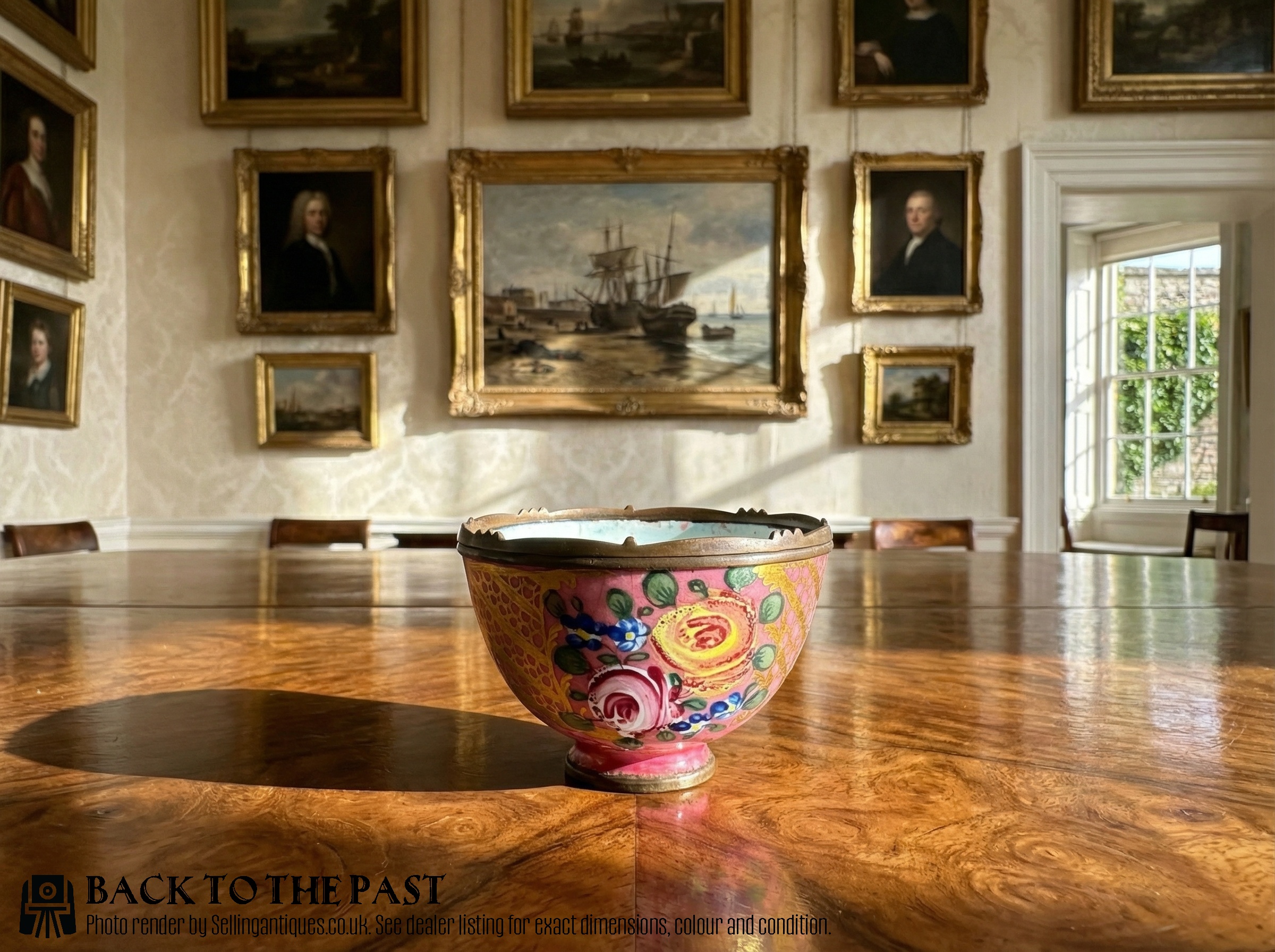
18th Century Small Limoges Enamel Salt Bowl, 18th Century
Priced at £540 from Treaders Collectables
Finding kaolin clay near the town in the late eighteenth century started the whole industry.
Dozens of factories opened over the next hundred years. They exported massive amounts of antique Limoges across the Atlantic.
White blanks were often shipped out unpainted. Decorating studios in other countries finished them for local retail markets.
Wars and changing tastes eventually forced many of these regional kilns to close their doors.
Haviland & Co dominates the nineteenth-century export trade. They set up kilns just to supply the American market.
Bernardaud began operations at the end of the 1800s. They took over several older, struggling facilities.
William Guérin established a major presence around 1870. His factory produced thousands of table services and decorative blanks.

Early 18th Century Limoges Enamel Plaque, 18th Century
Priced at £840 from Treaders Collectables
The 2026 retail price guide for Antique Limoges is drawn from a proprietary archive of over 1.1 million retail prices indexed by Sellingantiques since 2003. This guide relies exclusively on their own internal data; no external sources or auction records are used.
Analysing nearly 25 years of UK antique market history alongside current retail values, the data indicates that typical UK retail prices for Antique Limoges range between £200 and £2,100. Entry-level prices generally fall under £200 and premium examples upwards of £2,100.
Translucency is the main draw. Hold a plate up to a strong light to see the shadow of your fingers.
Metal mounts on the small hinged boxes feature tight clasps. They're often shaped like flowers or ribbons.
Painted floral sprays frequently cover these wares. Transfer prints appear on later commercial production runs.
Early painting was done entirely by hand. Craftsmen sat at benches applying thin washes of mineral oxides.
Decalcomania became standard practice for mass production. These printed transfers sped up the decoration of large dinner services.
Check the gilt work. Hand-burnished gold has a soft lustre that differs from modern liquid paints.
"Wealthy families ordered custom services. The factories painted specific monograms or crests to match the household silver."
"Blank wares were quite popular with amateur porcelain painters. Middle-class women bought undecorated plates to paint at home."
"The local clay is naturally white. Makers didn't need to add the bleaching agents common elsewhere."
Based on almost 25 years of Sellingantiques UK antique market data, Antique Limoges appeared 219 times (out of 1,100,000 antiques) which gives it a rarity score of 96/100.
This score measures scarcity within the Sellingantiques archive only and is not a survey of the entire antiques market, so these statistics may not be indicative of the general availability of Antique Limoges elsewhere.
Wash them by hand in a plastic bowl. A metal sink can chip the edges if you slip. Use warm water and a mild dish soap.
Avoid the dishwasher at all costs. The harsh detergents will strip the gold borders and fade the overglaze enamels on antique Limoges. Dry them immediately with a soft cotton cloth.
The first mark tells you who made the porcelain blank. The factory stamped it into the wet clay or under the clear glaze before the high-temperature firing.
The second mark shows who decorated it. Many kilns sold undecorated white wares to outside painting studios. The decorating firm applied their own mark over the glaze after finishing the floral work.
Yes, they were made for dining. Just stick to serving rather than heavy carving.
Knives will scratch the glazed well over time. Keep them for light courses or dessert.
People call them pill boxes today, but they held various small items. Snuff was common in the eighteenth and early nineteenth centuries. Later, they held patches, pins, or small sweets.
The metal mounts protected the fragile porcelain edges from constant opening and closing. They became popular souvenir items for travellers visiting the region.
Please note: This Antique Limoges guide and its associated pricing data are provided for general informational purposes only. It does not constitute formal financial, investment, or appraisal advice and should not be relied upon as the sole basis for any commercial activity, purchasing, or sales decisions. Sellingantiques.co.uk accepts no liability for any actions taken in reliance on this information. Always consult with a qualified professional or independent appraiser.
