It was listed by Jason Clarke Antiques. Sold pieces stay on Sellingantiques as a record of what has passed through, and the next one is rarely far away.
Jason Clarke Antiques has dated this piece to the 1800s.
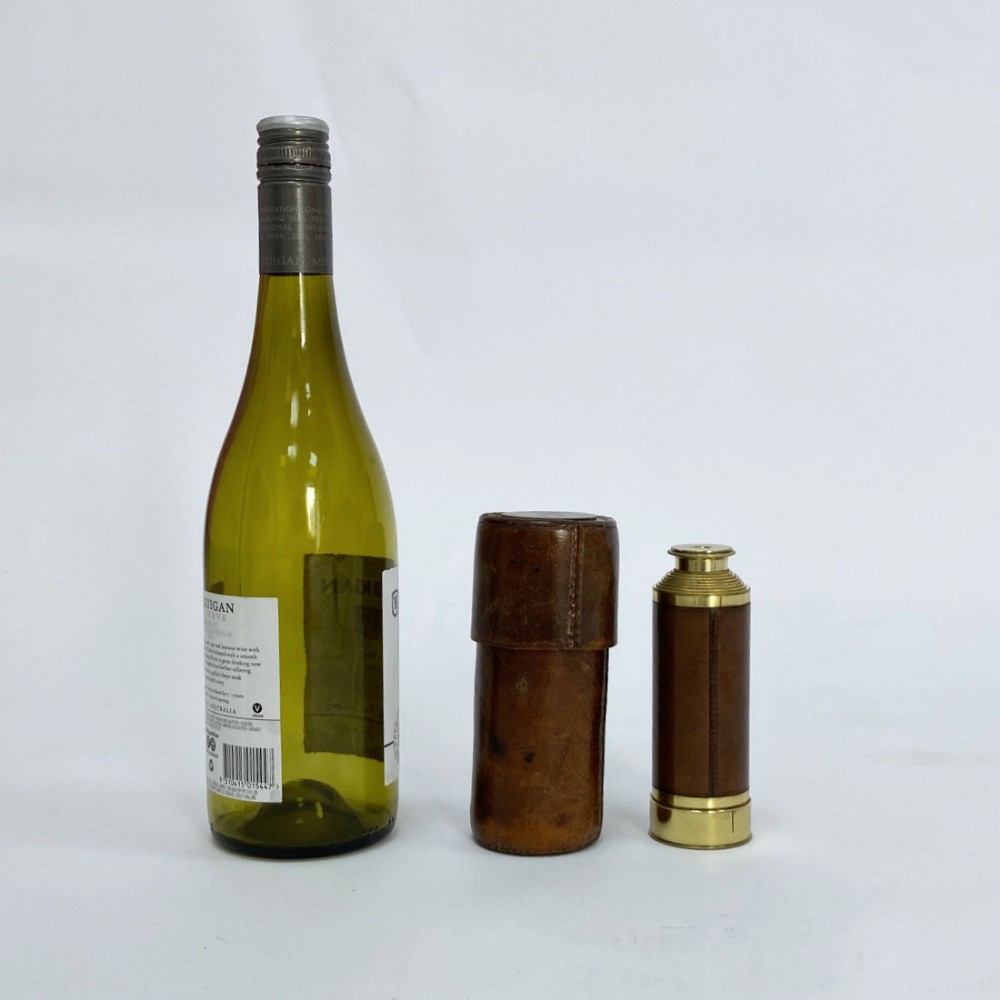
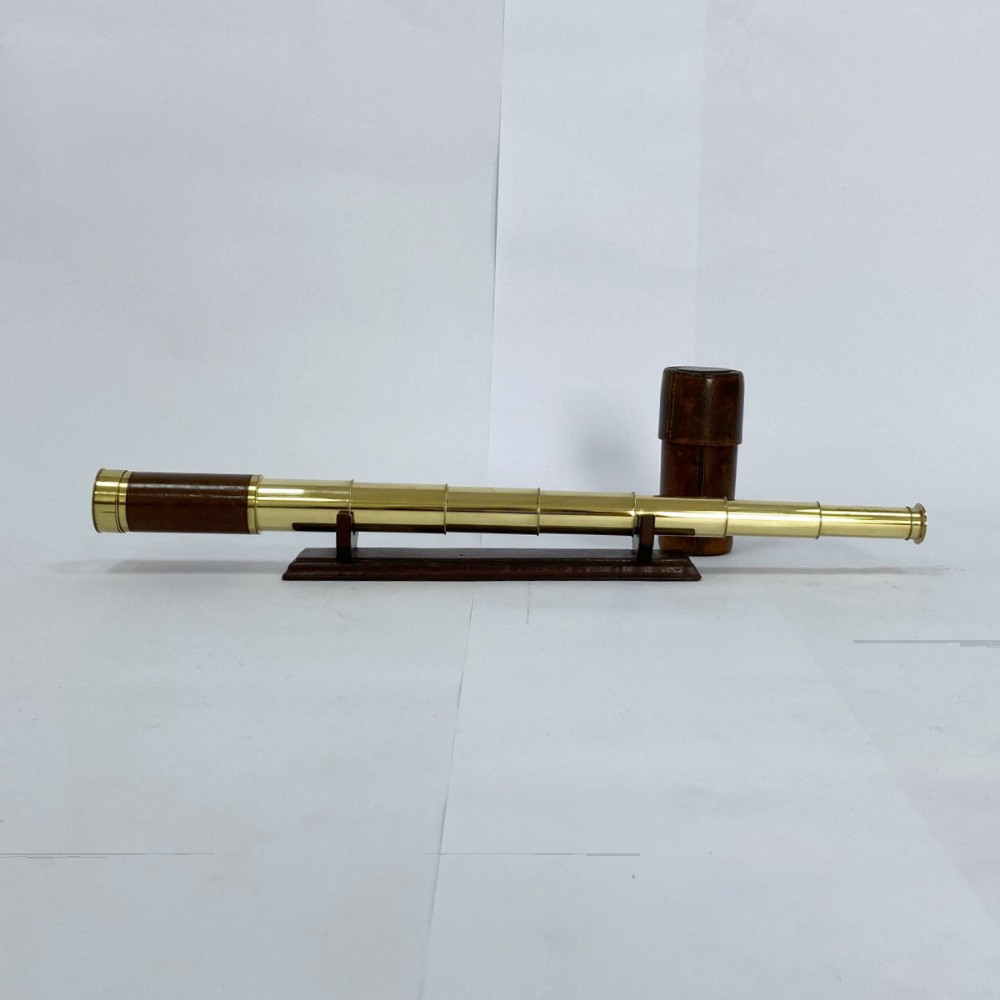
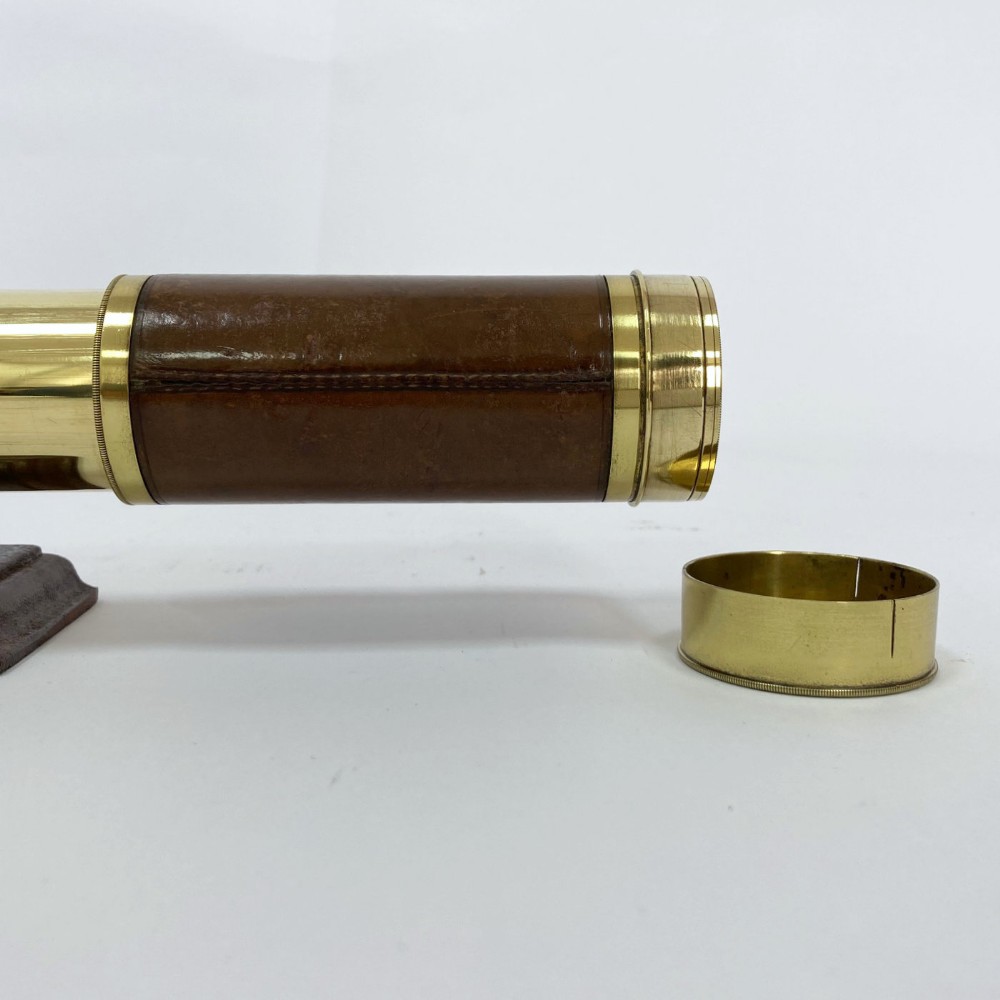
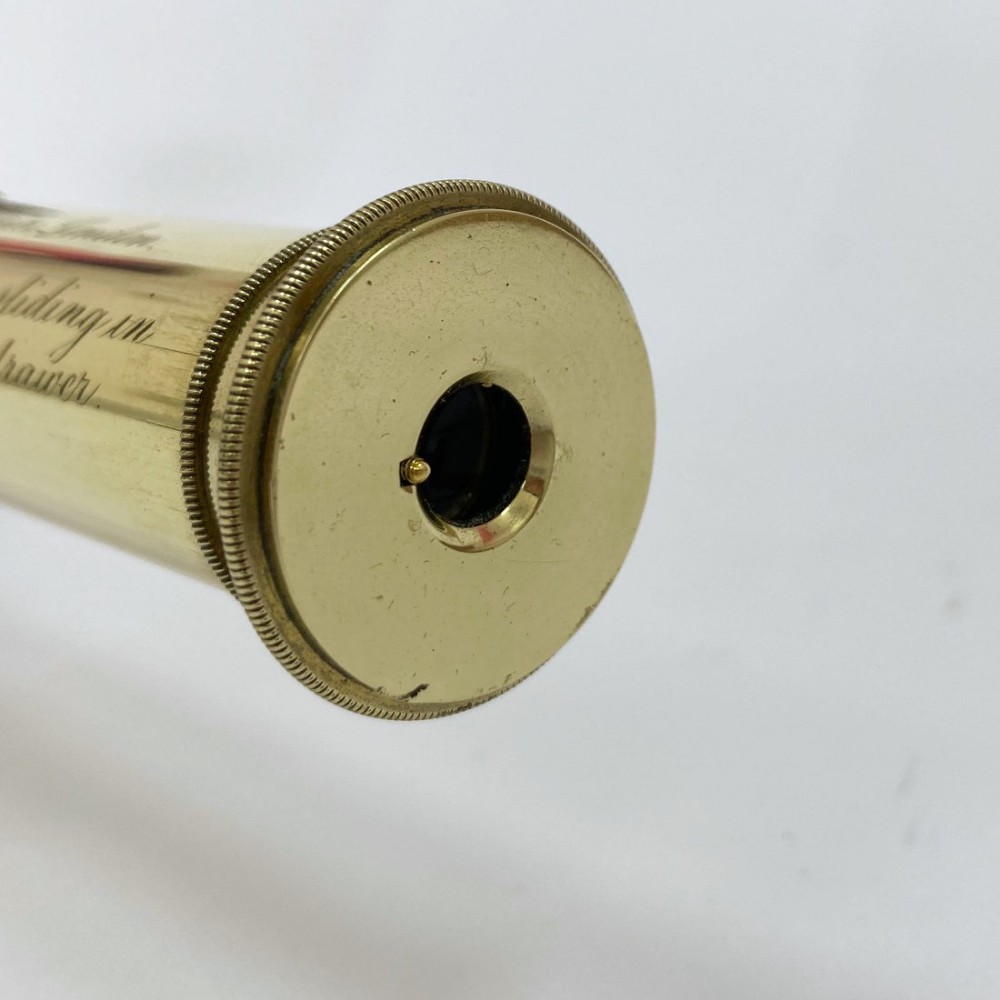
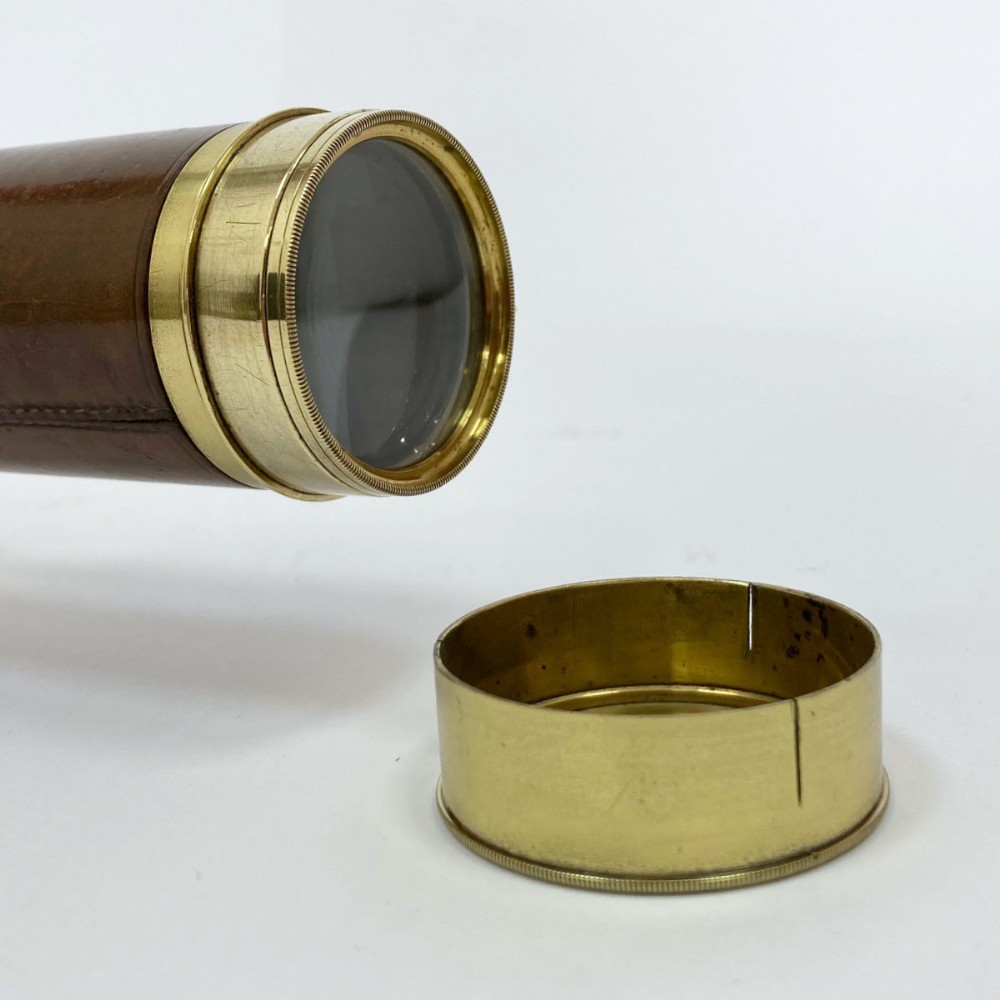
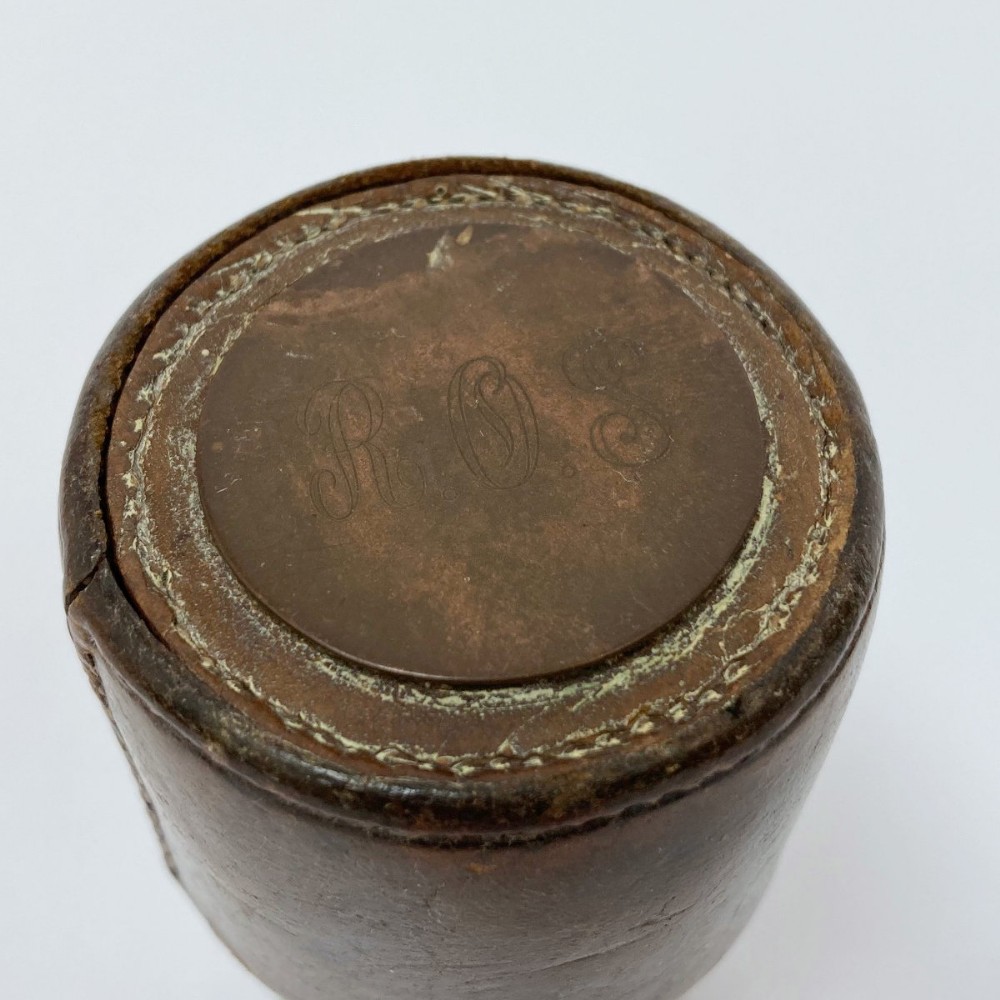
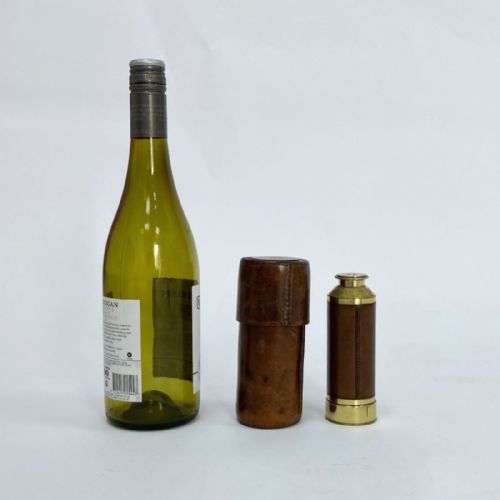
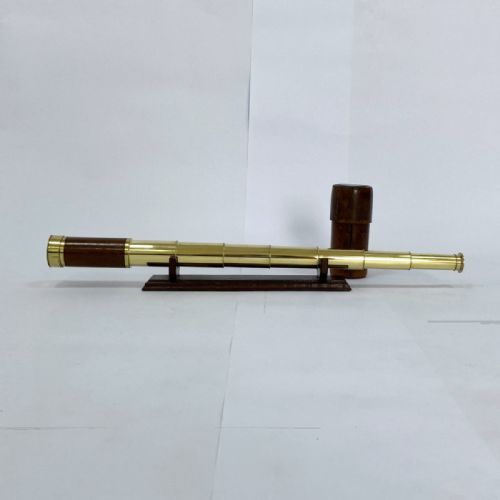
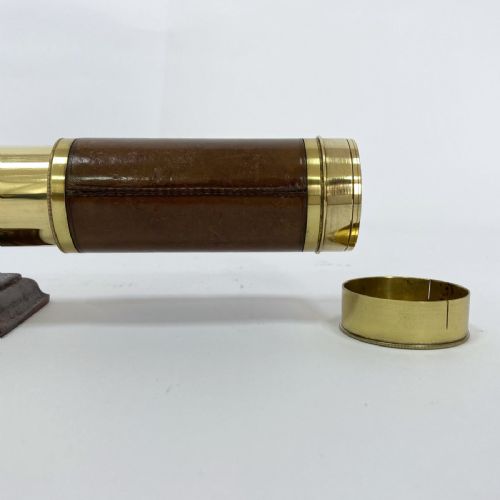
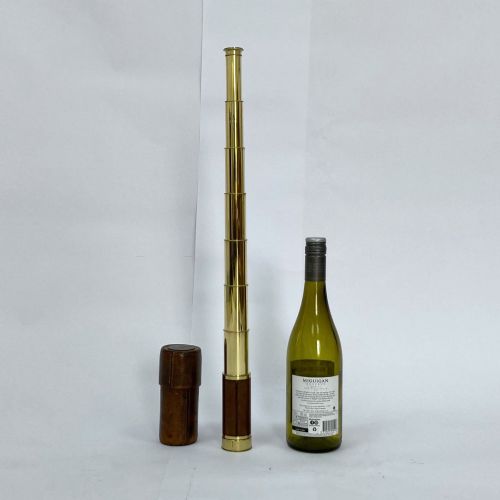
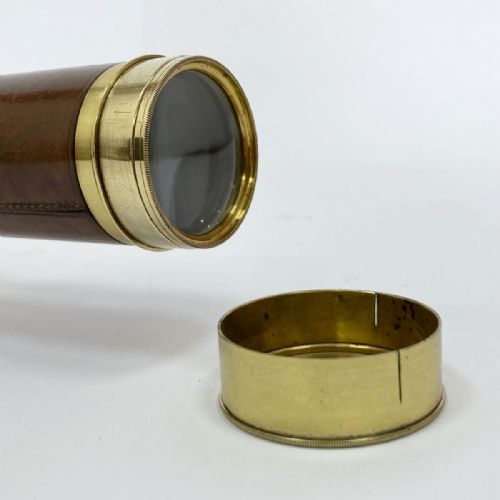
It sports a brown leather covered barrel, original objective cap and dust slide to the eyepiece. It is complete with its original two part leather case with the initials R.O.S engraved to the lid section.
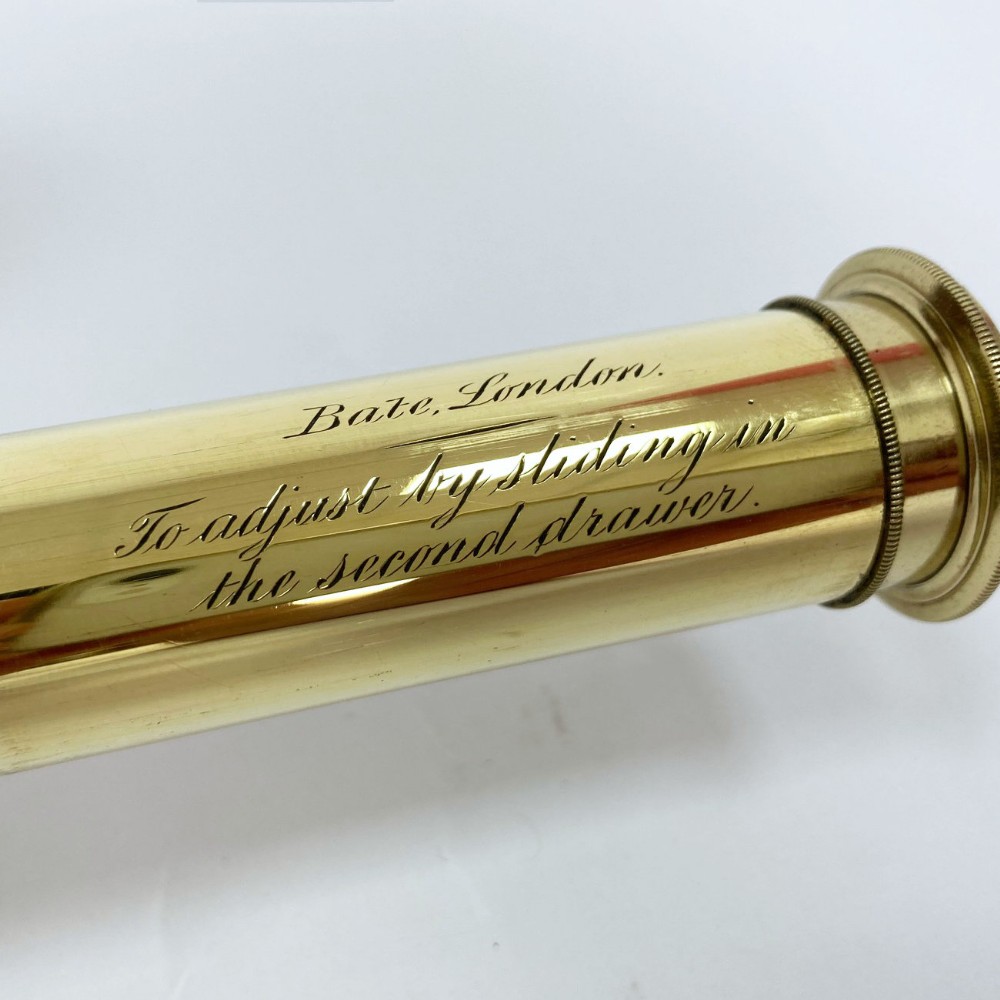
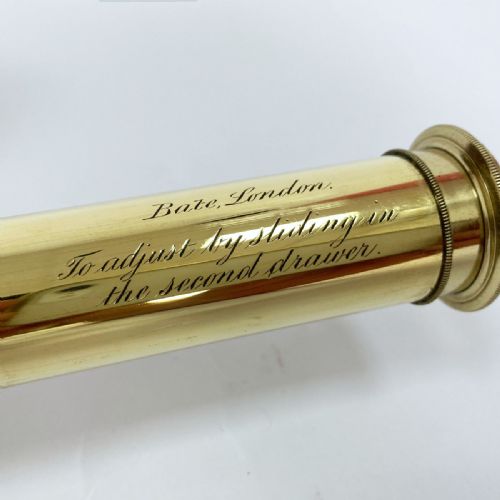
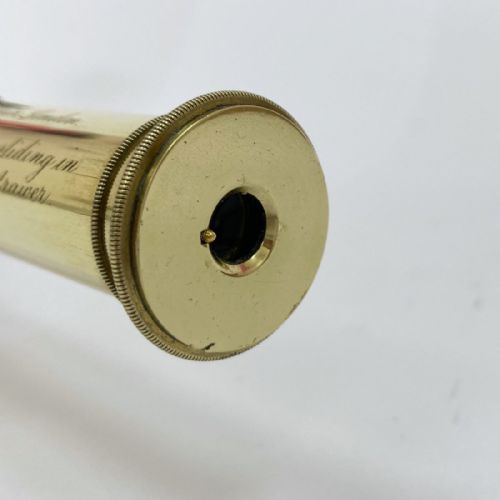
The first draw is engraved to Bate London with further instructions stating, “to adjust by sliding in the second draw”. An important direction, given that most are focused by manipulation of the first draw.
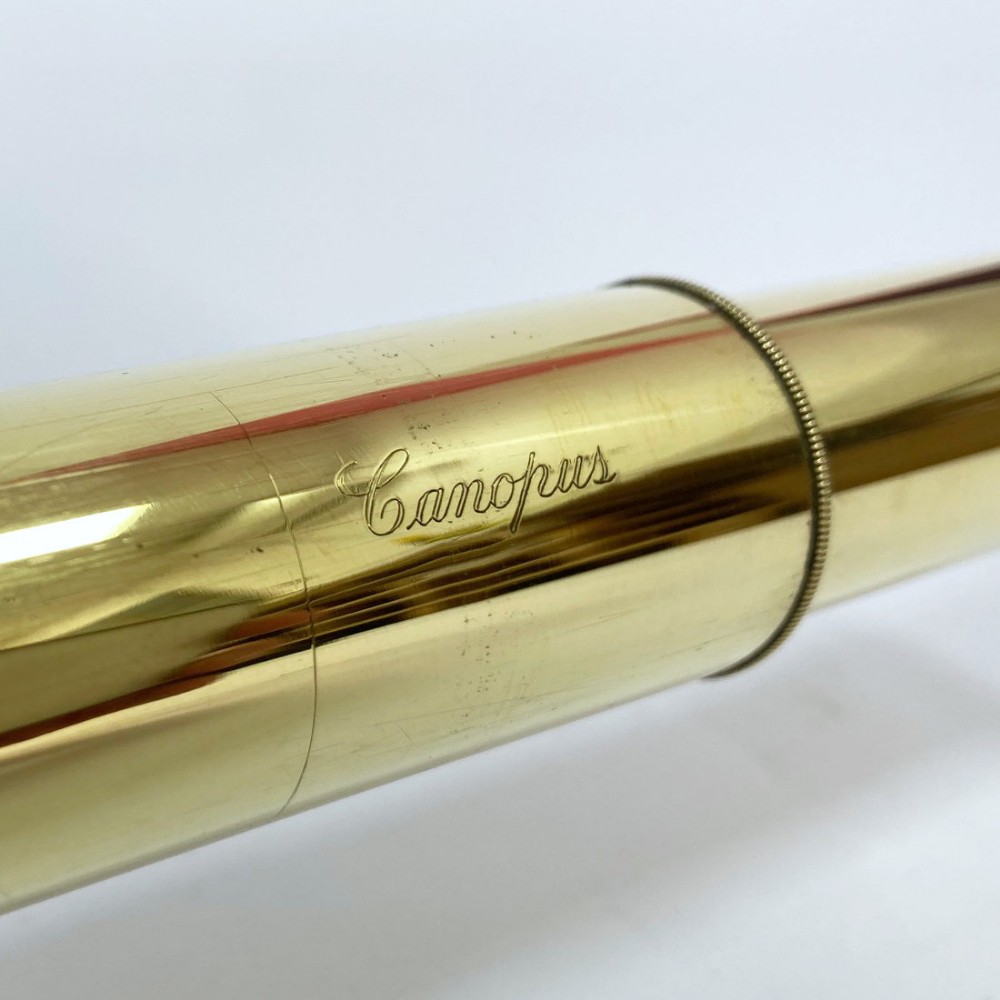
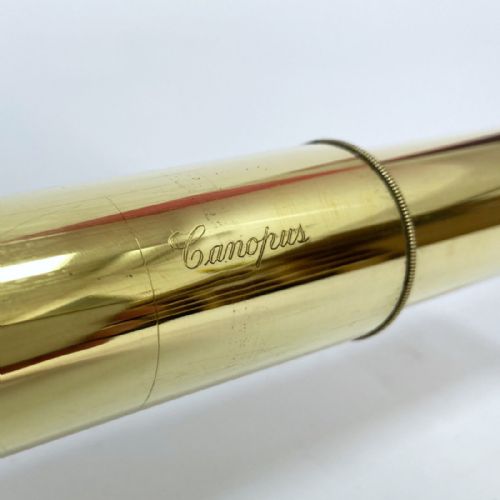
The second draw is further engraved with the word “Canopus”. HMS Canopus was an 84-gun, third rate ship of the line which was captured from the French during the Battle of Aboukir Bay in 1798. The ship was renamed after the ancient settlement of Canopus which lies to the west end of the bay and itself is named after the ancient Greek ship’s pilot who was in the service of King Menelaus of Sparta during the Trojan War.
Under French command, the Franklin as it was initially named, acted second in command to the French fleet during the battle but was forced to surrender to Nelson’s fleet after it suffered a 50% casualty rate to its crew, severe damage to the vessel and had most of its guns disabled.
She was taken into the British fleet in December 1798 and went on to serve as flagship to numerous Admirals of the Napoleonic era. During the years that led up to the Battle of Waterloo in 1815, Canopus served in the Mediterranean Fleet and narrowly missed service at Trafalgar due to a mission to Gibraltar, however she subsequently took part in the Battle of San Domingo, and the attempt to force the Dardanelles. She finally formed part of Admiral Collingwood’s fleet and saw action at the Battle of Maguelone.
In 1812, after serving as the flagship for Admiral Charles Boyle, Canopus was returned to Plymouth for repairs but was laid up due to the cessation of war. It wasn’t until the 1830’s where she saw sporadic service through to 1869. After numerous years moored, she was finally sold and broken up in 1887.
The maker of this telescope, Robert Brettell Bate was a very high-quality manufacturer of scientific instruments working in the early part of the Nineteenth Century. Born in 1782, to a family of Bankers in Stourbridge, he initially travelled to London to become a Haberdasher under his Uncle Robert Brettell. His Aunt also living in London was married to Bartholomew Sikes, famous for winning favour with The Board of Excise for his hydrometer design in 1802.
In 1804, Robert Bate married his cousin, the daughter of his aunt Mary and Bartholomew Sikes, however it was followed quite shortly with the sudden death of Sikes. Supported by his newly widowed Aunt, Bate took over Sike’s business and its Government commission and successfully persuaded the Board of Excise to adopt the “improved” hydrometer that his Father in Law had been working on before his untimely death.
At this time, the company was being run at 17 Poultry where in 1814 he became a member of the Spectacle Maker’s Company of London, by 1824 his reputation was such that he was further commissioned by the Board of Excise & Ordnance to make the new national standard Imperial measures for weight & capacity created by George IV, this event led Bate to acquire further premises at 20 and 21 Poultry. It was this Governmental relationship that underpinned his entire career, leading to an important commission from the US Mint where his Troy pound standard weight became legal standard for US coinage at the time and his instruments were also known to have been used by The East India Company, The Royal Navy, The Board of Ordnance, The Hydrographic Office and The Bank of England.
His quality of manufacture
Jason Clarke Antiques has dated this piece to the 1800s.
You can view the stock and full dealer information on the Jason Clarke Antiques Profile Page
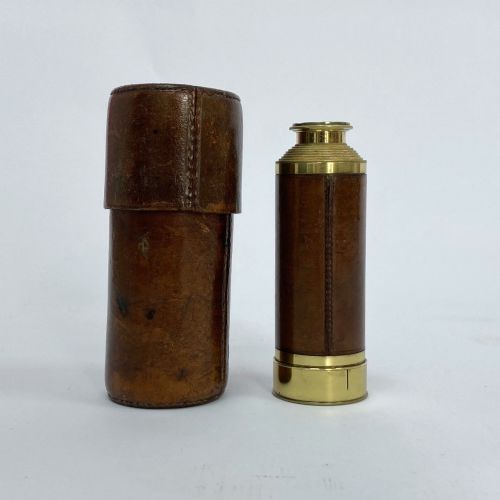
Royal Navy Seven Draw Telescope by Robert Bate of Poultry London