It was listed by Jason Clarke Antiques. Sold pieces stay on Sellingantiques as a record of what has passed through, and the next one is rarely far away.
Jason Clarke Antiques has dated this piece to the 1910s.
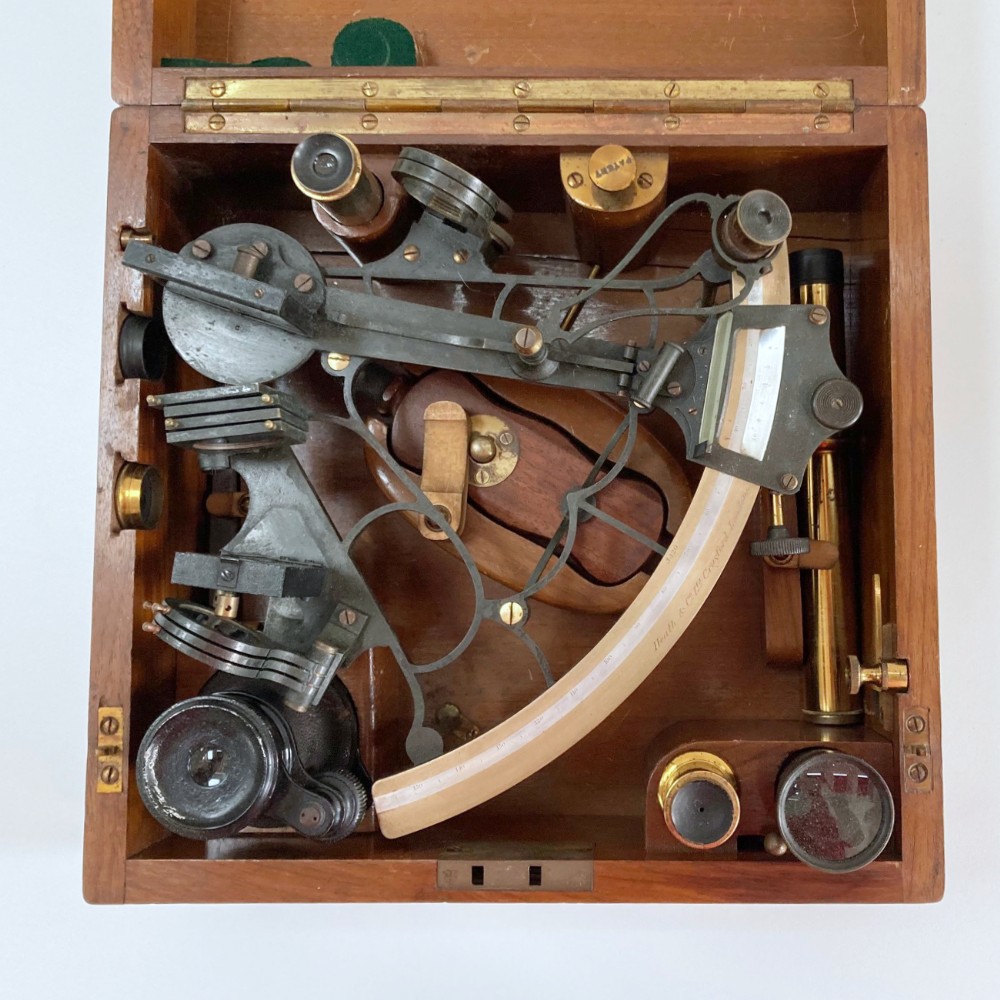
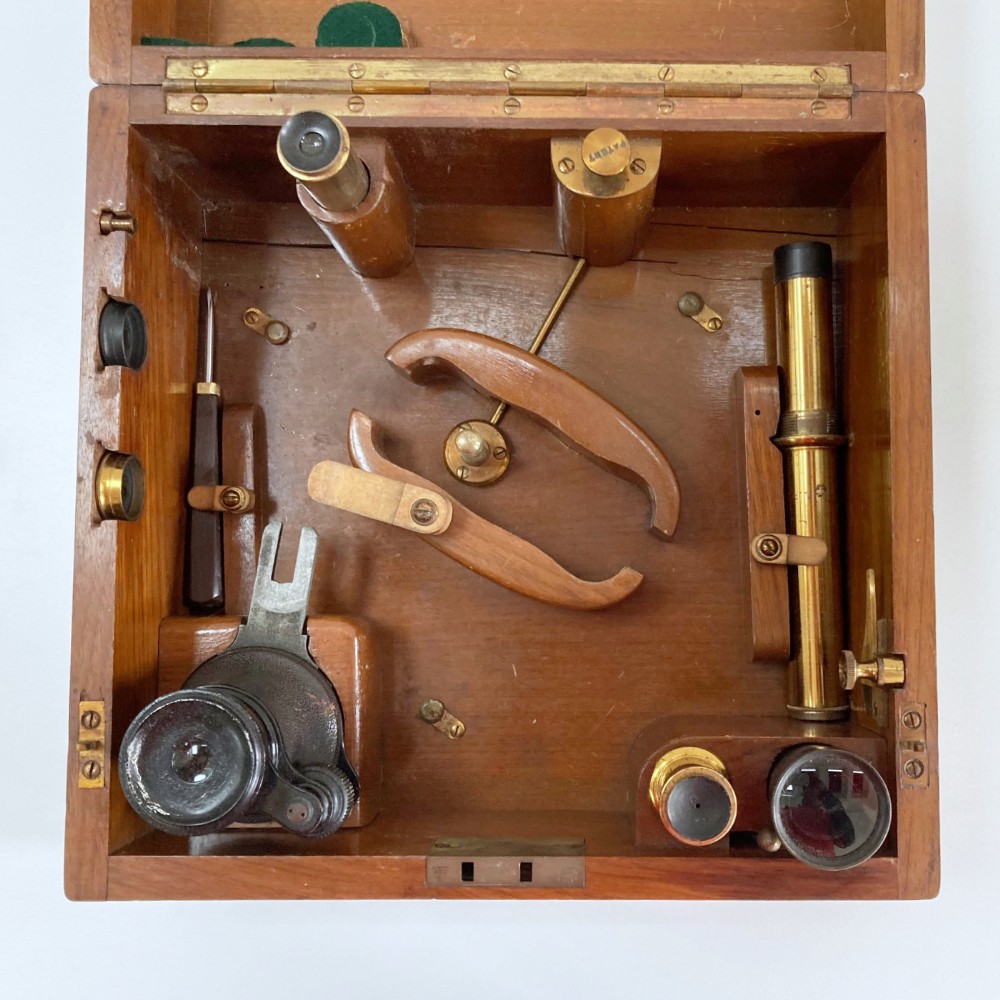
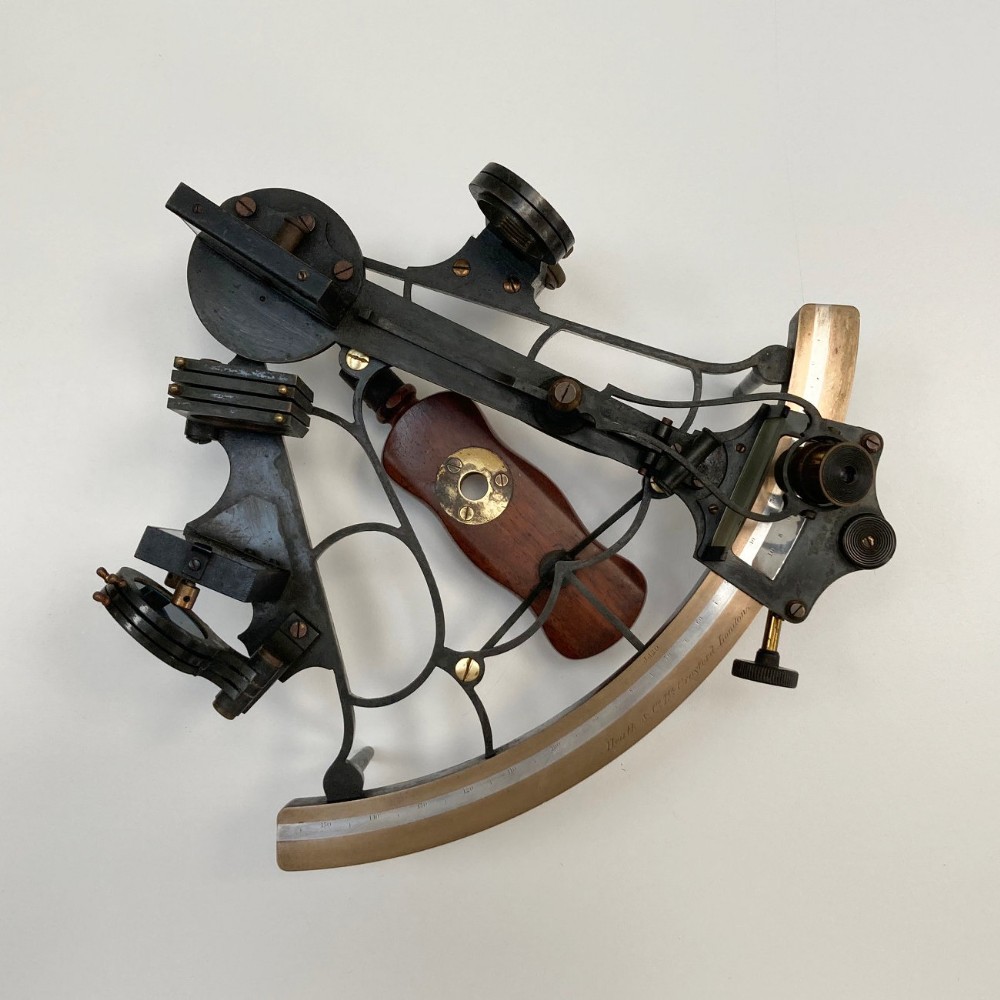
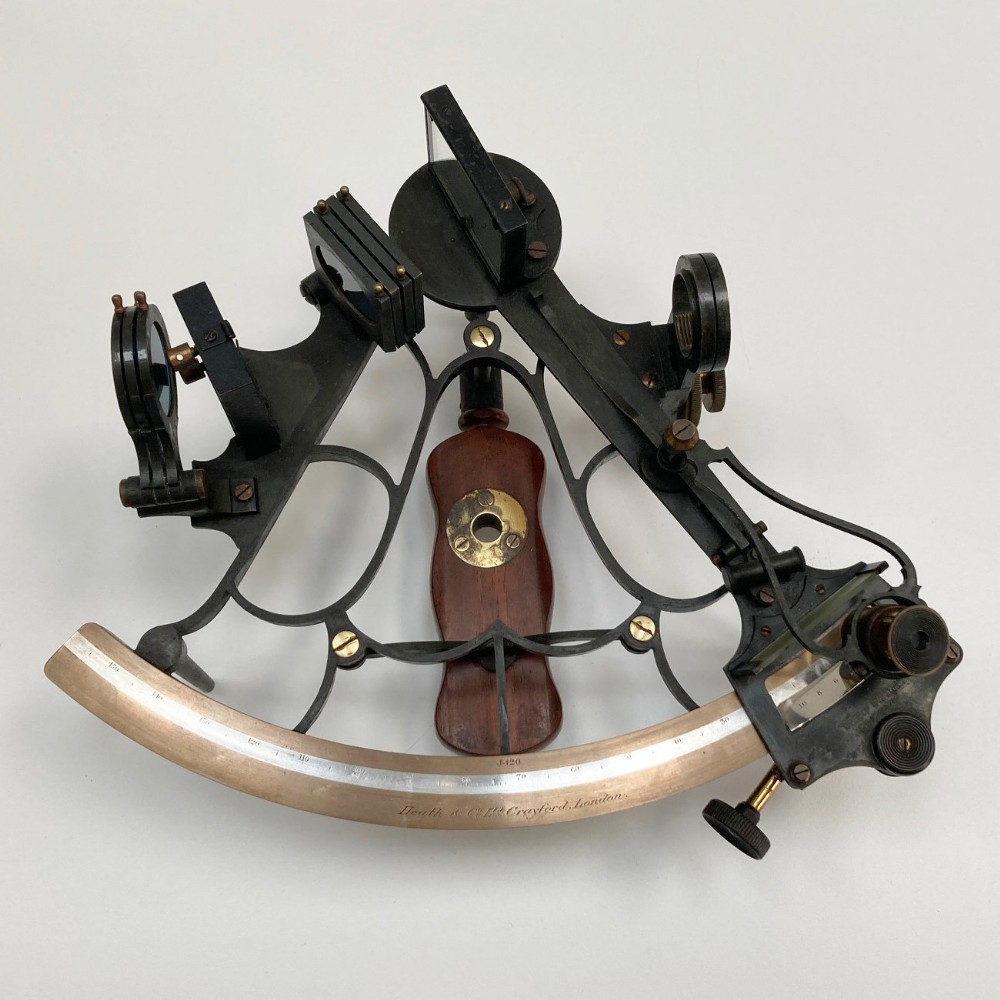
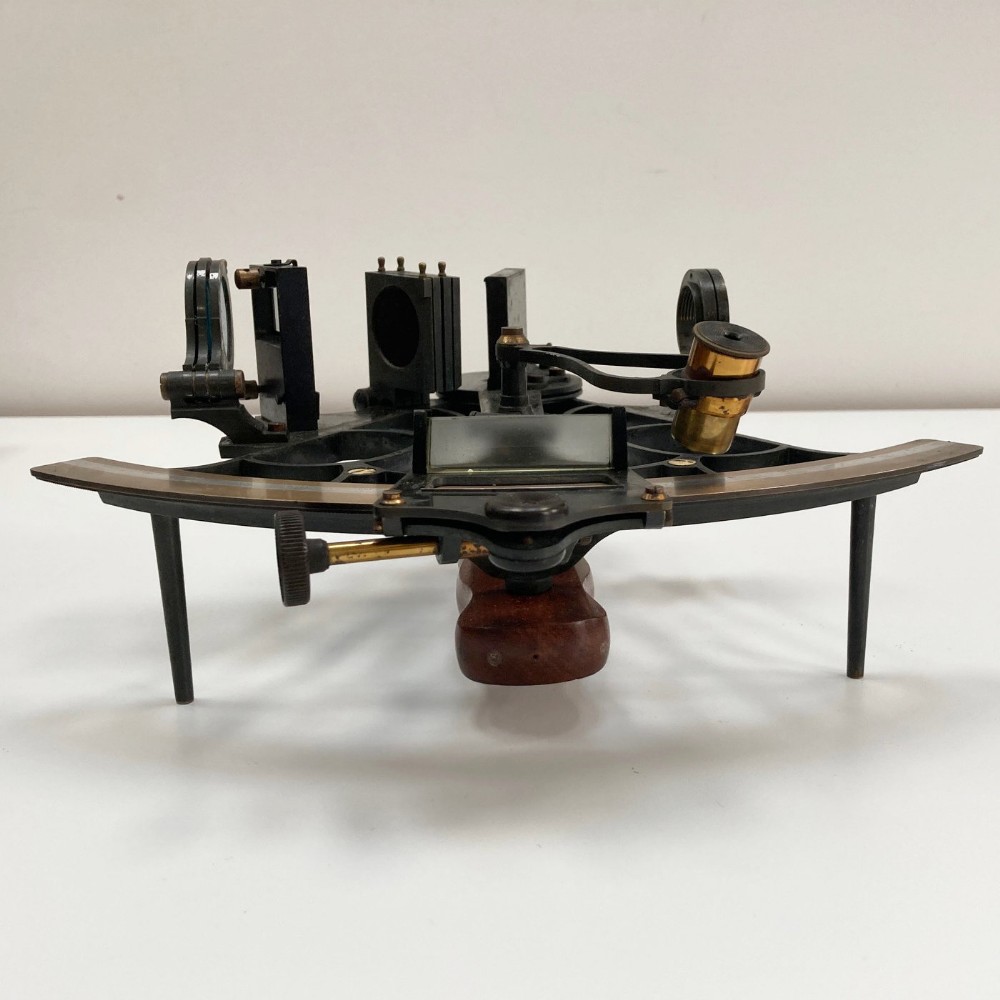
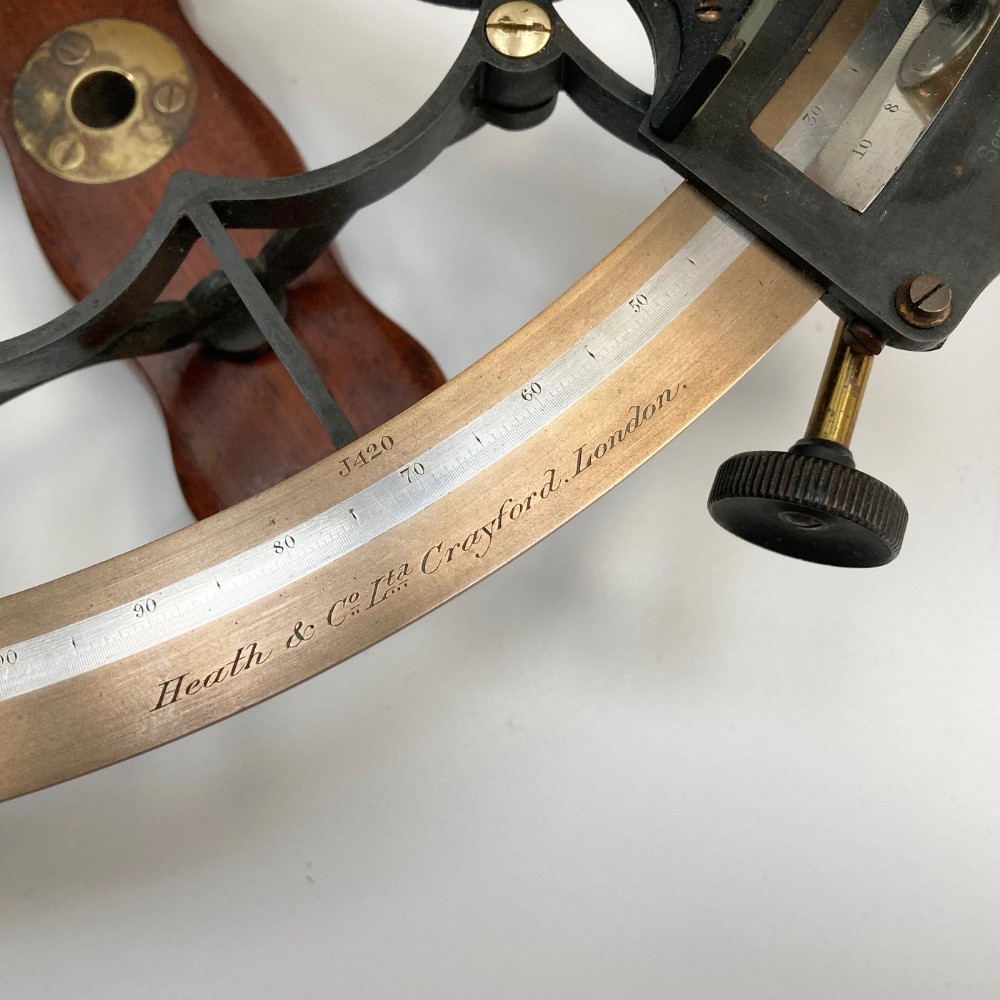
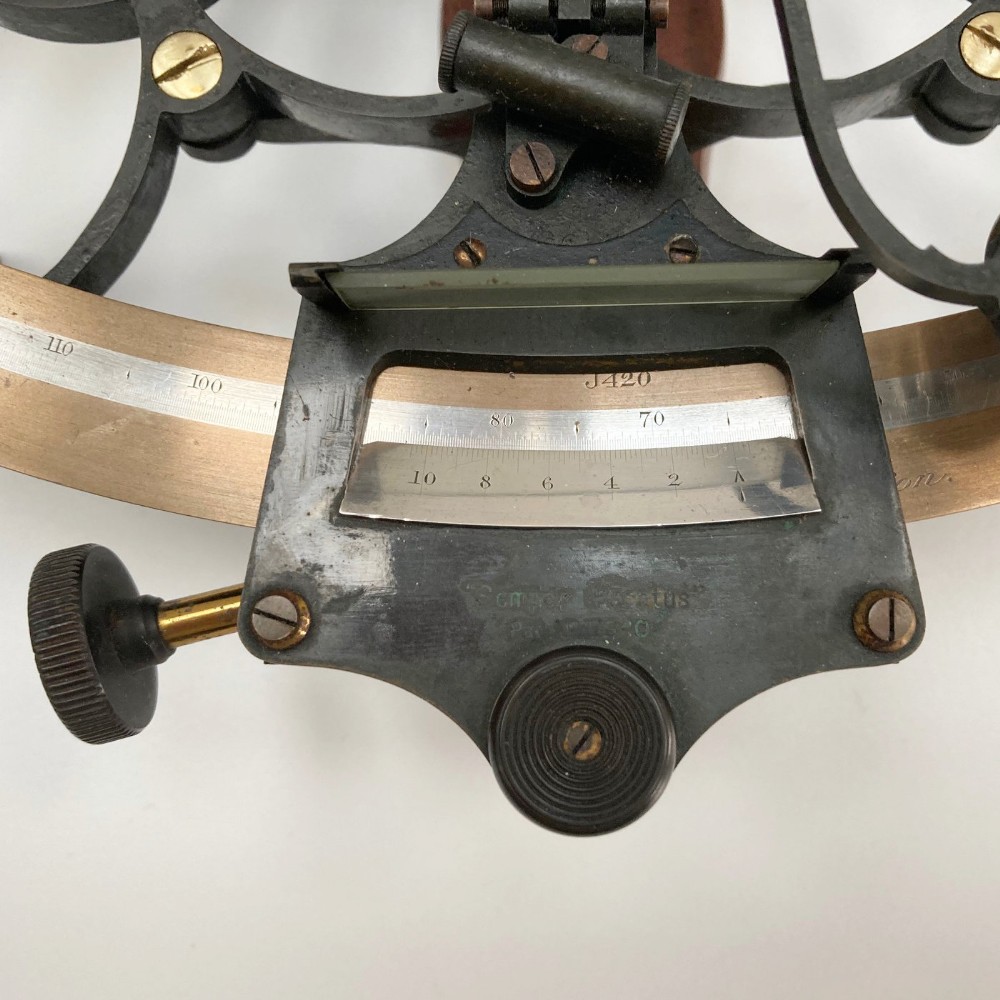
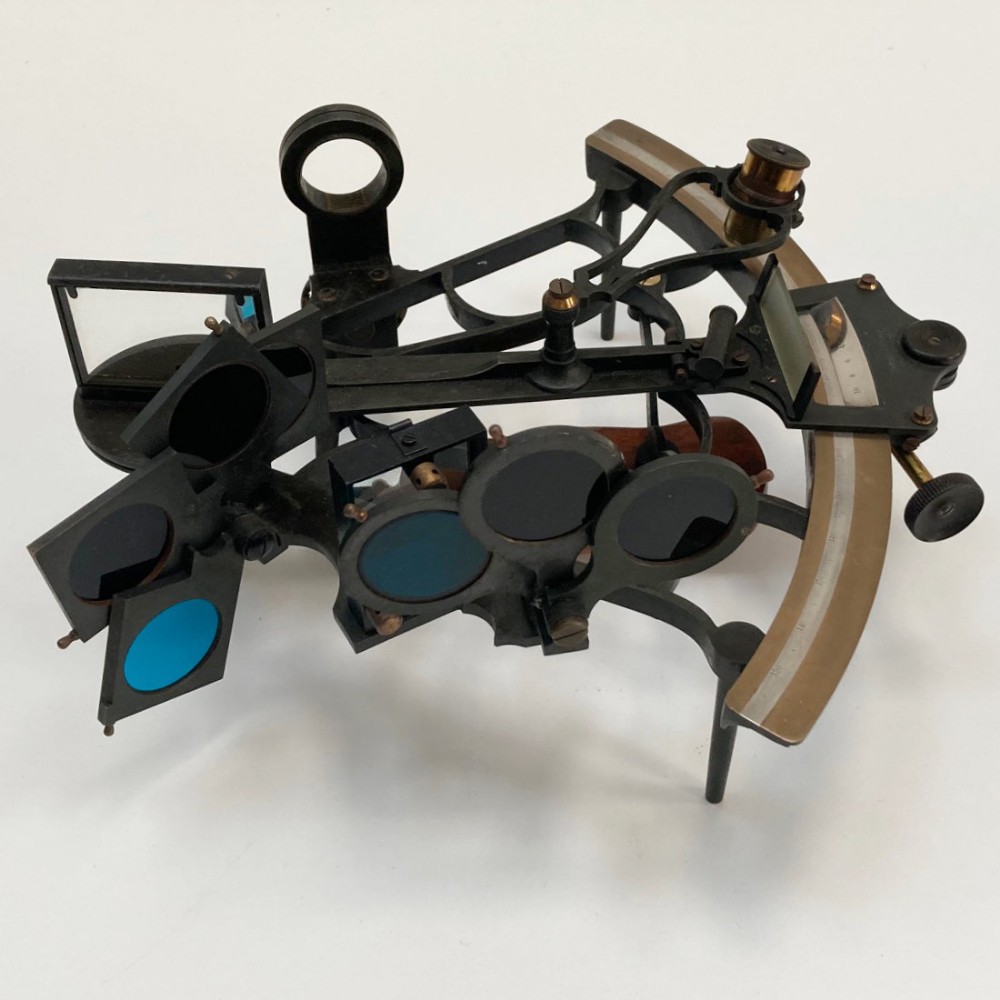
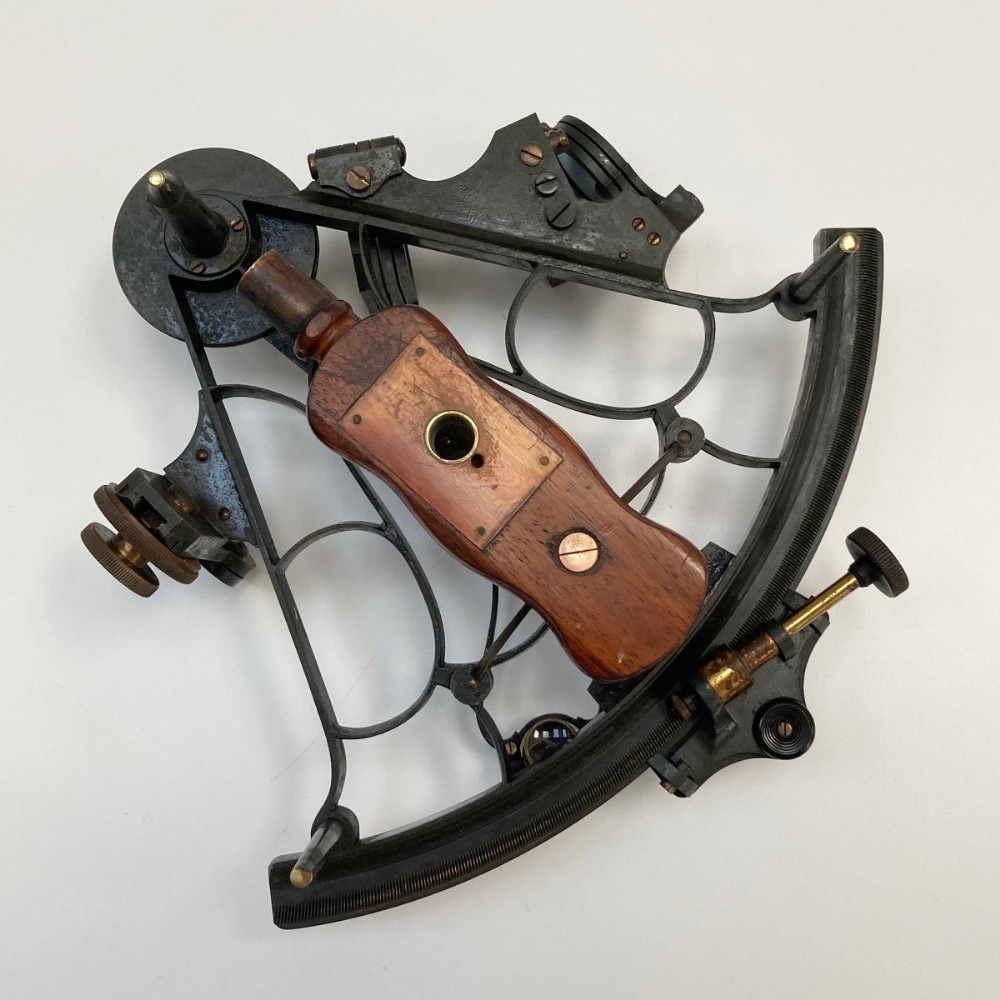
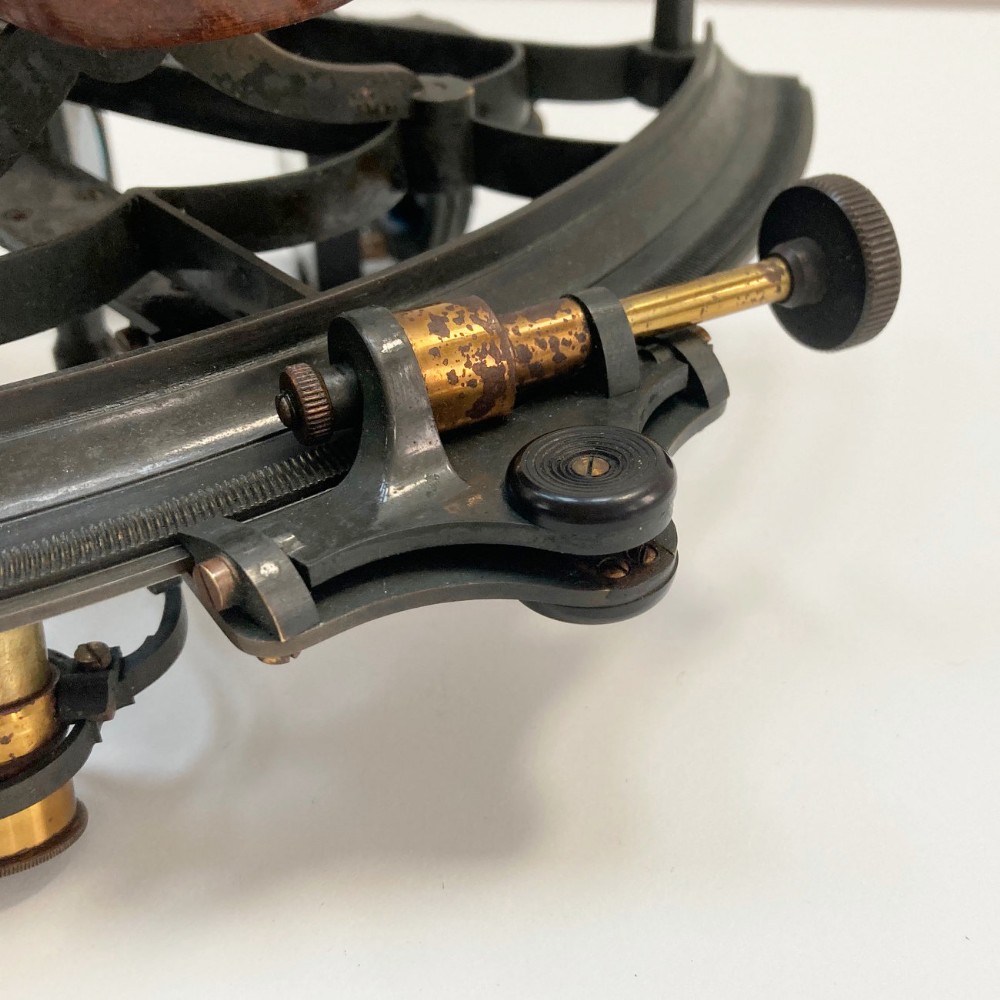
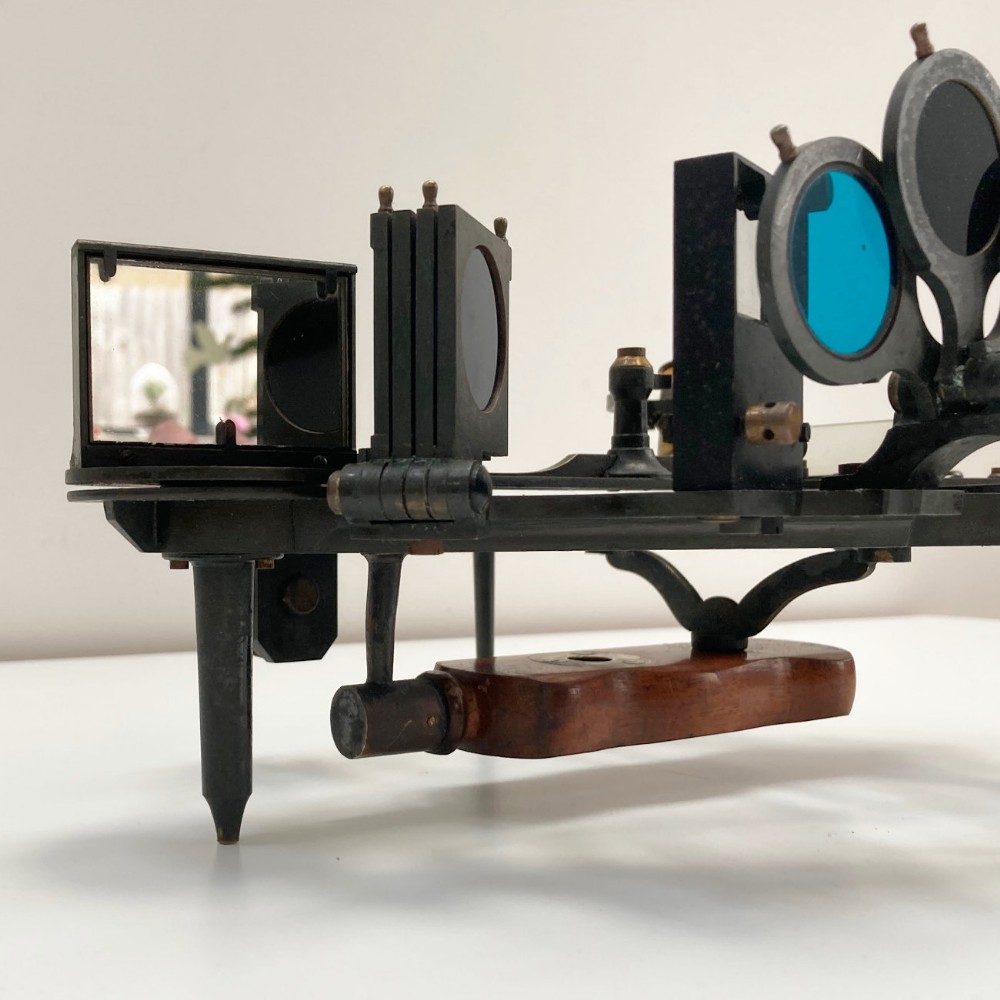
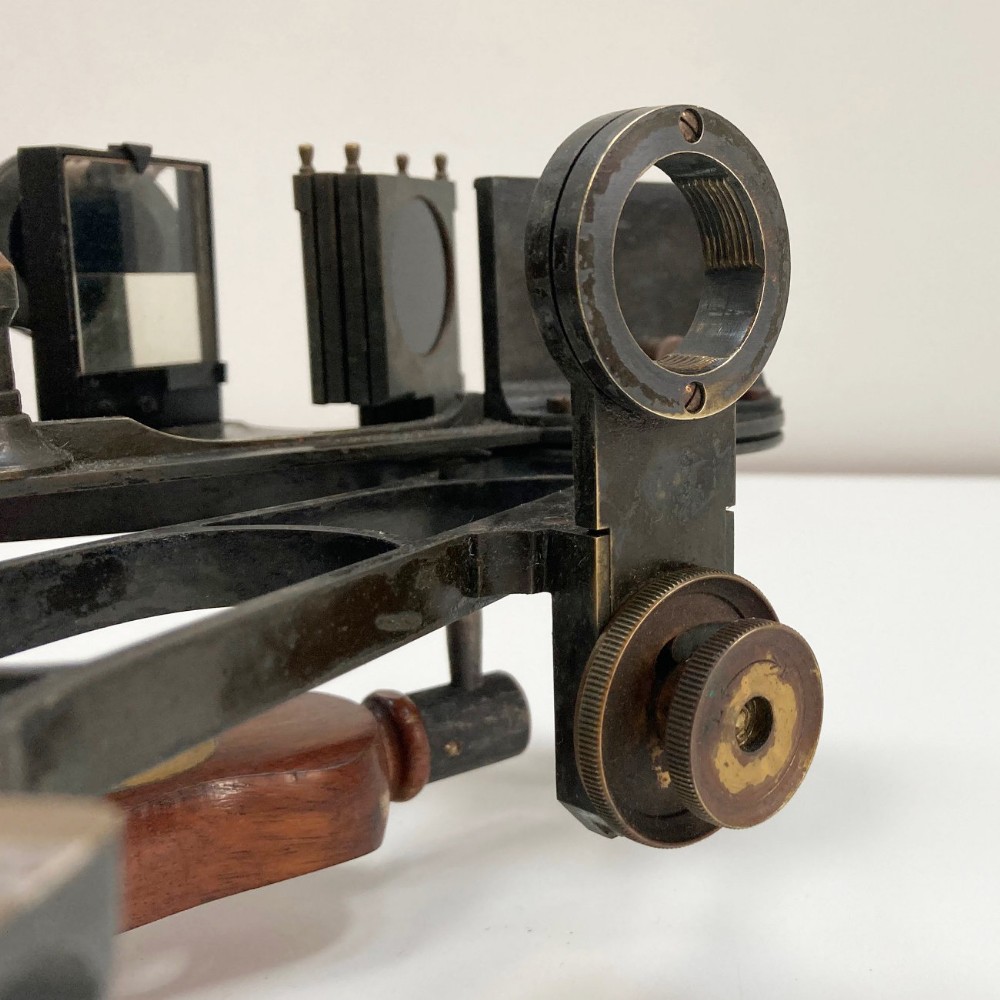
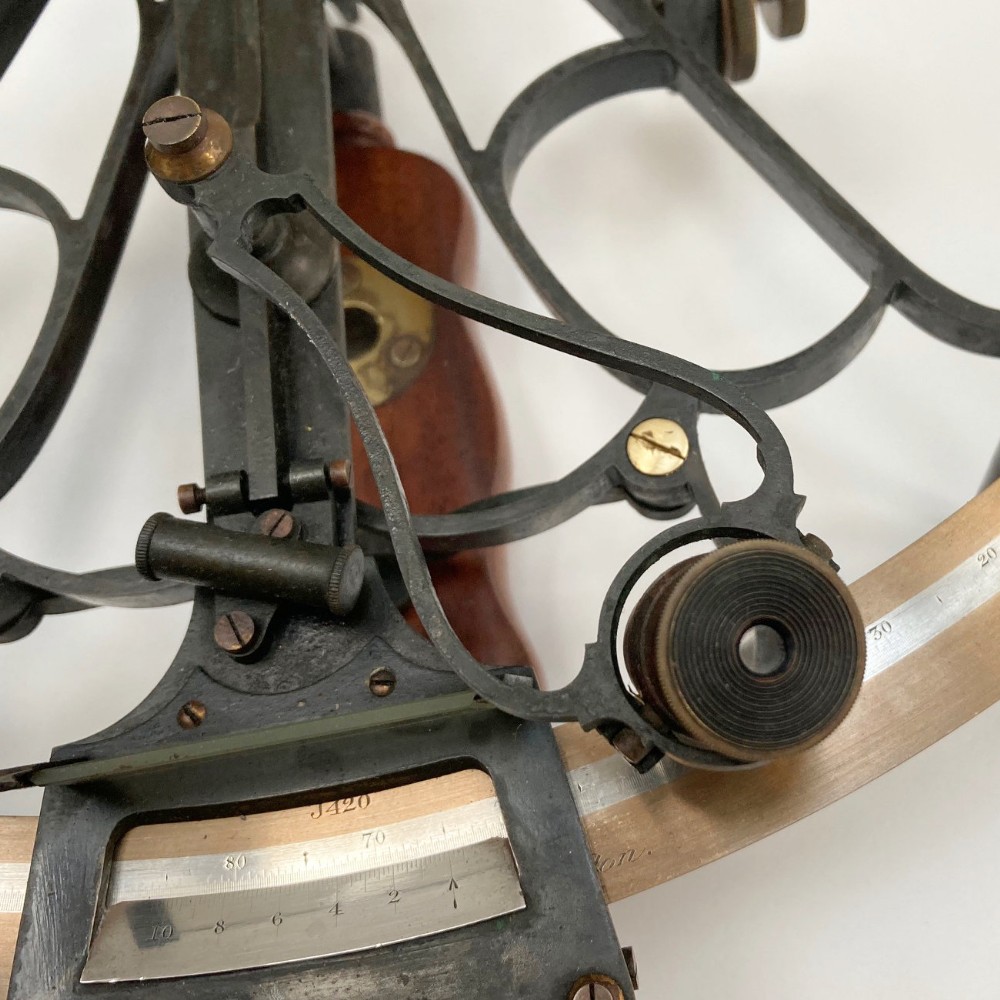
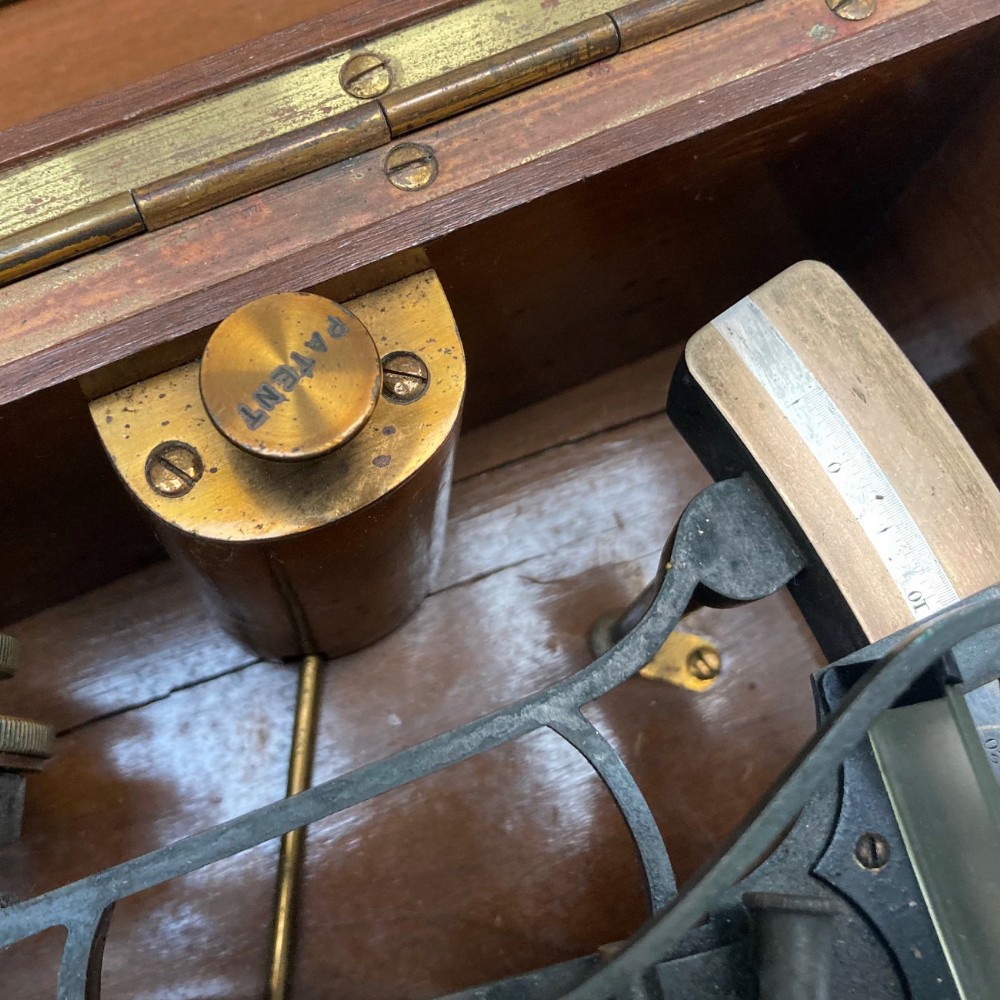
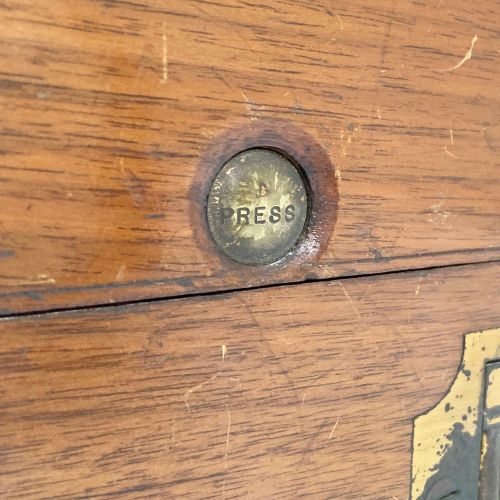
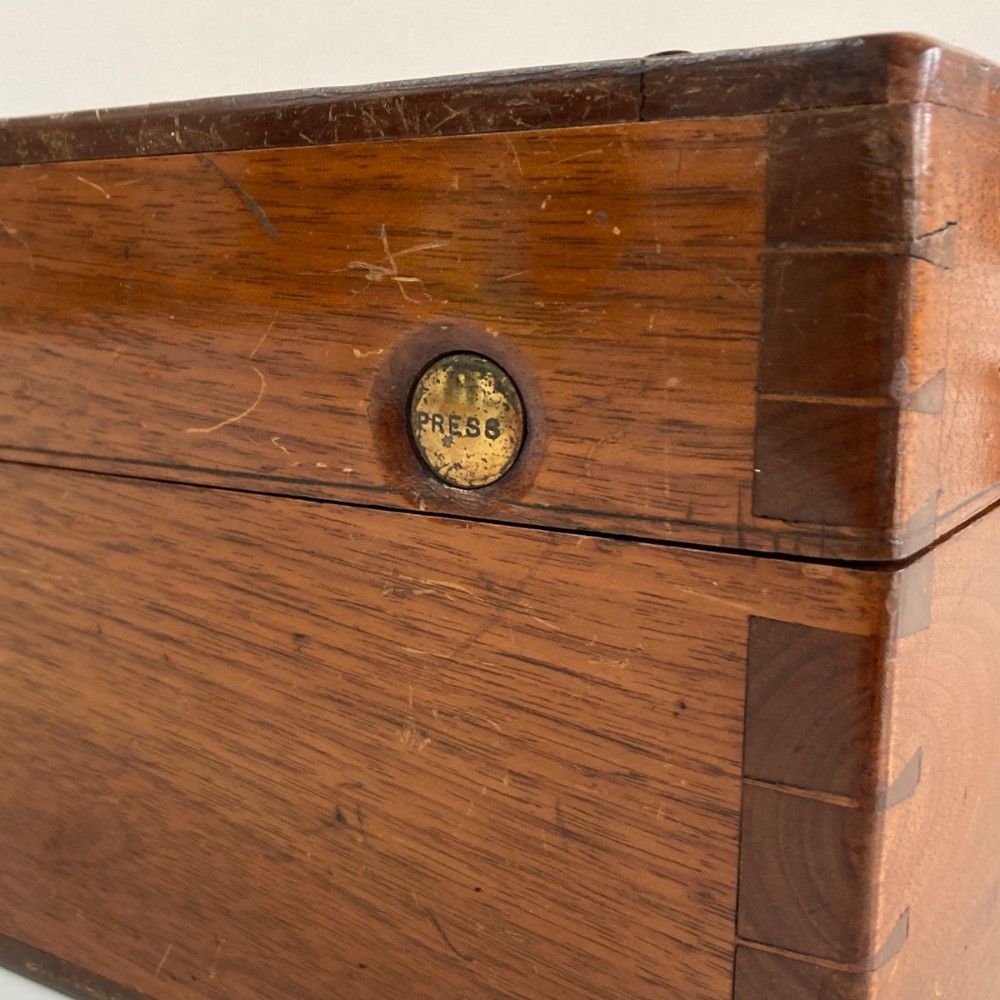
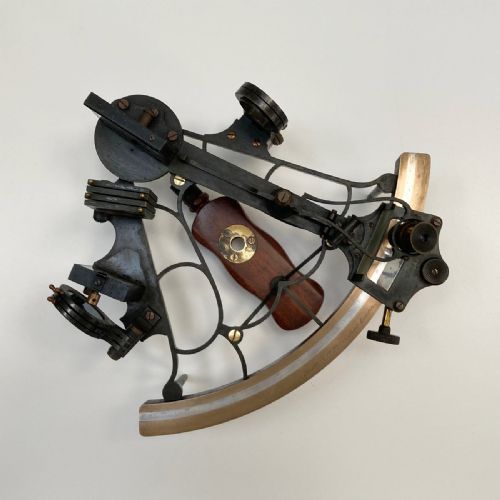
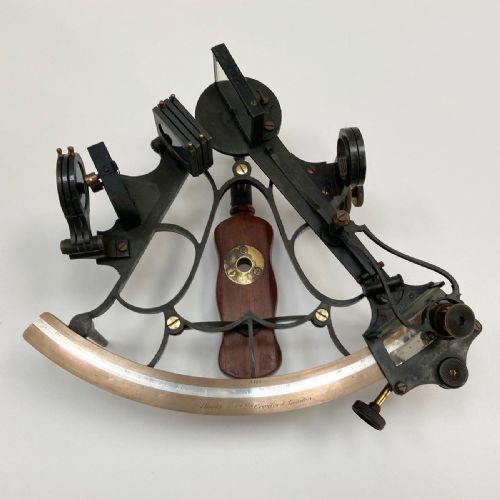
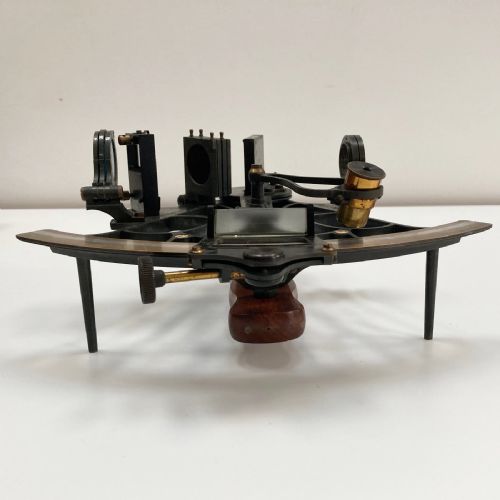
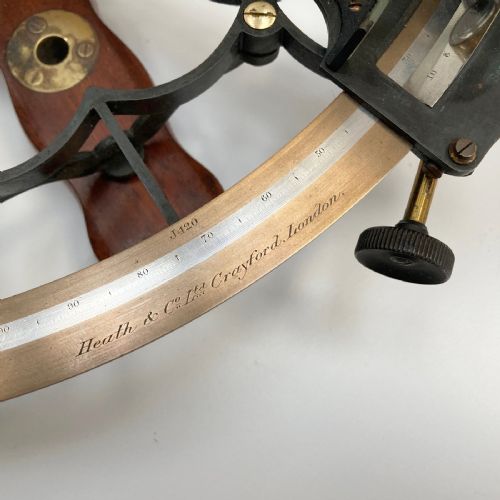
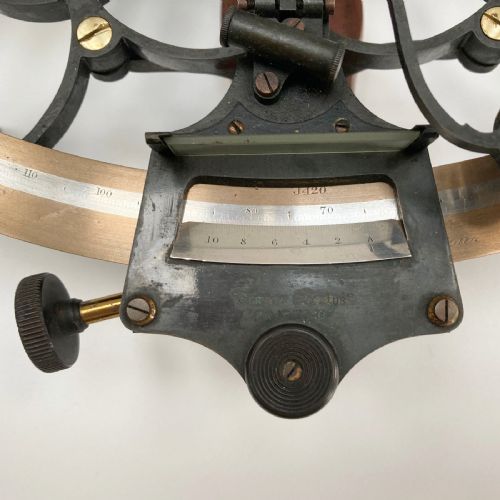
The divided arc is completed in silver and is signed to Heath & Co, Crayford, London below with a serial of J420 above. It has three index and horizon shades, The back has an original mahogany handle with a brass ferrule secured through the centre which allows the sextant to be locked into position with the case for transit. The sextant is released from the case by pushing the brass button with the words patent engraved on the face.
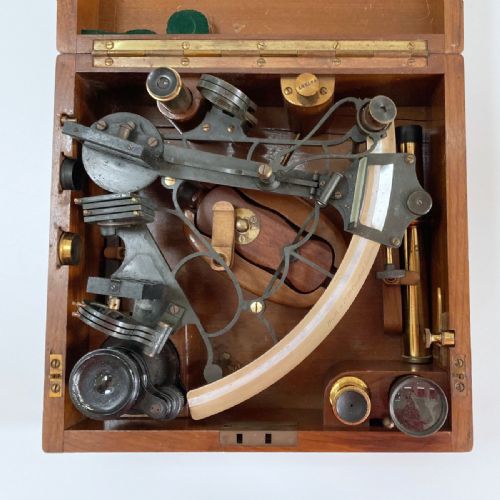
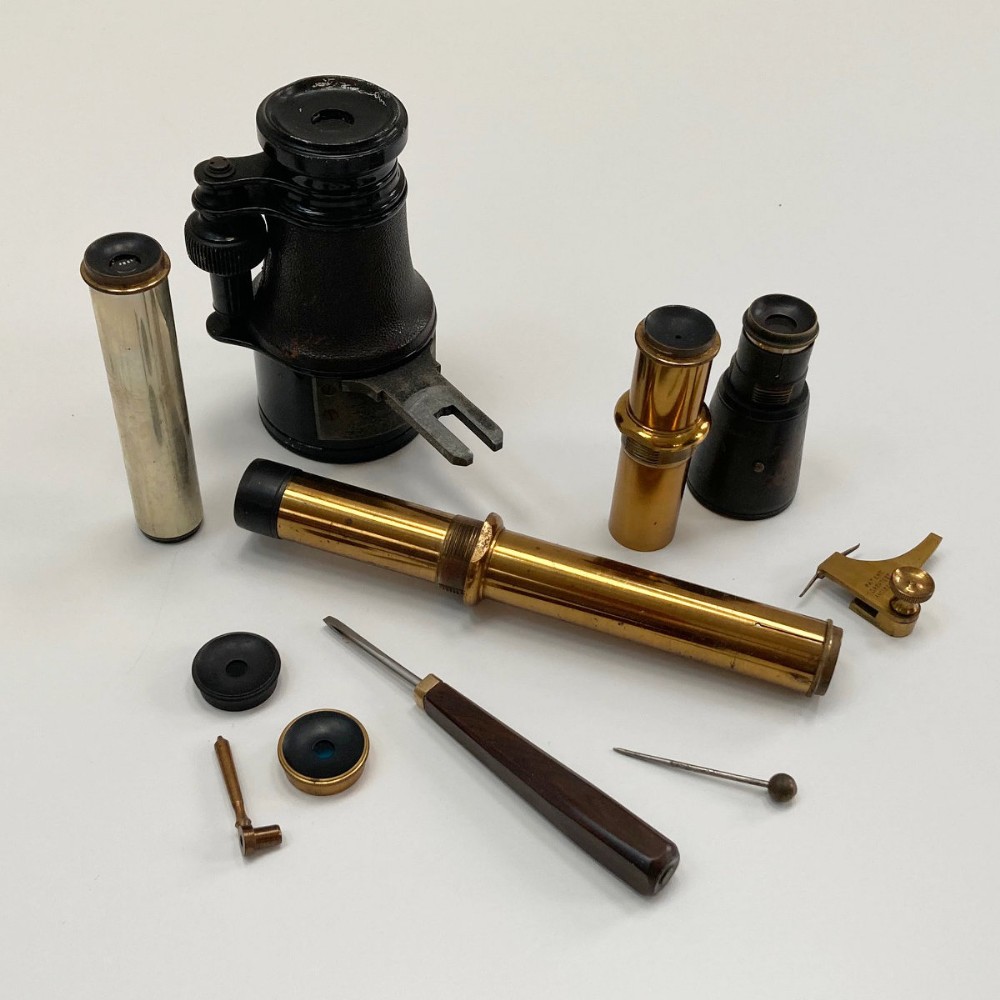
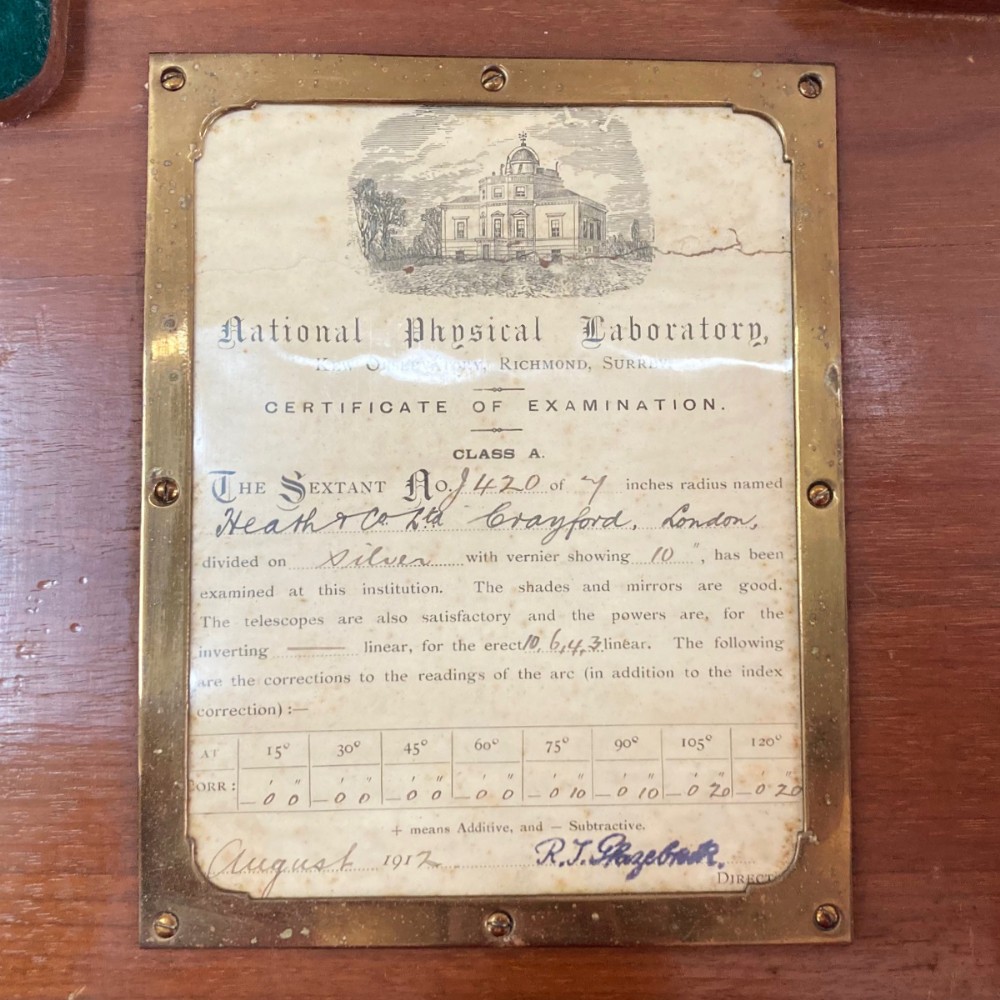
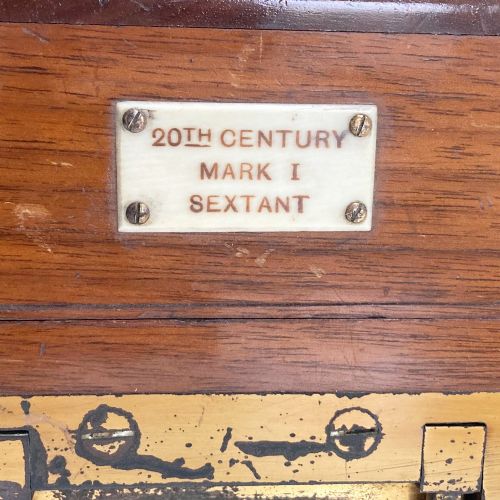
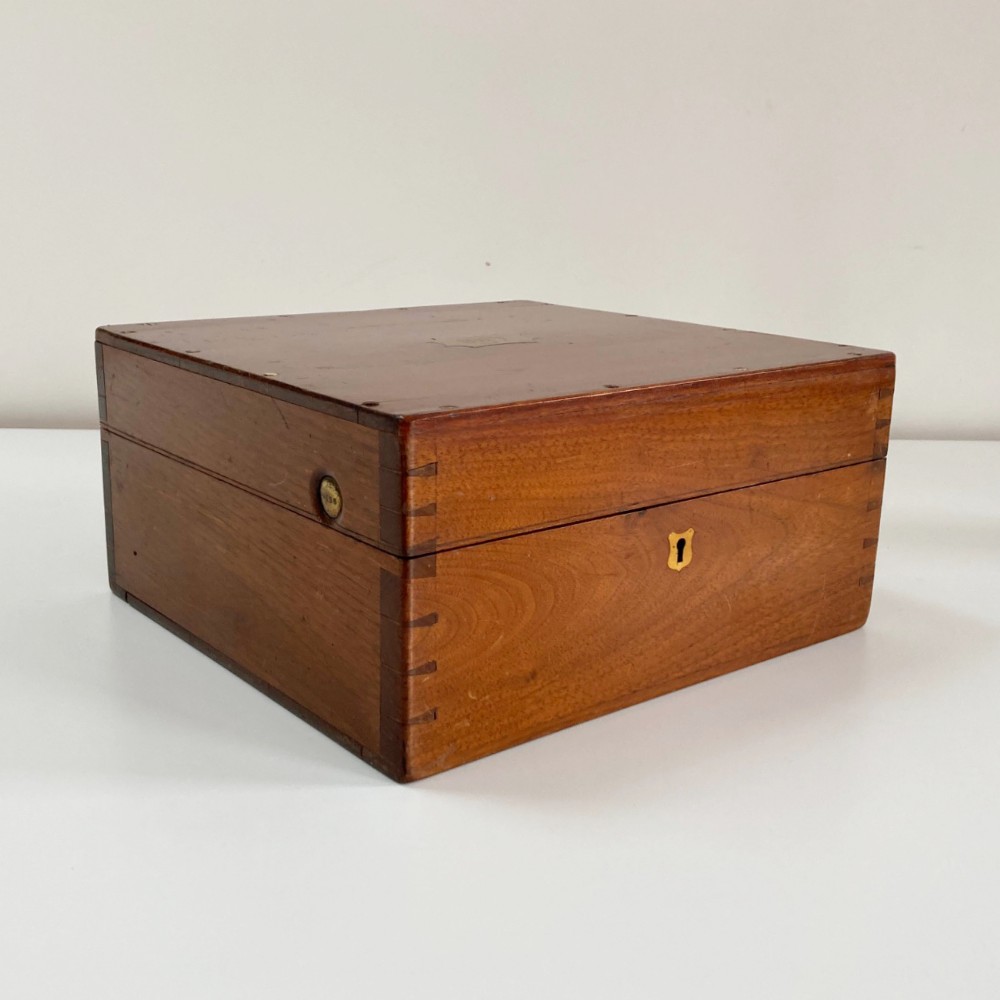
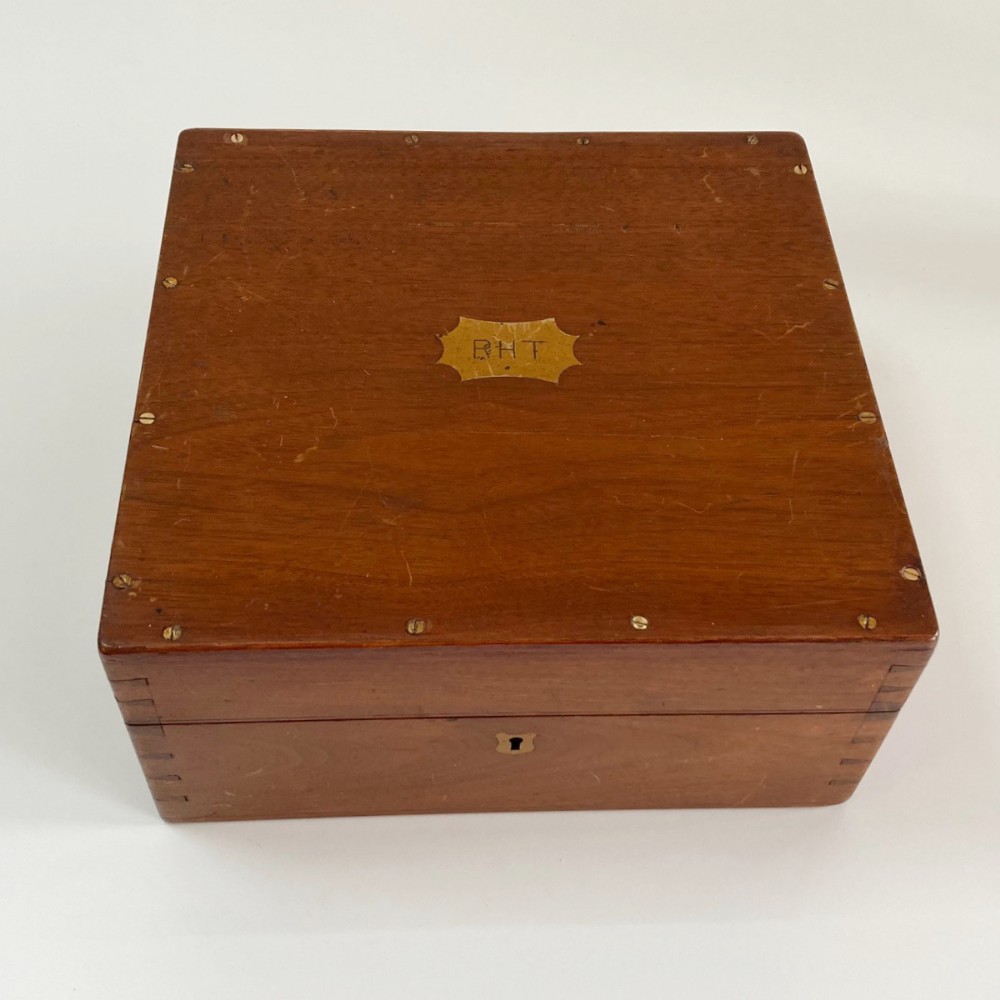
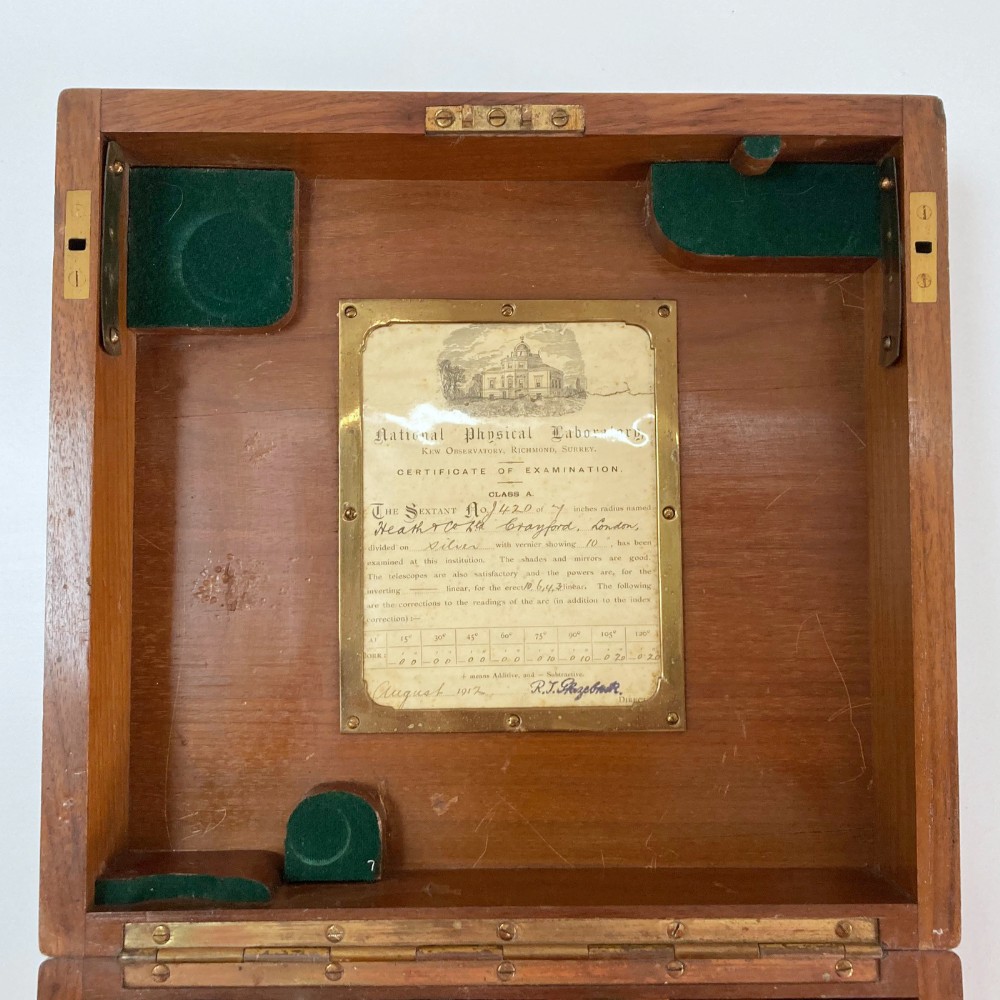
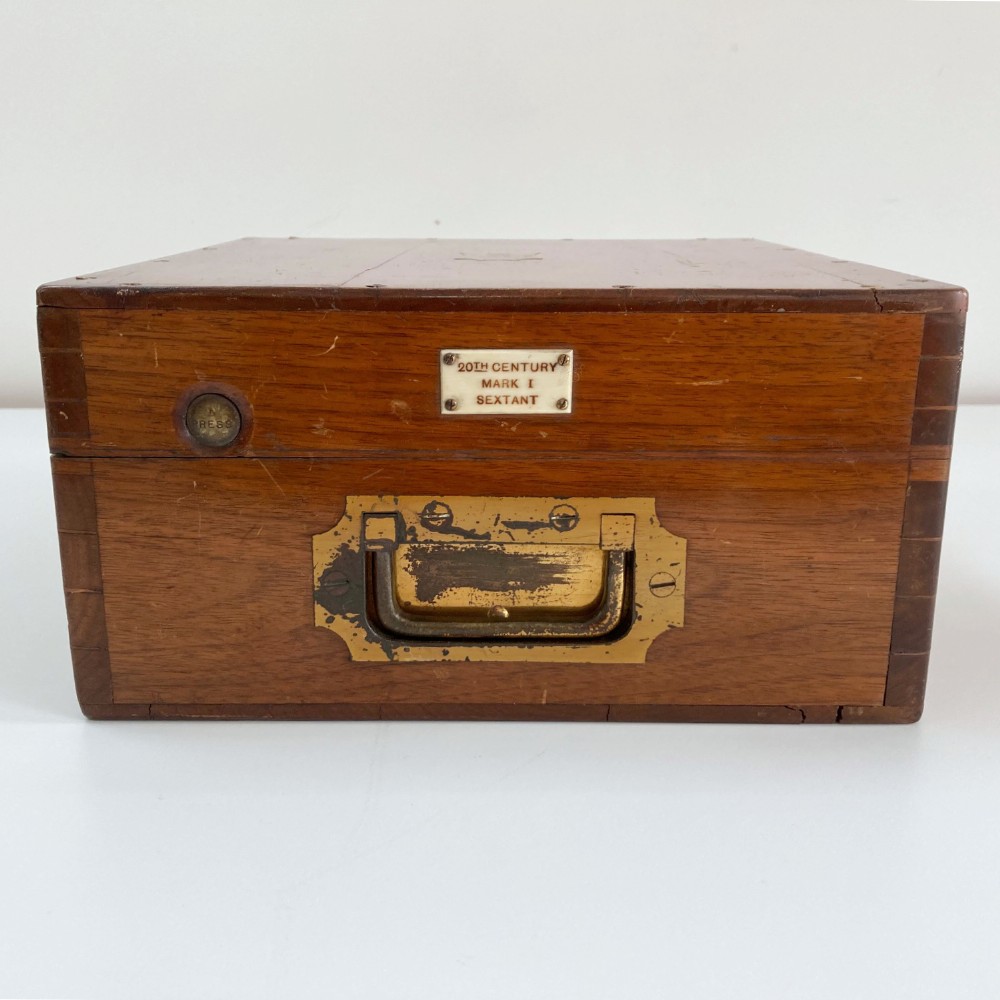
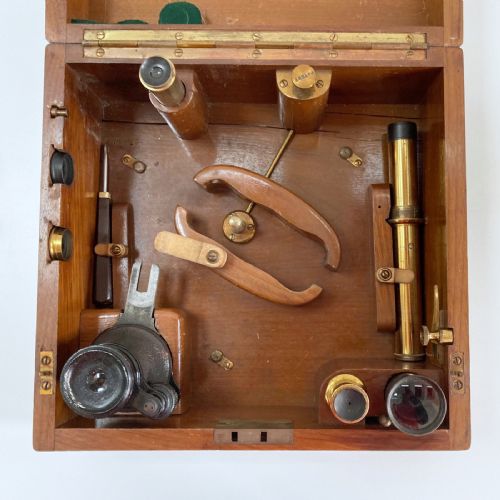
The sextant retains its original mahogany case with brass fittings and an astonishingly complete set of accompanying accessories. It has a certificate of examination from The National Physical Laboratory at Richmond dated to 1912 on the inner lid and a tag at the front stating the model, “20th Century Mark I Sextant. The case is opened by an unusual push button mechanism at either side of the lid.
Heath & Co was founded by George Heath in 1845 with some evidence pointing towards him having been trained by the famous navigational instrument maker, Henry Hughes. The elder Heath was obviously successful but little further detail seems to exist of this early part of the company’s history.
In 1863, Heath took his son George Wilson Heath into an apprenticeship and just nine years later in 1872, he took over the business either as a result of his Father’s death or retirement. I suspect the former given the few short years he had worked since the completion of his studies.
The most informative detail relating to George Wilson Heath appears across two very similar obituaries which were written upon his death in 1937. Published by the Institution of Mechanical Engineers and the Plymouth Brethren Movement, I have provided the latter as it is slightly longer:
“George Wilson Heath, M.I.Mech.E., F.R.G.S., M.R.L., virtually created the firm of Heath & Co, optical and scientific instrument manufacturers. He was apprenticed in 1863 to George Heath, the firm founded by his father in 1845. His apprenticeship terminated in 1870, and two years later he became proprietor of the business. In 1882 the firm was reconstituted as a limited liability company and George Wilson Heath built two factories at Crayford and New Eltham to cope with the firm's growing requirements. He specialized in the design and manufacture of navigational and thermometrical instruments. Mr. Heath's inventions included many mechanical improvements in nautical instruments, ship's compasses, course correctors, sextants, and thermometers, especially those used for marine refrigeration. Mr. Heath had been a Member of the Victoria Institution since 1889.
An article on the firm appeared in the Sidcup Times on 29th May 1953, p.7. It states that George Wilson Heath and Frederick Thomas Heath were sons of the founder. George Wilson had two sons, George Andrew (eldest 1881 - 10th Sept. 1945) and Harold E. (a director in 1953). His death occurred at Sidcup on 24th May 1937, in his eighty-eighth year. He was buried in Sidcup Cemetery, 126 Foots Cray Lane, Bexley, Greater London, next to his wife Helen Jane (Buist), she died on 6th Oct. 1918, age 70, daughter of Andrew Buist.
Fulwich Hall (Plymouth Brethren) was founded by George Wilson Heath. He conducted tent missions at Dartford, Crayford, Slade Green and Erith. The work at Dartford was commenced in 1905 as a tent mission in Shenley Road. The tent was replaced by a wooden hut, before the present church building was erected. The name Fulwich Hall was derived from the name of the road before it was changed to St. Vincent's Road.”
Little is known of George’s brother Frederick, but he seems also to have been a manger at an opt
Jason Clarke Antiques has dated this piece to the 1910s.
You can view the stock and full dealer information on the Jason Clarke Antiques Profile Page
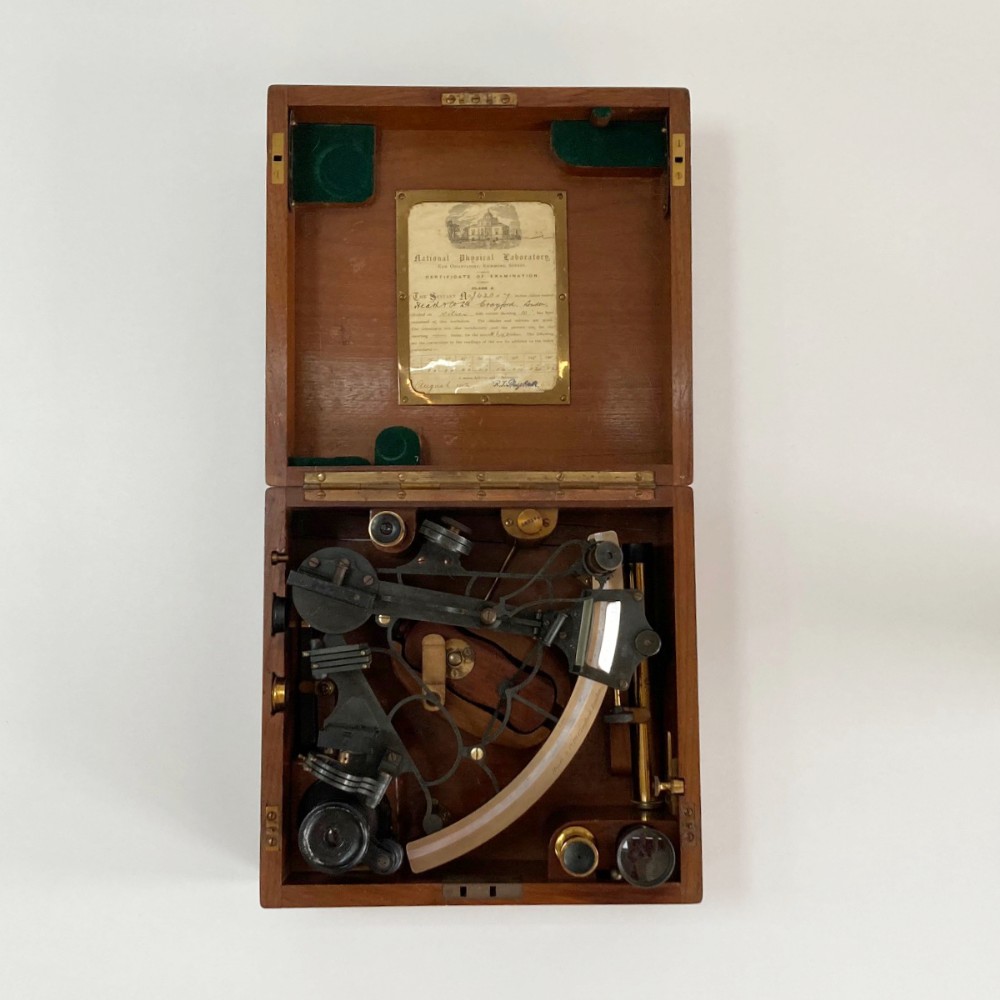
Mark I Bell Pattern Sextant with Full Accessories by Heath & Co of London