It was listed by Jason Clarke Antiques. Sold pieces stay on Sellingantiques as a record of what has passed through, and the next one is rarely far away.
Jason Clarke Antiques has dated this piece to the 1890s.
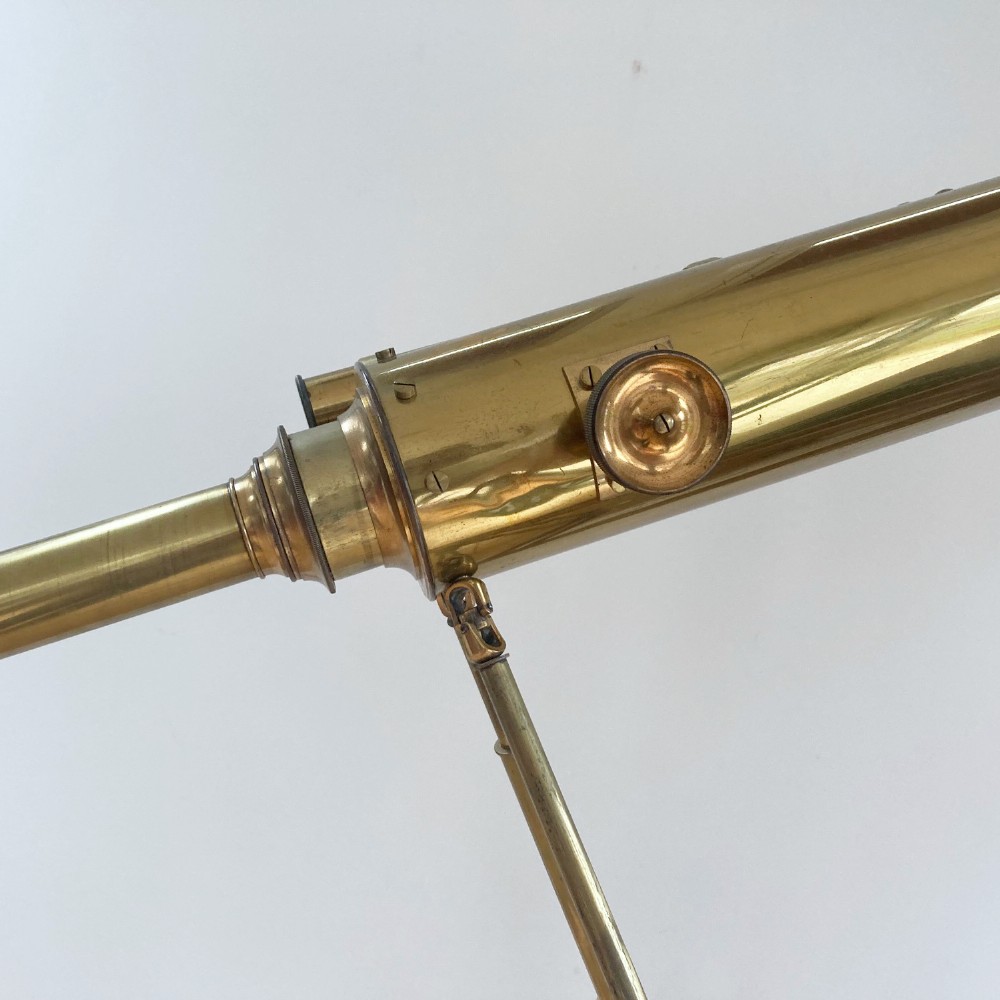
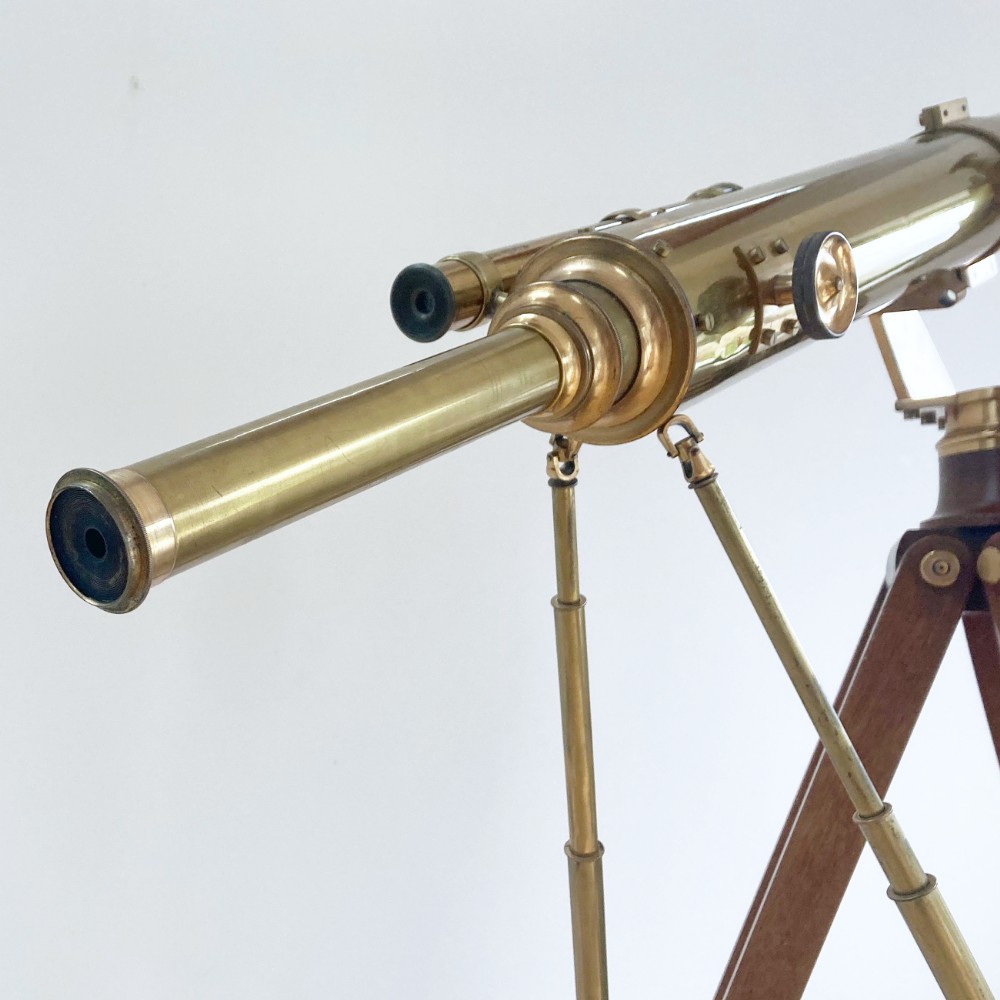
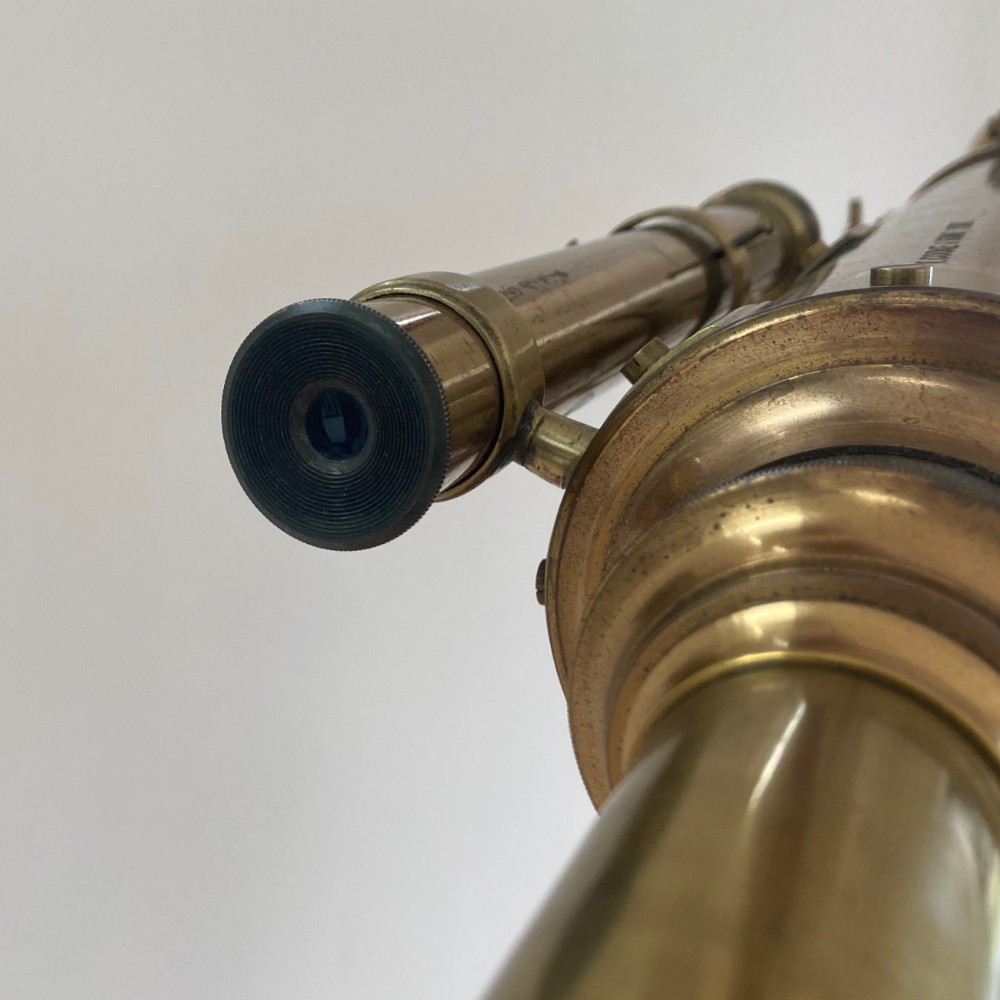
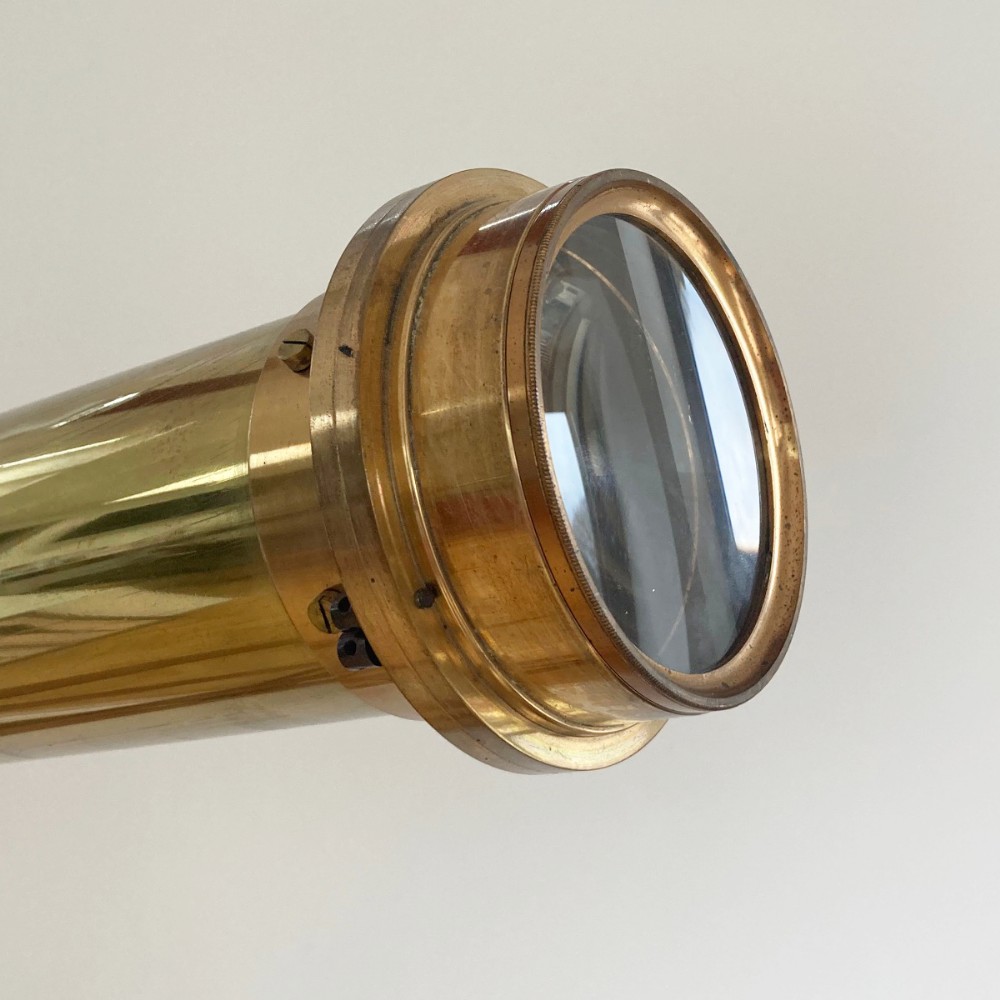
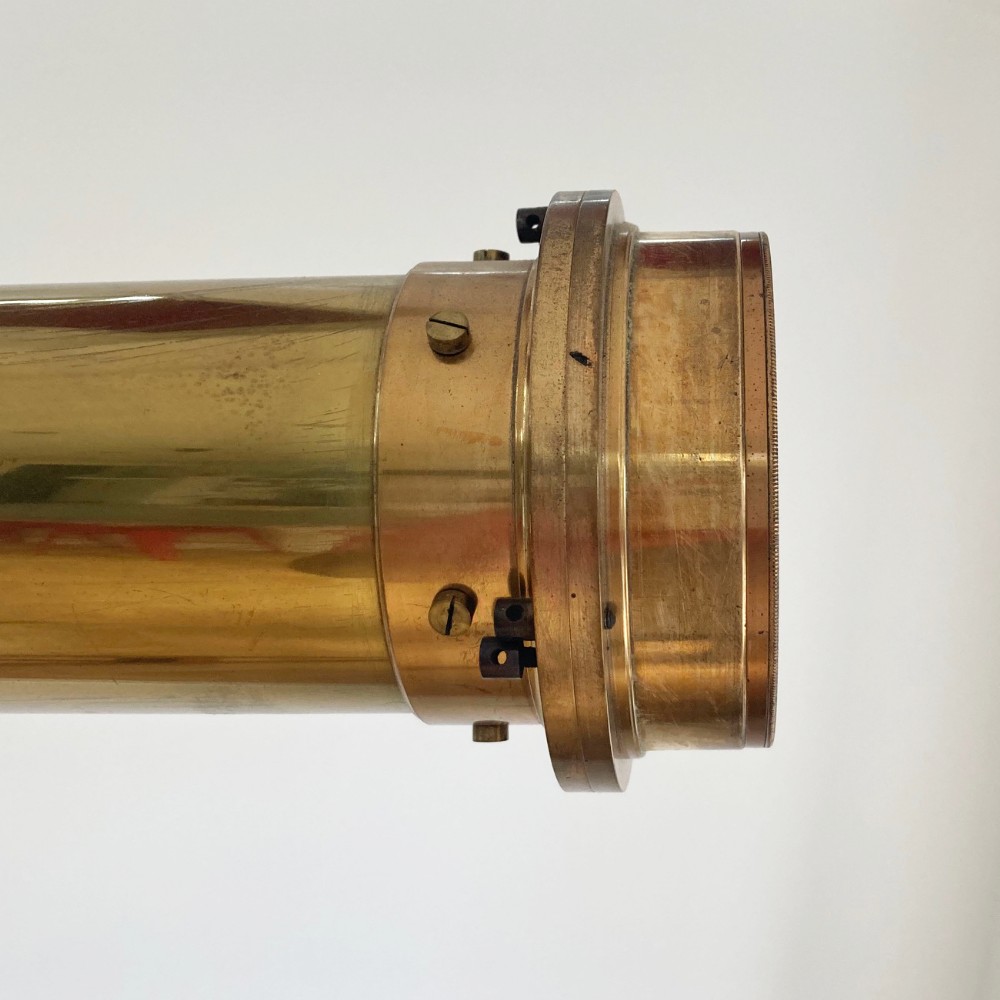
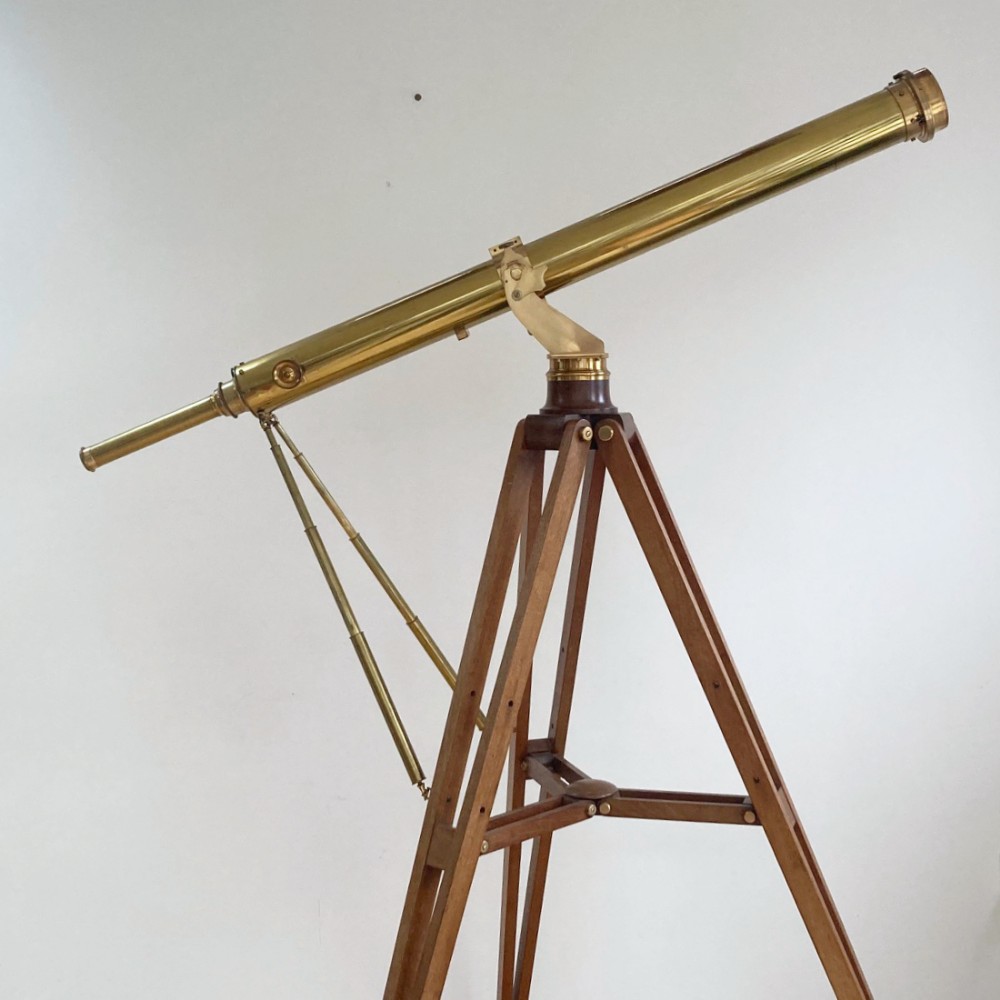
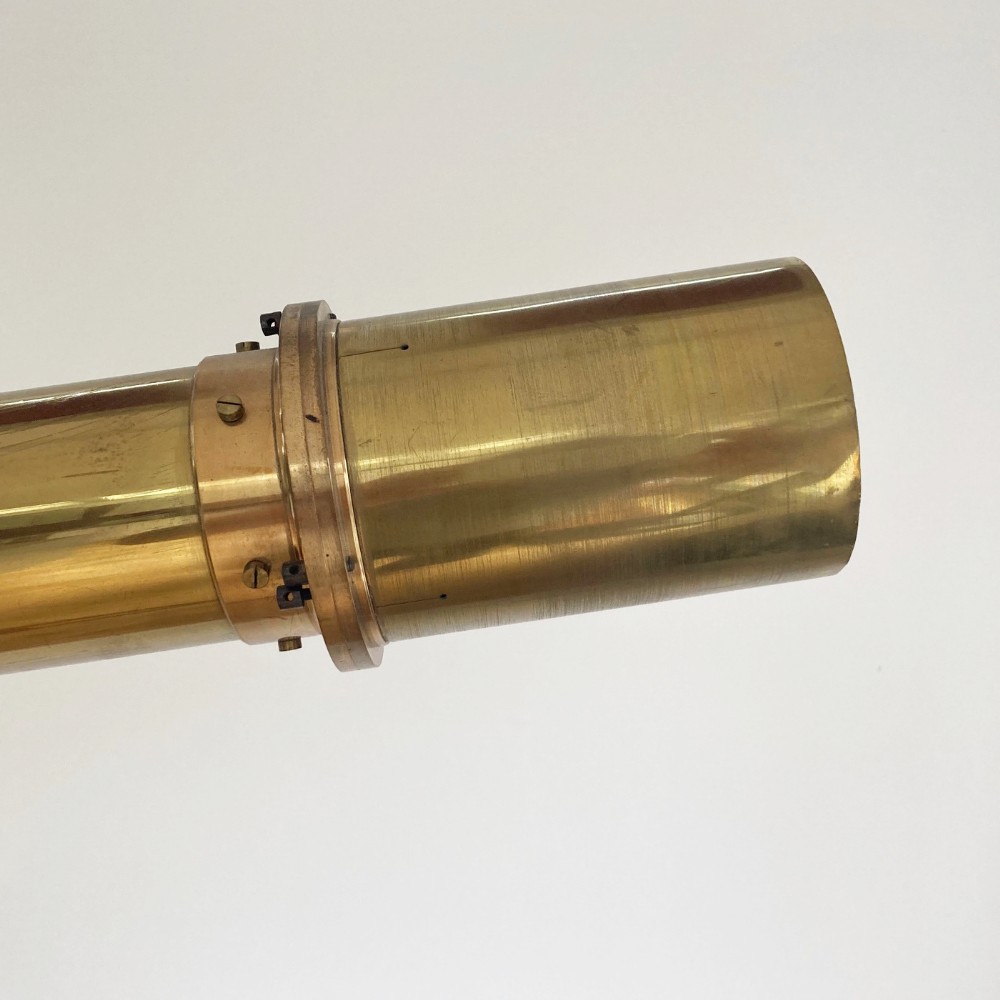
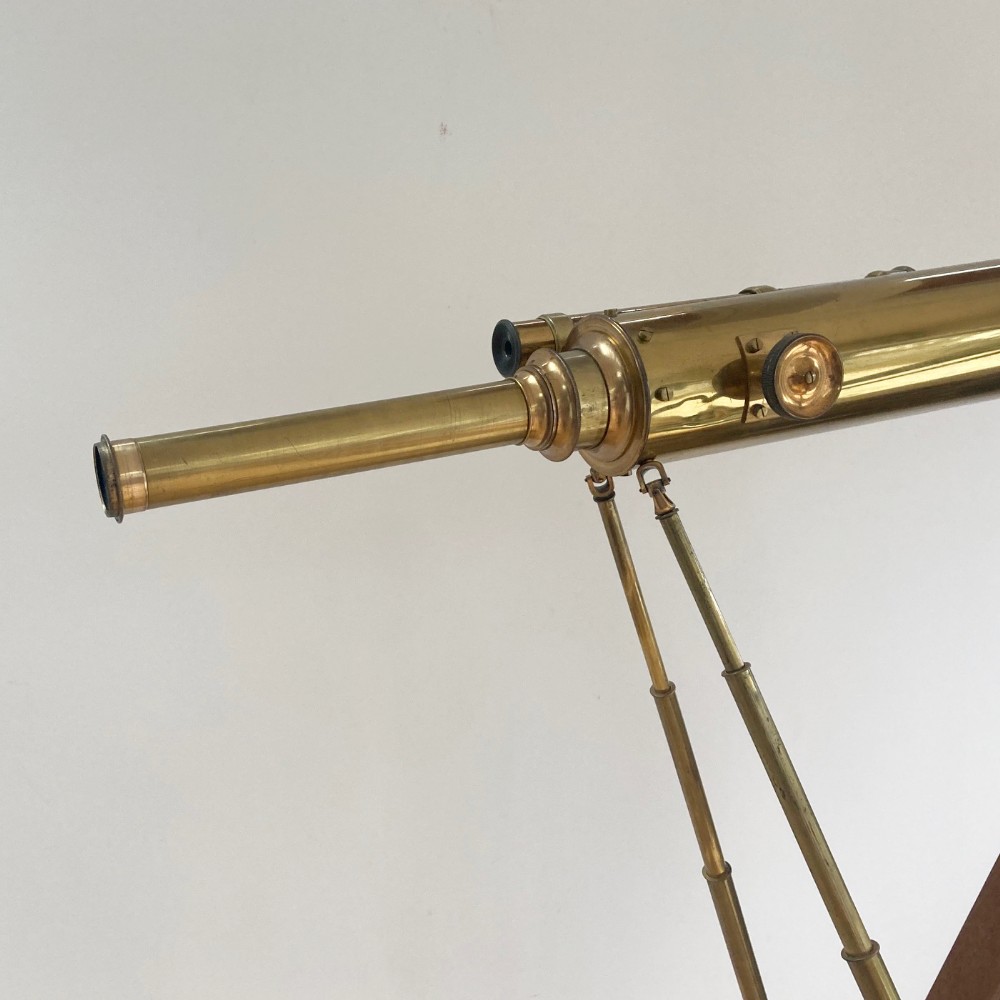
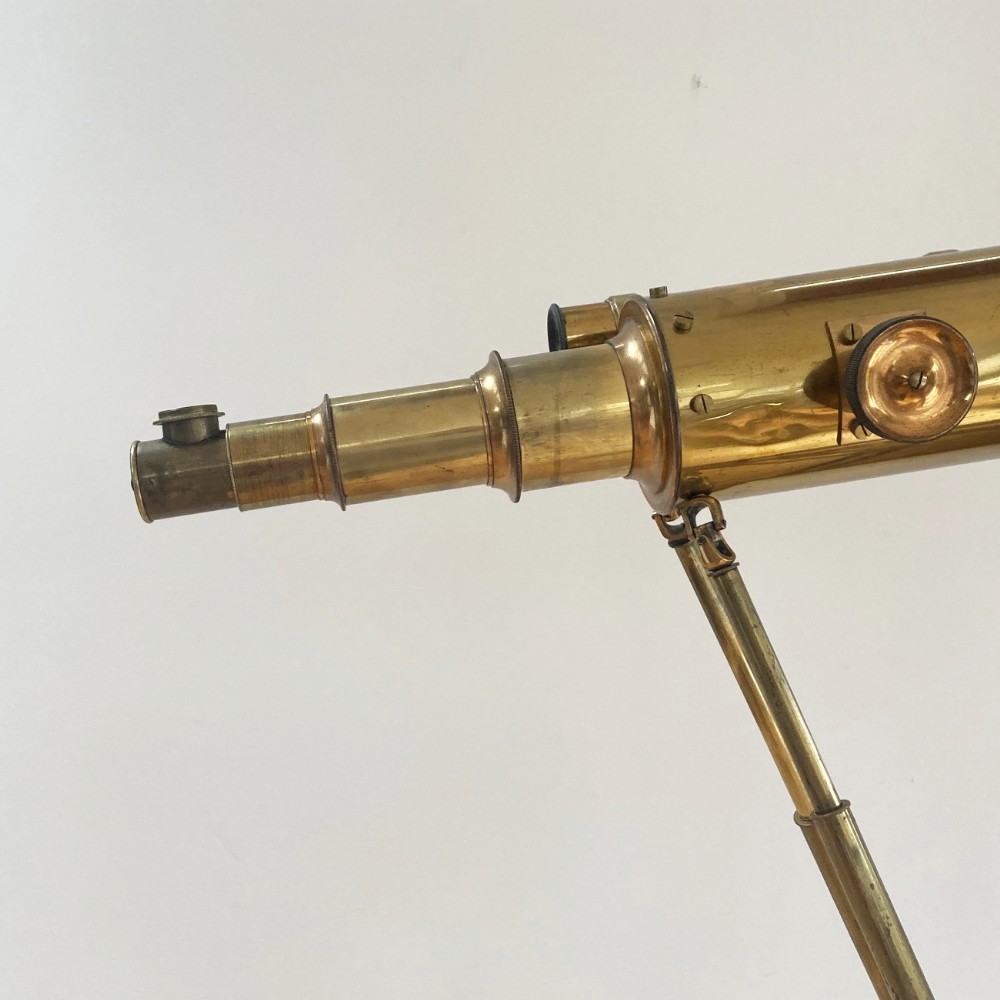
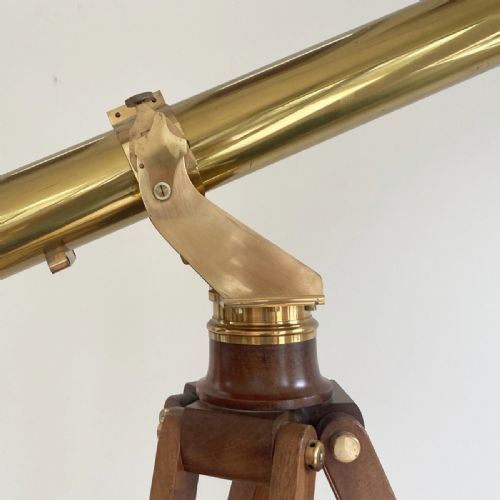
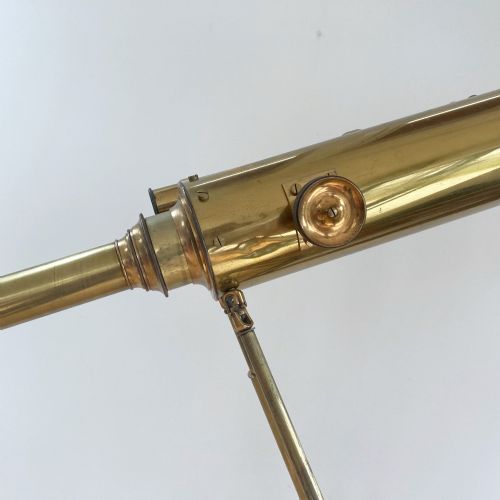
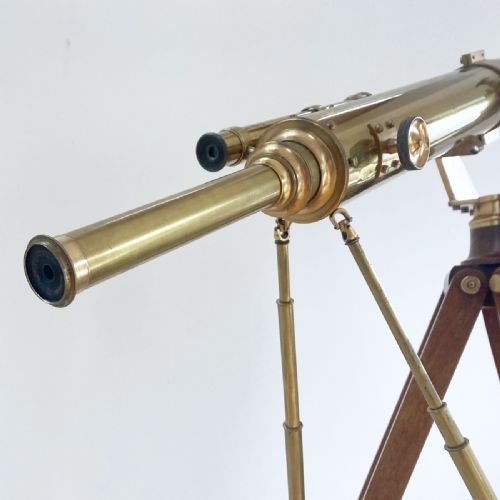
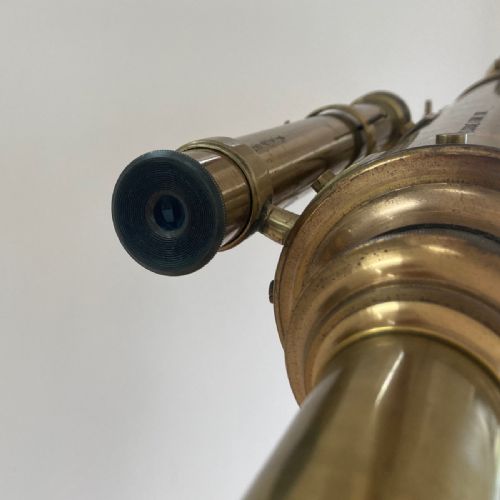
Measuring 133cms in length with a three-inch objective lens and detachable sun-shade, this fine example of Cooke & Sons output is provided with two separate eyepieces and a fine focus draw-tube with a rack movement operated by the knurled brass adjustment to the side.
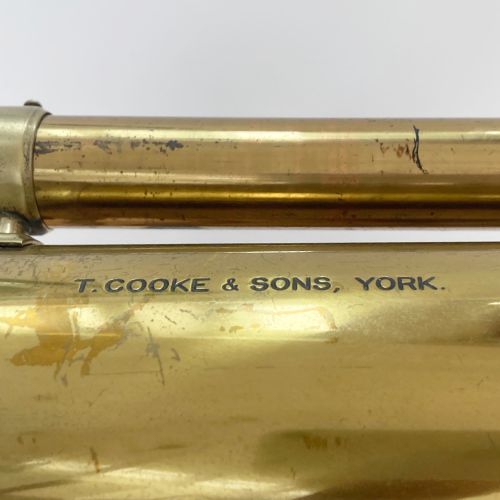
The top of the main barrel is engraved to T. Cooke & Sons, York.
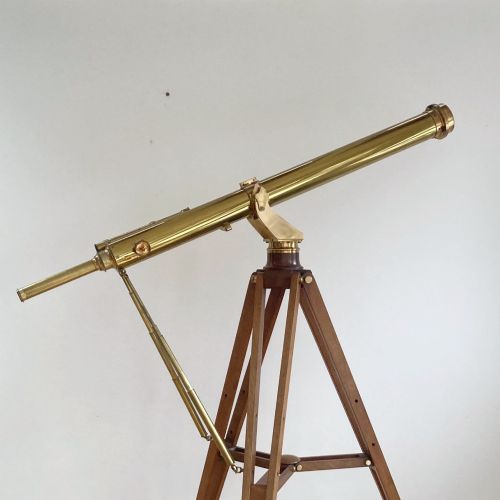
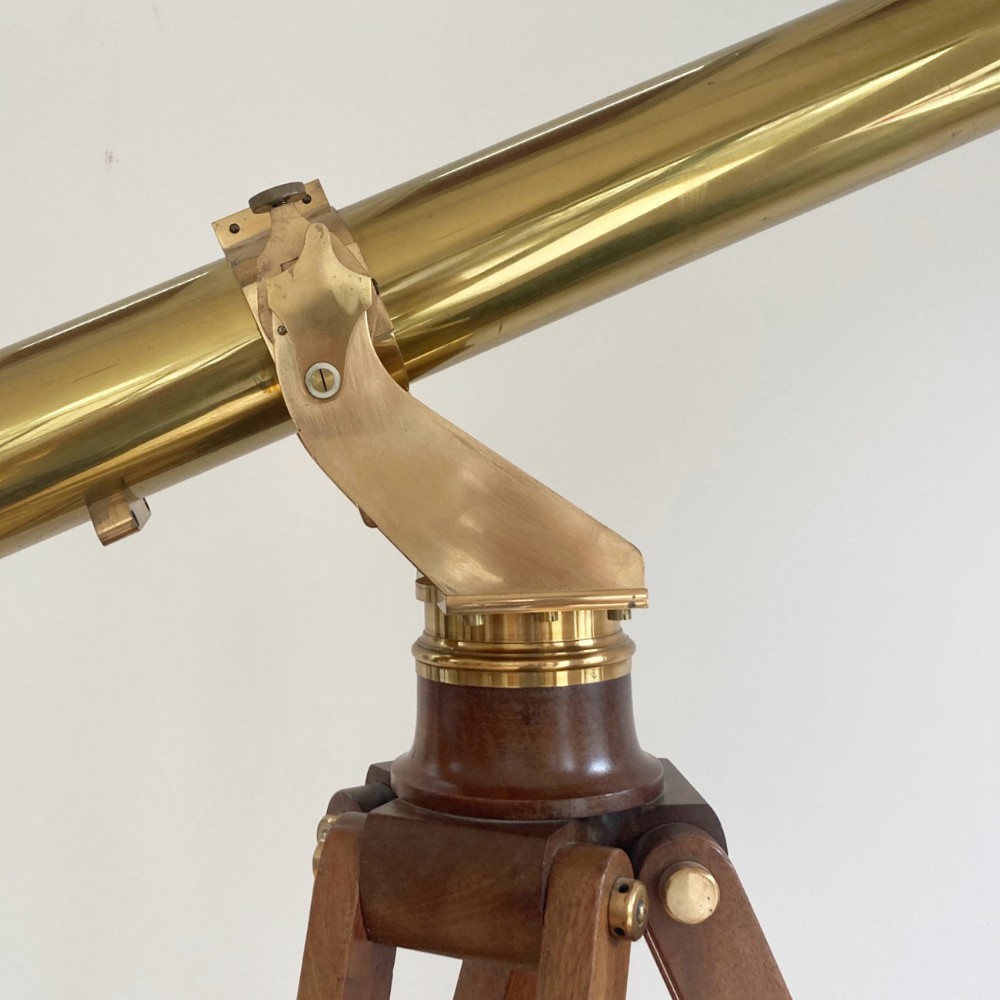
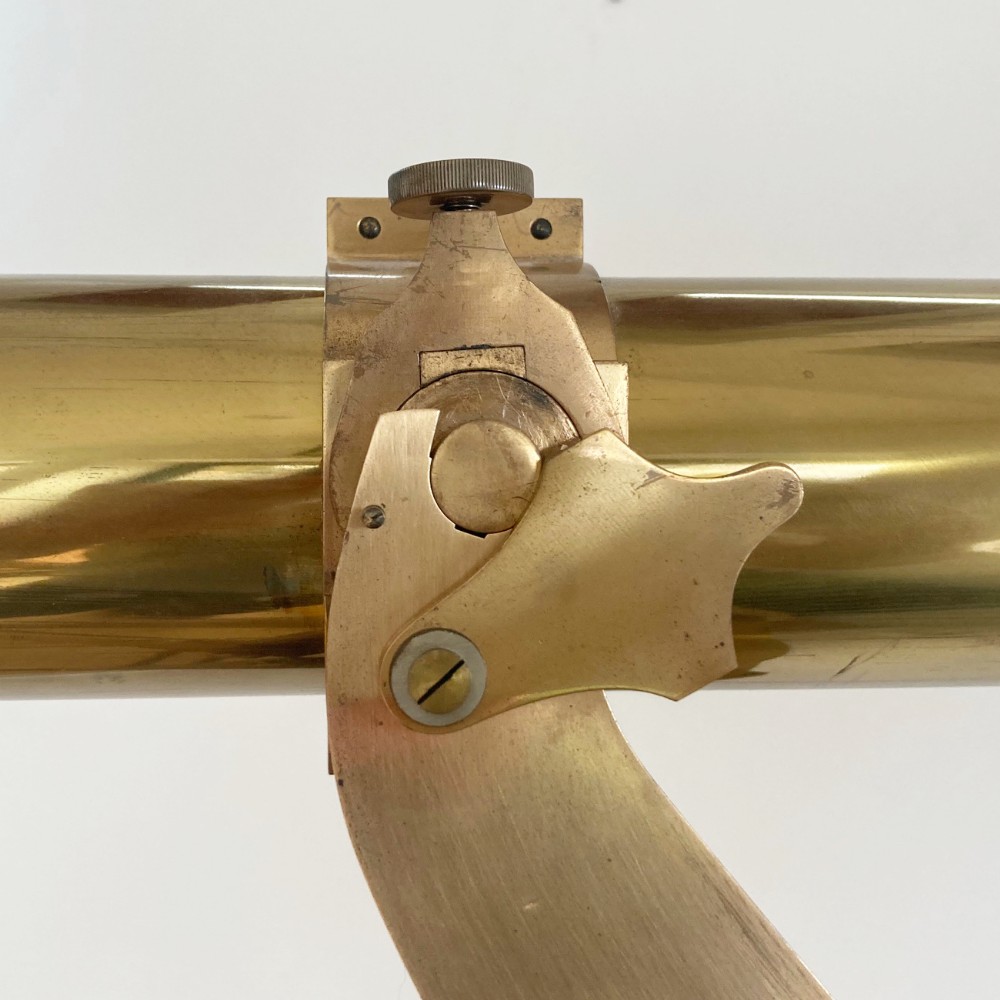
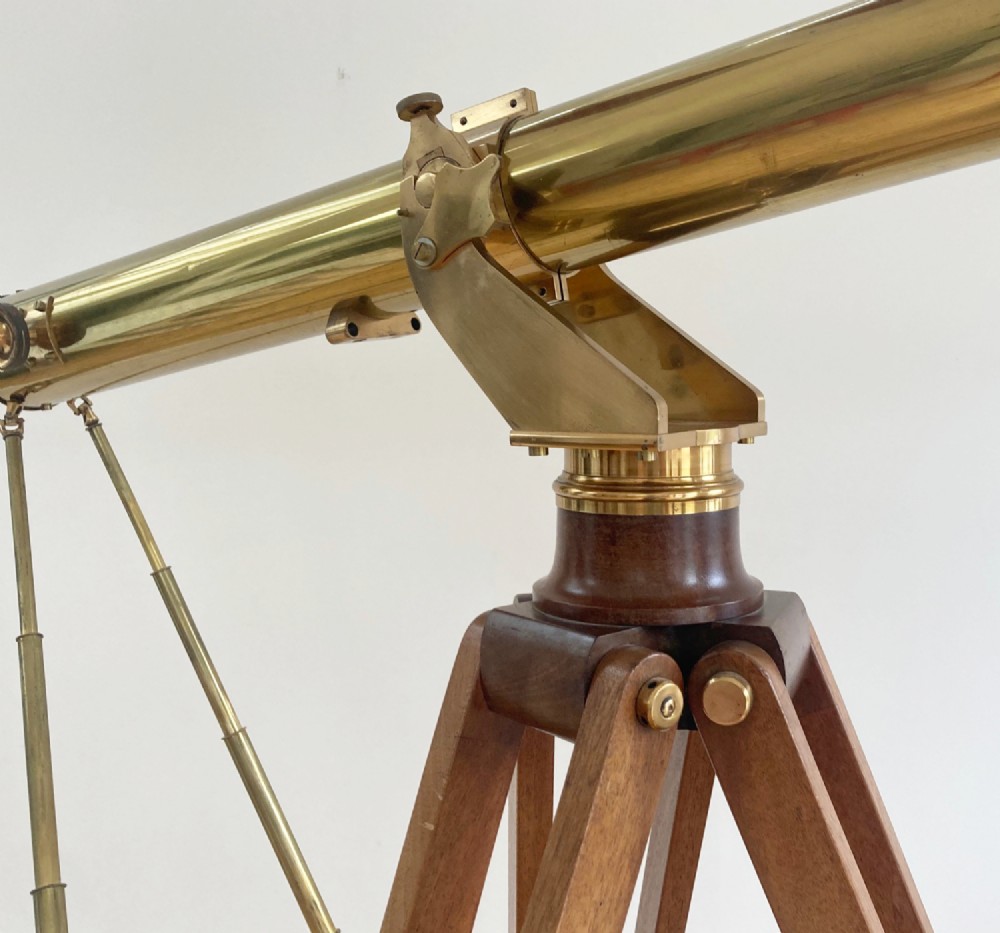
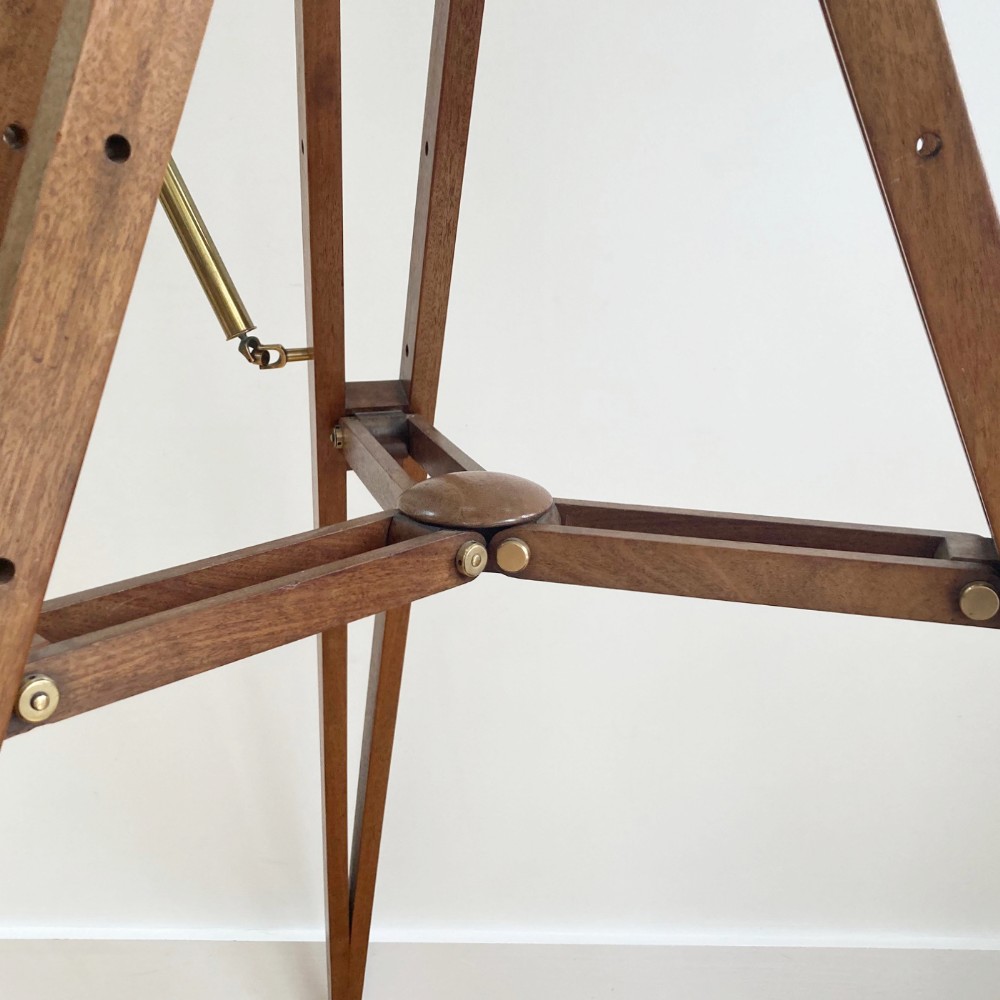
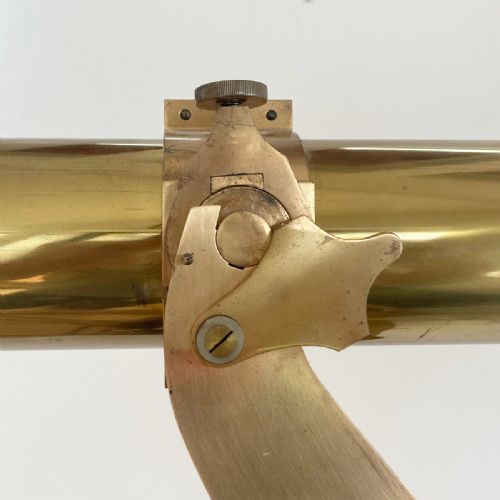
The barrel itself is secured on a robust brass swivel mount with locking slides on either side for ease of use and both ae mounted on a collapsible walnut tripod with stretchers connecting them to ensure stability whilst in use.
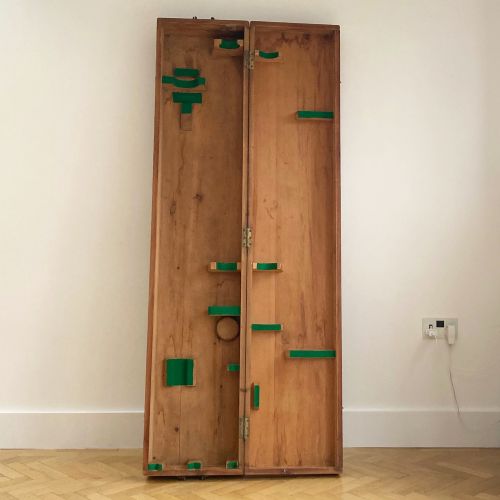
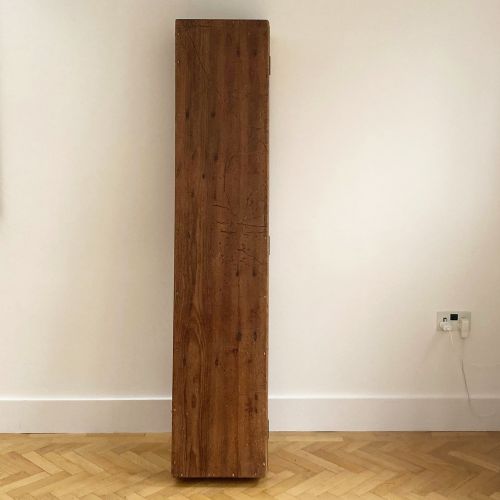
The case also retains its rather unusual pine packing case which is large enough to incorporate both the tripod and the telescope. This configuration is a somewhat unusual design suggesting that it was intended that the telescope would have been fitted out for travel. It is far more common for just the telescope to have been provided with a case and the tripod to remain separate.
Thomas Cooke was born in East Ridings, Yorkshire in 1807. His Father was a shoemaker of humble means which precluded him from being provided with an education worthy of his obvious talent. Dissatisfied with the prospect of a shoemaking career, Cooke taught himself astronomy and navigation and moved to York in 1829 at the age of twenty two where he sought out a living as a private tutor of mathematics and writing. His spare time was otherwise devoted to the study of optics and the construction of telescopes.
In 1837, he took on premises in Stonegate, York where he immediately built a strong reputation for the manufacture of optical lenses and telescopes, receiving orders from numerous learned Yorkshiremen. A move to a larger shop in Coney Street became necessary shortly afterwards but by 1855, Cooke had also outgrown these premises and he purchased land to build a factory named the Buckingham Works in Bishopshill, York where with the assistance of his two sons, Frederick & Thomas he manufactured a diverse range of products including surveying instruments, clocks and steam engines to compliment the successful optical business. In the same year, he also won a first-class medal at the Paris Exposition Universelle for an equatorial refractor of his construction.
In 1860, Cooke’s reputation had grown large enough for him to be commissioned by Prince Albert to provide a 5.5 inch mounted telescope intended for the newly built Royal residence of Osborne House on the Isle of Wight. He also began to construct turret clocks which were eventually exhibited at the 1862 London Exhibition.
During the exhibition, Robert Stirling Newall of Gateshead purchased two very large optical glass discs from Chance Brothers of Birmigham and a year later, Cooke was commissioned to produce a mounted telescope using the enormous twenty five inch discs. The Newall telescope took six years to construct, it was by some margin, the largest astronomical object glass ever produced and the telescope when installed in Newall’s premises in Gateshead measured thirty-two feet in length.
Ever industrious, Cooke also managed to provide surveying instruments for Colonel Strange’s Great Survey of India and by 1866, exhibited a new steam car at The York Exhibition.
Cooke died in October of 1868 without seeing the completion of the Newall telescope but work was continued by his sons which promoted the change in name to T. Cooke & Sons. Both were similarly industrious and successful problem solvers, one specialising in optics and the other in engineering.
The company’s relationship with Colonel Strange continued and at his behest, they built an engraving machine
Jason Clarke Antiques has dated this piece to the 1890s.
You can view the stock and full dealer information on the Jason Clarke Antiques Profile Page
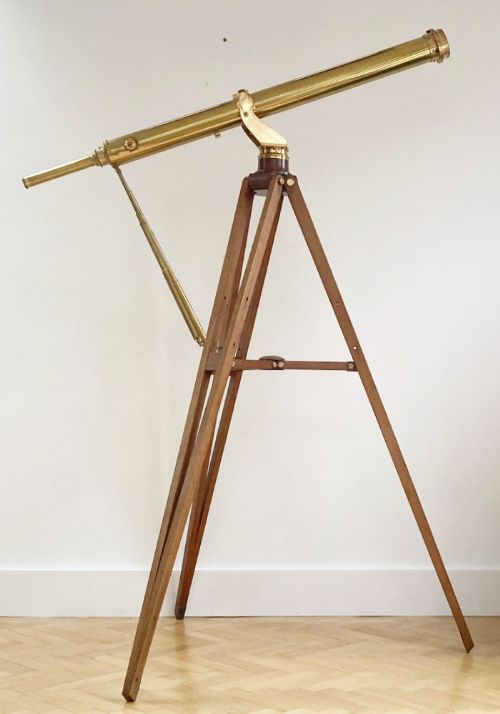
Late Victorian Cased Telescope on Stand by T Cooke & Sons of York