It was listed by Jason Clarke Antiques. Sold pieces stay on Sellingantiques as a record of what has passed through, and the next one is rarely far away.
Jason Clarke Antiques has dated this piece to the 1880s.
A fascinating piece for those with an interest in both electrostatic machines and early electricity.
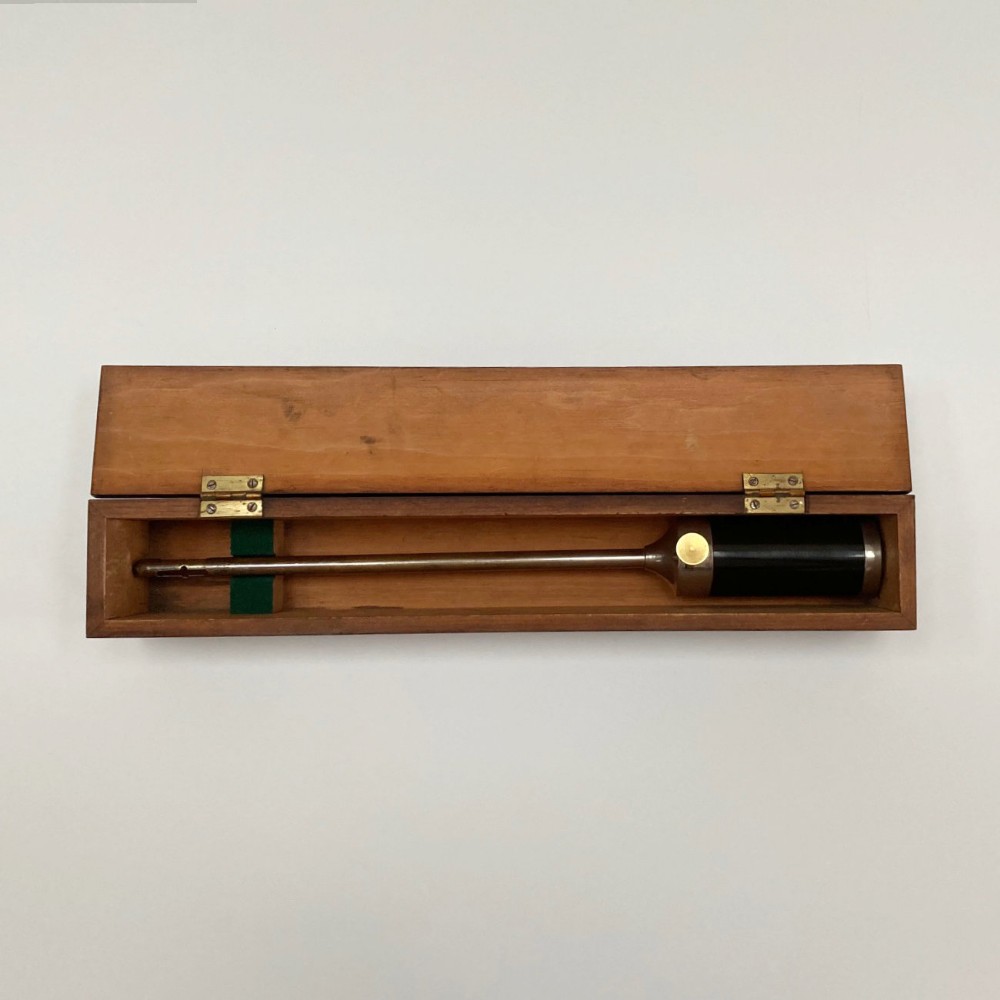
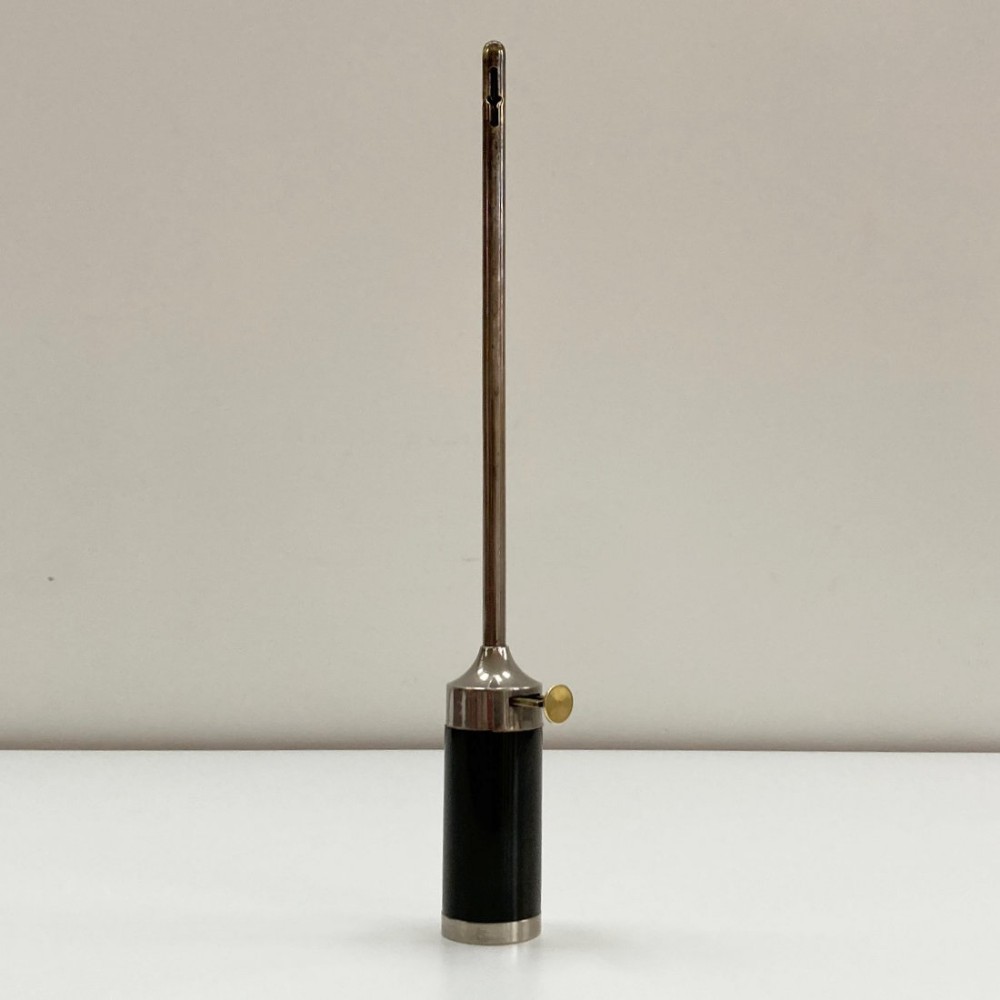
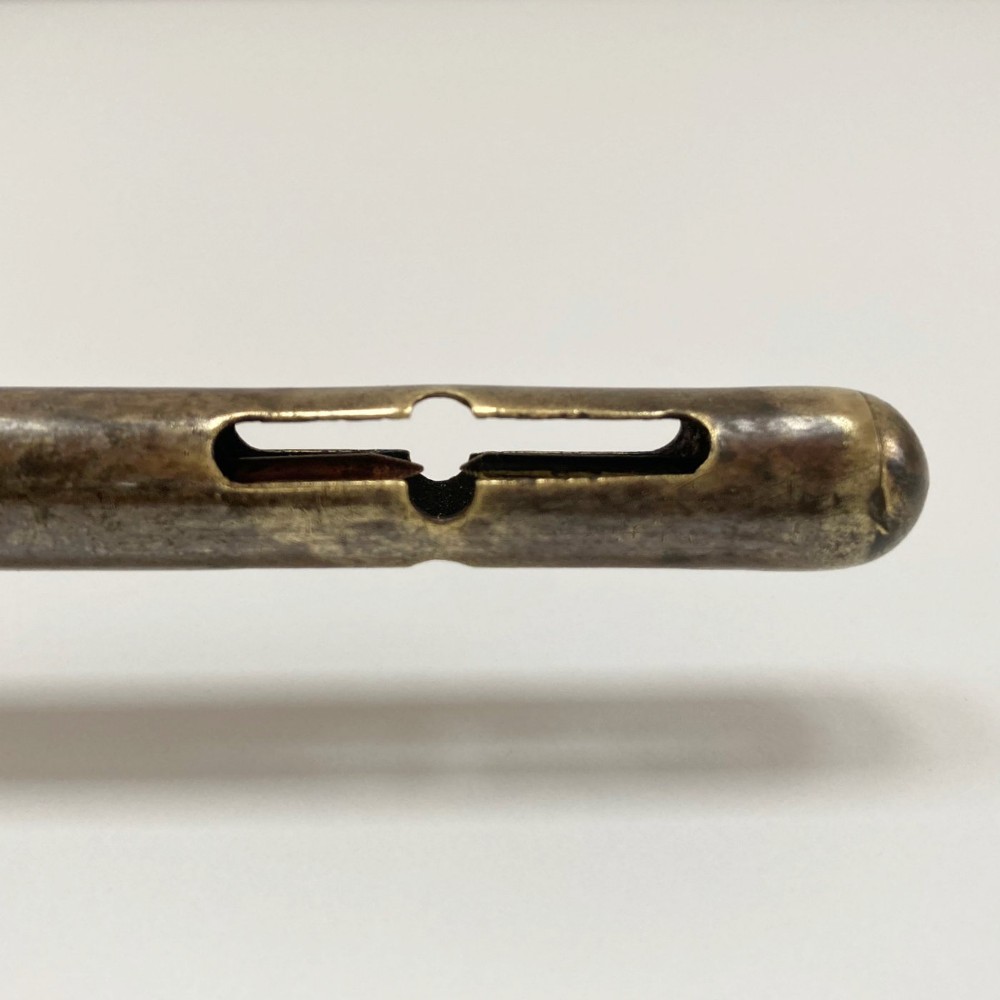
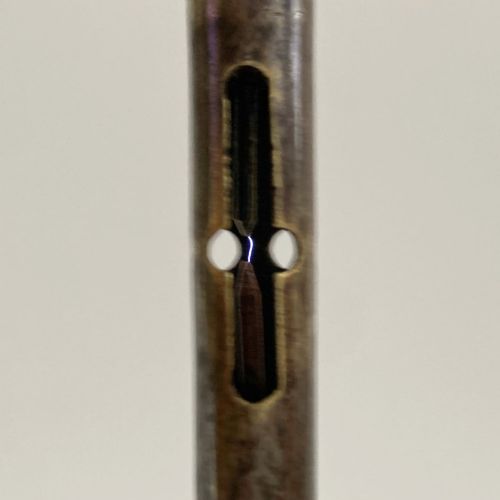
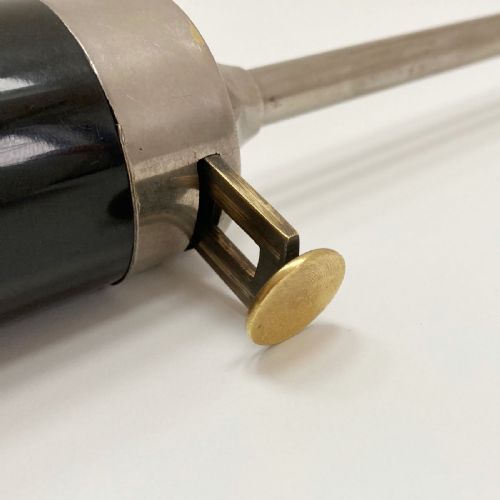
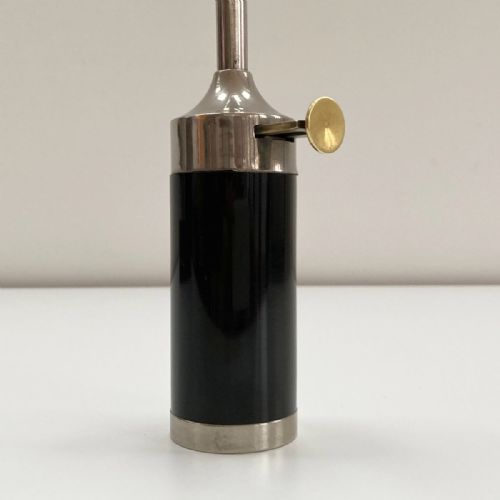
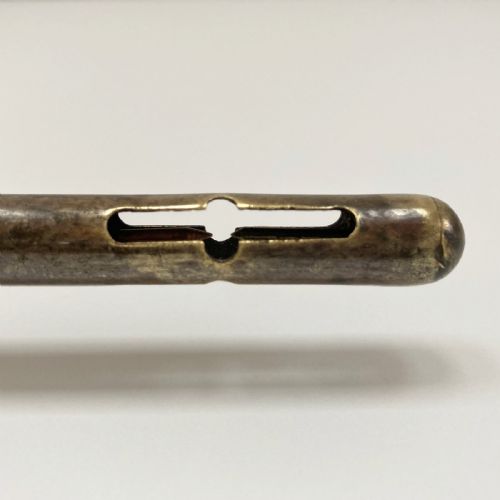
The top has a large 28cm nickel plated rod with a three cut out sections to the tip which reveal a needle point spark gap (electrodes) in the central core.
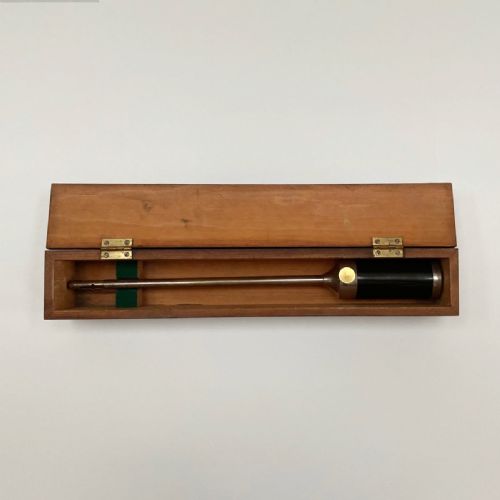
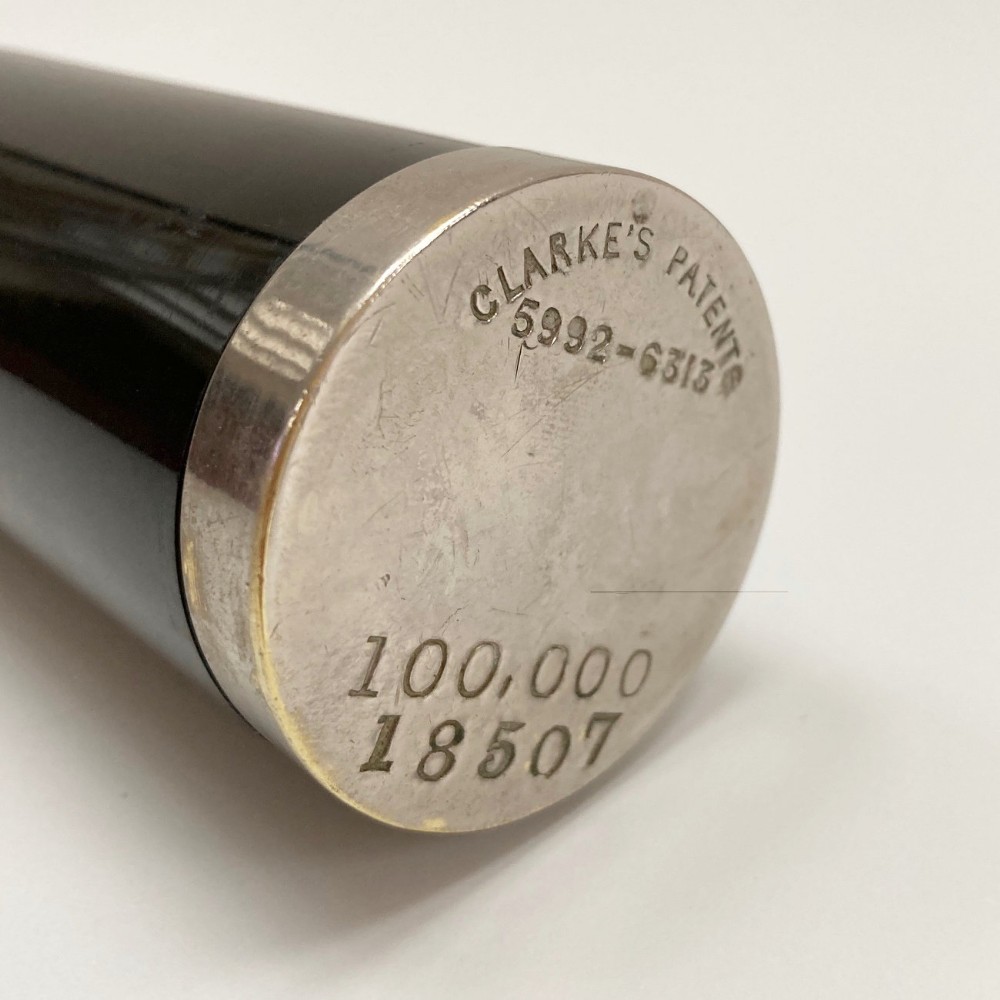
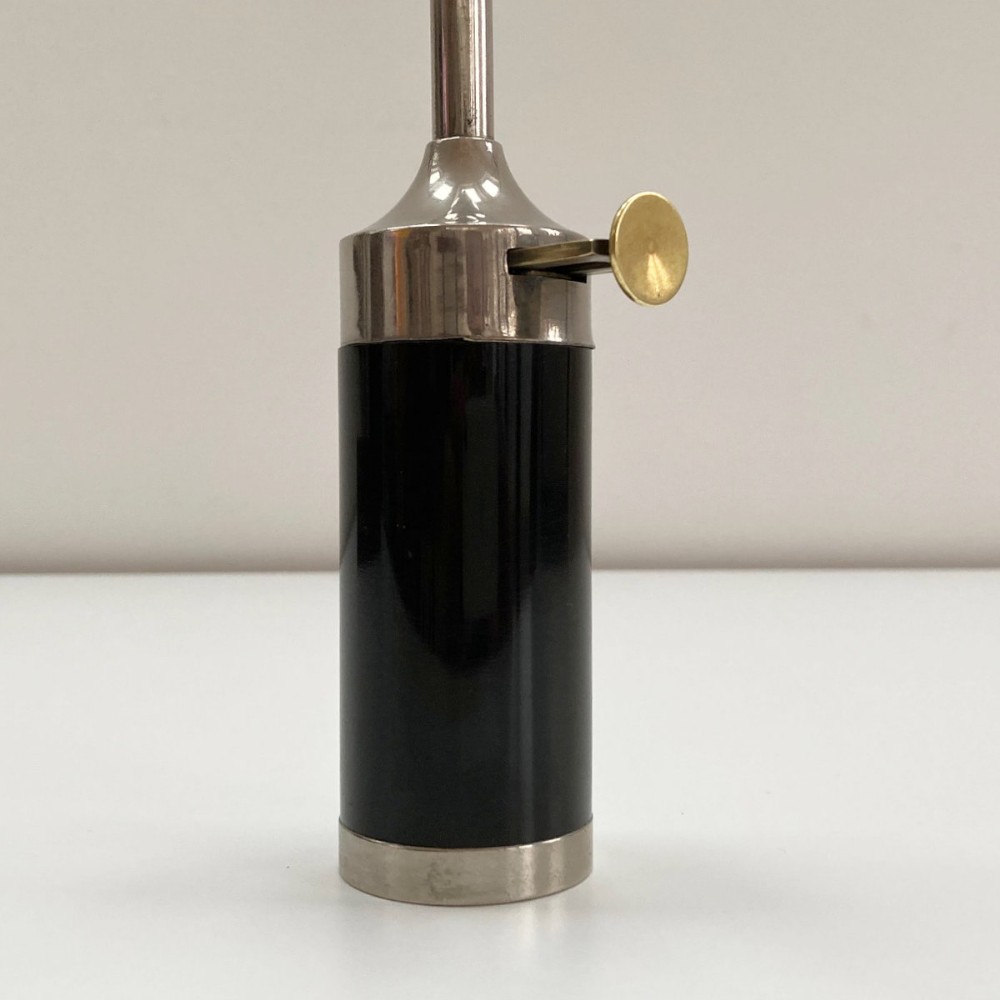
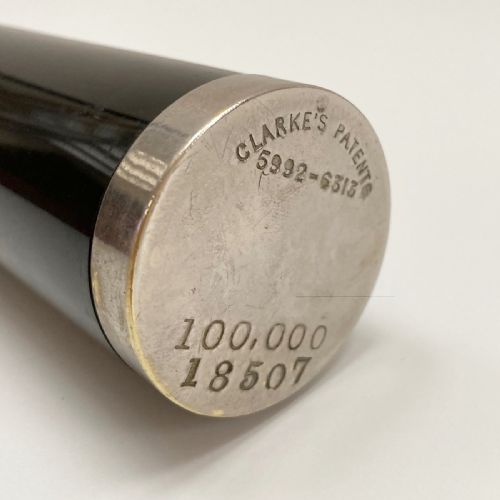
The base is impressed with, Clarke’s Patent – 5992-6313 and the numbers 100,000 and 18,507.
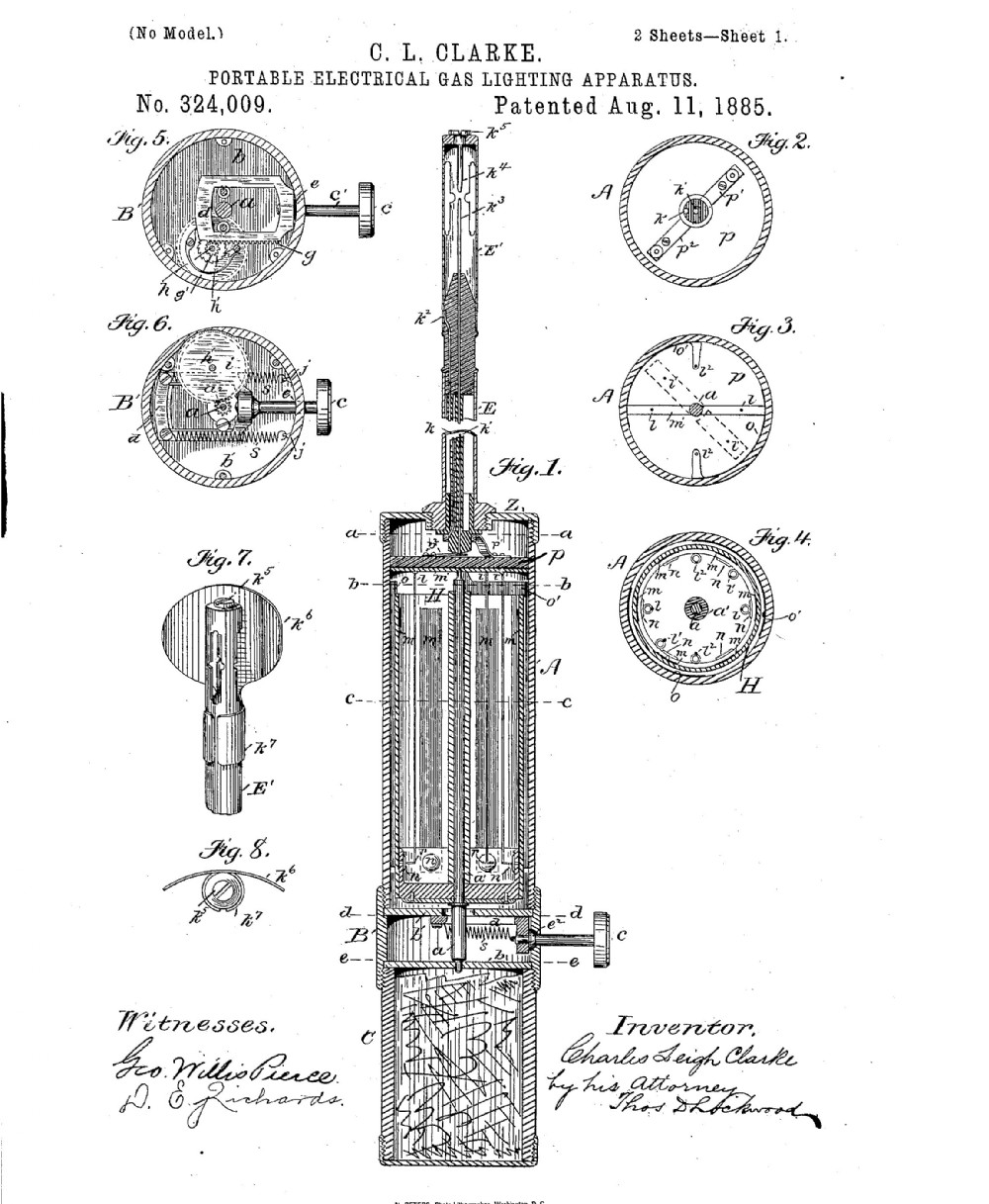
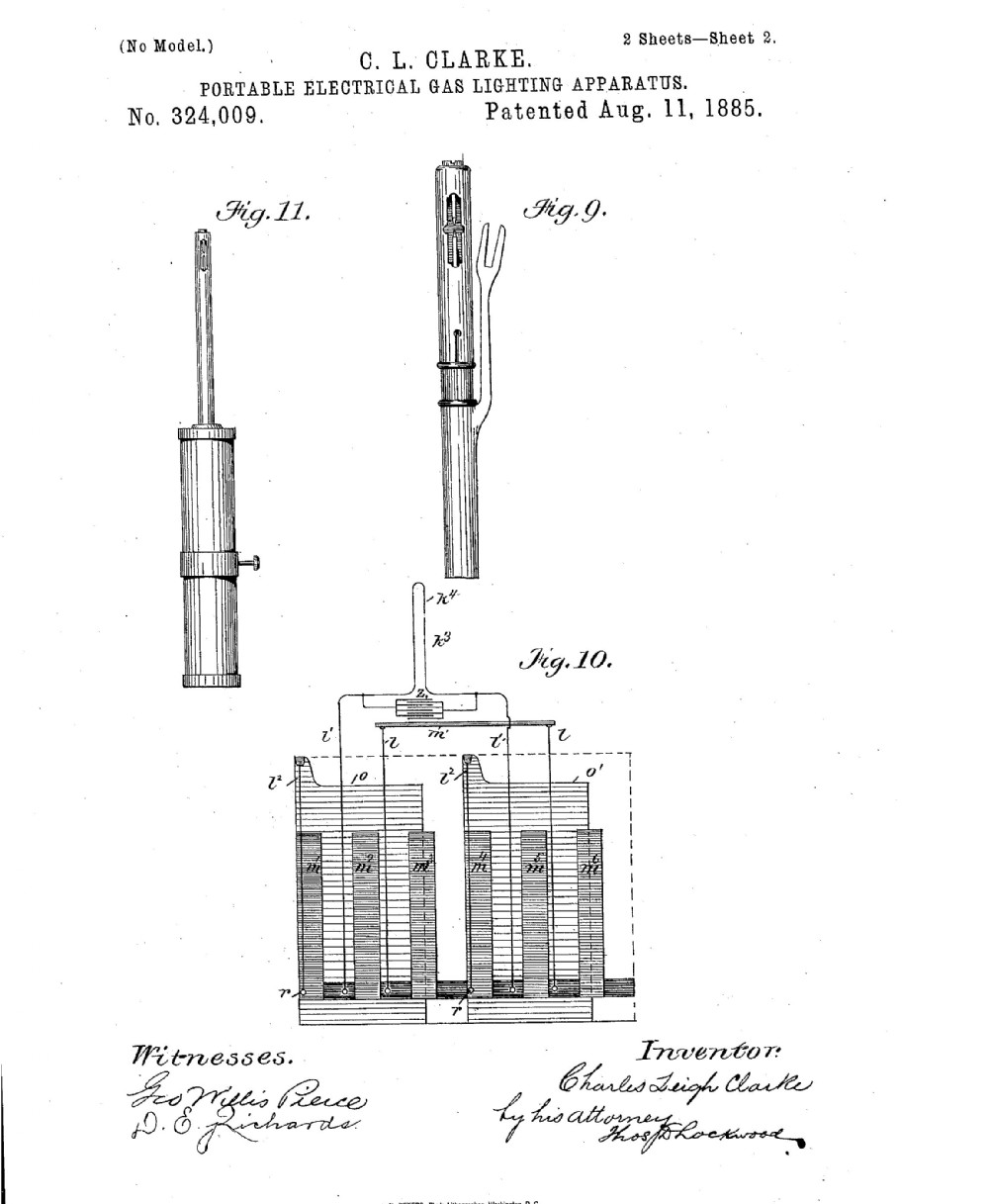
This ingenious instrument was patented in the UK on the 31st December 1883 by Charles Leigh Clarke of Manchester and was considered in the patent documentation to be, “an improvement in portable gas-lighting apparatus. Its object is to provide a convenient, durable and portable instrument for generating and utilising electricity for lighting inflammable gases or vapours, and for various other purposes such as firing explosive charges in mining operations or for torpedo or artillery work”.
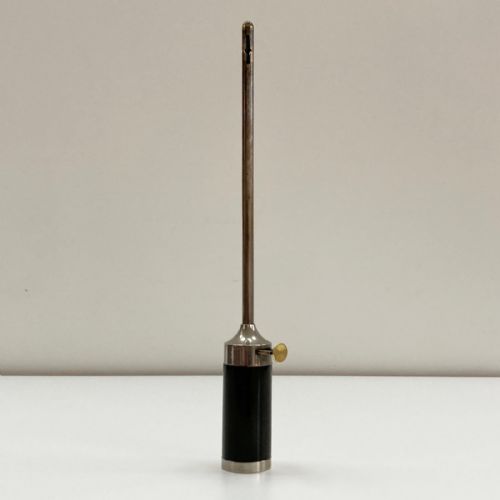
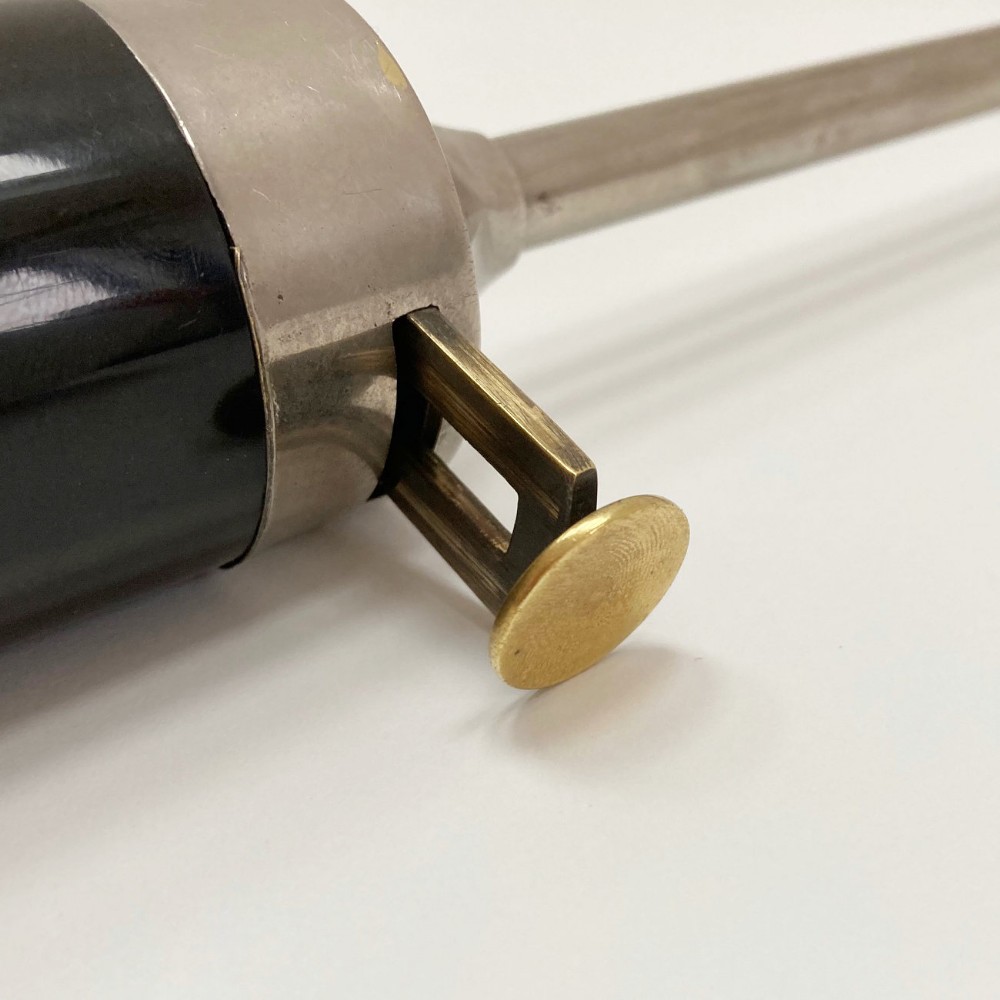
The operation and component parts of the instrument are considered at length within the patent and are too voluminous to copy here but the mechanism is essentially a miniaturised cylinder wimshurst machine. The interior cylinder which has foil sectors on its external face is spun at speed by the depression of the sprung trigger on the handle and a series of collectors attached to the inside of the barrel handle make contact with the spinning cylinder and thus collect the charge which is released at the tip of the shaft.
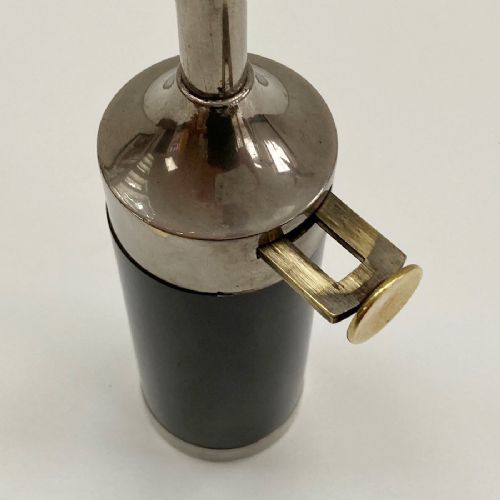
An ingenious reuse of the wimshurst’s principles on a miniature scale. The US patent suggests that it was also patented in six other countries beyond the UK and US so it may have gained some popularity during the lifetime of its production. They are now however, quite scarce and more often than not in a non-working state. This example has been lovingly restored to good working condition as can be seen from the images provided.
The inventor, Charles Leigh Clarke traded in partnership with William Henry Tudsbury Turner (Clarke & Turner) during the 1870’s as Iron Merchants and Engineers. By the mid 1870’s the company seems to have gotten into some difficulties owing to bankruptcy records lodged in The London Gazette. This situation remained for four years where an application for an Order of Discharge was applied for.
It is not known whether this partnership remained beyond that point as Charles Leigh Clarke certainly advertised under his own name during and beyond this time. An 1875 advert relates a breathtaking number of products and services available from this enterprising character. It states:
“Charles Leigh Clarke. Iron Merchant, Engineers’ Factor, Mill Furniser – Iron, Brass & CopperTubes & Fittings. Wilson’s Patent Steam Impermeators, Brass Steam Fittings, Needle Lubricators. Asbestos Patent Steam Packing, India Rubber Washers, Improved Water Gauge Tubes, Steam & Gas Piping of all descriptions.”
By the 1880’s, Clarke took out a number of patents relating to battery technology and of course those related to this instrument. A prolific character who was also linked with Gustav Binswager (later Gustav Byng), the original founder of the General Electric Company (GEC). Binswager originally founded a company named the Electric Appliance Company, later renamed The Electrical Apparatus Company in 1884 with the arrival of a partner James Boyd. Its original adverts interestingly presenting exactly the same products as Clarke’s adverts of the mid 1870’s so it is considered that some form of trading relationship was in existence at this time between Manchester and London.
With disagreement between the Directors of EAC, Binswager took fellow German, Hugo Hirst with him to form what became The General Electric Company. In a piece entitled, GEC and the Telephone publi
Jason Clarke Antiques has dated this piece to the 1880s.
You can view the stock and full dealer information on the Jason Clarke Antiques Profile Page
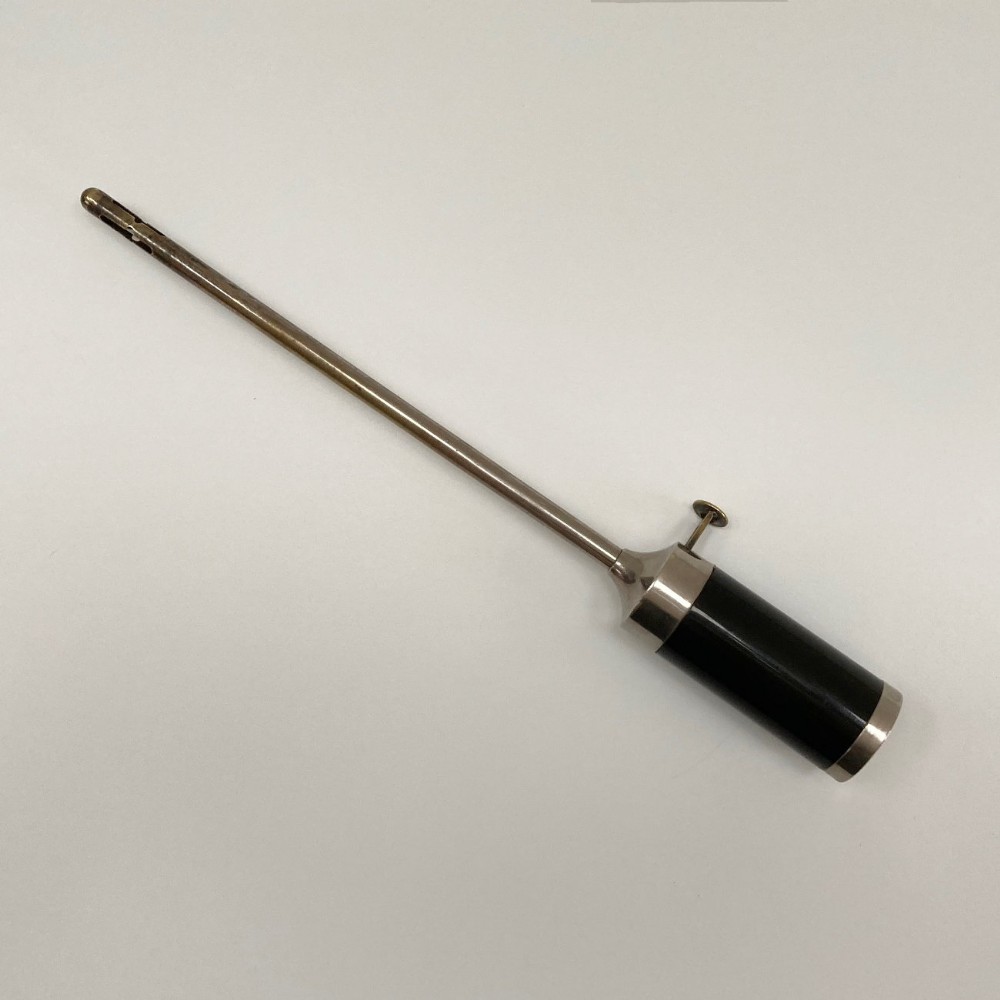
Late Victorian Clarke's Patent Portable Electrical Gas Lighter