It was listed by Jason Clarke Antiques. Sold pieces stay on Sellingantiques as a record of what has passed through, and the next one is rarely far away.
Jason Clarke Antiques has dated this piece to the 1800s.
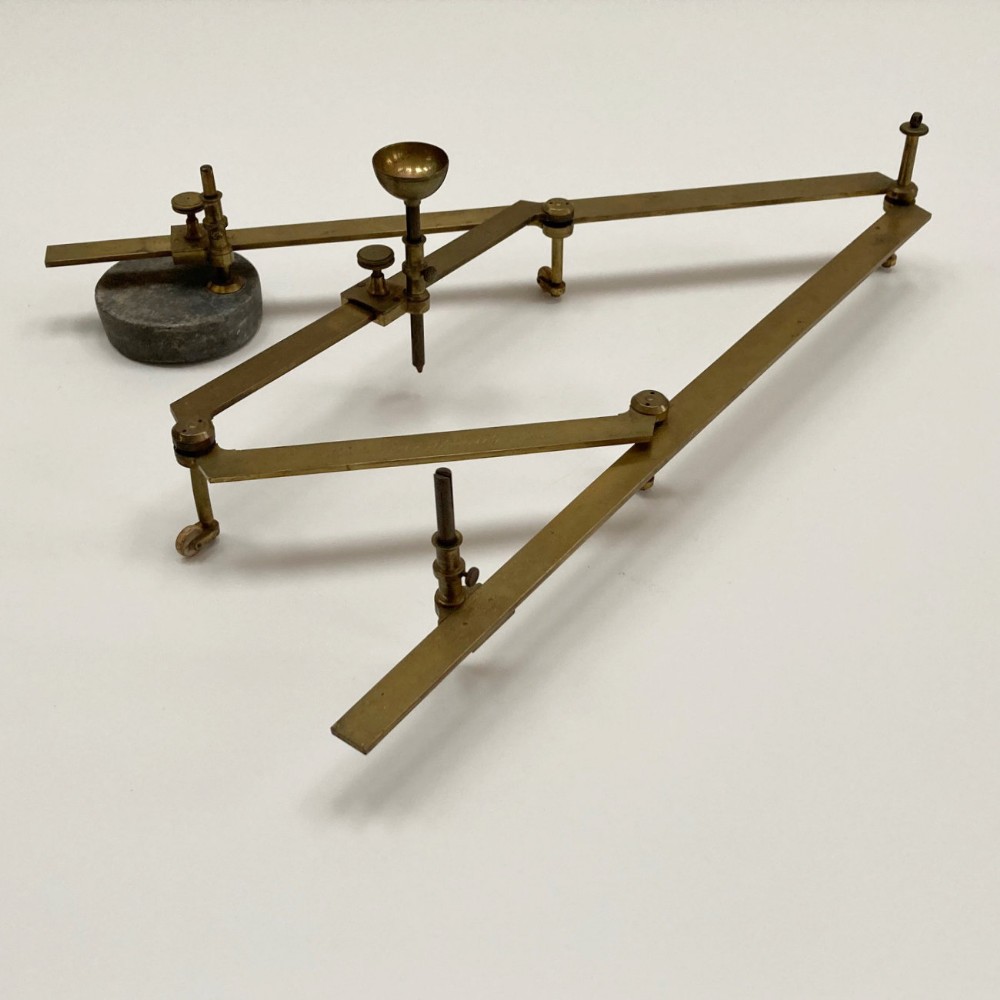
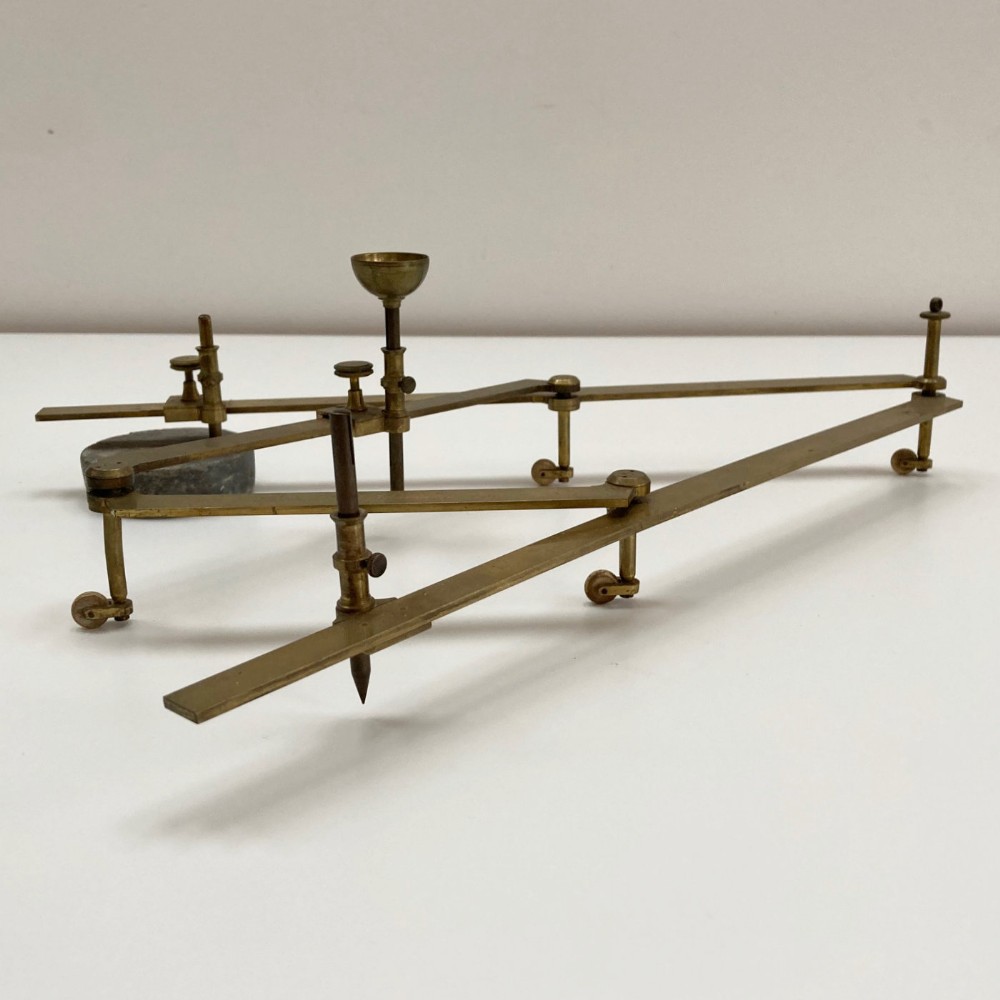
Comprised of four brass bars connected together to form a central parallelogram.
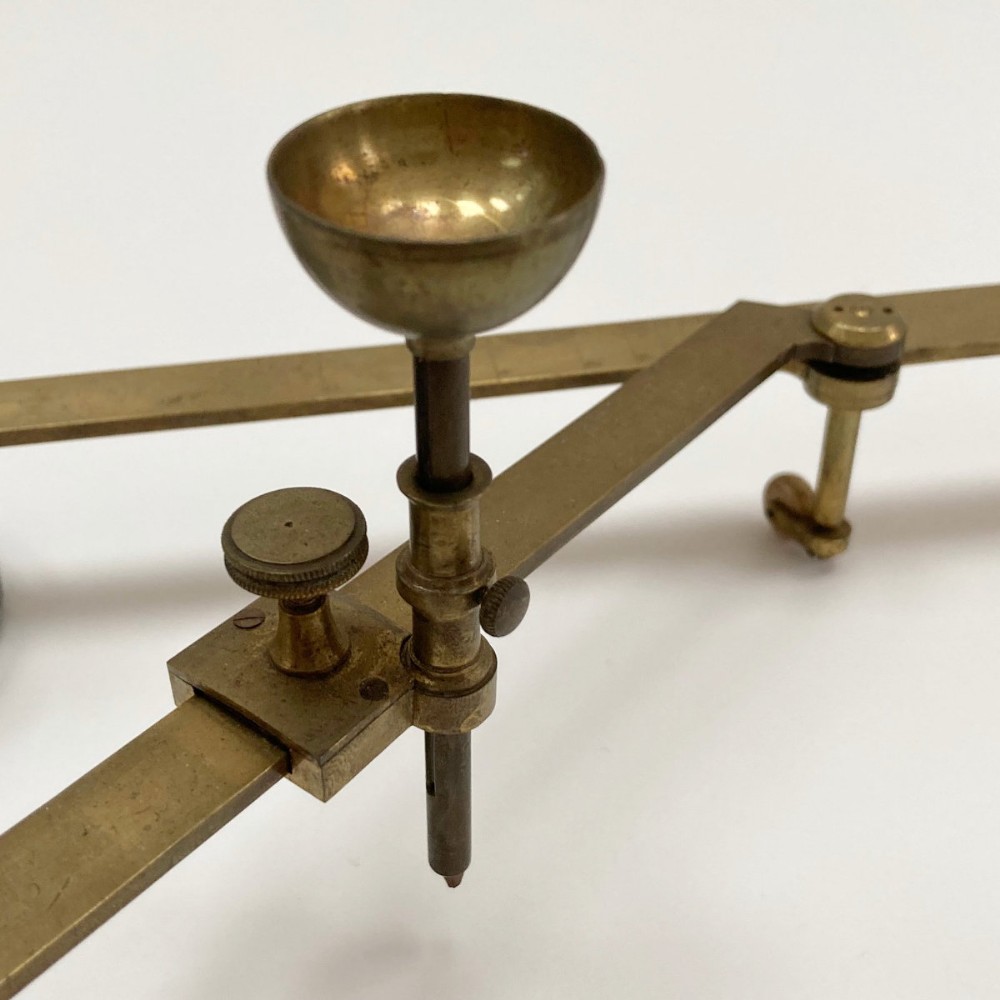
The central axis between has a secondary pen holder from which an original drawing can be traced. The movement of the central pen on the mechanism causes the pencil at the far end to trace an exact image but in enlarged form.
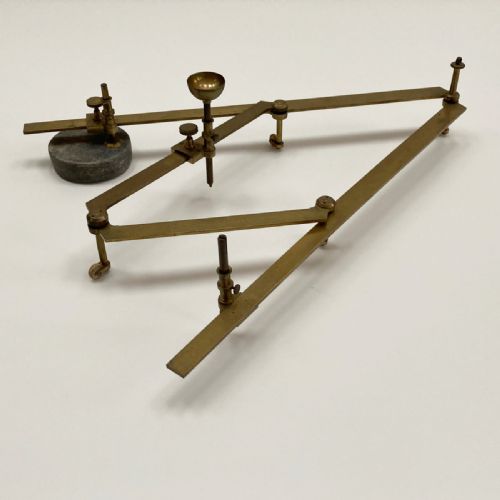
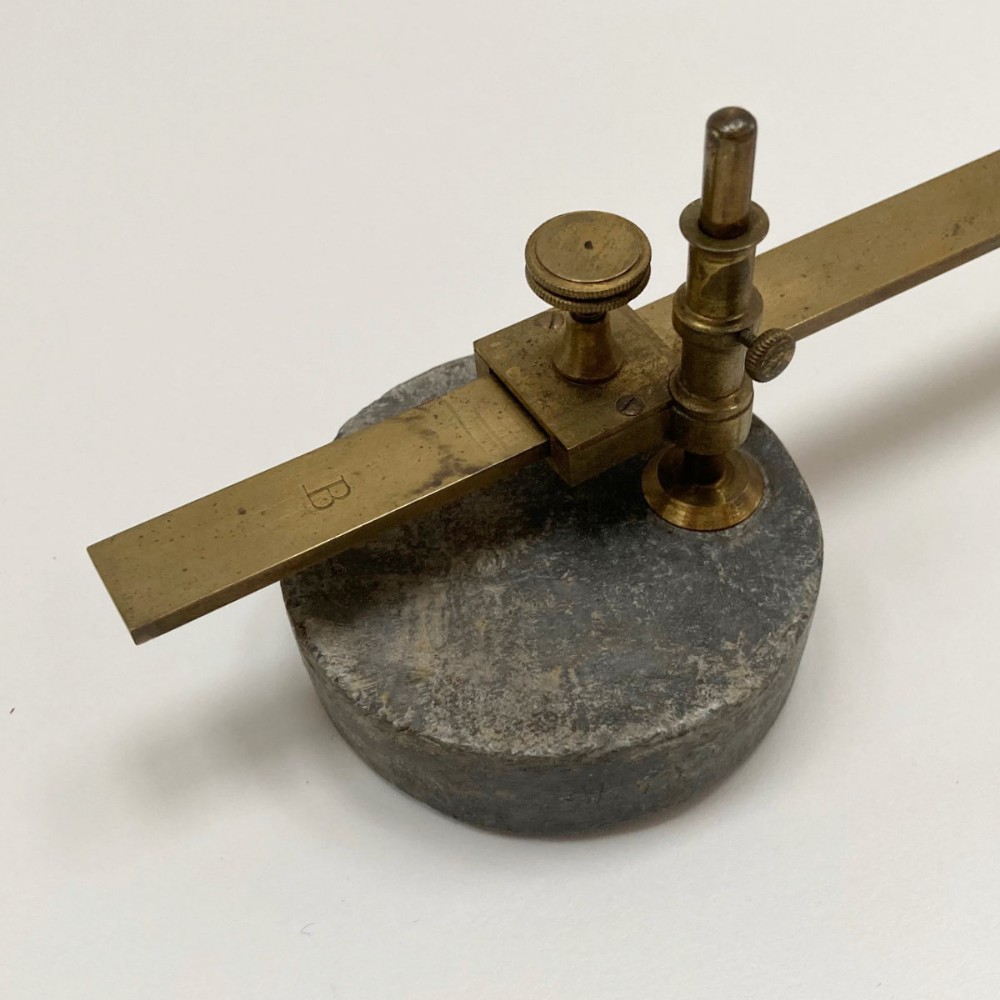
Both the lead weighted fixed point and the central pencil hold can be side adjusted along the bar length in order to inform the scale of the enlarged copy being produced.
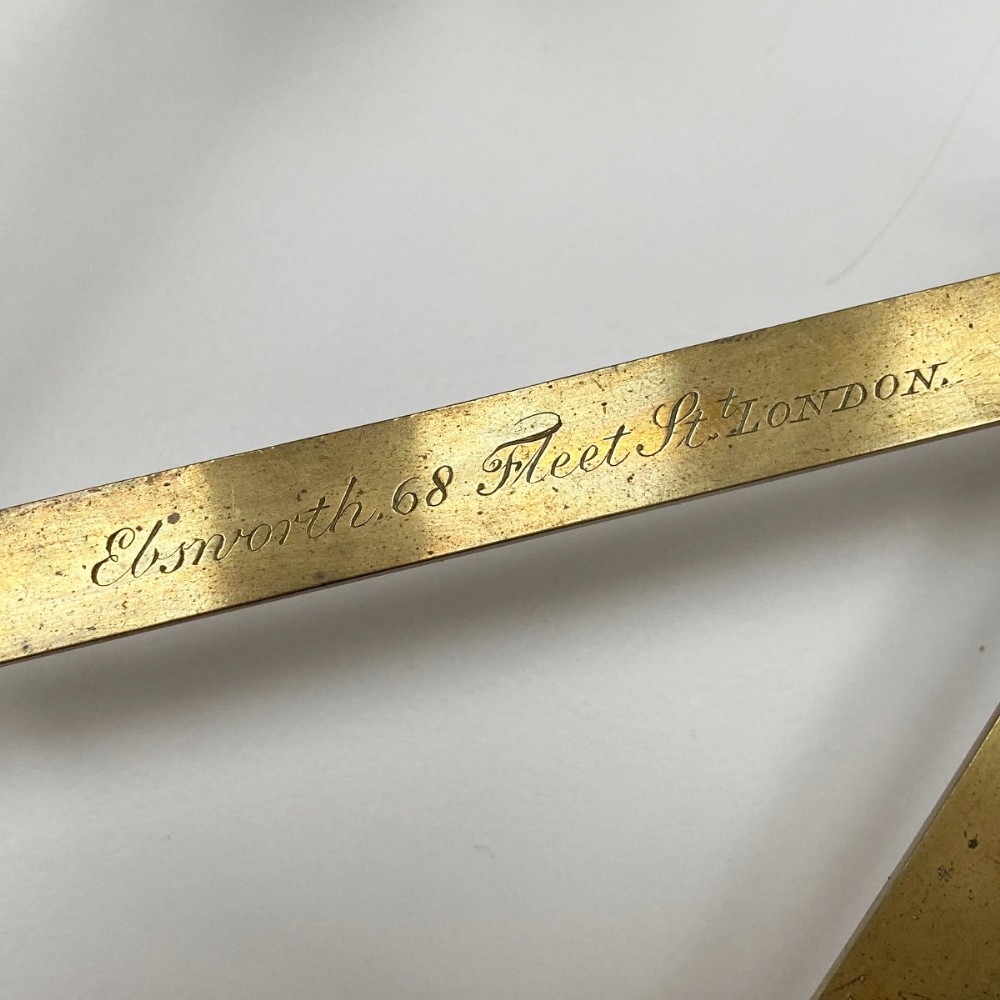
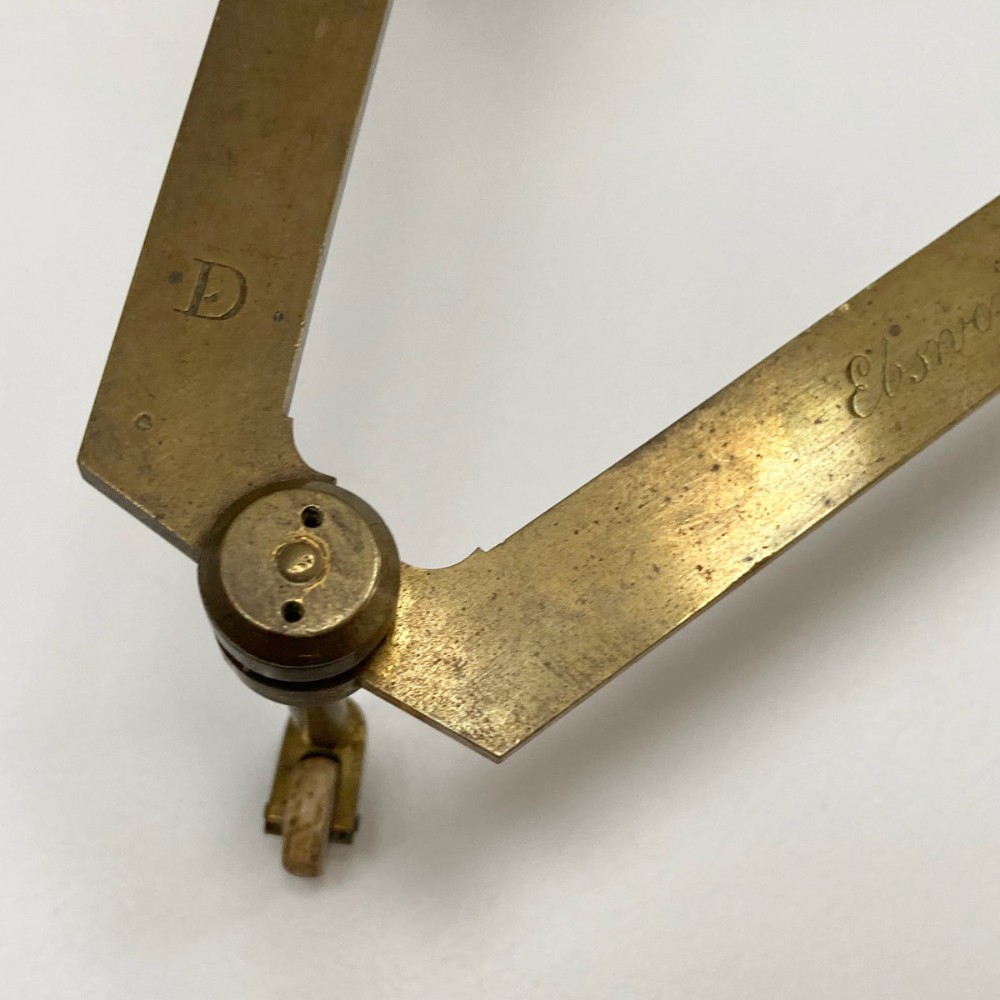
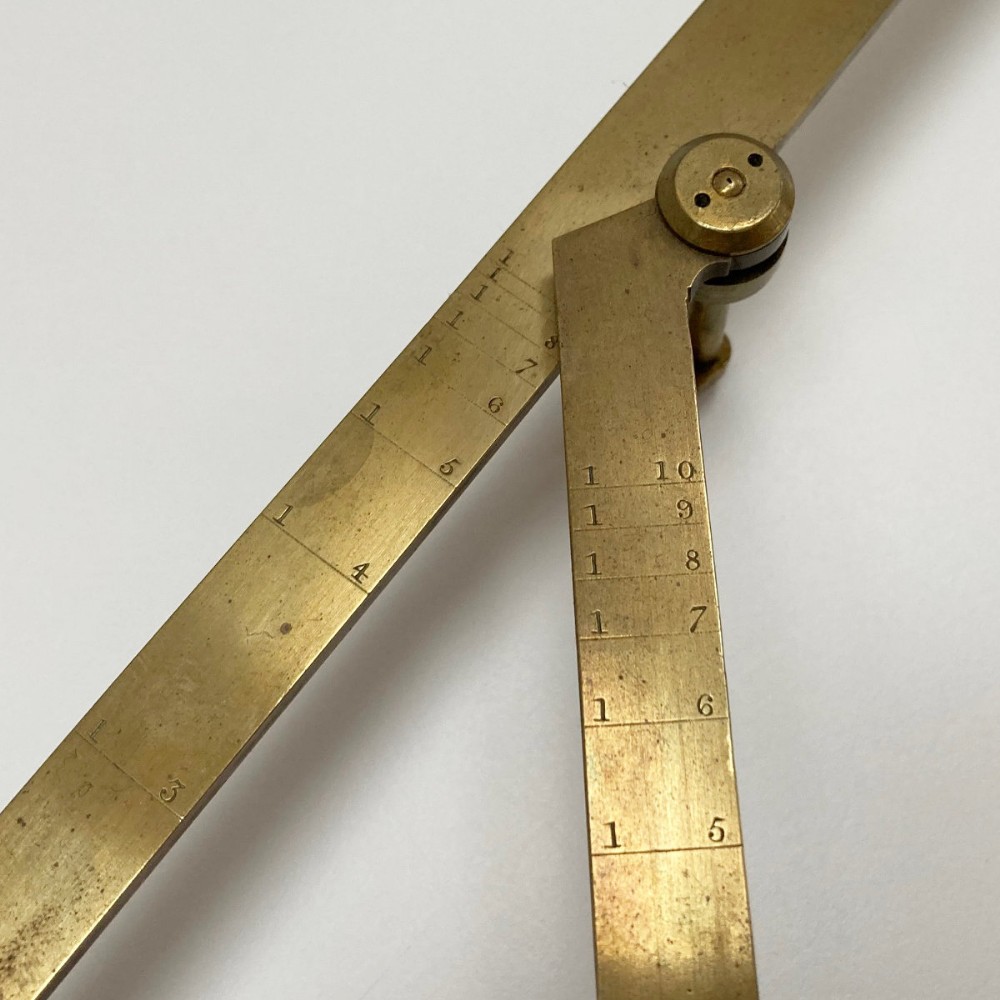
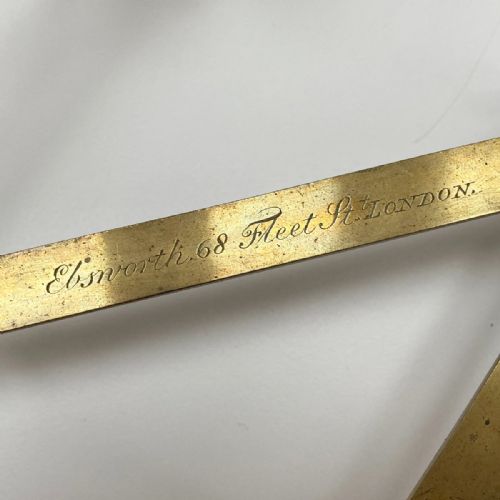
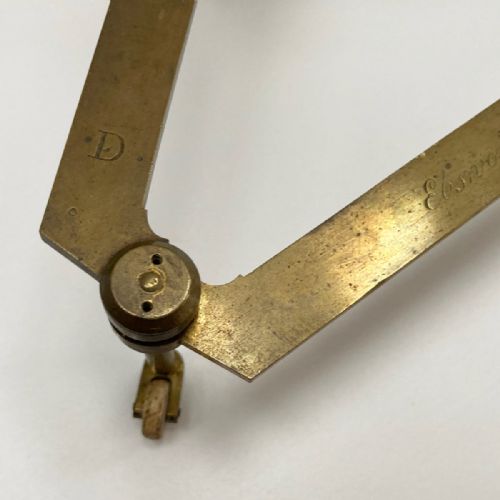
This example is in good original condition and comes complete with its original bone castor feet and lead weight. It is engraved along one limb simply to, “Ebsworth 68 Fleet Street, London” and has further scale measurements for accurate setting and adjustment of the instrument.
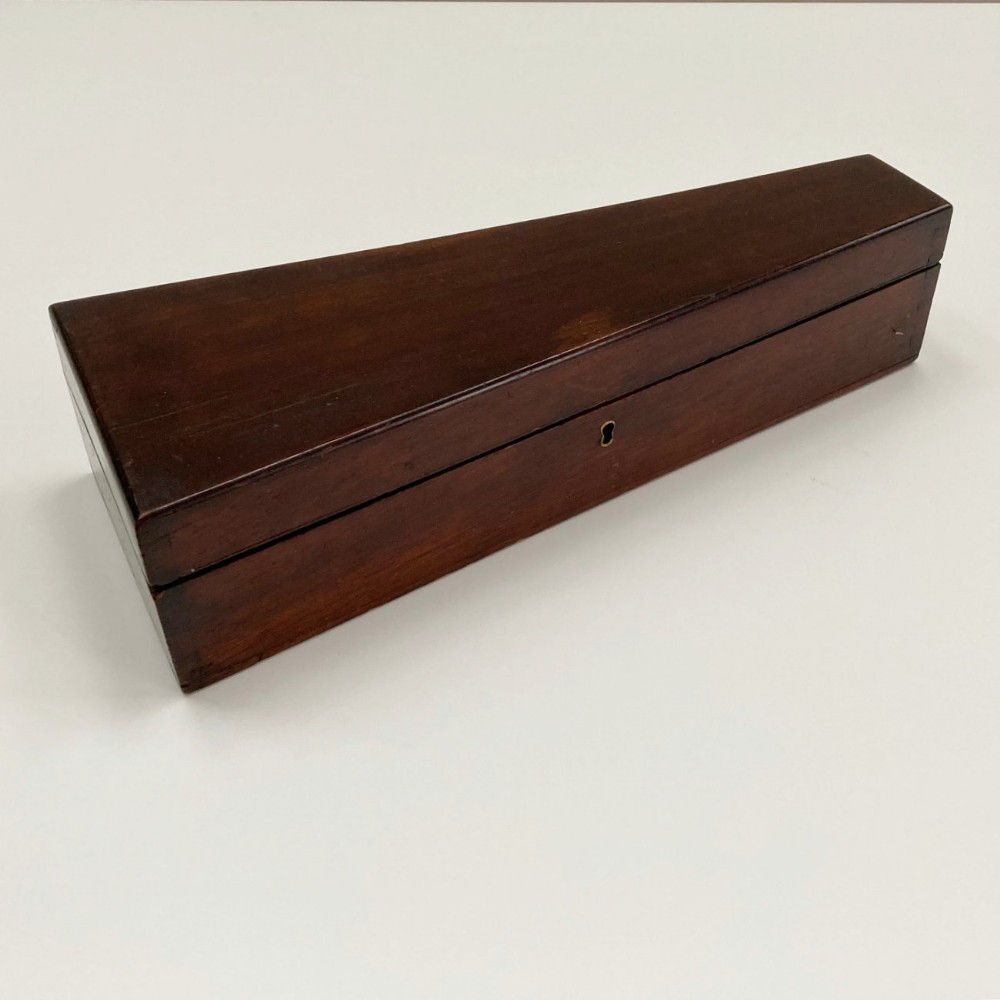
The mahogany hinged and fitted case also remains in good solid condition. A great example from a Fleet Street maker.
Richard Ebsworth’s history remains somewhat undocumented in the records, he traded initially at 41 Fleet Street from around 1820 although it is not known with whom he was apprenticed expect that he seems to have been affiliated with the Barber’s Guild. He moved to the 68 Fleet Street address in 1824 and took his sons George and Thomas as apprentices. Three years later his final address is documented as 54 Fleet Street in 1827 where after the records cease.
The National archives retain Richard Ebsworth’s will of 1828 suggesting that he died rather early and according to the will, prior to his sons being capable of taking over the business. This is the likely reason his career is less well documented, however, during his short period of trading, the quality of his output was very good as is represented by this example and other extant instruments which have passed through British salerooms in the past.
Circa 1825
Jason Clarke Antiques has dated this piece to the 1800s.
You can view the stock and full dealer information on the Jason Clarke Antiques Profile Page
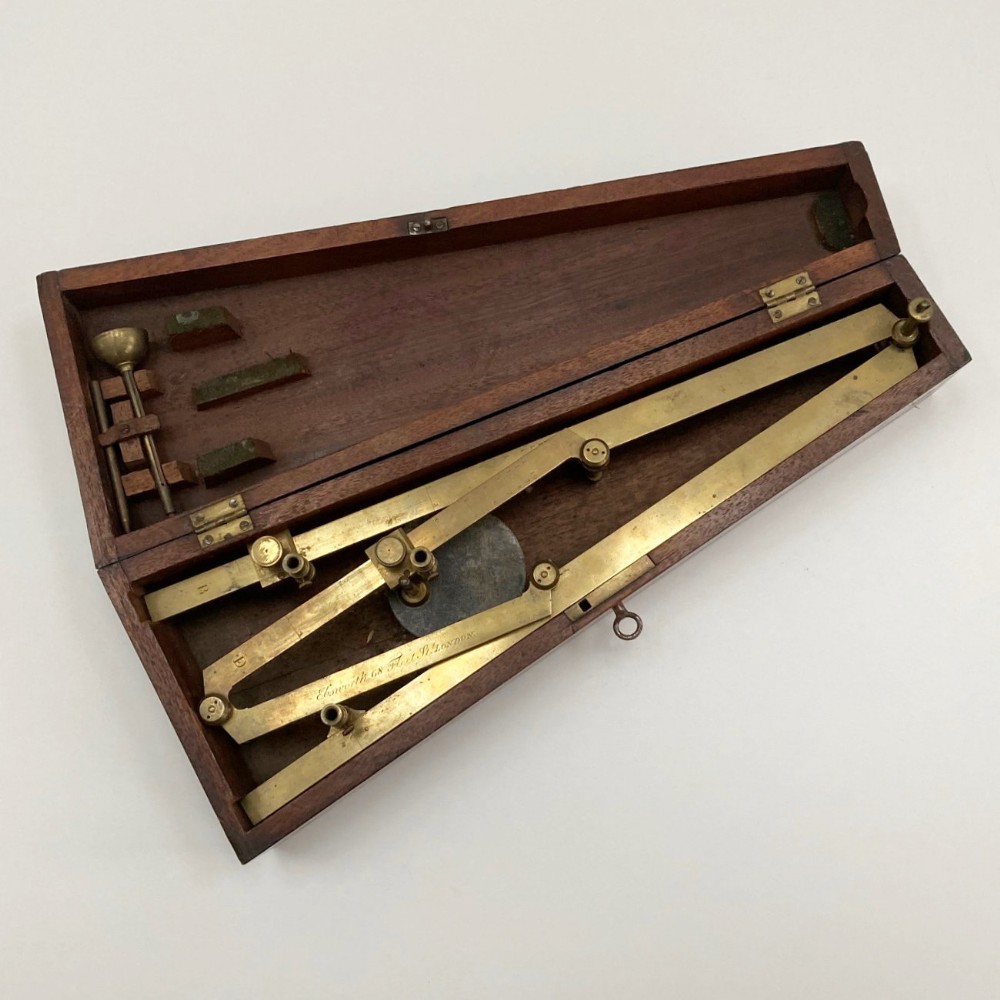
George IV Small Cased Pantograph by Richard Ebsworth of Fleet Street