It was listed by Jason Clarke Antiques. Sold pieces stay on Sellingantiques as a record of what has passed through, and the next one is rarely far away.
Jason Clarke Antiques has dated this piece to the 1800s.
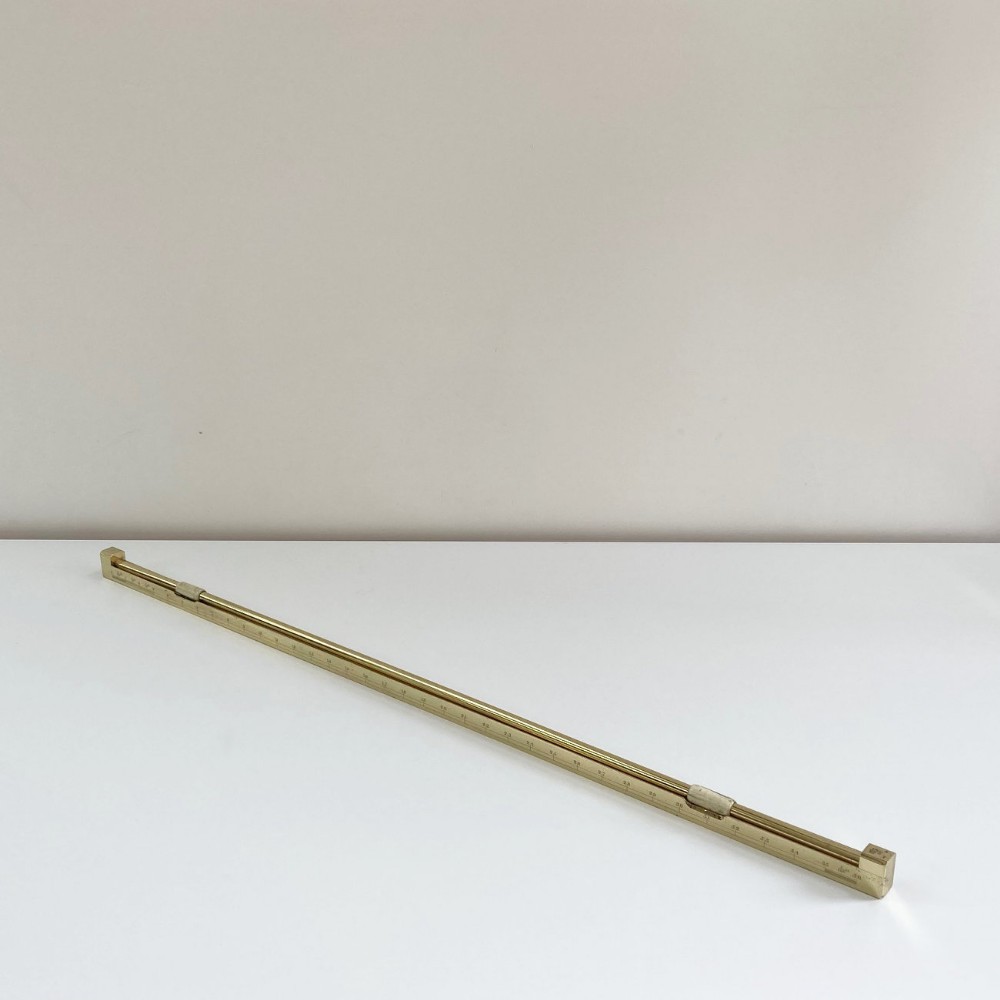
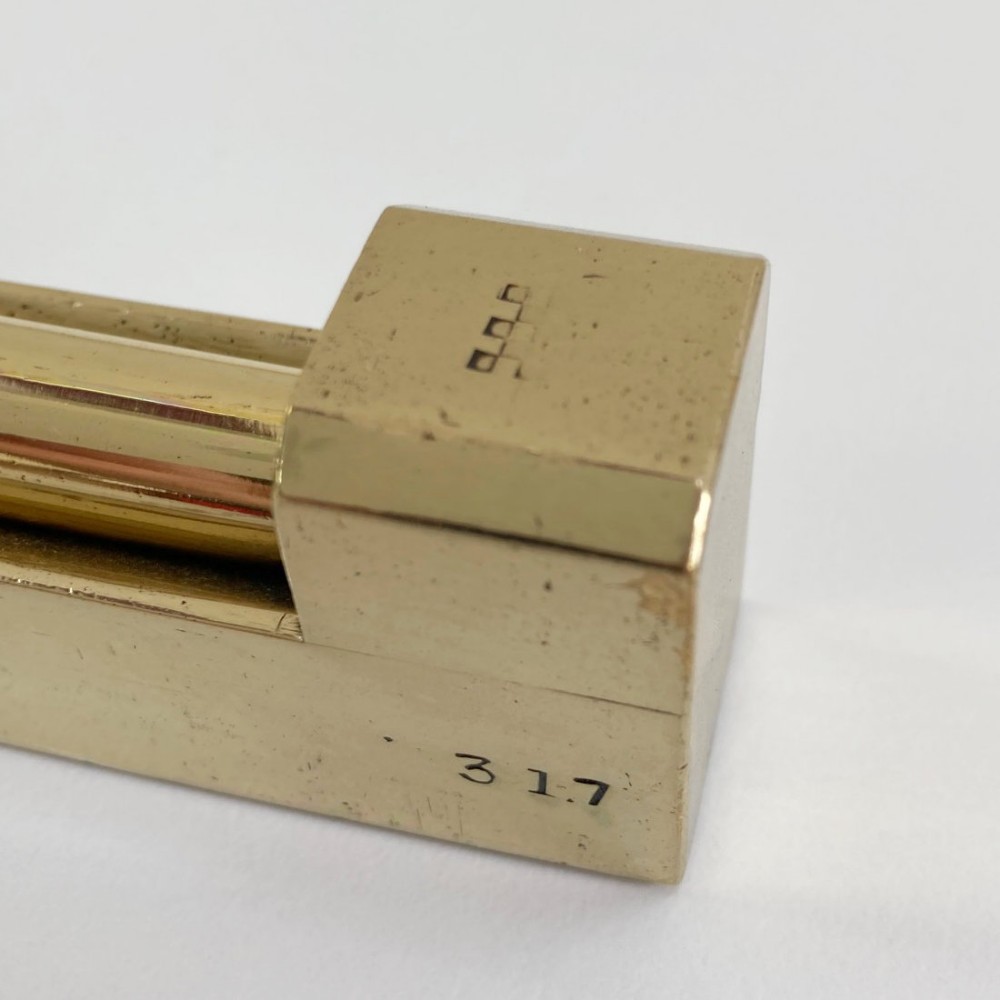
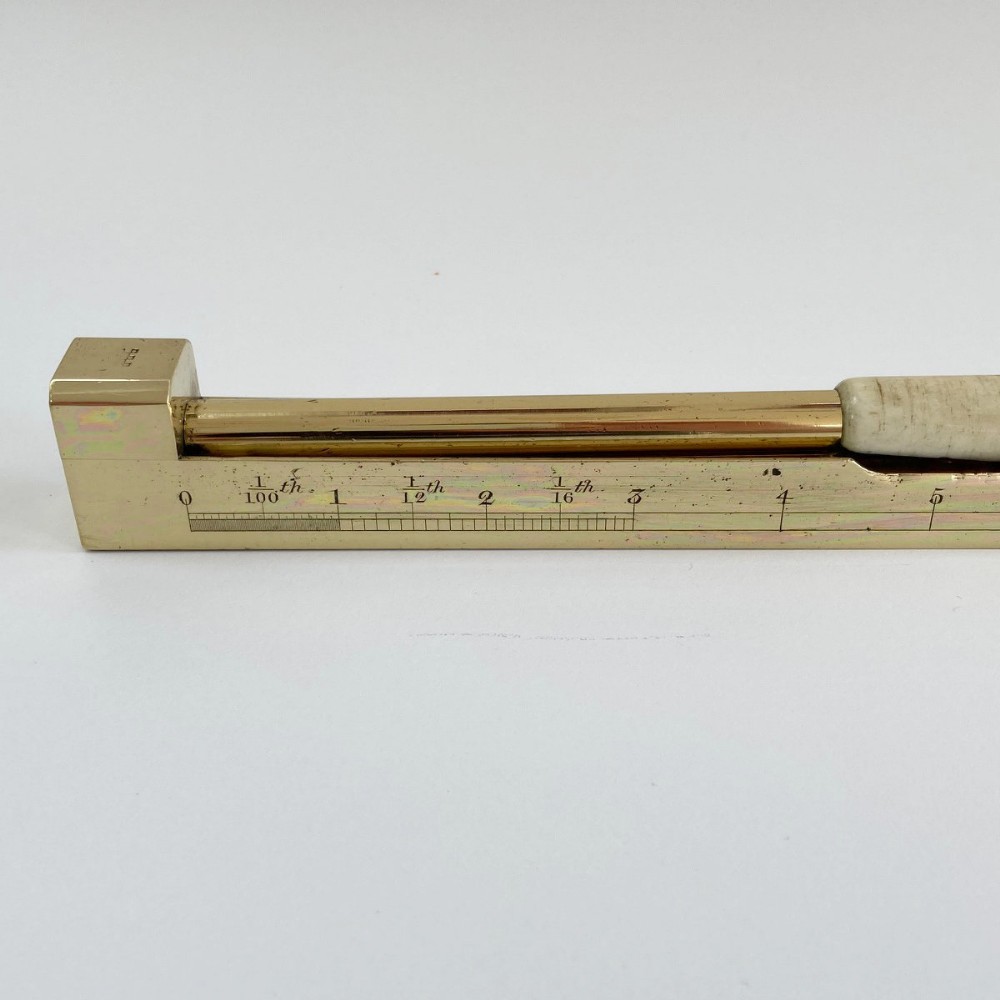
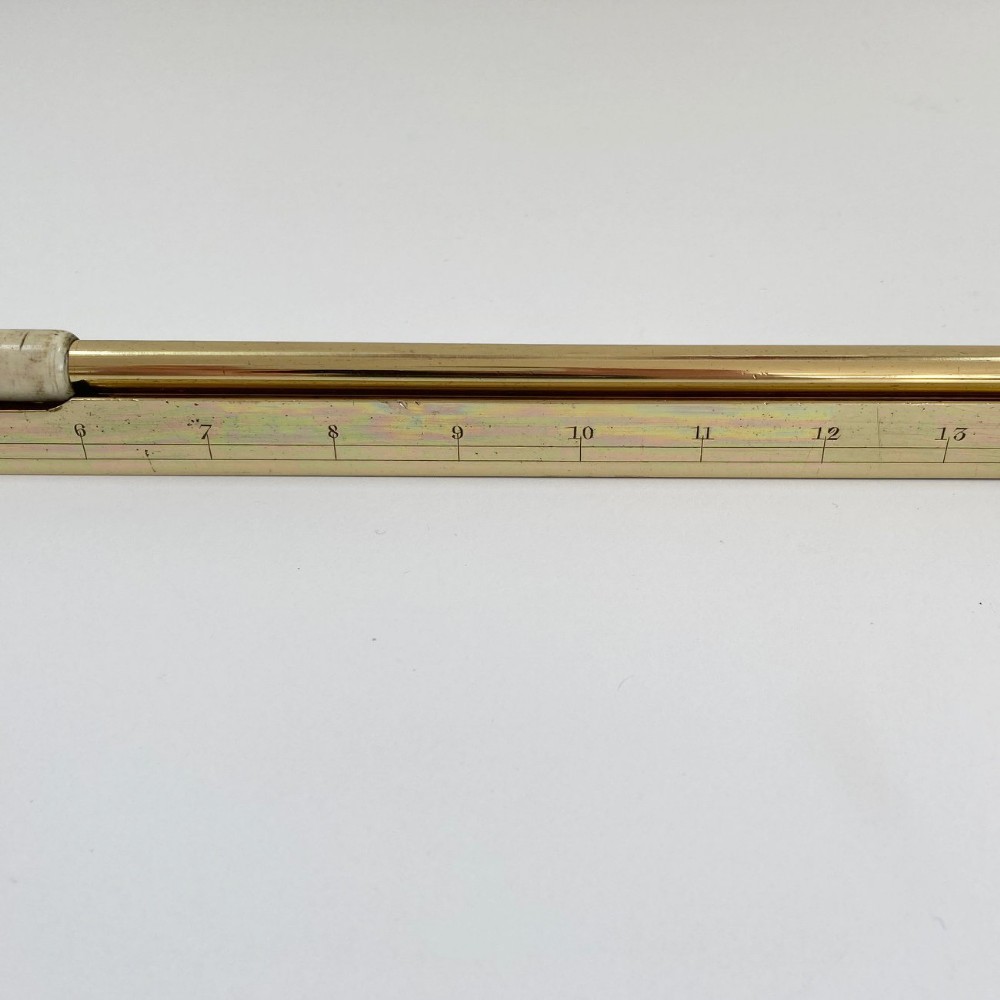
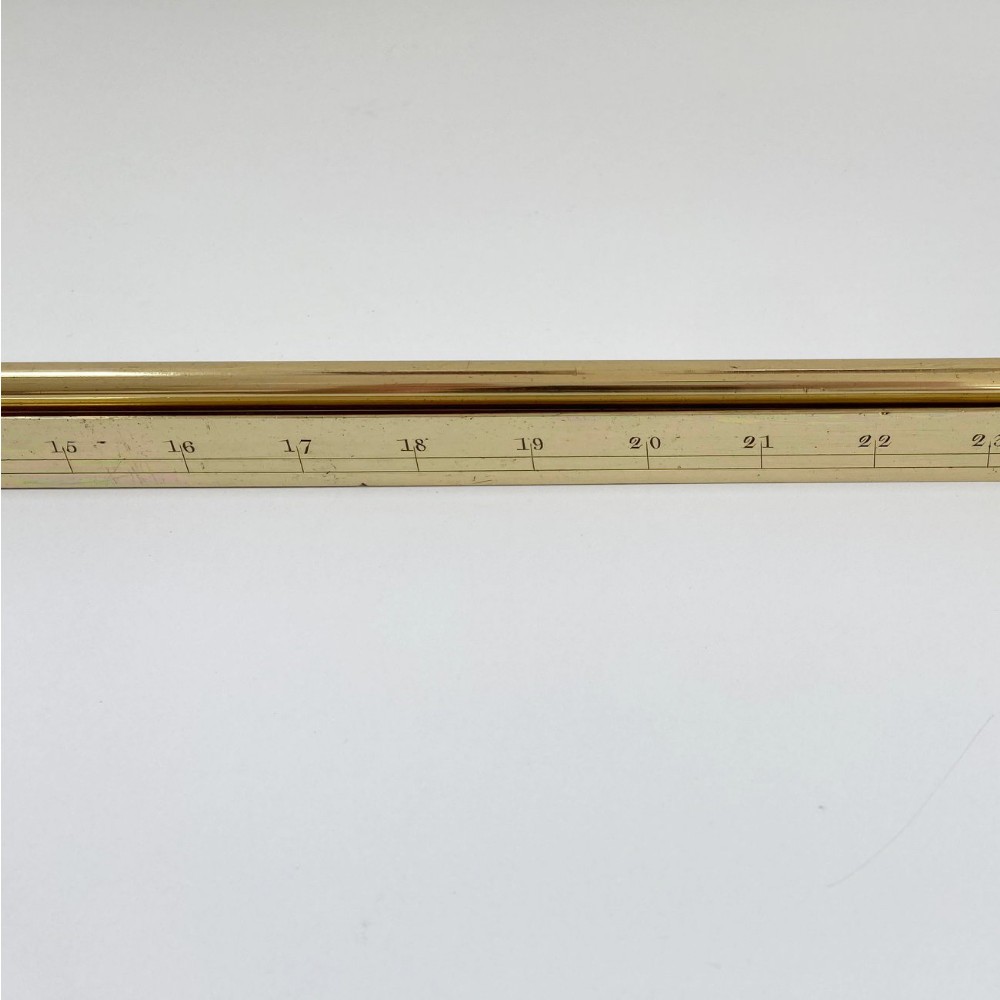
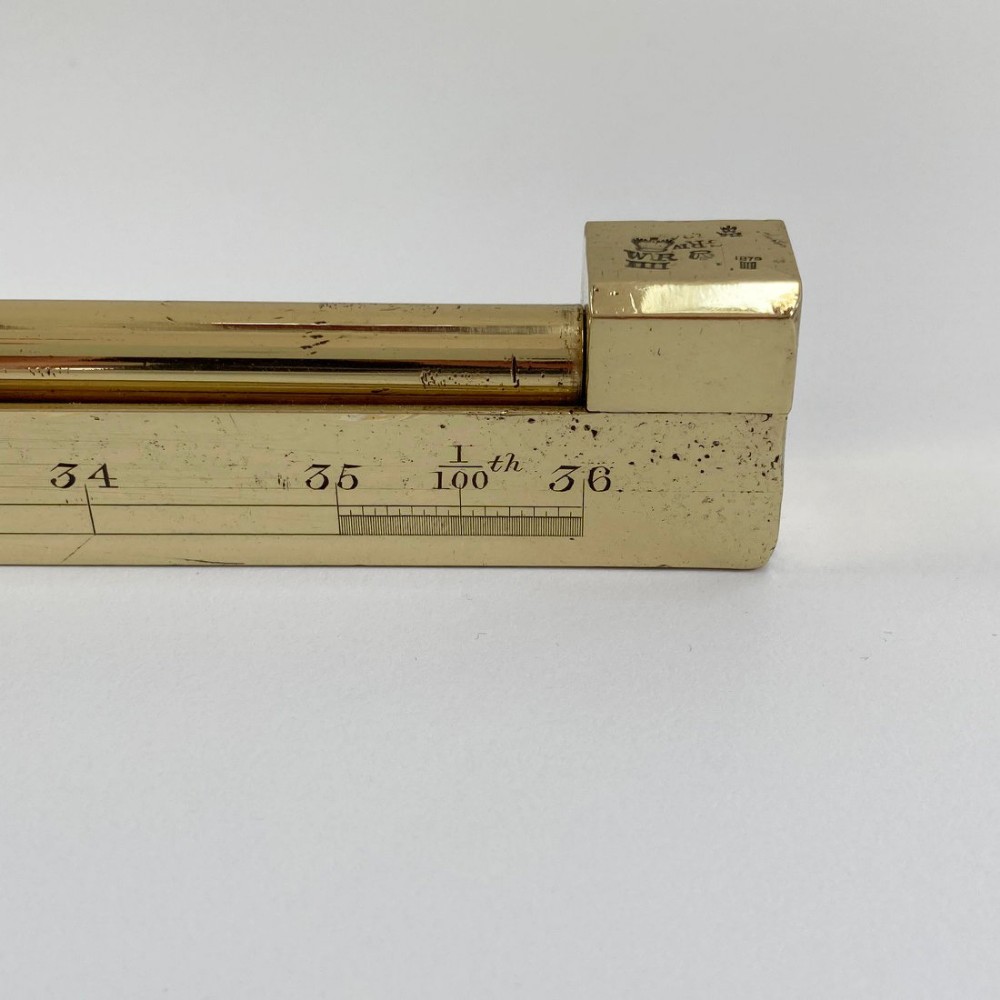
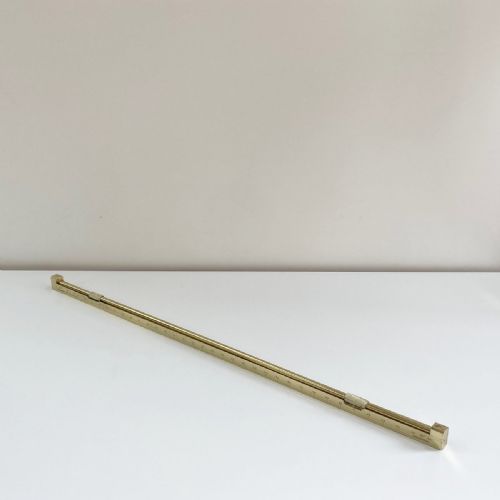
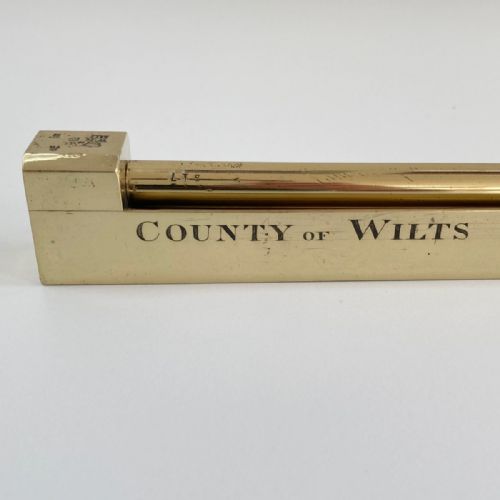
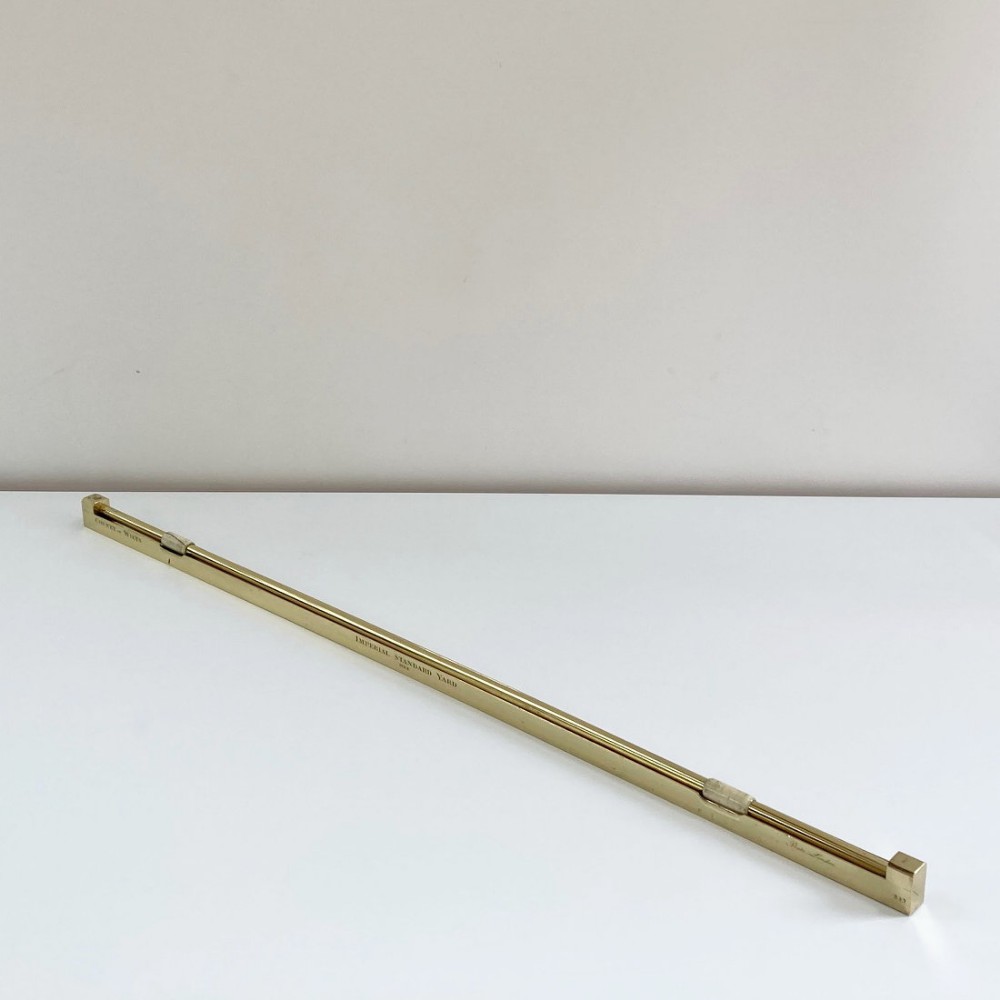
This imperial standard yard measure was manufactured in the same year that the new Imperial Standards were enshrined into British law by George IV in 1824 and is comprised of a solid brass bar which measures a yard in length (36 inches).
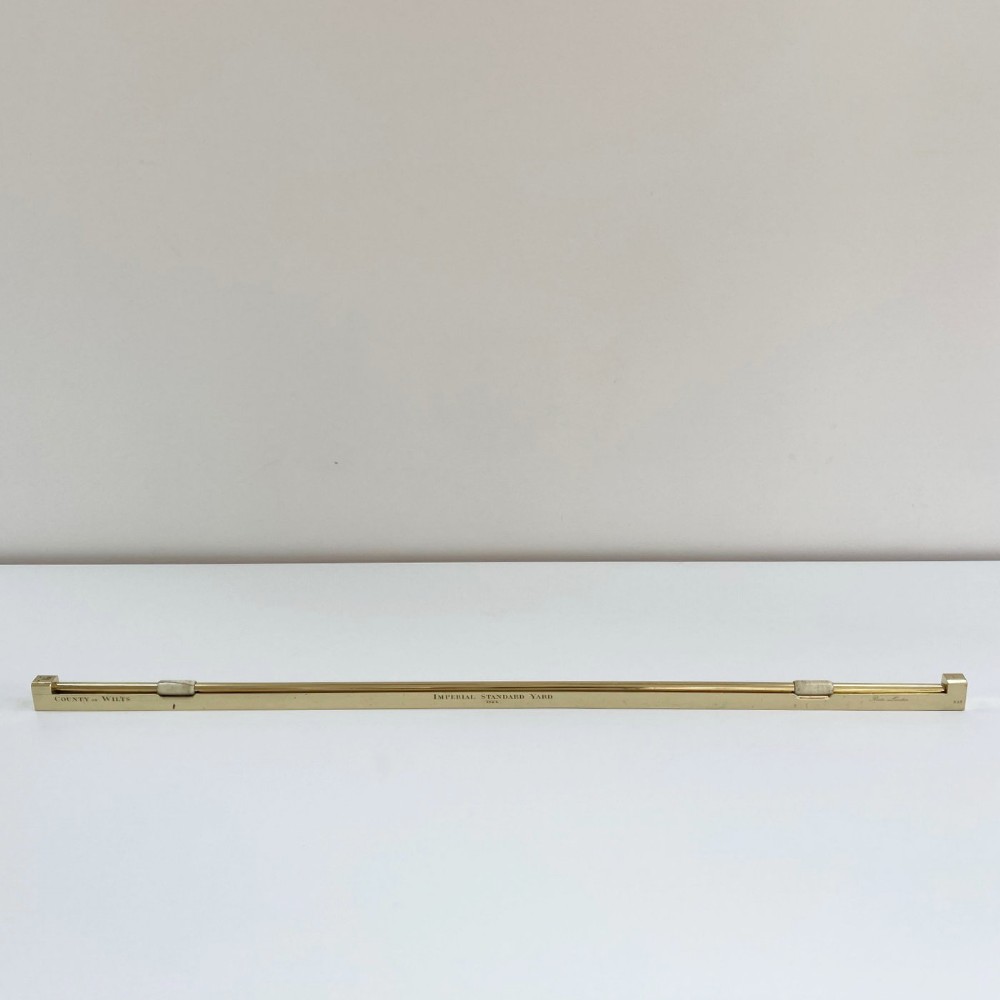
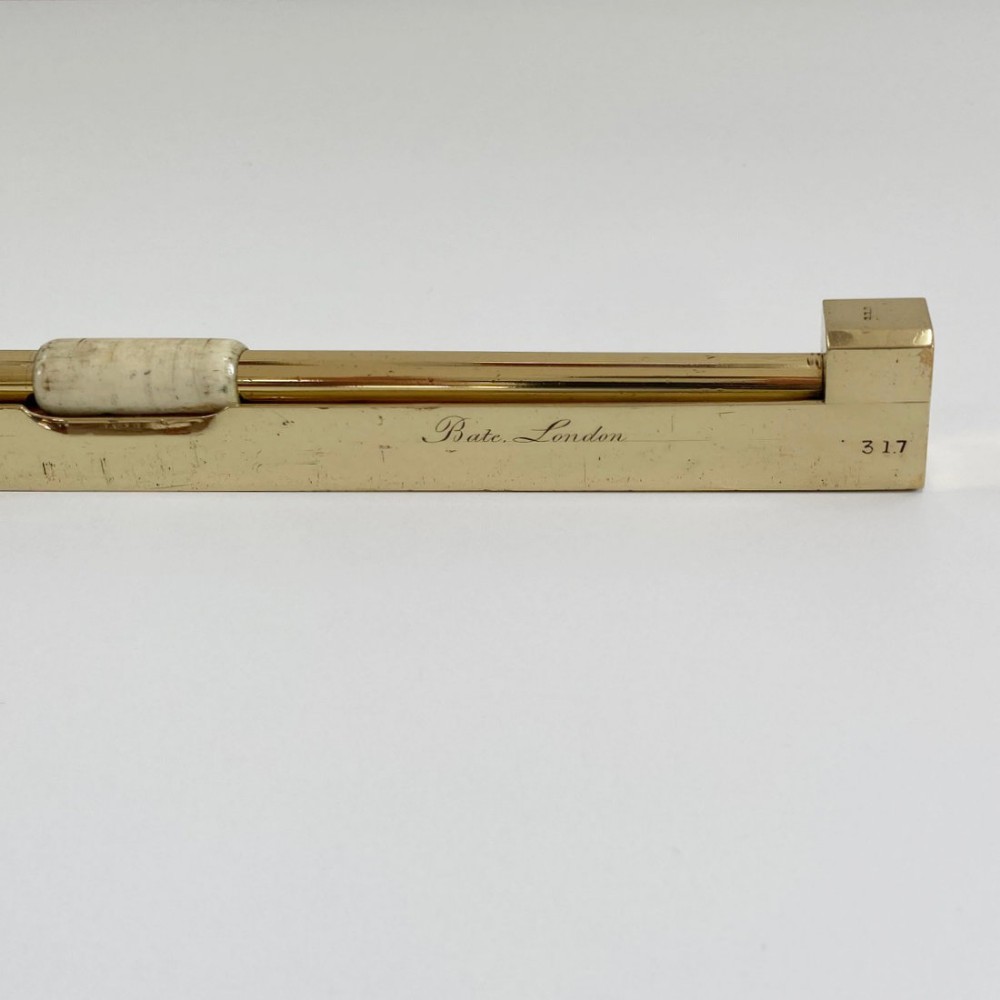
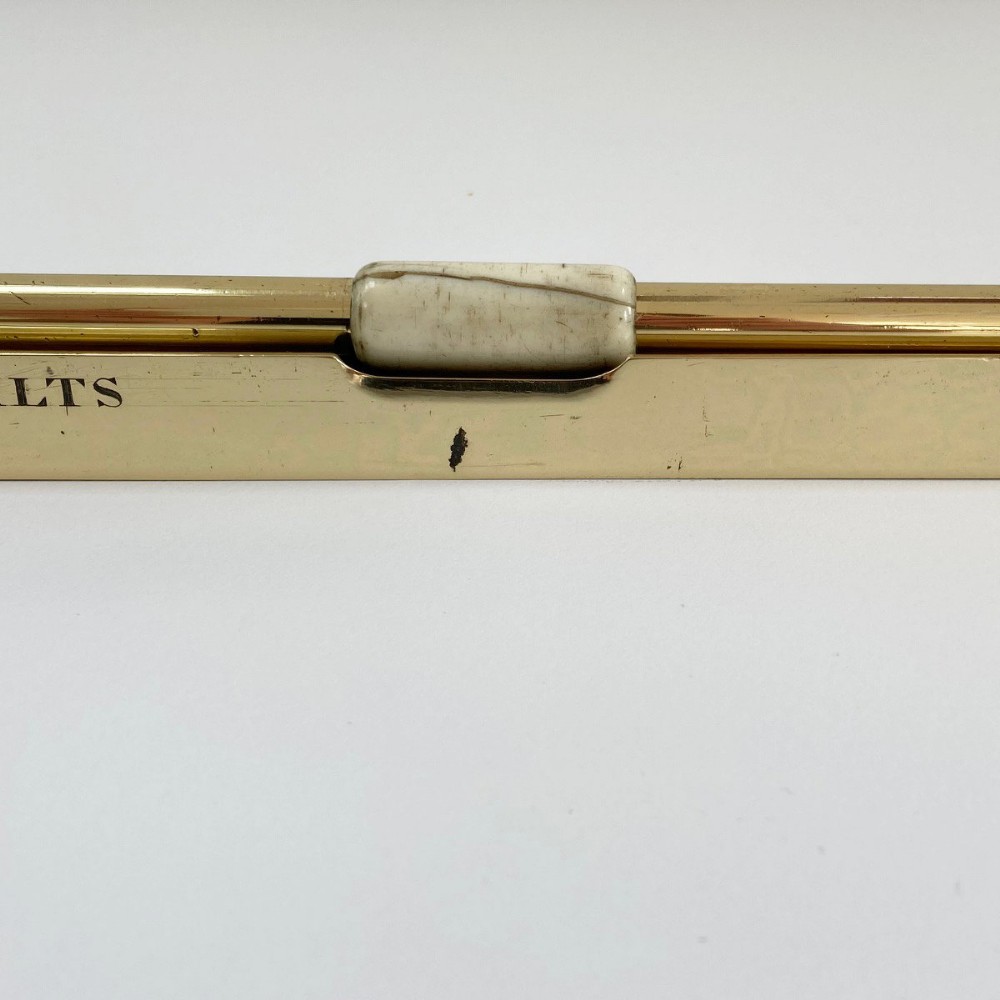
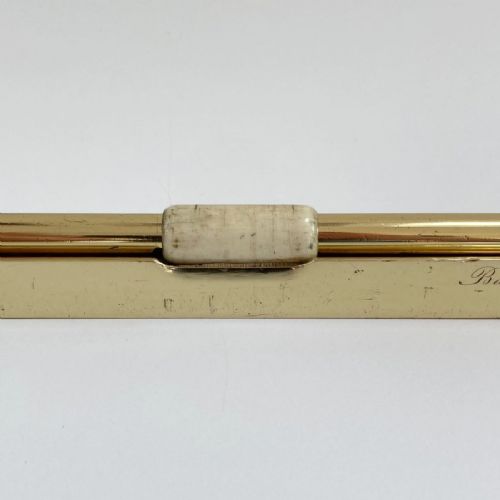
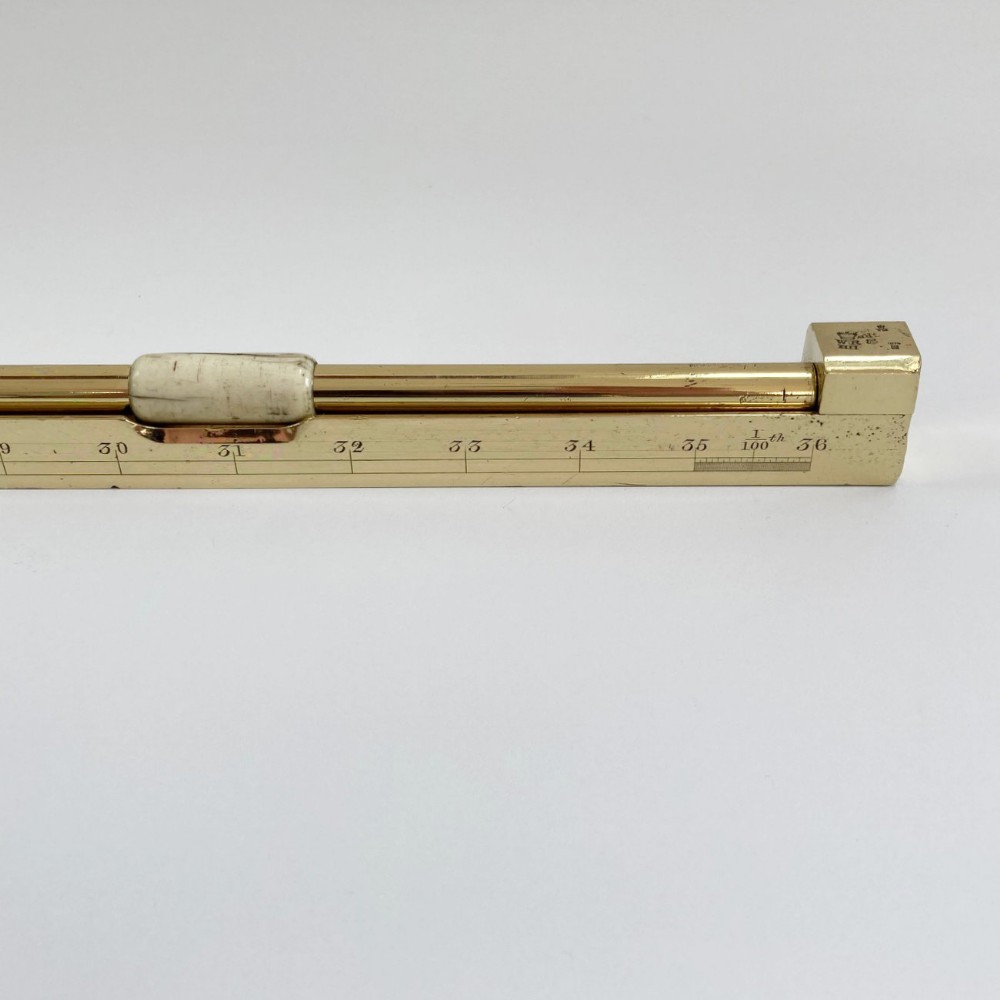
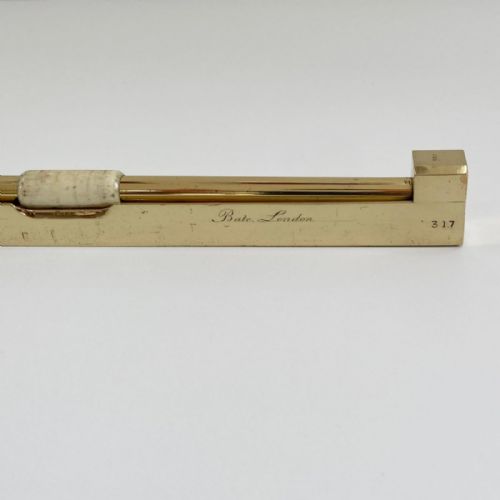
This larger square shaped bar of brass has an upstand at either side and a fluted base in order that the yard can be held tightly at either end and removed as necessary. The two ivory grips on the bar allowing for some hand tension to be exerted for removal.
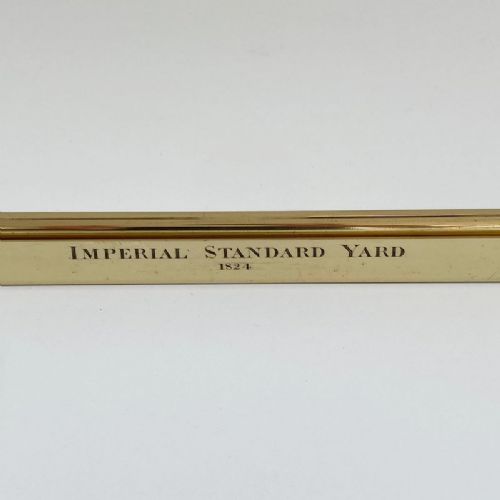
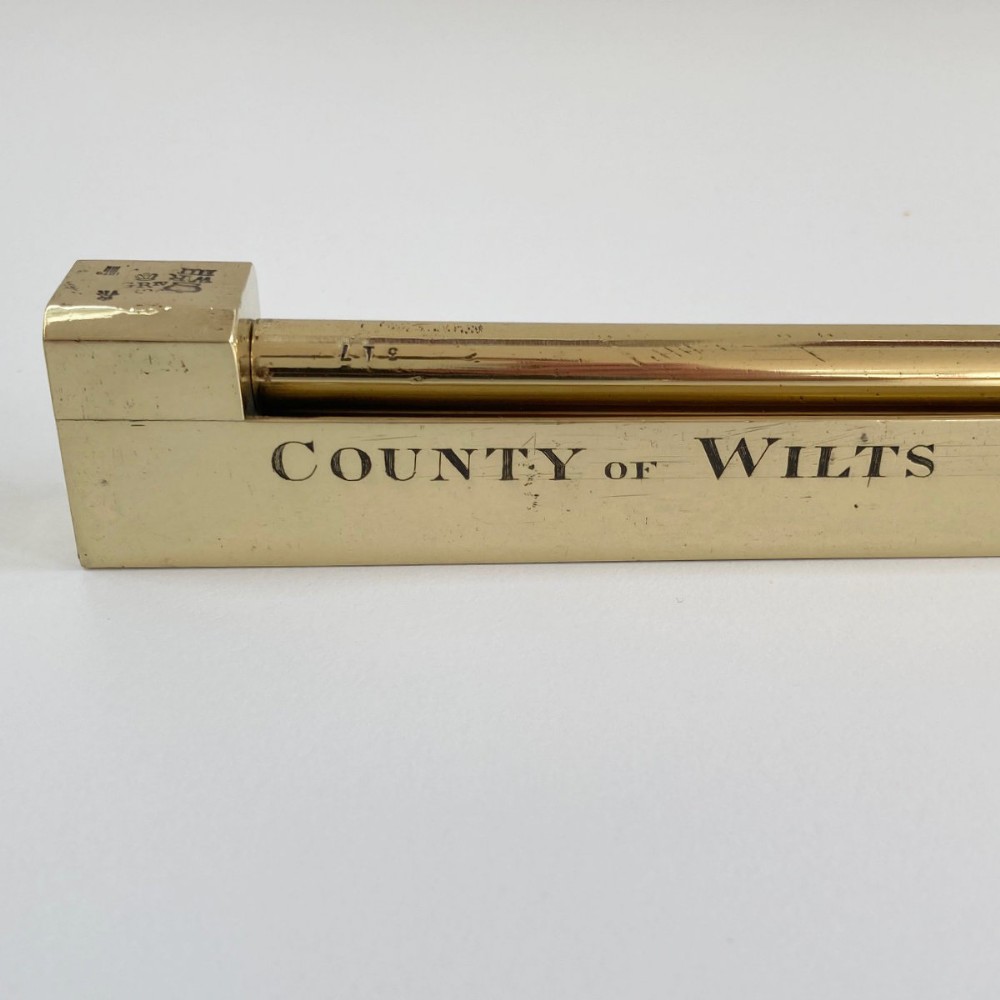
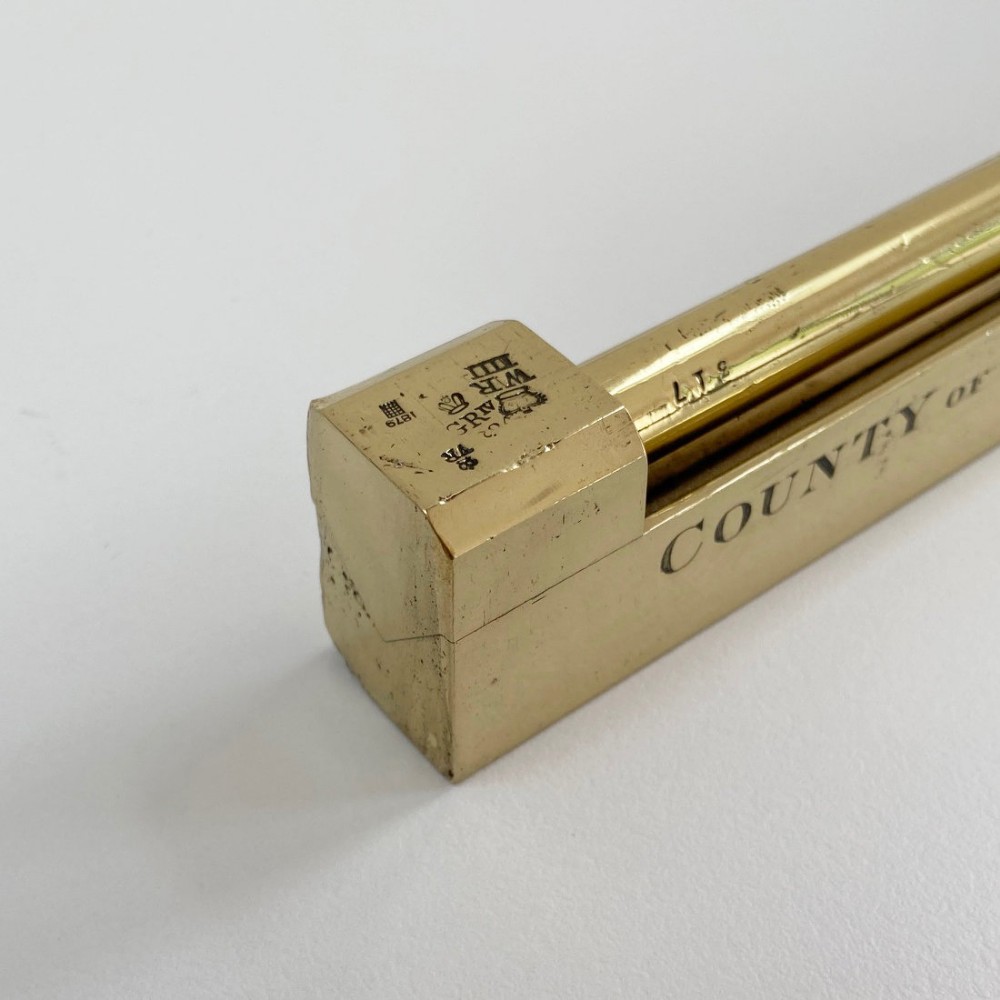
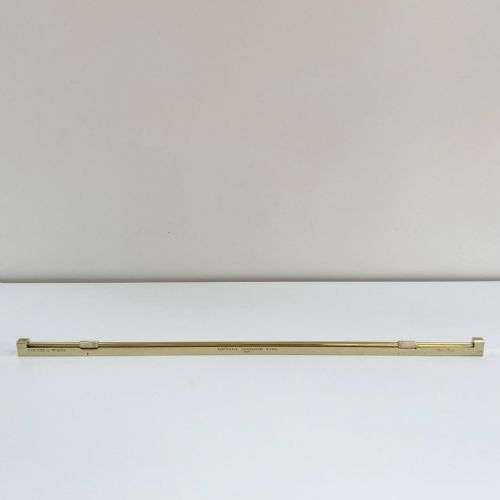
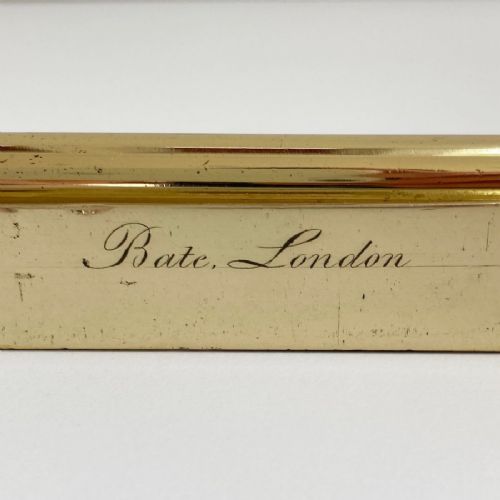
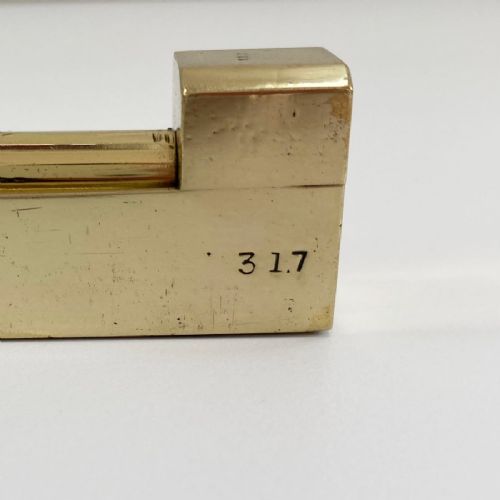
The bar itself is marked with the indenture number 317 as is the front of the base. The base also bears engraving stating, “Imperial Standard Yard – 1824” with the maker’s name, Bate London to the right and County of Wilts to the left denoting which Governmental County for which it was intended.
The reverse of the base is also engraved with an inch scale with the first and last inch divided into hundreds of an inch, the second inch divided into twelfths of an inch and the third inch divided into sixteenths of an inch.
The upright ends which hold the yard in place are numerously stamped with exchequer marks up to 1879 and also bear the royal ciphers for George IV, William III and Queen Victoria.
This is a truly rare example of a standard yard and is from the same batch of measures as are separately advertised on my website, the following detail will I hope help in explaining why these pieces have more than ordinary appeal.
The maker, Robert Brettell Bate was a very high quality manufacturer of scientific instruments working in the early part of the Nineteenth Century. Born in 1782, to a family of Bankers in Stourbridge, he initially travelled to London to become a Haberdasher under his Uncle Robert Brettell. His Aunt, Mary Brettell had also moved to London some years before after meeting and subsequently marrying Bartholomew Sikes an excise officer who had been working in Stourbridge. It was the latter circumstances that would eventually enable Robert Bate’s meteoric career.
Whilst undertaking his work for the Government, Sikes had for many years been endeavouring to make design improvements to the Clarke’s hydrometer which was considered somewhat inaccurate. His petitioning of the Government finally saw some success when HM Excise formed a committee headed up by the famous scientist William Hyde Wollaston to judge the effectiveness of nine new hydrometer designs. In 1803 at the age of 73, Sikes was finally awarded the Excise contract but died almost immediately after, leaving the Government contract award in limbo.
In 1804, Robert Bate married his cousin, the daughter of his aunt Mary and Bartholomew Sikes and through successful petitioning by the family, the Board of Excise finally agreed in 1807 to honour the original 1802 contract. Bate’s new company had premises at 17 Poultry and by 1814 he had become a member of the Spectacle Maker’s Company of London. Having not undertaken an apprenticeship in scientific instrument making, this was a somewhat unusual circumstance but clearly proves the success that the hydrometer contract had brought him by this point.
The hydrometer Act of 1818 saw Bate undertaking further saccharometer and hydrometer improvements with William Hyde Wollaston for which patents were applied. This new focus on improving accuracy resulted in a Governmental Commission being set up in the same year and eventually led to the new Weights and Measures Act of 1824 which sought to unify standards across The British Isles.
It stated in part:
“And whereas not withstanding it is provided by the Great Charter, that there shall be but one Measure and one
Jason Clarke Antiques has dated this piece to the 1800s.
You can view the stock and full dealer information on the Jason Clarke Antiques Profile Page
Rare First Year Governmental Standard Yard Measure by Bate London - 1824