It was listed by Jason Clarke Antiques. Sold pieces stay on Sellingantiques as a record of what has passed through, and the next one is rarely far away.
Jason Clarke Antiques has dated this piece to the 1800s.
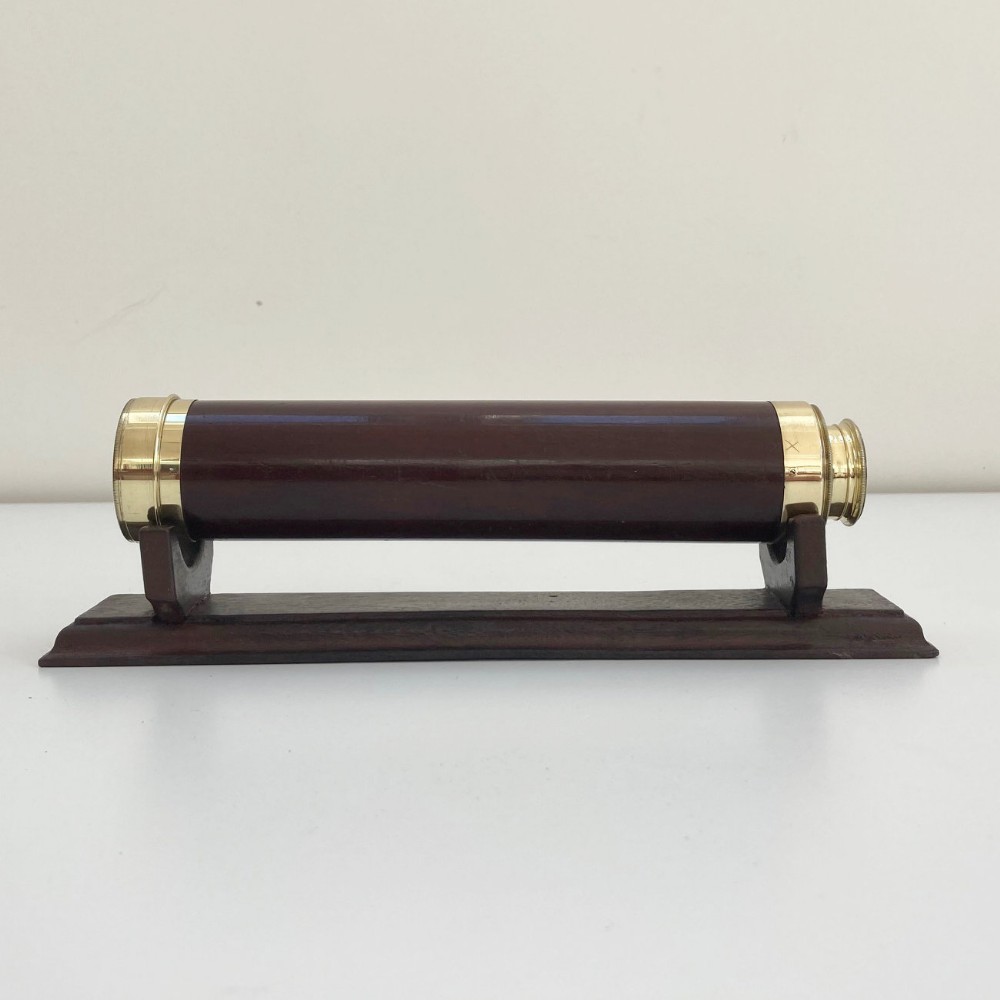
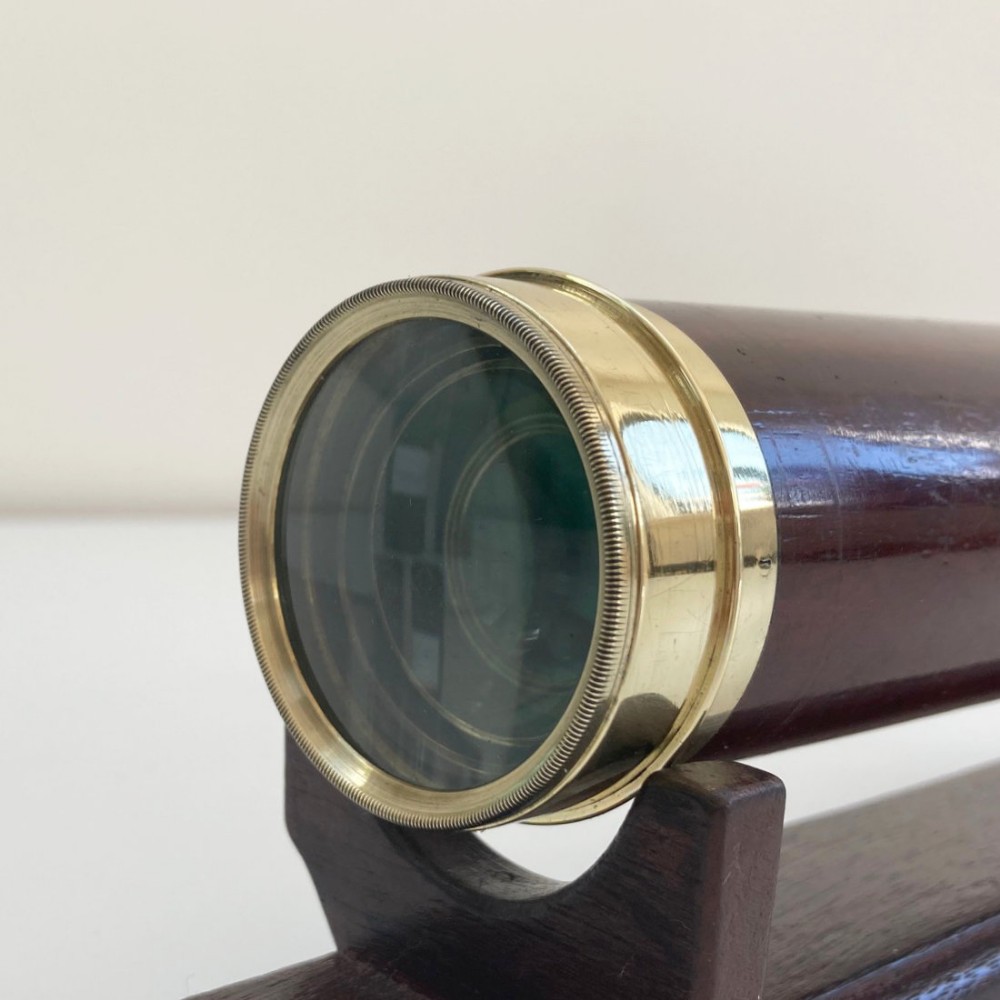
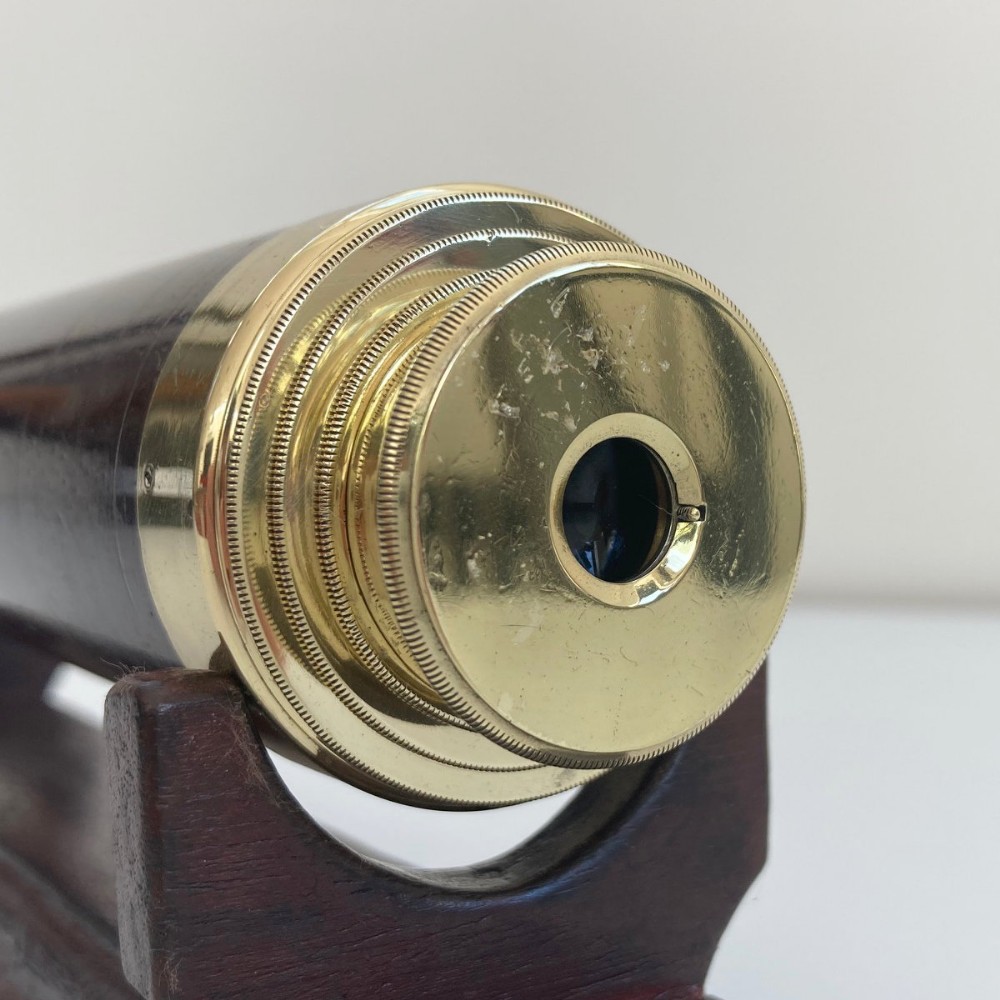
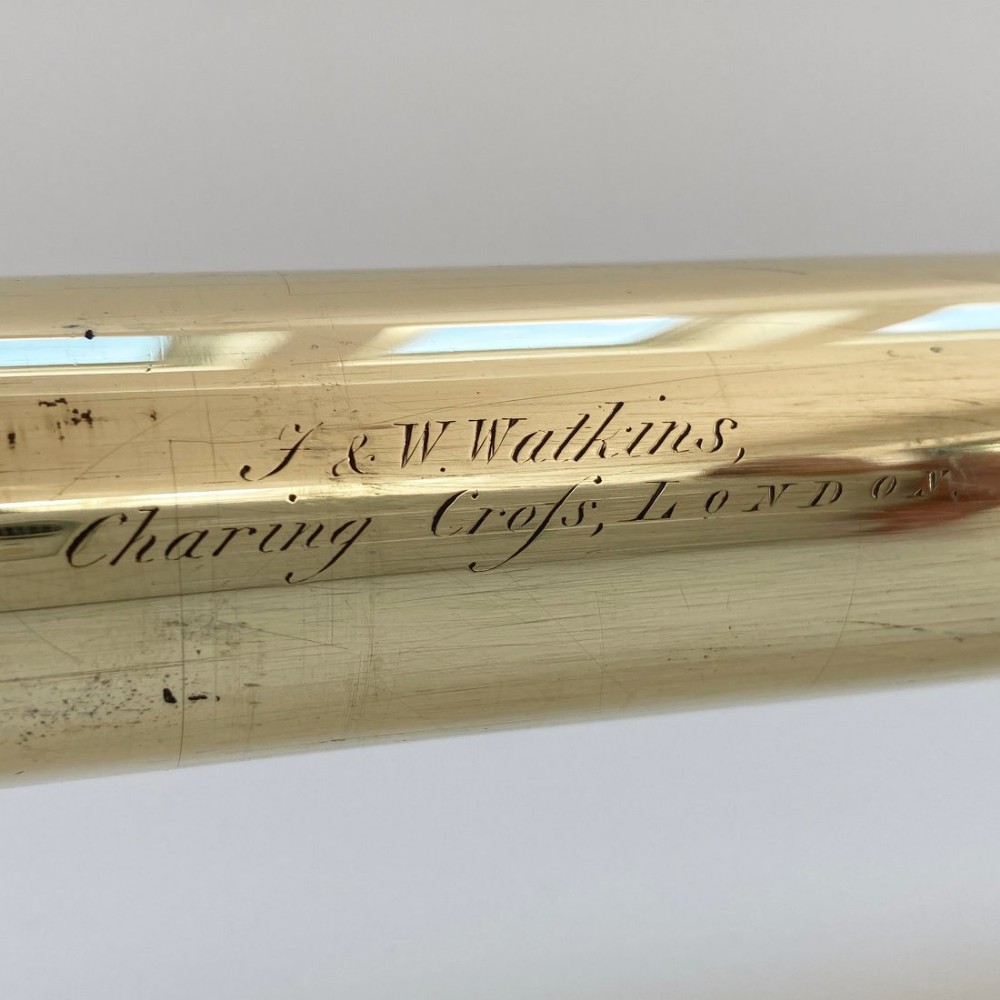
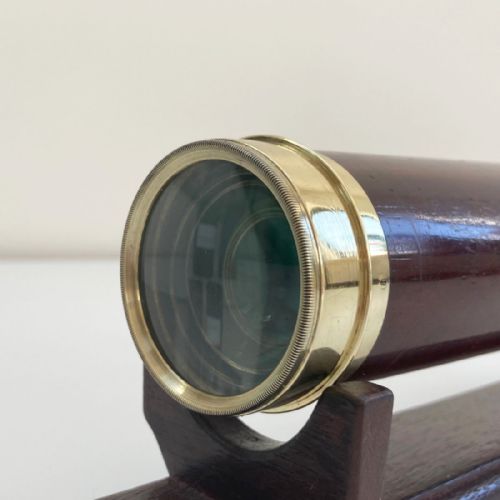
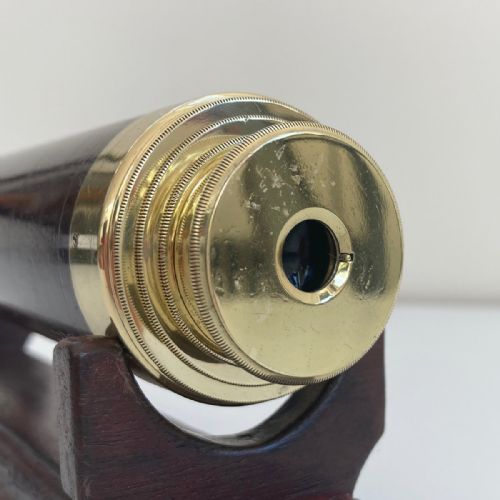
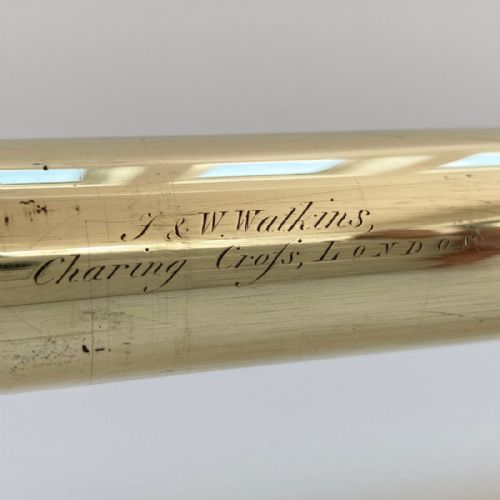
The telescope retains its original dust slide to the eyetube and is finely engraved to the makers, “J&W Watkins, Charing Cross, London”. The brasswork is very well executed and as a sign of quality has a small hole to the largest draw in order to aid the passage of air when the telescope is extended and contracted.
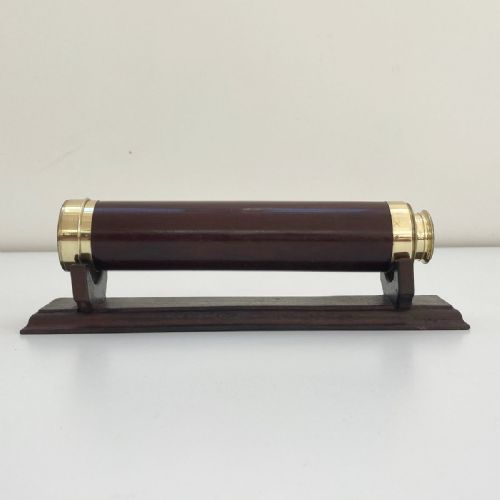
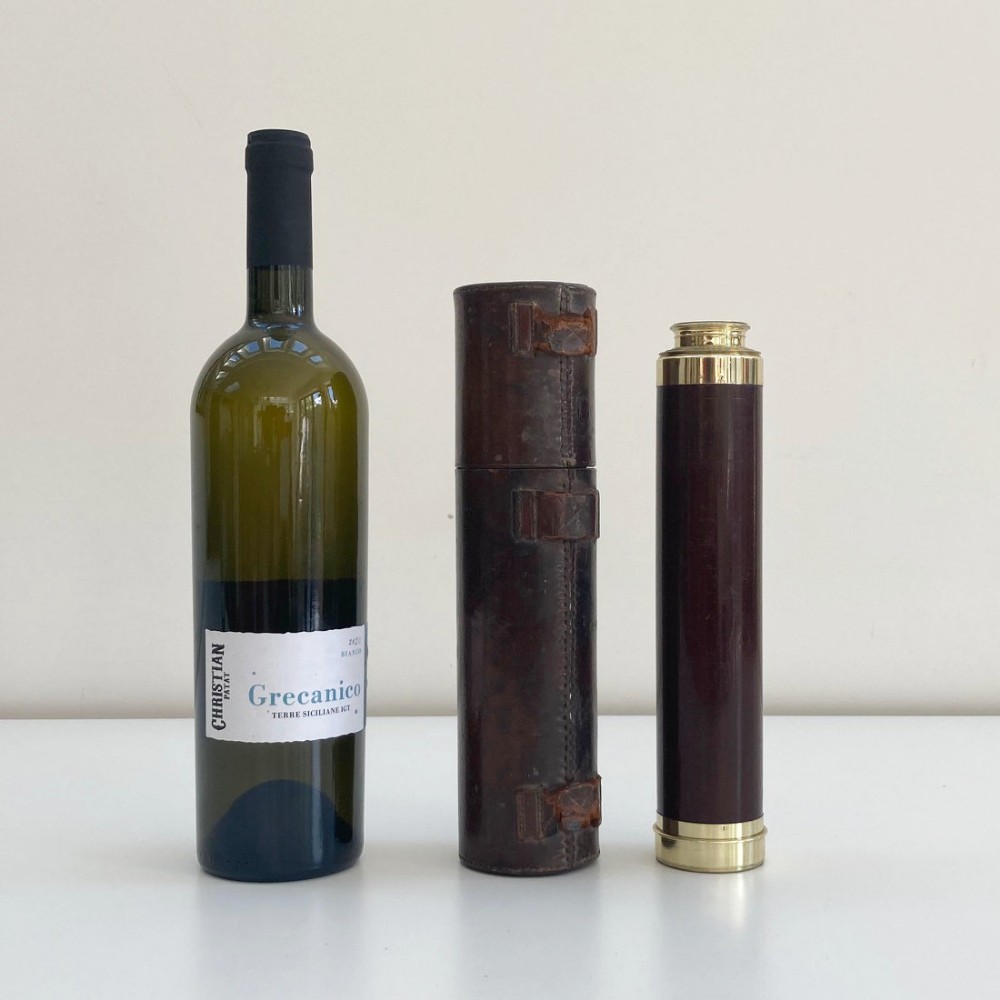
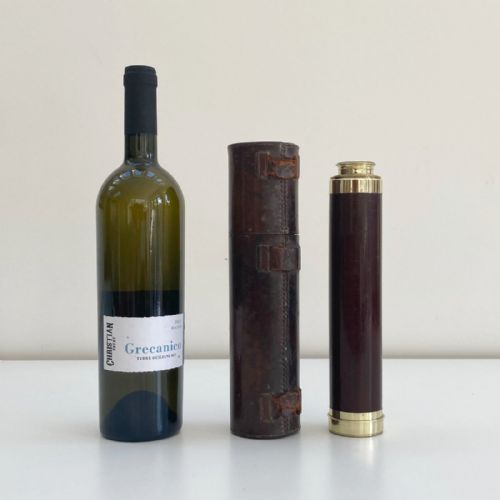
The telescope also retains its original two part leather carrying case which remains in good solid condition with a wonderful patina to the exterior its original decorative cloth interior intact.
A fine example from a very prestigious London instrument making family.
The Watkins dynasty traces its roots back to the apprenticeship in 1737 of the renowned scientific instrument maker, Francis Watkins under a Nathaniel Adams. Watkins was granted his freedom of The Spectacle Maker’s Company in 1746 and opened premises using the sign of Sir Isaac Newton’s head in Charing Cross. Shortly after, he took on Addison Smith as an apprentice (later to become his son in law) and with whom he was to form a life-long partnership and or business relationship with shops in both Charing Cross and The Strand.
By 1758 the equally famous Dollond family had entered into a partnership agreement with Francis Watkins for the marketing and selling of the new lenses that solved the issue of both chromatic and spherical aberration encountered in telescope lenses, and Watkins as part of the deal, helped fund and arrange for the patent to be lodged.
The ensuing saga and various court proceedings are well renowned for the ferocity with which Peter Dollond sought to protect his father’s patent following his death but suffice to say that the messy business was to some extent career defining for both Watkins and Smith as their close involvement and the continuing repercussions of the argument about Dollond’s rights to the achromatic lens patent dragged on for the rest of their lives and beyond.
Watkins was a shrewd businessman and whilst being one of the foremost scientific instrument makers of the period, he also took a keen interest in property. It was more likely this latter interest that allowed Watkins to retire in 1785 to Richmond with his wife. Without an heir, the business was taken over by his nephews Jeremiah and Walter and they assumed ownership of the Charing Cross property and various other assets upon Francis’s death in 1791. During their short trading period, the partners served both the Duke of York and Duke of Clarence, the future William IV.
Just seven years later in 1798, Walter also died at Charing Cross from apoplexy and Jeremiah continued to run the family business until his own death in February of 1810 whereafter the business continued under family ownership beginning with Jeremiah’s widow Charlotte, then a John Watkins and finally Francis Watkins III. This younger name sake of the company’s founder was of too young an age to immediately take the reigns of this prestigious company and it was supported through this period by William Hill, a long standing employee of the Watkin’s family (since 1798) and his support was the reason for the resulting partnership.
The partnership of Francis Watkins III and William Hill was certainly effective from the early 1820’s and Watkins himself became a respected expert in his field, establishing relationships with the likes of Faraday, Babbage and Wheatstone. The company continued to thrive until the death of both partners, Hill in 1846 and Watkins in 1847 but it remained a going concern under the stewardship of an Abraham Day on behalf of Francis’s widow Mary-Ann Watk
Jason Clarke Antiques has dated this piece to the 1800s.
You can view the stock and full dealer information on the Jason Clarke Antiques Profile Page
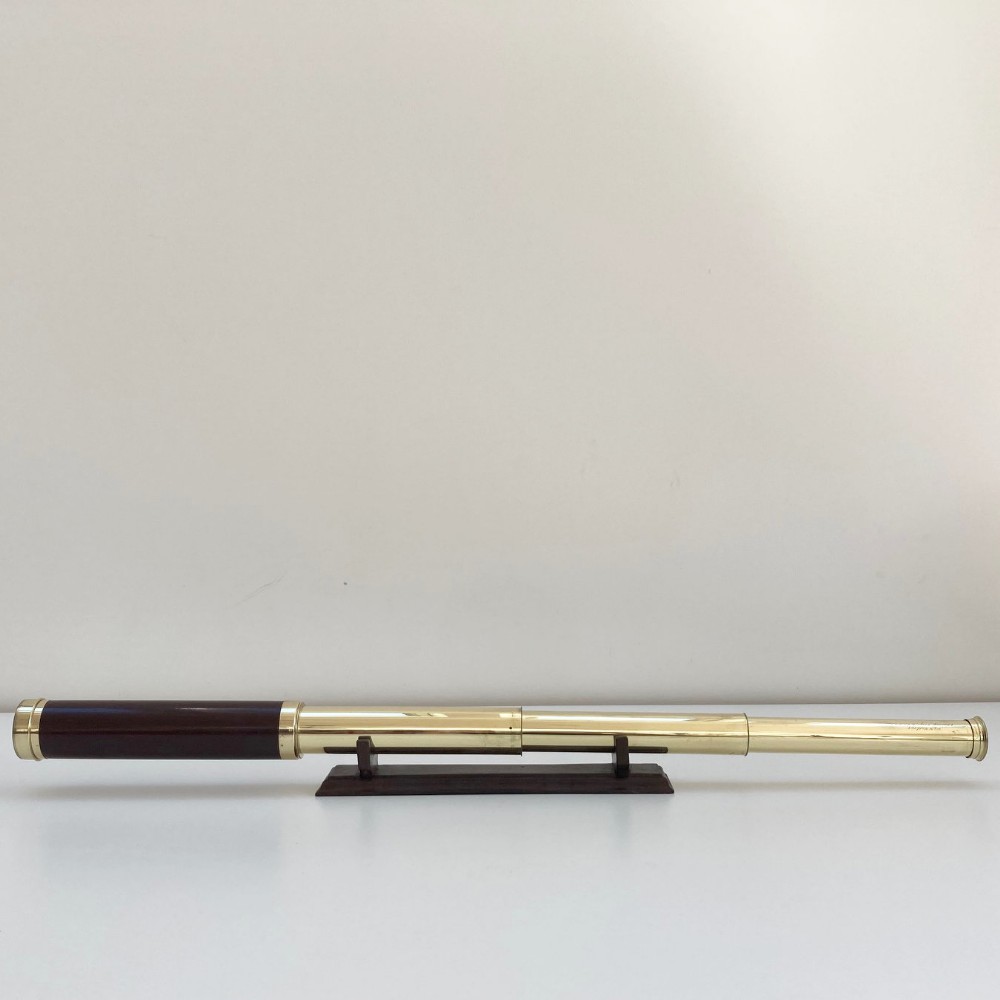
Late Eighteenth Century Three Draw Telescope by J&w Watkins of Charing Cross