7,005  PAGES BROWSED TODAY PAGES TODAY 0 ANTIQUES UPLOADED TODAYNEW ARRIVALS
LATEST STOCK
Sort Order
Items Per Page
Browse Categories
Sort order
Items per page
ID #SA826515
SOLD
Email
Save
Napoleonic Period Cased Marine Telescope by Gilbert & Sons London
Jason Clarke Antiques
sold SA826515
Sorry, but this item has been sold.
Jason Clarke Antiques

Jason Clarke Antiques

Sellingantiques Verified Since Jul 2015
View Dealers Stock Page
Id #SA826515
PDF SHARE
SAVE

Napoleonic Period Cased Marine Telescope by Gilbert & Sons London

19th century
Description

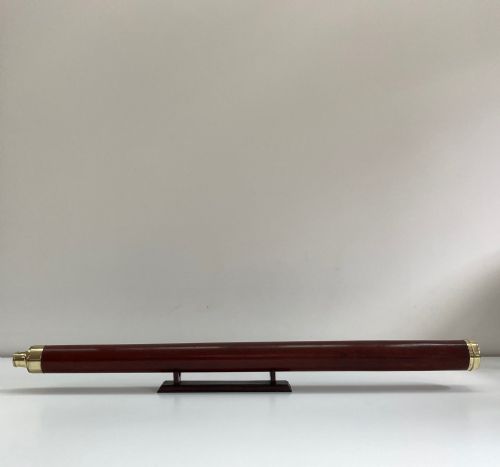
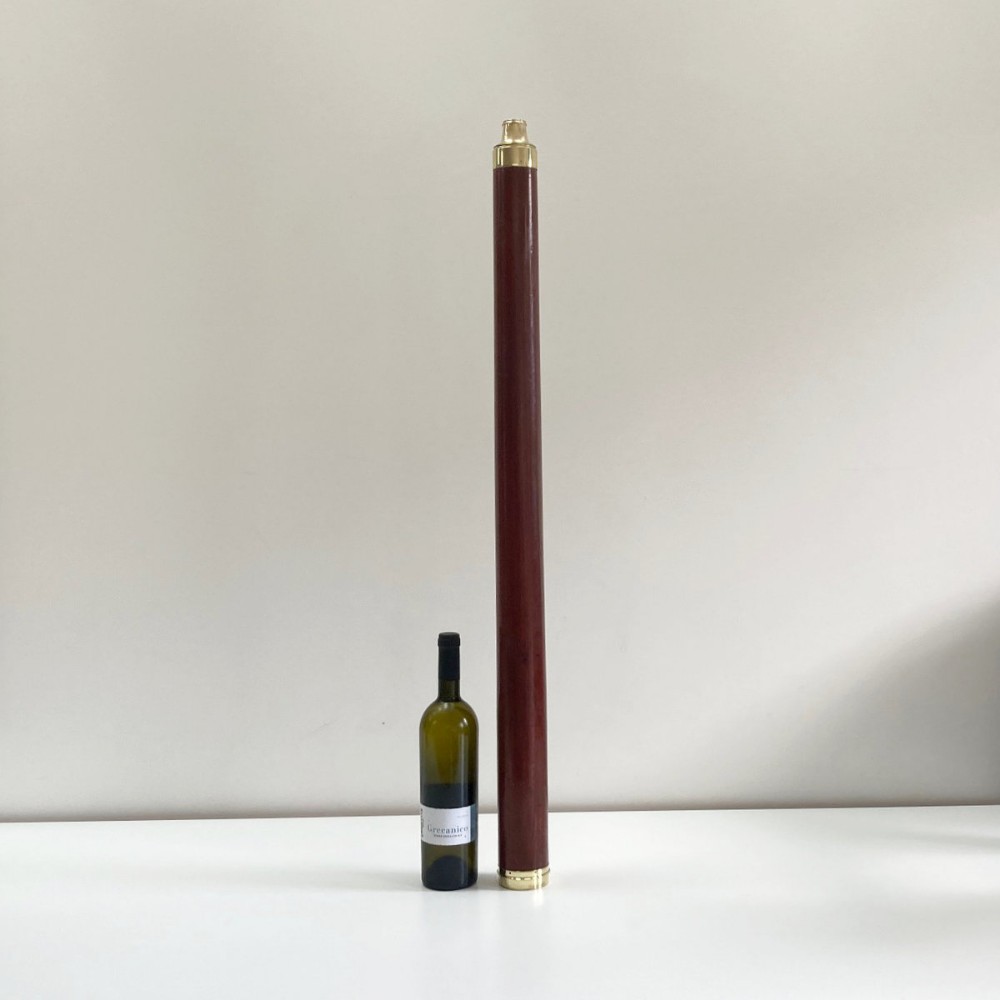
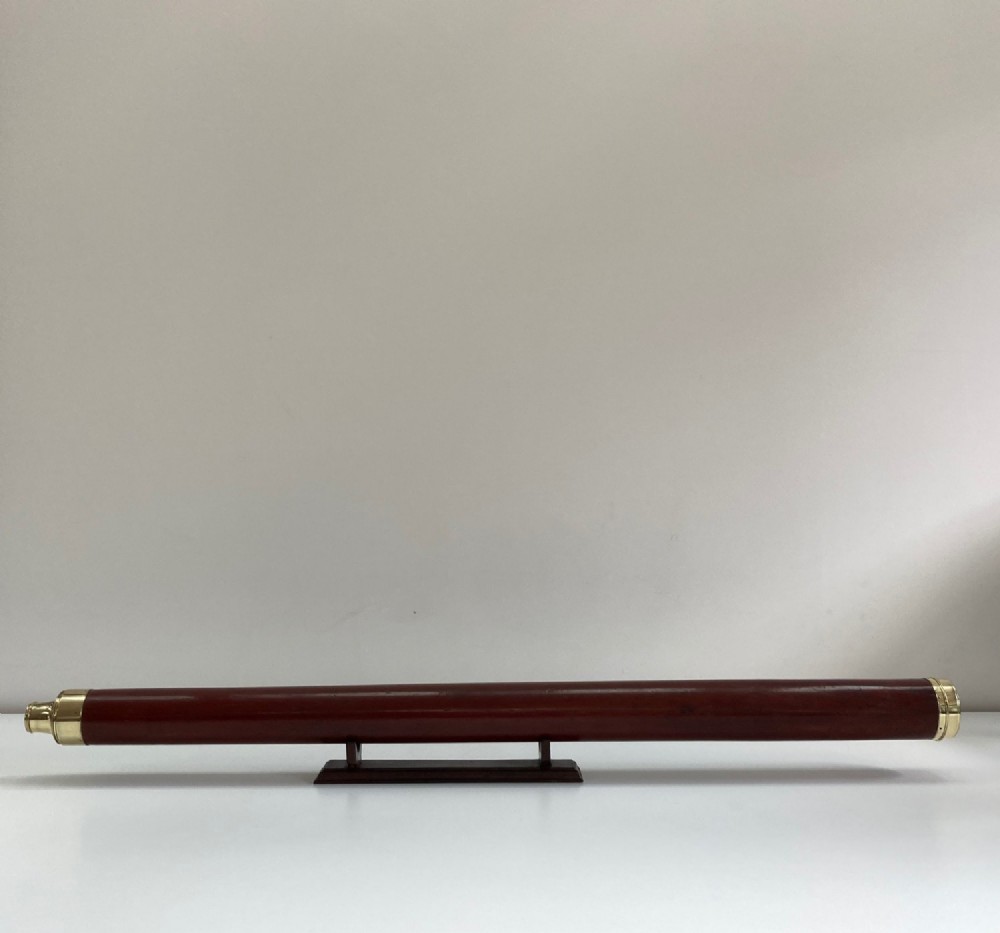
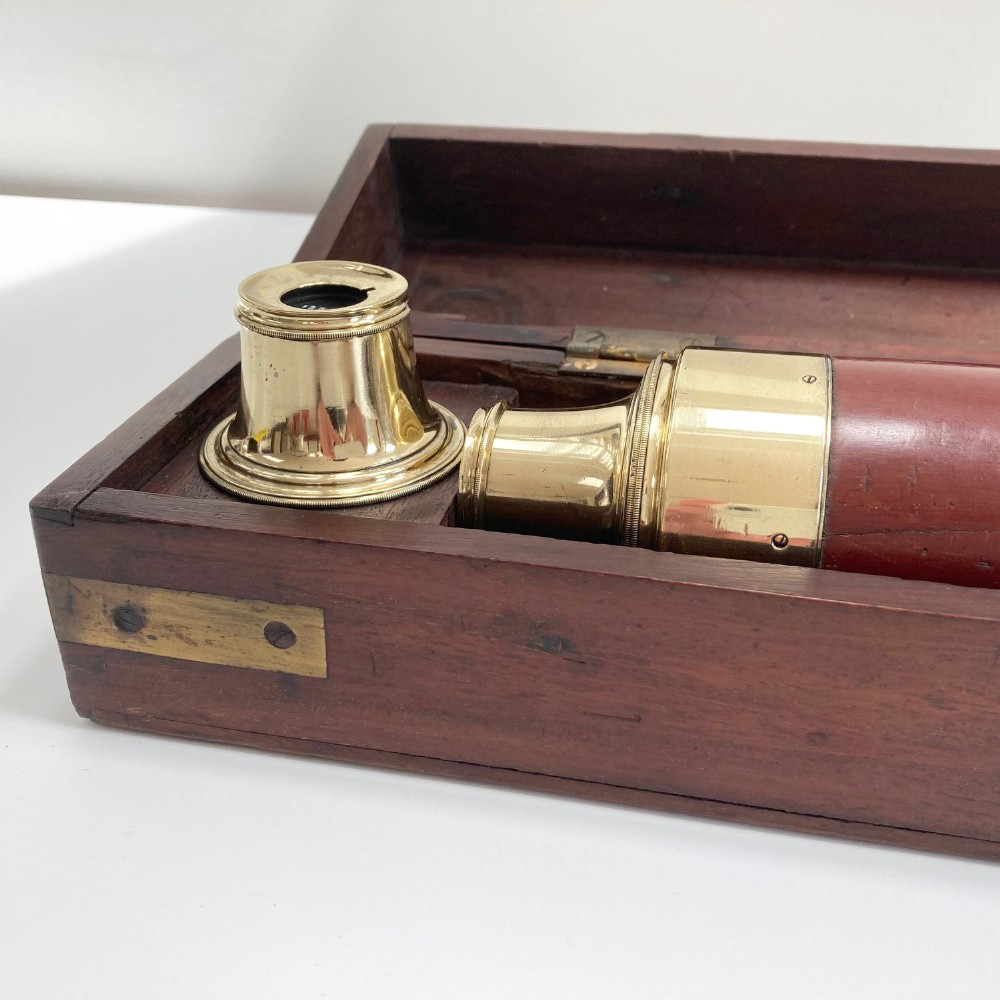
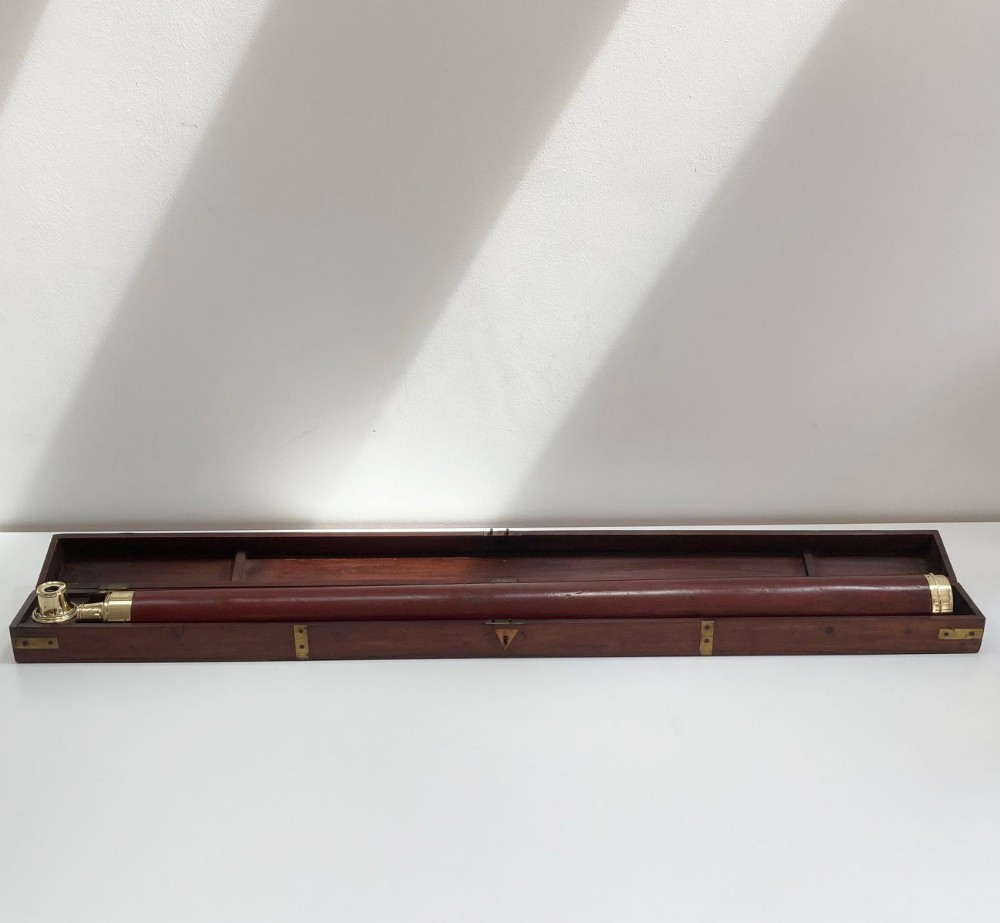
For sale, a Napoleonic period mahogany cased single draw marine telescope by Gilbert & Sons London.

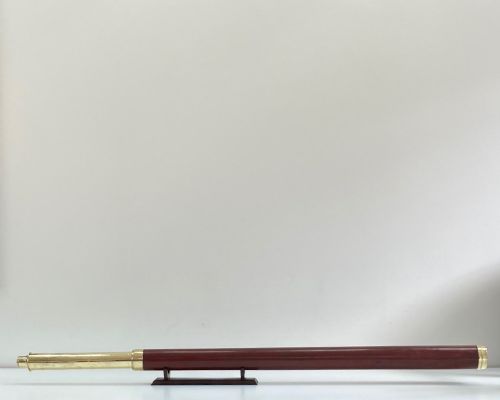
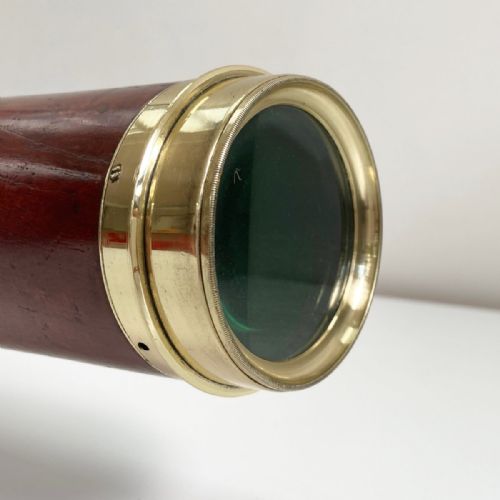
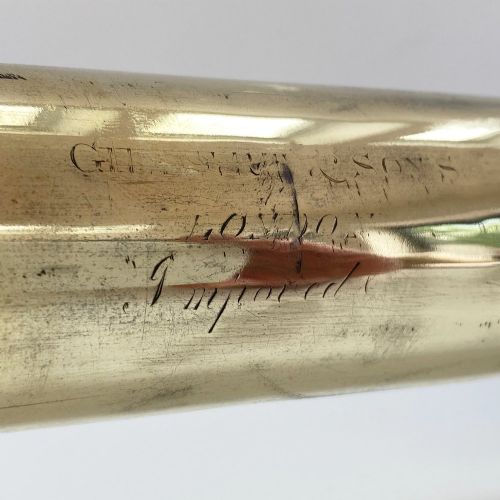
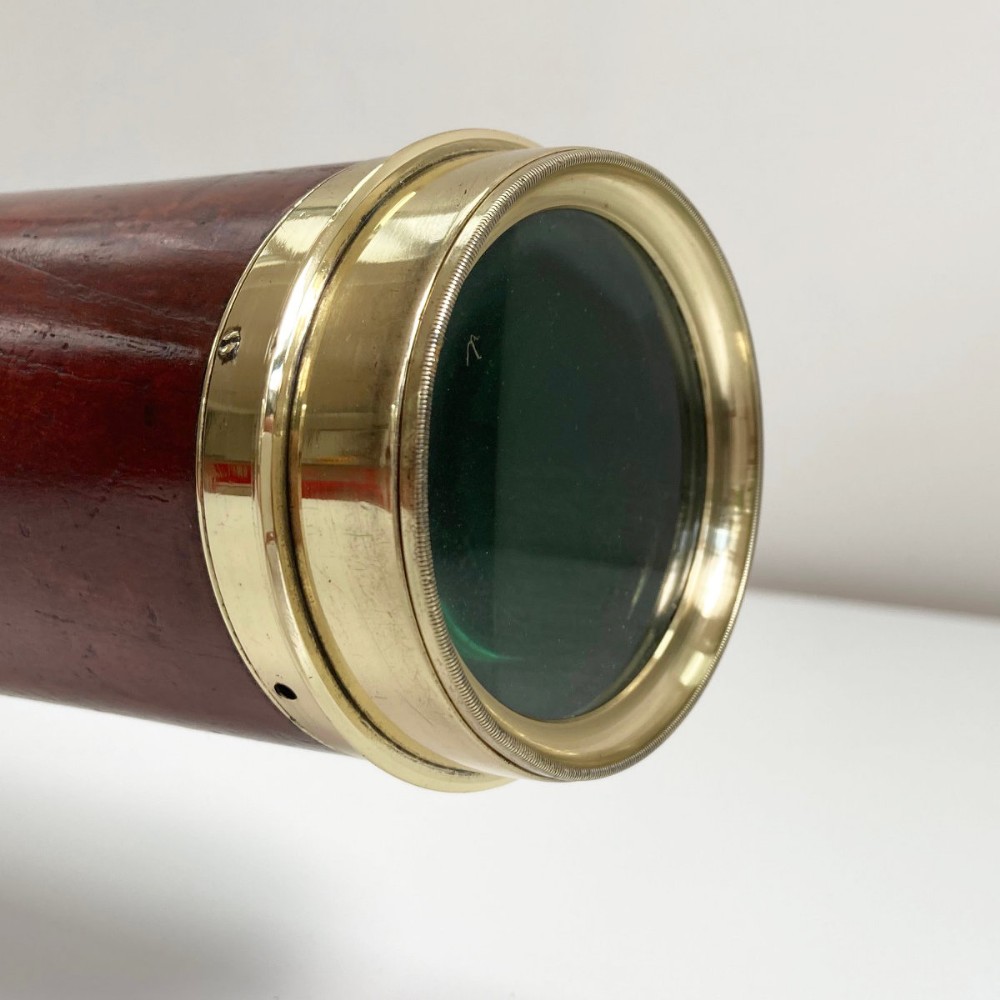
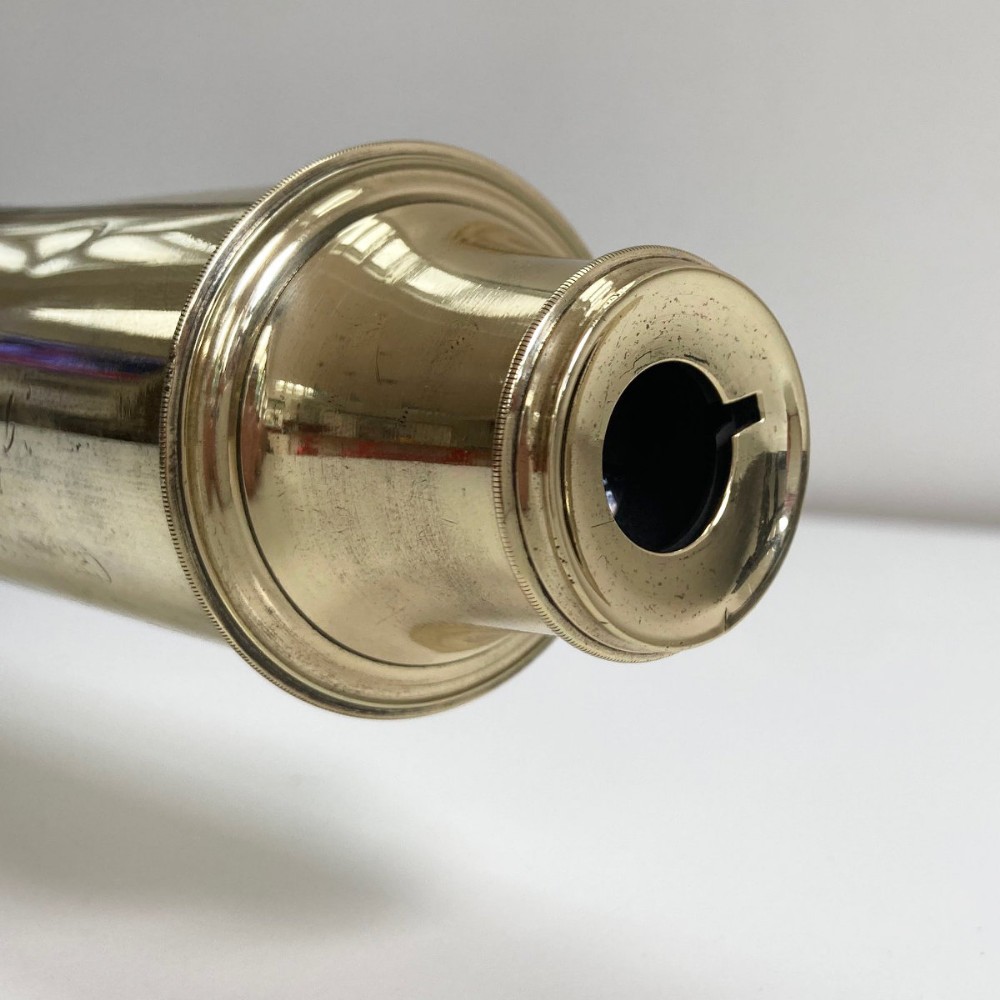
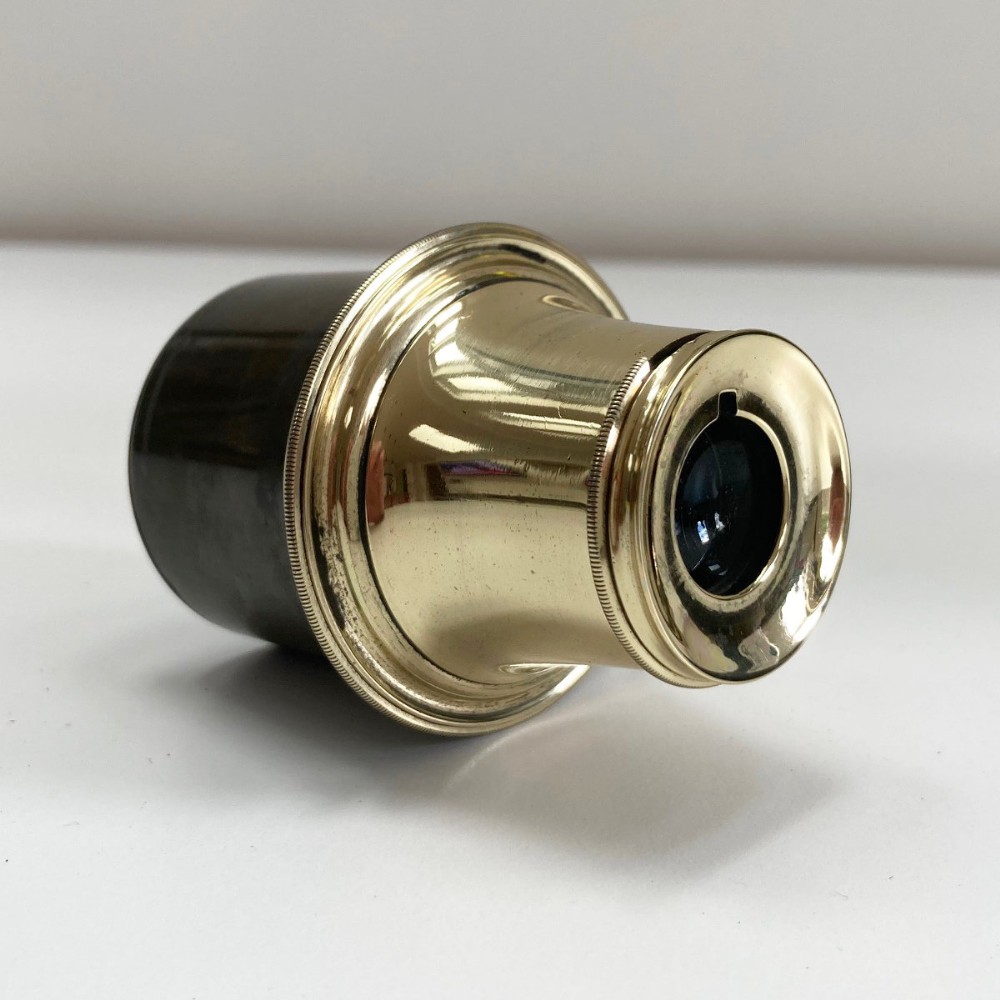
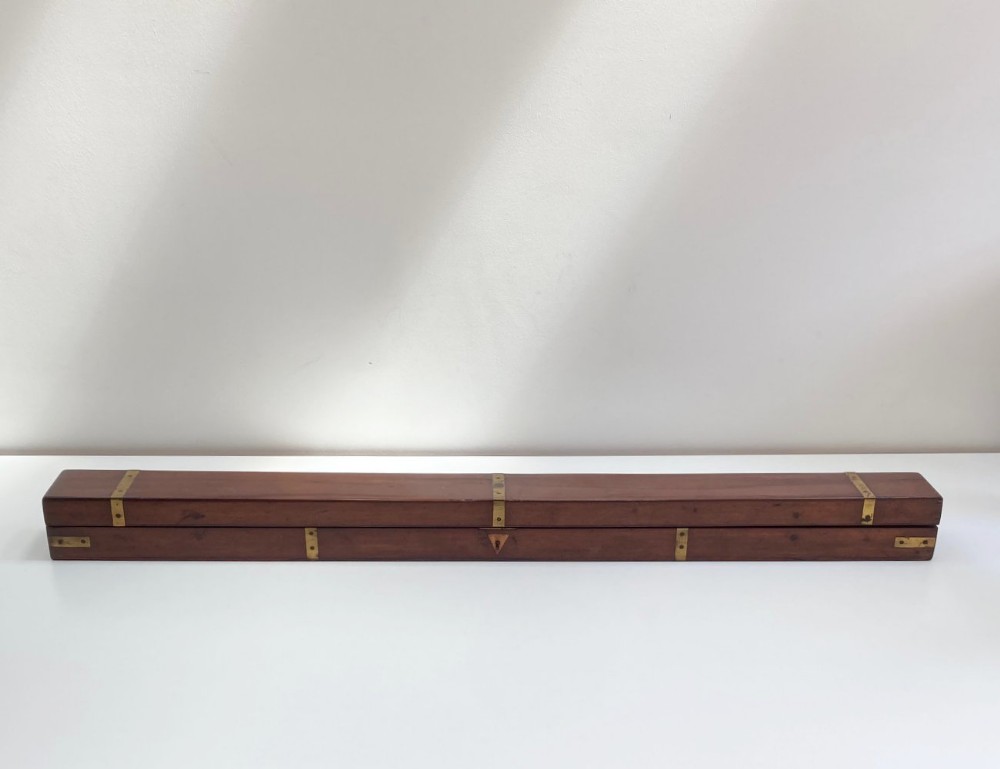
Enclosed in its original fitted campaign mahogany case, this superb George III telescope is comprised of a mahogany barrel with brass fittings measuring 98cms when closed, 124cms when fully drawn and holds a two inch objective lens. The single draw is manufactured without a backstop in similarity with marine night glass designs of the period and has an early example of a graduated eyepiece. The draw is engraved with the maker’s name of Gilbert & Sons London with “improved” below. The case also comes complete with it original secondary eyepiece for higher powered magnification.
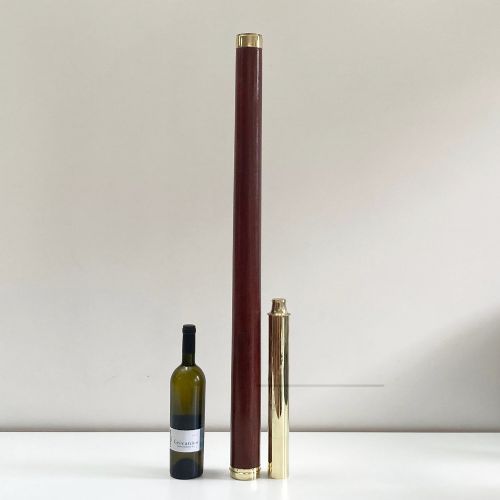
This design of telescope had been produced by Gilbert from circa 1793 and was conceived during his partnership with James Gilkerson which began in that year. Examples by Gilbert & Gilkerson are noted as being engraved as “Improved Sea Telescope” so the reduction to “Improved” on this example suggests a later attempt to market the telescope to a wider audience. The removal of the maritime focus may have tempted those without their sea legs! As is related below, the partnership with Gilkerson seemed to overlap with Gilbert’s transition to Gilbert & Sons by three years (1806 to 1809) so it is possible that the same instruments were being marketed with slightly differing detail at the same time.
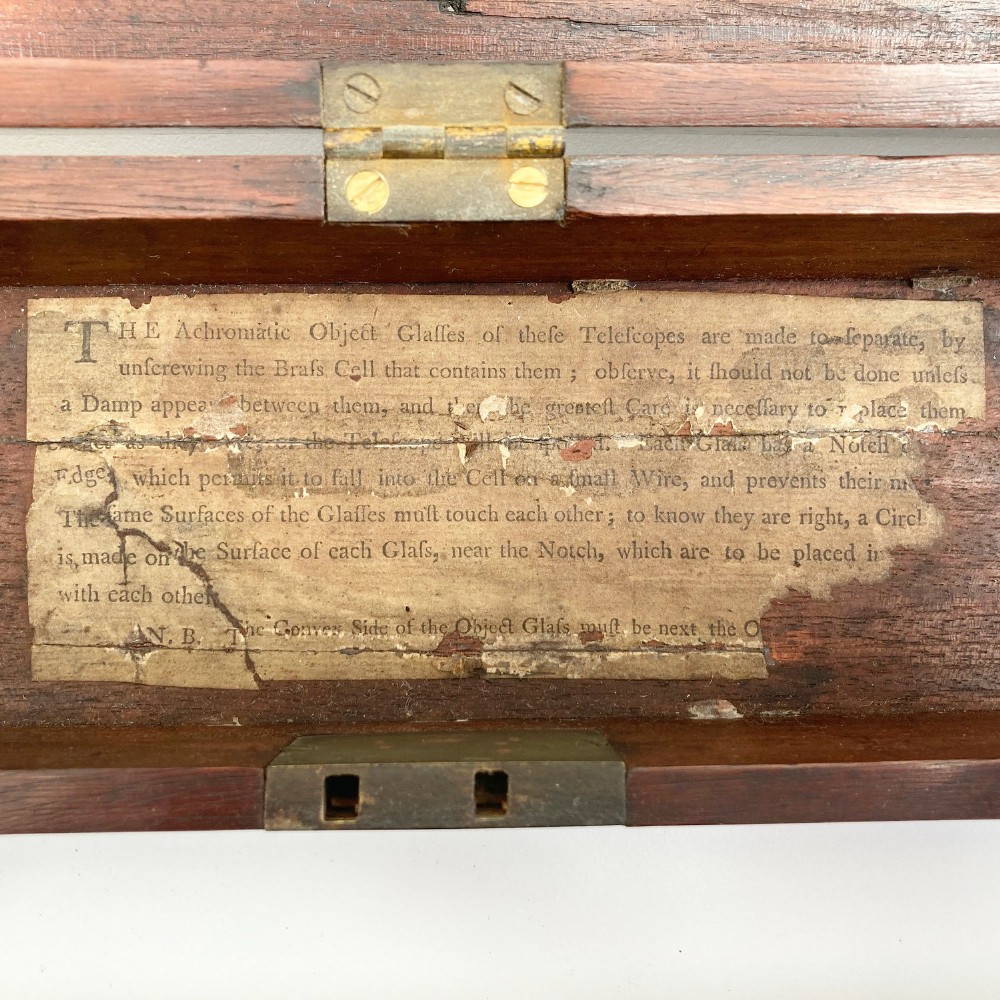
A paper label pasted to the inside of the lid is also the same as was provided in Gilbert & Glkerson examples of the period. It reads:

“The achromatic object glasses of these telescopes are made to separate, by unscrewing the brass cell that contains them; observe it should not be done unless a damp appears between them, and then the greatest care is necessary to relplace them exact as they were, or the telescope will be spoiled. Each glass has a notch on the edge, which permits it to fall into the cell on a small wire, and prevents their moving. The same surfaces of the glasses must touch each other; to know they are right, a circle (o) is made on the surface of each glass, near the notch, which are to be placed in contact with each other.
N.B The convex side of the object glass must be next the object viewed”

A hugely interesting marine telescope. Some wear to the first draw requisite with age but a working example from a very famous marine instrument making family of the period.
During the eighteenth and early nineteenth centuries, the Gilbert family of Tower Hill carried a huge reputation, rivalling that of the Dollond and Ramsden for their skill of manufacture. The first family member to come to prominence as a scientific instrument maker was John Gilbert Snr. After beginning an apprenticeship in 1709 with a John Johnson he began trading after the customary seven years in 1716, entering the Company of Grocers. In 1726, he is referred to by the scientist, John Peter Biester as the chosen maker for his “Portatoris”, an instrument intended to solve the issue of longitude by observing the moon’s distance from a known star as it crossed the meridian. Clearly the device was not ultimately successful for Biester but he was confident enough to show his work to Isaac Newton and The Royal Society which should give you a flavour of the circles in which the elder John Gilbert was already moving.
Amongst a number of apprentices, his son John Gilbert the younger was enrolled in 1736 and following his eventual freedom in the early 1740’s, the family traded as Gilbert & Son and notably acquired the sole rights to manufacture and sell John Hadley’s hugely popular patent reflecting quadrant. The elder Gilbert’s date of death is not recorded but he became a member of the Livery of the Grocer’s Company in 1749 alongside notable instrument makers Thomas Heath and the hugely renowned George Adams of Fleet Street.

It seems fairly certain that the younger was tra

Physical Dimensions
Height
108cm (42.52")
Width
9cm (3.54")
Depth
9cm (3.54")
Declaration

Jason Clarke Antiques has dated this piece to the 1800s.

Reference Numbers
Sellingantiques Reference
SA826515
Description
For sale, a Napoleonic period mahogany cased single draw marine telescope by Gilbert & Sons London.

Enclosed in its original fitted campaign mahogany case, this superb George III telescope is comprised of a mahogany barrel with brass fittings measuring 98cms when closed, 124cms when fully drawn and holds a two inch objective lens.

The single draw is manufactured without a backstop in similarity with marine night glass designs of the period and has an early example of a graduated eyepiece.
Jason Clarke Antiques

The draw is engraved with the maker’s name of Gilbert & Sons London with “improved” below. The case also comes complete with it original secondary eyepiece for higher powered magnification.

fig 1. Napoleonic Period Cased Marine Telescope by Gilbert & Sons London

This design of telescope had been produced by Gilbert from circa 1793 and was conceived during his partnership with James Gilkerson which began in that year. Examples by Gilbert & Gilkerson are noted as being engraved as “Improved Sea Telescope” so the reduction to “Improved” on this example suggests a later attempt to market the telescope to a wider audience. The removal of the maritime focus may have tempted those without their sea legs! As is related below, the partnership with Gilkerson seemed to overlap with Gilbert’s transition to Gilbert & Sons by three years (1806 to 1809) so it is possible that the same instruments were being marketed with slightly differing detail at the same time.

fig 2. Napoleonic Period Cased Marine Telescope by Gilbert & Sons London

A paper label pasted to the inside of the lid is also the same as was provided in Gilbert & Glkerson examples of the period. It reads:

“The achromatic object glasses of these telescopes are made to separate, by unscrewing the brass cell that contains them; observe it should not be done unless a damp appears between them, and then the greatest care is necessary to relplace them exact as they were, or the telescope will be spoiled. Each glass has a notch on the edge, which permits it to fall into the cell on a small wire, and prevents their moving. The same surfaces of the glasses must touch each other; to know they are right, a circle (o) is made on the surface of each glass, near the notch, which are to be placed in contact with each other.

fig 3. Napoleonic Period Cased Marine Telescope by Gilbert & Sons London

N.B The convex side of the object glass must be next the object viewed”

A hugely interesting marine telescope. Some wear to the first draw requisite with age but a working example from a very famous marine instrument making family of the period.

fig 4. Napoleonic Period Cased Marine Telescope by Gilbert & Sons London

During the eighteenth and early nineteenth centuries, the Gilbert family of Tower Hill carried a huge reputation, rivalling that of the Dollond and Ramsden for their skill of manufacture. The first family member to come to prominence as a scientific instrument maker was John Gilbert Snr. After beginning an apprenticeship in 1709 with a John Johnson he began trading after the customary seven years in 1716, entering the Company of Grocers. In 1726, he is referred to by the scientist, John Peter Biester as the chosen maker for his “Portatoris”, an instrument intended to solve the issue of longitude by observing the moon’s distance from a known star as it crossed the meridian. Clearly the device was not ultimately successful for Biester but he was confident enough to show his work to Isaac Newton and The Royal Society which should give you a flavour of the circles in which the elder John Gilbert was already moving.

fig 5. Napoleonic Period Cased Marine Telescope by Gilbert & Sons London

Amongst a number of apprentices, his son John Gilbert the younger was enrolled in 1736 and following his eventual freedom in the early 1740’s, the family traded as Gilbert & Son and notably acquired the sole rights to manufacture and sell John Hadley’s hugely popular patent reflecting quadrant. The elder Gilbert’s date of death is not recorded but he became a member of the Livery of the Grocer’s Company in 1749 alongside notable instrument makers Thomas Heath and the hugely renowned George Adams of Fleet Street.

It seems fairly certain that the younger was tra

Height
108cm (42.52")
Width
9cm (3.54")
Depth
9cm (3.54")
Date of Manufacture

Jason Clarke Antiques has dated this piece to the 1800s.

Reference Numbers
Sellingantiques Ref
SA826515
Jason Clarke Antiques
Sellingantiques verified Since Jul 2015
Dealer Profile

You can view the stock and full dealer information on the Jason Clarke Antiques Profile Page
PDF SHARE
SAVE
Napoleonic Period Cased Marine Telescope by Gilbert & Sons London
1 / 12
Archive I Napoleonic Period Cased Marine Telescope by Gilbert & Sons London
Napoleonic Period Cased Marine Telescope by Gilbert & Sons London
Archive II Napoleonic Period Cased Marine Telescope by Gilbert & Sons London View II
Archive III Napoleonic Period Cased Marine Telescope by Gilbert & Sons London View III
Archive IV Napoleonic Period Cased Marine Telescope by Gilbert & Sons London View IV
Archive V Napoleonic Period Cased Marine Telescope by Gilbert & Sons London View V
Archive VI Napoleonic Period Cased Marine Telescope by Gilbert & Sons London View VI
Archive VII Napoleonic Period Cased Marine Telescope by Gilbert & Sons London View VII
Archive VIII Napoleonic Period Cased Marine Telescope by Gilbert & Sons London View VIII
Archive IX Napoleonic Period Cased Marine Telescope by Gilbert & Sons London View IX
Archive X Napoleonic Period Cased Marine Telescope by Gilbert & Sons London View X
Archive XI Napoleonic Period Cased Marine Telescope by Gilbert & Sons London View XI
Archive XII Napoleonic Period Cased Marine Telescope by Gilbert & Sons London View XII
Enlarged Archival View
Telephone 07815 046645
Location
Newbury
Berkshire
United Kingdom
Verified Since Jul 2015
Items For Sale 80
Items Sold 607
Jason Clarke Antiques
Verified Since Jul 2015
View Dealer Info
Location: Newbury, Berkshire, United Kingdom
Verified
Jul 2015
For Sale
80
Sold
607
Napoleonic Period Cased Marine Telescope by Gilbert & Sons London
Ref: SA826515
Napoleonic Period Cased Marine Telescope by Gilbert & Sons London
Detail View 1
Detail View 2
Detail View 3
Detail View 4
Detail View 5
Detail View 6
Detail View 7
Detail View 8
Detail View 9
Detail View 10
Detail View 11
Archival Detail
Every single antique dealer on our platform is individually approved by our internal team. We verify their professional trade history, ethical standards, and photographic quality to ensure a secure, high-standard buying environment. Upon joining, every dealer agrees to a strict 9-point code of conduct. While issues can occasionally arise, our dealers typically resolve them swiftly and directly with the buyer. In fact, since our founding in 2002, Sellingantiques has only had to step in to help resolve an issue on roughly five occasions—a true testament to the quality of our dealers and their dedication to your happiness.
Our dealers are highly experienced in packing and shipping fragile, high-value antiques. Because you are in direct contact with the dealer, you will be able to easily go through all available shipping and insurance options together to ensure your item arrives safely.
Antiques are the ultimate green purchase. By choosing historical pieces over newly manufactured goods, you completely eliminate the carbon footprint of modern mass production while preserving exceptional, timeless craftsmanship.
items
Add keywords to the filter
Price
£100
£250000
Era
Movements
Material
Origin
Stock Location
Freshness
Online Payments
Categories