3,439  PAGES BROWSED TODAY PAGES TODAY 0 ANTIQUES UPLOADED TODAYNEW ARRIVALS
LATEST STOCK
Sort Order
Items Per Page
Browse Categories
Sort order
Items per page
ID #SA720597
SOLD
Email Phone
Save
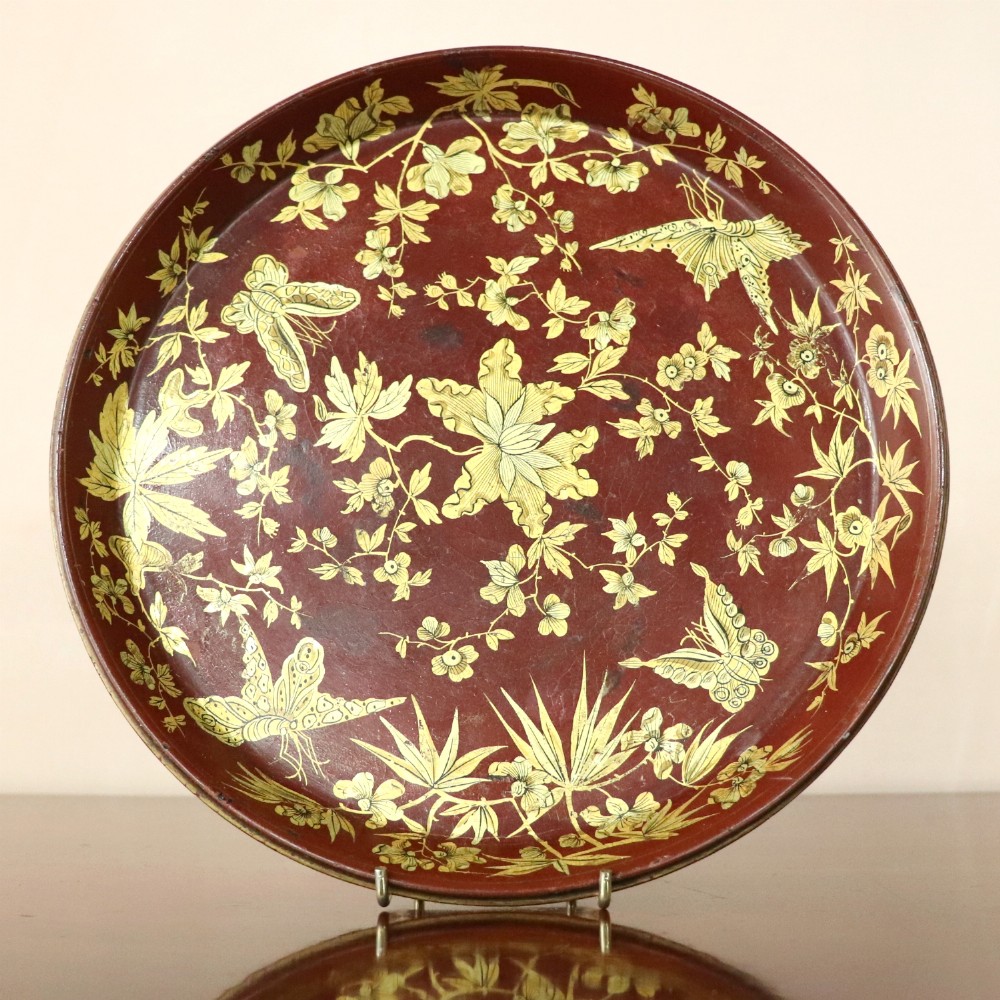
Early 19th Century Oxblood Papier-mâché Waiter by Henry Clay
Sold by Mark Jones Antiques
sold SA720597
Sorry, but this item has been sold.
Mark Jones Antiques

Mark Jones Antiques

Sellingantiques Verified Since Sep 2016
Browse dealers 66 items
  • About Us
    Mark jones antiques are dealers in fine antique furniture, ‘design’, works of art, and works by the sporting artist ‘snaffles’.
Id #SA720597
PDF SHARE
SAVE

Early 19th Century Oxblood Papier-mâché Waiter by Henry Clay

19th century
Description

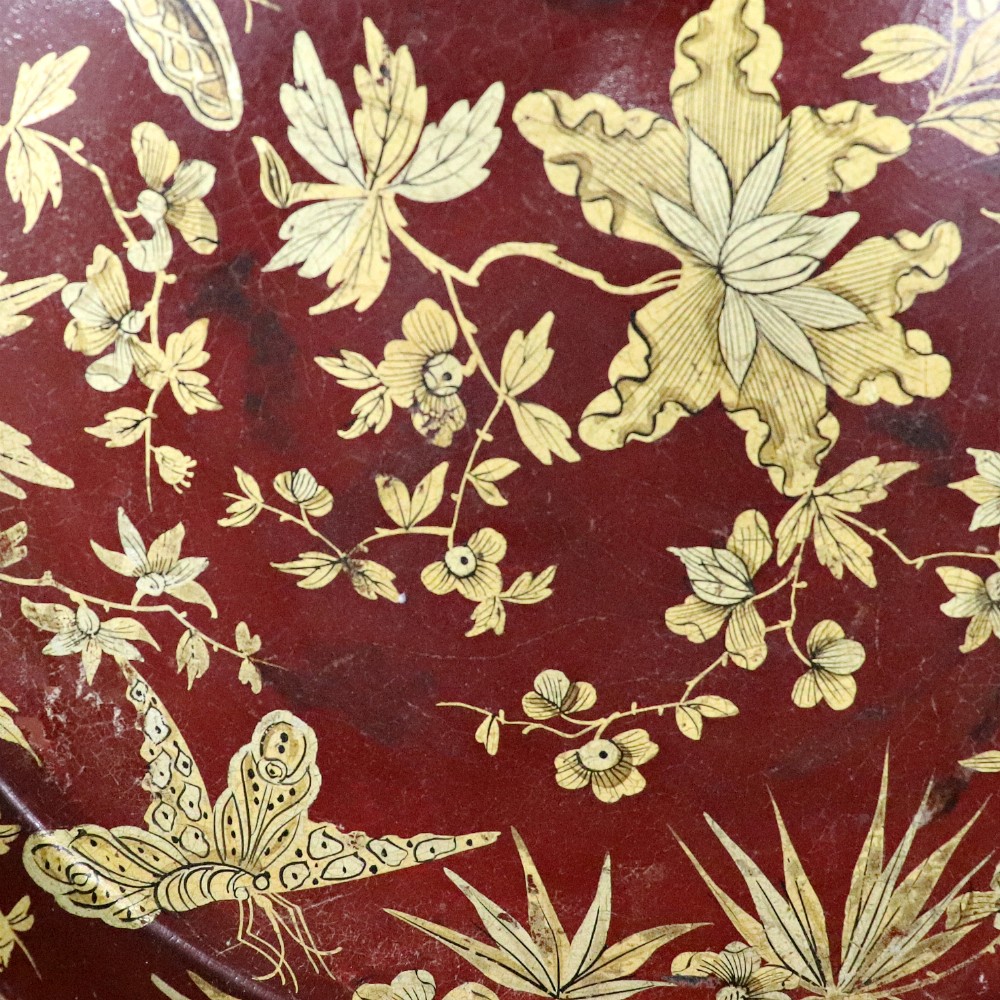
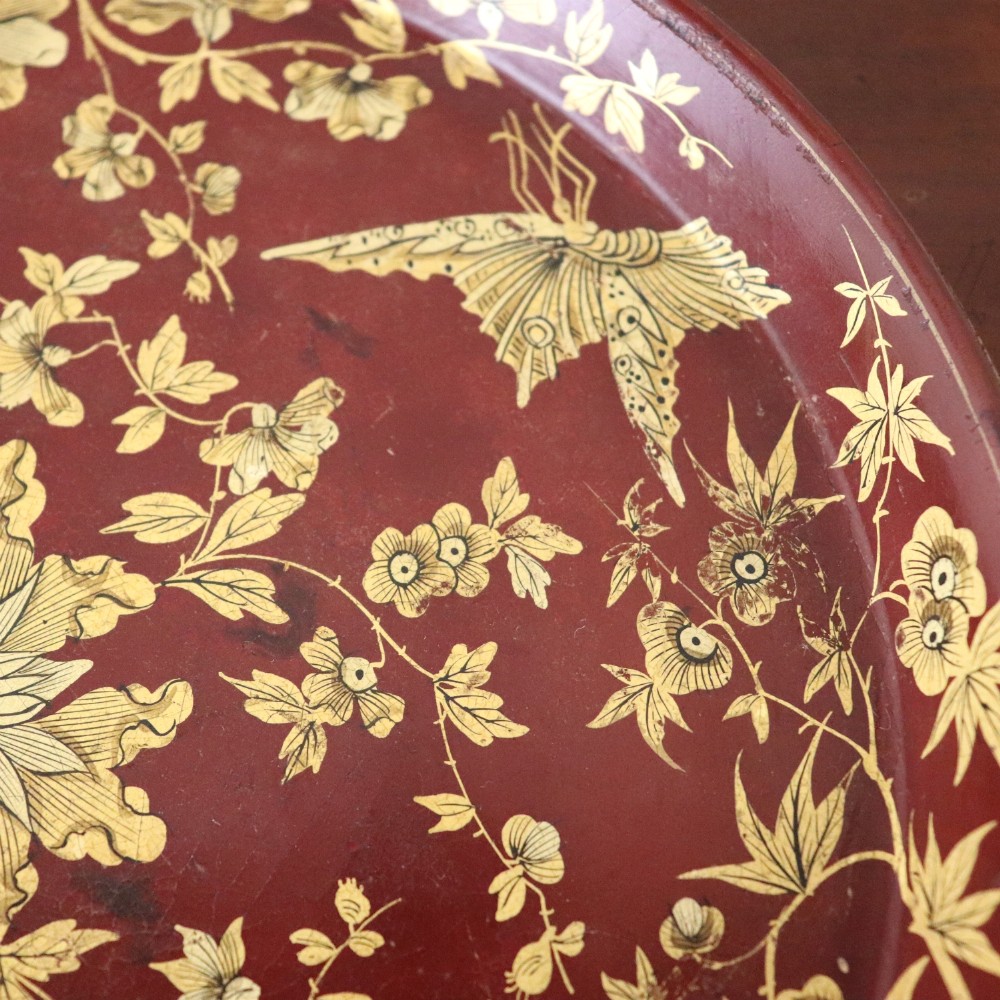
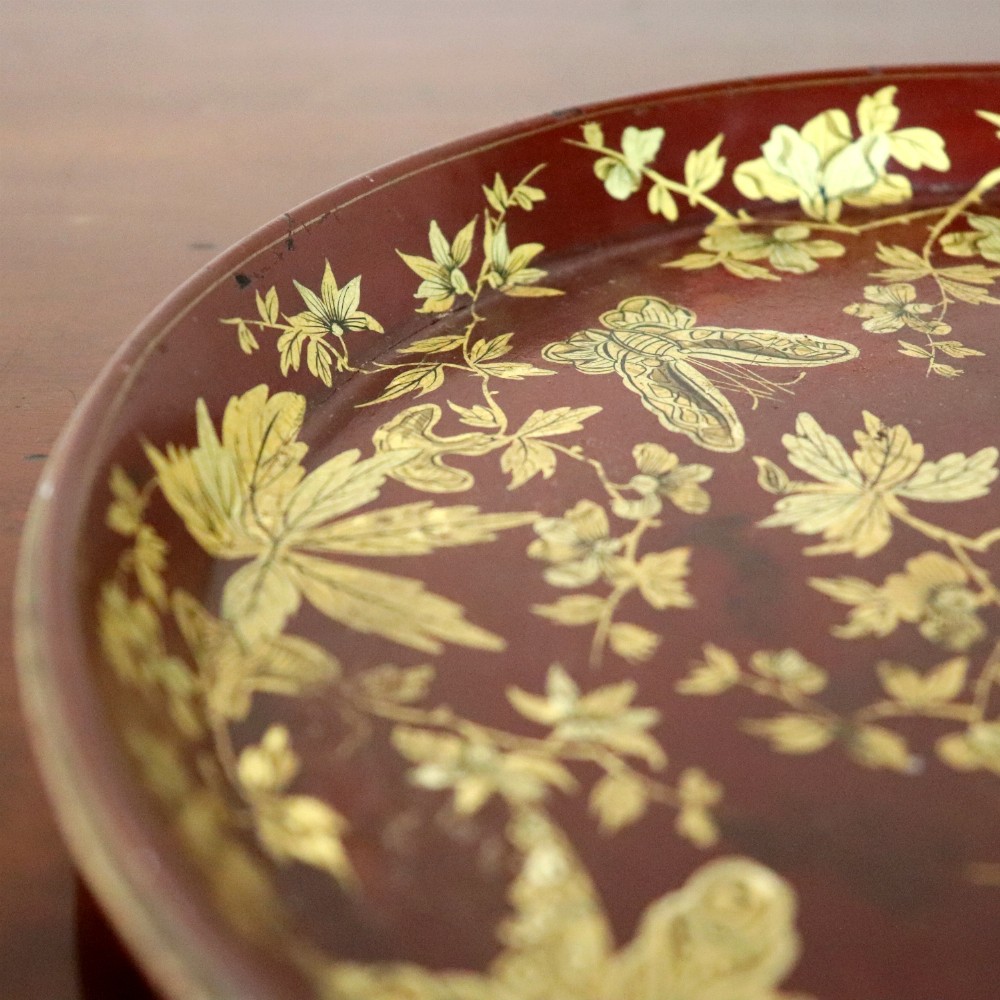
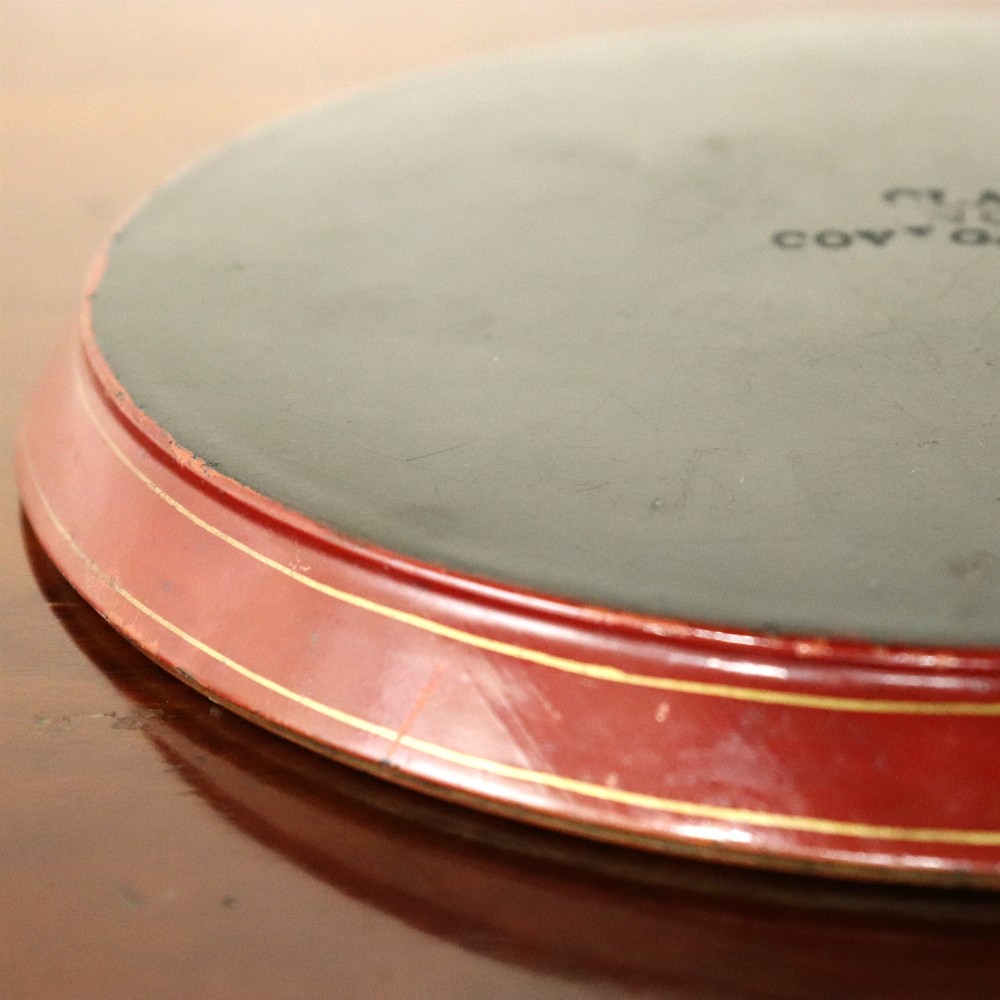
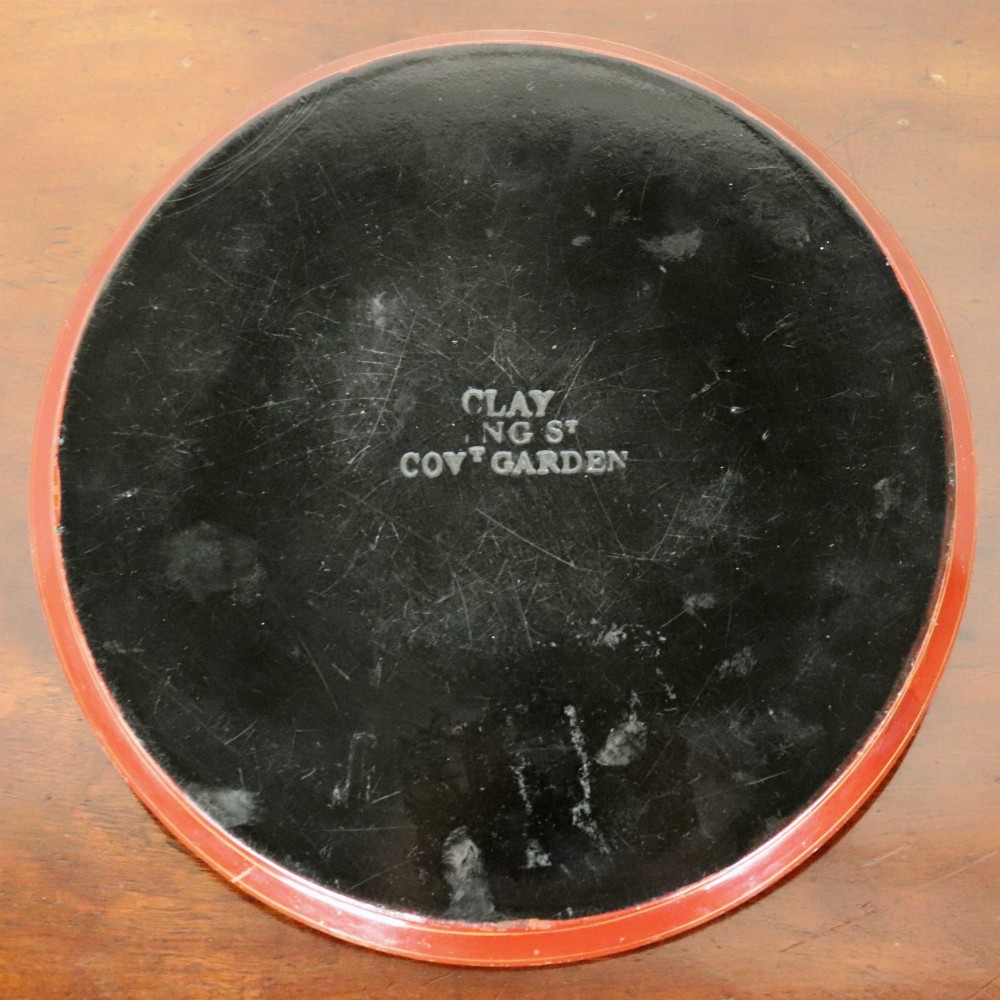
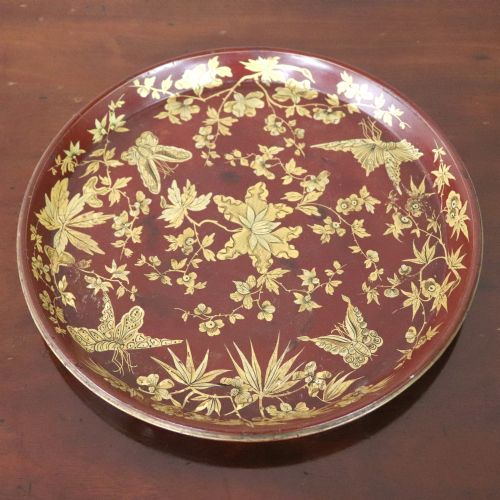
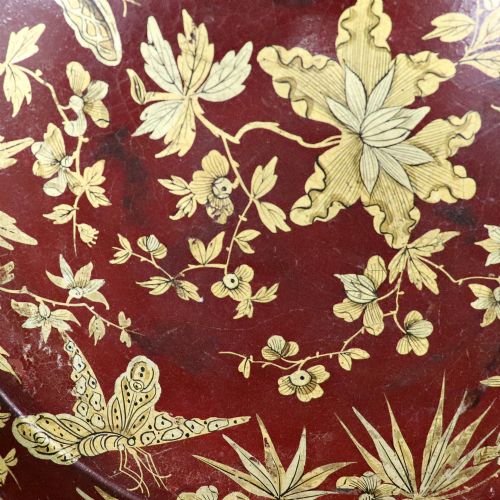
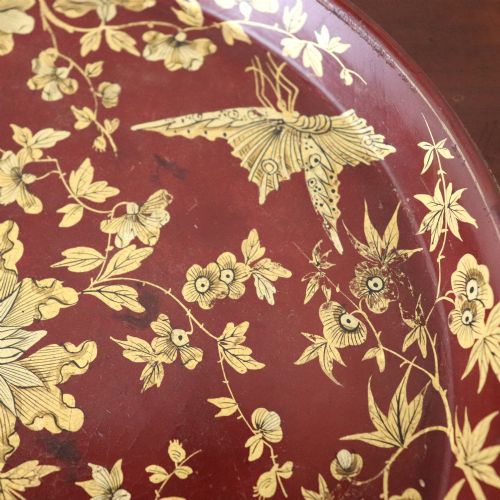
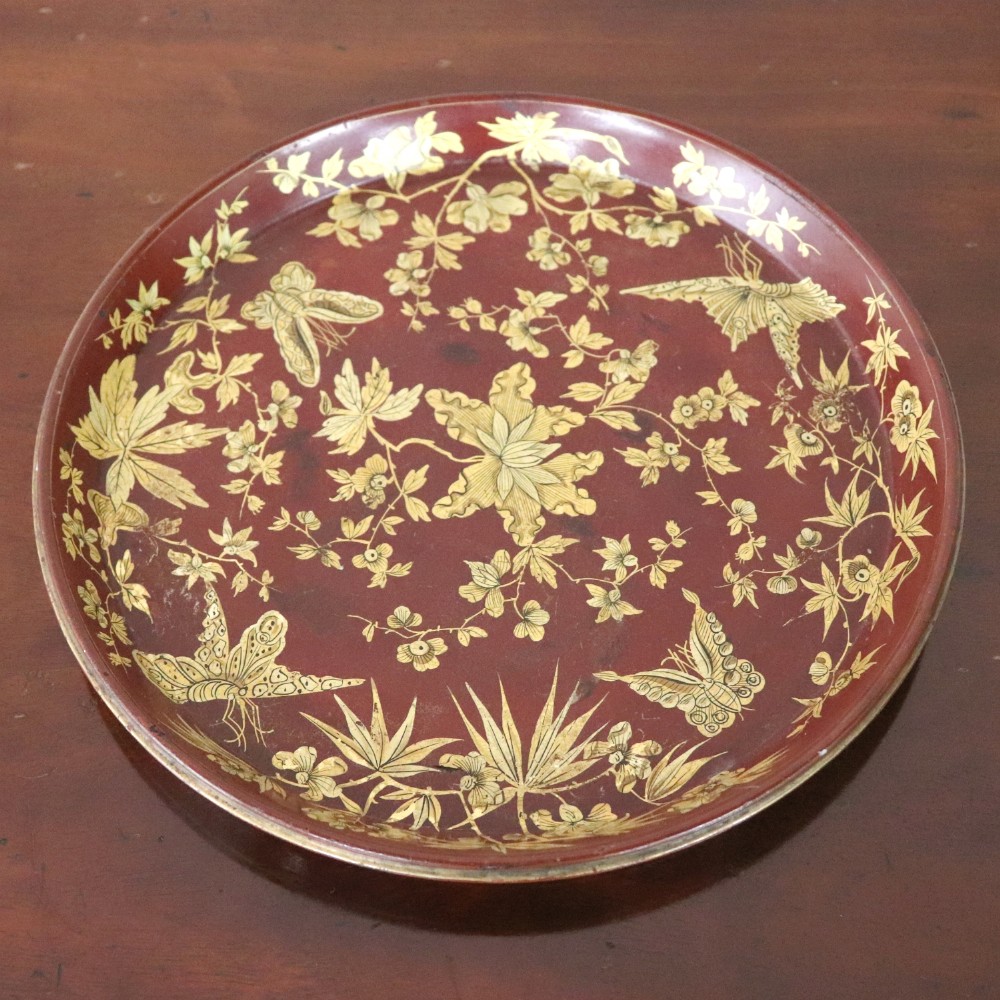
A rare oxblood and gilt decorated papier-mâché waiter, circa 1810, by Henry Clay, London, stamped ‘Clay, (K)ing St, Covt Garden’, in good untouched condition, minor wear.

Footnote

Henry Clay of Birmingham and London was a japanner and papier-mâché manufacturer. Apprentice to John Baskerville of 22 Moor St, Birmingham from 1740–49. He then became a printer, but the wealth and fame that he subsequently achieved was based upon a patent taken out on 20 November 1772 for a ‘new Improved Paper-ware’. This involved pasting sheets of paper together and then oiling, varnishing and stove-hardening them. This process produced panels suitable for coaches, carriages, sedan chairs and furniture. It was claimed that the material could be ‘sawn, planed, dove-tailed or mitred in the same manner as if made in wood’. The trade in this new material developed rapidly with smaller furniture wares such as teatrays, waiters, caddies and dressing cases finding particular favour. These were japanned and decorated with painted scenes and classical (Etruscan) and Chinoiserie subjects; and in some items Wedgwood cameos were employed. The wares that emerged from his works at 19 New Hall St, Birmingham found favour with the rich and influential, and in 1790 his status was such that he was appointed High Sheriff of Warks. He employed as his London agent Thomas Eagles of Bedford St. At this early phase his wares may bear the impressed mark ‘CLAY PATENT’ with sometimes a crown over the name.
About 1785 Clay transferred his business to London, trading from 18 King St, Covent Garden, though production continued in Birmingham until at least 1801. He had been reported in 1781 as producing ‘Several pieces of superb furniture which now adorn the royal residences’ and King George III seemed happy in expressing his utmost approbation. In 1792 he claimed the title of ‘Japanner to His Majesty’ and by 1803 was incorporating in his billhead the words ‘Japanner in ordinary to His Majesty and to His Royal Highness the Princes of Wales’. Clay died in 1812 reputably worth £80,000, all made from his papier mâché manufactures. The business was however continued in London at his King St address until 1822, and also under the style of W. Clay & Sons at an address in Fenchurch St with showrooms in Haymarket. Clay’s patent had expired in 1802 however, and a number of rival producers set up including Jennens & Bettridge who opened up in 1816 in Henry Clay’s former Birmingham works. Wares by Clay produced in this London phase are found with the impressed mark ‘CLAY, KING STREET, COVENT GARDEN’. Large pieces are frequently so marked, but smaller items are less likely to be.
Clay’s commissions for the Royal family, the nobility and gentry are well documented. As early as 1776 Boulton & Fothergill reported him as making japanned knife cases [Goodison, Ormolu, p. 135]; and in 1778 Horace Walpole purchased two waiters, a card rack, a tea caddy and a table decorated by Paul Sandby, from him. By 1787–88 Clay was supplying waiters, tea boards etc. to Carlton House for the Prince of Wales, and in June 1800 supplied him with four large paper tea trays finely painted with four views of the Landgrau of Hessen-Cassel at a cost of 25 guineas each.
On 27 May 1793 Queen Charlotte accepted a sedan chair decorated with copies of Guido paintings, and console tables similarly finished. A japanned mahogany Pembroke table in the Etruscan Room at Osterley Park, Middlsex, is identified in a 1782 inventory as originating from Clay’s manufactory; and the doors in the Hall at Kedleston, Derbyshire., were decorated by him. Clay’s name appears in the Longford Castle accounts, 1778–86, and the Stoneleigh Abbey accounts in 1790. Other known patrons included Lady Howard de Walden (1785), Lady Grenville (1794), Sir Thomas Baring (1798), 6th Duke of Bedford (1803–18), Lord Braybrooke (1810), and the Duke of Northumberland.

Taken from the ‘Dictionary of English Furniture Makers 1660-1840’, originall

Physical Dimensions
Height
2.3cm (0.91")
Width
26cm (10.24")
Depth
26cm (10.24")
Declaration

Mark Jones Antiques has dated this piece to the 19th Century.

Reference Numbers
Sellingantiques Reference
SA720597
Dealers Internal Reference
MJWOA0037
Dealers Notes

National and International shipping can be arranged on request at competitive rates.

Description
A rare oxblood and gilt decorated papier-mâché waiter, circa 1810, by Henry Clay, London, stamped ‘Clay, (K)ing St, Covt Garden’, in good untouched condition, minor wear.

Footnote

Henry Clay of Birmingham and London was a japanner and papier-mâché manufacturer. Apprentice to John Baskerville of 22 Moor St, Birmingham from 1740–49.

He then became a printer, but the wealth and fame that he subsequently achieved was based upon a patent taken out on 20 November 1772 for a ‘new Improved Paper-ware’.
Mark Jones Antiques

This involved pasting sheets of paper together and then oiling, varnishing and stove-hardening them. This process produced panels suitable for coaches, carriages, sedan chairs and furniture. It was claimed that the material could be ‘sawn, planed, dove-tailed or mitred in the same manner as if made in wood’. The trade in this new material developed rapidly with smaller furniture wares such as teatrays, waiters, caddies and dressing cases finding particular favour. These were japanned and decorated with painted scenes and classical (Etruscan) and Chinoiserie subjects; and in some items Wedgwood cameos were employed. The wares that emerged from his works at 19 New Hall St, Birmingham found favour with the rich and influential, and in 1790 his status was such that he was appointed High Sheriff of Warks. He employed as his London agent Thomas Eagles of Bedford St. At this early phase his wares may bear the impressed mark ‘CLAY PATENT’ with sometimes a crown over the name.

fig 1. Early 19th Century oxblood papier-mâché waiter by Henry Clay
fig 1. Early 19th Century Oxblood Papier-mâché Waiter by Henry Clay

About 1785 Clay transferred his business to London, trading from 18 King St, Covent Garden, though production continued in Birmingham until at least 1801. He had been reported in 1781 as producing ‘Several pieces of superb furniture which now adorn the royal residences’ and King George III seemed happy in expressing his utmost approbation. In 1792 he claimed the title of ‘Japanner to His Majesty’ and by 1803 was incorporating in his billhead the words ‘Japanner in ordinary to His Majesty and to His Royal Highness the Princes of Wales’. Clay died in 1812 reputably worth £80,000, all made from his papier mâché manufactures. The business was however continued in London at his King St address until 1822, and also under the style of W. Clay & Sons at an address in Fenchurch St with showrooms in Haymarket. Clay’s patent had expired in 1802 however, and a number of rival producers set up including Jennens & Bettridge who opened up in 1816 in Henry Clay’s former Birmingham works. Wares by Clay produced in this London phase are found with the impressed mark ‘CLAY, KING STREET, COVENT GARDEN’. Large pieces are frequently so marked, but smaller items are less likely to be.

fig 2. Early 19th Century oxblood papier-mâché waiter by Henry Clay
fig 2. Early 19th Century Oxblood Papier-mâché Waiter by Henry Clay

Clay’s commissions for the Royal family, the nobility and gentry are well documented. As early as 1776 Boulton & Fothergill reported him as making japanned knife cases [Goodison, Ormolu, p. 135]; and in 1778 Horace Walpole purchased two waiters, a card rack, a tea caddy and a table decorated by Paul Sandby, from him. By 1787–88 Clay was supplying waiters, tea boards etc. to Carlton House for the Prince of Wales, and in June 1800 supplied him with four large paper tea trays finely painted with four views of the Landgrau of Hessen-Cassel at a cost of 25 guineas each.

fig 3. Early 19th Century oxblood papier-mâché waiter by Henry Clay
fig 3. Early 19th Century Oxblood Papier-mâché Waiter by Henry Clay

On 27 May 1793 Queen Charlotte accepted a sedan chair decorated with copies of Guido paintings, and console tables similarly finished. A japanned mahogany Pembroke table in the Etruscan Room at Osterley Park, Middlsex, is identified in a 1782 inventory as originating from Clay’s manufactory; and the doors in the Hall at Kedleston, Derbyshire., were decorated by him. Clay’s name appears in the Longford Castle accounts, 1778–86, and the Stoneleigh Abbey accounts in 1790. Other known patrons included Lady Howard de Walden (1785), Lady Grenville (1794), Sir Thomas Baring (1798), 6th Duke of Bedford (1803–18), Lord Braybrooke (1810), and the Duke of Northumberland.

Taken from the ‘Dictionary of English Furniture Makers 1660-1840’, originall

Height
2.3cm (0.91")
Width
26cm (10.24")
Depth
26cm (10.24")
Date of Manufacture

Mark Jones Antiques has dated this piece to the 19th Century.

Reference Numbers
Sellingantiques Ref
SA720597
Dealers Internal Ref
MJWOA0037
Mark Jones Antiques
Mark Jones Antiques
Sellingantiques verified Since Sep 2016

Mark jones antiques are dealers in fine antique furniture, ‘design’, works of art, and works by the sporting artist ‘snaffles’.

Dealer Profile

You can view the stock and full dealer information on the Mark Jones Antiques Profile Page
PDF SHARE
SAVE
Early 19th Century oxblood papier-mâché waiter by Henry Clay SOLD6+ MONTHS AGO
1 / 7
Archive I Early 19th Century oxblood papier-mâché waiter by Henry Clay SOLD6+ MONTHS AGO

Early 19th Century Oxblood Papier-mâché Waiter by Henry Clay
Archive II Early 19th Century oxblood papier-mâché waiter by Henry Clay View II
Archive III Early 19th Century oxblood papier-mâché waiter by Henry Clay View III
Archive IV Early 19th Century oxblood papier-mâché waiter by Henry Clay View IV
Archive V Early 19th Century oxblood papier-mâché waiter by Henry Clay View V
Archive VI Early 19th Century oxblood papier-mâché waiter by Henry Clay View VI
Archive VII Early 19th Century oxblood papier-mâché waiter by Henry Clay View VII
Enlarged Archival View
Telephone 07889 071 414
Location
Northwick Park
Cotswolds
United Kingdom

By appointment only.
Verified Since Sep 2016
Items For Sale 66
Items Sold 316
Mark Jones Antiques
Mark Jones Antiques
Verified Since Sep 2016
View Dealer Info
Location: Northwick Park, Cotswolds, United Kingdom, , By appointment only.
Verified
Sep 2016
For Sale
66
Sold
316
Early 19th Century oxblood papier-mâché waiter by Henry Clay
Ref: SA720597
Early 19th Century oxblood papier-mâché waiter by Henry Clay
Detail View 1
Detail View 2
Detail View 3
Detail View 4
Detail View 5
Detail View 6
Archival Detail
Every single antique dealer on our platform is individually approved by our internal team. We verify their professional trade history, ethical standards, and photographic quality to ensure a secure, high-standard buying environment. Upon joining, every dealer agrees to a strict 9-point code of conduct. While issues can occasionally arise, our dealers typically resolve them swiftly and directly with the buyer. In fact, since our founding in 2002, Sellingantiques has only had to step in to help resolve an issue on roughly five occasions—a true testament to the quality of our dealers and their dedication to your happiness.
Our dealers are highly experienced in packing and shipping fragile, high-value antiques. Because you are in direct contact with the dealer, you will be able to easily go through all available shipping and insurance options together to ensure your item arrives safely.
Antiques are the ultimate green purchase. By choosing historical pieces over newly manufactured goods, you completely eliminate the carbon footprint of modern mass production while preserving exceptional, timeless craftsmanship.
Written by Sellingantiques from the dealer’s photographs and listing
  • Period19th century
  • SizeH 2.3 cm (1 in) x W 26 cm (10 in) x D 26 cm (10 in)
items
Add keywords to the filter
Price
£100
£250000
Era
Movements
Material
Origin
Stock Location
Freshness
Online Payments
Categories