It was listed by Jason Clarke Antiques. Sold pieces stay on Sellingantiques as a record of what has passed through, and the next one is rarely far away.
Jason Clarke Antiques has dated this piece to the 1880s.
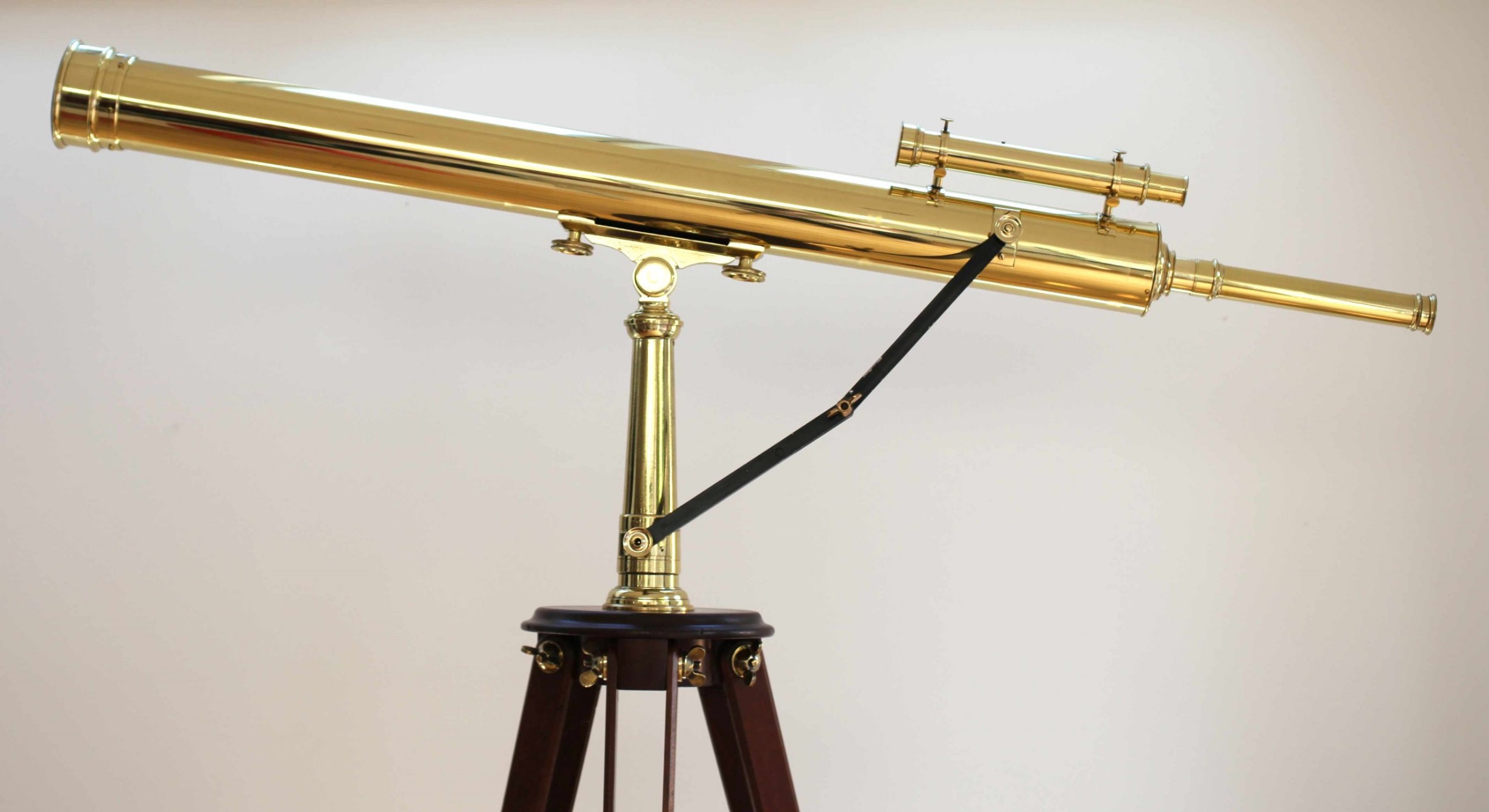
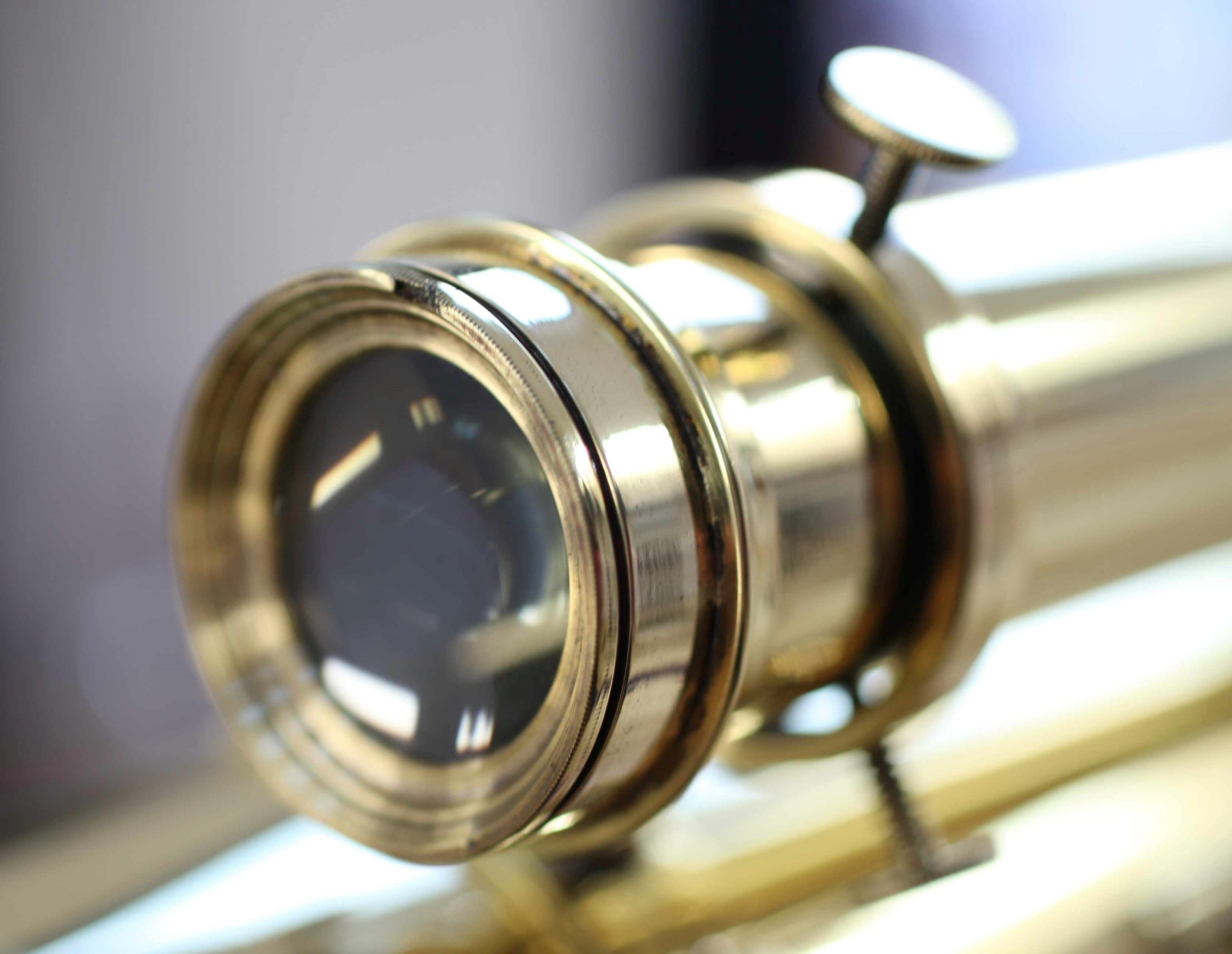
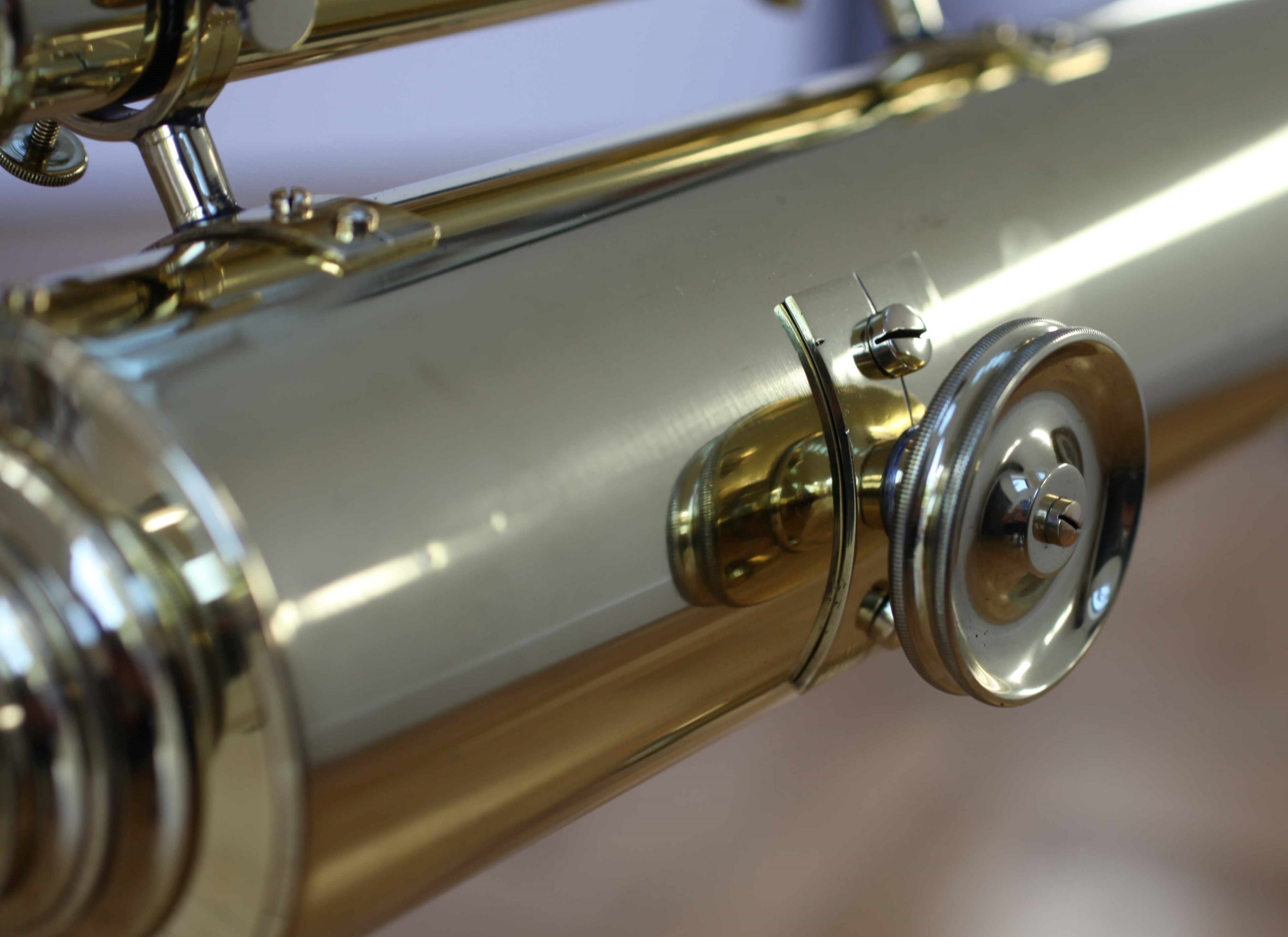
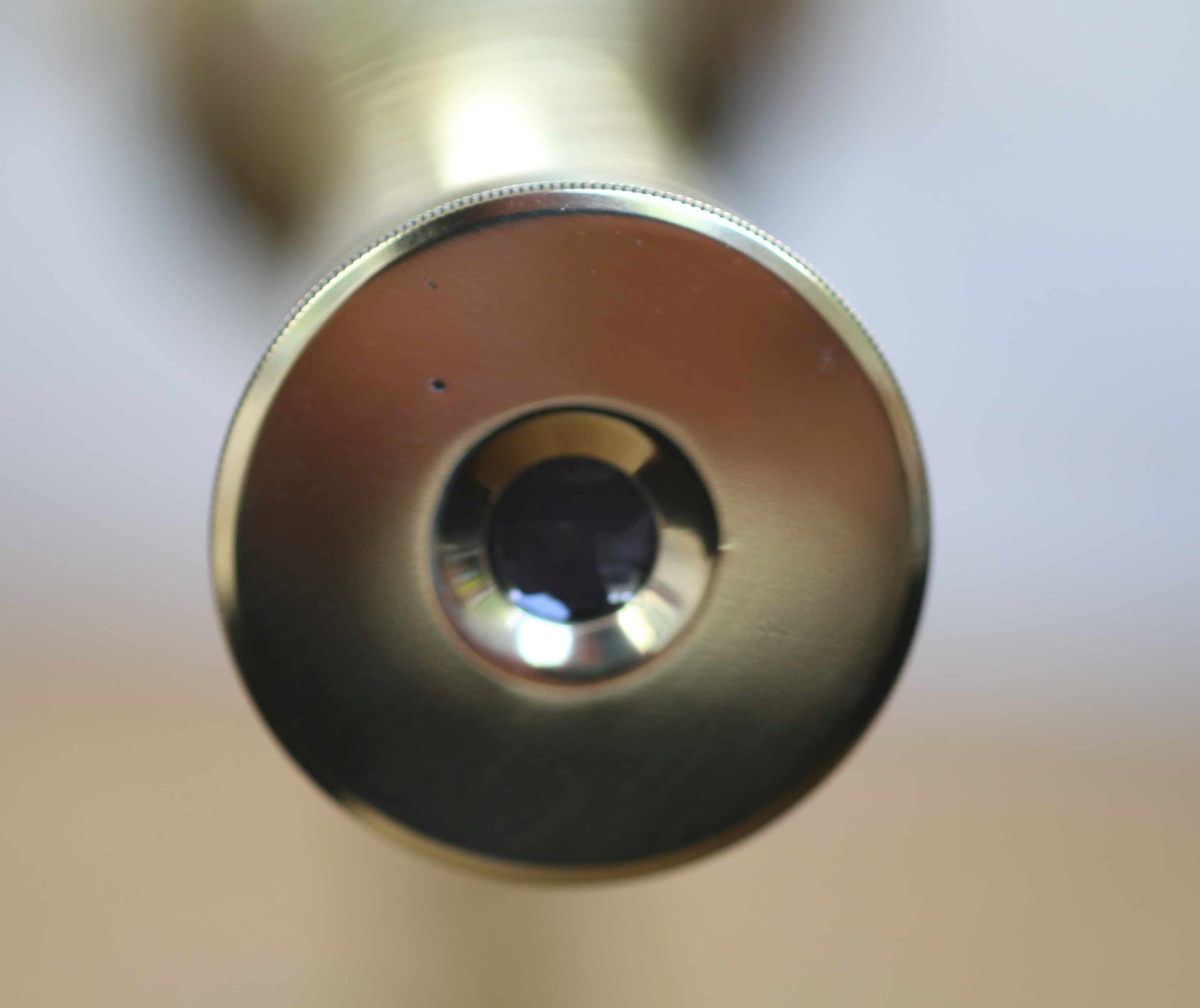
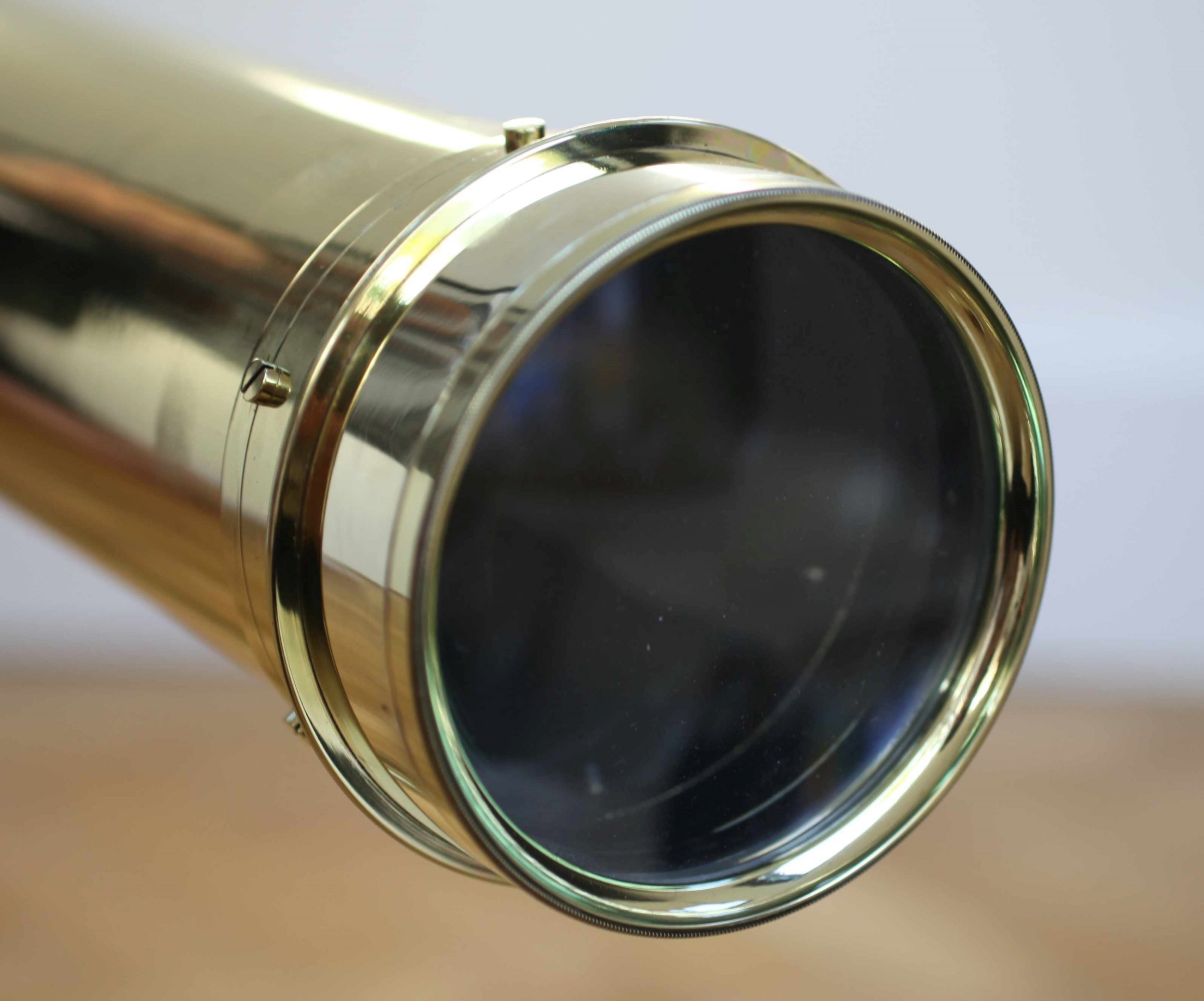
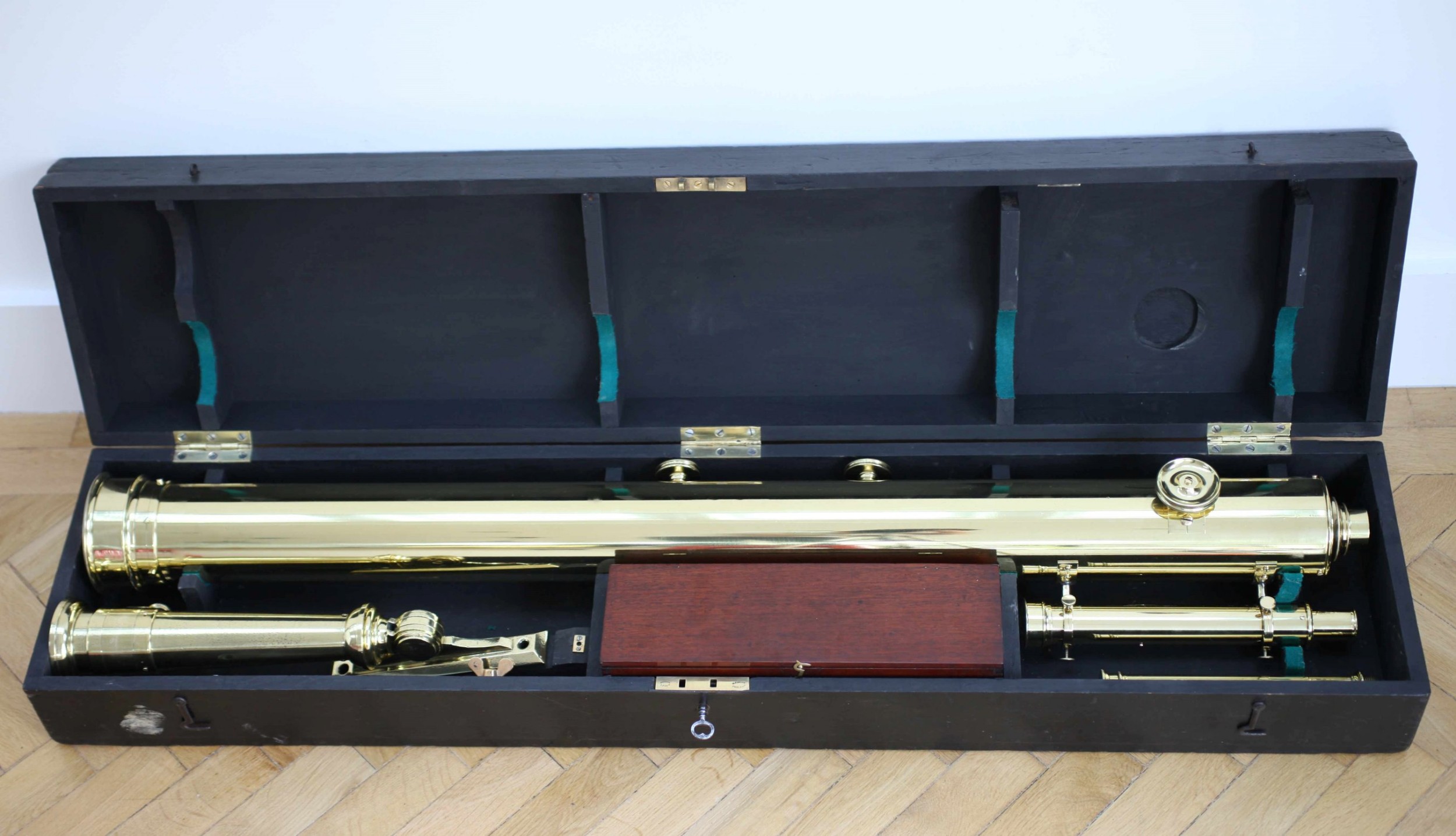
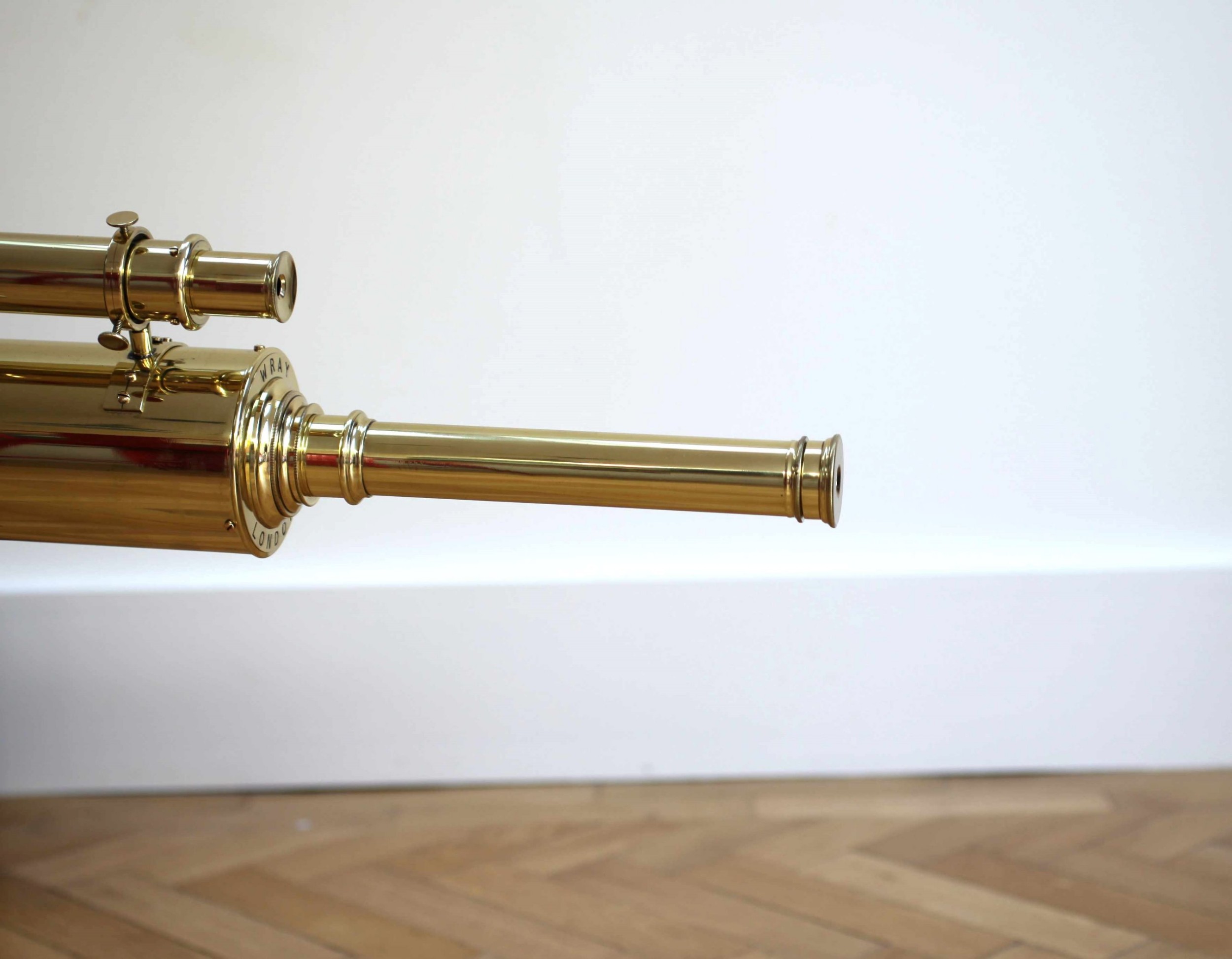
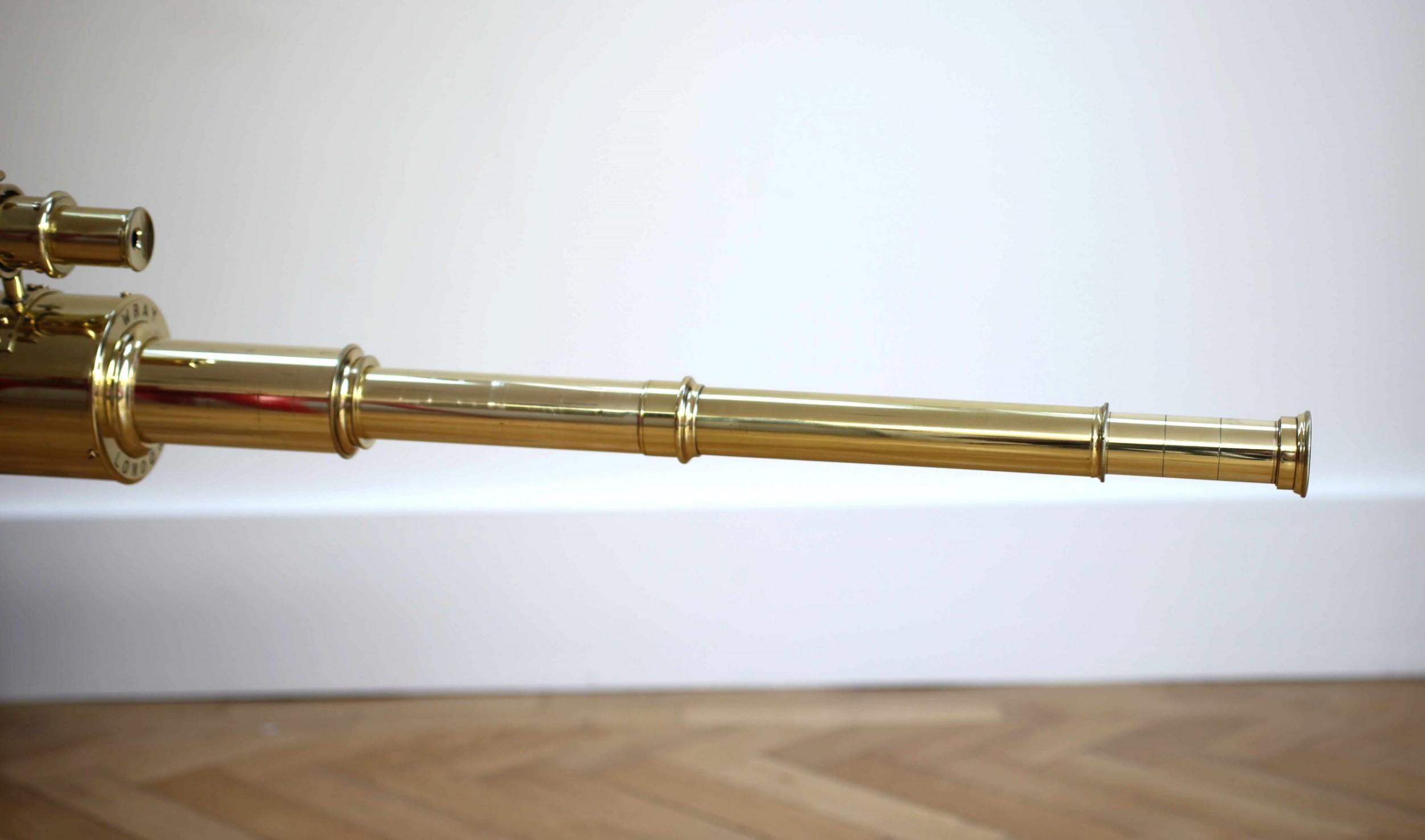
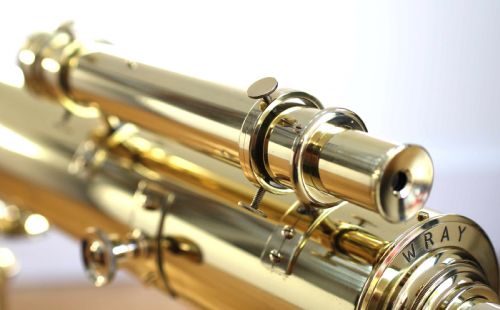
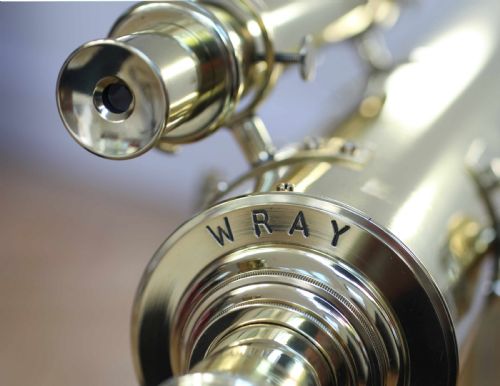
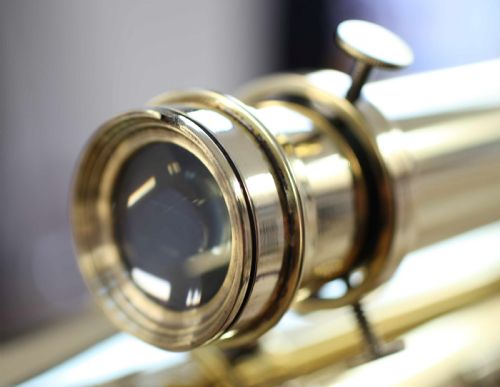
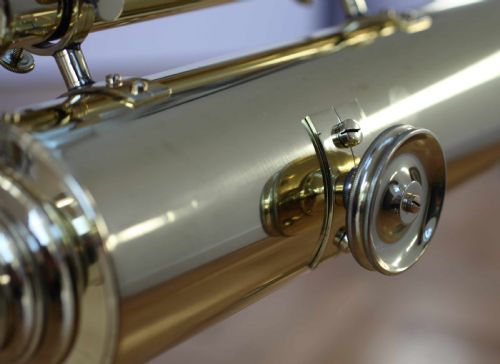
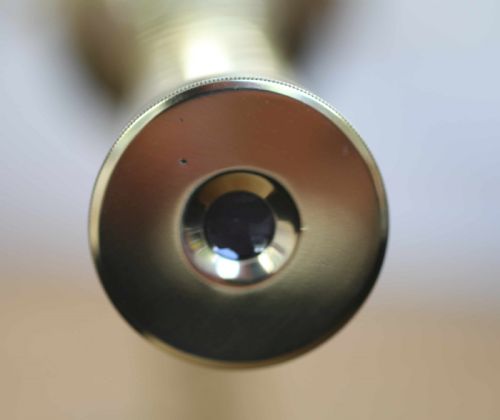
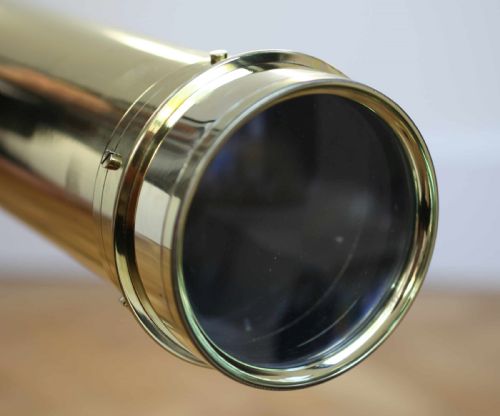
5” objective lens. There are two hand operated barrels closest to the eyepiece with a larger rack-operated draw closest to the main body for fine focus. Including the draws, the telescope measures 52 inches in the retracted position and 63.5 inches with the draws fully extended.
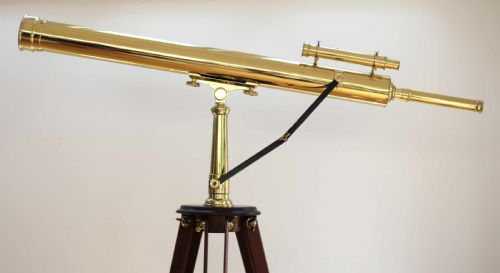
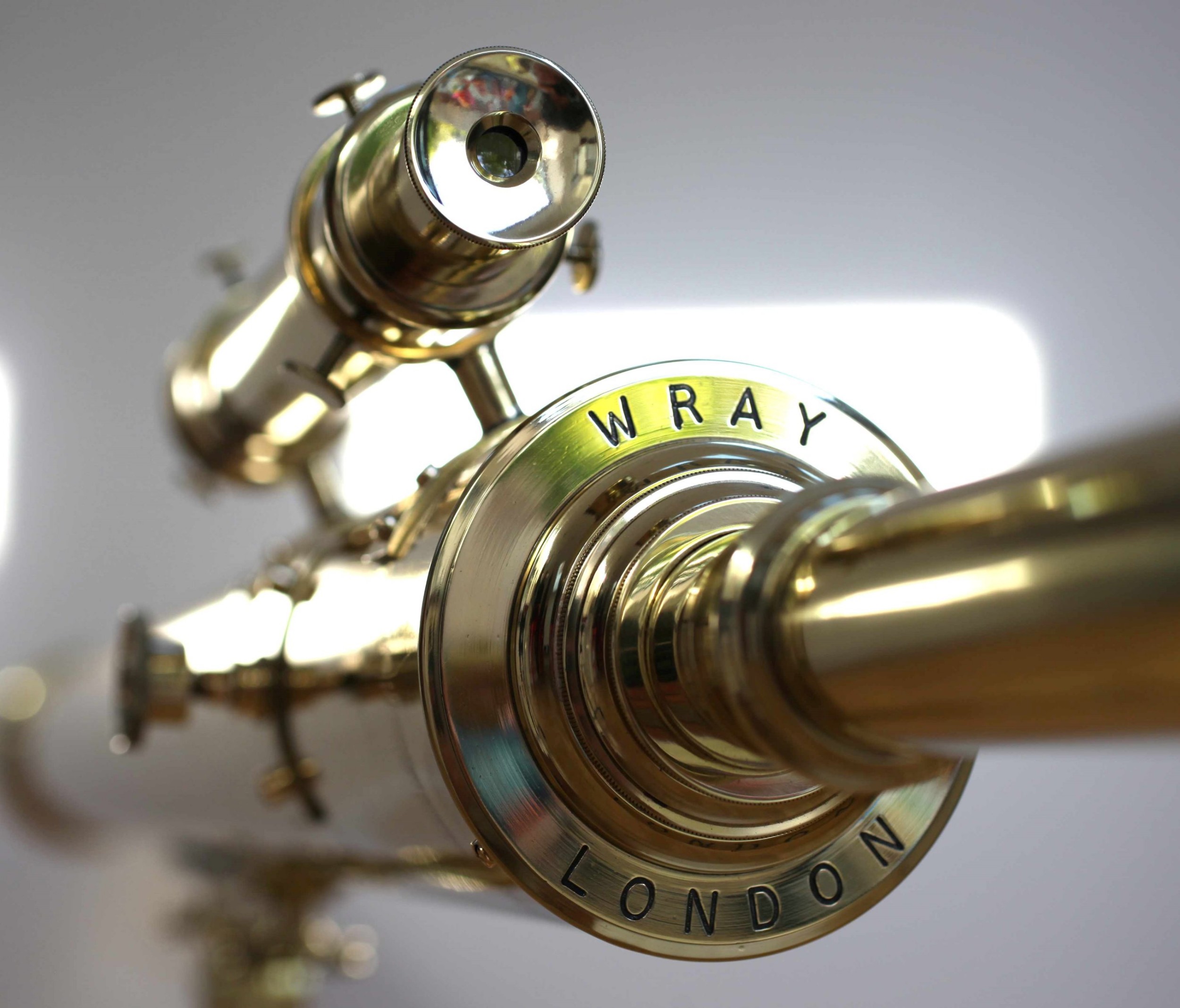
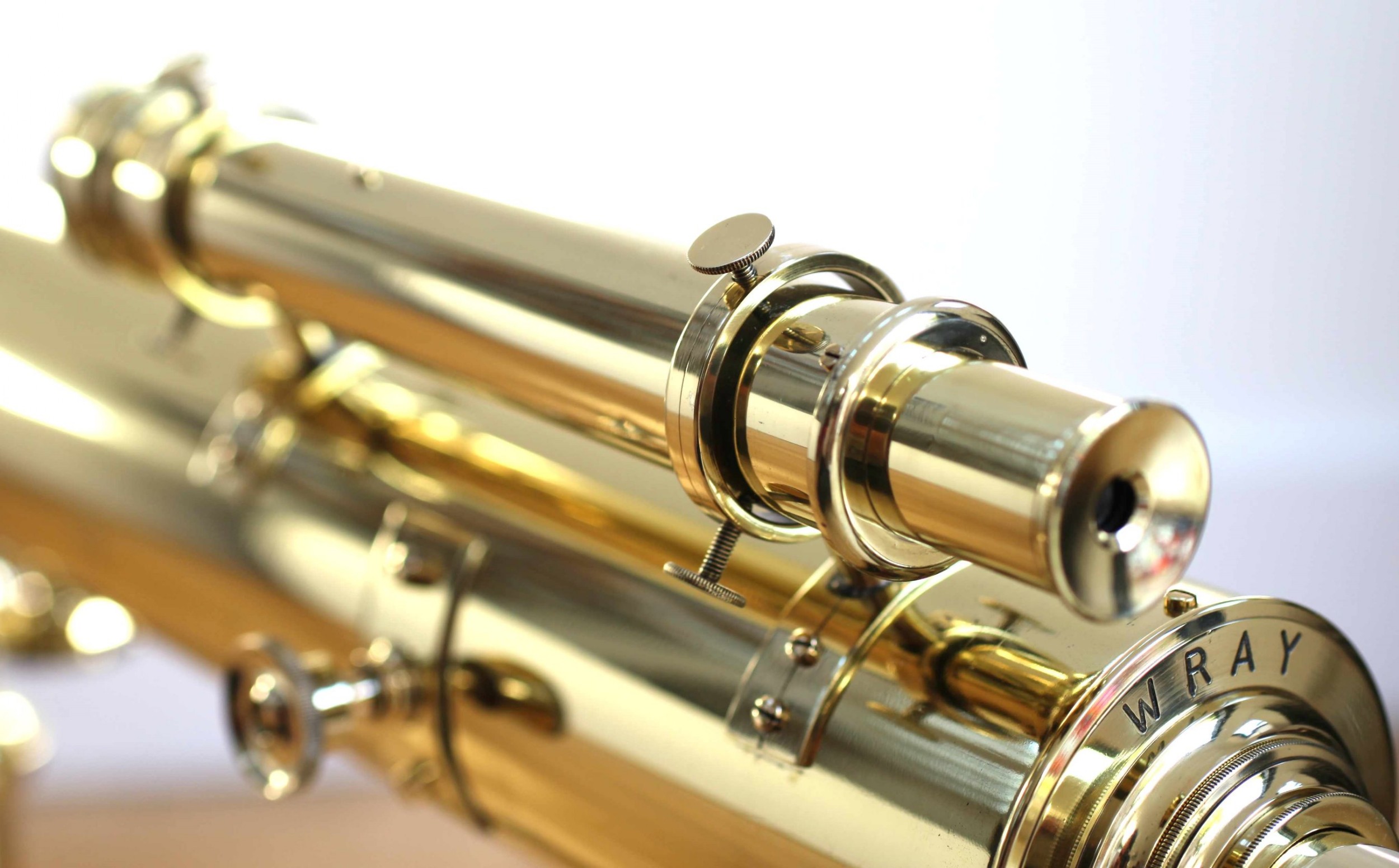
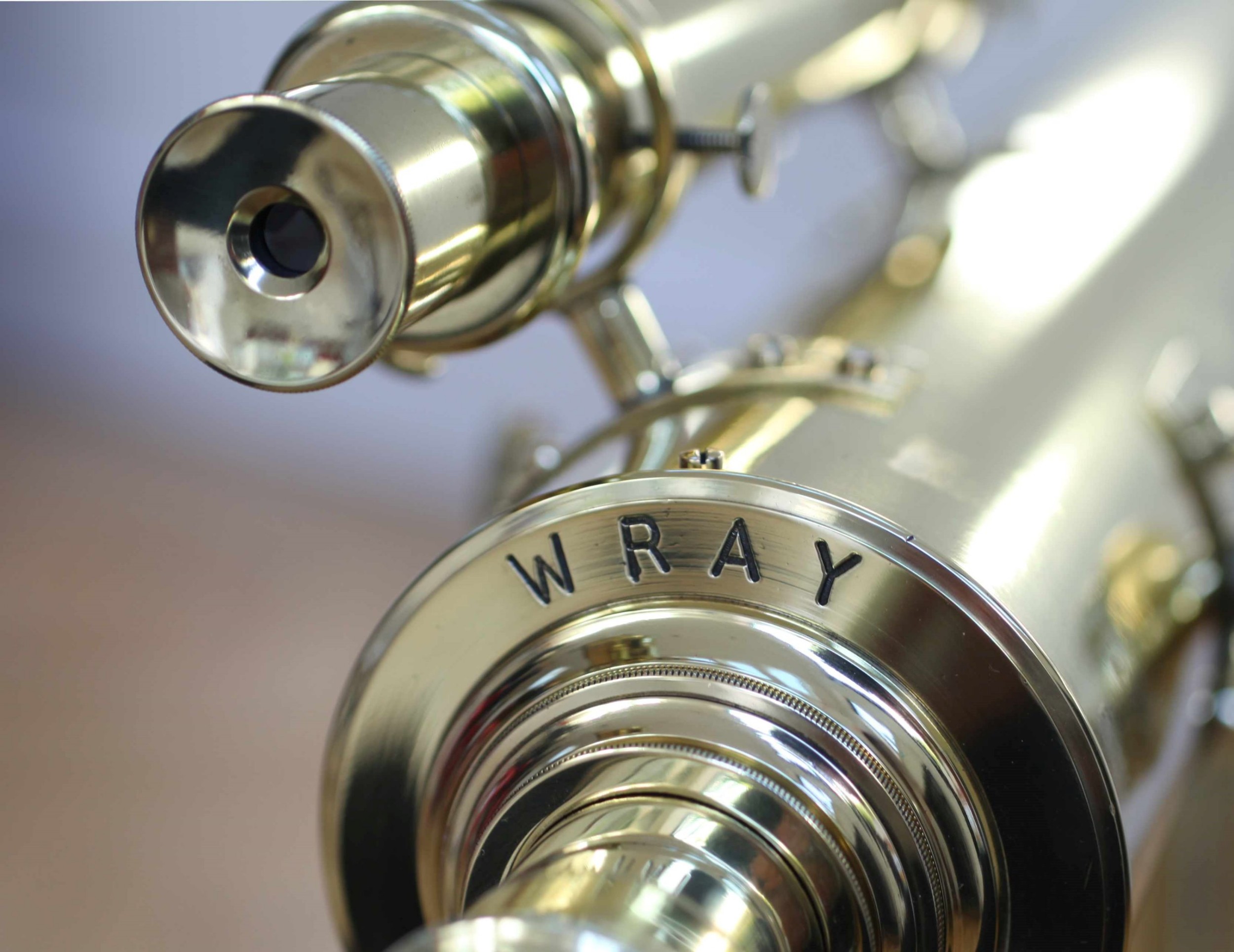
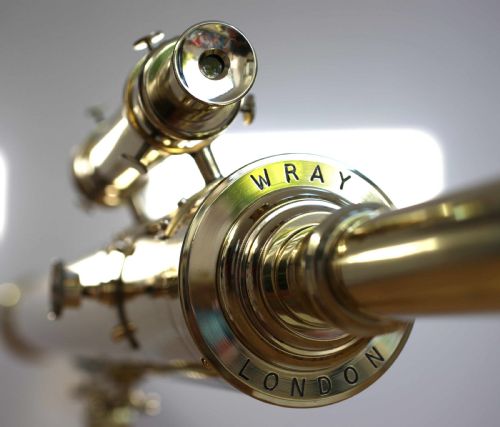
Attached to the side of the main barrel is a single draw starfinder scope with a one and a quarter inch objective and barrel length of 12 and a quarter inches extended and 10.5 inches retracted.
Both telescopes retain their original brass lens caps meaning that they have been protected very well over its 140 year life.
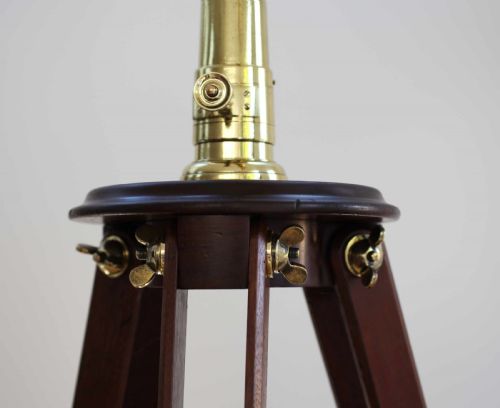
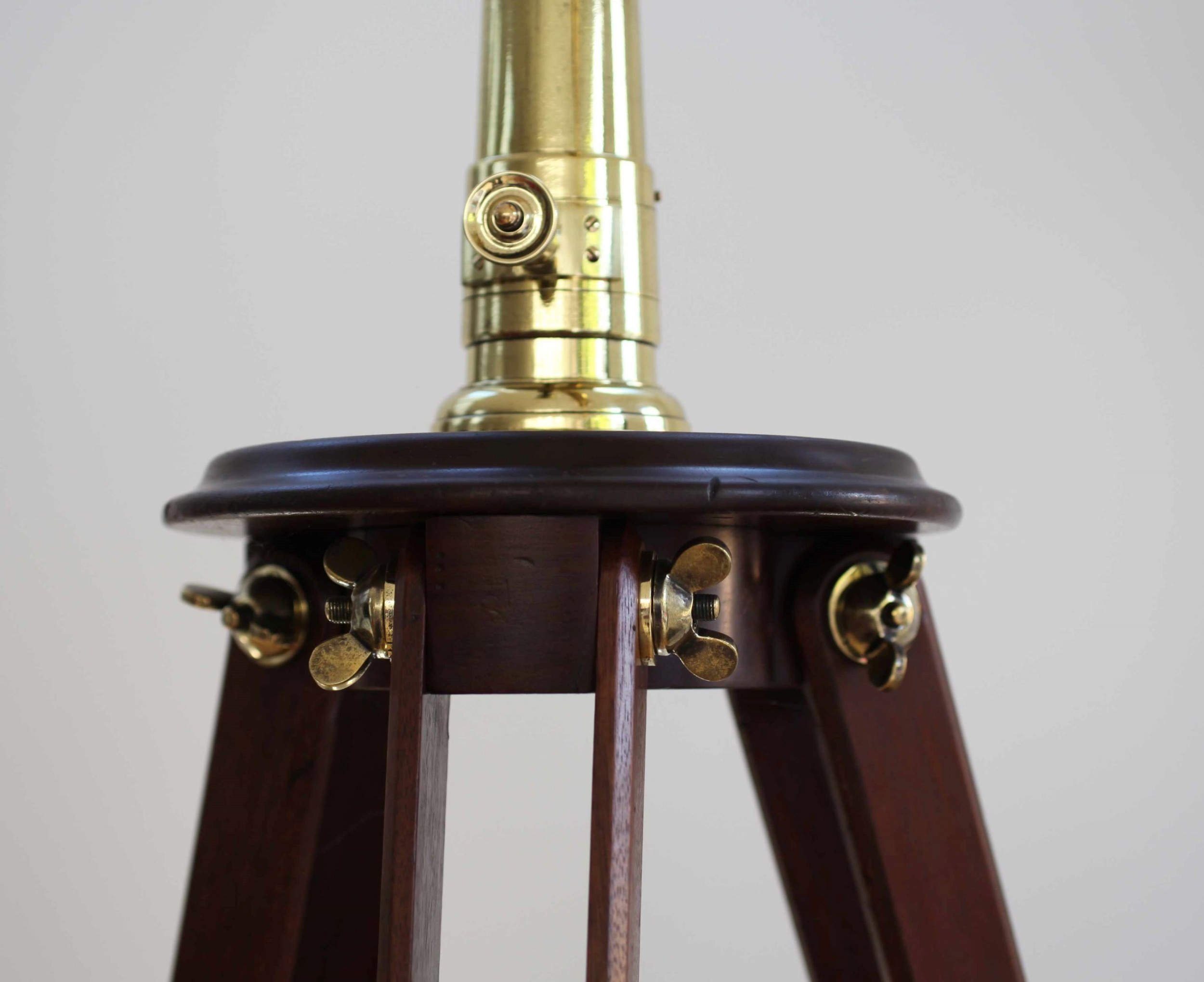
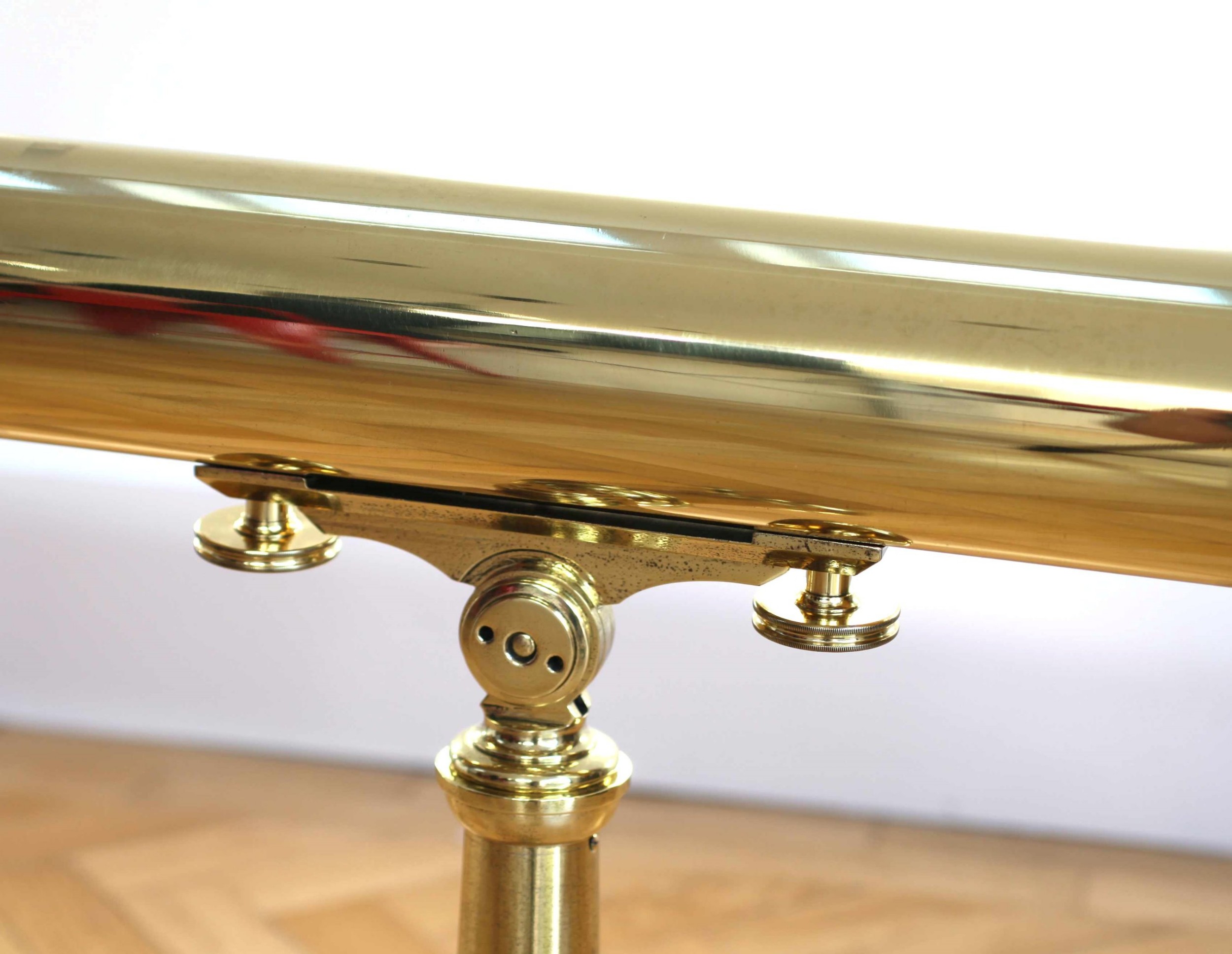
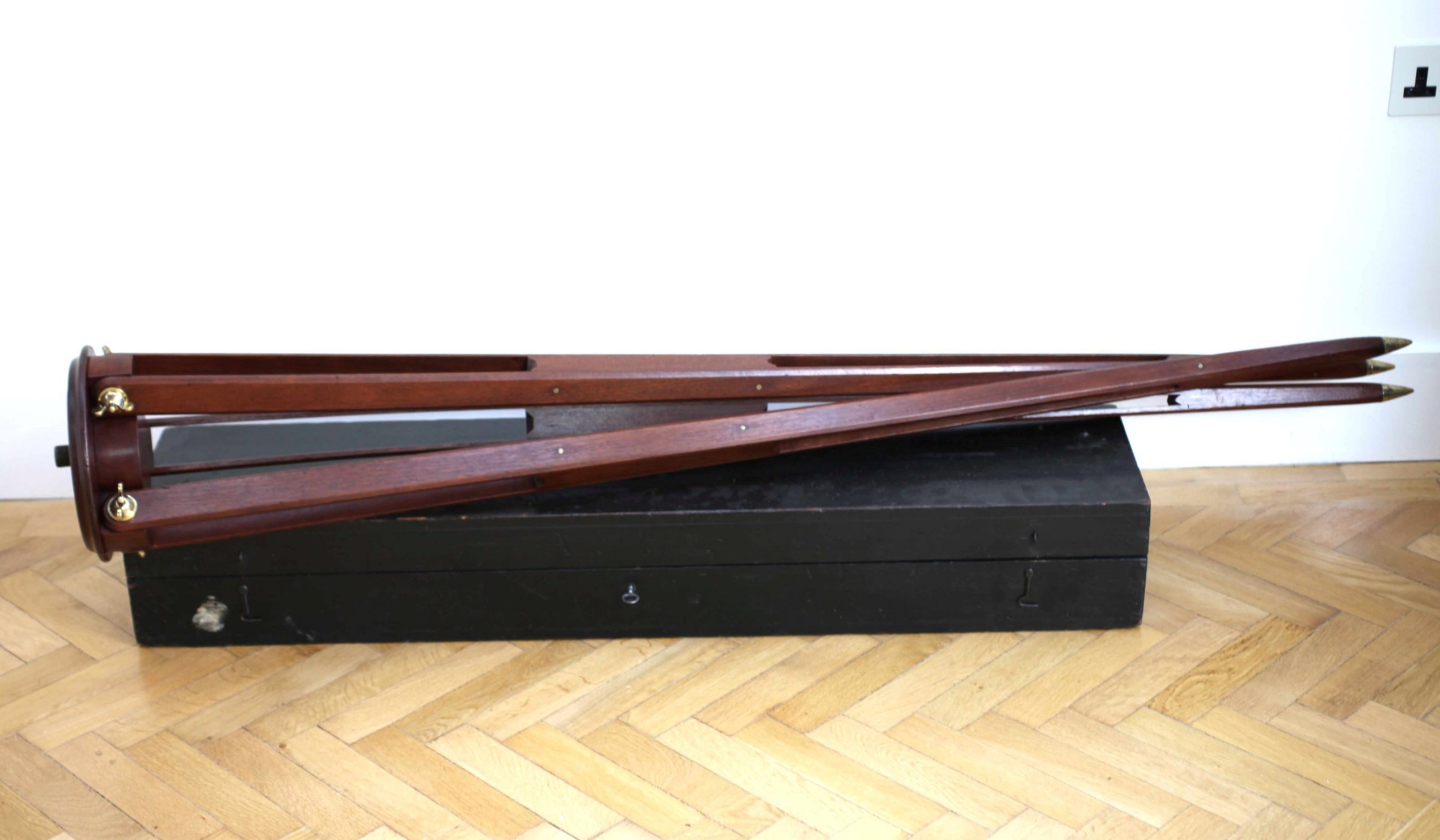
The telescope comes complete with its original mahogany tripod stand, the three legs secured by large brass wingnuts and a large brass plate with an inch wide screw thread rest on the top to which the solid brass adjustable telescope rest is located.
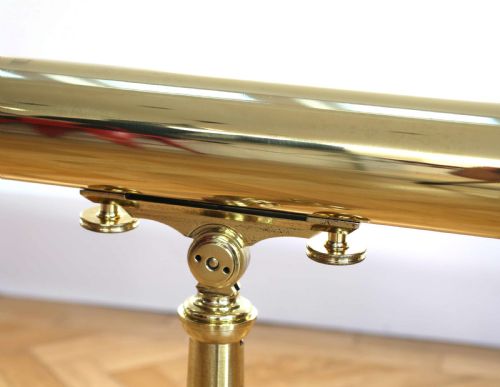
Complete and assembled this telescope (horizontally levelled) stands over six foot tall, the height obviously required to be able to stand and observe the skies with the telescope at an appropriate angle for viewing.
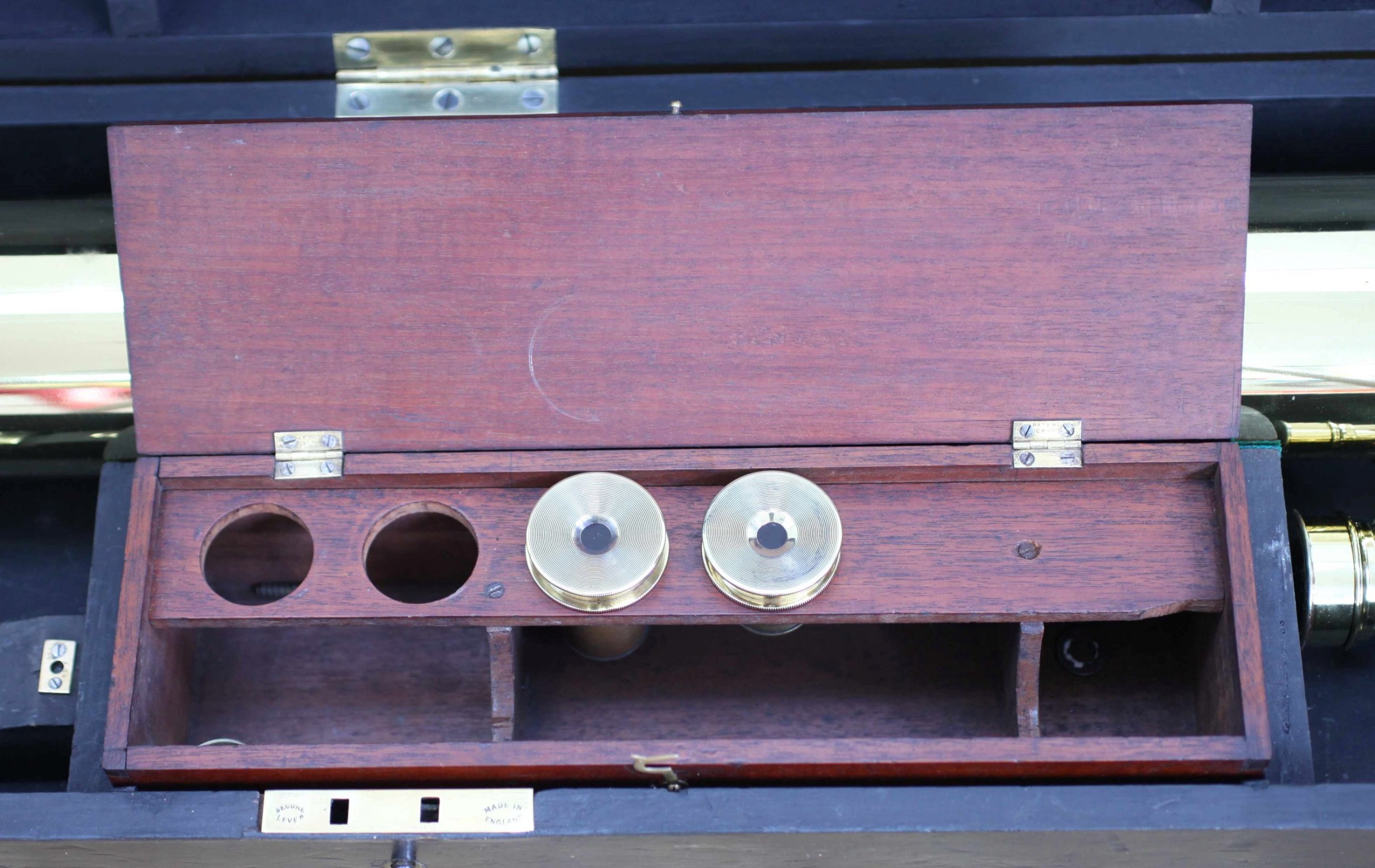
The original pine packing case also remains remarkably intact, providing space for the telescope, the rest and a small mahogany box which includes two further eyepieces with incorporated sunshade lenses.
Superbly manufactured by a company with a very good reputation at the time for its lens making skills, this extraordinarily good looking telescope dates to circa 1880.
The founder of the company, William Wray (1829-1885) began his career as a serious but amateur astronomer with a passion for optics. His obituary is recorded in the Journal of The Royal Astronomical Society in 1886:
“William Wray was born at Whitby in Yorkshire, on December 6 1829. His Father, who was a sea captain, wished to take him to sea, but his Mother objecting, he was articled to a solicitor. He had a great love for astronomy and optics, and amused himself by constructing some reflecting telescopes, but not being satisfied with these, he turned his attention to the refractor, and made numerous experiments with a view to dispensing flint glass, which was expensive, and at that time difficult to procure of good quality. These experiments were not practically successful.
Not liking the legal profession, he came to London in the year 1850 and commenced the practice of an optician, devoting himself at first chiefly to the construction of microscope objectives, and was perhaps the first professional optician who used the single front lens for higher powers, in place of the older triple combination.
He spent much time in experiments for the reduction of the secondary spectrum, and succeeded in making objective glasses practically free from outstanding colour; but these were unfortunately not permanent, owing to the fact that only fluids had the required dispersion, and in consequence of their contraction and expansion it was found to be quite impossible to retain them between the lenses for any great length of time.
He was very successful in the construction of both telescope and microscope objectives, and made a great improvement in the former for by the substitution of light in place of the dense flint glass as usually used, thus lessening the secondary spectrum in a marked degree.
Owing to ill health he had been unable to take an active part in the business for some years
He was elected a Fellow of this Society on January 10, 1862.”
It is somewhat strange that the RAS makes more of Wray’s achievements in microscopy but nevertheless, he had an enduring reputation for producing telescopes, manufacturing telescopes and lenses for numerous obs
Jason Clarke Antiques has dated this piece to the 1880s.
You can view the stock and full dealer information on the Jason Clarke Antiques Profile Page
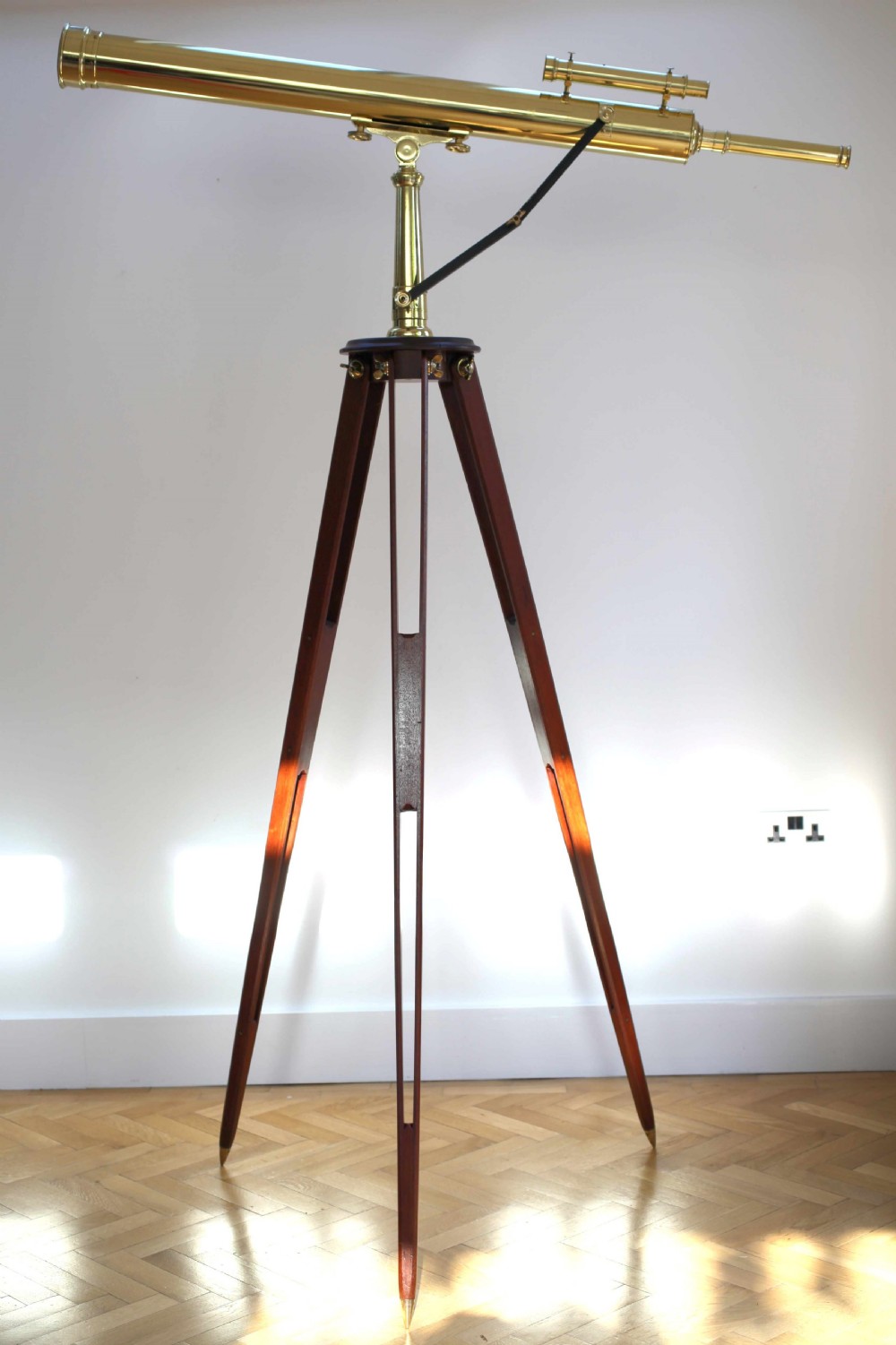
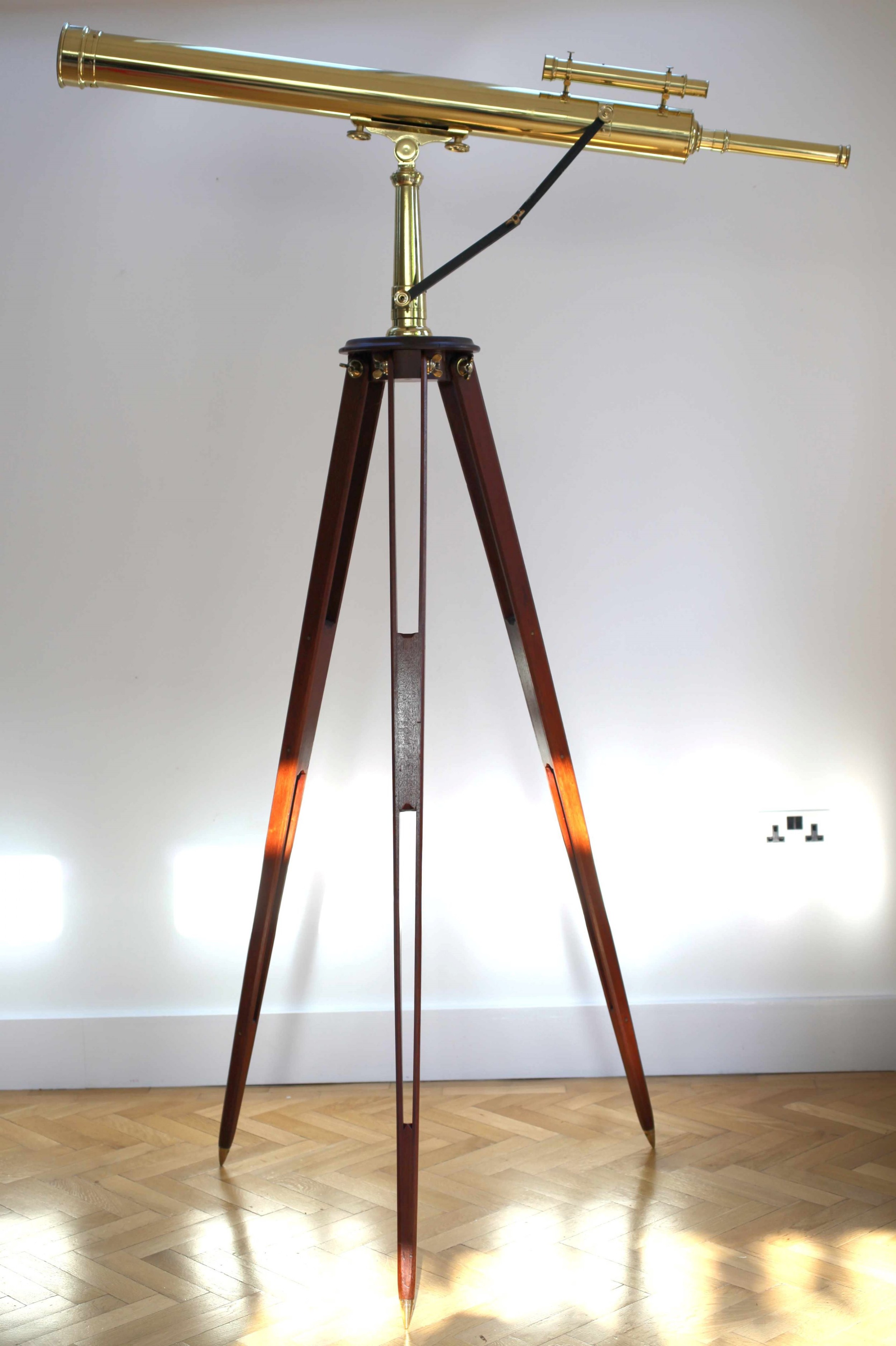
Late Victorian Astronomical Refracting Telescope on Stand by William Wray London