7,009  PAGES BROWSED TODAY PAGES TODAY 0 ANTIQUES UPLOADED TODAYNEW ARRIVALS
LATEST STOCK
Sort Order
Items Per Page
Browse Categories
Sort order
Items per page
ID #SA601350
SOLD
Email
Save
Crimean War Period Beckwith Cavalry Carbine Owned by Captain Forster 4th Dragoon Guards - Charge of the Heavy Brigade
Jason Clarke Antiques
sold SA601350
Sorry, but this item has been sold.
Jason Clarke Antiques

Jason Clarke Antiques

Sellingantiques Verified Since Jul 2015
View Dealers Stock Page
Id #SA601350
PDF SHARE
SAVE

Crimean War Period Beckwith Cavalry Carbine Owned by Captain Forster 4th Dragoon Guards - Charge of the Heavy Brigade

19th century
Description

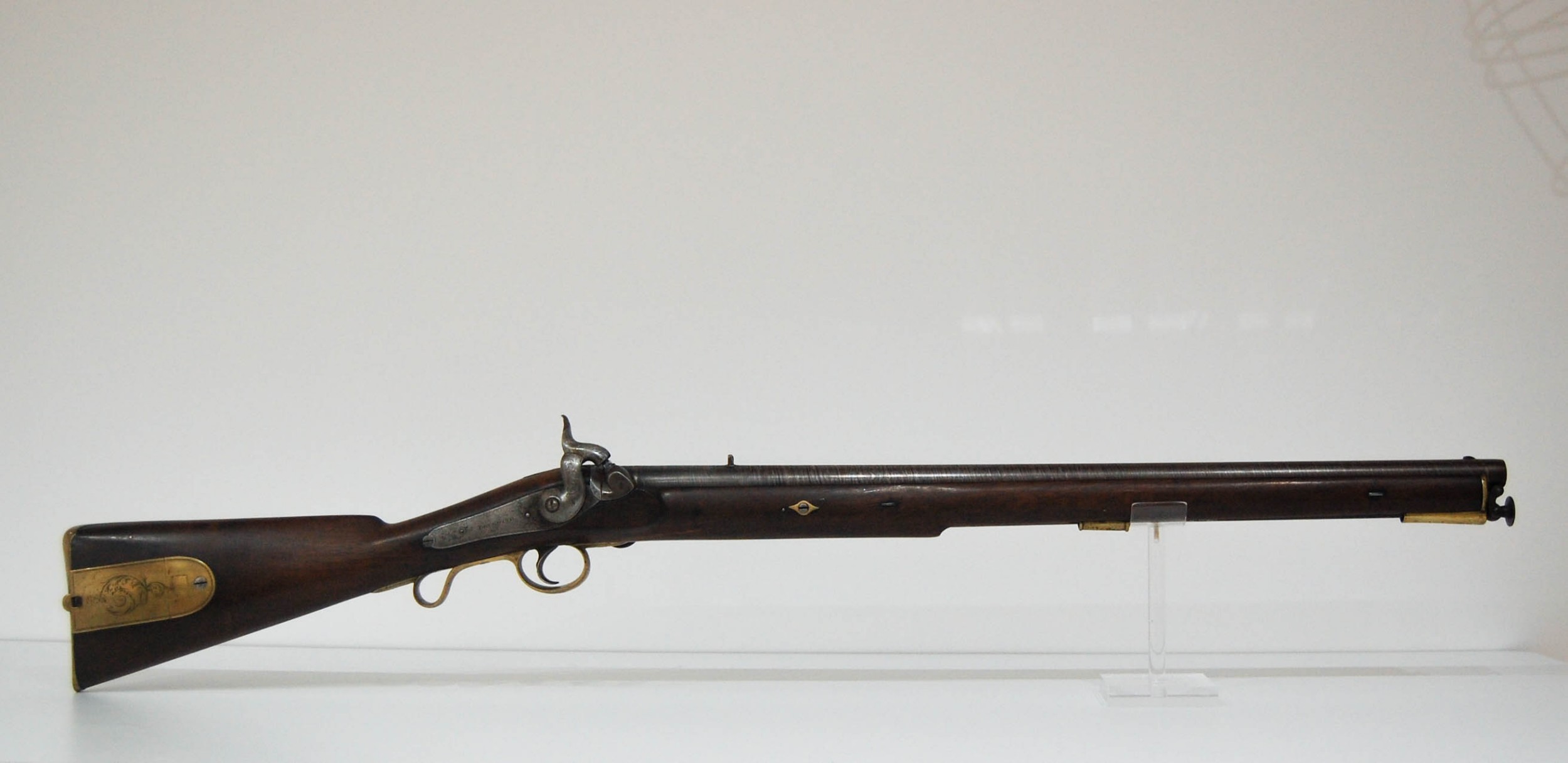
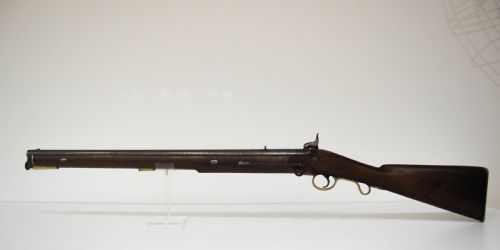
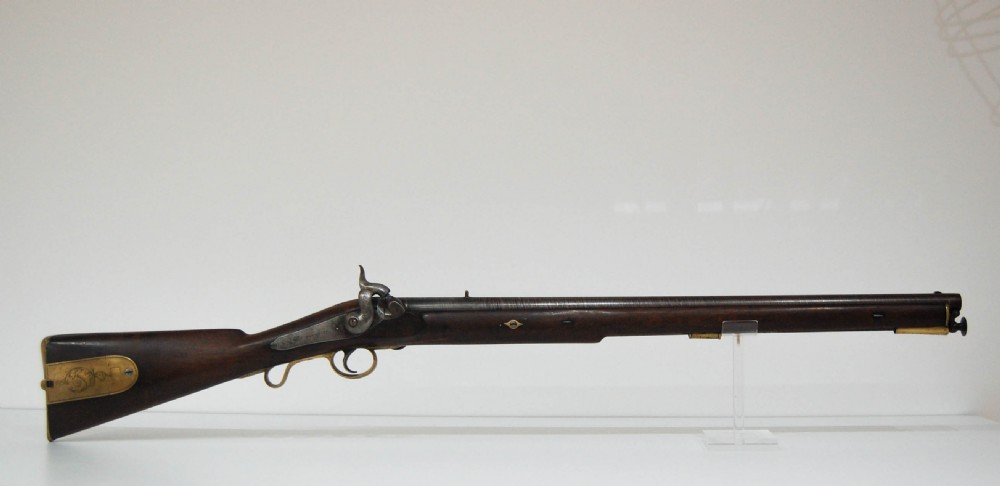
For sale, a private purchase Crimean War period Brunswick type cavalry carbine by Beckwith of London belonging to Captain Francis Rowland Forster of the 4th Royal Irish Dragoon Guards surviving officer of The Charge of the Heavy Brigade at the Battle of Balaclava.

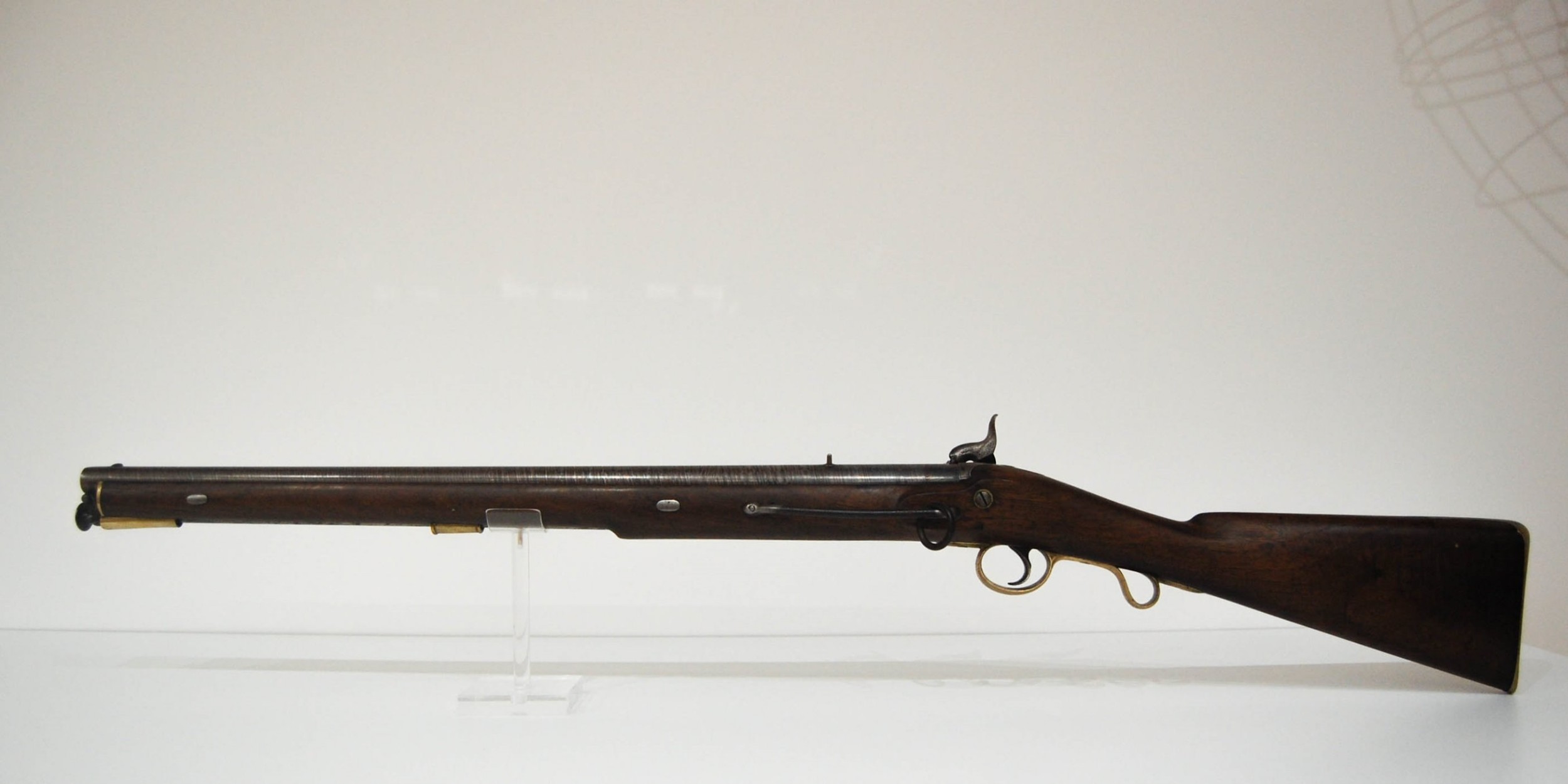
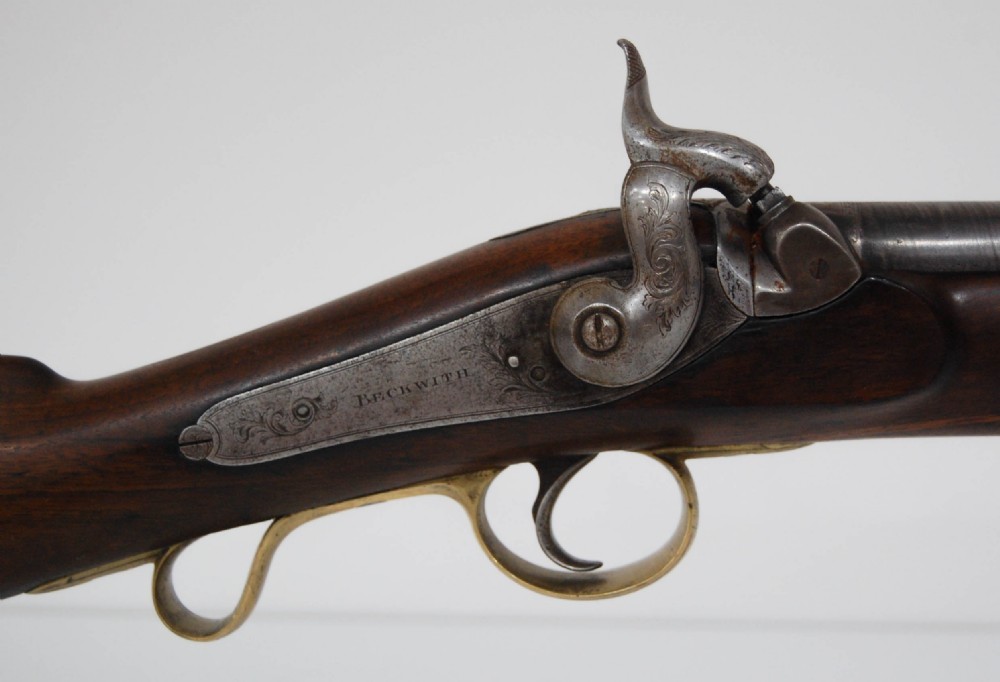
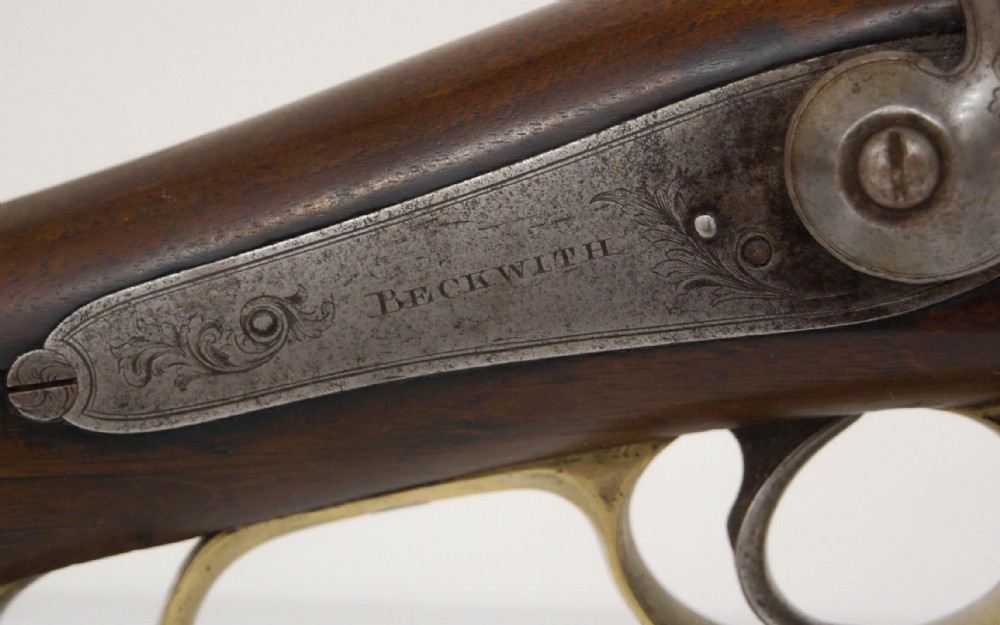
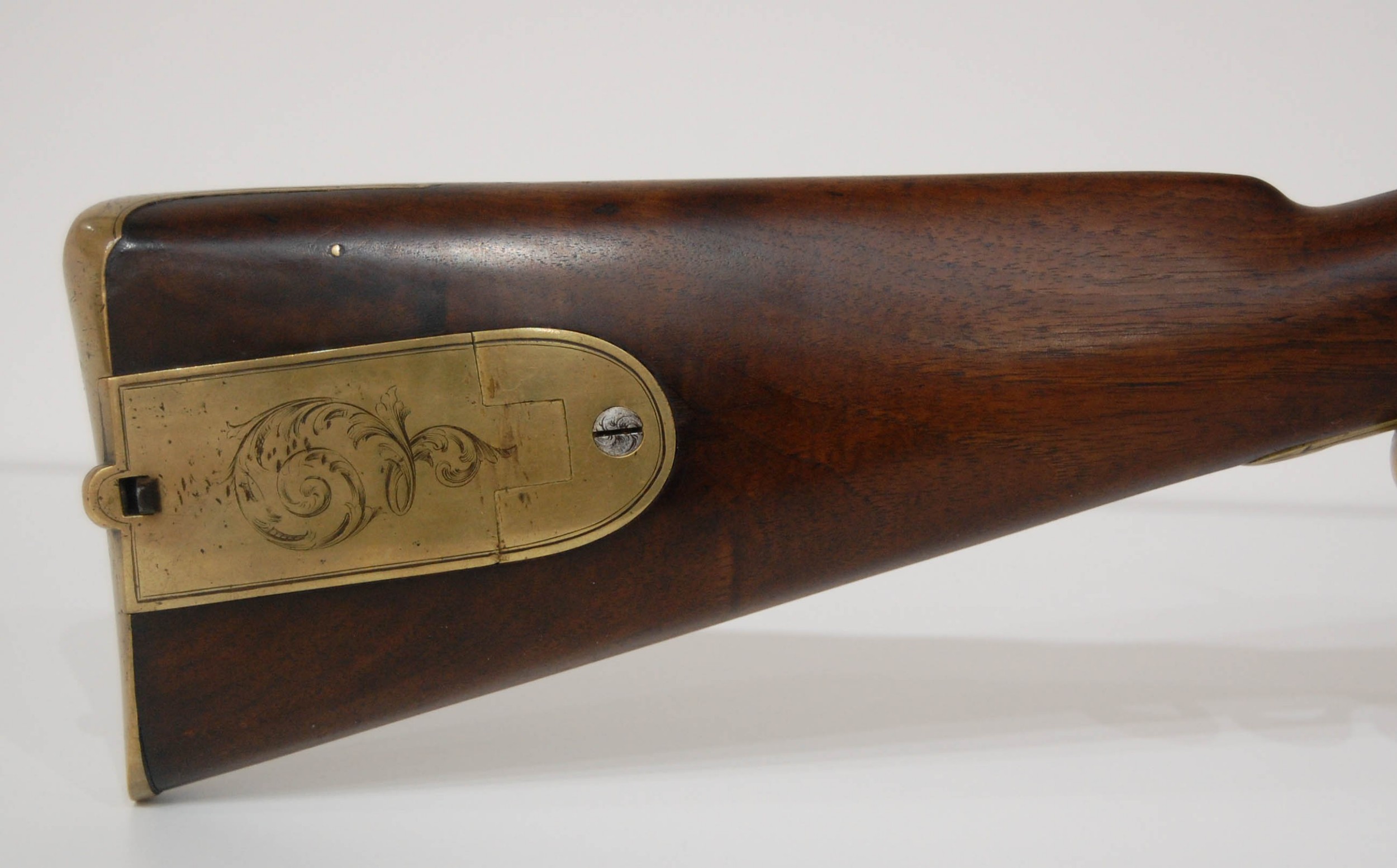
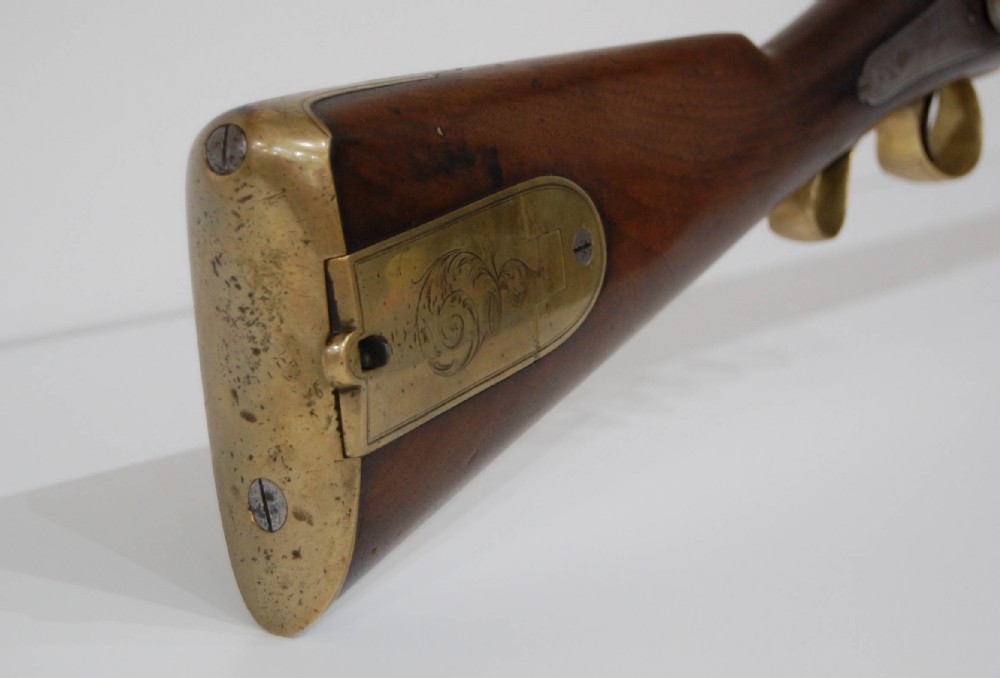
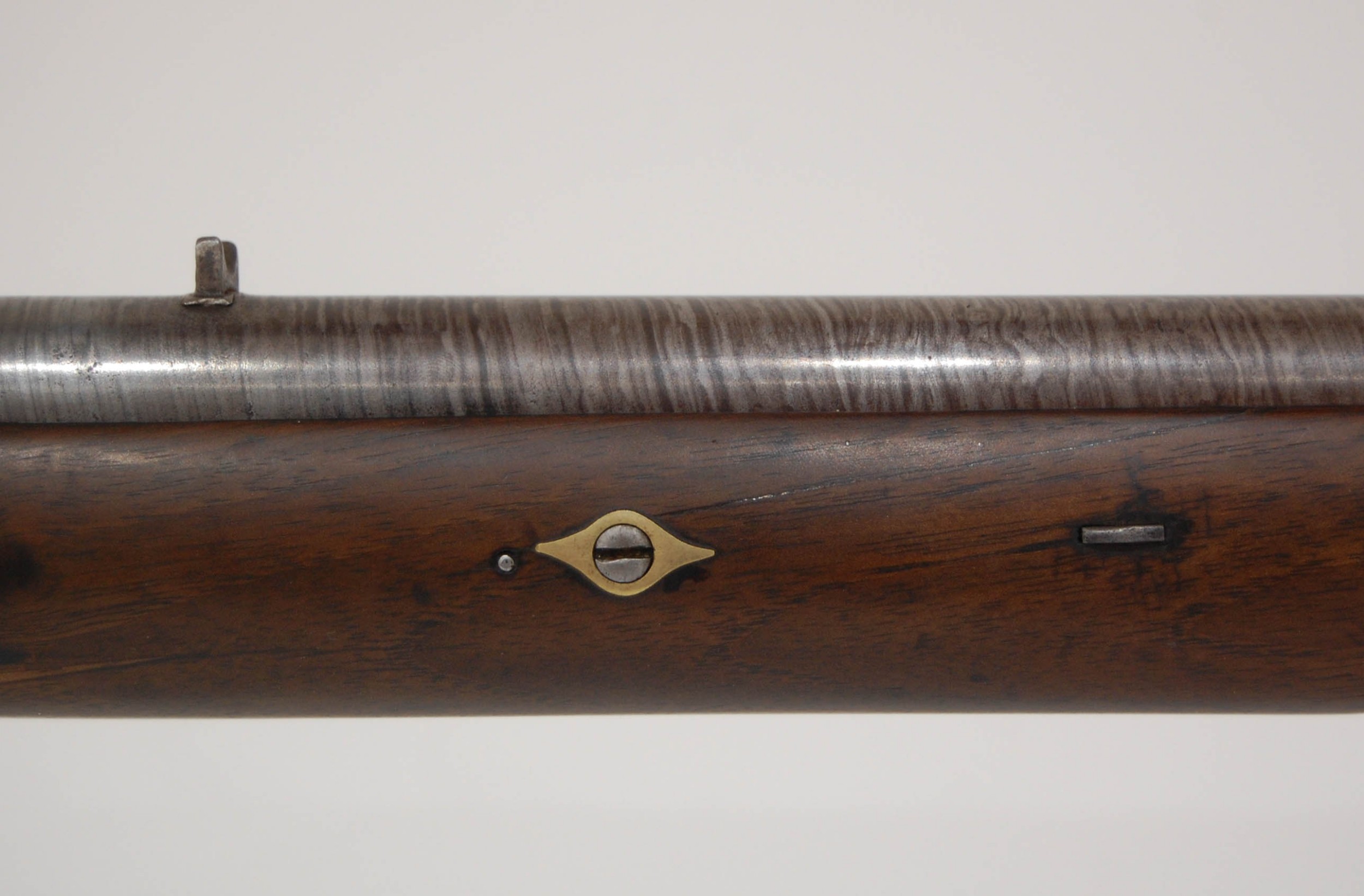
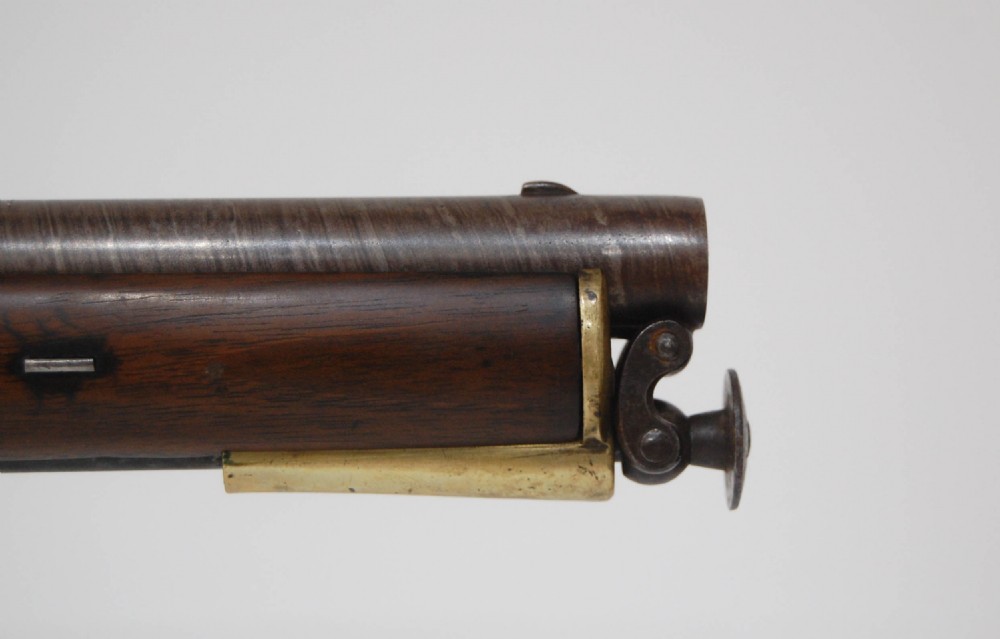
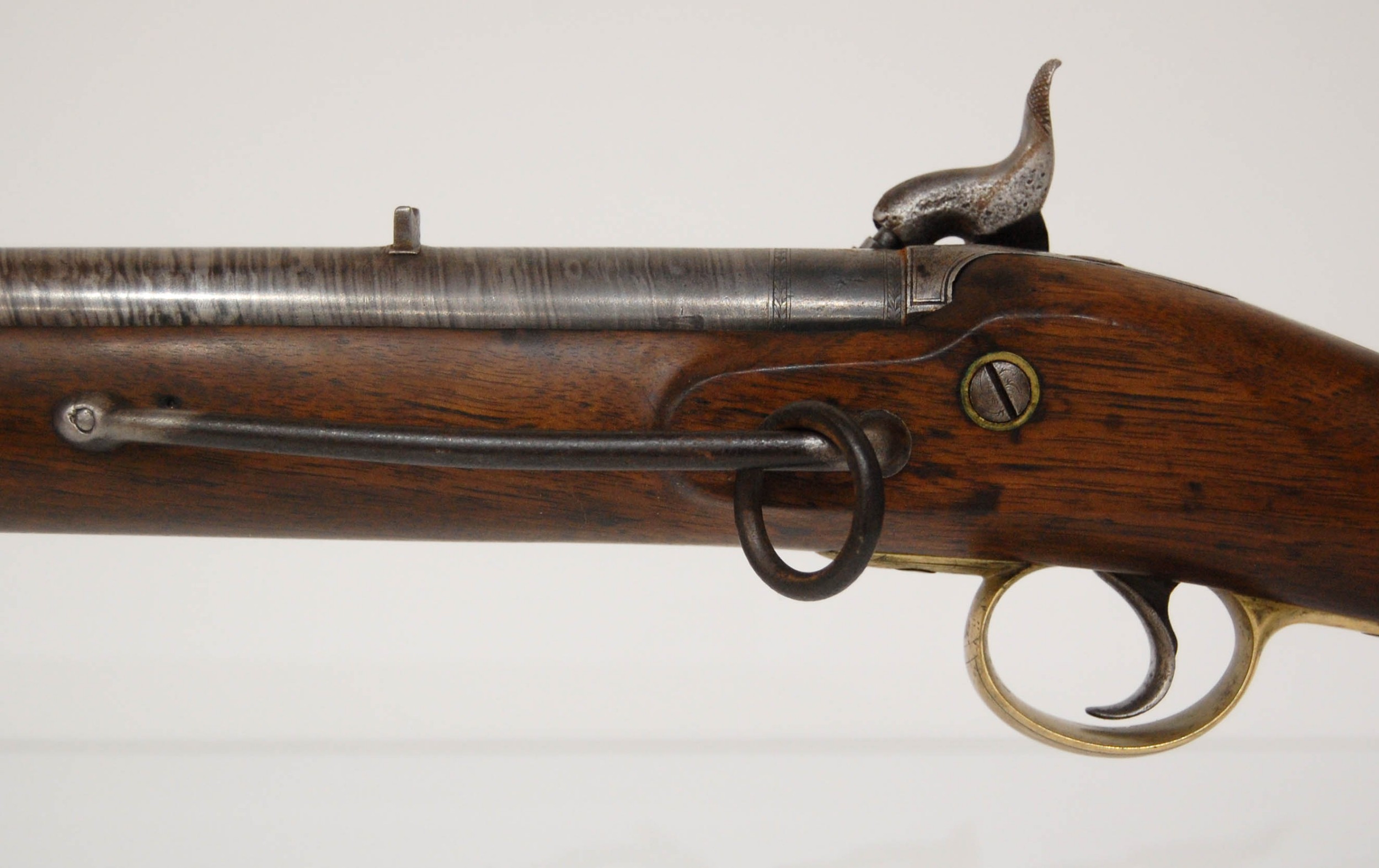
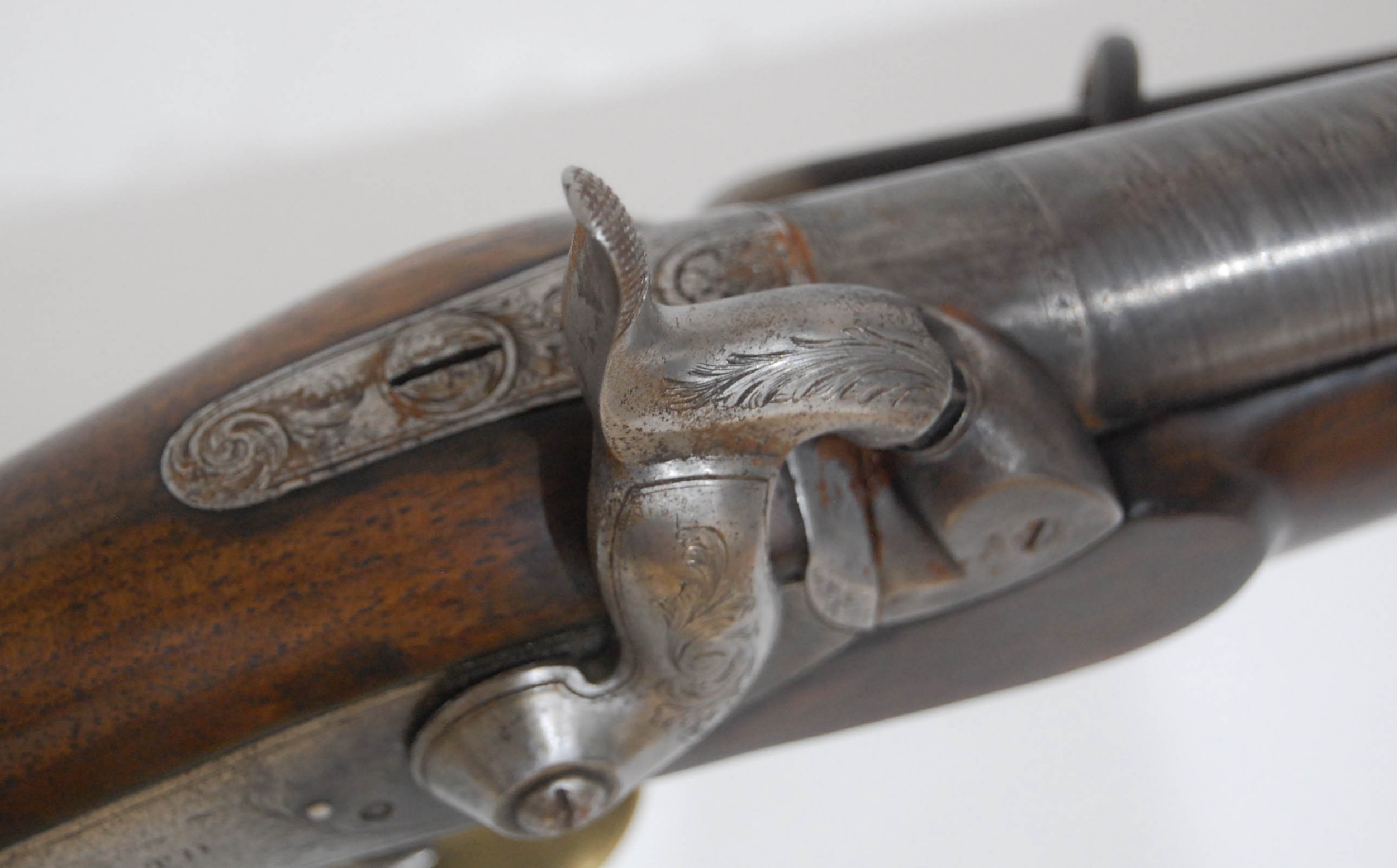
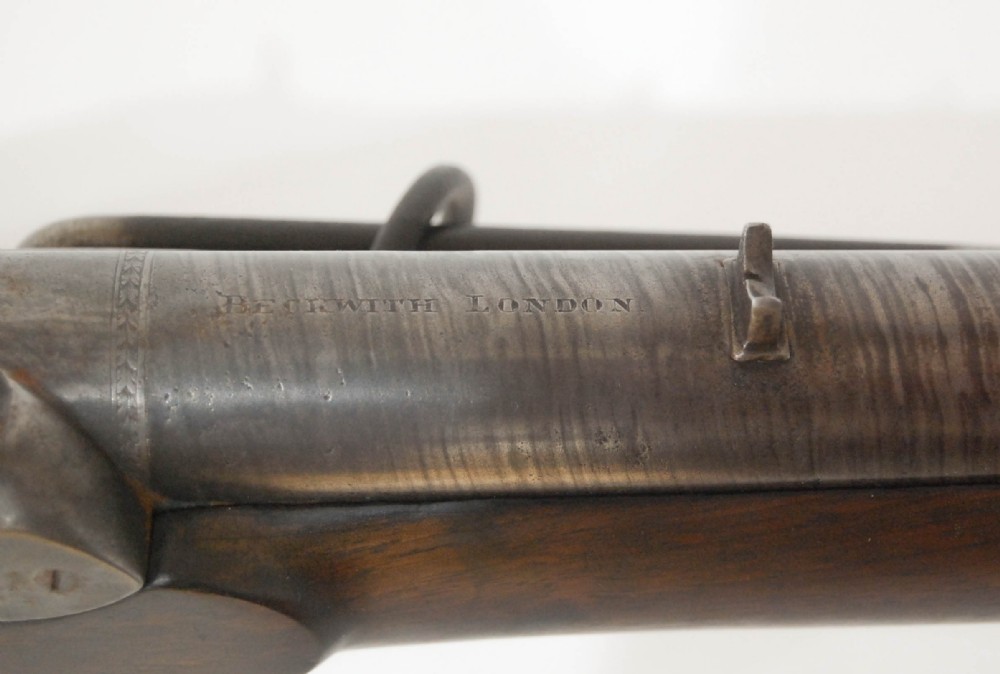
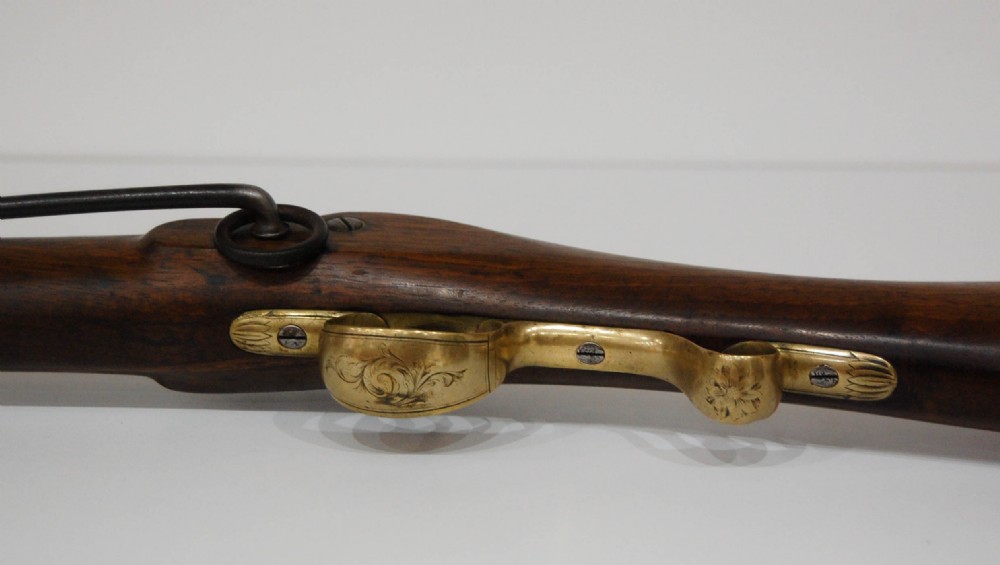
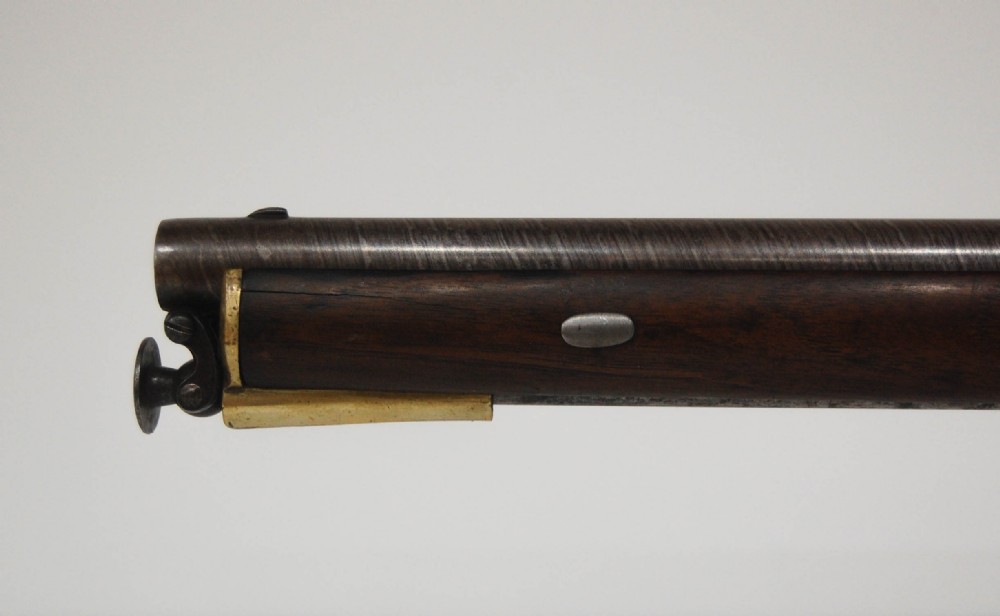
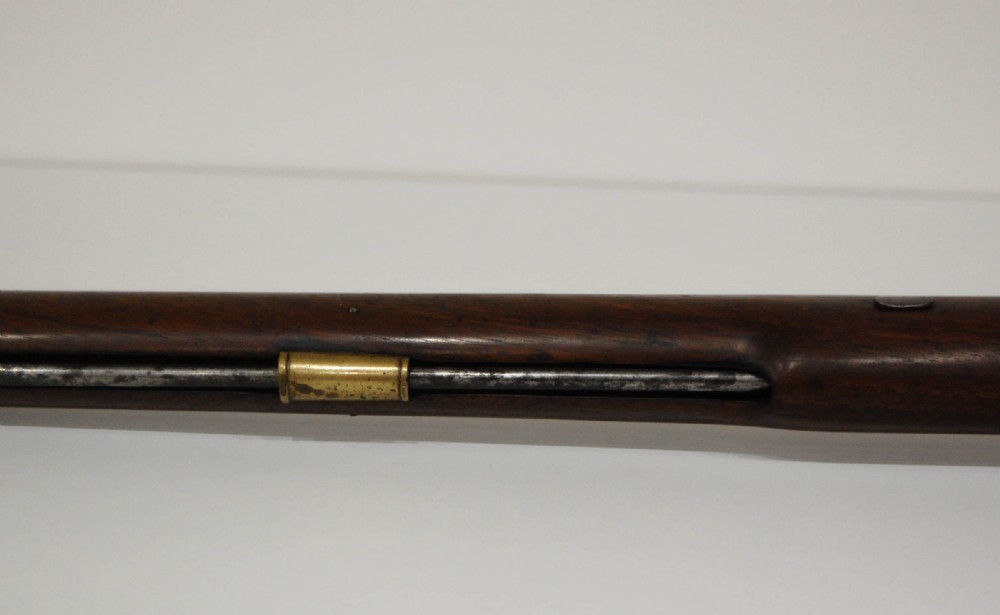
This superior quality carbine sports a 25” Damascus steel barrel with fixed sights terminating at a rare and early Brunswick first pattern type back action lock plate both of which are engraved to the famous gunsmith, “Beckwith, London”. Similar also to the Brunswick it has a brass butt plate, patch box and trigger guard and particular to cavalry use, it has a saddle bar and ring and a captive ramrod to assist with reloading whilst on horseback.

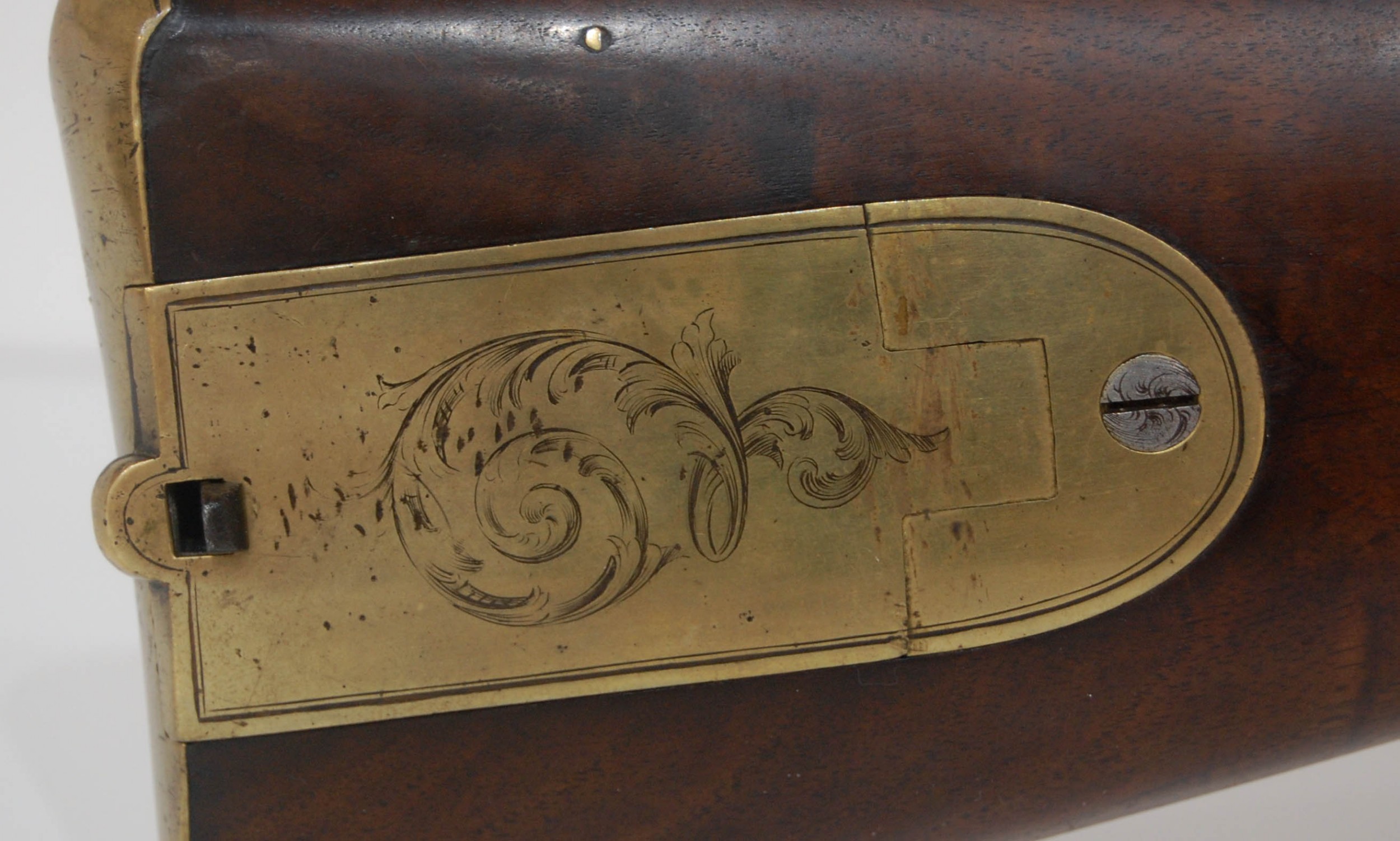
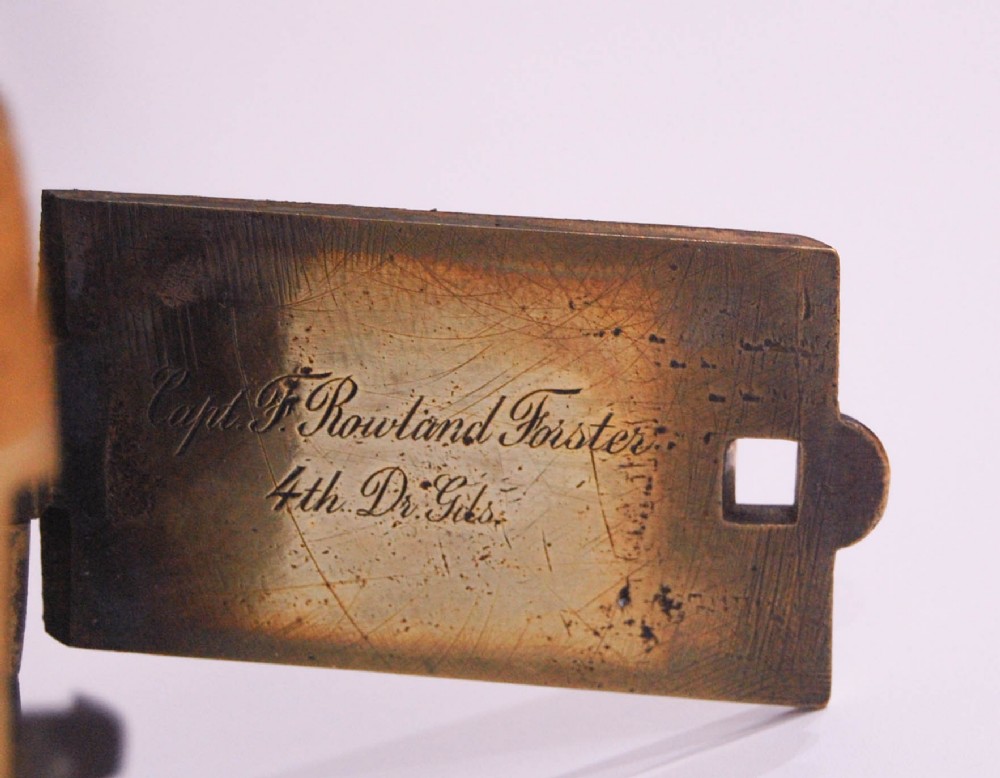
The rifle has decorative engraving to the majority of the fittings and is further engraved to, “Capt F. Rowland Forster to the inside of the patch box lid and it remains in superb condition throughout.

Captain Forster joined the 4th Dragoon Guards in February of 1840 as a Cornet, was promoted to Lieutenant in March of 1842 and made Captain in January of 1847, the rank which he held when his regiment were given orders to sail for The Crimea.

Following the British Army’s successful landing and the ensuing Battle of Alma in September of 1854, the British Army took the town of Balaclava as its supply base and headquarters. With the Russian defeat and their subsequent retreat back upon the coastal town of Sevastapol, plans were formulated to counter attack and repulse the British from their newly established base of operations. The Russian advance of 25,000 men under General Liprandi signalled the beginning of The Battle for Balaclava which took place shortly after on the 25th of October 1854.

The battle is perhaps the most famous of the numerous actions that took place in the two year campaign and is also known for the disastrous Charge of the Light Brigade and The Thin Red Line but it was the Turks defending the outer defences of the town that took the initial brunt of the attack at dawn. Being outnumbered by ten to one, it wasn’t long before the Ottoman troops collapsed after some furious fighting and the Russians established themselves in three of the six redoubts that sat upon the ridge between the north and south valley above the town.

Following the initial success, the Russian heavy cavalry advanced to the right of the captured redoubts and a squadron was sent to charge the 93rd who were the only infantry regiment available to support the fleeing Turks. This charge was turned by the force of the 93rd’s volleys and led to the historic and enduring title of The Thin Red Line. The rest of the Russian Brigade were meanwhile unaware of the British Heavy Brigade positioned at the base of the ridge on the other side and were moving in support of the fleeing Ottoman troops by virtue of an order from Lord Raglan.

Lieutenant Colonel Scarlett began leading the squadron of heavies at the head of the 5th Dragoons followed by The Greys, The Inniskillings and The 4th Royal Irish Dragoon Guards bringing up the rear and it was in this order that the Brigade began the uphill charge against its opponents. The Russians were slow to respond and attempting to form a pincer movement to envelop the initial charge of The 5th Dragoons, The Greys & The Inniskillings they were met on their right flank by the 4th in support. This final movement was led by Colonel Edward Hodge, Forster’s commanding Officer and his diaries and a letter written by Forster himself some ten years later to Hodge, provide an on the spot account. Captain Forster was in command of the regiment’s first or right squadron during the action;

“When we moved down by the side of the vineyard to attack the Russians, we were in column of troops or squadrons left in front. At the bottom of the vineyard where we wheeled to the left, we were certainly in column of tro

Physical Dimensions
Height
106cm (41.73")
Width
8cm (3.15")
Depth
13cm (5.12")
Declaration

Jason Clarke Antiques has dated this piece to the 1850s.
Reference Numbers
Sellingantiques Reference
SA601350
Description
For sale, a private purchase Crimean War period Brunswick type cavalry carbine by Beckwith of London belonging to Captain Francis Rowland Forster of the 4th Royal Irish Dragoon Guards surviving officer of The Charge of the Heavy Brigade at the Battle of Balaclava.
fig 1. Crimean War Period Beckwith Cavalry Carbine owned by Captain Forster 4th Dragoon Guards - Charge of the Heavy Brigade
fig 1. Crimean War Period Beckwith Cavalry Carbine Owned by Captain Forster 4th Dragoon Guards - Charge of the Heavy Brigade

This superior quality carbine sports a 25” Damascus steel barrel with fixed sights terminating at a rare and early Brunswick first pattern type back action lock plate both of which are engraved to the famous gunsmith, “Beckwith, London”. Similar also to the Brunswick it has a brass butt plate, patch box and trigger guard and particular to cavalry use, it has a saddle bar and ring and a captive ramrod to assist with reloading whilst on horseback.

The rifle has decorative engraving to the majority of the fittings and is further engraved to, “Capt F.
Jason Clarke Antiques

Rowland Forster to the inside of the patch box lid and it remains in superb condition throughout.
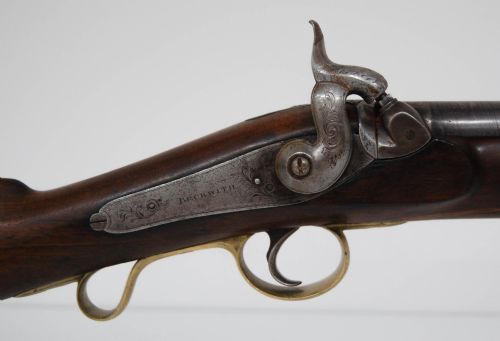
fig 2. Crimean War Period Beckwith Cavalry Carbine owned by Captain Forster 4th Dragoon Guards - Charge of the Heavy Brigade
fig 2. Crimean War Period Beckwith Cavalry Carbine Owned by Captain Forster 4th Dragoon Guards - Charge of the Heavy Brigade

Captain Forster joined the 4th Dragoon Guards in February of 1840 as a Cornet, was promoted to Lieutenant in March of 1842 and made Captain in January of 1847, the rank which he held when his regiment were given orders to sail for The Crimea.
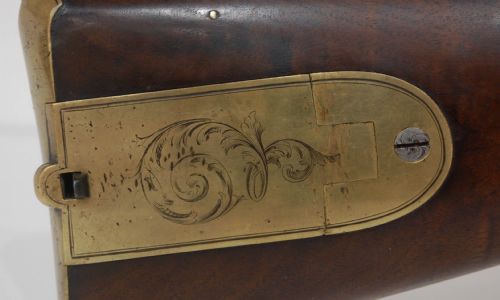
fig 3. Crimean War Period Beckwith Cavalry Carbine owned by Captain Forster 4th Dragoon Guards - Charge of the Heavy Brigade
fig 3. Crimean War Period Beckwith Cavalry Carbine Owned by Captain Forster 4th Dragoon Guards - Charge of the Heavy Brigade

Following the British Army’s successful landing and the ensuing Battle of Alma in September of 1854, the British Army took the town of Balaclava as its supply base and headquarters. With the Russian defeat and their subsequent retreat back upon the coastal town of Sevastapol, plans were formulated to counter attack and repulse the British from their newly established base of operations. The Russian advance of 25,000 men under General Liprandi signalled the beginning of The Battle for Balaclava which took place shortly after on the 25th of October 1854.
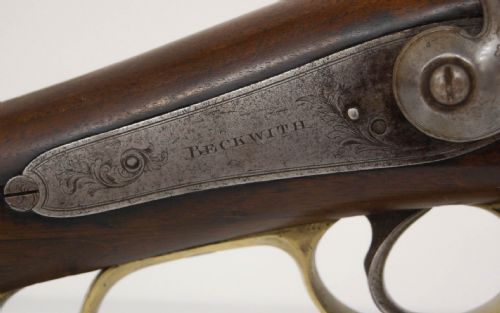
fig 4. Crimean War Period Beckwith Cavalry Carbine owned by Captain Forster 4th Dragoon Guards - Charge of the Heavy Brigade
fig 4. Crimean War Period Beckwith Cavalry Carbine Owned by Captain Forster 4th Dragoon Guards - Charge of the Heavy Brigade

The battle is perhaps the most famous of the numerous actions that took place in the two year campaign and is also known for the disastrous Charge of the Light Brigade and The Thin Red Line but it was the Turks defending the outer defences of the town that took the initial brunt of the attack at dawn. Being outnumbered by ten to one, it wasn’t long before the Ottoman troops collapsed after some furious fighting and the Russians established themselves in three of the six redoubts that sat upon the ridge between the north and south valley above the town.
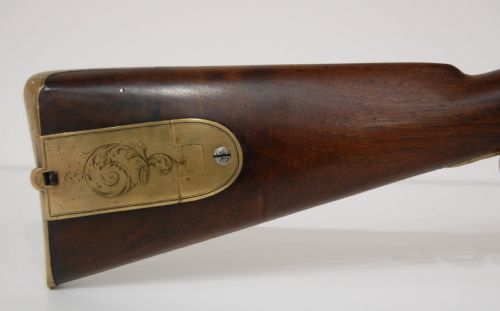
fig 5. Crimean War Period Beckwith Cavalry Carbine owned by Captain Forster 4th Dragoon Guards - Charge of the Heavy Brigade
fig 5. Crimean War Period Beckwith Cavalry Carbine Owned by Captain Forster 4th Dragoon Guards - Charge of the Heavy Brigade

Following the initial success, the Russian heavy cavalry advanced to the right of the captured redoubts and a squadron was sent to charge the 93rd who were the only infantry regiment available to support the fleeing Turks. This charge was turned by the force of the 93rd’s volleys and led to the historic and enduring title of The Thin Red Line. The rest of the Russian Brigade were meanwhile unaware of the British Heavy Brigade positioned at the base of the ridge on the other side and were moving in support of the fleeing Ottoman troops by virtue of an order from Lord Raglan.
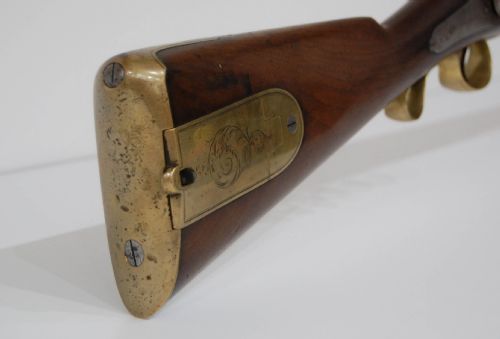
fig 6. Crimean War Period Beckwith Cavalry Carbine owned by Captain Forster 4th Dragoon Guards - Charge of the Heavy Brigade
fig 6. Crimean War Period Beckwith Cavalry Carbine Owned by Captain Forster 4th Dragoon Guards - Charge of the Heavy Brigade

Lieutenant Colonel Scarlett began leading the squadron of heavies at the head of the 5th Dragoons followed by The Greys, The Inniskillings and The 4th Royal Irish Dragoon Guards bringing up the rear and it was in this order that the Brigade began the uphill charge against its opponents. The Russians were slow to respond and attempting to form a pincer movement to envelop the initial charge of The 5th Dragoons, The Greys & The Inniskillings they were met on their right flank by the 4th in support. This final movement was led by Colonel Edward Hodge, Forster’s commanding Officer and his diaries and a letter written by Forster himself some ten years later to Hodge, provide an on the spot account. Captain Forster was in command of the regiment’s first or right squadron during the action;
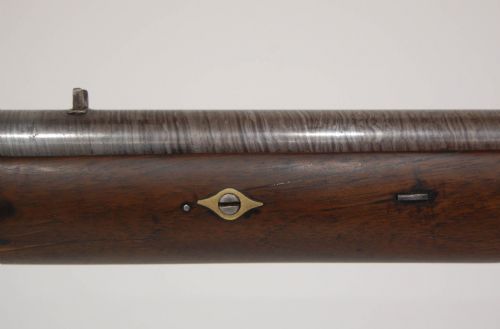
fig 7. Crimean War Period Beckwith Cavalry Carbine owned by Captain Forster 4th Dragoon Guards - Charge of the Heavy Brigade
fig 7. Crimean War Period Beckwith Cavalry Carbine Owned by Captain Forster 4th Dragoon Guards - Charge of the Heavy Brigade

“When we moved down by the side of the vineyard to attack the Russians, we were in column of troops or squadrons left in front. At the bottom of the vineyard where we wheeled to the left, we were certainly in column of tro

Height
106cm (41.73")
Width
8cm (3.15")
Depth
13cm (5.12")
Date of Manufacture

Jason Clarke Antiques has dated this piece to the 1850s.

Reference Numbers
Sellingantiques Ref
SA601350
Jason Clarke Antiques
Sellingantiques verified Since Jul 2015
Dealer Profile

You can view the stock and full dealer information on the Jason Clarke Antiques Profile Page
PDF SHARE
SAVE
Crimean War Period Beckwith Cavalry Carbine owned by Captain Forster 4th Dragoon Guards - Charge of the Heavy Brigade
1 / 18
Archive I Crimean War Period Beckwith Cavalry Carbine owned by Captain Forster 4th Dragoon Guards - Charge of the Heavy Brigade

Crimean War Period Beckwith Cavalry Carbine Owned by Captain Forster 4th Dragoon Guards - Charge of the Heavy Brigade
Archive II Crimean War Period Beckwith Cavalry Carbine owned by Captain Forster 4th Dragoon Guards - Charge of the Heavy Brigade View II
Archive III Crimean War Period Beckwith Cavalry Carbine owned by Captain Forster 4th Dragoon Guards - Charge of the Heavy Brigade View III
Archive IV Crimean War Period Beckwith Cavalry Carbine owned by Captain Forster 4th Dragoon Guards - Charge of the Heavy Brigade View IV
Archive V Crimean War Period Beckwith Cavalry Carbine owned by Captain Forster 4th Dragoon Guards - Charge of the Heavy Brigade View V
Archive VI Crimean War Period Beckwith Cavalry Carbine owned by Captain Forster 4th Dragoon Guards - Charge of the Heavy Brigade View VI
Archive VII Crimean War Period Beckwith Cavalry Carbine owned by Captain Forster 4th Dragoon Guards - Charge of the Heavy Brigade View VII
Archive VIII Crimean War Period Beckwith Cavalry Carbine owned by Captain Forster 4th Dragoon Guards - Charge of the Heavy Brigade View VIII
Archive IX Crimean War Period Beckwith Cavalry Carbine owned by Captain Forster 4th Dragoon Guards - Charge of the Heavy Brigade View IX
Archive X Crimean War Period Beckwith Cavalry Carbine owned by Captain Forster 4th Dragoon Guards - Charge of the Heavy Brigade View X
Archive XI Crimean War Period Beckwith Cavalry Carbine owned by Captain Forster 4th Dragoon Guards - Charge of the Heavy Brigade View XI
Archive XII Crimean War Period Beckwith Cavalry Carbine owned by Captain Forster 4th Dragoon Guards - Charge of the Heavy Brigade View XII
Archive XIII Crimean War Period Beckwith Cavalry Carbine owned by Captain Forster 4th Dragoon Guards - Charge of the Heavy Brigade View XIII
Archive XIV Crimean War Period Beckwith Cavalry Carbine owned by Captain Forster 4th Dragoon Guards - Charge of the Heavy Brigade View XIV
Archive XV Crimean War Period Beckwith Cavalry Carbine owned by Captain Forster 4th Dragoon Guards - Charge of the Heavy Brigade View XV
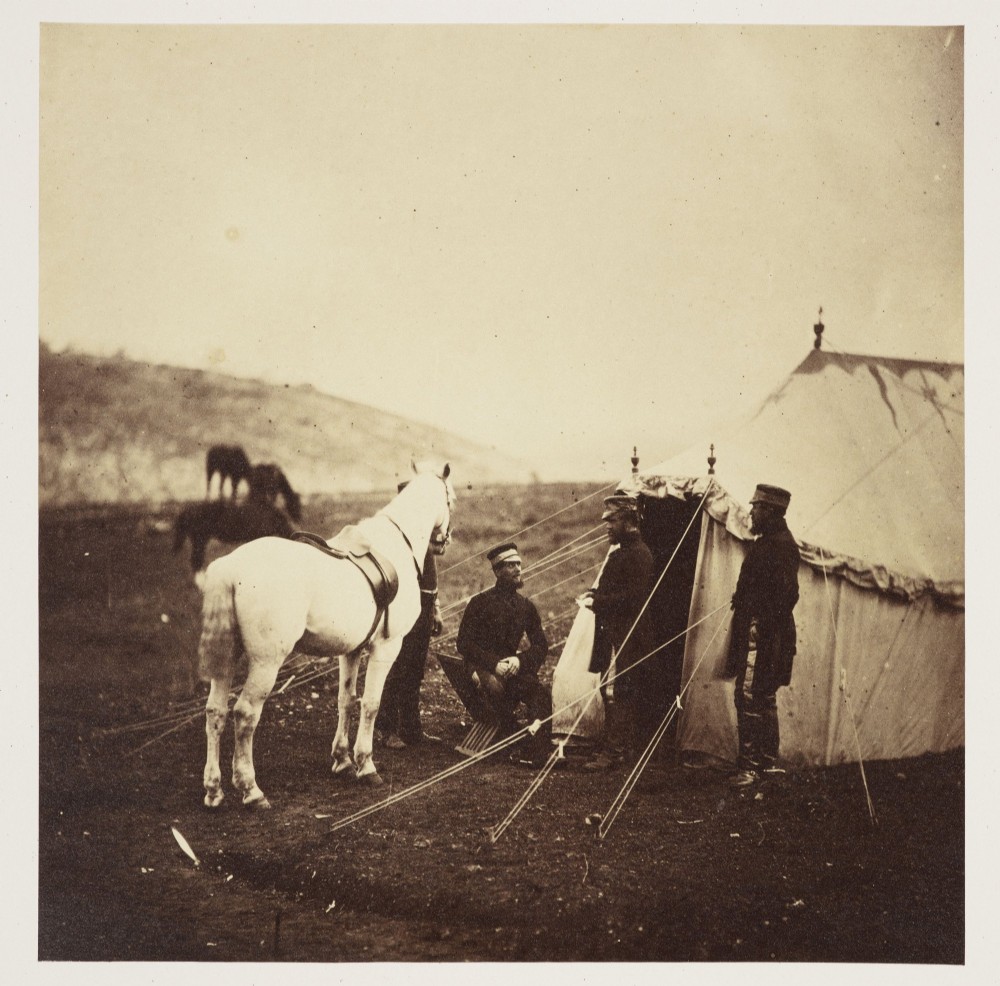
Archive XVI Crimean War Period Beckwith Cavalry Carbine owned by Captain Forster 4th Dragoon Guards - Charge of the Heavy Brigade View XVI
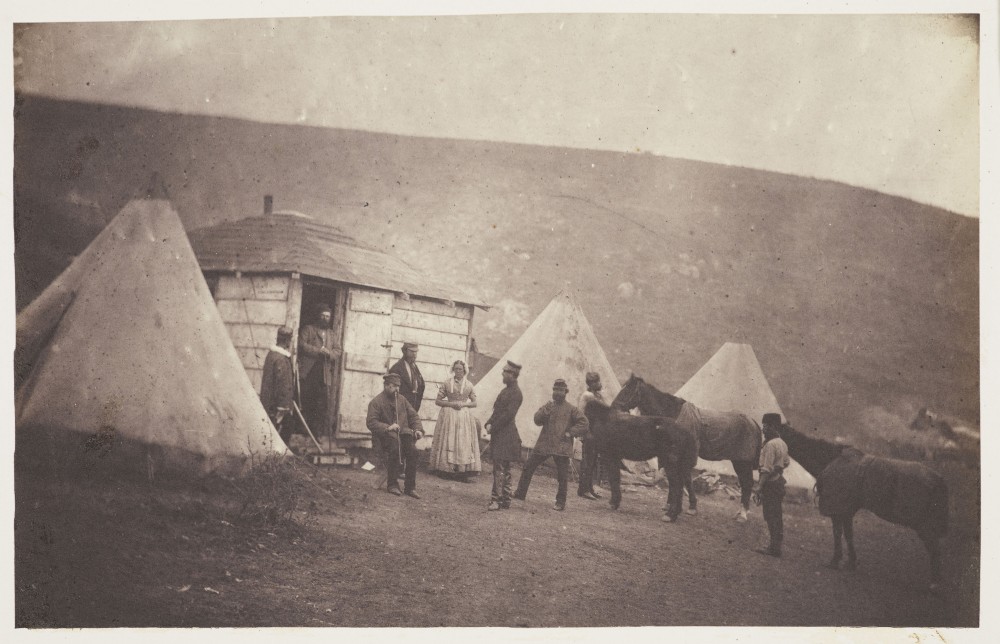
Archive XVII Crimean War Period Beckwith Cavalry Carbine owned by Captain Forster 4th Dragoon Guards - Charge of the Heavy Brigade View XVII
Archive XVIII Crimean War Period Beckwith Cavalry Carbine owned by Captain Forster 4th Dragoon Guards - Charge of the Heavy Brigade View XVIII
Enlarged Archival View
Telephone 07815 046645
Location
Newbury
Berkshire
United Kingdom
Verified Since Jul 2015
Items For Sale 80
Items Sold 607
Jason Clarke Antiques
Verified Since Jul 2015
View Dealer Info
Location: Newbury, Berkshire, United Kingdom
Verified
Jul 2015
For Sale
80
Sold
607
Crimean War Period Beckwith Cavalry Carbine owned by Captain Forster 4th Dragoon Guards - Charge of the Heavy Brigade
Ref: SA601350
Crimean War Period Beckwith Cavalry Carbine owned by Captain Forster 4th Dragoon Guards - Charge of the Heavy Brigade
Detail View 1
Detail View 2
Detail View 3
Detail View 4
Detail View 5
Detail View 6
Detail View 7
Detail View 8
Detail View 9
Detail View 10
Detail View 11
Detail View 12
Detail View 13
Detail View 14
Detail View 15
Detail View 16
Detail View 17
Archival Detail
Every single antique dealer on our platform is individually approved by our internal team. We verify their professional trade history, ethical standards, and photographic quality to ensure a secure, high-standard buying environment. Upon joining, every dealer agrees to a strict 9-point code of conduct. While issues can occasionally arise, our dealers typically resolve them swiftly and directly with the buyer. In fact, since our founding in 2002, Sellingantiques has only had to step in to help resolve an issue on roughly five occasions—a true testament to the quality of our dealers and their dedication to your happiness.
Our dealers are highly experienced in packing and shipping fragile, high-value antiques. Because you are in direct contact with the dealer, you will be able to easily go through all available shipping and insurance options together to ensure your item arrives safely.
Antiques are the ultimate green purchase. By choosing historical pieces over newly manufactured goods, you completely eliminate the carbon footprint of modern mass production while preserving exceptional, timeless craftsmanship.
items
Add keywords to the filter
Price
£100
£250000
Era
Movements
Material
Origin
Stock Location
Freshness
Online Payments
Categories