6,069  PAGES BROWSED TODAY PAGES TODAY 0 ANTIQUES UPLOADED TODAYNEW ARRIVALS
LATEST STOCK
Sort Order
Items Per Page
Browse Categories
Sort order
Items per page
ID #SA570346
SOLD
Email
Save
Early Victorian Cased Maritime Artificial Horizon by George Dollond of London
Jason Clarke Antiques
sold SA570346
Sorry, but this item has been sold.
Jason Clarke Antiques

Jason Clarke Antiques

Sellingantiques Verified Since Jul 2015
View Dealers Stock Page
Id #SA570346
PDF SHARE
SAVE

Early Victorian Cased Maritime Artificial Horizon by George Dollond of London

19th century
Description

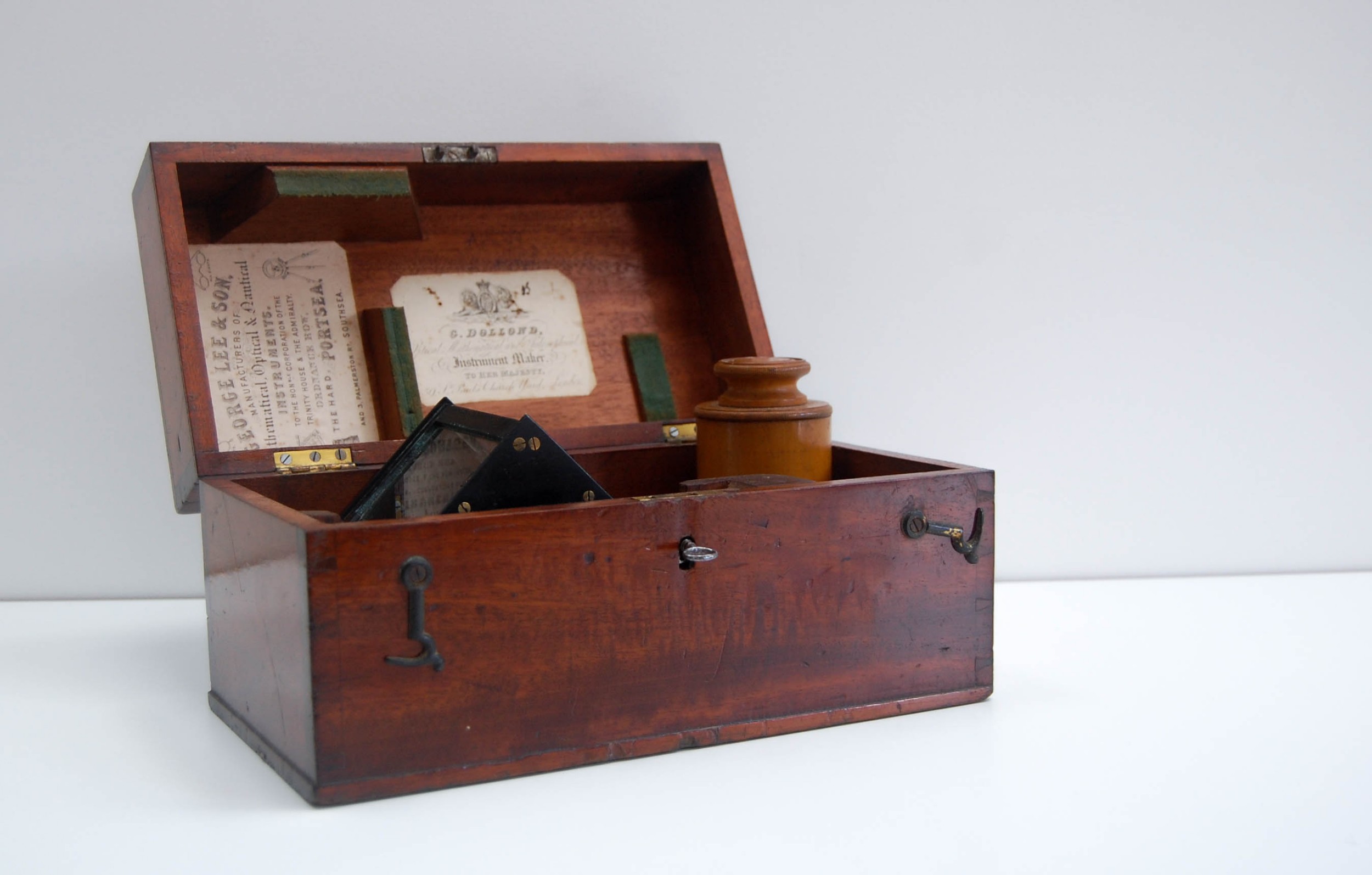
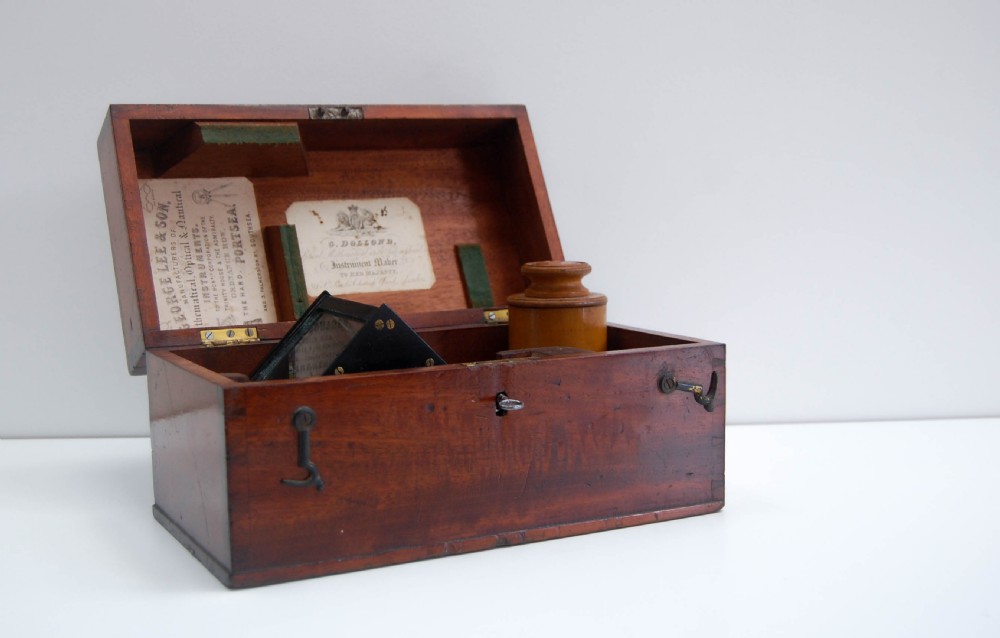
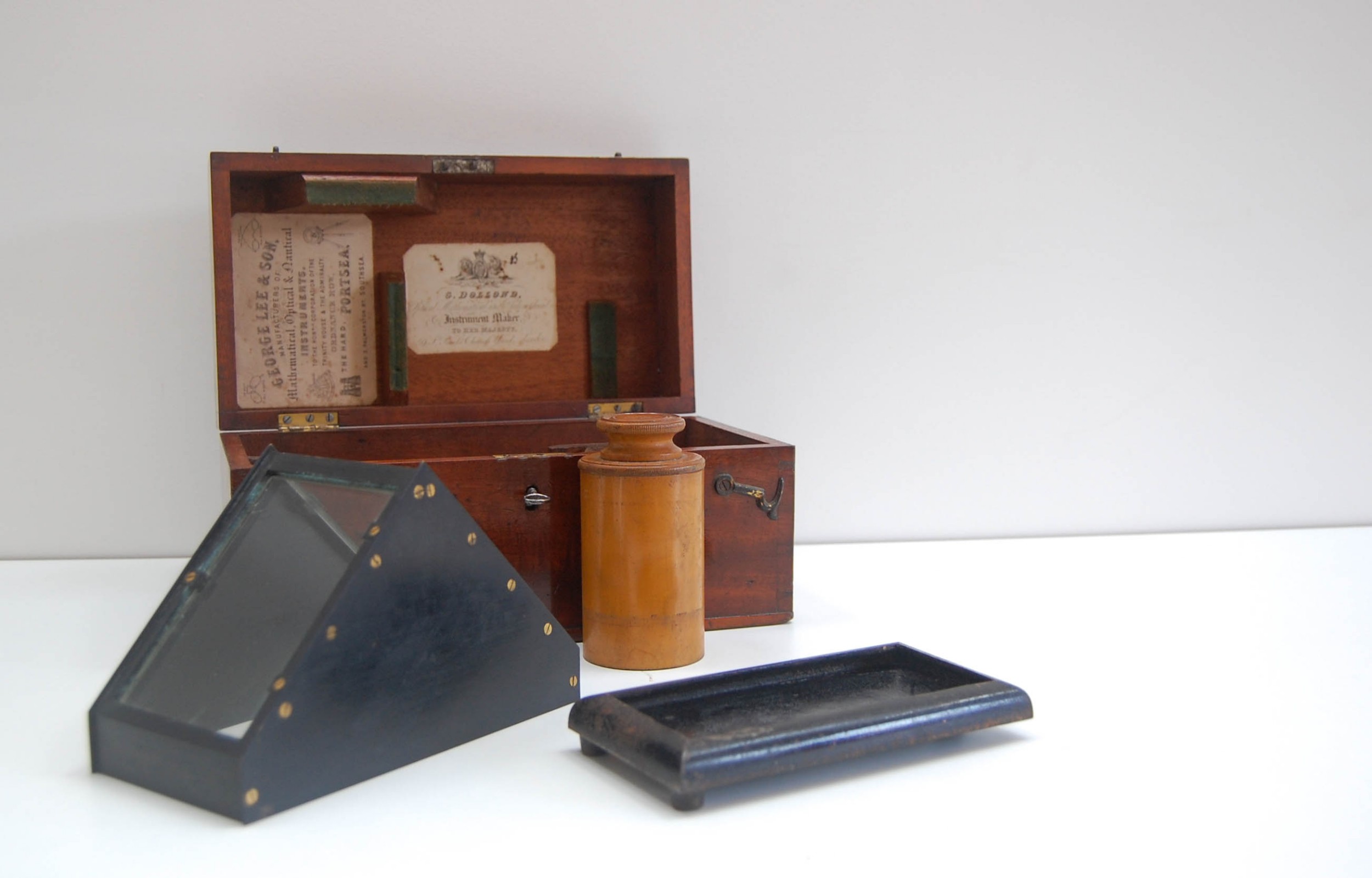
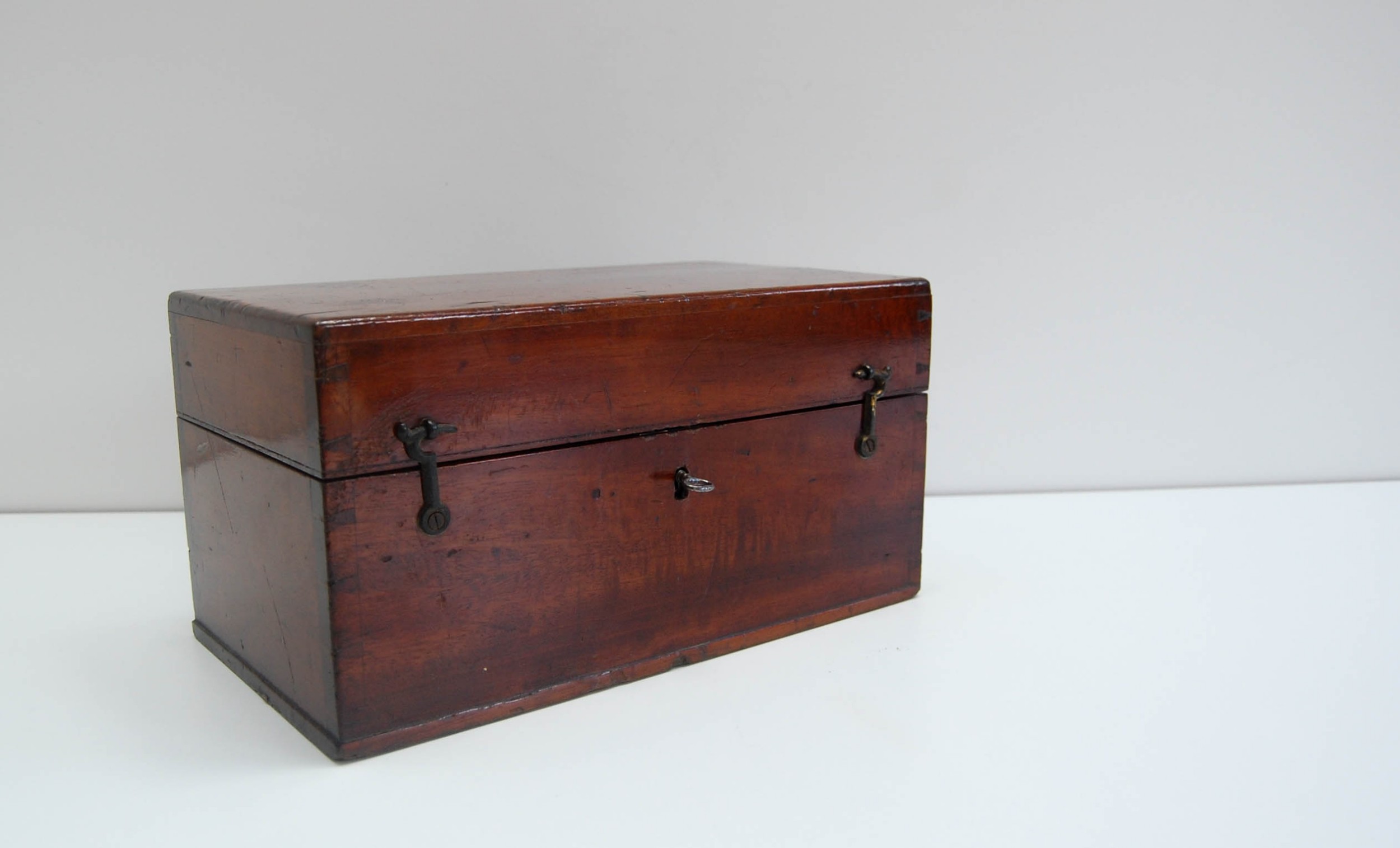
For sale an early Victorian cased maritime artificial horizon by George Dollond, 59 St Paul’s Churchyard, London.

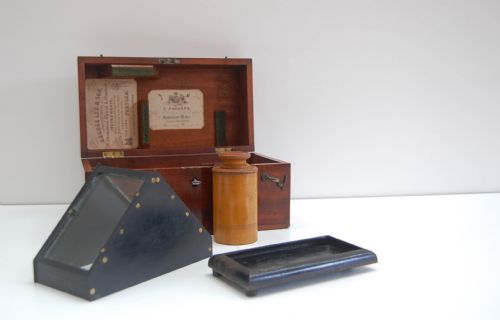
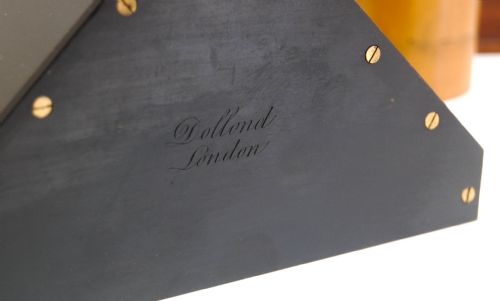
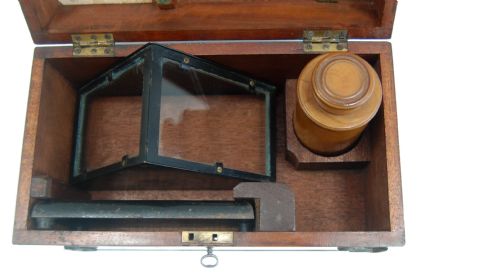
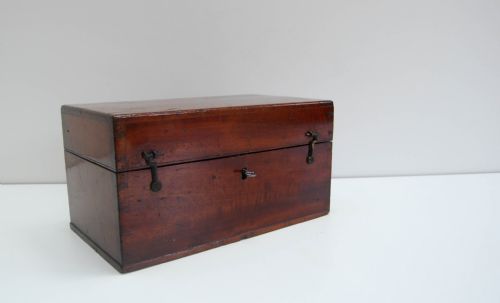
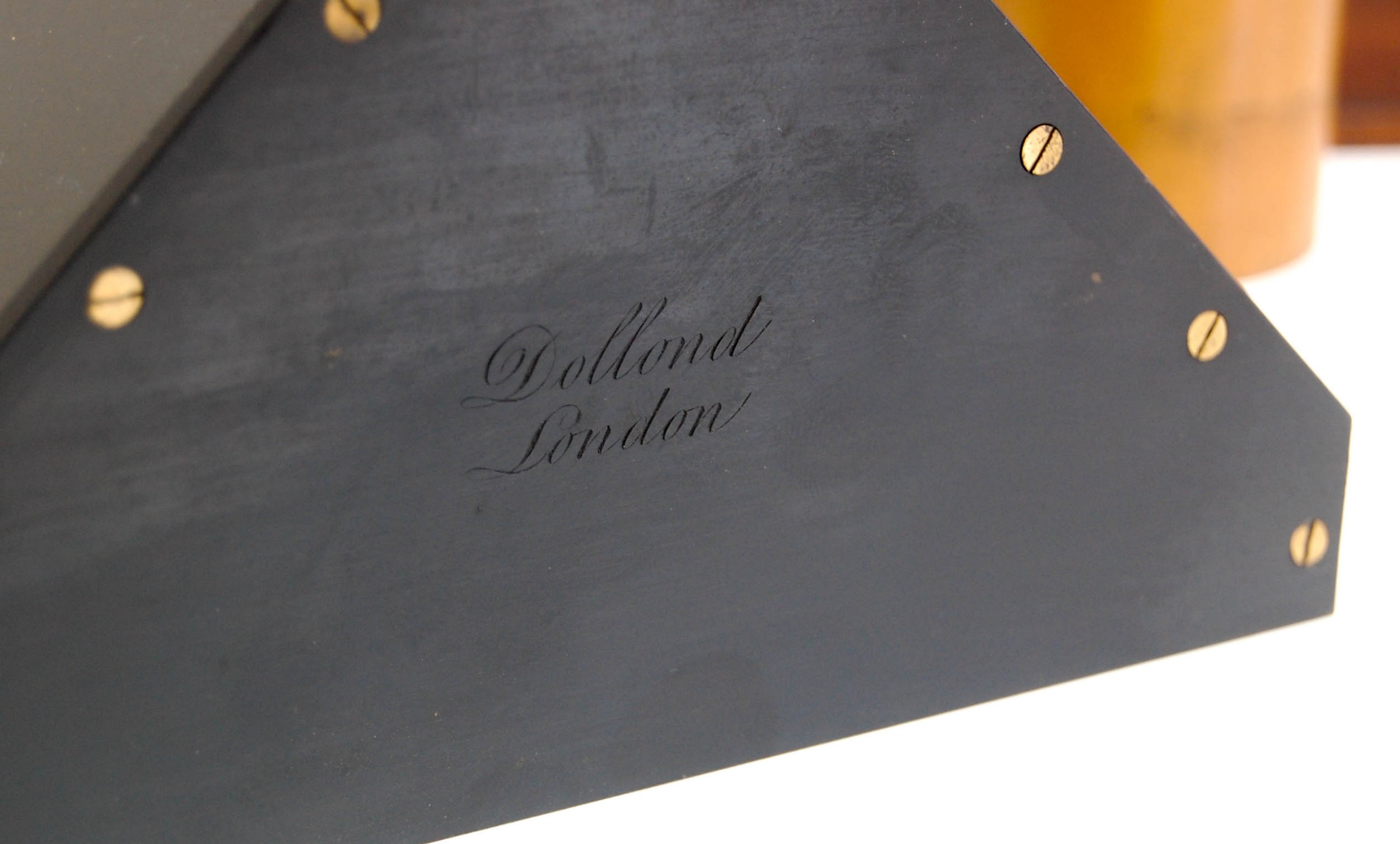
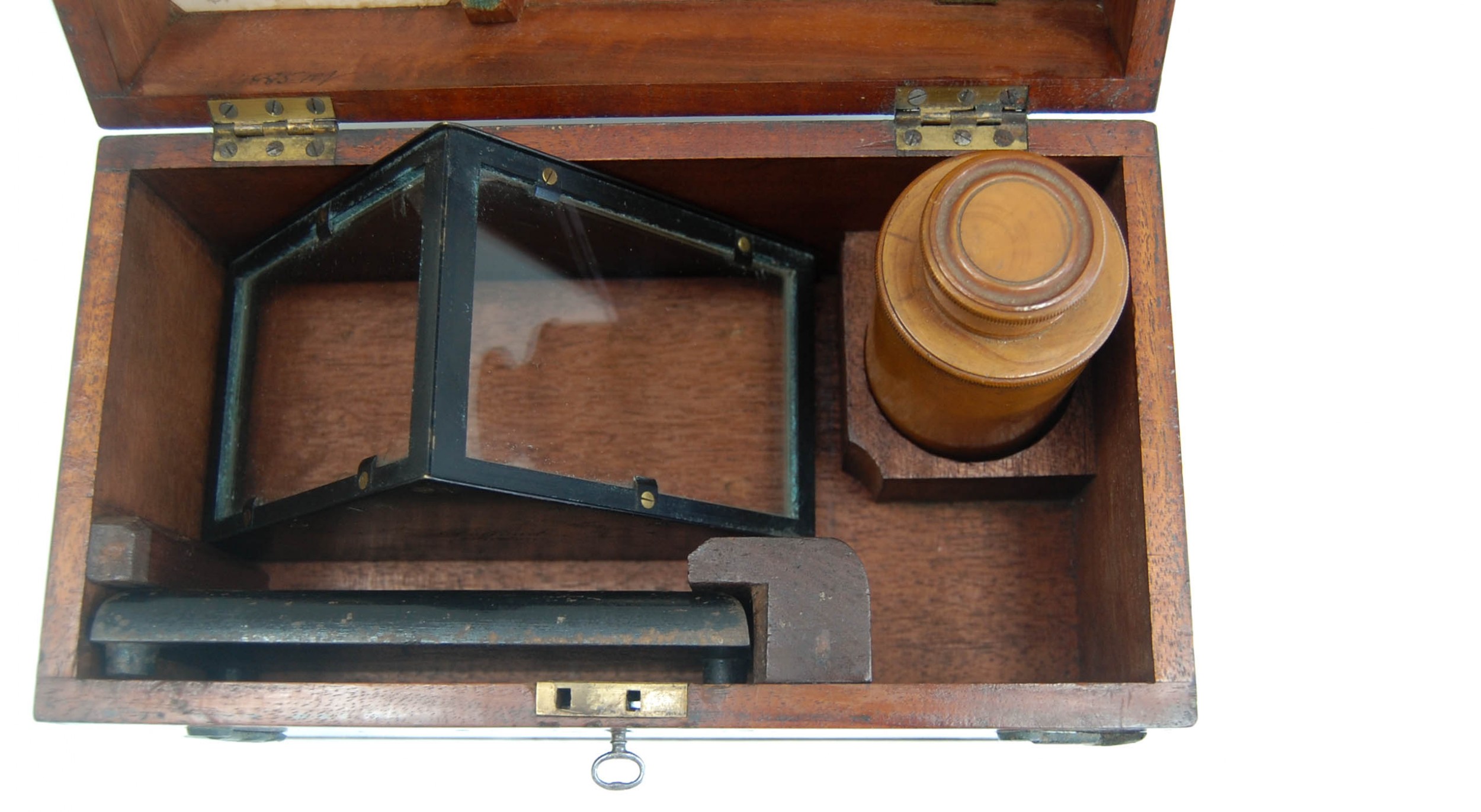
This top quality instrument is comprised of a mahogany hinged case with original lock and key and additional hook and eye fixings to the front. Contained within the box a black painted metal tray and triangular lid (signed to Dollond) with a two paned glass top to enable viewing and to protect it from the elements aboard ship. The box also contains its original turned boxwood circular case for the safe storage of mercury.
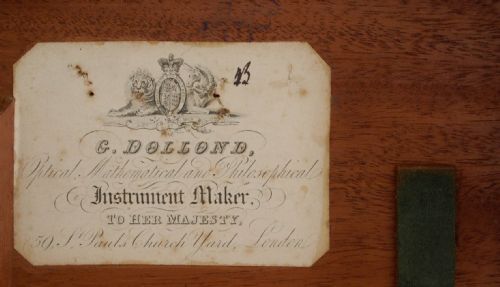
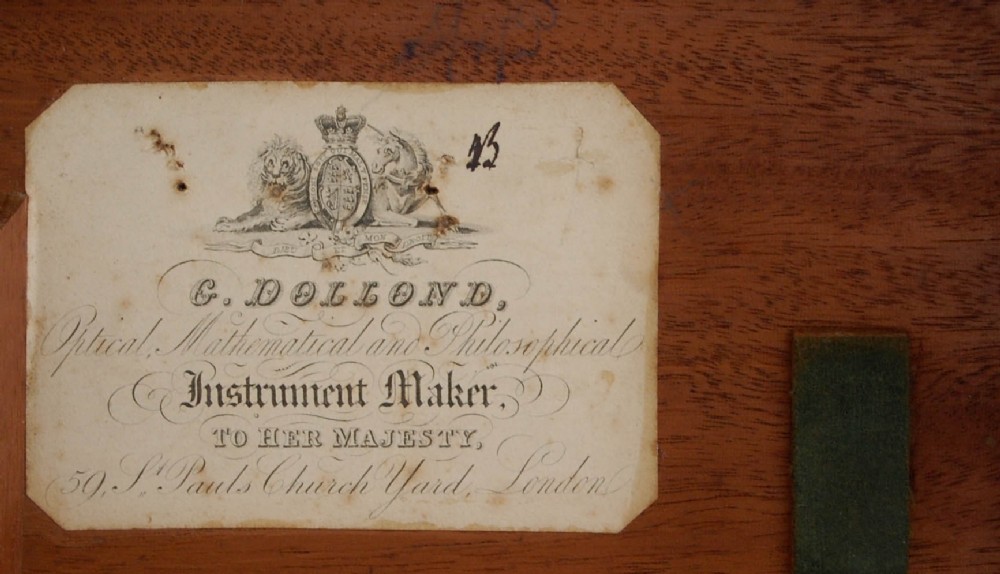
Inside the lid, there are two trade labels, the first to George Dollond, a descendant of one of the most famous British instrument making families. The label states, “G Dollond, Optical, Mathematical and philosophical Instrument Maker, To Her Majesty, 59 St Paul’s churchyard, London”.
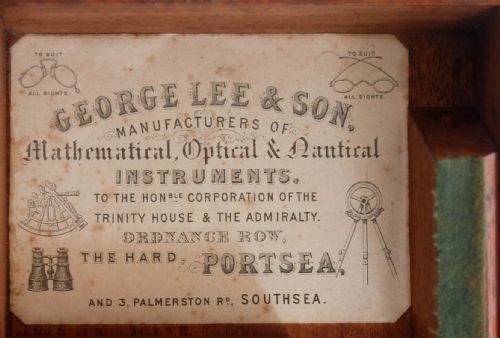
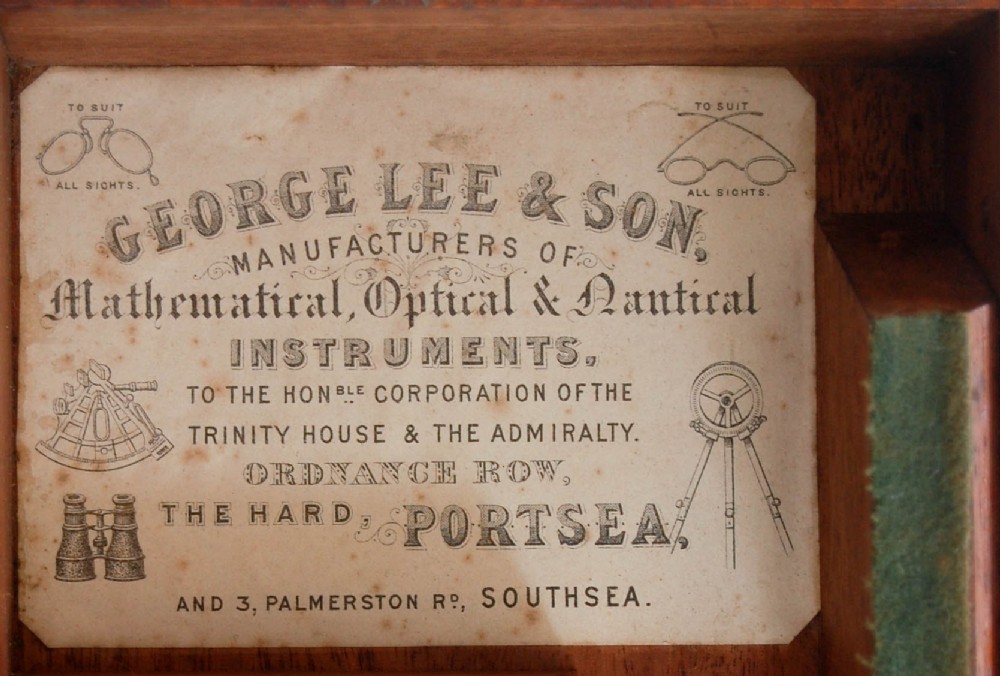
The second label is for the reseller, George Lee & Son. Their label states, “George Lee & Son, Manufacturers of Mathematical, Optical & Nautical Instruments, to the honourable Corporation of the Trinity House & the Admiralty, Ordnance Row, The Hard, Portsea & 3 Palmerston Road, Southsea”.
The history of the artificial horizon can be traced back to the sixteenth century but developments were largely popularised in the eighteenth century by John Hadley, John Elton and by the famous instrument maker, George Adams, the latter of whom is merited in 1738 with inventing the mercury trough of which this is an example. It was devised as a means of navigation when the horizon was obscured by darkness or through the effect of inclement weather.
Its principle was based upon the first law of optics, that the angle of reflection from a mirror is equal to the angle of incidence, therefore a sextant would be employed to measure the angle between the sun or the stars and their reflection on the mercury contained in the metal trough. Although the instrument was dogged by criticism relating to the tremoring of the mercury when excessive movement was involved, it must have proved popular enough owing to its continuing manufacture by leading instrument makers such as George Dollond.
The Dollond family dynasty begins in the UK with the migration of Jean Dollond, a Huguenot weaver fleeing religious persecution in France. His son John (1706 – 1761) was also brought up a silk weaver but was took an avid interest in the science of optics and quickly gained huge respect amongst amateurs and professionals for his knowledge and writings on the subject.
Peter, his son having grown up surrounded by his Father’s interests was perhaps an unwilling apprentice silk weaver. It is assumed that he completed his training but his inherited passion for science, culminated in 1750 with him opening a small optical business in Vine Street, Spitalfields which ran for two years before his father could no longer resist the temptation to join his son’s enterprise. The partnership between John and Peter was formed in 1752 and the premises was moved to Exeter Exchange off The Strand.

As Dollond and Son and with John Dollond’s focus solely on the business of instrument making, he first improved the design of the Savery’s heliometer calling it a “divided object glass micrometer” which allowed accurate measurement of the distance of the sun. It proved a huge success and was used by Captain James Cook on his Australia voyage. He followed up that success with his work on chromatic aberration in refracting telescopes and his invention of the achromatic lens brought the company even greater success following the successful patenting of the invention. For his efforts, John was also awarded the Copley Medal by the Royal Society and was later elected a Fellow. A Royal Appointment to George III quickly followed but sadly, John was unable to enjoy the fruits of his labour for long, he died in 1761 at the age of 55 from a stroke.

Following John’s death,

Physical Dimensions
Height
14cm (5.51")
Width
26cm (10.24")
Depth
14cm (5.51")
Declaration

Jason Clarke Antiques has dated this piece to the 1850s.

Reference Numbers
Sellingantiques Reference
SA570346
Description
For sale an early Victorian cased maritime artificial horizon by George Dollond, 59 St Paul’s Churchyard, London.
This top quality instrument is comprised of a mahogany hinged case with original lock and key and additional hook and eye fixings to the front.
Jason Clarke Antiques

Contained within the box a black painted metal tray and triangular lid (signed to Dollond) with a two paned glass top to enable viewing and to protect it from the elements aboard ship. The box also contains its original turned boxwood circular case for the safe storage of mercury.

fig 1. Early Victorian Cased Maritime Artificial Horizon by George Dollond of London

Inside the lid, there are two trade labels, the first to George Dollond, a descendant of one of the most famous British instrument making families. The label states, “G Dollond, Optical, Mathematical and philosophical Instrument Maker, To Her Majesty, 59 St Paul’s churchyard, London”.

fig 2. Early Victorian Cased Maritime Artificial Horizon by George Dollond of London

The second label is for the reseller, George Lee & Son. Their label states, “George Lee & Son, Manufacturers of Mathematical, Optical & Nautical Instruments, to the honourable Corporation of the Trinity House & the Admiralty, Ordnance Row, The Hard, Portsea & 3 Palmerston Road, Southsea”.

fig 3. Early Victorian Cased Maritime Artificial Horizon by George Dollond of London

The history of the artificial horizon can be traced back to the sixteenth century but developments were largely popularised in the eighteenth century by John Hadley, John Elton and by the famous instrument maker, George Adams, the latter of whom is merited in 1738 with inventing the mercury trough of which this is an example. It was devised as a means of navigation when the horizon was obscured by darkness or through the effect of inclement weather.

fig 4. Early Victorian Cased Maritime Artificial Horizon by George Dollond of London

Its principle was based upon the first law of optics, that the angle of reflection from a mirror is equal to the angle of incidence, therefore a sextant would be employed to measure the angle between the sun or the stars and their reflection on the mercury contained in the metal trough. Although the instrument was dogged by criticism relating to the tremoring of the mercury when excessive movement was involved, it must have proved popular enough owing to its continuing manufacture by leading instrument makers such as George Dollond.

fig 5. Early Victorian Cased Maritime Artificial Horizon by George Dollond of London

The Dollond family dynasty begins in the UK with the migration of Jean Dollond, a Huguenot weaver fleeing religious persecution in France. His son John (1706 – 1761) was also brought up a silk weaver but was took an avid interest in the science of optics and quickly gained huge respect amongst amateurs and professionals for his knowledge and writings on the subject.

fig 6. Early Victorian Cased Maritime Artificial Horizon by George Dollond of London

Peter, his son having grown up surrounded by his Father’s interests was perhaps an unwilling apprentice silk weaver. It is assumed that he completed his training but his inherited passion for science, culminated in 1750 with him opening a small optical business in Vine Street, Spitalfields which ran for two years before his father could no longer resist the temptation to join his son’s enterprise. The partnership between John and Peter was formed in 1752 and the premises was moved to Exeter Exchange off The Strand.

As Dollond and Son and with John Dollond’s focus solely on the business of instrument making, he first improved the design of the Savery’s heliometer calling it a “divided object glass micrometer” which allowed accurate measurement of the distance of the sun. It proved a huge success and was used by Captain James Cook on his Australia voyage. He followed up that success with his work on chromatic aberration in refracting telescopes and his invention of the achromatic lens brought the company even greater success following the successful patenting of the invention. For his efforts, John was also awarded the Copley Medal by the Royal Society and was later elected a Fellow. A Royal Appointment to George III quickly followed but sadly, John was unable to enjoy the fruits of his labour for long, he died in 1761 at the age of 55 from a stroke.

Following John’s death,

Height
14cm (5.51")
Width
26cm (10.24")
Depth
14cm (5.51")
Date of Manufacture

Jason Clarke Antiques has dated this piece to the 1850s.

Reference Numbers
Sellingantiques Ref
SA570346
Jason Clarke Antiques
Sellingantiques verified Since Jul 2015
Dealer Profile

You can view the stock and full dealer information on the Jason Clarke Antiques Profile Page
PDF SHARE
SAVE
Early Victorian Cased Maritime Artificial Horizon by George Dollond of London
1 / 7
Archive I Early Victorian Cased Maritime Artificial Horizon by George Dollond of London
Early Victorian Cased Maritime Artificial Horizon by George Dollond of London
Archive II Early Victorian Cased Maritime Artificial Horizon by George Dollond of London View II
Archive III Early Victorian Cased Maritime Artificial Horizon by George Dollond of London View III
Archive IV Early Victorian Cased Maritime Artificial Horizon by George Dollond of London View IV
Archive V Early Victorian Cased Maritime Artificial Horizon by George Dollond of London View V
Archive VI Early Victorian Cased Maritime Artificial Horizon by George Dollond of London View VI
Archive VII Early Victorian Cased Maritime Artificial Horizon by George Dollond of London View VII
Enlarged Archival View
Telephone 07815 046645
Location
Newbury
Berkshire
United Kingdom
Verified Since Jul 2015
Items For Sale 80
Items Sold 607
Jason Clarke Antiques
Verified Since Jul 2015
View Dealer Info
Location: Newbury, Berkshire, United Kingdom
Verified
Jul 2015
For Sale
80
Sold
607
Early Victorian Cased Maritime Artificial Horizon by George Dollond of London
Ref: SA570346
Early Victorian Cased Maritime Artificial Horizon by George Dollond of London
Detail View 1
Detail View 2
Detail View 3
Detail View 4
Detail View 5
Detail View 6
Archival Detail
Every single antique dealer on our platform is individually approved by our internal team. We verify their professional trade history, ethical standards, and photographic quality to ensure a secure, high-standard buying environment. Upon joining, every dealer agrees to a strict 9-point code of conduct. While issues can occasionally arise, our dealers typically resolve them swiftly and directly with the buyer. In fact, since our founding in 2002, Sellingantiques has only had to step in to help resolve an issue on roughly five occasions—a true testament to the quality of our dealers and their dedication to your happiness.
Our dealers are highly experienced in packing and shipping fragile, high-value antiques. Because you are in direct contact with the dealer, you will be able to easily go through all available shipping and insurance options together to ensure your item arrives safely.
Antiques are the ultimate green purchase. By choosing historical pieces over newly manufactured goods, you completely eliminate the carbon footprint of modern mass production while preserving exceptional, timeless craftsmanship.
items
Add keywords to the filter
Price
£100
£250000
Era
Movements
Material
Origin
Stock Location
Freshness
Online Payments
Categories