6,063  PAGES BROWSED TODAY PAGES TODAY 0 ANTIQUES UPLOADED TODAYNEW ARRIVALS
LATEST STOCK
Sort Order
Items Per Page
Browse Categories
Sort order
Items per page
ID #SA559249
SOLD
Email
Save
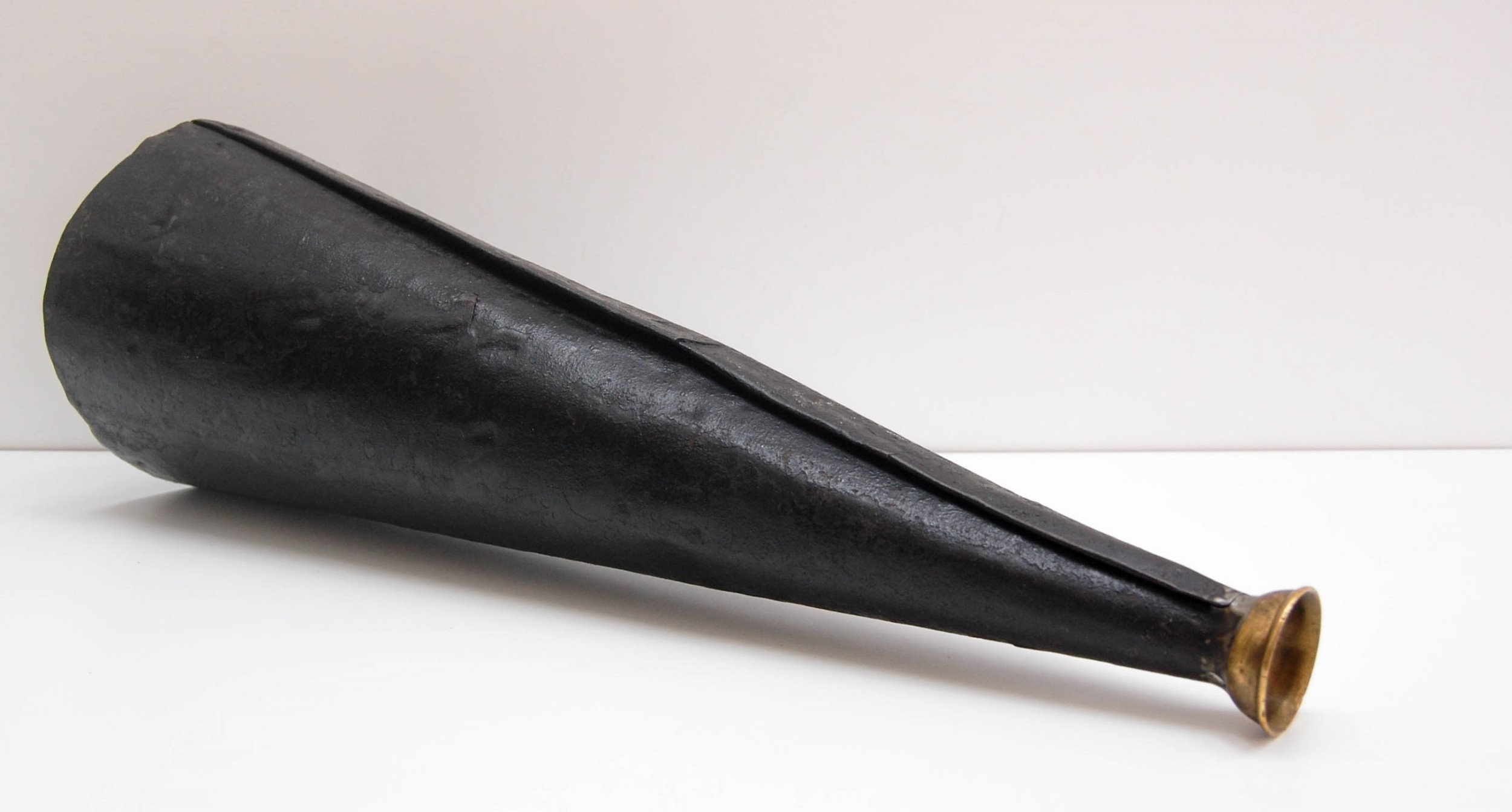
Napoleonic Naval Ships Loudhailer or Megaphone - Hms Ajax Aboukir Bay
Jason Clarke Antiques
sold SA559249
Sorry, but this item has been sold.
Jason Clarke Antiques

Jason Clarke Antiques

Sellingantiques Verified Since Jul 2015
View Dealers Stock Page
Id #SA559249
PDF SHARE
SAVE

Napoleonic Naval Ships Loudhailer or Megaphone - Hms Ajax Aboukir Bay

19th century
Description

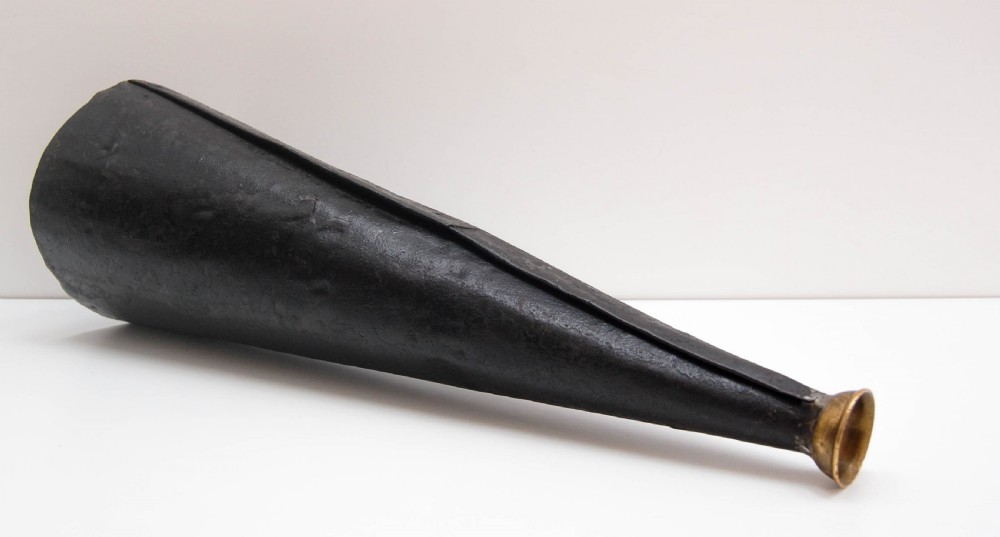
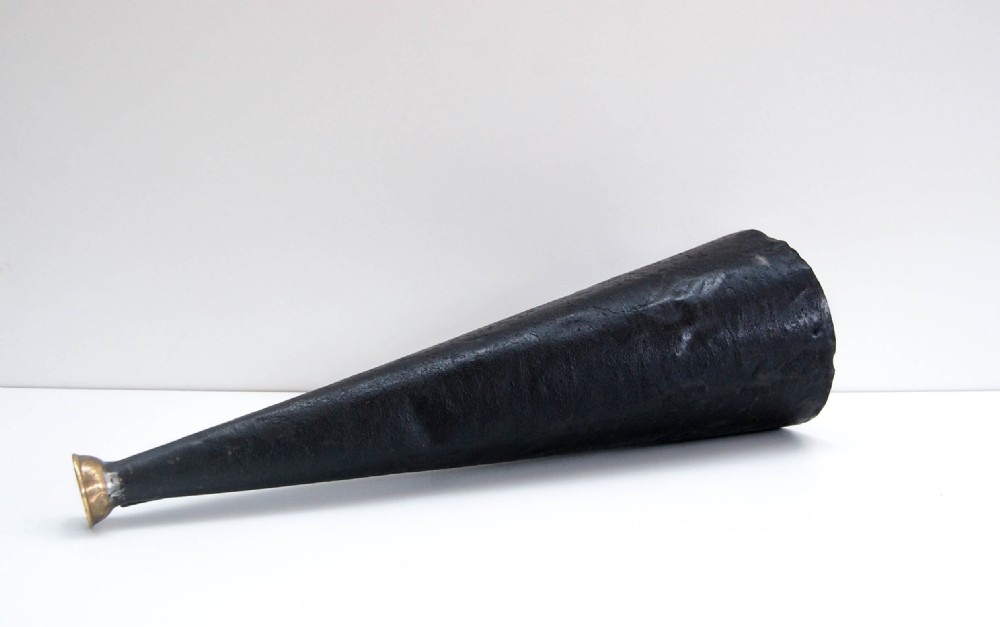
A Napoleonic period naval ships loud hailer or megaphone engraved to HMS Ajax 1801.

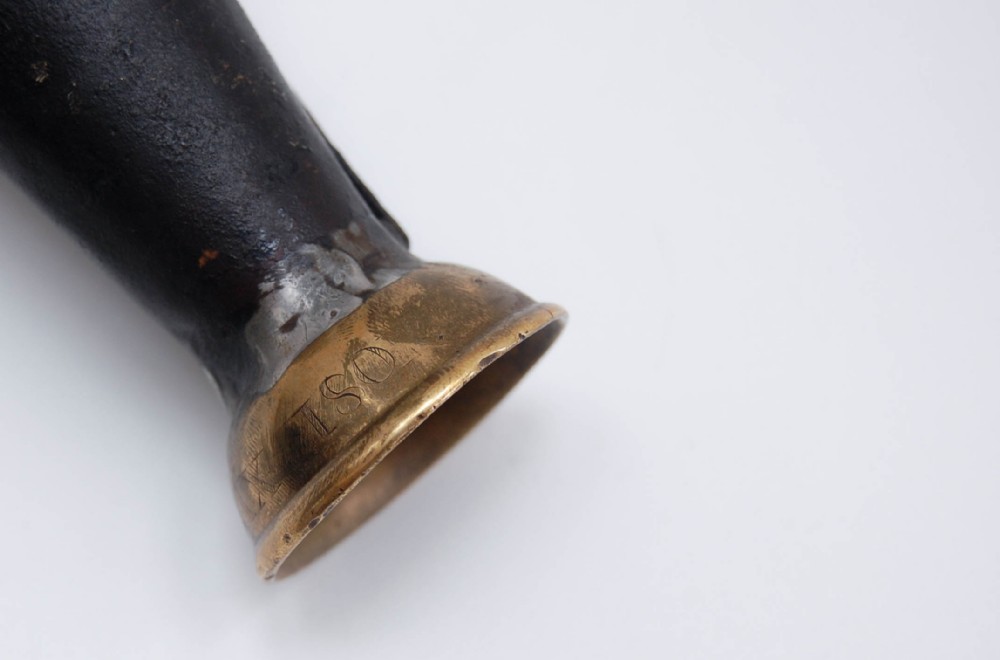
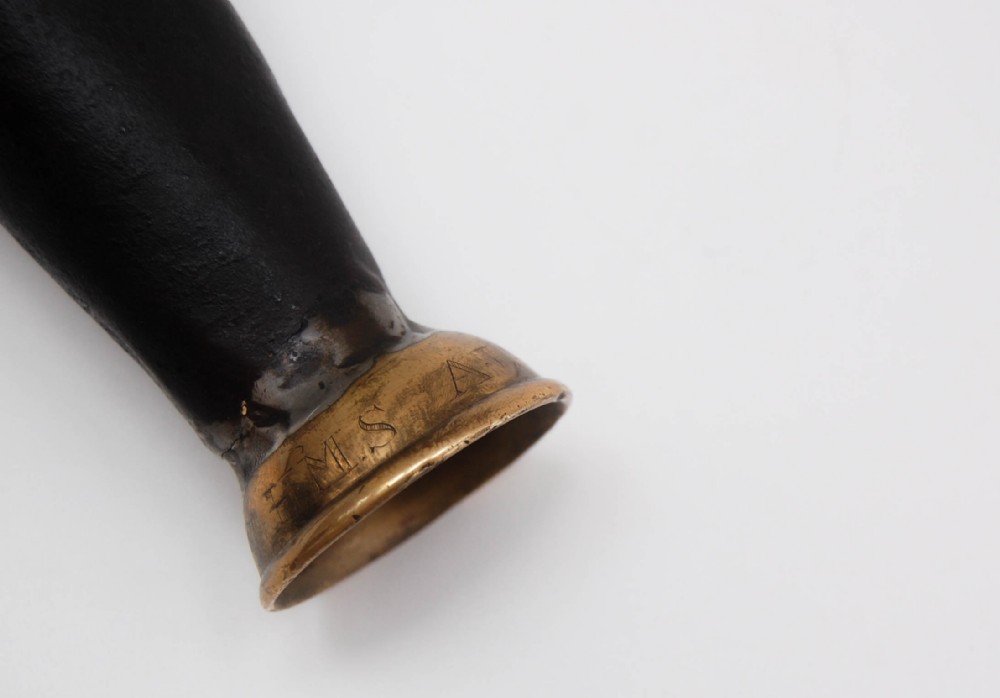
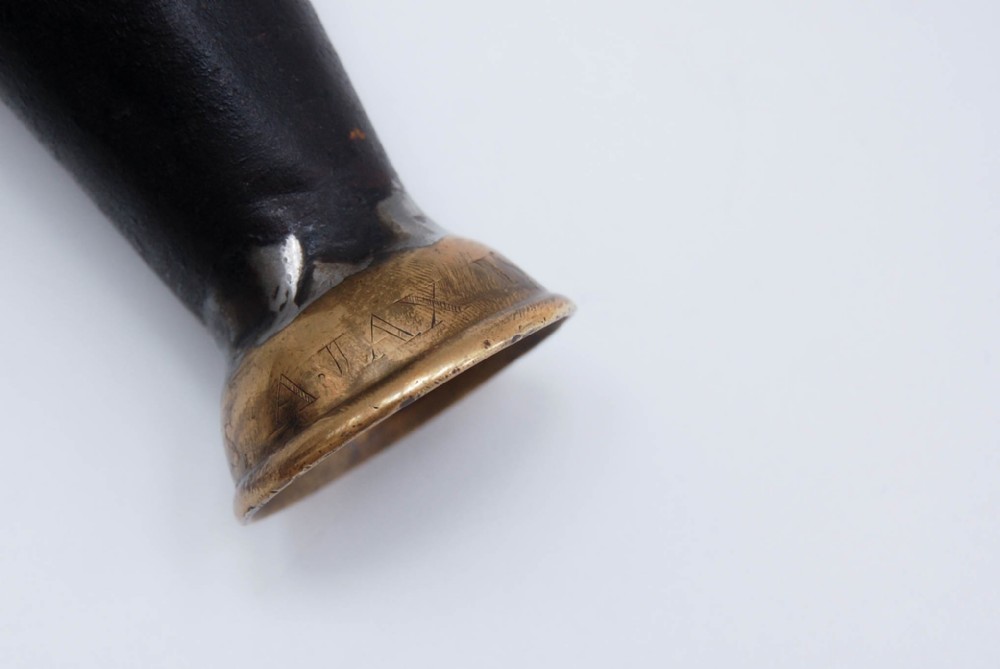
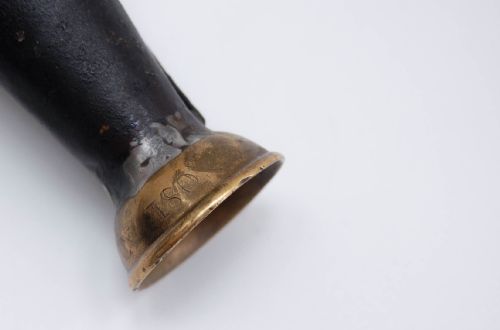
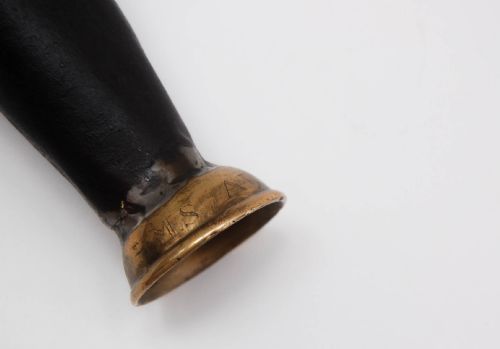
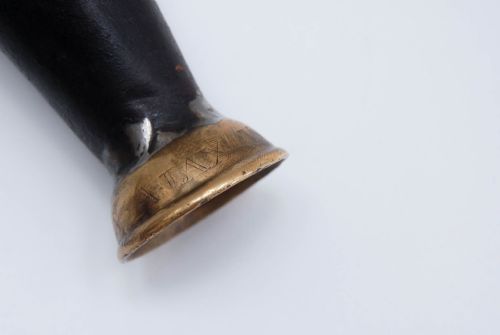
This George III piece of naval ship’s equipment is comprised of a cone shaped piece of tin which has been crimped along the join and secured with a nut and screw to the larger end. The brass mouthpiece is brazed to the body and is engraved around the outside with the words:
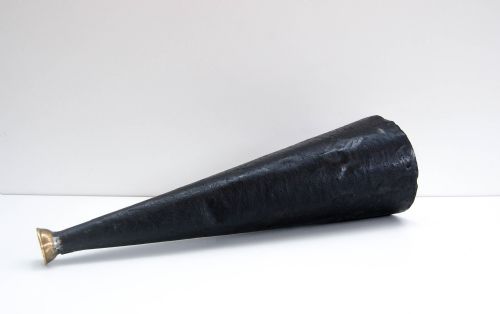
“HMS Ajax 1801”

Megaphones have been employed on ships and as a way of amplifying voices over distances since classical times although the modern interpretation is considered to have been invented by Samuel Morland and Athanasius Kircher during the seventeenth century.
The ship for which this megaphone bears its inscription, was the second 74 gun third rate naval ship of the line to have born this prestigious name. The first having been built in 1767 and sold off in 1785. The second and more famous descendant was first built by John Randall & Co of Rotherhithe and launched on the Thames in 1798 and initially saw Channel service under Captain John Packenham. In May 1799 and for the following two years, the Ajax was given over to the command of Captain Alexander Cochrane and gained initial success by capturing the French privateer ship, Avantageux in the Channel.
During this period (1798 – 1801), the French under Napoleon Bonaparte had meanwhile launched their campaign in Egypt and Syria in order to weaken Britain’s access and trade links to India. In retaliation, a fleet commanded by Admiral George Elphinstone (1st Viscount Keith) and loaded with British troops was sent to Egypt in support of Ottoman efforts to defeat the French armies.
In 1801, the Ajax under Cochrane formed part of this 70 warship fleet carrying 16,000 troops and took part in the famous landing at Aboukir Bay. Initially hampered by bad weather, the Ajax was heavily involved in the activities, with Cochrane orchestrating a double line of 320 boats to bring the troops under Sir Ralph Abercromby ashore under fire from French batteries. This successful mission culminated in the Battle of Alexandria with the following siege leading to the surrender of the French garrison in September of 1801, Ajax being amongst the first ships to enter the port of Alexandria.

Following the signing of The Treaty of Amiens, Ajax returned to Plymouth in June 1802 with Cochrane transferring to HMS Northumberland in 1803. In April of 1805, the ship was sent to reinforce the fleet off Ferrol and at the end of May, Captain William Brown took command of the ship under Sir Robert Calder’s squadron. In July, the fleet encountered a combined French and Spanish force under Admiral Villneuve and engaged with them under foggy conditions. The battle was indecisive due to the weather but the British were able to capture two Spanish ships and Ajax likely formed part of the escort back as she returned to Plymouth to undergo repairs following the battle.

On the 18th of September 1805, Ajax joined HMS Victory under Vice-Admiral Horatio Nelson in sailing to Cadiz although Captain Brown was soon recalled to stand witness at the court martial of Sir Robert Calder for his failure to resume the action with the French fleet in July.

As a result of Captain Brown’s absence, First-Lieutenant John Pilford was given temporary command and on the 21st of October it was Pilford who directed the Ajax during the Battle of Trafalgar. During the action, she was placed seventh in line in Nelson’s attack column and fired on both French 74 gun Bucentaure and the Spanish 136 gun Santissima Trinidad. She further assisted HMS Orion in forcing the surrender of the French 74 gun Intrepide and continued to attempt the rescue of British seaman after the infamous storm that followed the battle.

She was sent afterwards, to join the blockade of Cadiz in November and shared in some significant prize money following the capture of the Nemesis.

In 180

Physical Dimensions
Height
53cm (20.87")
Width
19cm (7.48")
Depth
19cm (7.48")
Declaration

Jason Clarke Antiques has dated this piece to the 1800s.

Reference Numbers
Sellingantiques Reference
SA559249
Description
A Napoleonic period naval ships loud hailer or megaphone engraved to HMS Ajax 1801.
This George III piece of naval ship’s equipment is comprised of a cone shaped piece of tin which has been crimped along the join and secured with a nut and screw to the larger end.
Jason Clarke Antiques

The brass mouthpiece is brazed to the body and is engraved around the outside with the words:

fig 1. Napoleonic Naval Ships Loudhailer or Megaphone - HMS Ajax Aboukir Bay
fig 1. Napoleonic Naval Ships Loudhailer or Megaphone - Hms Ajax Aboukir Bay

“HMS Ajax 1801”

Megaphones have been employed on ships and as a way of amplifying voices over distances since classical times although the modern interpretation is considered to have been invented by Samuel Morland and Athanasius Kircher during the seventeenth century.

fig 2. Napoleonic Naval Ships Loudhailer or Megaphone - HMS Ajax Aboukir Bay
fig 2. Napoleonic Naval Ships Loudhailer or Megaphone - Hms Ajax Aboukir Bay

The ship for which this megaphone bears its inscription, was the second 74 gun third rate naval ship of the line to have born this prestigious name. The first having been built in 1767 and sold off in 1785. The second and more famous descendant was first built by John Randall & Co of Rotherhithe and launched on the Thames in 1798 and initially saw Channel service under Captain John Packenham. In May 1799 and for the following two years, the Ajax was given over to the command of Captain Alexander Cochrane and gained initial success by capturing the French privateer ship, Avantageux in the Channel.

fig 3. Napoleonic Naval Ships Loudhailer or Megaphone - HMS Ajax Aboukir Bay
fig 3. Napoleonic Naval Ships Loudhailer or Megaphone - Hms Ajax Aboukir Bay

During this period (1798 – 1801), the French under Napoleon Bonaparte had meanwhile launched their campaign in Egypt and Syria in order to weaken Britain’s access and trade links to India. In retaliation, a fleet commanded by Admiral George Elphinstone (1st Viscount Keith) and loaded with British troops was sent to Egypt in support of Ottoman efforts to defeat the French armies.

fig 4. Napoleonic Naval Ships Loudhailer or Megaphone - HMS Ajax Aboukir Bay
fig 4. Napoleonic Naval Ships Loudhailer or Megaphone - Hms Ajax Aboukir Bay

In 1801, the Ajax under Cochrane formed part of this 70 warship fleet carrying 16,000 troops and took part in the famous landing at Aboukir Bay. Initially hampered by bad weather, the Ajax was heavily involved in the activities, with Cochrane orchestrating a double line of 320 boats to bring the troops under Sir Ralph Abercromby ashore under fire from French batteries. This successful mission culminated in the Battle of Alexandria with the following siege leading to the surrender of the French garrison in September of 1801, Ajax being amongst the first ships to enter the port of Alexandria.

Following the signing of The Treaty of Amiens, Ajax returned to Plymouth in June 1802 with Cochrane transferring to HMS Northumberland in 1803. In April of 1805, the ship was sent to reinforce the fleet off Ferrol and at the end of May, Captain William Brown took command of the ship under Sir Robert Calder’s squadron. In July, the fleet encountered a combined French and Spanish force under Admiral Villneuve and engaged with them under foggy conditions. The battle was indecisive due to the weather but the British were able to capture two Spanish ships and Ajax likely formed part of the escort back as she returned to Plymouth to undergo repairs following the battle.

On the 18th of September 1805, Ajax joined HMS Victory under Vice-Admiral Horatio Nelson in sailing to Cadiz although Captain Brown was soon recalled to stand witness at the court martial of Sir Robert Calder for his failure to resume the action with the French fleet in July.

As a result of Captain Brown’s absence, First-Lieutenant John Pilford was given temporary command and on the 21st of October it was Pilford who directed the Ajax during the Battle of Trafalgar. During the action, she was placed seventh in line in Nelson’s attack column and fired on both French 74 gun Bucentaure and the Spanish 136 gun Santissima Trinidad. She further assisted HMS Orion in forcing the surrender of the French 74 gun Intrepide and continued to attempt the rescue of British seaman after the infamous storm that followed the battle.

She was sent afterwards, to join the blockade of Cadiz in November and shared in some significant prize money following the capture of the Nemesis.

In 180

Height
53cm (20.87")
Width
19cm (7.48")
Depth
19cm (7.48")
Date of Manufacture

Jason Clarke Antiques has dated this piece to the 1800s.

Reference Numbers
Sellingantiques Ref
SA559249
Jason Clarke Antiques
Sellingantiques verified Since Jul 2015
Dealer Profile

You can view the stock and full dealer information on the Jason Clarke Antiques Profile Page
PDF SHARE
SAVE
Napoleonic Naval Ships Loudhailer or Megaphone - HMS Ajax Aboukir Bay
1 / 5
Archive I Napoleonic Naval Ships Loudhailer or Megaphone - HMS Ajax Aboukir Bay

Napoleonic Naval Ships Loudhailer or Megaphone - Hms Ajax Aboukir Bay
Archive II Napoleonic Naval Ships Loudhailer or Megaphone - HMS Ajax Aboukir Bay View II
Archive III Napoleonic Naval Ships Loudhailer or Megaphone - HMS Ajax Aboukir Bay View III
Archive IV Napoleonic Naval Ships Loudhailer or Megaphone - HMS Ajax Aboukir Bay View IV
Archive V Napoleonic Naval Ships Loudhailer or Megaphone - HMS Ajax Aboukir Bay View V
Enlarged Archival View
Telephone 07815 046645
Location
Newbury
Berkshire
United Kingdom
Verified Since Jul 2015
Items For Sale 80
Items Sold 607
Jason Clarke Antiques
Verified Since Jul 2015
View Dealer Info
Location: Newbury, Berkshire, United Kingdom
Verified
Jul 2015
For Sale
80
Sold
607
Napoleonic Naval Ships Loudhailer or Megaphone - HMS Ajax Aboukir Bay
Ref: SA559249
Napoleonic Naval Ships Loudhailer or Megaphone - HMS Ajax Aboukir Bay
Detail View 1
Detail View 2
Detail View 3
Detail View 4
Archival Detail
Every single antique dealer on our platform is individually approved by our internal team. We verify their professional trade history, ethical standards, and photographic quality to ensure a secure, high-standard buying environment. Upon joining, every dealer agrees to a strict 9-point code of conduct. While issues can occasionally arise, our dealers typically resolve them swiftly and directly with the buyer. In fact, since our founding in 2002, Sellingantiques has only had to step in to help resolve an issue on roughly five occasions—a true testament to the quality of our dealers and their dedication to your happiness.
Our dealers are highly experienced in packing and shipping fragile, high-value antiques. Because you are in direct contact with the dealer, you will be able to easily go through all available shipping and insurance options together to ensure your item arrives safely.
Antiques are the ultimate green purchase. By choosing historical pieces over newly manufactured goods, you completely eliminate the carbon footprint of modern mass production while preserving exceptional, timeless craftsmanship.
items
Add keywords to the filter
Price
£100
£250000
Era
Movements
Material
Origin
Stock Location
Freshness
Online Payments
Categories