
There are no results to show on this page for that combination of filters:
Aesthetic Regency Tables
A 2026 Guide by Sellingantiques
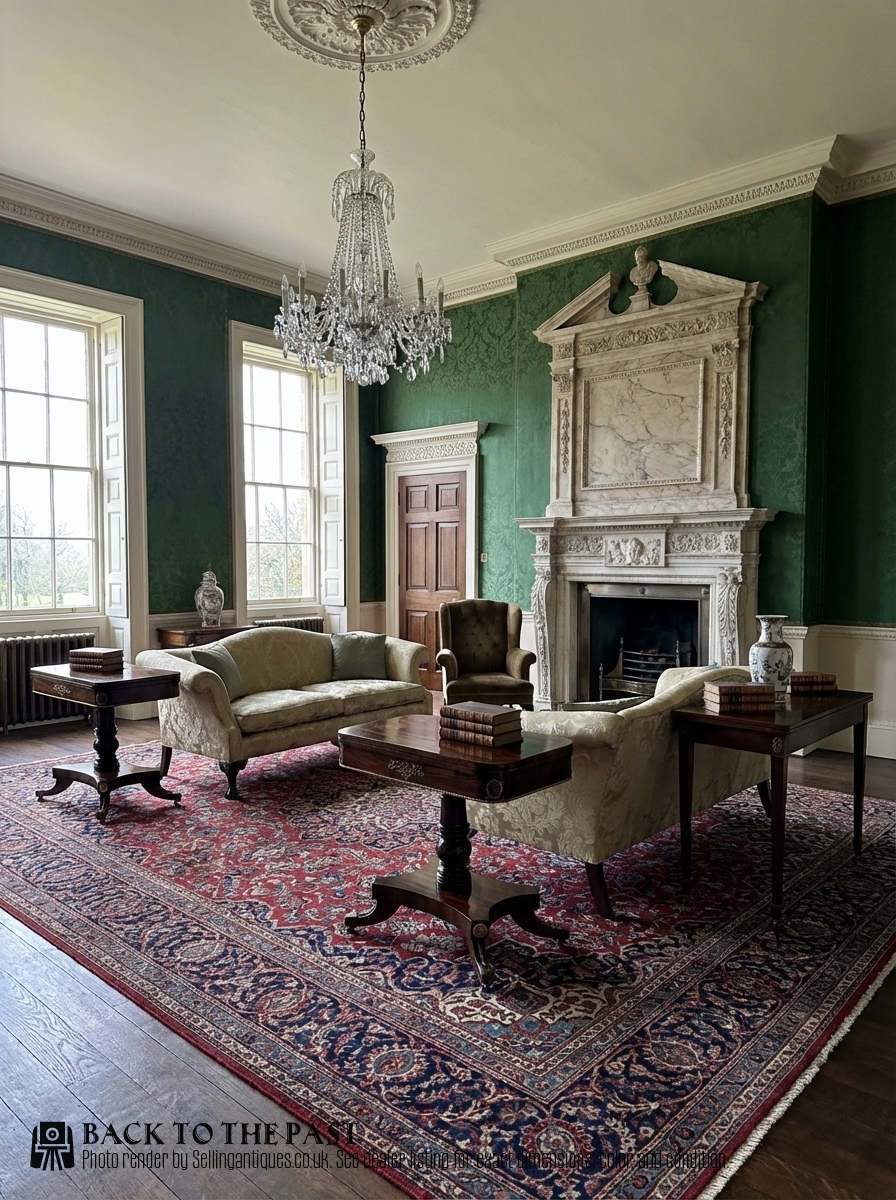
Pair of Antique Regency Outstanding Quality Rosewood Card Tables, 1800
Priced at £5,850 from Unique Antiques by Emma Jade
The Prince Regent drove the fashion for heavy classical furniture long before he formally took the throne, setting a trend that wealthy households eagerly followed to show their sophisticated tastes.
Look at the legs. Sabre profiles sweep outward to copy the curves found on ancient Greek chairs, moving away from the straight vertical supports seen in earlier decades.
Breakfast tables gained traction as informal morning dining grew popular among the gentry.
Most of these designs borrow heavily from ancient Roman architectural forms. They're adapting stone monuments into wooden domestic furniture.
Gillows of Lancaster and London supplied hundreds of expanding dining tables to large country houses, maintaining detailed sketchbooks of their custom orders.
George Bullock favoured native timbers over imported wood. He used brass marquetry for his distinctive centre tables.
Thomas Hope published influential design books that other workshops actively copied. His strict Egyptian and Roman forms defined the era.
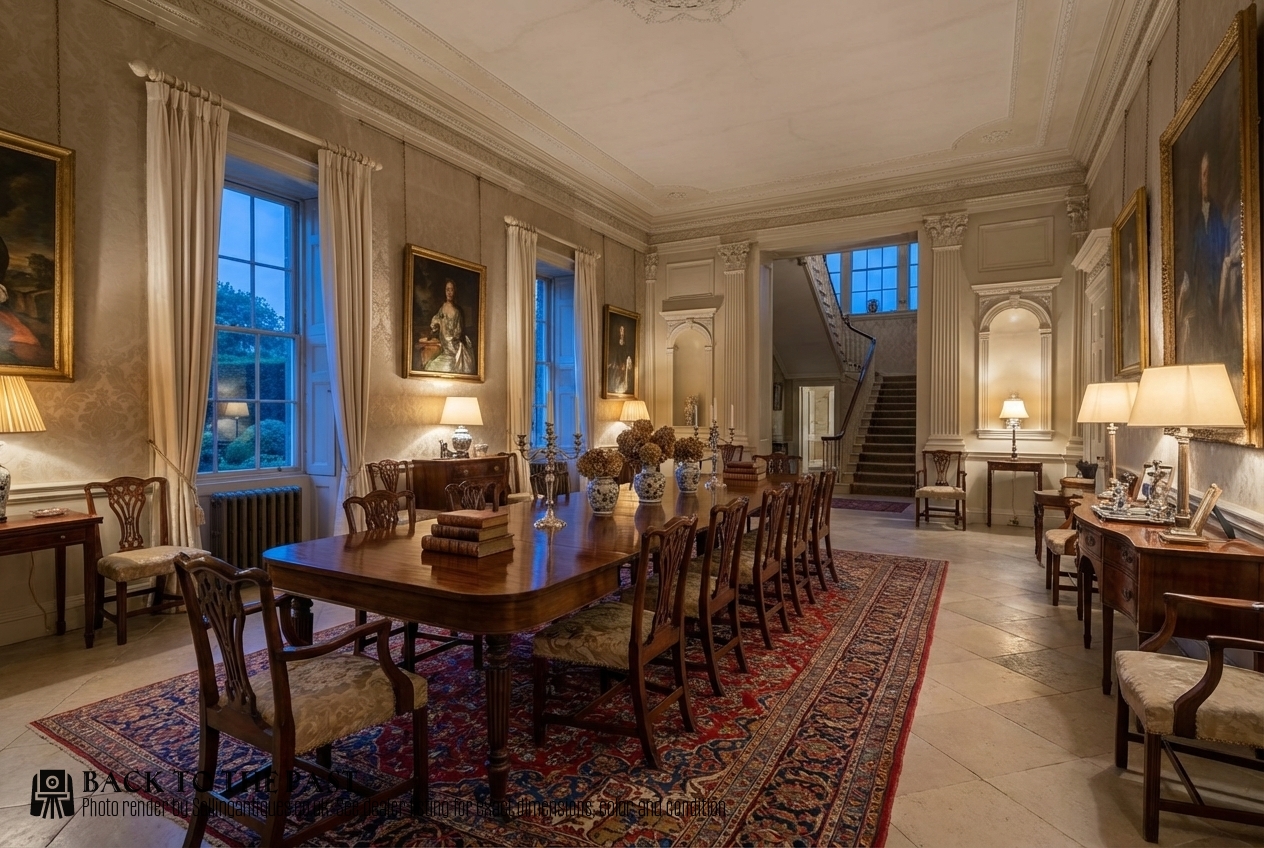
Fine Early Regency Gillows Extending Dining Table, 1800
Priced at £20,850 from A Brookes
The 2026 retail price guide for Regency Tables is drawn from a proprietary archive of over 1.1 million retail prices indexed by Sellingantiques since 2003. This guide relies exclusively on their own internal data; no external sources or auction records are used.
Analysing nearly 25 years of UK antique market history alongside current retail values, the data indicates that typical UK retail prices for Regency Tables range between £700 and £5,800. Entry-level prices generally fall under £700 and premium examples upwards of £5,800.
Pedestal bases support the main board. This central structure does away with corner legs that blocked the knees of seated guests, so they aren't crowded around the edge.
Tilt-top mechanisms allow round centre tables to be pushed flat against a wall.
Solid brass castors often cap the feet to help servants move the hefty frames across thick carpets.

Fine Quality Antique Regency Figured Mahogany Card/console Table with Gilded Brass Mounts, 19th Century
Priced at £2,250 from London City Antiques
Early makers used solid timber boards for the main surfaces, while later pieces relied on thin exotic veneers glued over a cheaper hidden carcase to save money.
Craftsmen cut dovetails by hand to secure the shallow frieze drawers found on the sides of library tables.
Lead counterweights sometimes hide inside the wooden pedestals. This extra mass stops the wider overhanging tops from tipping over when someone leans on the edge.
"Some circular tops revolve entirely on their bases. Diners could pull specific serving dishes towards themselves without asking a servant to pass the plate."
"Concealed castors sit right inside the wooden feet of certain models. This clever design keeps the outer profile clean and unbroken while still allowing movement."
"Many expanding dining tables have special storage racks built to hold their spare wooden leaves safely away when not in use."
Based on almost 25 years of Sellingantiques UK antique market data, Regency Tables appeared 13324 times (out of 1,100,000 antiques) which gives it a rarity score of 7/100.
This score measures scarcity within the Sellingantiques archive only and is not a survey of the entire antiques market, so these statistics may not be indicative of the general availability of Regency Tables elsewhere.
Use a soft cloth and a gentle microcrystalline wax to wipe the surface.
Harsh metal polishes strip the finish from the surrounding wood. They also leave a white residue embedded in the grain.
Leave very dark brass alone. The aged patina looks far better than a scratched surface.
White water rings usually sit trapped in the old wax layer rather than the wood itself. Buffing the surface with a high-quality beeswax often blends these marks away without removing the original polish.
Stripping the table back to bare wood is rarely a good idea. You lose the historic colour and risk damaging the thin veneers.
Consult a professional conservator if the finish is flaking. They can revive the original shellac polish using traditional methods.
A brass catch clicks into place when the top sits flat. Most feature a spring-loaded mechanism hidden underneath the main board.
Keep the screws tight.
Pedestal joints take a lot of strain. The sliding dovetails connecting the legs to the central pillar often work loose after years of being dragged across uneven floors.
A cabinetmaker can easily separate the loose legs to clean off the dried animal glue. They then re-glue the joints for a tight fit. Thick metal plates screwed underneath usually mean someone has already tried a quick repair.
Please note: This Regency Tables guide and its associated pricing data are provided for general informational purposes only. It does not constitute formal financial, investment, or appraisal advice and should not be relied upon as the sole basis for any commercial activity, purchasing, or sales decisions. Sellingantiques.co.uk accepts no liability for any actions taken in reliance on this information. Always consult with a qualified professional or independent appraiser.
