
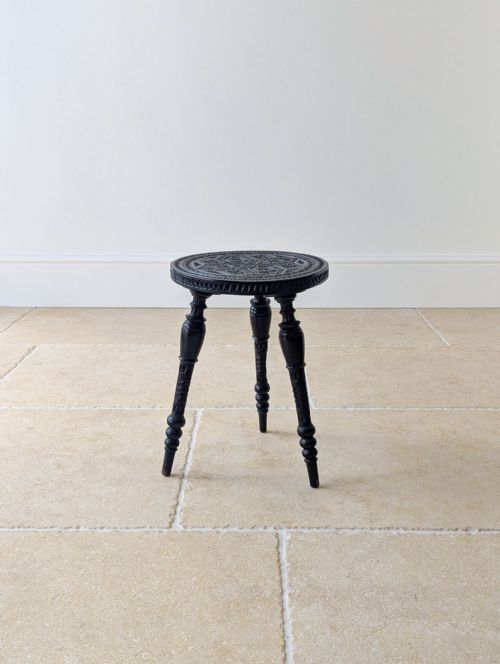
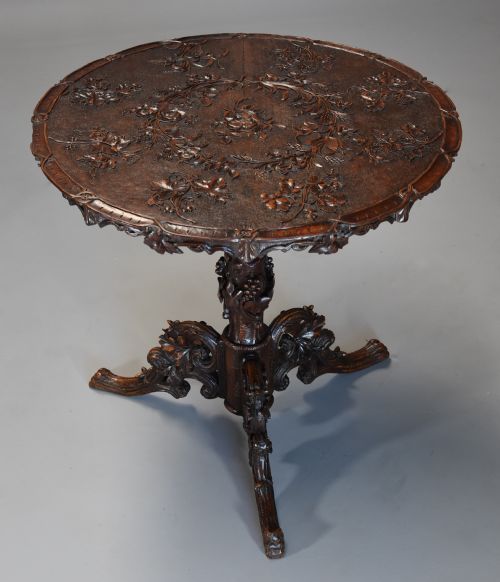
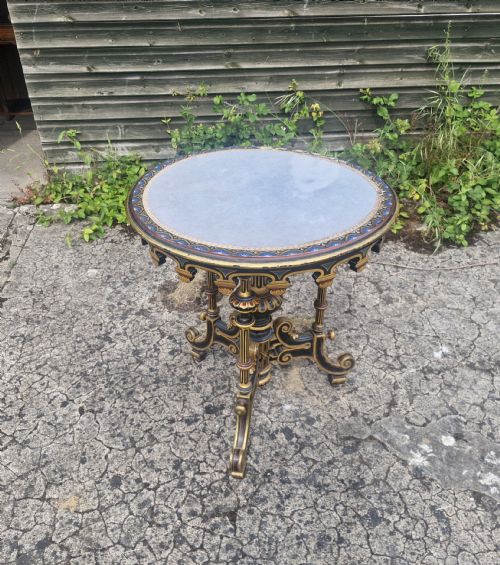


A 2026 Guide by Sellingantiques
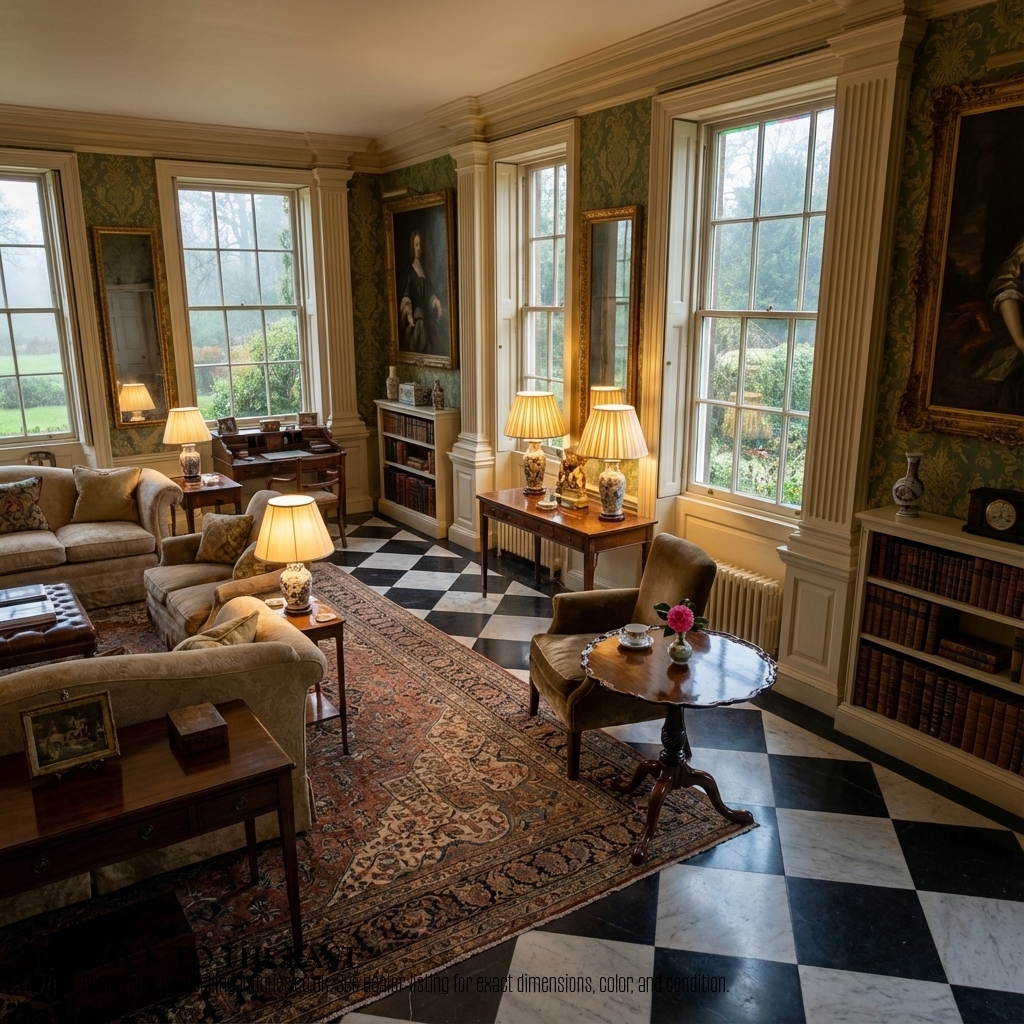
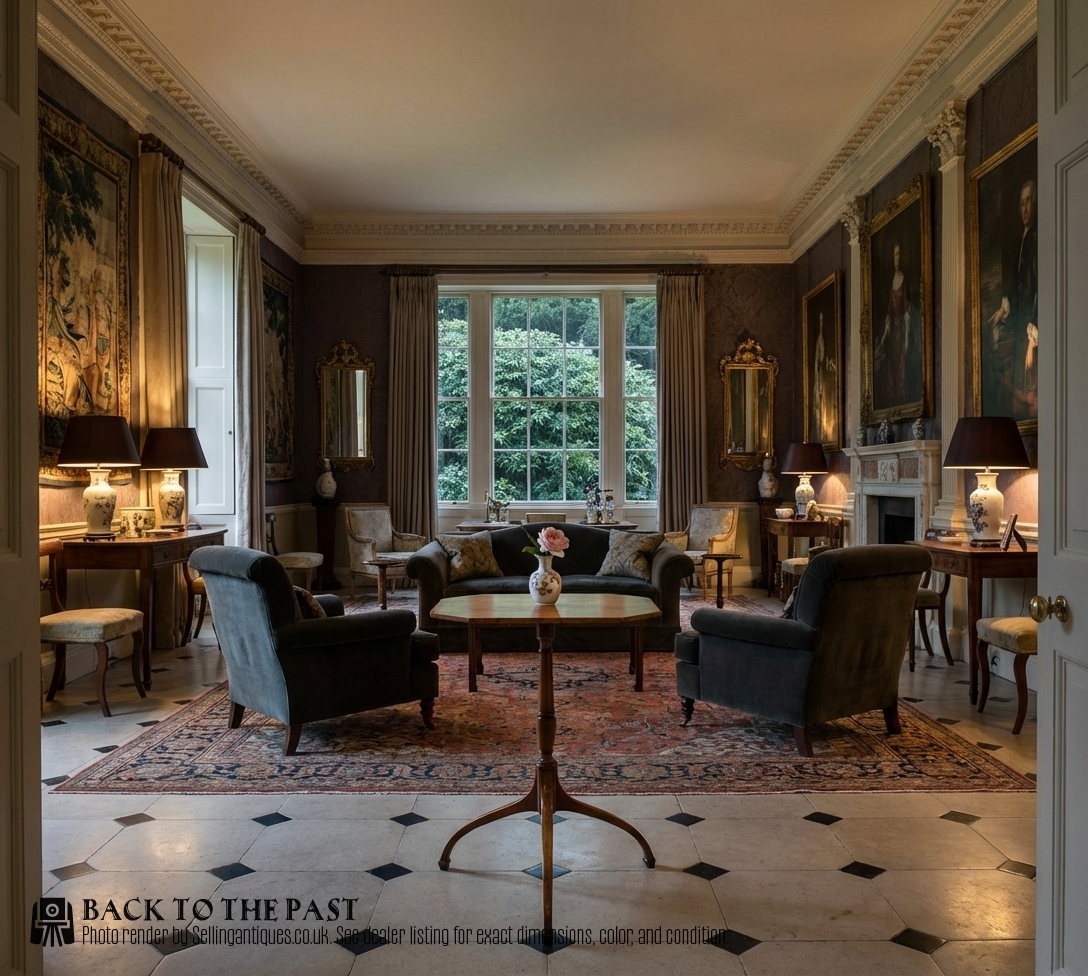
A George III Mahogany Piecrust Tripod Table, 18th Century
Priced at £1,850 from W.J. Gravener Antiques Ltd.
Emerged in the early eighteenth century as tea drinking became popular in British homes.
They let servants carry a table into the room and fold it away later to clear the floor.
Look at the base. Three legs gave stability on uneven timber or stone floors, meaning it won't rock when a heavy teapot is set down.
Design evolved rapidly as George III period cabinetmakers refined the basic shape.
Thomas Chippendale published designs for these in his 1754 Director, showing carved pie-crust edges.
Gillows of Lancaster produced substantial numbers of plain mahogany tables for wealthy Northern clients, often stamping their name on the edge of the block.
William Ince and John Mayhew included detailed engravings of complex tripod bases in their pattern books.
A Fine Regency Satinwood Tripod Table, Regency
Priced at £1,150 from W.J. Gravener Antiques Ltd.
The 2026 retail price guide for Antique Tripod Tables is drawn from a proprietary archive of over 1.1 million retail prices indexed by Sellingantiques since 2003. This guide relies exclusively on their own internal data; no external sources or auction records are used.
Analysing nearly 25 years of UK antique market history alongside current retail values, the data indicates that typical UK retail prices for Antique Tripod Tables range between £400 and £1,900. Entry-level prices generally fall under £400 and premium examples upwards of £1,900.
The tilting top is standard. A simple mechanism lets the flat surface sit vertically when it isn't needed.
Turned central columns often feature a vase shape just above the legs, providing visual weight before the timber slims down towards the top.
Pad feet sit at the end of simple cabriole legs on earlier eighteenth-century examples.
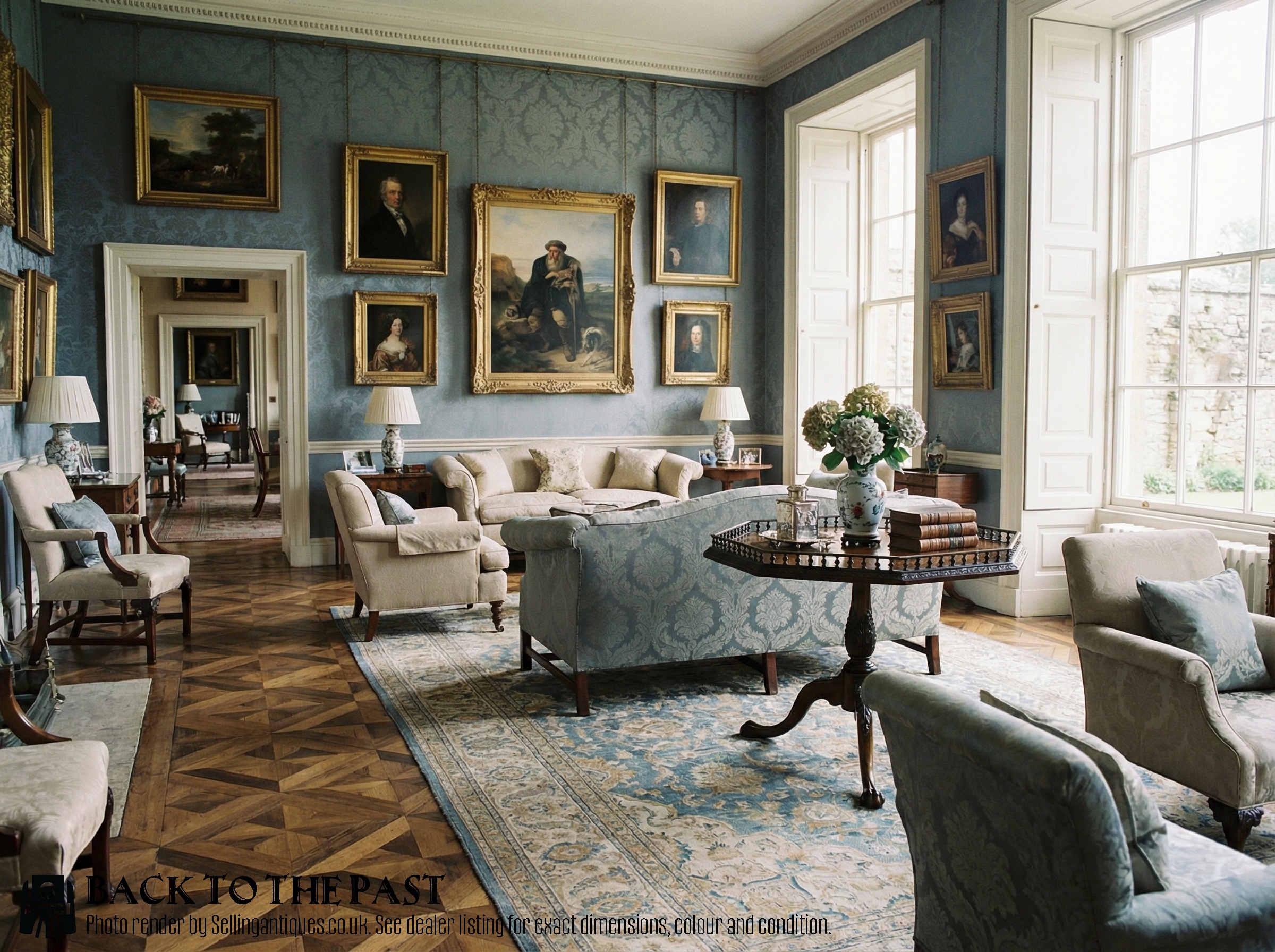
Late 18th Century Octagonal Galleried Occasional Table, 18th Century
Priced at £2,950 from Quiet Street Antiques of Bath
Lathe-turned stems dictate the core shape. Craftsmen relied on the lathe before adding any hand-carved details to the wood.
Dovetailing the legs directly into the column block requires precise geometry to ensure the table sits level.
Pie-crust edges were carved from a single thick board rather than applied as a separate moulding. This took considerable skill and wasted timber.
"Tilt-top designs saved floor space by allowing tables to sit flush against the wall when you aren't using them."
"A rotating top meant ladies pouring tea never had to stretch across the table. They simply spun the tray to reach the next cup."
"Many surviving plain tables were used daily in coaching inns for serving hot punch."
Based on almost 25 years of Sellingantiques UK antique market data, Antique Tripod Tables appeared 6926 times (out of 1,100,000 antiques) which gives it a rarity score of 25/100.
This score measures scarcity within the Sellingantiques archive only and is not a survey of the entire antiques market, so these statistics may not be indicative of the general availability of Antique Tripod Tables elsewhere.
Most sit around twenty-eight inches from the floor. This height suited the low seat furniture of the eighteenth century.
They're sometimes made specifically as urn stands or candle stands to push more light into a room.
Dealers call that a birdcage action. It consists of two square blocks separated by four small turned pillars.
The mechanism sits between the main column and the table top. It let someone pour tea and spin the surface to pass a cup without getting out of their chair.
Yes. Loose legs are standard wear.
A cabinetmaker will clean out the old animal glue and re-seat the joint.
Sunlight changes the colour of mahogany over decades. If a table sat in a bay window with a vase in the middle, the exposed wood fades while the covered section retains its dark hue.
Polishers call this a sun shadow. It tells you the table stood in one place for a generation or more.
You rarely see it on pieces that moved around busy taverns.
Please note: This Antique Tripod Tables guide and its associated pricing data are provided for general informational purposes only. It does not constitute formal financial, investment, or appraisal advice and should not be relied upon as the sole basis for any commercial activity, purchasing, or sales decisions. Sellingantiques.co.uk accepts no liability for any actions taken in reliance on this information. Always consult with a qualified professional or independent appraiser.
