
A 2026 Guide by Sellingantiques
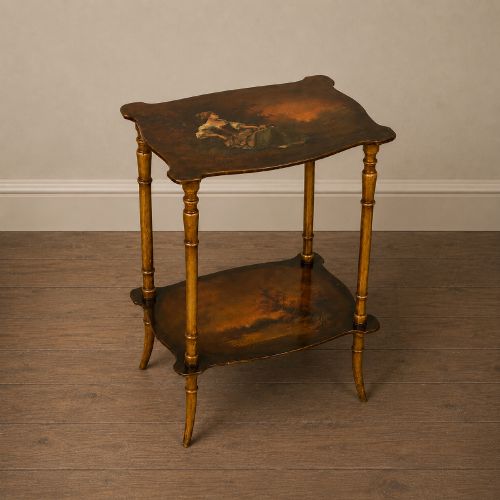
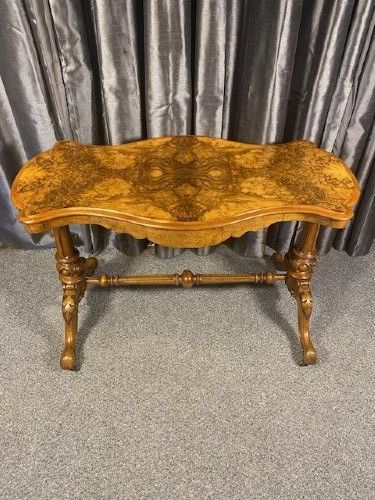
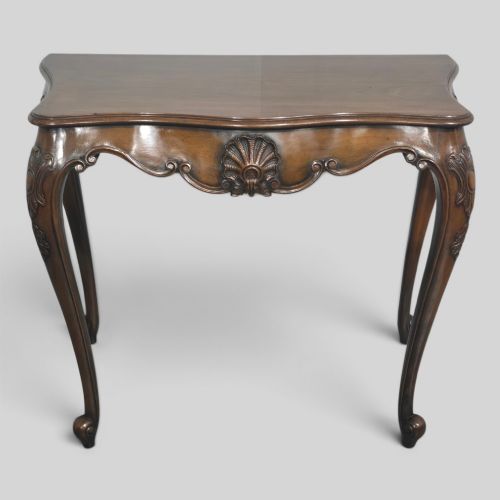
Small Victorian Aesthetic Movement Mahogany Side Table, 1880
Priced at £250 from Antique Furniture Direct
Small, highly portable wooden surfaces vital for everyday informal domestic entertaining.
Wealthy Georgian households kept several of these tables scattered throughout the main reception rooms.
Notice how antique side tables change in shape as tea drinking expanded across society.
Earlier seventeenth-century examples tend to be heavy oak structures meant to stay firmly against a parlour wall.
The Regency period pushed the design towards lighter frames that a servant could lift.
Thomas Chippendale supplied various mahogany side tables to grand English country houses.
Gillows of Lancaster sometimes stamped their plain furniture along the top edge of the drawer front.
Mostly unmarked pieces built by regional tradesmen following standard published pattern books.
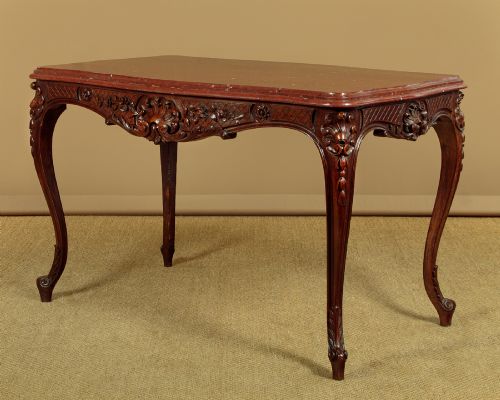
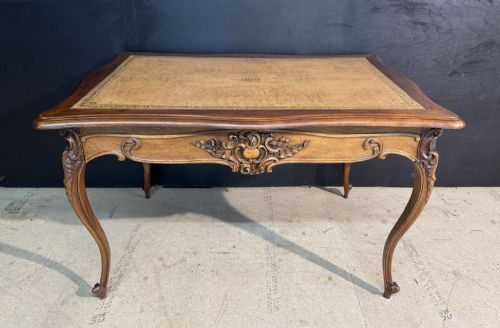
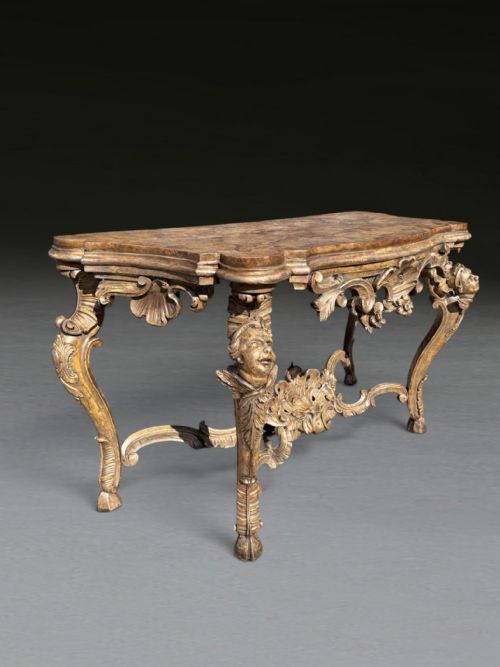
17th Century Style Oak Side Table, 1910
Priced at £895 from Shackladys Antiques
The 2026 retail price guide for Antique Side Tables is drawn from a proprietary archive of over 1.1 million retail prices indexed by Sellingantiques since 2003. This guide relies exclusively on their own internal data; no external sources or auction records are used.
Analysing nearly 25 years of UK antique market history alongside current retail values, the data indicates that typical UK retail prices for Antique Side Tables range between £400 and £2,300. Entry-level prices generally fall under £400 and premium examples upwards of £2,300.
Flat upper surfaces, often fitted with a shallow moulded lip to prevent objects falling down.
Many antique side tables incorporate a shallow frieze drawer resting on internal wooden runners.
Look at the supports, which range from sturdy turned balusters to slender tapering squares.

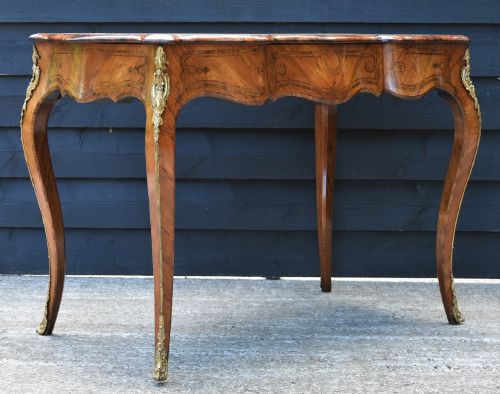
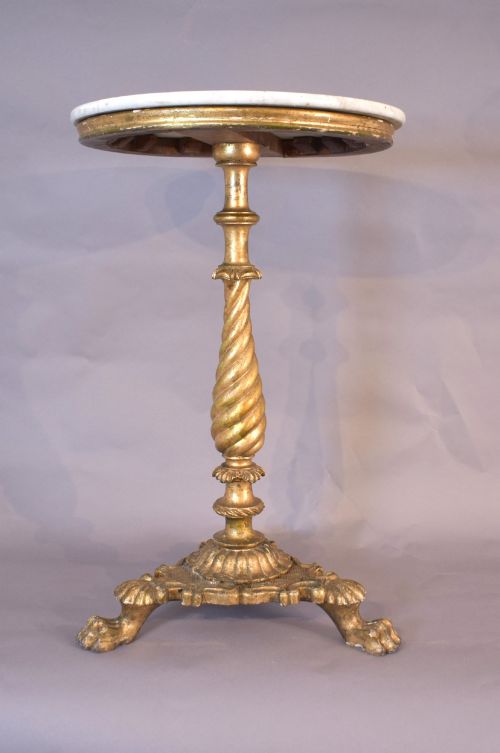
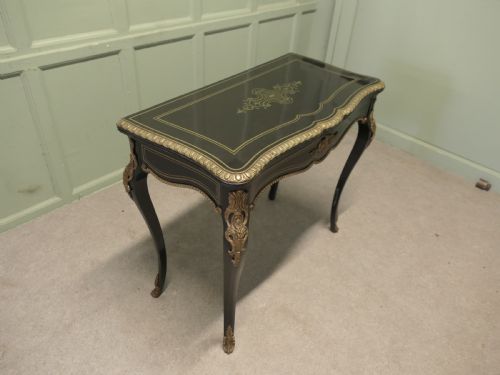
William IV Mahogany Side Table, 19th Century
Priced at £925 from Philip Hunt Antiques
Early frames relying on wooden pegs driven through tight joints to hold the structure rigid.
Cabinet-makers later adopted veneering techniques, applying thin sheets of figured timber over a stable pine carcase.
Feel under the top surface for the subtle ridges left by a hand plane.
"These versatile frames often served as temporary writing surfaces before dedicated desks became widespread."
"Regional craftsmen occasionally built secret compartments deep behind the main drawer block to secure private letters."
"Try using a well-proportioned antique side table as a compact dressing surface in a bedroom."
Based on almost 25 years of Sellingantiques UK antique market data, Antique Side Tables appeared 26973 times (out of 1,100,000 antiques) which gives it a rarity score of 1/100.
This score measures scarcity within the Sellingantiques archive only and is not a survey of the entire antiques market, so these statistics may not be indicative of the general availability of Antique Side Tables elsewhere.
Dust the surface with a soft, dry cotton cloth. Avoid using modern aerosol sprays, as the silicone can build up and cloud an older finish.
Once or twice a year, apply a thin coat of good quality beeswax polish. Rub it in gently with the grain, leave it for twenty minutes, and buff it to a soft shine.
Old floors in historic houses often settled unevenly, and people used to trim table legs to make them sit flat in a specific spot. Years of dragging across stone floors also grinds down the feet.
A cabinet-maker can add a small timber splice to the short leg. If the difference is minor, simply placing a felt pad under the short foot levels the piece without altering the wood.
Mahogany tends to be the most stable over time. It resists woodworm better than softwoods and holds a rich colour.
Oak is tougher but heavier. Walnut offers complex grain patterns but can be prone to fading in direct sunlight.
Do not reach for sandpaper right away. Wood expands and contracts with changes in seasonal humidity. A drawer that sticks in damp winter months often moves freely when the central heating dries the air.
Pull the drawer out and rub a plain candle stump along the bottom edges and the internal runners. A little hard wax often provides enough lubrication to get things moving smoothly again.
If the runners are deeply worn or split, take the piece to a restorer. They can graft on a new strip of timber to restore the running surface.
Please note: This Antique Side Tables guide and its associated pricing data are provided for general informational purposes only. It does not constitute formal financial, investment, or appraisal advice and should not be relied upon as the sole basis for any commercial activity, purchasing, or sales decisions. Sellingantiques.co.uk accepts no liability for any actions taken in reliance on this information. Always consult with a qualified professional or independent appraiser.
