




A 2026 Guide by Sellingantiques
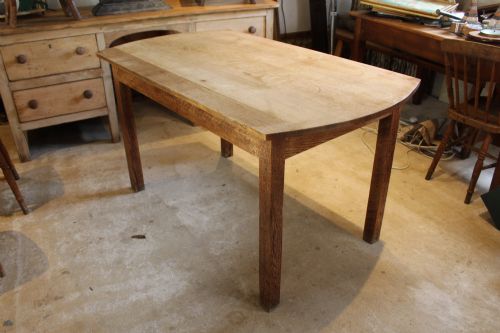
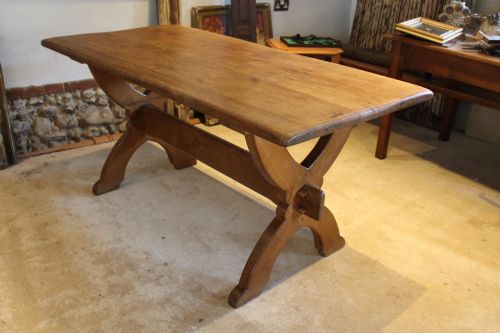
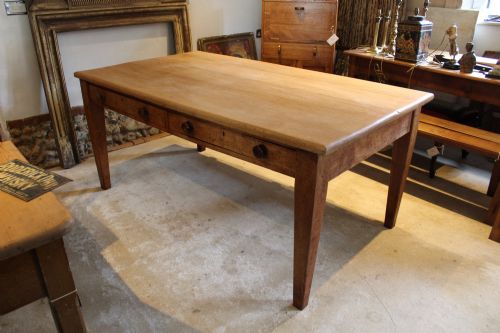
Large Elm Table, 19th Century
Priced at £1,480 from Ropeworks Antiques
Look at the heavy build of early antique refectory tables. They evolved from temporary trestles into permanent fixtures during the sixteenth century.
Originally built for monks eating together in large monastic dining halls.
Secular households adopted the form after the dissolution of the monasteries.
The long narrow shape meant diners sat along one side with their backs to the wall.
Signed early oak pieces rarely turn up in the trade.
Regional joiners built most surviving antique refectory tables rather than famous London workshops.
Local trade guilds controlled quality and construction standards in provincial towns.
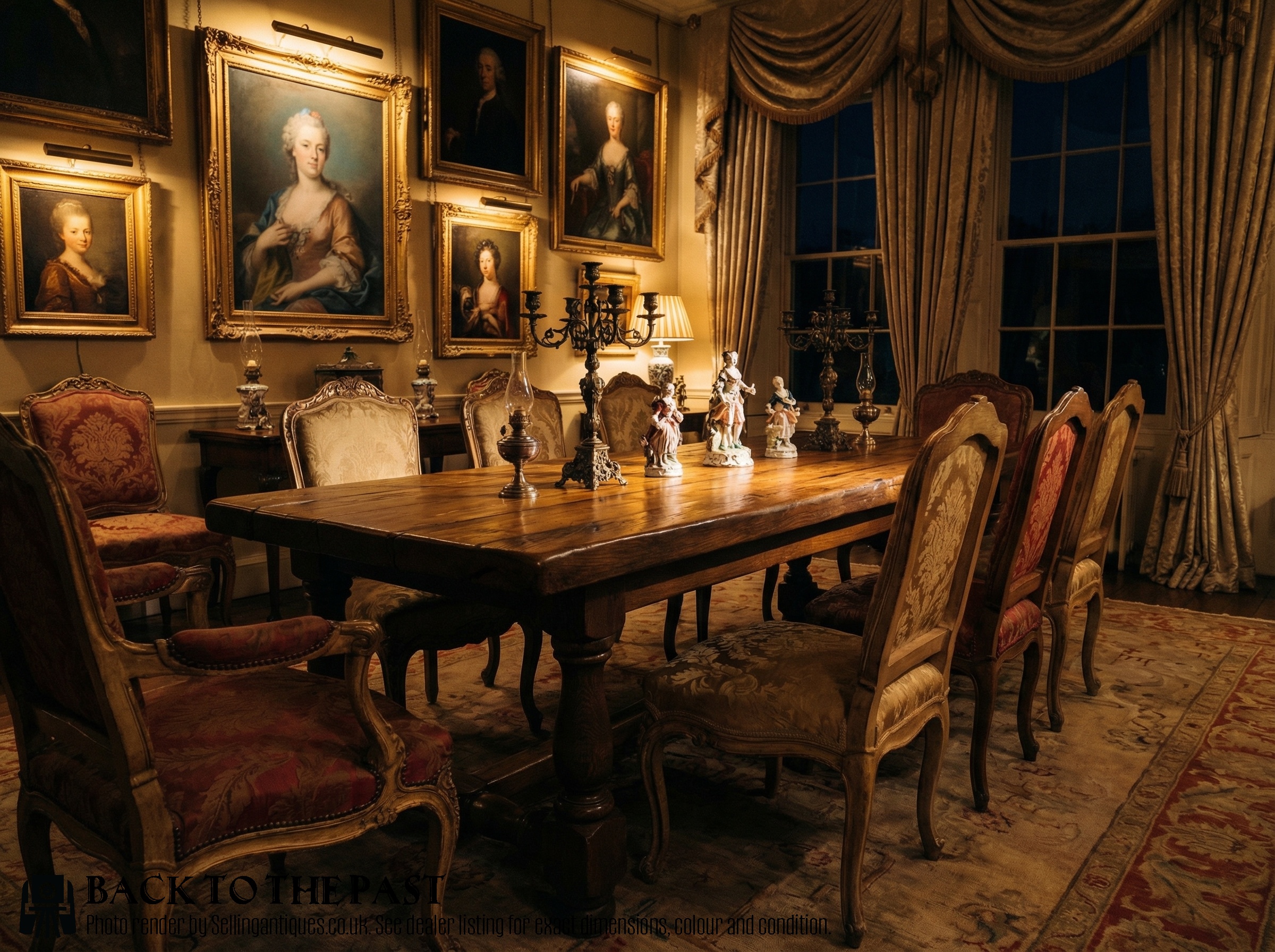
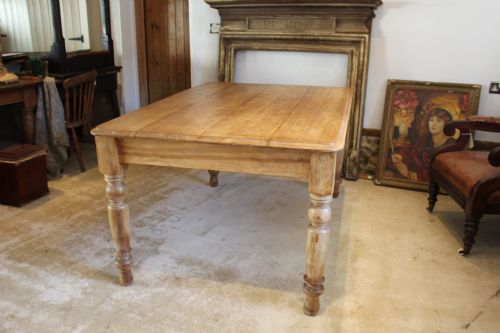
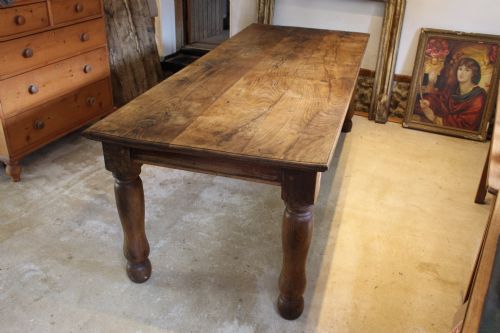
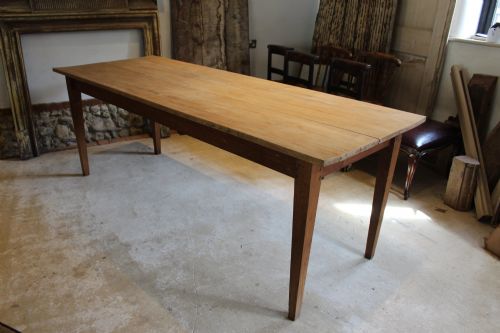
Large Oak Farmhouse Table / Refectory Table, 1920
Priced at £2,495 from Merchant House Antiques
The 2026 retail price guide for Antique Refectory Tables is drawn from a proprietary archive of over 1.1 million retail prices indexed by Sellingantiques since 2003. This guide relies exclusively on their own internal data; no external sources or auction records are used.
Analysing nearly 25 years of UK antique market history alongside current retail values, the data indicates that typical UK retail prices for Antique Refectory Tables range between £1,000 and £3,700. Entry-level prices generally fall under £1,000 and premium examples upwards of £3,700.
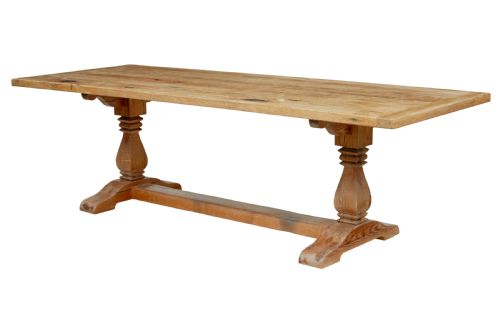
Massive turned or carved legs support the heavy wooden top.
Low stretchers connect the legs near the floor to provide rigidity.
Notice the overhanging boards. They provide knee room for diners sitting along the sides.
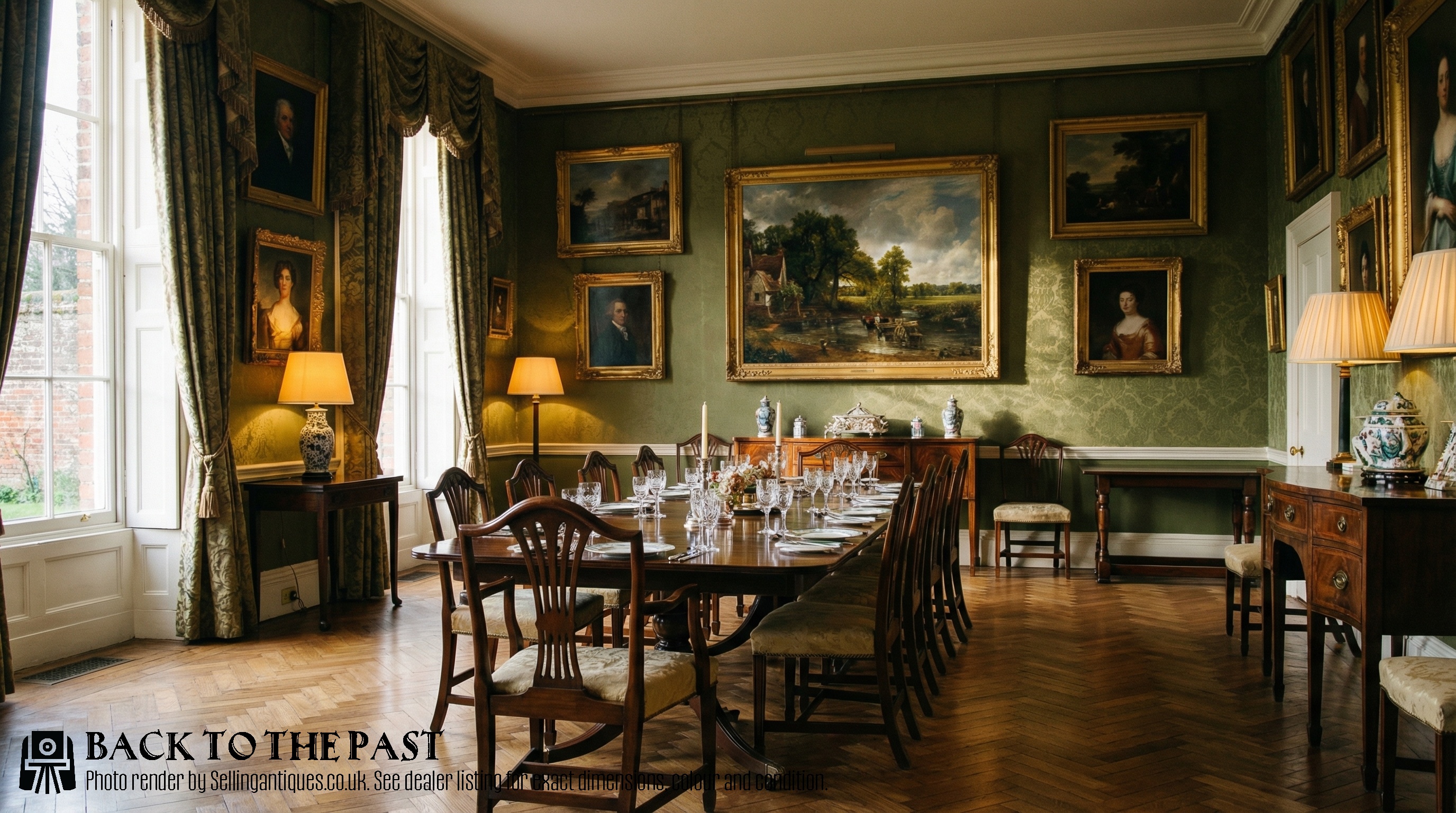
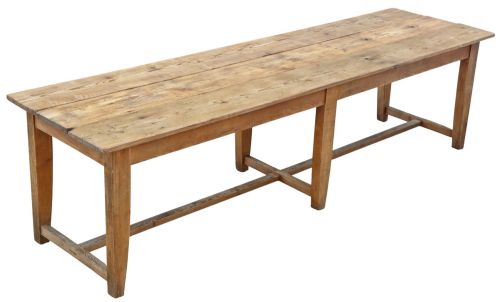
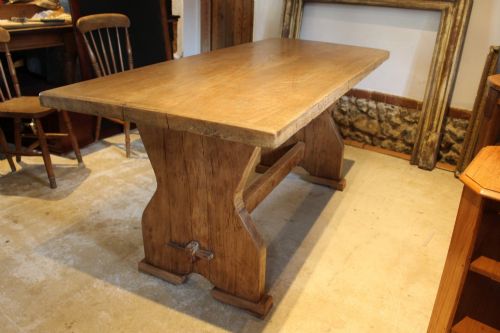
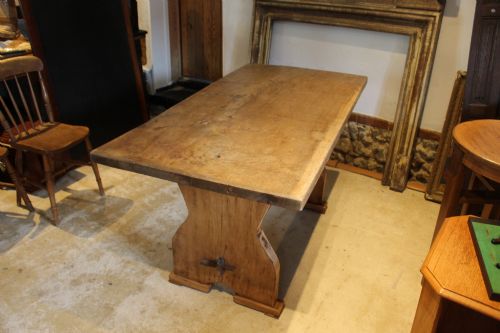
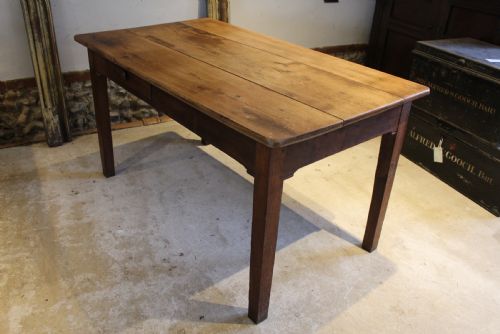
Oak Refectory Dining Table, Georgian
Priced at £695 from Brookside Antiques
Examine the joints on an early base. Joiners draw-bored the timbers, driving oak pegs through offset holes to pull the framework tight.
Bulbous cup-and-cover leg turnings gave way to simpler baluster shapes by the late seventeenth century.
Thick plank tops were joined with wooden dowels to create a wide, stable dining surface.
"The low stretchers kept diners' feet off cold stone floors during winter."
"Some tops were designed to lift right off the base for moving between rooms."
"Look for faint setting-out lines underneath. Joiners scribed these marks to align their tools before cutting the joints."
Based on almost 25 years of Sellingantiques UK antique market data, Antique Refectory Tables appeared 3695 times (out of 1,100,000 antiques) which gives it a rarity score of 48/100.
This score measures scarcity within the Sellingantiques archive only and is not a survey of the entire antiques market, so these statistics may not be indicative of the general availability of Antique Refectory Tables elsewhere.
Wipe it down with a damp cloth after use. Dry it straight away. Don't leave wet glasses on the boards.
Feed the wood twice a year with a good beeswax polish. Buff it off with a soft duster.
Most tops develop a gentle wave over time. The individual planks shrink and cup slightly across their width.
This movement is a normal part of how old timber behaves. A rigid, dead-flat surface on an early oak base usually means a later replacement top.
Large tables often settle into an uneven floor quite well. The sheer weight of the timber helps plant the legs firmly down.
You might need to slide a small wooden wedge under one foot to stop a rock. Use a dark piece of wood and push it back into the shadow.
These tables survive because they were built for heavy daily use. The thick oak and stout joints handle knocks better than modern veneer.
Hot plates and spilled ink are the main risks. Keep some mats nearby for serving dishes and wipe up spills before they soak into the grain.
Please note: This Antique Refectory Tables guide and its associated pricing data are provided for general informational purposes only. It does not constitute formal financial, investment, or appraisal advice and should not be relied upon as the sole basis for any commercial activity, purchasing, or sales decisions. Sellingantiques.co.uk accepts no liability for any actions taken in reliance on this information. Always consult with a qualified professional or independent appraiser.
