



A 2026 Guide by Sellingantiques

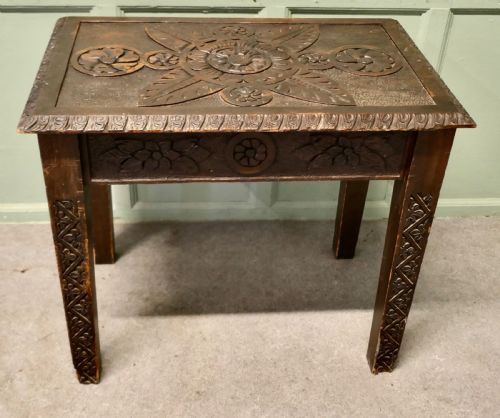
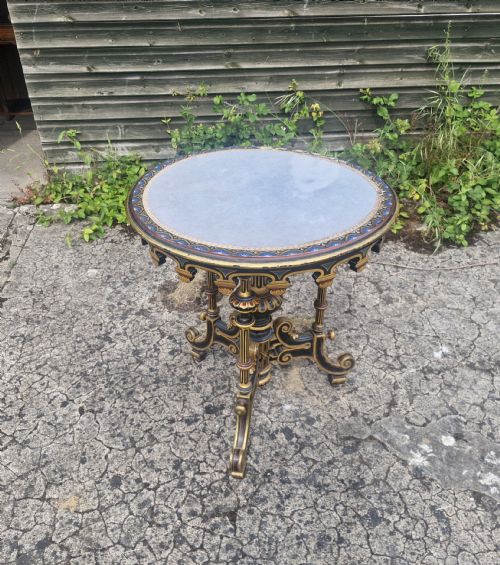
Edwardian Solid Mahogany Small Drop Leaf Sutherland Occasional Table C1890, Edwardian
Priced at £265 from Lincoln Restorations
They emerged as a specific form during the eighteenth century.
Look at changing domestic habits. Tea drinking and reading by candlelight required portable surfaces.
The term occasional table actually covers several specialised forms. You find wine tables, tripod bases and small drum tables grouped under this name.
Usually kept in the margins of a room until needed.
Thomas Chippendale supplied mahogany occasional tables to aristocratic clients. His firm left bills detailing these specific commissions.
Gillows of Lancaster produced substantial numbers of small tables in the nineteenth century.
Don't expect a maker's mark. Most regional workshops left their output unsigned.
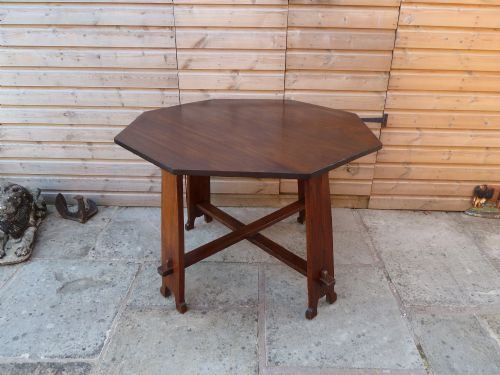
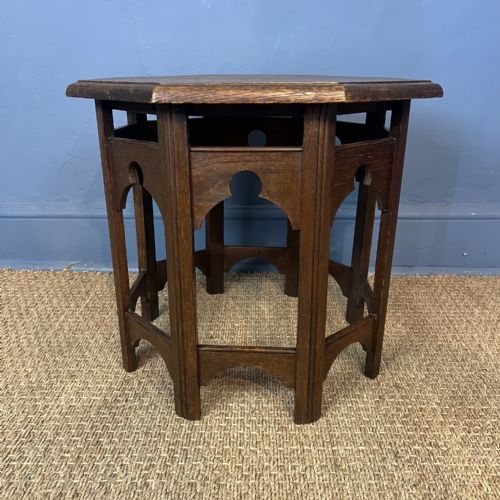
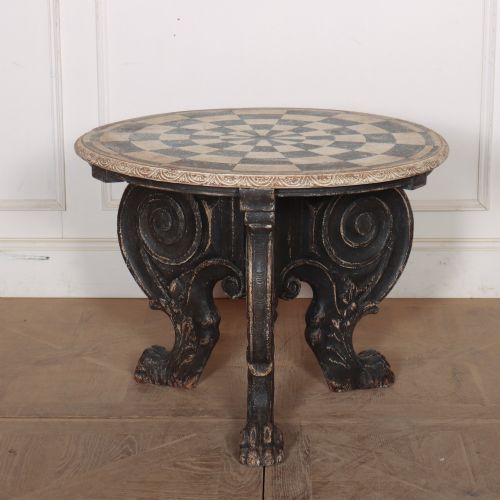
Cotswold School Octagonal Rosewood Occasional or Lamp Table, Circa 1900, 1900
Priced at £495 from Surrey Antiques by Gary J Hall
The 2026 retail price guide for Antique Occasional Tables is drawn from a proprietary archive of over 1.1 million retail prices indexed by Sellingantiques since 2003. This guide relies exclusively on their own internal data; no external sources or auction records are used.
Analysing nearly 25 years of UK antique market history alongside current retail values, the data indicates that typical UK retail prices for Antique Occasional Tables range between £400 and £2,000. Entry-level prices generally fall under £400 and premium examples upwards of £2,000.
Tip the top back. Catch mechanisms made many occasional tables easy to fold and store against a wall.
Tripod bases with cabriole legs often end in pad or claw feet.
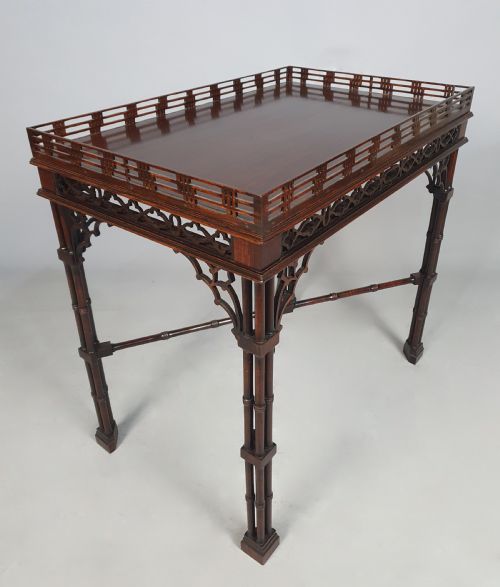
Raised edges appear on gallery tables to stop objects sliding off.
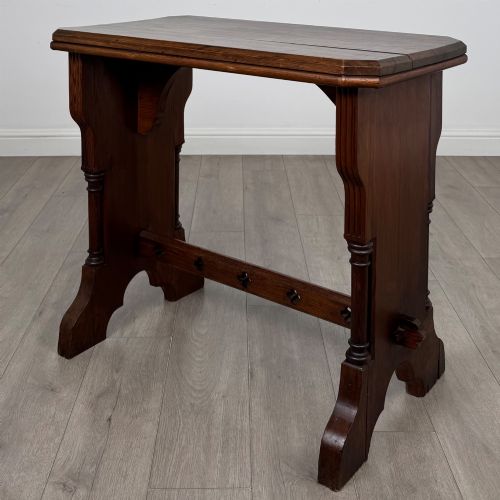
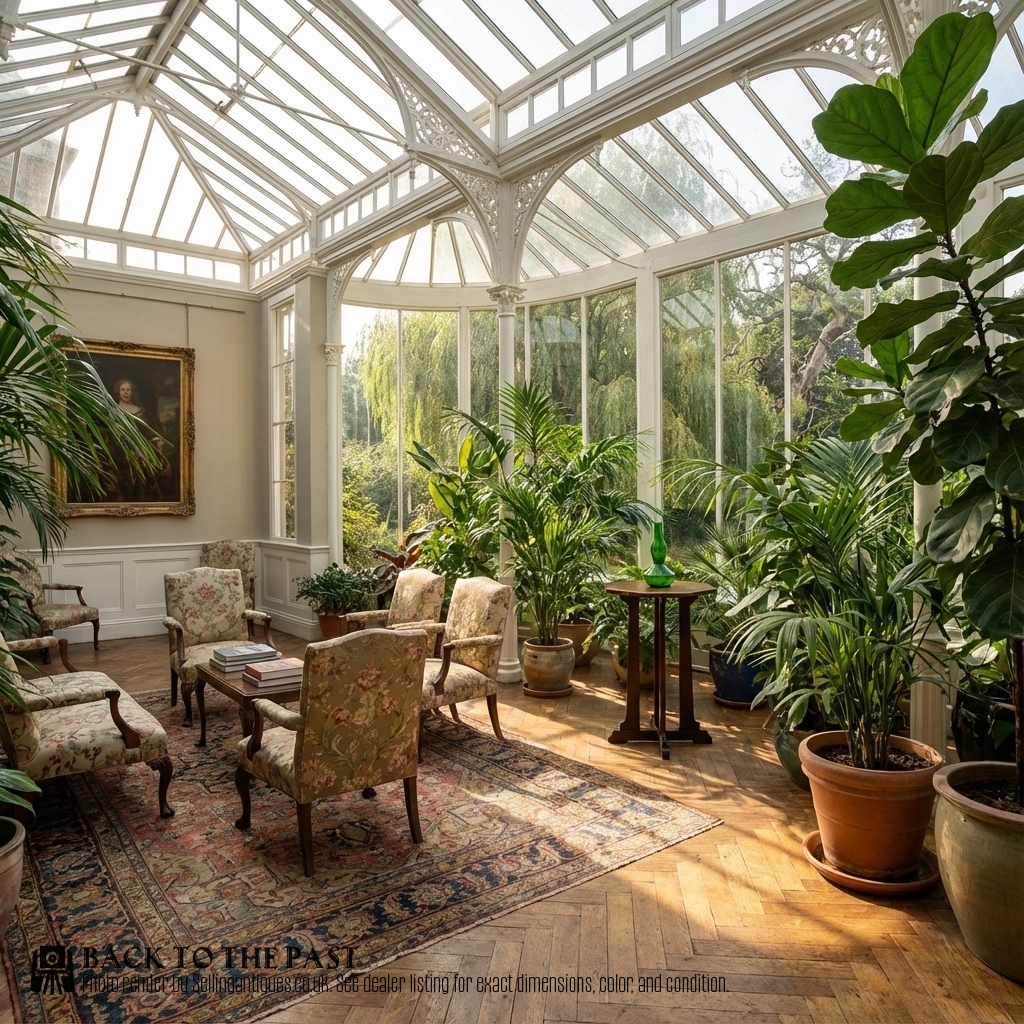
Edwardian Inlaid Lamp or Occasional Table, Edwardian
Priced at £145 from John Hubbard Antiques
Early examples rely on solid timber joints pegged with dowels.
Notice the shift to veneers. Later makers laid thin sheets of expensive burr walnut over cheaper pine cores.
Turnings change from simple shapes to complex spiral twists as lathe technology improved.
"Some eighteenth-century tops were turned on massive lathes from a single wide mahogany plank."
"Note the clever weighting. Lead was sometimes hidden inside the base blocks to stop them tipping over."
"Workshops often gave these to apprentices as test pieces to prove their skill at complex turning."
Based on almost 25 years of Sellingantiques UK antique market data, Antique Occasional Tables appeared 12955 times (out of 1,100,000 antiques) which gives it a rarity score of 7/100.
This score measures scarcity within the Sellingantiques archive only and is not a survey of the entire antiques market, so these statistics may not be indicative of the general availability of Antique Occasional Tables elsewhere.
Tilt-top mechanisms saved floor space. Rooms in the eighteenth and nineteenth centuries were often cleared for different activities like dancing or games.
Servants could fold the top vertically and push the table back against the skirting board. The flat profile meant dozens of them could be stored neatly around the room.
Rarely from the Georgian period. Most were made as single items.
By the late nineteenth century you start finding matched pairs or sets of nesting tables.
Castors were added to heavier designs. A solid mahogany drum table requires them so people can drag it towards a chair without snapping the legs.
Lighter tripod tables usually lack castors because they weigh very little. A person can just lift them by the central column and carry them across the room.
Dealers call that the secondary wood. It is usually a cheaper, locally sourced timber like pine or oak.
Cabinetmakers used it for the structural parts that nobody would see. Imported materials were saved for the visible surfaces.
Please note: This Antique Occasional Tables guide and its associated pricing data are provided for general informational purposes only. It does not constitute formal financial, investment, or appraisal advice and should not be relied upon as the sole basis for any commercial activity, purchasing, or sales decisions. Sellingantiques.co.uk accepts no liability for any actions taken in reliance on this information. Always consult with a qualified professional or independent appraiser.
