

A 2026 Guide by Sellingantiques
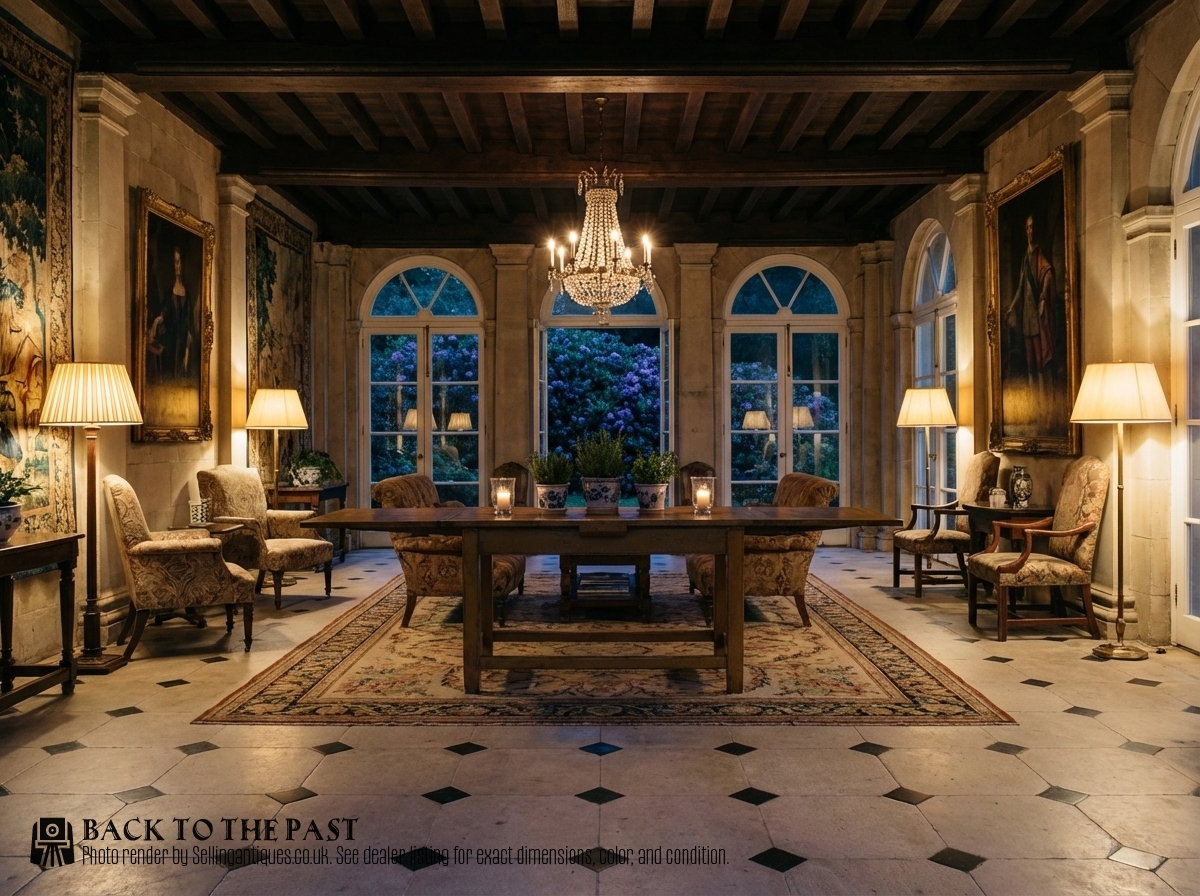
A Pine Farmhouse Kitchen Table, 19th Century
Priced at £595 from The Antique Partnership
Early households rarely had dedicated preparation tables before the late eighteenth century. Staff generally used simple board-and-trestle setups that could be dismantled quickly and moved out of the way when space got tight.
Fixed antique kitchen tables emerged as domestic spaces grew more defined. You see them heavily integrated into grand country estates.
Farmhouse versions served double duty. Families ate at the same surface where dough was kneaded and meat was carved.
Drawers started appearing underneath the main top in the nineteenth century. These stored cutlery, rolling pins, and flat linen.
Mass production replaced local joiners. Factories began turning out standard pine versions.
Documented makers are rare for utilitarian household pieces. Local estate carpenters built most antique kitchen tables to fit a specific alcove or dairy room.
Check the drawer linings for rough pencil marks. Journeymen sometimes signed the underside, though major London firms ignored these lower-status items and focused on formal mahogany goods instead.
High Wycombe factories dominated later output. By the late nineteenth century, rural workshops lost ground to these larger commercial operations shipping via railway.
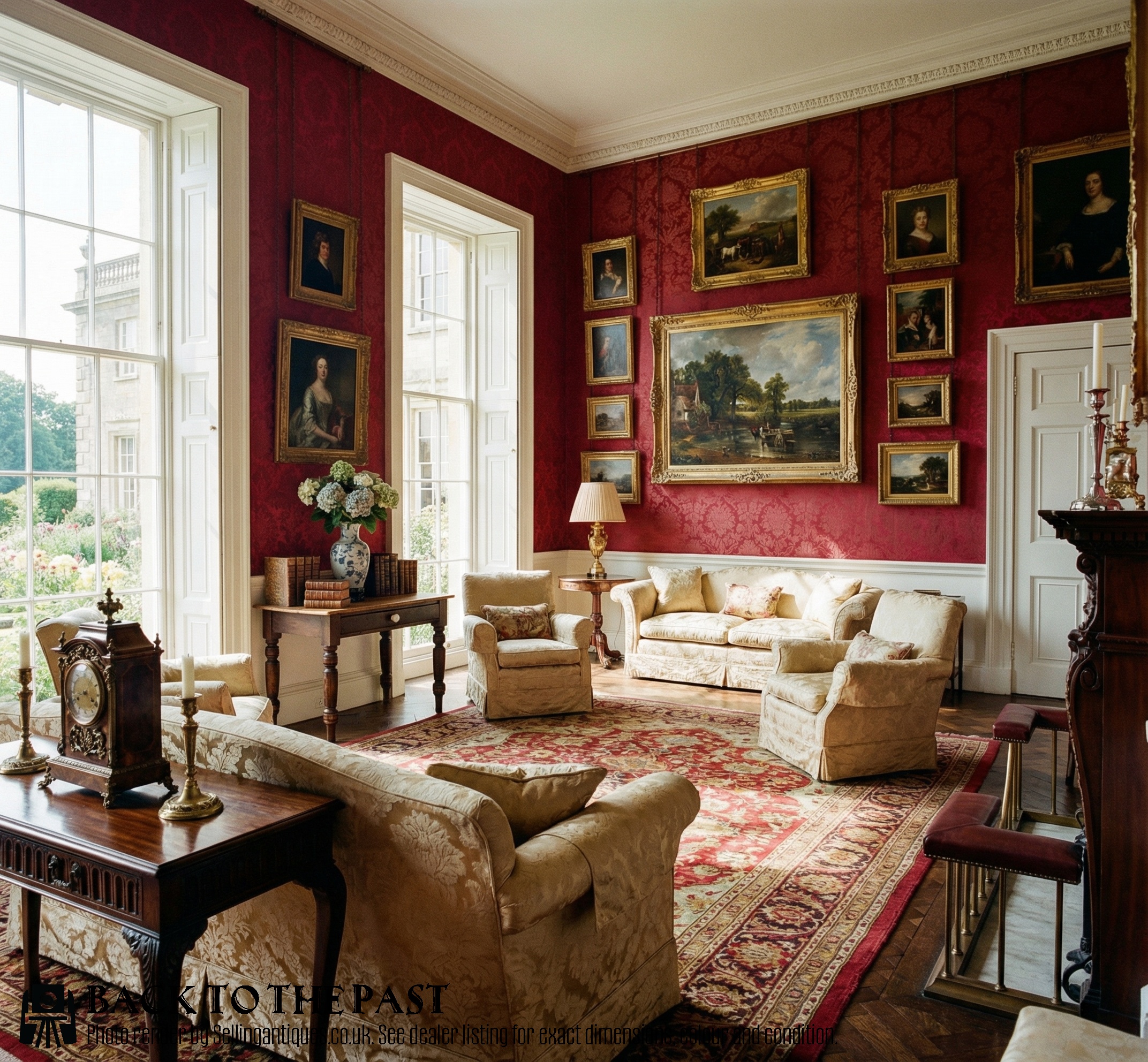
Antique 19th Century Pine Kitchen Table with Drawer – Fine Quality, 19th Century
Priced at £1,186 from Prior and Willis
The 2026 retail price guide for Antique Kitchen Tables is drawn from a proprietary archive of over 1.1 million retail prices indexed by Sellingantiques since 2003. This guide relies exclusively on their own internal data; no external sources or auction records are used.
Analysing nearly 25 years of UK antique market history alongside current retail values, the data indicates that typical UK retail prices for Antique Kitchen Tables range between £600 and £2,700. Entry-level prices generally fall under £600 and premium examples upwards of £2,700.
Overhanging tops define the form. Generous overhangs allowed cooks to clamp meat grinders and apple peelers directly to the edge.
Deep friezes run beneath the boards. This deep skirt houses the drawers and gives the whole frame its structural rigidity.
Stretcher bases appear on early or particularly long examples. A central wooden bar connects the legs to stop them spreading.
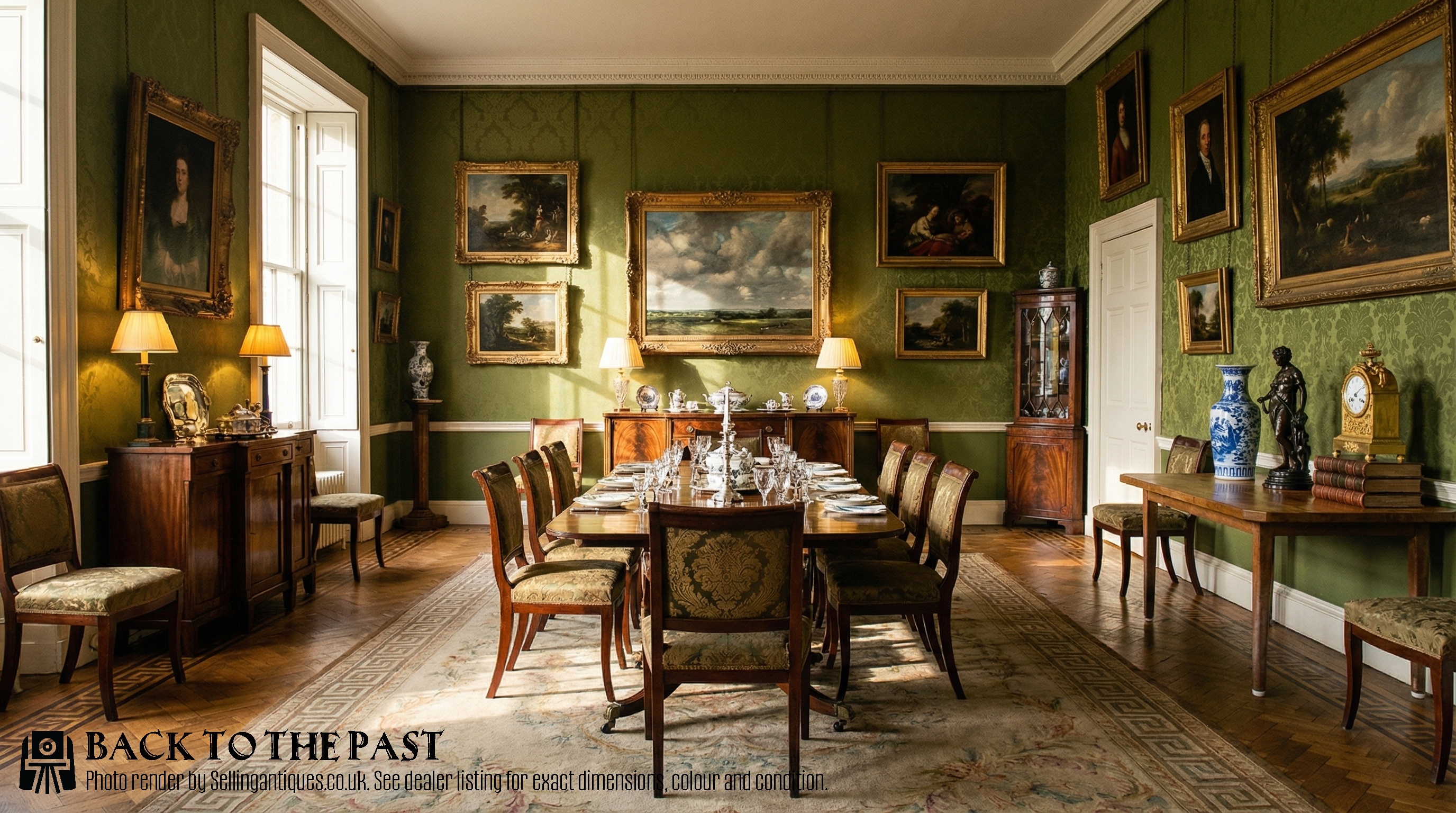
Good and Practical 10 Seater Sycamore Kitchen Dining Table, 1900
Priced at £240 from Rupert Hitchcox Antiques
Traditional joinery relies on tight mortise and tenon joints at the corners. These lock heavy legs directly into the apron.
Planks were joined using simple butt joints or tongue and groove techniques. Hide glue and wooden dowels held boards together.
Hand-planed undersides show tool marks. The surfaces hidden from view were left rough once the basic thickness was achieved.
"Removable tops were surprisingly common. Some large models have tops held by wooden buttons, allowing them to pass through narrow scullery doors."
"Thick sycamore tops possess natural antibacterial properties. This made them highly favoured for meat preparation and dairy work in large estates."
"Height varies wildly. Many were built lower than modern dining standards to give cooks better leverage when kneading heavy dough."
Based on almost 25 years of Sellingantiques UK antique market data, Antique Kitchen Tables appeared 3399 times (out of 1,100,000 antiques) which gives it a rarity score of 51/100.
This score measures scarcity within the Sellingantiques archive only and is not a survey of the entire antiques market, so these statistics may not be indicative of the general availability of Antique Kitchen Tables elsewhere.
Warm water and a stiff brush is usually enough. You want to follow the grain to lift out flour and grease without soaking the boards.
Some people use a mild natural soap for stubborn marks. Keep away from chemical degreasers as they strip the natural oils and leave the timber looking grey.
Most antique kitchen tables sit on uneven floors because they were originally built for stone flagstones. Trimming the wooden legs is permanent damage and rarely solves the problem if you ever move the piece to another room.
Slide a small wedge of cork or folded leather under the floating foot instead. This stabilises the work surface instantly and protects the end grain from damp without altering the original timber.
Standard dining chairs often clash with deep aprons. Victorian kitchen tables were built for standing work or low stools, not modern seating.
Measure the knee clearance carefully before buying. You usually need around sixty centimetres of clearance from the floor to sit comfortably.
Wood expands in humid weather. The drawer runners swell and bind against the internal guides.
Rub a block of paraffin wax or a plain candle along the contact surfaces underneath the drawer. This simple lubrication reduces friction and stops the wood wearing down further.
Please note: This Antique Kitchen Tables guide and its associated pricing data are provided for general informational purposes only. It does not constitute formal financial, investment, or appraisal advice and should not be relied upon as the sole basis for any commercial activity, purchasing, or sales decisions. Sellingantiques.co.uk accepts no liability for any actions taken in reliance on this information. Always consult with a qualified professional or independent appraiser.
