


A 2026 Guide by Sellingantiques
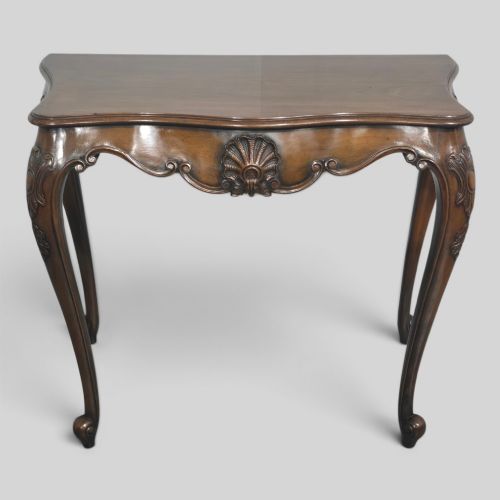
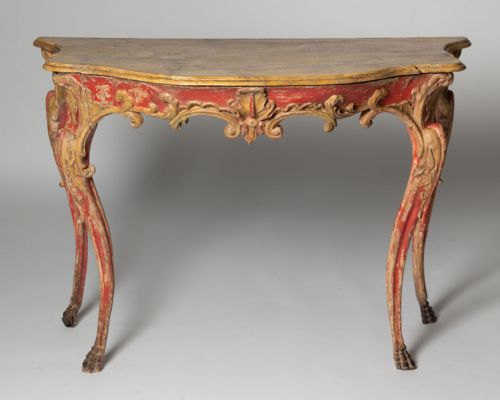
Scottish William IV Oak Hall/serving Table, 19th Century
Priced at £2,200 from The Antique Furniture Company
A distinct form emerging during the eighteenth century. Entrance halls were becoming formal reception spaces.
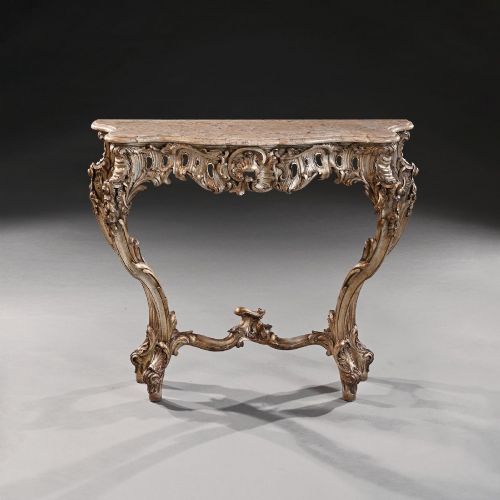
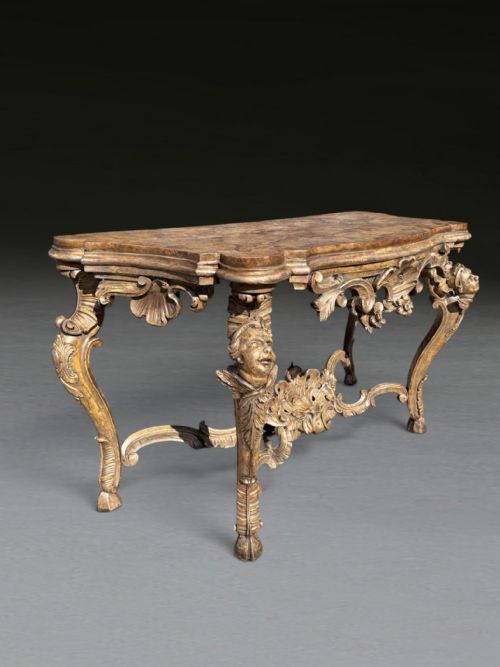
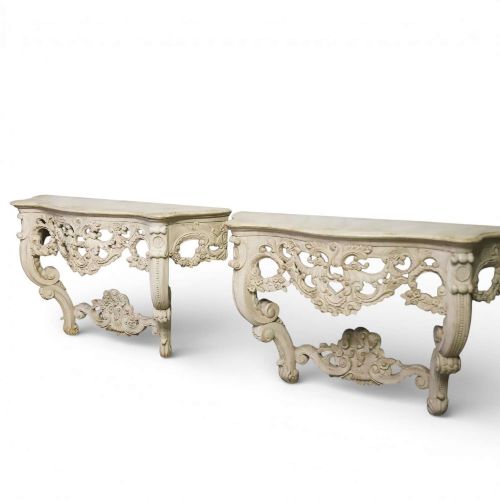
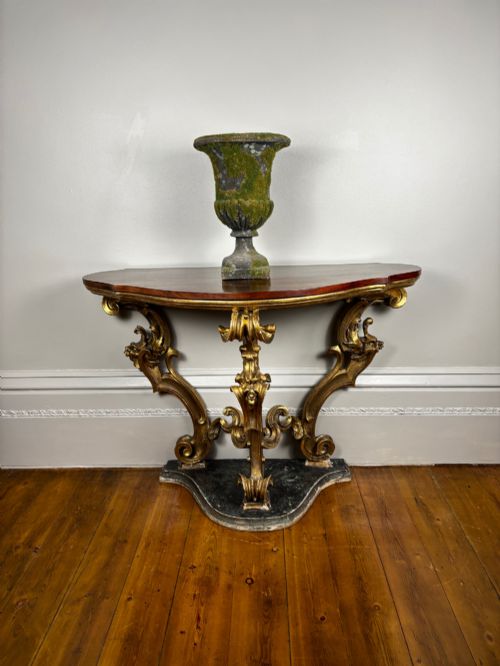
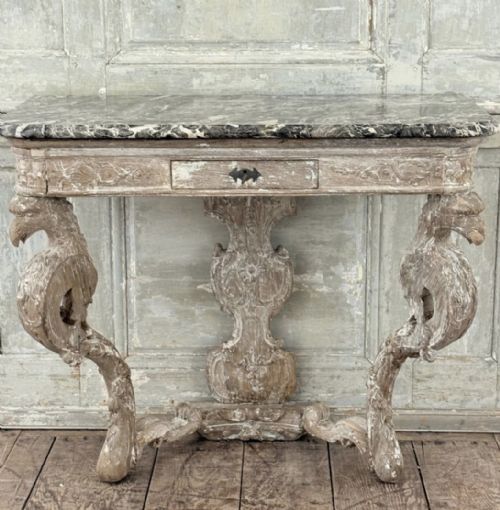
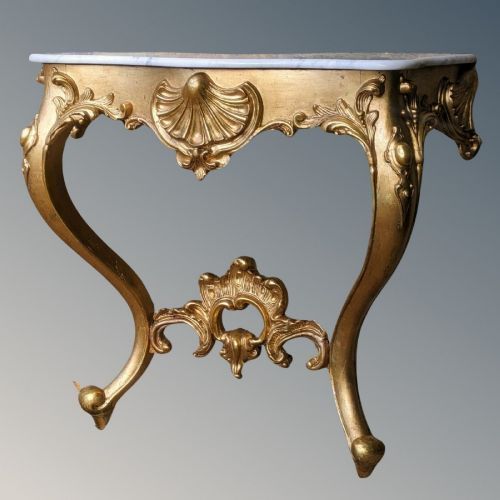
Often called console tables if they lacked back legs and bracketed directly to the wall panelling.
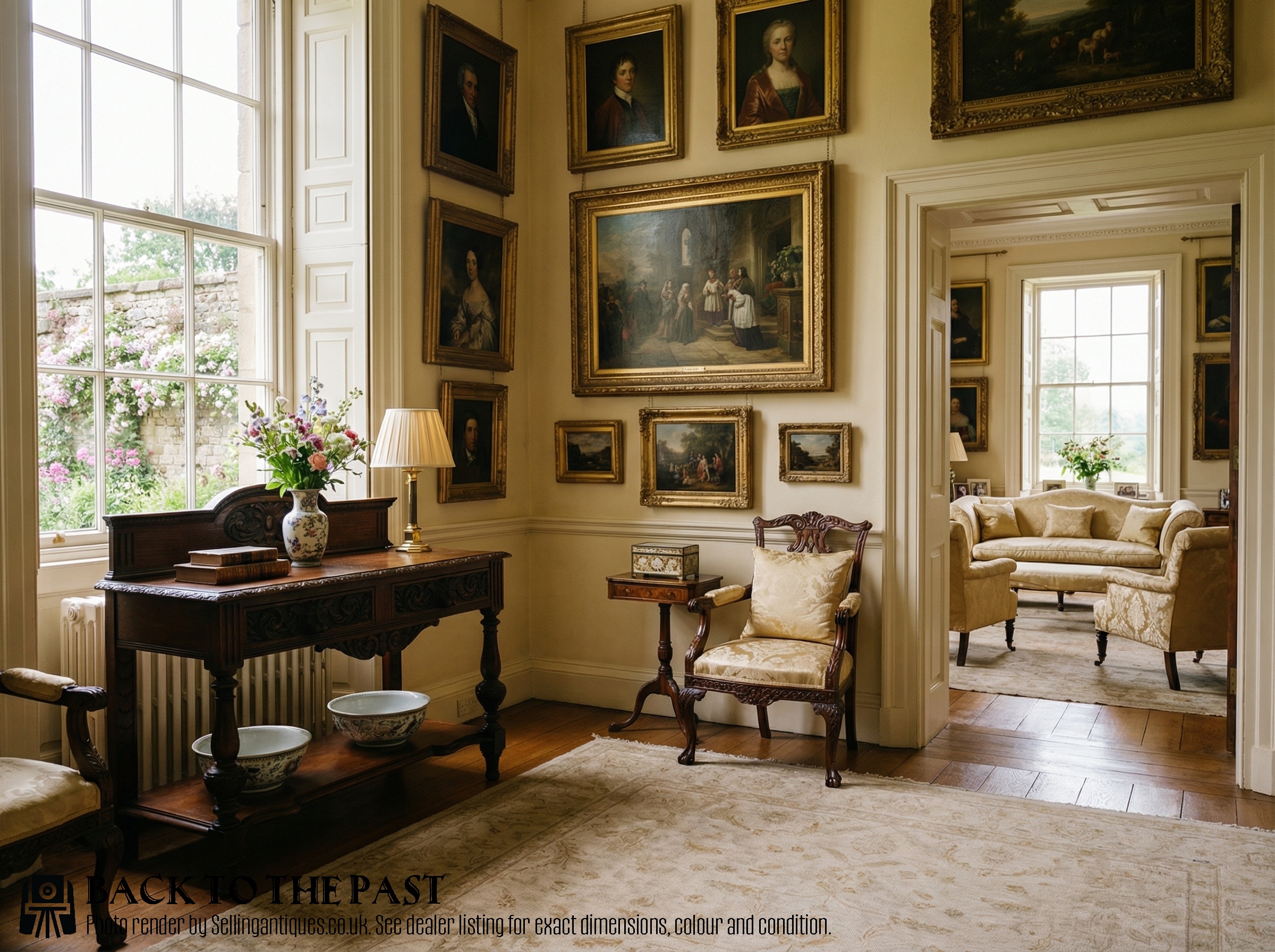
Look at the proportions. A true antique hall table is usually shallower than a side table to keep the passageway clear.
Wealthy households required somewhere for visitors to leave calling cards.
By the Victorian era, almost every terraced house had a modest version just inside the front door.
Thomas Chippendale supplied grand pier tables, a close relative of the hall table, to aristocratic clients during the mid-eighteenth century.
Gillows of Lancaster produced hundreds of plain mahogany variations for the rising middle classes.
Most ordinary examples are unsigned products of provincial cabinetmakers working to standard pattern books.
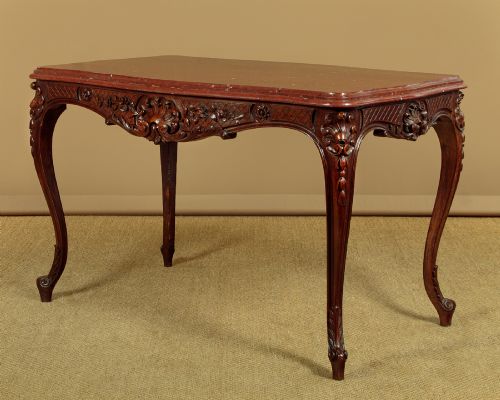
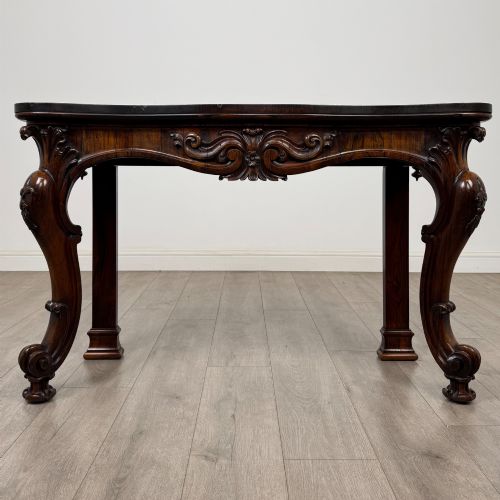
Oak Hall Table, 1890
Priced at £495 from Athey Antiques
The 2026 retail price guide for Antique Hall Tables is drawn from a proprietary archive of over 1.1 million retail prices indexed by Sellingantiques since 2003. This guide relies exclusively on their own internal data; no external sources or auction records are used.
Analysing nearly 25 years of UK antique market history alongside current retail values, the data indicates that typical UK retail prices for Antique Hall Tables range between £500 and £3,300. Entry-level prices generally fall under £500 and premium examples upwards of £3,300.
A flat back edge is essential. They sit tight against the skirting board.
Frieze drawers appear frequently. Some have none, while others conceal a shallow central compartment.
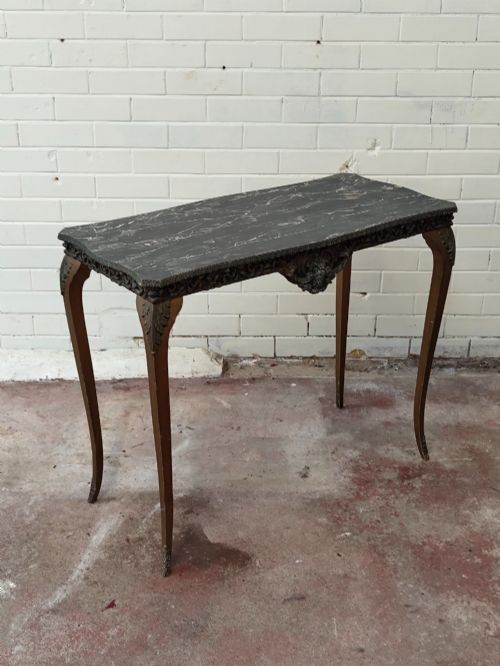
The front legs carry all the decorative work. Back legs are usually plain square sections or missing.
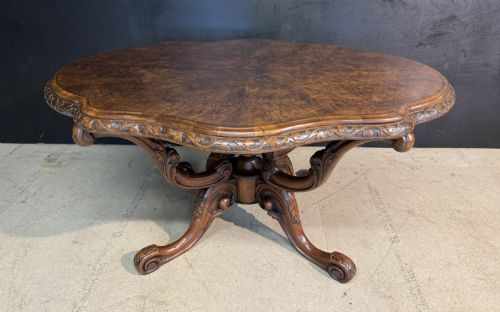
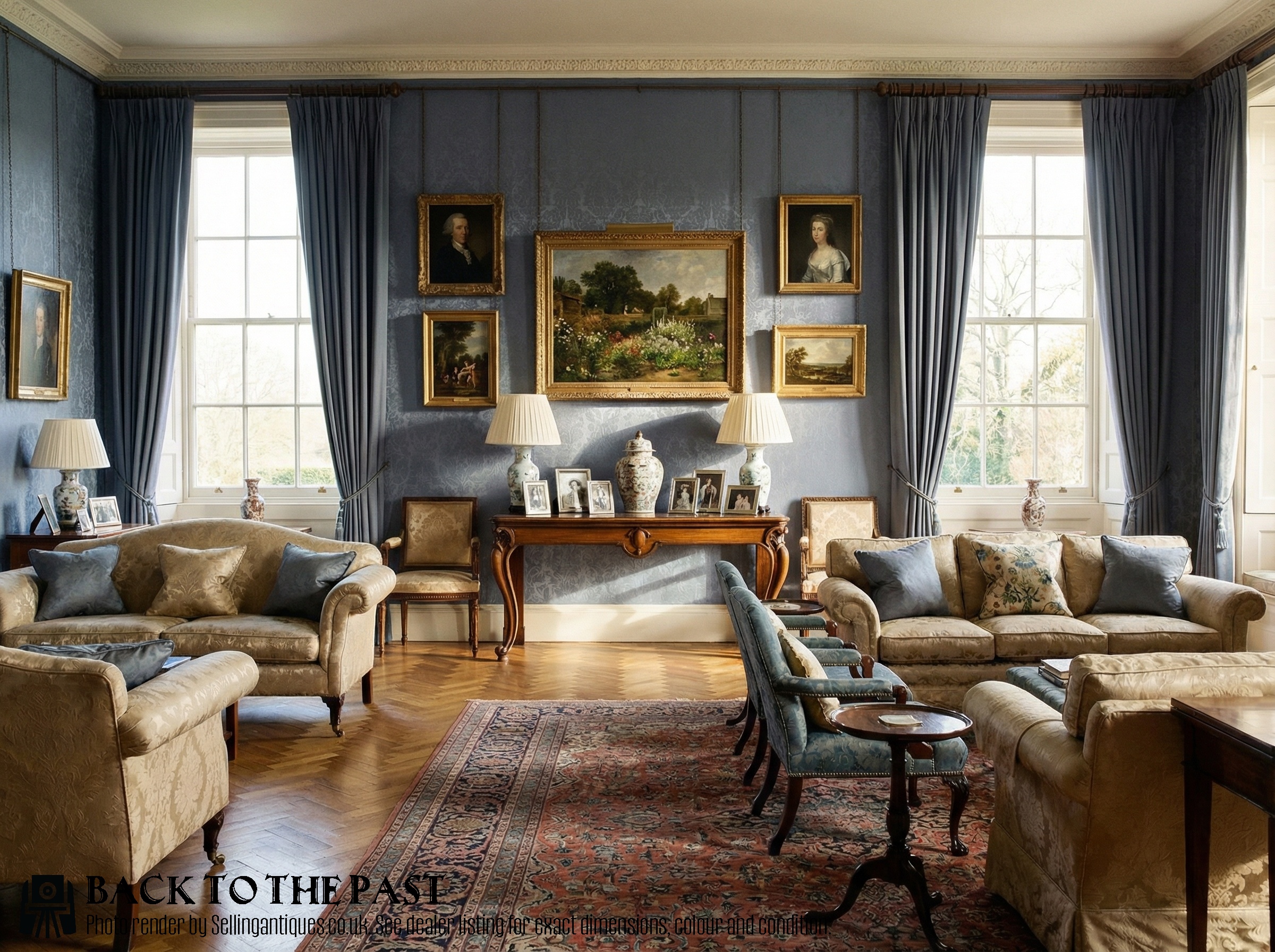
Victorian Mahogany Hall / Side Table, Victorian
Priced at £275 from Salt Antiques
Early joints rely on hand-cut mortise and tenon connections pegged with wooden dowels.
Veneering became common later. Thin sheets of expensive timber glued over a cheaper pine carcase.
Notice the drawer linings. Hand-cut dovetails hold the corners together, getting finer as the nineteenth century progressed.
"Narrow proportions make them unusually adaptable for tight modern apartments."
"Many feature a polished back edge, allowing them to serve as a small writing desk in a pinch."
"Original hardware frequently survives intact since the drawers saw light use for keys and post."
Based on almost 25 years of Sellingantiques UK antique market data, Antique Hall Tables appeared 6061 times (out of 1,100,000 antiques) which gives it a rarity score of 30/100.
This score measures scarcity within the Sellingantiques archive only and is not a survey of the entire antiques market, so these statistics may not be indicative of the general availability of Antique Hall Tables elsewhere.
Most sit at standard table height, around thirty inches. This proportion allowed arriving guests to comfortably drop letters or gloves without stooping.
Some Edwardian pieces stand a fraction higher. They were designed to clear tall skirting boards and accommodate umbrella stands beneath.
Radiators pose a serious threat to antique furniture. The constant cycling of dry heat draws moisture directly out of the timber over weeks and months.
Over time this shrinkage causes veneers to lift. Solid tops will crack along the grain. Keep any wooden antique away from direct heat sources.
Minor dull patches buff out with natural beeswax.
Deep scratches require professional repolishing to restore the original finish.
Worn runners are standard on heavily used drawers. The soft pine rubbing against hardwood slowly grinds away the track over generations.
A cabinetmaker can splice in a new strip of wood. This restores a smooth sliding action without disturbing the original exterior surface.
Please note: This Antique Hall Tables guide and its associated pricing data are provided for general informational purposes only. It does not constitute formal financial, investment, or appraisal advice and should not be relied upon as the sole basis for any commercial activity, purchasing, or sales decisions. Sellingantiques.co.uk accepts no liability for any actions taken in reliance on this information. Always consult with a qualified professional or independent appraiser.
