


A 2026 Guide by Sellingantiques
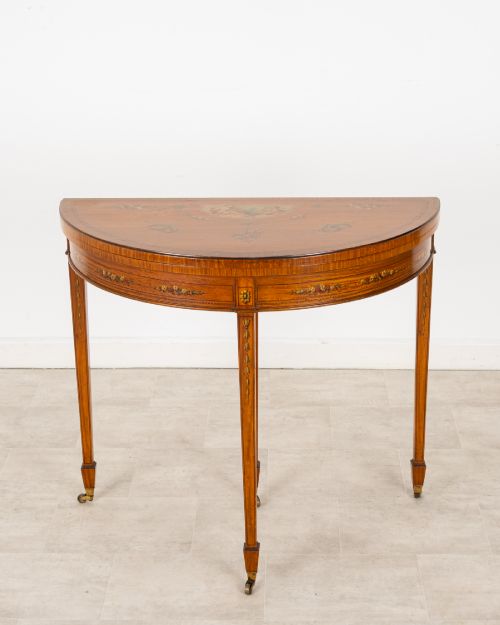
18th Century Demi Lune Games Side Table, 18th Century
Priced at £850 from Millers Antiques
Demand for antique games tables surged during the eighteenth century. Card playing was a primary evening entertainment in grand houses.
Look for the shift in table shapes. Early Georgian examples often feature square tops with projecting corners to hold candlesticks.
Folding tops sit flat against the wall when closed. They functioned as decorative console tables by day.
Regency makers introduced more complex mechanisms. Swivel-and-fold systems replaced the older gateleg supports.
Victorian society embraced multi-game surfaces. A single antique games table might house chess boards, backgammon wells, and a cribbage board.
Gillows of Lancaster and London supplied many high-quality tables. Their stamped pieces date from the late eighteenth through the nineteenth century.
Thomas Chippendale's workshop produced complex folding card tables. Documented examples feature his signature carved mahogany legs and concertina actions.
William Trotter dominated the Edinburgh trade. He made heavy, carved rosewood antique games tables during the early nineteenth century.
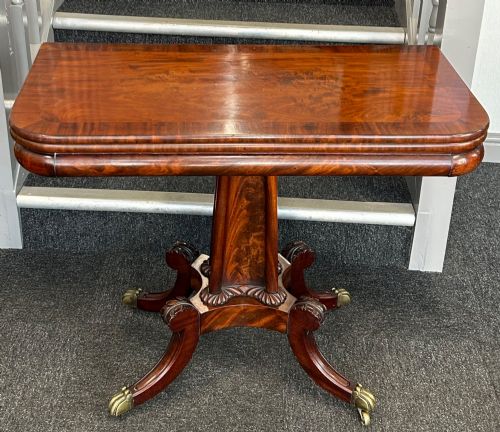
Victorian Burr Walnut Games Table, 1860
Priced at £995 from Philip Hunt Antiques
The 2026 retail price guide for Antique Games Tables is drawn from a proprietary archive of over 1.1 million retail prices indexed by Sellingantiques since 2003. This guide relies exclusively on their own internal data; no external sources or auction records are used.
Analysing nearly 25 years of UK antique market history alongside current retail values, the data indicates that typical UK retail prices for Antique Games Tables range between £700 and £3,800. Entry-level prices generally fall under £700 and premium examples upwards of £3,800.
Hinged tops are standard. They double the surface area when opened and usually rest on a swung-out rear leg.
Look for guinea wells. These are small scooped depressions carved directly into the timber at each corner of the open playing surface.
Intricate marquetry playing boards. Chess and backgammon layouts built directly into the top using contrasting timber veneers like boxwood and ebony.
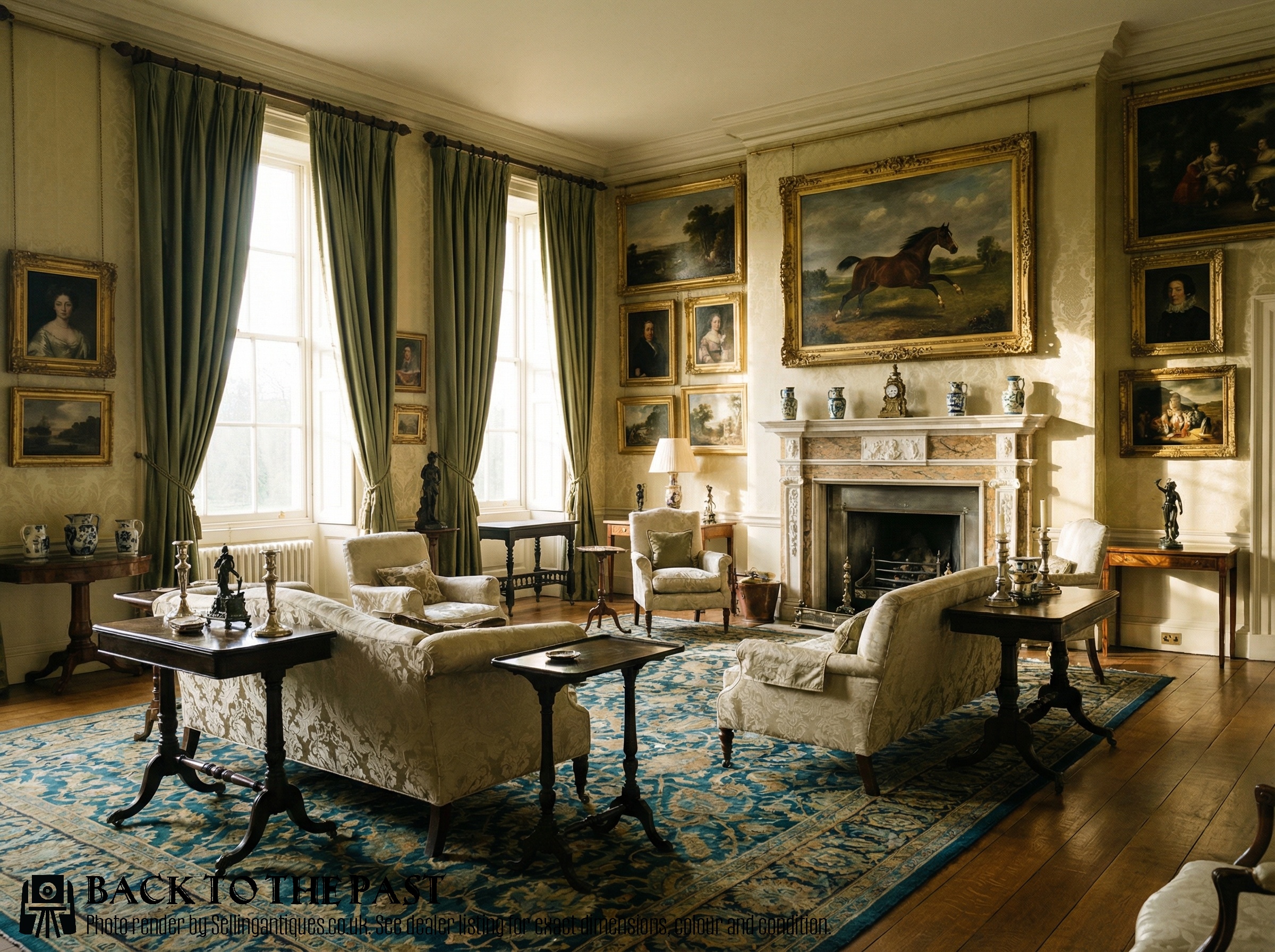
Elegant Black Lacquer Games, Card or Hall Table, Victorian
Priced at £495 from Elmgarden
Early Georgian cabriole legs rely on deep mortise and tenon joints. Cut directly into the solid timber frame.
Open the top and inspect the hinges. Solid brass rule hinges countersunk into the wood keep the surface flush when extended.
Later nineteenth-century antique games tables often use heavy turned central pedestals. These rest on platform bases rather than four individual legs.
"They often doubled as tea tables. The polished side served afternoon refreshments before the top was flipped for evening cards."
"Look for tiny pinholes around the timber rebate. They show where earlier fabrics were tacked down before modern glues became standard."
"Regional cabinet makers developed their own distinct folding actions. Local variations in hinge placement offer a map of provincial craftsmanship."
Based on almost 25 years of Sellingantiques UK antique market data, Antique Games Tables appeared 3761 times (out of 1,100,000 antiques) which gives it a rarity score of 47/100.
This score measures scarcity within the Sellingantiques archive only and is not a survey of the entire antiques market, so these statistics may not be indicative of the general availability of Antique Games Tables elsewhere.
It is called baize. This is a coarse woven woollen cloth.
Playing cards slide easily across the tight weave. You will find it in green, red, or sometimes blue on most antique games tables.
Combination tables are quite common. Cabinet makers during the nineteenth century produced pieces that housed multiple parlour games in a single unit.
The chess board was usually rendered in contrasting wood veneers on the exterior. When opened, the inner surfaces revealed backgammon wells.
Some even feature a sliding top that reverses to show a plain surface for writing. They function as versatile pieces of furniture.
A soft clothes brush is your best tool. Brush gently in one direction to remove dust and chalk without lifting the wool fibres.
Never use water or modern fabric cleaners on an original baize surface. Moisture causes the wool to shrink and pull away from the timber edges.
A single swinging rear leg is the traditional method for supporting a folding top. It keeps the table stable when open.
When closed, the leg folds flush into the back frame. The table then sits flat against a wall as a console during the day.
More complex antique games tables sometimes feature a concertina action where both back legs extend. However, the single swing leg remained the standard for everyday use.
Please note: This Antique Games Tables guide and its associated pricing data are provided for general informational purposes only. It does not constitute formal financial, investment, or appraisal advice and should not be relied upon as the sole basis for any commercial activity, purchasing, or sales decisions. Sellingantiques.co.uk accepts no liability for any actions taken in reliance on this information. Always consult with a qualified professional or independent appraiser.

