
There are no results to show on this page for that combination of filters:
Baroque Farmhouse Tables
A 2026 Guide by Sellingantiques
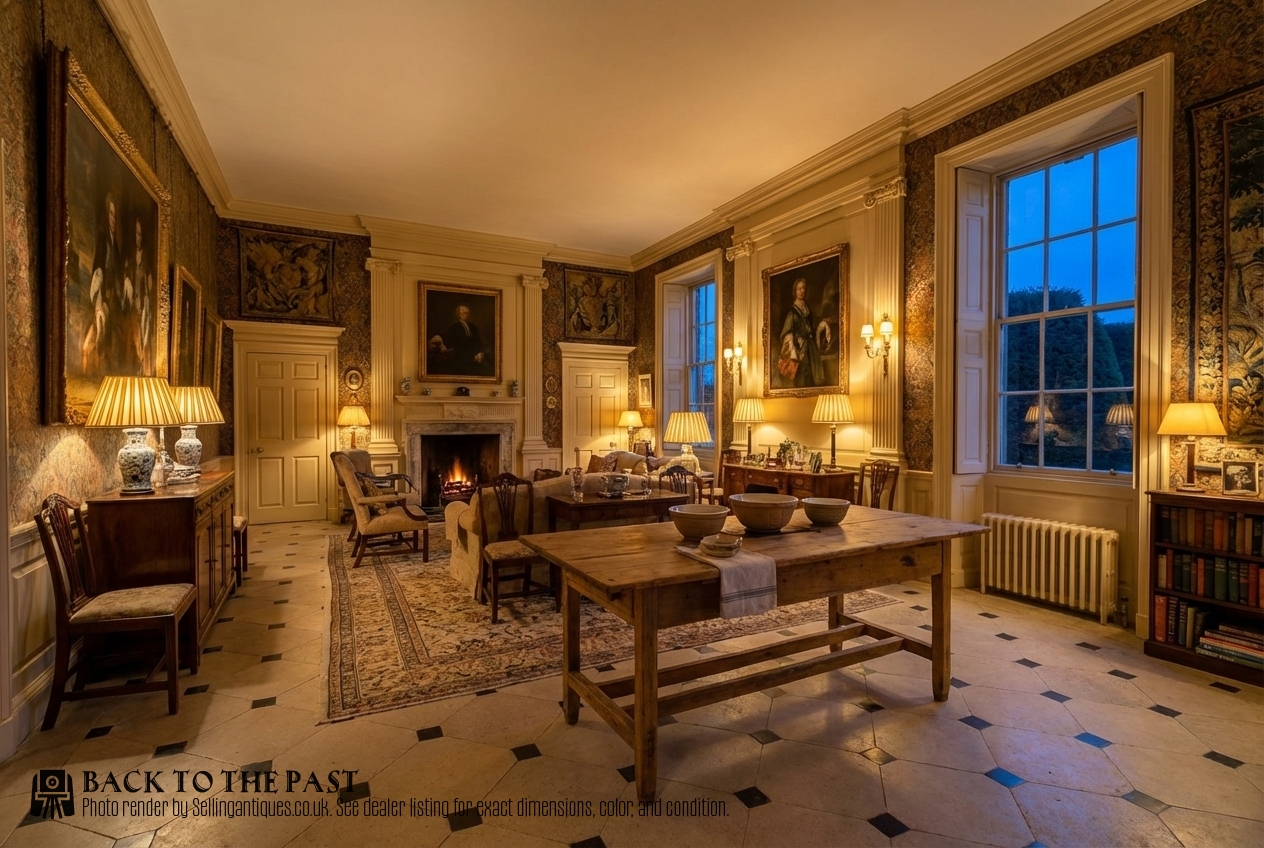
19th Century Irish Pine Farmhouse Table, 1880
Priced at £2,400 from Antiques Decorative (Sussex)
Most early examples started life in working agricultural kitchens rather than formal dining rooms.
Look at the scale. They were built large to seat extended families and seasonal workers around a single surface.
Regional styles vary widely across Europe. French variants often sit lower to the ground than English versions.
Antique farmhouse tables moved into urban domestic spaces as town houses adopted open-plan kitchen designs late in the twentieth century.
You rarely find a maker's mark on these. Local village carpenters built most of them for specific neighbouring farms.
Estate workshops produced many standard pieces. Large landowners kept staff carpenters to furnish tenant farmhouses across their property.
Different counties favoured specific joint styles. An experienced eye can sometimes place an unmarked piece to a specific valley.
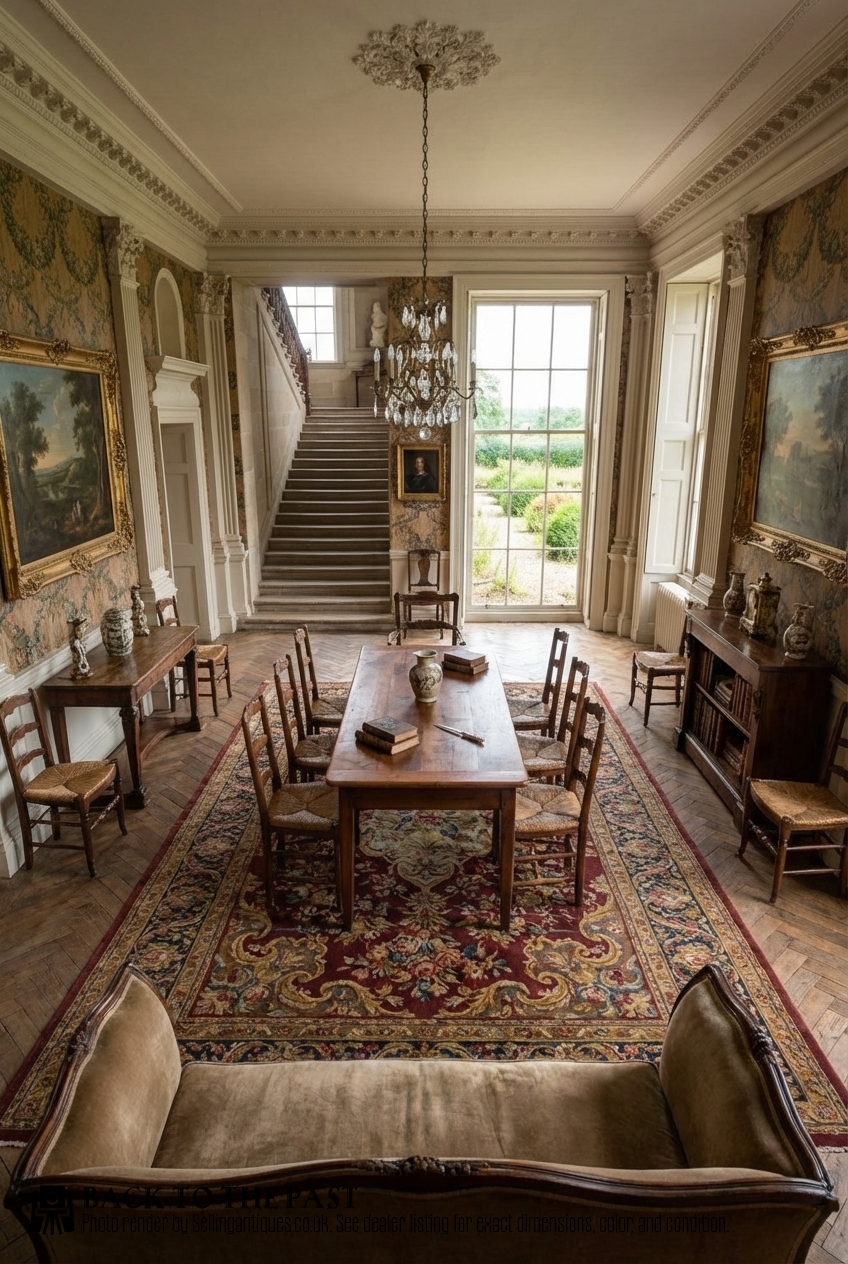
French Cherry Wood Farmhouse Table, 19th Century
Priced at £1,450 from Sinclairs Antiques and Interiors
The 2026 retail price guide for Antique Farmhouse Tables is drawn from a proprietary archive of over 1.1 million retail prices indexed by Sellingantiques since 2003. This guide relies exclusively on their own internal data; no external sources or auction records are used.
Analysing nearly 25 years of UK antique market history alongside current retail values, the data indicates that typical UK retail prices for Antique Farmhouse Tables range between £1,000 and £3,300. Entry-level prices generally fall under £1,000 and premium examples upwards of £3,300.
Thick plank tops. Multiple wide boards joined together usually form the main surface of antique farmhouse tables.
Check the ends for breadboard construction. These horizontal end caps keep the longitudinal planks flat as they expand and contract.
Deep aprons often hold wide drawers designed for storing heavy iron cutlery or kitchen linen.
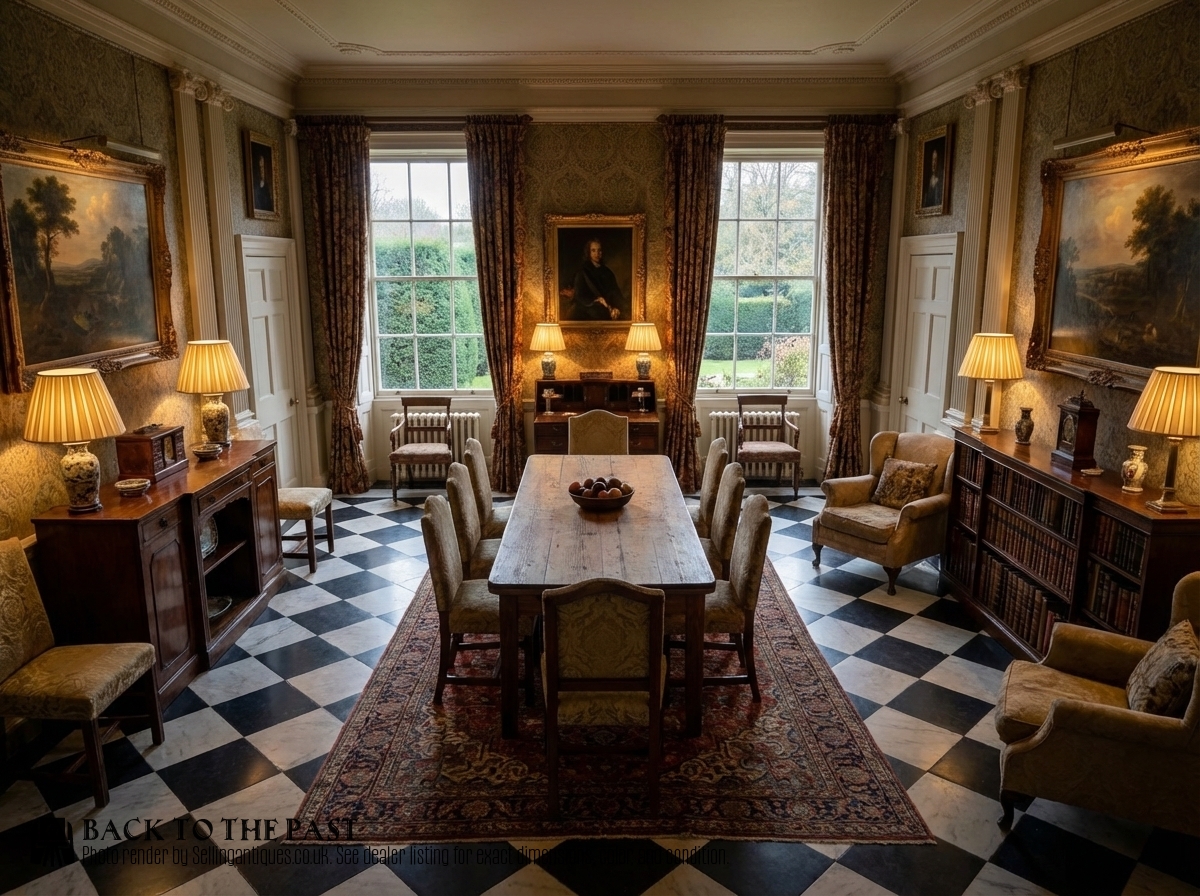
A Victorian Pine Farmhouse Table, Victorian
Priced at £680 from The Antique Partnership
Hand-cut joints. Early makers secured these with wooden pegs. You can feel the slightly raised peg heads on the leg squares.
Turned legs reflect the tools available. Lathes allowed rural makers to shape heavy square timber into rounded forms quickly.
Trestle bases often appear on the oldest antique farmhouse tables. This design kept bulky legs out of the way on uneven floors.
"Double-opening drawers. Some examples allow workers to access cutlery from either side of the table without getting up."
"Many tops are reversible. Owners often flipped the heavy planks over when one side became too uneven for comfortable dining."
"Feel the timber. A thick plank top will subtly change shape with the shifting humidity of the seasons."
Based on almost 25 years of Sellingantiques UK antique market data, Antique Farmhouse Tables appeared 5190 times (out of 1,100,000 antiques) which gives it a rarity score of 35/100.
This score measures scarcity within the Sellingantiques archive only and is not a survey of the entire antiques market, so these statistics may not be indicative of the general availability of Antique Farmhouse Tables elsewhere.
Many older rural tables sit lower than modern dining standards. People often add small wooden blocks or turned bun feet to the bottom of the existing legs.
A cabinetmaker can splice matching timber onto the legs. If done well, this structural addition blends into the overall profile without looking out of place.
Gaps between boards are common on antique farmhouse tables. Wide timber planks expand and shrink over decades of seasonal changes, eventually settling into fixed positions.
Most people leave them alone. If the gap catches crumbs, you can brush it out easily enough with a stiff brush.
Filling a large gap with rigid modern putty can cause new splits elsewhere. The wood always needs room to move.
A clear beeswax polish works well. It feeds the timber and provides a soft barrier against spills.
Apply it sparingly with a cloth. Buff it firmly once dry. Too much wax just attracts dust.
You need roughly two feet of length per person along the sides. A table measuring six to seven feet usually seats three down each side and one at each end.
Always check the distance between the legs, not just the top. Deep aprons or wide corner blocks eat into the actual seating space.
Factor in the chair width too. Wide armchairs demand more clearance than plain dining chairs.
Please note: This Antique Farmhouse Tables guide and its associated pricing data are provided for general informational purposes only. It does not constitute formal financial, investment, or appraisal advice and should not be relied upon as the sole basis for any commercial activity, purchasing, or sales decisions. Sellingantiques.co.uk accepts no liability for any actions taken in reliance on this information. Always consult with a qualified professional or independent appraiser.
