

Antique Extending Tables
A dining table built to grow: a frame or pedestal base that opens to take extra leaves, so one table serves a family of six and a dinner for twelve.
Antique Extending Tables
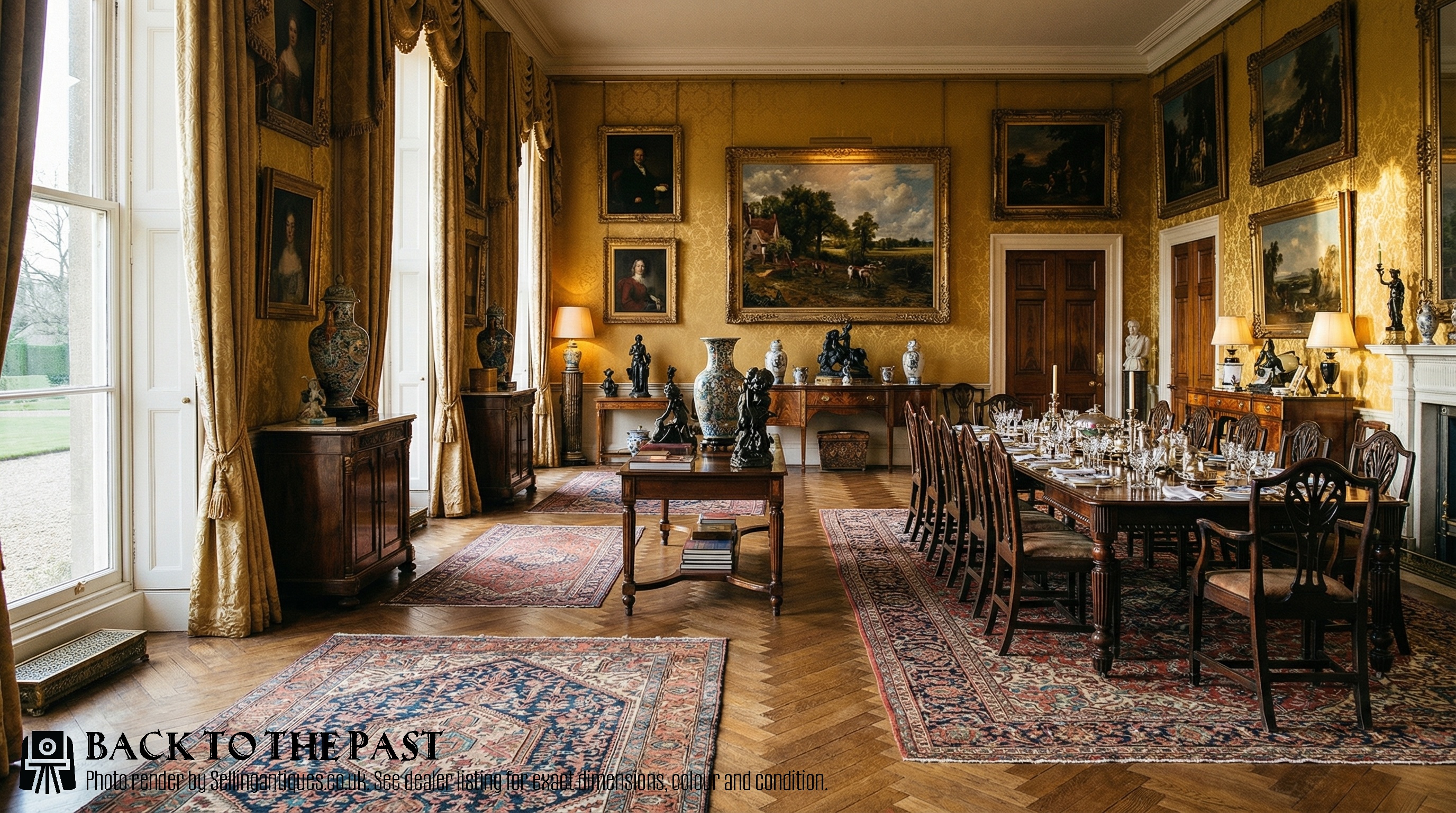
Almost every table in this category is a full-size dining table. Dining appears in the title of nine in ten of the 1,832 listings on Sellingantiques, and dealers describe them the same way each time: the timber, the number of leaves, and how many people the top seats when it's open.
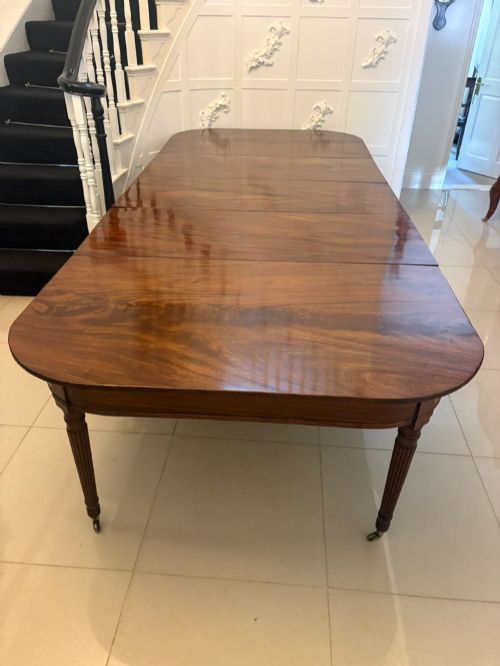
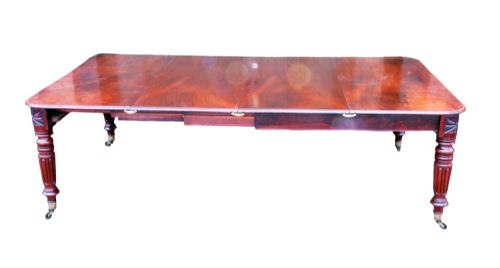
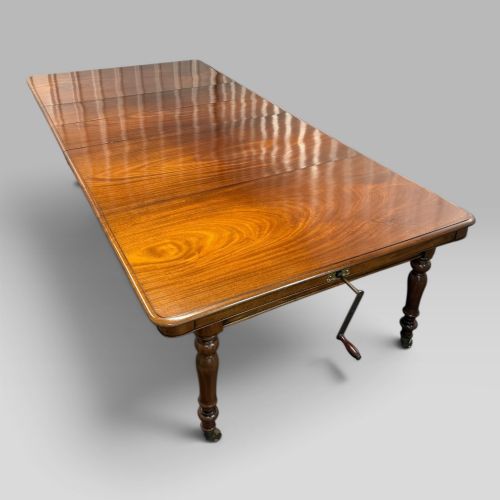
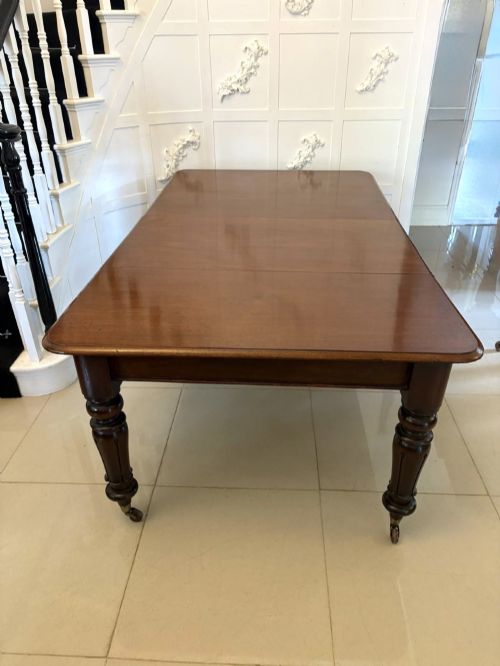
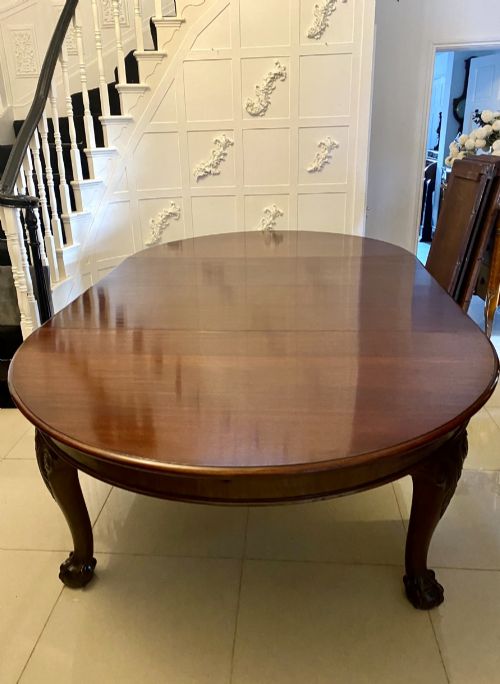
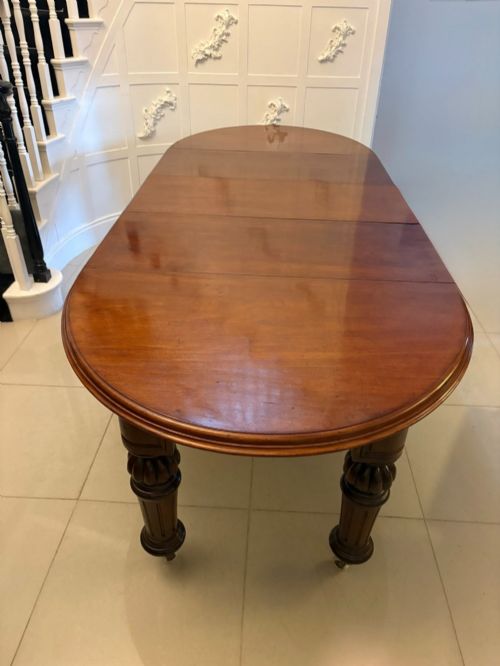
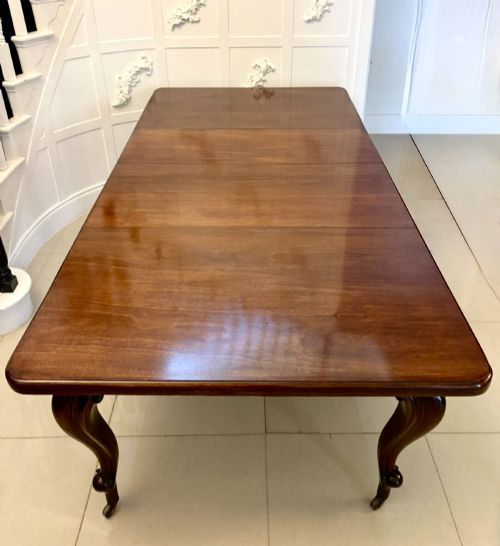
The table you'll meet most is Victorian and mahogany. Victorian appears in 686 titles, mahogany in 1,118, and the two together as a single phrase in 303. Typically one to three leaves, seating eight to twelve, opened by a crank that drives a screw and parts the frame. Titles repeat almost word for word across dealers.
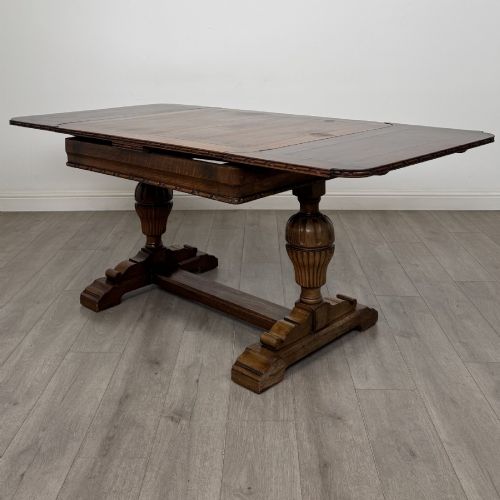
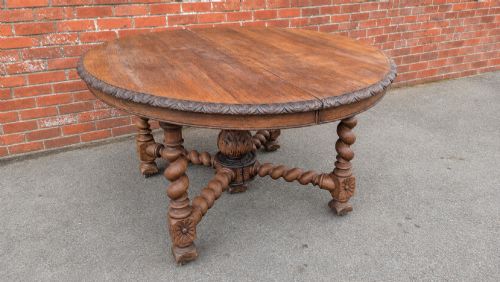
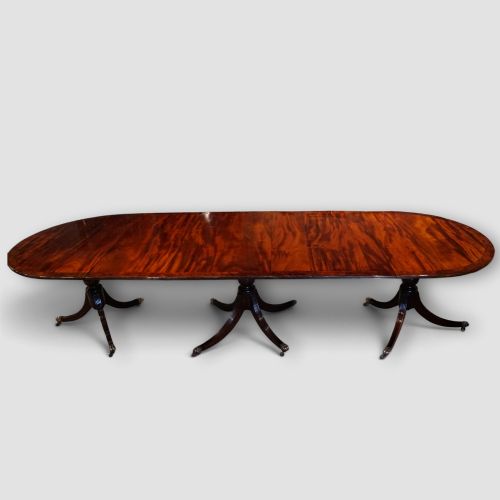
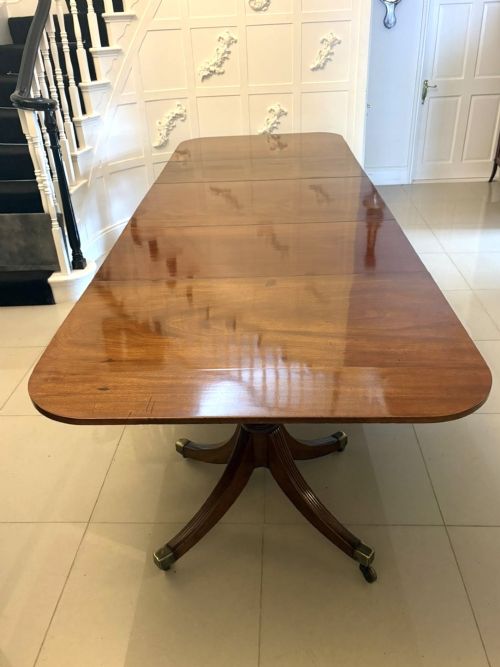
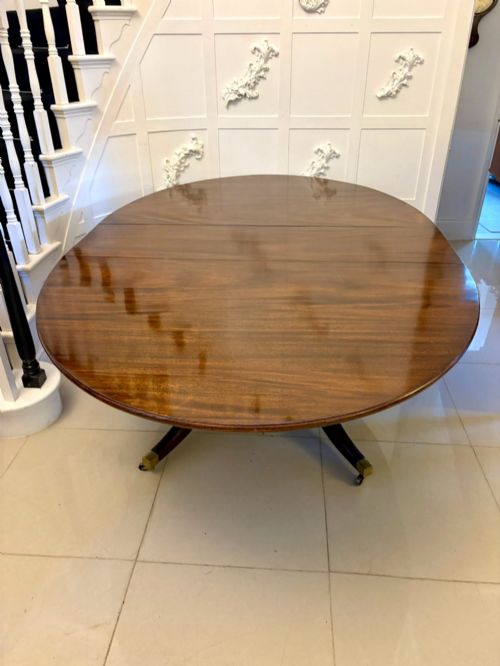
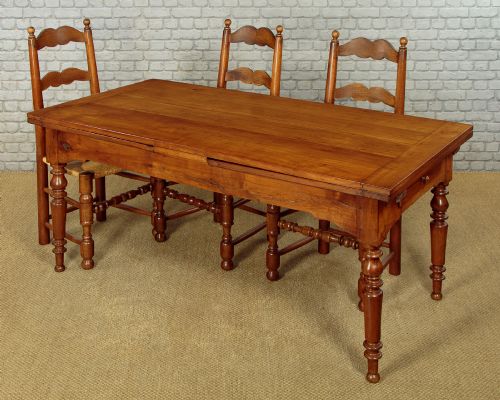
Around that core sit four smaller groups. Regency and William IV pillar and pedestal tables, where sections separate to take boards, make up about a fifth and much of the upper range. Oak tables, including Arts and Crafts and refectory forms, are about one in six. Walnut is thinner, with a cluster of 1920s and 30s burr walnut. French and Continental draw-leaf and farmhouse tables are roughly one in fifteen.
Dating tends to be broad rather than exact. The dated field runs from 1700 to 1960, but the two biggest buckets are 19th Century and Victorian, and neither pins a decade. Where decades are given they gather in the 1850s and 1860s, with a second cluster around 1900 and the 1920s. Pre-1800 entries are a handful.

What Sets Them Apart
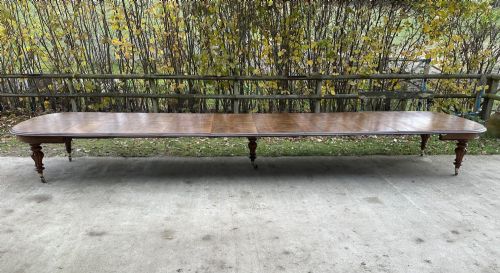
Size does most of the work. Single- and two-leaf tables sit low in the sampled range; tables carrying four to seven leaves, or catalogued as seating sixteen, twenty or more, sit at the top. Stated length climbs in the same steps, from five and six feet up through twelve, fifteen and nineteen, with a six-pillar mahogany table at 609cm the longest of the lot.
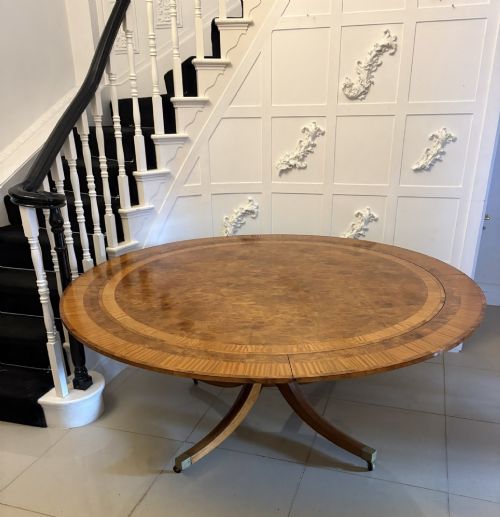
The base matters next. Plain-legged tables sit at the bottom of the range and multiple pillars or pedestals push upward, with triple, four and six pillar examples all appearing high up. Timber and figure work the same way: figured and flame mahogany, burr walnut, burr and pollard oak all lift a table, while pine and ash examples sit low.
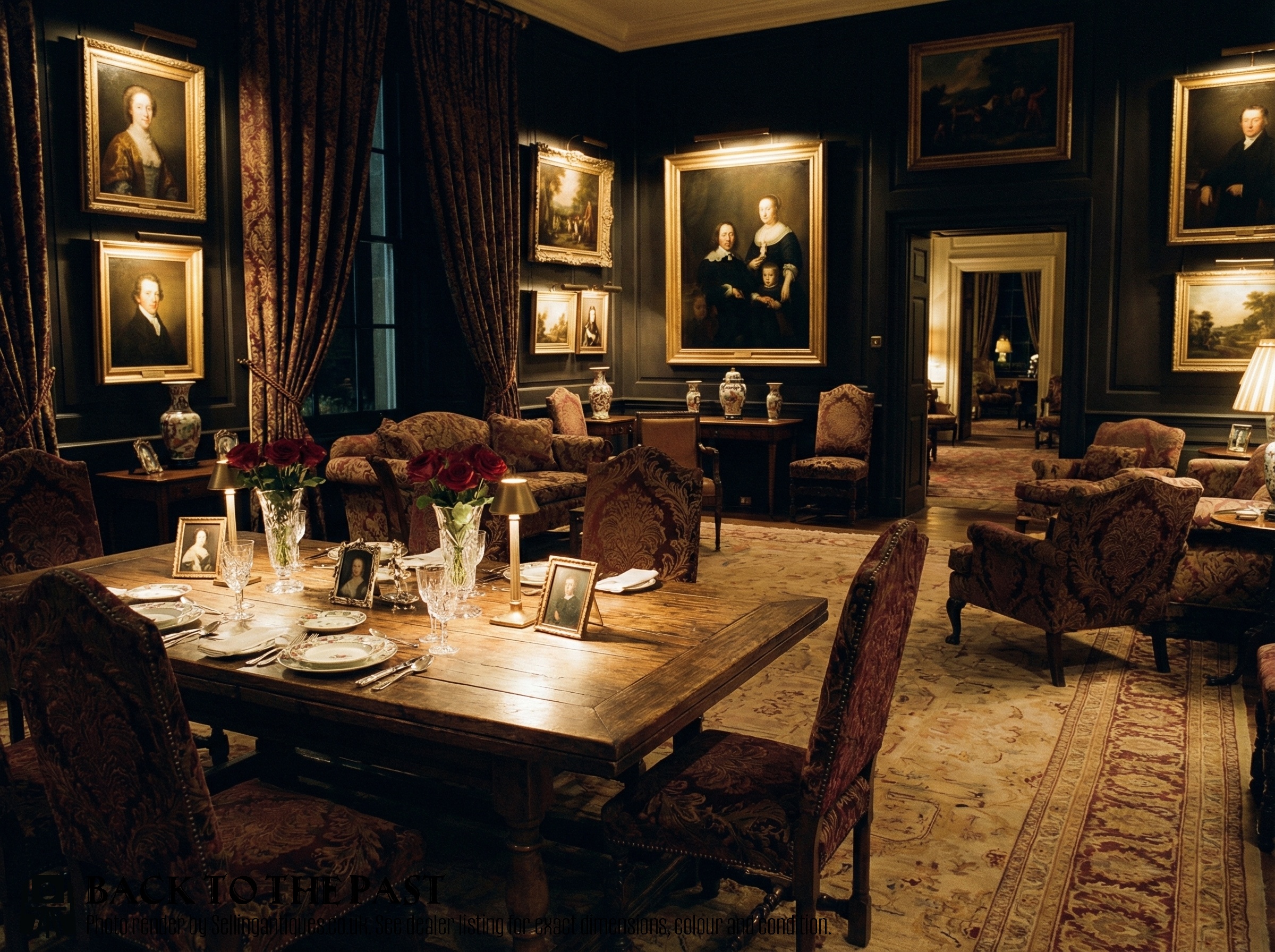
A name adds the last increment. Named actions such as the Imperial mechanism, a patented extending action, and Gillows attributions turn up in the upper reaches, usually on the largest mahogany tables. They're scarce in titles, though, and most listings name no mechanism at all.
Antique Extending Tables Retail Price Guide 2026
Typical UK retail prices for extending tables, calculated from the Sellingantiques database of over a million retail prices indexed since 2003. This retail price guide relies exclusively on Sellingantiques data; no external sources or auction records are used, so the figures do not describe the wider market.
The most expensive extending table ever sold on Sellingantiques was a large mid 19th century telescopic oak table, in January 2024.
Gillows·Maple & Co
The Antique Extending Tables Glossary
- Leaf
- The loose board inserted to lengthen the top. Titles routinely state one, two, three, four or more, and the counts top out at seven.
- Wind-out
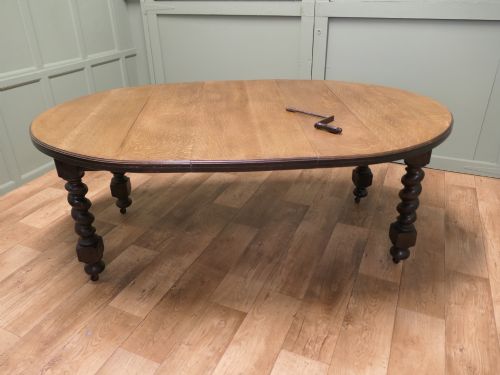
- Extension by turning a crank handle that drives a screw, parting the frame so leaves drop in. Also written windout.
- Draw leaf
- A top whose hidden leaves draw out from beneath it. Common on oak and French tables, and named in 44 titles.
- Seater
- The dealer's stated capacity, running from four up into the high twenties across the archive.
- Pedestal
- A central column base, also called a pillar. Twin, triple, four and six pillar versions all appear, the sections separating to take boards.
- Metamorphic
- A table that converts into another form, such as a pair of console tables. Only a few in 1,832 listings.
Antique Extending Tables: Frequently Asked Questions
How many people do these tables seat?
Stated capacity in the listings runs from a four-seater drop-leaf supper table up into the high twenties. Eight to twelve is the common ground on Victorian mahogany examples.
At the far end sit a six-pillar mahogany table catalogued as a 28-seater at 609cm, and an oak banqueting table given as a 30-seater. Both appear once.
What timber are extending tables usually made from?
Mahogany dominates, in 1,118 of 1,832 titles, followed by oak in 304 and walnut in 127.
Everything else is occasional. Pine, ash, elm, cherry, fruitwood, apple wood, pollard oak, burr oak, chestnut and Goncalo Alves each turn up once or twice.
Which mechanism does a wind-out table use?
A crank handle turns a screw, which drives the frame apart to open a gap for the leaves. Sixty-seven titles use the word wind or wind out.
Other actions appear alongside it: pull-out and telescopic slides opened by hand, draw-leaf tops, and pedestal sections that simply separate. Most titles name no action at all.
Are French extending tables common?
They're a thin seam. French appears in 85 titles, mostly draw-leaf and farmhouse forms, with French parquet tops among them.
Other Continental entries are single listings: Dutch, Flemish, Swedish, and a Basque table in chestnut.
What period do most of them date from?
The 19th century carries the bulk. The two largest dating buckets are 19th Century and Victorian, and the decades named most often are the 1850s and 1860s.
A second cluster sits around 1900 and the 1920s, the latter taking in Queen Anne style and burr walnut work. The field stretches to 1960 at one end and, in a single sampled refectory table, to before 1700 at the other.
Do dealers sell tables with a stand for the leaves?
Several are advertised with a purpose-made leaf holder or leaf carrier, a stand or box that stores the spare boards when the table is closed.
It's named in only a few titles rather than being a standard fitting.