
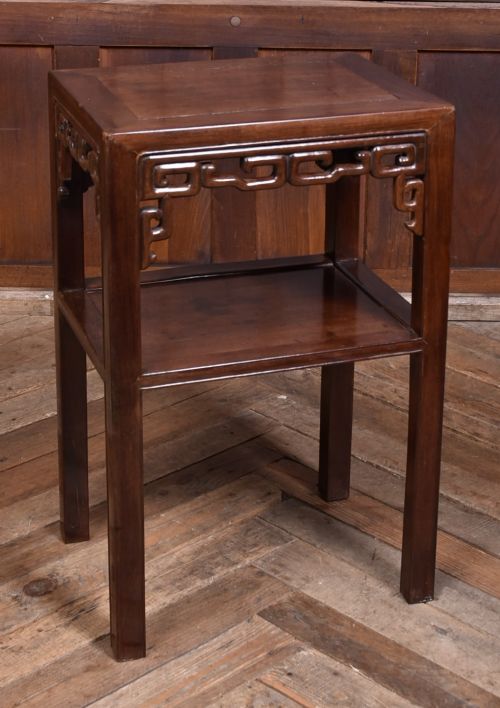

A 2026 Guide by Sellingantiques

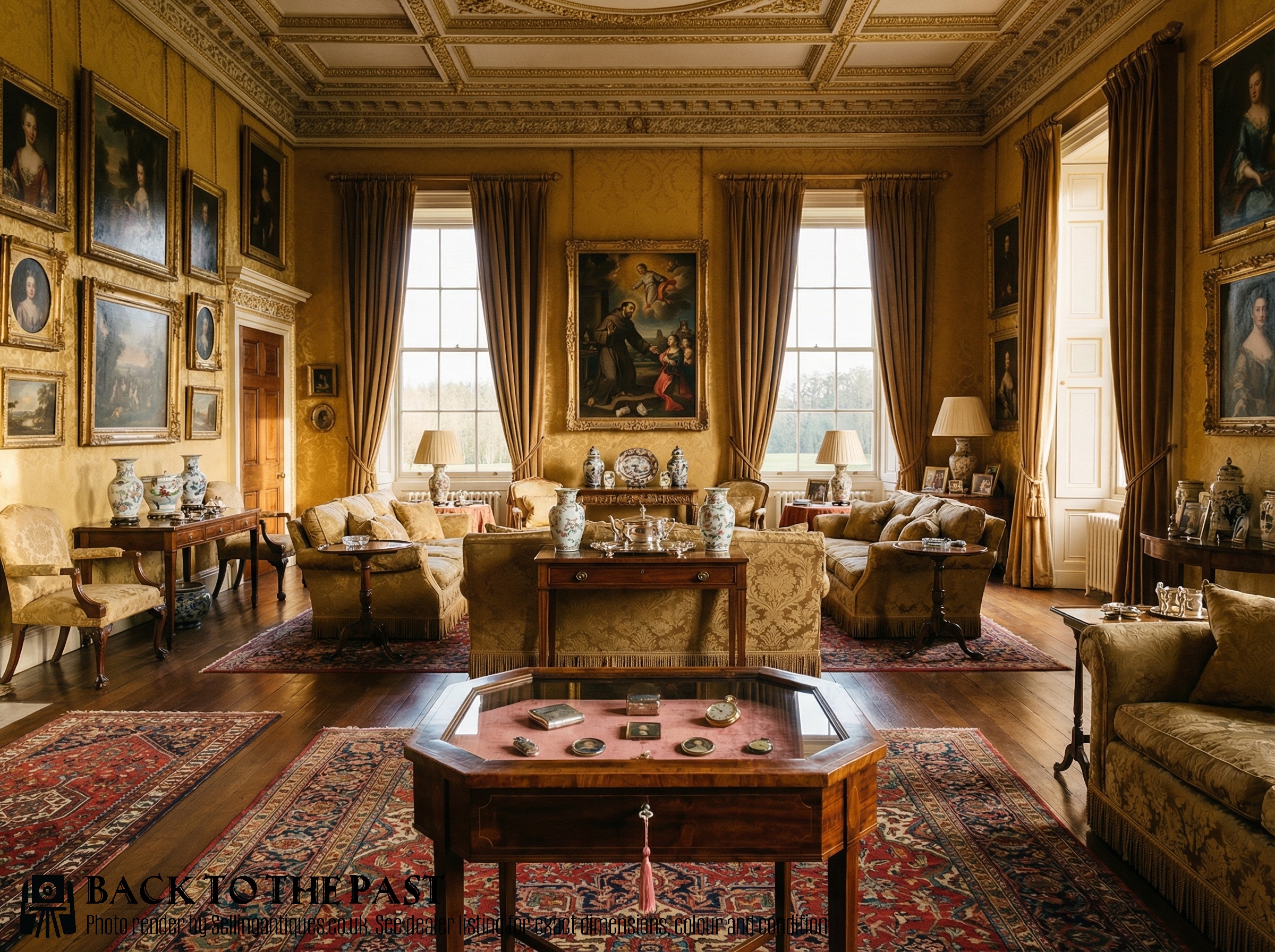
Mahogany Framed Bijouterie Table, 1900
Priced at £1,295 from Shackladys Antiques
The late nineteenth century saw a boom in collecting small silver items and portrait miniatures.
Edwardian homes often lacked the wall space for large cabinets, prompting the rise of these compact antique display tables.
Dealers sometimes call them silver tables or bijouterie tables depending on the regional trade.
Check the proportions because earlier Georgian tea tables were occasionally converted into vitrines by later Victorian cabinetmakers.
Edwards & Roberts produced many high-quality satinwood antique display tables during the late Victorian period.
Maple & Co supplied large numbers of solid mahogany examples to middle-class households across Britain.
Provincial cabinetmakers often copied London designs using locally sourced timber when importing exotic woods proved costly.
Edwardian Inlaid Bijouterie Display Table C.1910, Edwardian
Priced at £350 from Gill Coe Antiques & Interiors
The 2026 retail price guide for Antique Display Tables is drawn from a proprietary archive of over 1.1 million retail prices indexed by Sellingantiques since 2003. This guide relies exclusively on their own internal data; no external sources or auction records are used.
Analysing nearly 25 years of UK antique market history alongside current retail values, the data indicates that typical UK retail prices for Antique Display Tables range between £500 and £2,500. Entry-level prices generally fall under £500 and premium examples upwards of £2,500.
Glazed panels usually enclose the top and all four sides of a classic antique display table.
Brass locks are standard on the front edge to secure whatever the owner placed inside.
Stand back and look at the slender legs that keep the proportions elegant rather than bulky.

George III Mahogany Display Table, 1800
Priced at £1,250 from Walton House Antiques
Craftsmen cut slender mortise and tenon joints to secure the delicate glazing bars without adding bulk.
Look closely at the brass hinges holding the lid because they carry all the weight.
Many late Victorian examples feature painted borders rather than heavy wooden stringing to maximise the viewing area.
"Velvet linings act as a soft cushion to stop delicate porcelain from rolling around when someone bumps the table."
"Placing a collection under glass cuts down the household dusting chores dramatically."
"The shallow depth prevents shadows from hiding the smaller items at the back of the case."
Based on almost 25 years of Sellingantiques UK antique market data, Antique Display Tables appeared 1509 times (out of 1,100,000 antiques) which gives it a rarity score of 74/100.
This score measures scarcity within the Sellingantiques archive only and is not a survey of the entire antiques market, so these statistics may not be indicative of the general availability of Antique Display Tables elsewhere.
Replacing the interior lining is a routine job for an upholsterer. You strip out the old material and glue fresh velvet over the baseboard.
Keep the original fabric if it survives in decent order. Collectors often prefer a faded original lining over bright modern material.
Loose hinges cause most wobbles on the lid. The small brass screws pull out of the slender wooden frame after decades of use.
Fixing this usually involves plugging the old screw holes with wood before refitting the hardware.
Antique display tables were built for light items like silver spoons and lace. The slender legs and shallow box joinery struggle with heavy loads.
Filling one with heavy bronze figures will eventually stress the joints where the legs meet the main case.
Keep the heavy pieces on a solid bookcase and use this form for your lighter objects.
A traditional antique restorer can cut a new key to fit the existing lock. The mechanisms are basic lever locks that rarely need total replacement.
You avoid damaging the surrounding veneer when you keep the original lock in place.
Please note: This Antique Display Tables guide and its associated pricing data are provided for general informational purposes only. It does not constitute formal financial, investment, or appraisal advice and should not be relied upon as the sole basis for any commercial activity, purchasing, or sales decisions. Sellingantiques.co.uk accepts no liability for any actions taken in reliance on this information. Always consult with a qualified professional or independent appraiser.
