

A 2026 Guide by Sellingantiques
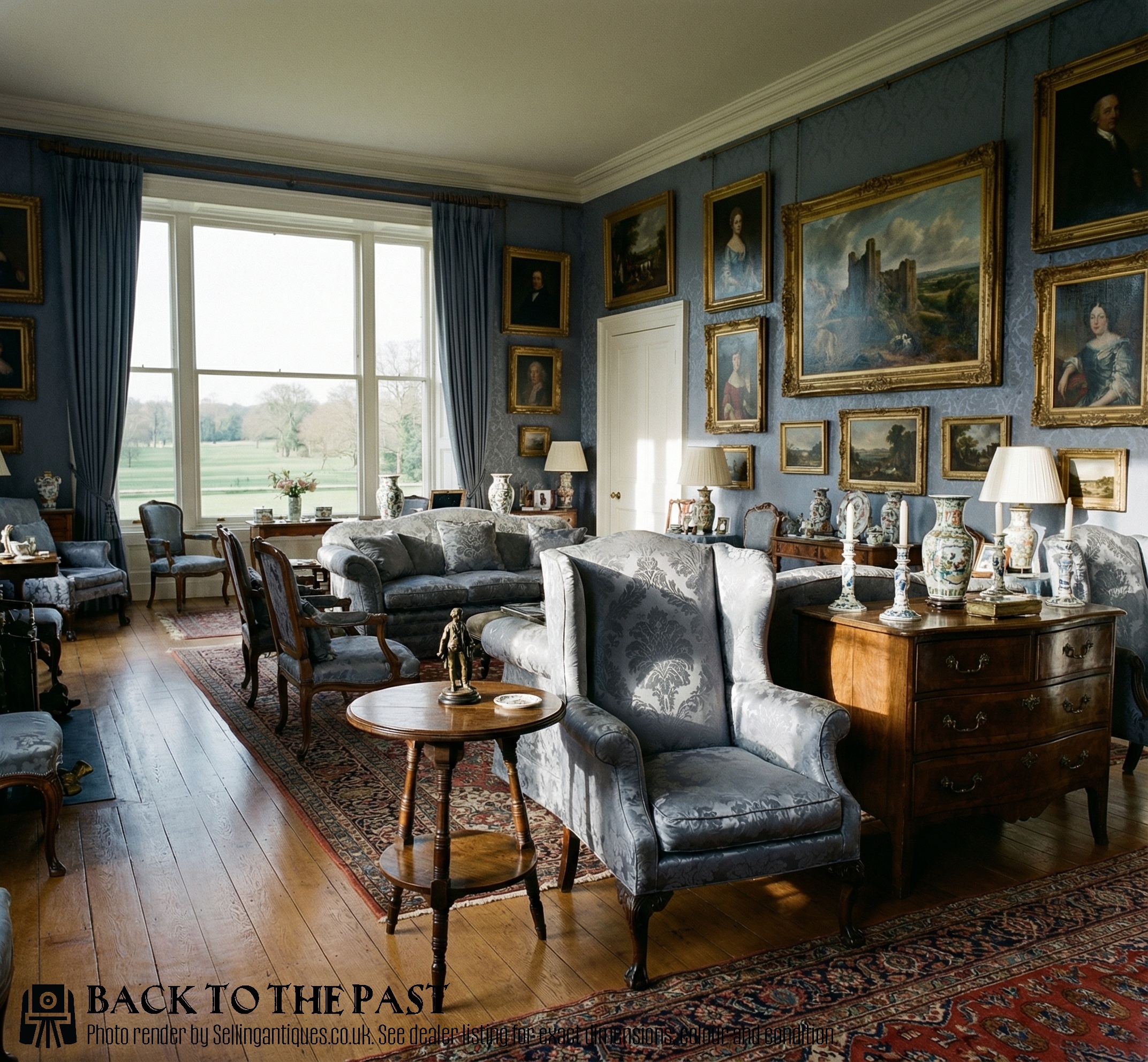
Unusual 19th C Elm Cricket Table, 1850
Priced at £695 from Mytton Antiques - Jerrard Nares
Three-legged forms emerged as a practical solution for unpaved floors. They do not rock on rough tavern flagstones.
Country carpenters turned these out in large numbers from the seventeenth century right through to the late Victorian period.
Look at the wear on older tops. Many served as utility surfaces in rural dairies or drinking tables in local inns.
The name likely stems from the three robust legs resembling early cricket stumps.
Documented names rarely exist for this category. Local village carpenters and wheelwrights built them alongside standard agricultural tools.
Construction practices varied widely by county. Welsh makers often favoured thick slate tops for dairy work instead of timber.
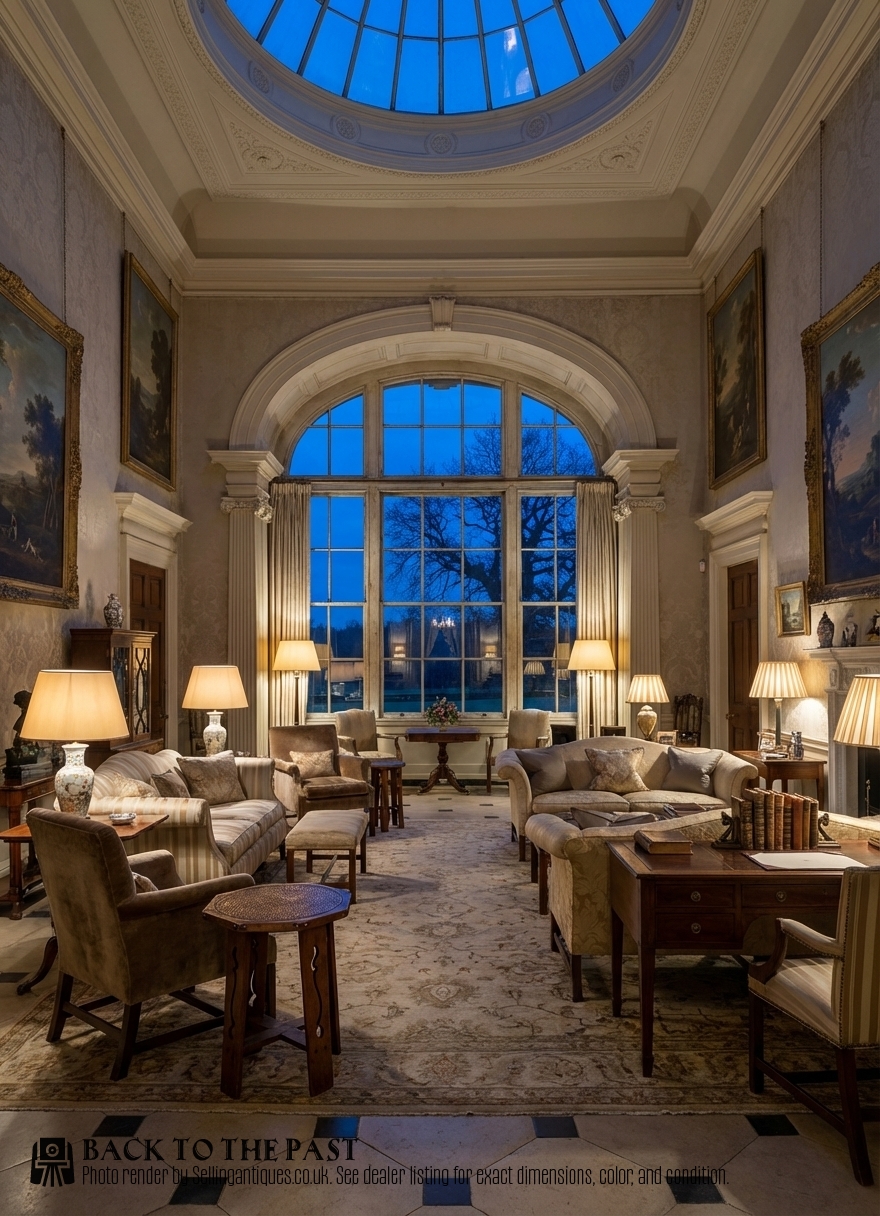
Arts and Crafts Oak Octagonal Copper Top Cricket Table, 19th Century
Priced at £925 from A Brookes
The 2026 retail price guide for Antique Cricket Tables is drawn from a proprietary archive of over 1.1 million retail prices indexed by Sellingantiques since 2003. This guide relies exclusively on their own internal data; no external sources or auction records are used.
Analysing nearly 25 years of UK antique market history alongside current retail values, the data indicates that typical UK retail prices for Antique Cricket Tables range between £600 and £1,600. Entry-level prices generally fall under £600 and premium examples upwards of £1,600.
Three splayed legs are the defining characteristic. This tripod stance guarantees stability on any uneven surface.
Check beneath the surface. An undertier or triangular shelf often connects the legs near the base to add structural rigidity.
Tops are typically circular. Some feature a slight lip or gallery to stop plates slipping off.
Early joints rely entirely on wooden pegs. Smiths forged iron nails later to speed up production in rural workshops.
Lathe turning became common for the legs during the eighteenth century. Earlier versions use simple square or chamfered posts.
Examine the underside of the top boards. Rough adze marks show where the carpenter levelled the timber by eye.
"Some rare variants feature a hinged drop-leaf top. This allows the table to sit flat against a cottage wall when not in use."
"Baking required clean surfaces. Sycamore tops were scrubbed daily with sand and water to keep them white for pastry work."
"The lower triangular shelf often held dairy bowls. The shadow of these vessels can sometimes still be seen in the wood grain."
Based on almost 25 years of Sellingantiques UK antique market data, Antique Cricket Tables appeared 1099 times (out of 1,100,000 antiques) which gives it a rarity score of 80/100.
This score measures scarcity within the Sellingantiques archive only and is not a survey of the entire antiques market, so these statistics may not be indicative of the general availability of Antique Cricket Tables elsewhere.
Most antique cricket tables have tops made from thick boards of oak or elm. You sometimes see sycamore or pine on later nineteenth-century pieces from rural workshops.
Elm was particularly popular for the wide circular tops. Its interlocking grain stops the wood from splitting when it gets wet in a tavern or dairy setting.
Yes, they usually stand lower than standard dining room furniture. They functioned as occasional tables to sit beside low tavern benches or cottage chairs.
Keep an eye on the very bottom of the feet though. Damp stone floors rot the timber over the centuries, so many legs were trimmed down by an inch or two to level them up.
A three-legged stance provides reliable stability. All three feet make solid contact with the ground.
Early cottages and country pubs rarely had level timber floors. The tripod design was a simple engineering solution for uneven flagstones and beaten earth.
Multiple planks are standard on these pieces. Getting a single wide board for a large circular top was difficult for a village carpenter.
They joined two or three heavy boards together to form the circle.
Please note: This Antique Cricket Tables guide and its associated pricing data are provided for general informational purposes only. It does not constitute formal financial, investment, or appraisal advice and should not be relied upon as the sole basis for any commercial activity, purchasing, or sales decisions. Sellingantiques.co.uk accepts no liability for any actions taken in reliance on this information. Always consult with a qualified professional or independent appraiser.
