


A 2026 Guide by Sellingantiques

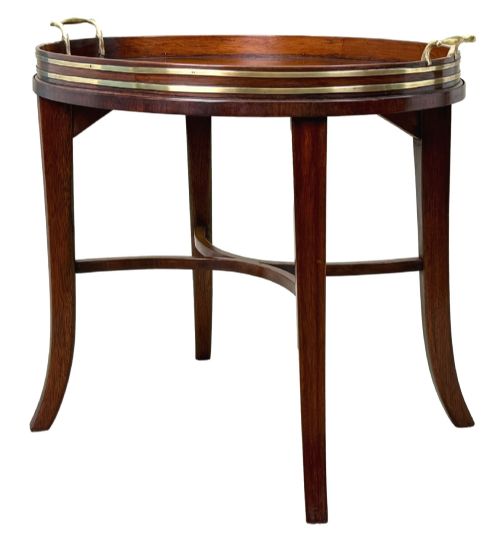
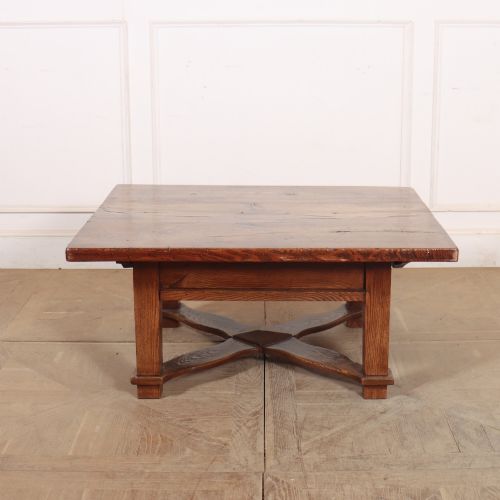
Louis Xvi Style Coffee Table, 1920
Priced at £1,195 from Merchant House Antiques
True antique coffee tables barely exist before the twentieth century. Earlier eras used taller tea tables or side stands.
Look out for altered pieces. Victorians didn't make them, so dealers often cut down the legs of damaged nineteenth-century loo tables to meet modern demand.
Low seating became fashionable in the 1920s. That shift required shorter surfaces to match the new lounge suites.
Japanese and Ottoman cultures used low tables for centuries. These imported forms influenced European designers looking for casual living solutions.
Marcel Breuer designed tubular steel models in the late 1920s. His work redefined domestic furniture using industrial materials.
English firms like Heal's produced simple oak versions. Their catalogues from the thirties show various functional low tables.
Émile-Jacques Ruhlmann created polished veneer examples in Paris. He favoured macassar ebony and ivory details.
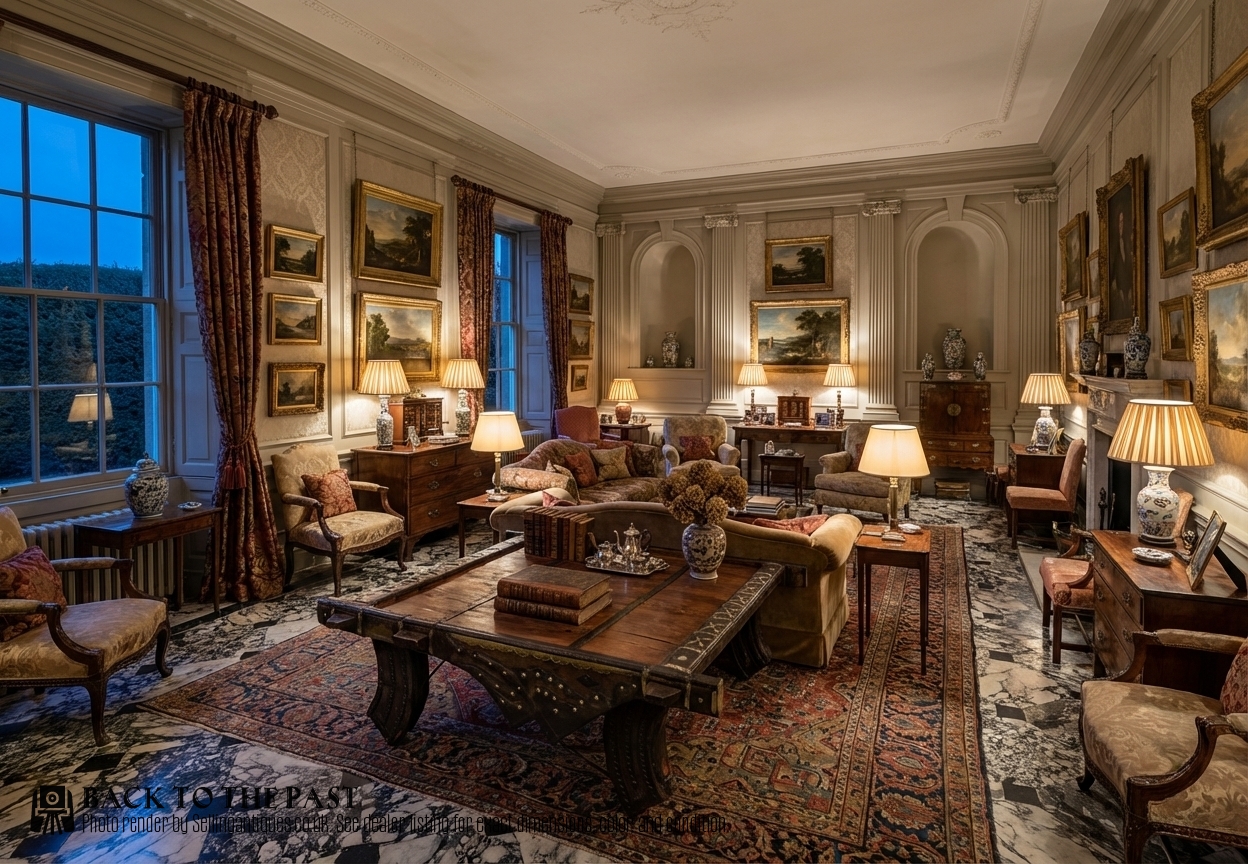
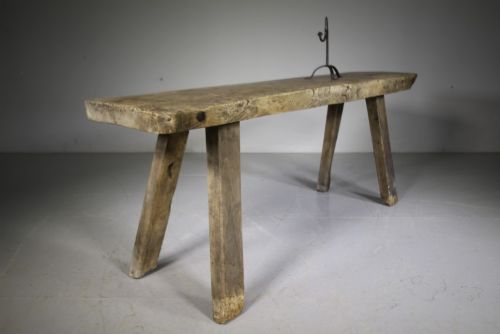
Bullock Cart Coffee Table, 19th Century
Priced at £650 from Sinclairs Antiques and Interiors
The 2026 retail price guide for Antique Coffee Tables is drawn from a proprietary archive of over 1.1 million retail prices indexed by Sellingantiques since 2003. This guide relies exclusively on their own internal data; no external sources or auction records are used.
Analysing nearly 25 years of UK antique market history alongside current retail values, the data indicates that typical UK retail prices for Antique Coffee Tables range between £400 and £1,400. Entry-level prices generally fall under £400 and premium examples upwards of £1,400.
Height sets them apart. Most sit between fifteen and twenty inches off the floor.
Surface area tends to be generous. They need enough space for several cups and reading material.
Check underneath for structural stretchers. These lower rails link the legs and stop the wide frame from racking.
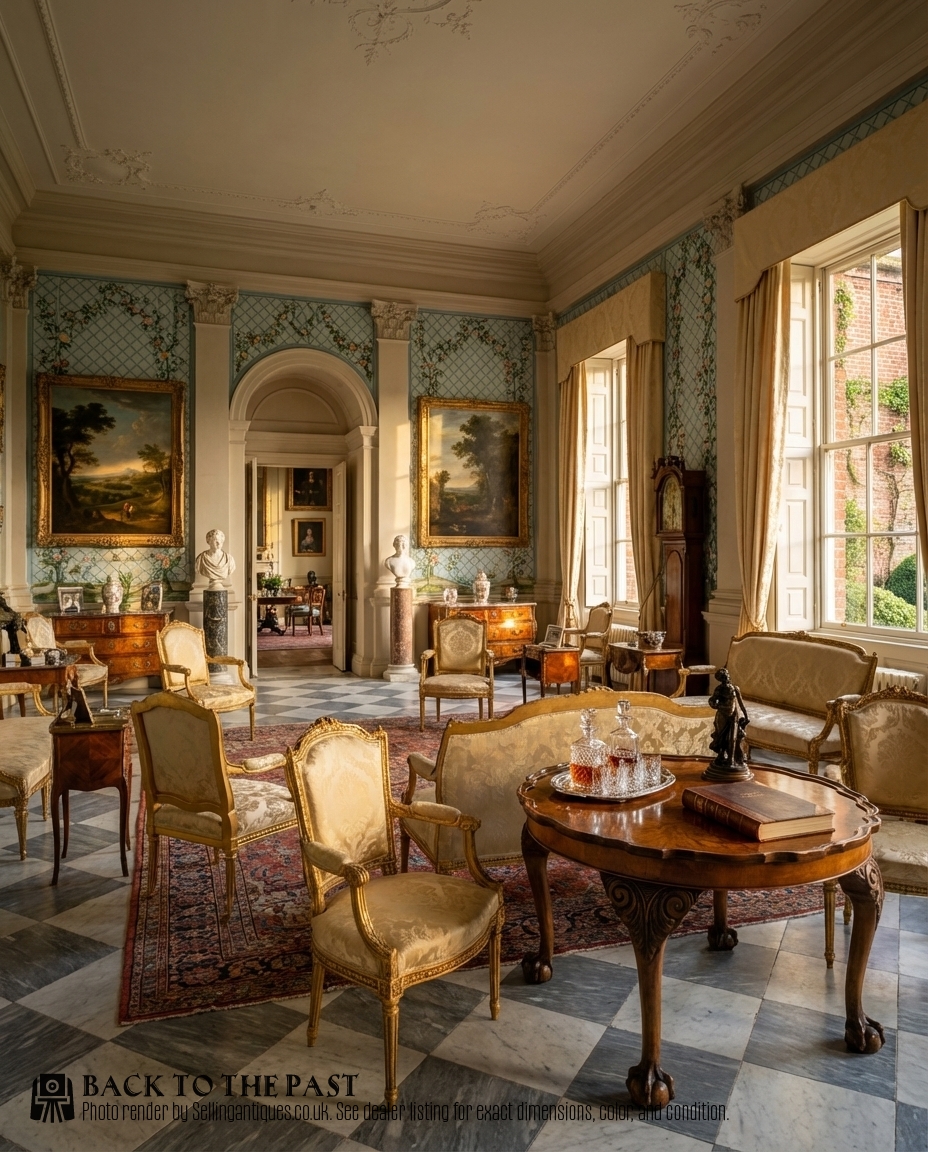
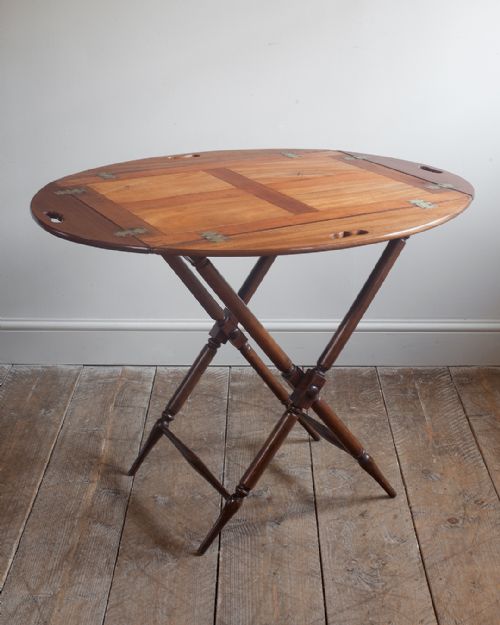
Walnut Queen Anne Style Coffee Table, 1930
Priced at £595 from Philip Hunt Antiques
Early twentieth-century production shifted towards machine processes. Circular saws and mechanical planers replaced hand tools for preparing the main carcase.
Veneering techniques changed. Workshops started using hydraulic presses to apply thin decorative woods to solid cores.
Jointing remained traditional in better workshops. Mortise and tenon joints still connected the aprons to the legs.
"Some hold hidden compartments. A few ingenious makers built sliding sections into the aprons to store smoking accessories."
"Dual-height mechanisms exist. Certain 1930s models have folding levers that raise the top for dining."
"Reversible tops appear on gaming variants. One side shows plain mahogany while the underside reveals a baize card surface."
Based on almost 25 years of Sellingantiques UK antique market data, Antique Coffee Tables appeared 6763 times (out of 1,100,000 antiques) which gives it a rarity score of 26/100.
This score measures scarcity within the Sellingantiques archive only and is not a survey of the entire antiques market, so these statistics may not be indicative of the general availability of Antique Coffee Tables elsewhere.
Most settle around sixteen to eighteen inches high. The exact measurement depends on the seat height of your sofa. You want the table top level with the cushions.
Older cut-down pieces vary wildly. If a dealer chopped the legs off a Victorian dining table in the 1960s, it might sit a bit higher or lower than a purpose-built 1930s piece.
Start with a damp cloth and mild soapy water. Wipe the sticky areas gently and dry them immediately. Don't let water pool on old wood.
If the grime remains, a specialist wood cleaner formulated for antiques will break down the old wax and dirt. Apply it sparingly with fine wire wool in the direction of the grain.
Once it feels smooth, apply a thin coat of clear beeswax. Buff it off after twenty minutes to protect the finish.
Yes, old glass picks up surface scratches from ceramic mugs and metal trays. These faint lines accumulate over decades of daily use.
You can't remove deep scratches from antique glass without distorting the surface. Most dealers leave them alone and consider them part of the age.
Round tables work best in tight spots. The lack of sharp corners makes slipping past much easier on your shins. They also visually soften a room full of square cabinets and straight sofas.
Rectangular frames maximise surface area but demand clear walkways. If you only have a narrow corridor of space, an oval table offers a sensible compromise between the two shapes.
Please note: This Antique Coffee Tables guide and its associated pricing data are provided for general informational purposes only. It does not constitute formal financial, investment, or appraisal advice and should not be relied upon as the sole basis for any commercial activity, purchasing, or sales decisions. Sellingantiques.co.uk accepts no liability for any actions taken in reliance on this information. Always consult with a qualified professional or independent appraiser.
