


A 2026 Guide by Sellingantiques
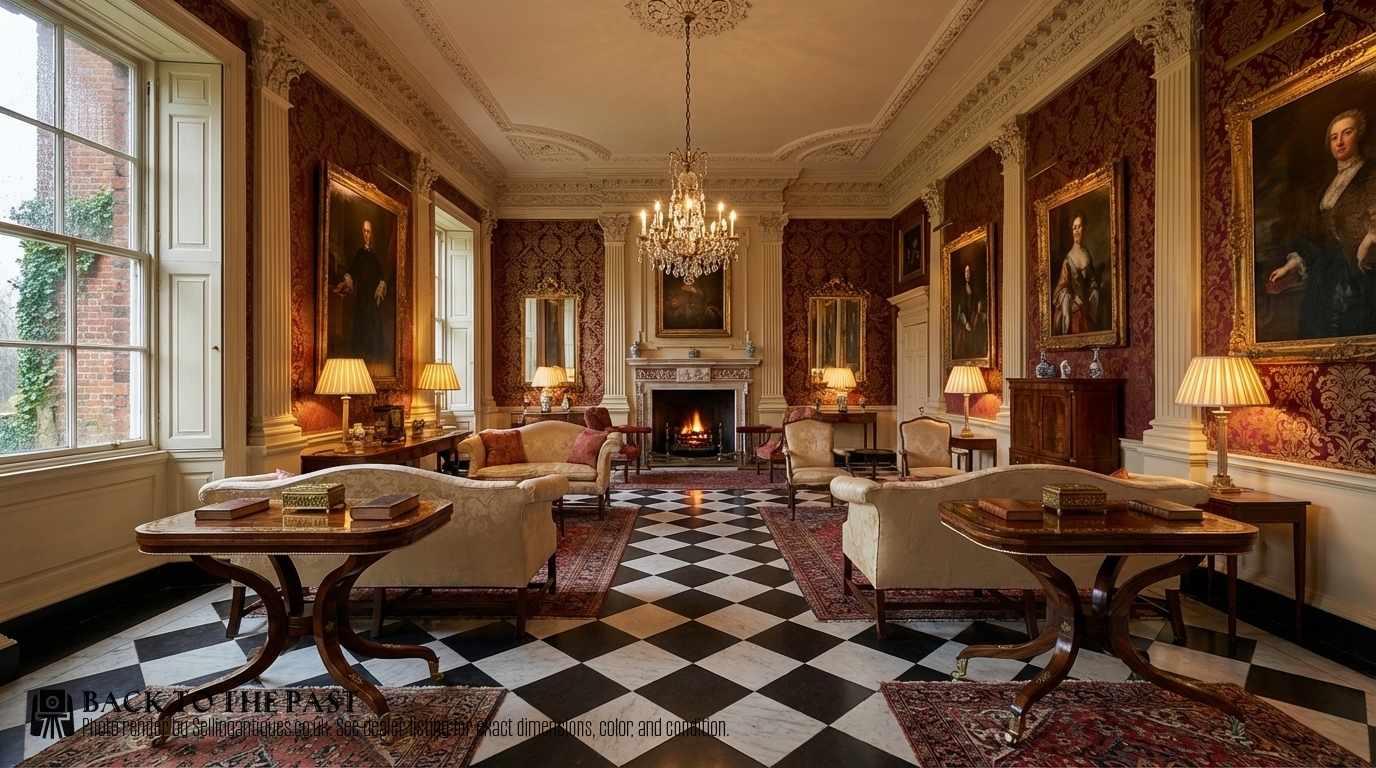
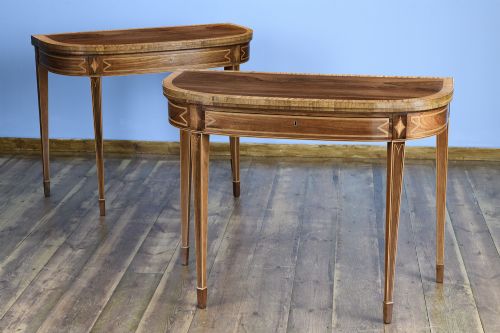
A Fine Pair Regency Rosewood Card Tables Attributed to George Oakley, Regency
Priced at £12,750 from W.J. Gravener Antiques Ltd.
Eighteenth-century social life revolved heavily around parlour games.
Look for the transition from simple folding boards to dedicated permanent furniture as card games grew popular.
Dedicated antique card tables often replaced generic tea tables for evening entertainment in wealthy Georgian households.
Folding designs allowed household servants to clear them away easily.
Shapes changed from square to D-shape and semi-circular as room fashions moved towards softer lines.
Gillows of Lancaster produced hundreds of these during the late eighteenth and nineteenth centuries.
Thomas Chippendale supplied mahogany examples for wealthy clients. They often feature complex carved borders.
William Trotter dominated the Edinburgh trade. He turned out heavy rosewood antique card tables with distinct Scottish carving details.
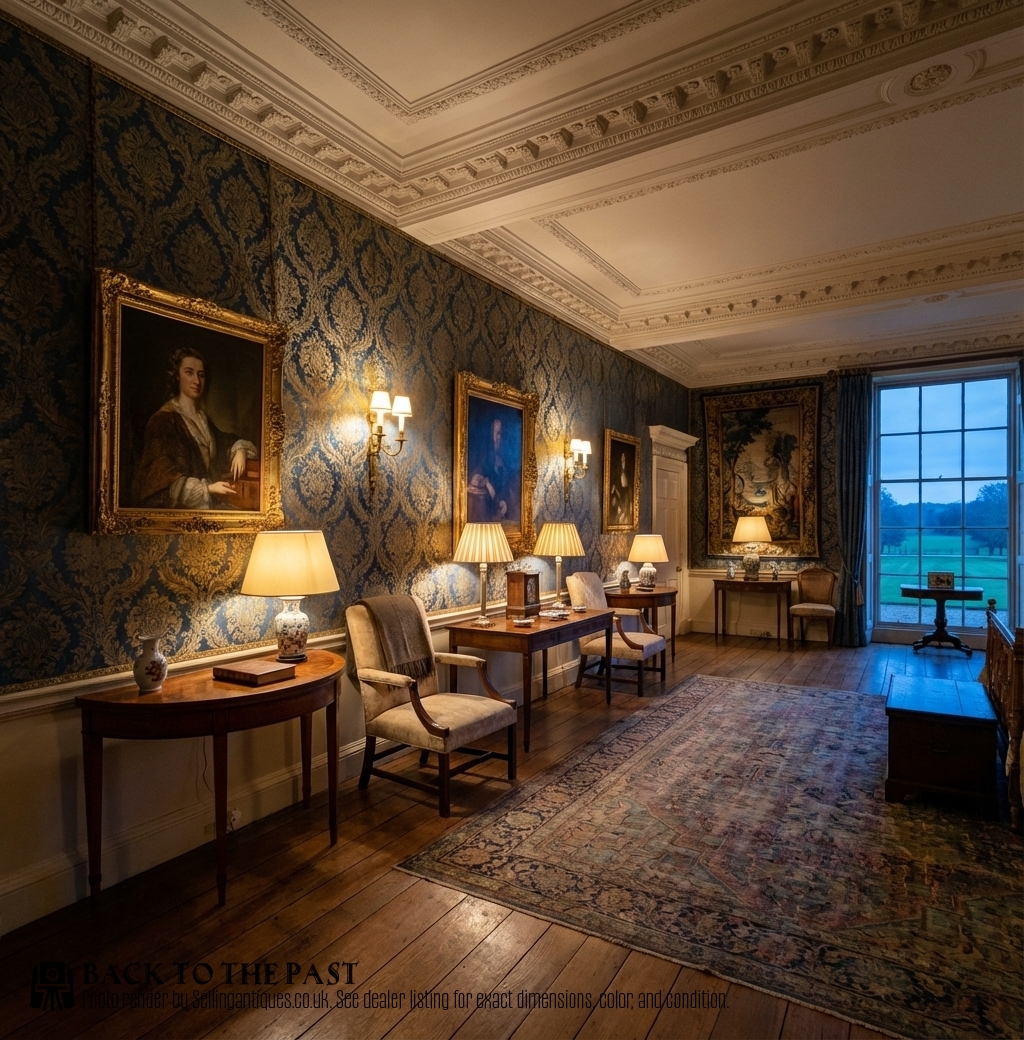
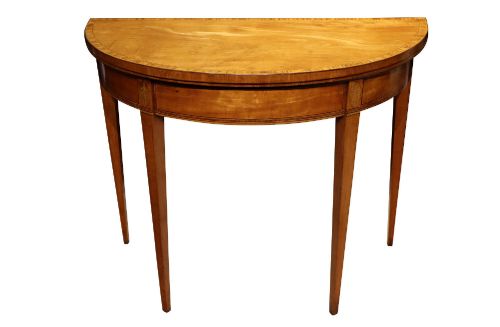
Hepplewhite Style Satinwood Card Table, 1900
Priced at £895 from Philip Hunt Antiques
The 2026 retail price guide for Antique Card Tables is drawn from a proprietary archive of over 1.1 million retail prices indexed by Sellingantiques since 2003. This guide relies exclusively on their own internal data; no external sources or auction records are used.
Analysing nearly 25 years of UK antique market history alongside current retail values, the data indicates that typical UK retail prices for Antique Card Tables range between £700 and £3,500. Entry-level prices generally fall under £700 and premium examples upwards of £3,500.
The hinged fold-over top defines the entire category of antique card tables.
Open one up. You often find shallow recessed counter wells carved directly into the corners to hold gaming chips.
Tapered or cabriole legs usually swing out to support the open leaf.
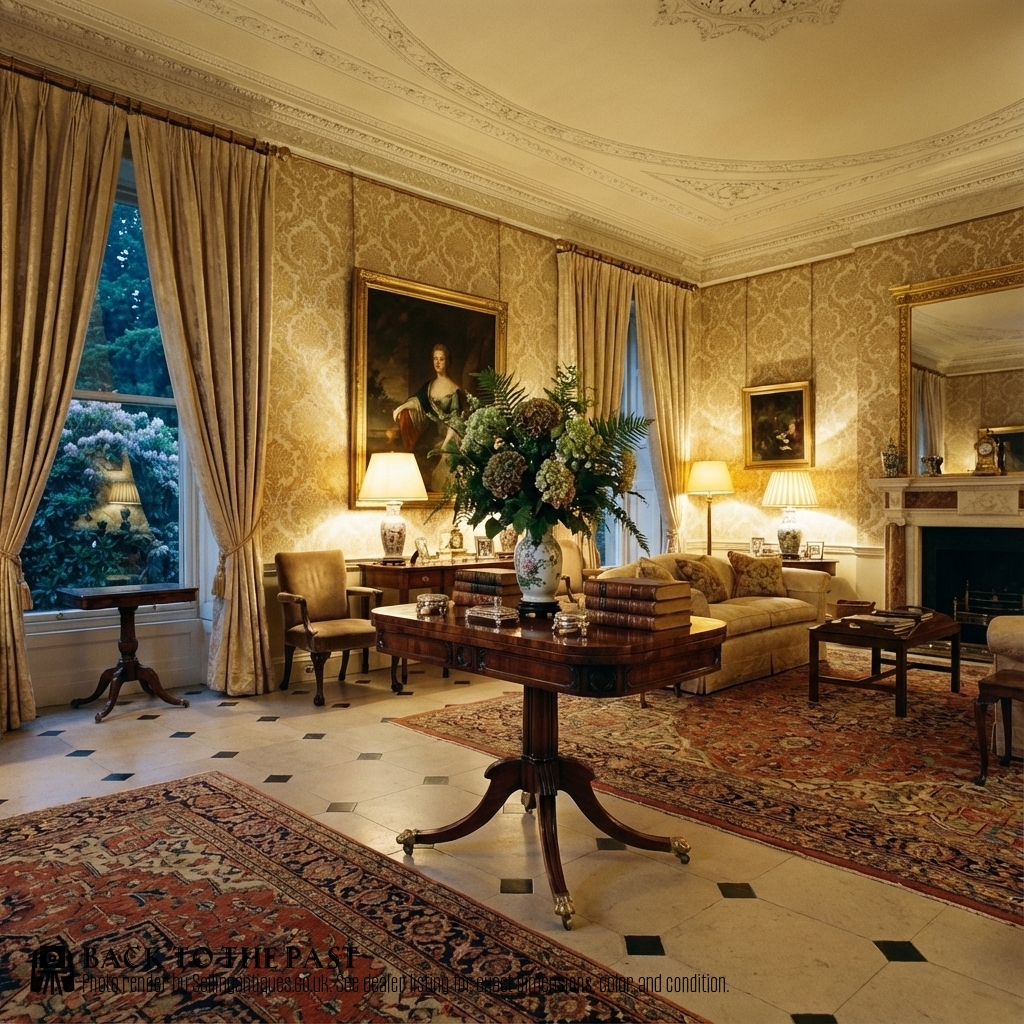
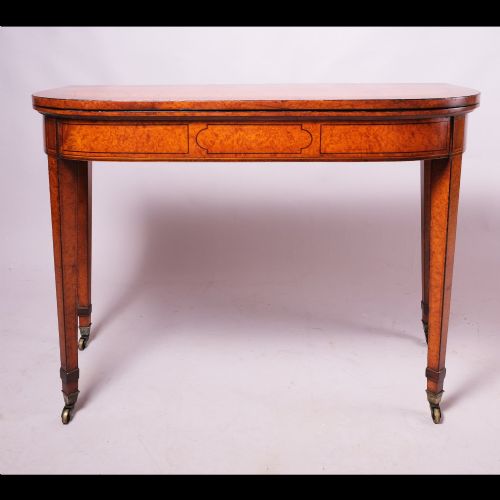
19th Century Mahogany Fold Over Card Table, 19th Century
Priced at £650 from Treasury Antiques
Early examples rely on heavy solid timbers joined with deep mortise and tenon joints to support the cantilevered weight.
Cabinet makers shifted to complex veneering over cross-banded secondary woods as the fashion for lighter D-shaped antique card tables grew.
Turn the piece around. Nineteenth-century bases often sit on a single central pedestal with splayed legs rather than four corner supports.
"Many were bought in pairs to sit symmetrically in alcoves. Finding two matching pieces today is quite rare."
"Secret compartments sometimes hide beneath the main playing surface. They were designed specifically to store gaming pieces out of sight."
"The internal timber beneath the baize is often rough-hewn pine. It contrasts sharply with the polished exterior."
Based on almost 25 years of Sellingantiques UK antique market data, Antique Card Tables appeared 6538 times (out of 1,100,000 antiques) which gives it a rarity score of 27/100.
This score measures scarcity within the Sellingantiques archive only and is not a survey of the entire antiques market, so these statistics may not be indicative of the general availability of Antique Card Tables elsewhere.
Brush it gently with a soft clothes brush to remove dust and crumbs. You should always brush in one direction to keep the wool nap lying flat.
Vacuuming often pulls the glued fabric away from the timber. Avoid liquid cleaners, as they tend to stain the wool and break down the old animal glues holding it down.
Wooden knuckle joints wear down through friction over the years. The pin holding the joint together can sometimes work its way loose, causing that wobble when the leg bears weight.
A restorer can tap a new, slightly thicker wooden dowel through the existing joint to tighten up the action. You should not try forcing wedges into the gap as this risks splitting the mahogany frame.
This is a folding frame mechanism. Instead of one leg swinging out, the whole back frame extends backwards like an accordion.
It provides four corner legs when open, giving much better stability than a standard fly leg.
Shrinkage in the timber causes this common issue. Over generations, the solid wood responds to changes in humidity, which slowly bows the leaves in different directions. When the table is closed, these slight curves prevent the two halves from sitting flat.
Leaving heavy weights on the top rarely fixes it. Most dealers accept a slight bow as normal age-related movement, providing the hinges remain secure in the carcase.
Please note: This Antique Card Tables guide and its associated pricing data are provided for general informational purposes only. It does not constitute formal financial, investment, or appraisal advice and should not be relied upon as the sole basis for any commercial activity, purchasing, or sales decisions. Sellingantiques.co.uk accepts no liability for any actions taken in reliance on this information. Always consult with a qualified professional or independent appraiser.
