
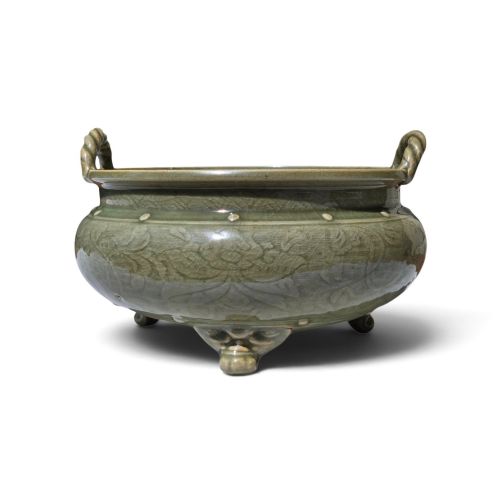
A 2026 Guide by Sellingantiques
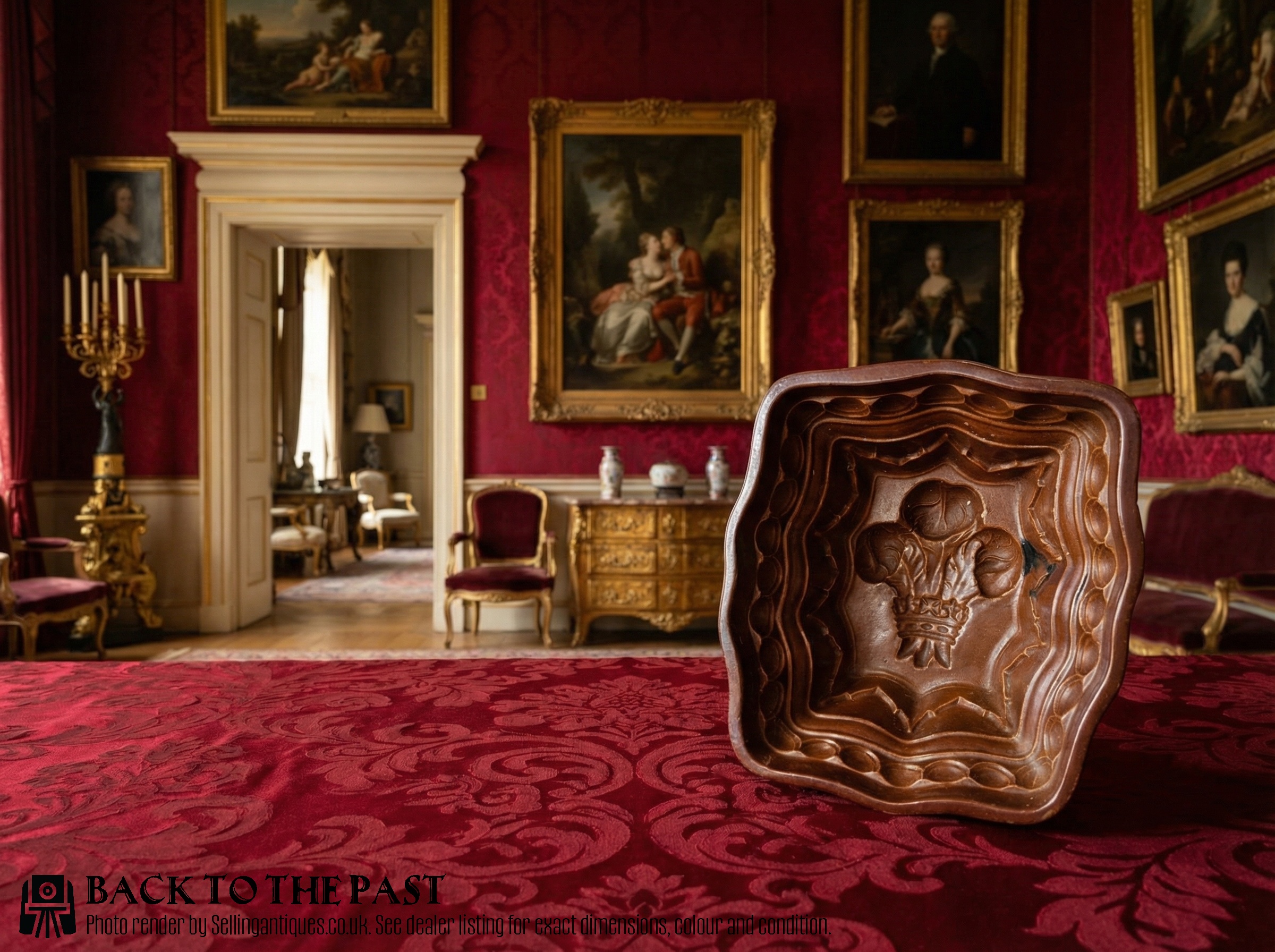
Rare "Prince of Wales" Feathers Stoneware Jelly Mould Large, 19th Century
Priced at £75 from Mike Melody Antiques
High demand across Europe. Production grew significantly during the seventeenth century as the need for durable storage increased.
Salt-glazing techniques transformed the industry by providing a tough, glass-like finish resistant to harsh acids.
Look at late nineteenth-century antique stoneware to see the shift from basic utility to decorative art pottery.
British potteries often concentrated near coal fields to fuel their massive high-temperature kilns.
Doulton of Lambeth dominated the nineteenth-century market. They expanded from drainage pipes to elaborate decorative jugs.
The Martin Brothers operated in Southall from 1877. Their grotesque bird jars bridge utility and sculpture.
Pioneers of the trade. Fulham Pottery, founded by John Dwight, led early commercial manufacture of British salt-glazed wares.
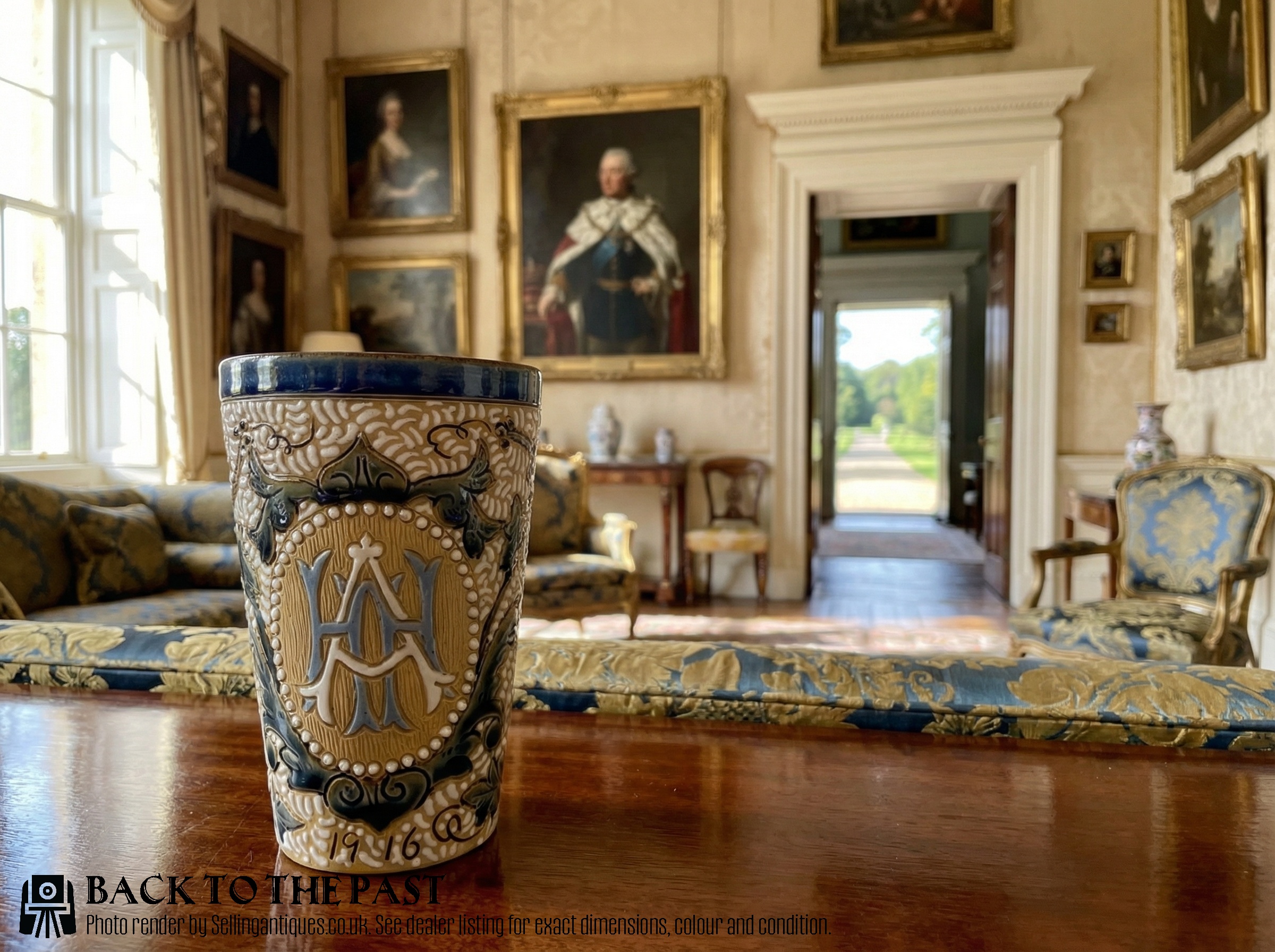
Fulham Pottery Arts and Crafts Beaker, 1920
Priced at £225 from In A Nutshell Antiques and Interiors
The 2026 retail price guide for Antique Stoneware is drawn from a proprietary archive of over 1.1 million retail prices indexed by Sellingantiques since 2003. This guide relies exclusively on their own internal data; no external sources or auction records are used.
Analysing nearly 25 years of UK antique market history alongside current retail values, the data indicates that typical UK retail prices for Antique Stoneware range between £200 and £1,000. Entry-level prices generally fall under £200 and premium examples upwards of £1,000.
A heavy, opaque body that blocks light, unlike porcelain.
Check the surface texture. You'll usually find a slightly rough, orange-peel effect where salt vapour settled.
Stamped capacity marks or merchant names are often impressed deeply into the shoulder before the initial firing.
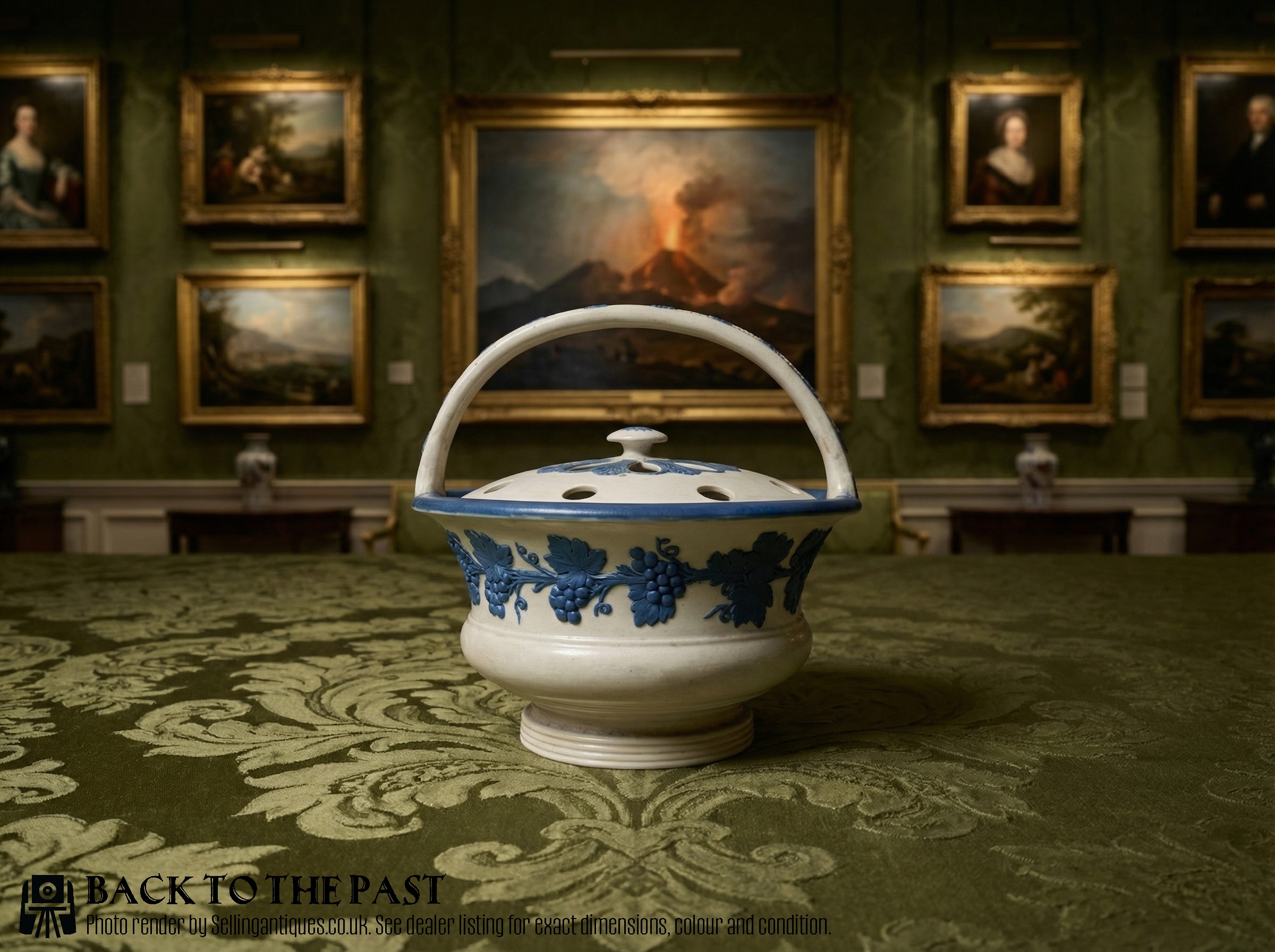
Beautiful Rare Spode Sprig Ware Stoneware Pot Pourri Basket C1790, 1800
Priced at £120 from Lee Sherman Antiques
Early domestic storage vessels were wheel-thrown in sections and luted together before firing.
Slip-casting in plaster moulds. Industrialisation introduced this method to achieve uniform shapes and precise sprigged decoration.
Firing took days of constant stoking. The variable kiln atmosphere produced unpredictable colour shifts across a single batch.
"Robust and resilient. These vessels frequently survive intact in riverbeds and urban excavations centuries later."
"Many utilitarian ginger beer bottles carry elaborate transfer-printed merchant stamps that are highly collected today."
"Check the base. You'll occasionally spot thumbprints baked into the clay where a worker grabbed it."
Based on almost 25 years of Sellingantiques UK antique market data, Antique Stoneware appeared 1068 times (out of 1,100,000 antiques) which gives it a rarity score of 81/100.
This score measures scarcity within the Sellingantiques archive only and is not a survey of the entire antiques market, so these statistics may not be indicative of the general availability of Antique Stoneware elsewhere.
Warm water and a soft brush will remove most surface dirt.
Don't soak porous unglazed bases, as moisture can become trapped in the clay body.
Antique stoneware is dense and non-porous. This historically made it well-suited for storing liquids. The hard salt glaze resists most acids and bacteria.
Nineteenth-century potteries sometimes used lead in their glazes or colourants. High firing temperatures stabilise these compounds, but acidic liquids can still cause leaching over time.
Most buyers use them as decorative items or dry storage rather than risking modern food safety standards.
Stamped numbers on the shoulder or base typically indicate the vessel capacity in gallons. You'll often see single digits like two or four on large storage jars.
Sometimes a number refers to a specific shape or size code in a commercial pottery catalogue.
Large pots with a hole near the base are called barrels or cisterns. A wooden spigot was tapped into the hole to draw off the liquid inside.
These were standard fixtures in grocers and domestic pantries. They held vinegar, ale, or chemicals in industrial settings. The thick clay walls helped keep the contents cool and stable.
Please note: This Antique Stoneware guide and its associated pricing data are provided for general informational purposes only. It does not constitute formal financial, investment, or appraisal advice and should not be relied upon as the sole basis for any commercial activity, purchasing, or sales decisions. Sellingantiques.co.uk accepts no liability for any actions taken in reliance on this information. Always consult with a qualified professional or independent appraiser.
