
A 2026 Guide by Sellingantiques
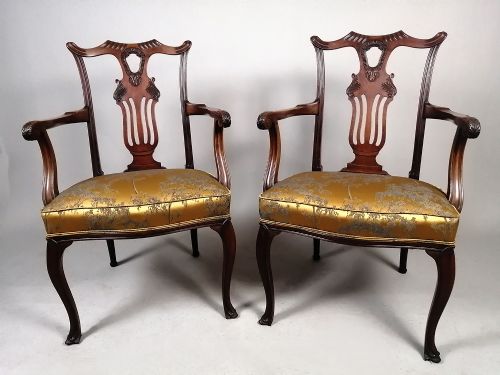
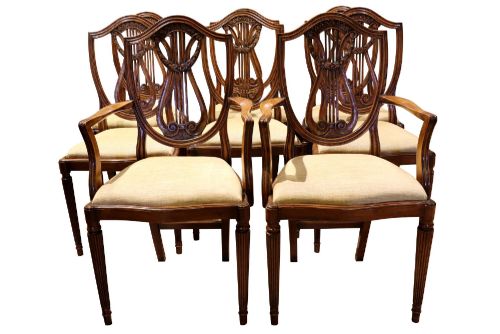
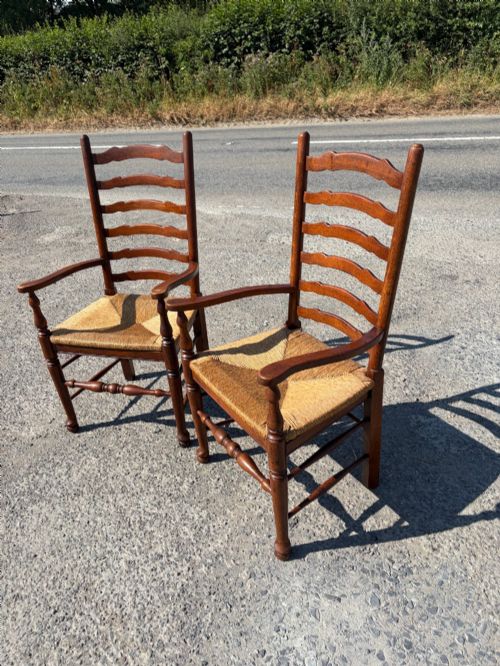
Superb Pair of Library Carver Desk Chairs, Regency
Priced at £695 from Wayne Long Antiques and Interiors
Named after John Carver, the first governor of Plymouth Colony.
Early seventeenth-century households often reserved these armchairs solely for the head of the family.
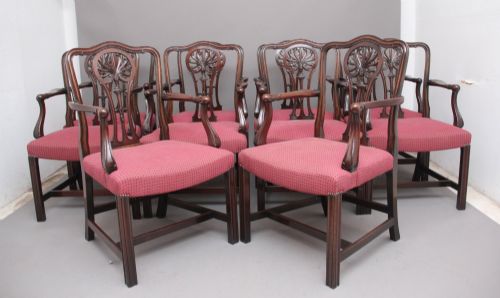
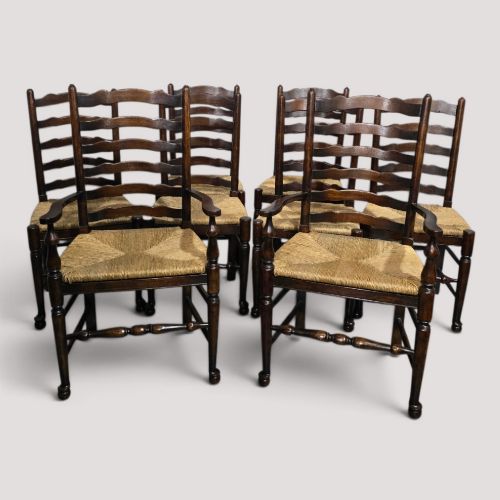
Look for the shift in the Georgian period when antique carver chairs became standard additions to long dining sets.
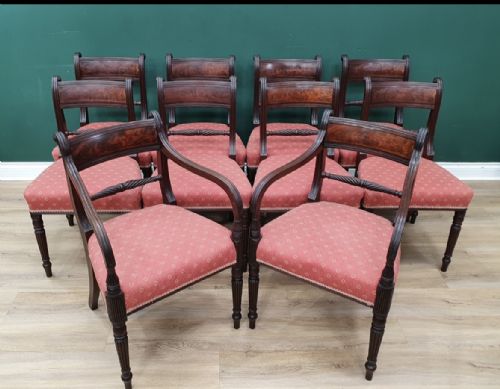
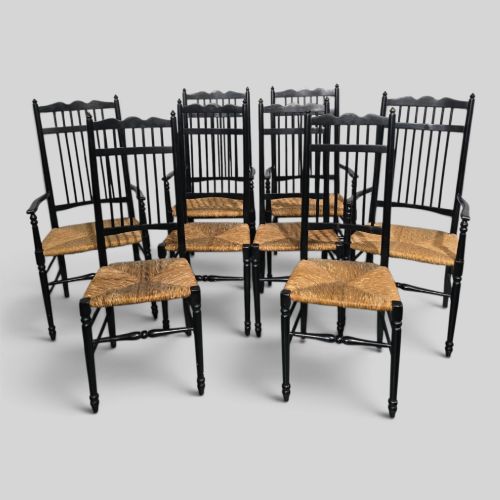
Sets from the nineteenth century normally include two of them.
Thomas Chippendale published designs for dining armchairs that heavily influenced provincial workshops.
Gillows of Lancaster, documented producing high-quality mahogany dining sets with matching carvers in the late eighteenth century.
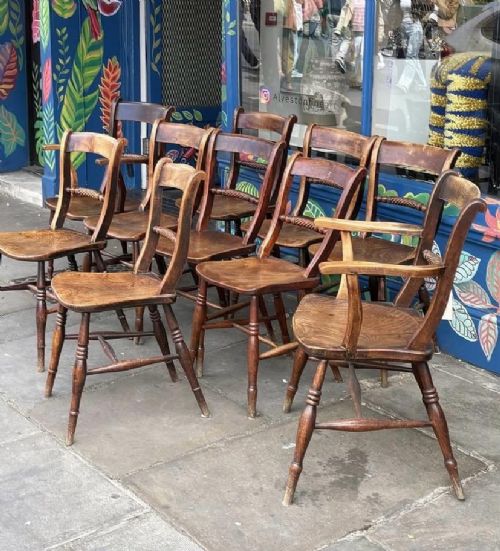
Read up on regional wheelwrights and bodgers who turned vernacular ash and elm pieces in country districts.
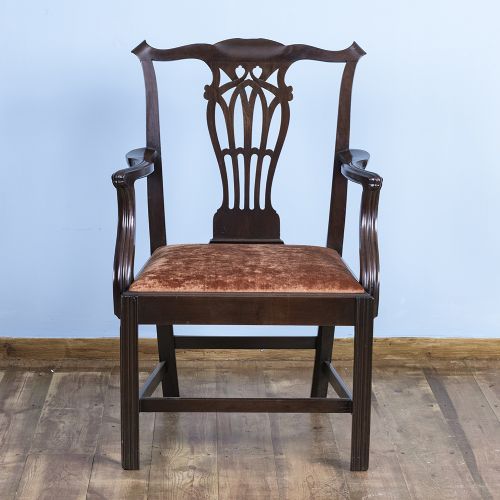
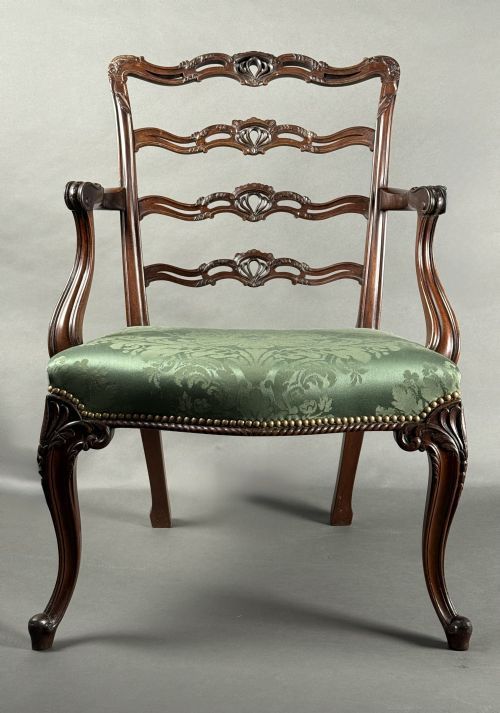
An Elegant Mahogany Chippendale Style Carver Chair, 1890
Priced at £595 from Philip Hunt Antiques
The 2026 retail price guide for Antique Carver Chairs is drawn from a proprietary archive of over 1.1 million retail prices indexed by Sellingantiques since 2003. This guide relies exclusively on their own internal data; no external sources or auction records are used.
Analysing nearly 25 years of UK antique market history alongside current retail values, the data indicates that typical UK retail prices for Antique Carver Chairs range between £400 and £3,000. Entry-level prices generally fall under £400 and premium examples upwards of £3,000.
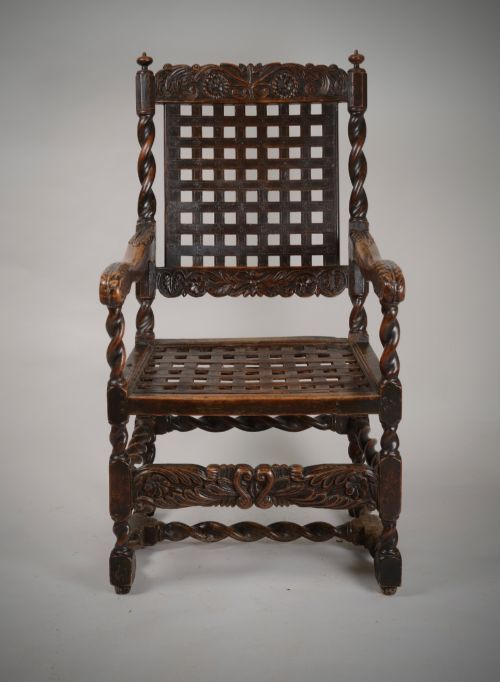
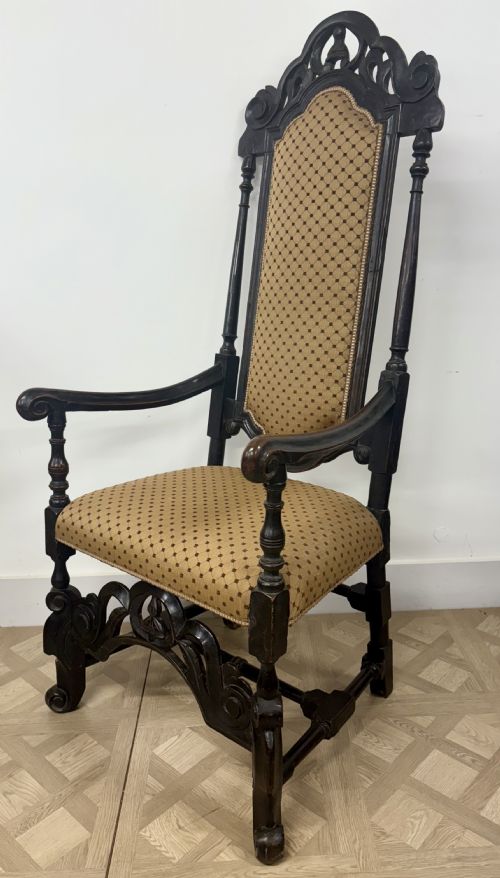
Open armrests attached to the sides of the frame define antique carver chairs.
A wider seat frame than the standard dining chair accommodates the arms comfortably.
Notice how the arm supports join either the side rails or the front legs directly.
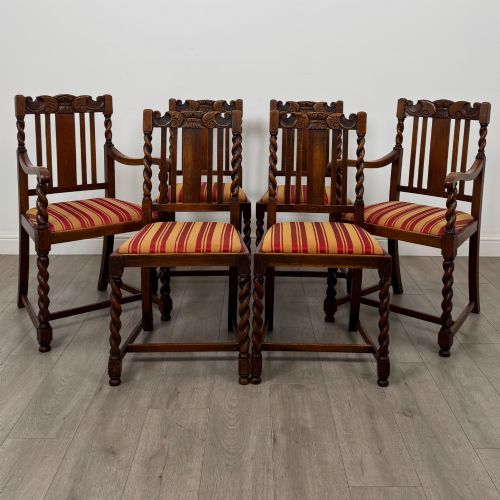
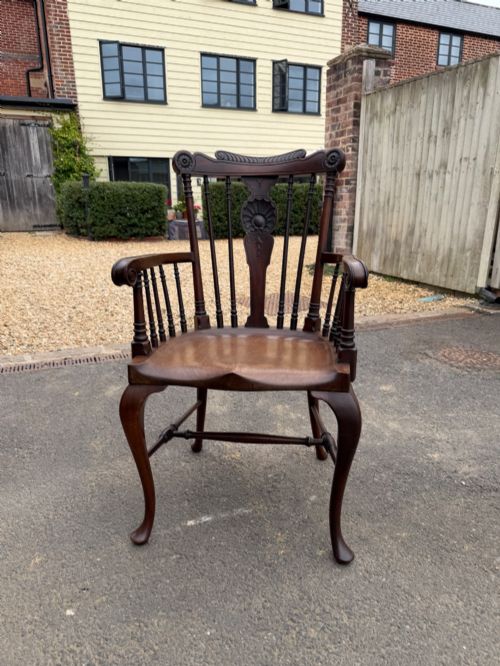
Antique Mahogany Victorian Desk Chair
, 1880
Priced at £995 from London City Antiques
Mortise and tenon joints secure the main frame of most antique carver chairs.
Look closely at the arm supports, usually dowelled or tenoned directly into the seat rail.
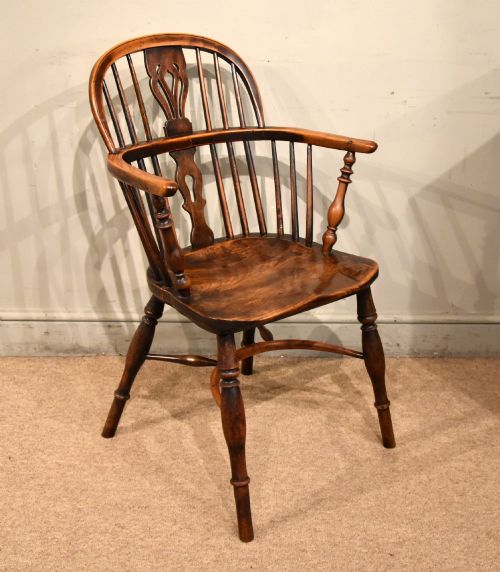
Steam bending, adopted by later craftsmen to shape the curved back rails of Windsor-style pieces.
"They often feature a slightly taller back than the rest of the dining set to signify importance."
"Designed to accommodate heavy winter clothing and swords in the seventeenth century."
"Keep an eye out for sets where the carving on the arms subtly mirrors the back splat design."
Based on almost 25 years of Sellingantiques UK antique market data, Antique Carver Chairs appeared 3183 times (out of 1,100,000 antiques) which gives it a rarity score of 53/100.
This score measures scarcity within the Sellingantiques archive only and is not a survey of the entire antiques market, so these statistics may not be indicative of the general availability of Antique Carver Chairs elsewhere.
Hide glue is the traditional approach for loose joints. Clean out the old dried glue first. A local restorer can knock the joint apart cleanly.
Don't use modern expanding glues. They swell and damage the surrounding timber, making future repairs nearly impossible.
Dining chairs take a lot of backward pressure. A cracked back leg is a structural issue that needs proper attention.
A competent cabinetmaker can splice in a matching piece of timber. They will match the grain and colour so the repair blends in. They often use old wood from their timber store.
Drop-in seats are straightforward to lift out and re-cover. You pop the frame out from the underside of the chair.
Keep the original horsehair stuffing if it is still sound. It lasts longer than modern foam and maintains the correct profile for the period.
You just need calico, your top fabric, and a staple gun or upholstery tacks.
Sets evolved over time. Early domestic setups often had one armchair for the head of the household.
By the nineteenth century, sets routinely included two carvers. Sets with no armchairs often belonged to smaller parlours or have simply lost their carvers over the decades.
Please note: This Antique Carver Chairs guide and its associated pricing data are provided for general informational purposes only. It does not constitute formal financial, investment, or appraisal advice and should not be relied upon as the sole basis for any commercial activity, purchasing, or sales decisions. Sellingantiques.co.uk accepts no liability for any actions taken in reliance on this information. Always consult with a qualified professional or independent appraiser.
