


A 2026 Guide by Sellingantiques
Earthenware forms appearing in early domestic sites across Britain.
Look at the shift during the eighteenth century towards refined tablewares.
Silver examples from the same periods mirrored the shapes of ceramic vessels in homes.
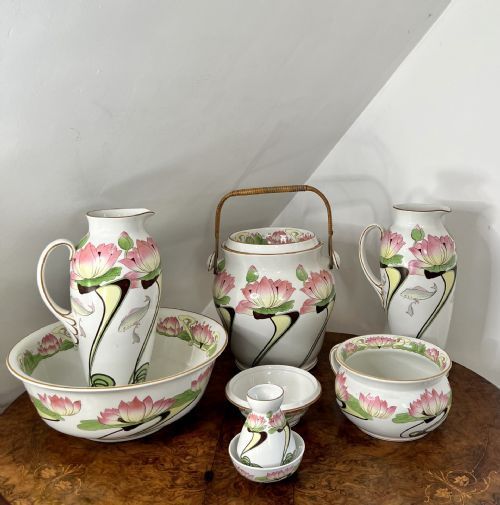
Washing habits dictated the need for large ewer and basin sets in bedrooms, creating substantial ceramic pieces.
Mass production in Staffordshire factories pushing antique jugs into everyday households at an unprecedented scale.
Josiah Wedgwood pioneered forms in basalt and jasperware during the late eighteenth century.
Paul Storr producing heavy silver presentation jugs during the Regency period.
Identify regional potteries without stamps through local clay types and slipware patterns.
The 2026 retail price guide for Antique Jugs is drawn from a proprietary archive of over 1.1 million retail prices indexed by Sellingantiques since 2003. This guide relies exclusively on their own internal data; no external sources or auction records are used.
Analysing nearly 25 years of UK antique market history alongside current retail values, the data indicates that typical UK retail prices for Antique Jugs range between £200 and £1,200. Entry-level prices generally fall under £200 and premium examples upwards of £1,200.
A pulled or applied lip ensures the liquid pours cleanly away from the vessel.
Notice how hollow handles sometimes provide a cooler grip on metal pieces holding hot water.
The foot rim showing the bare body material beneath.
Throwing on a wheel creates the initial shape before a separate handle is attached with slip.
Moulding became standard practice for producing relief-decorated shapes when they're needed in large volumes.
Observe how silversmiths raised the body from a single flat sheet using wooden mallets.
"Ale versions shaped to pour directly into small tavern glasses."
"Puzzle jugs contain hidden tubes that trick the drinker into finding the correct nozzle, so they don't spill."
"Look out for early copper forms retaining tin linings applied to keep the water tasting sweet."
Based on almost 25 years of Sellingantiques UK antique market data, Antique Jugs appeared 8783 times (out of 1,100,000 antiques) which gives it a rarity score of 17/100.
This score measures scarcity within the Sellingantiques archive only and is not a survey of the entire antiques market, so these statistics may not be indicative of the general availability of Antique Jugs elsewhere.
Many silver jugs handle hot water well. You just need to check if the handle has heat insulators made of ivory or wood to stop you burning your fingers.
Silver conducts heat rapidly. If it lacks insulators, the maker might have intended it for milk or wine instead.
Crazing in the glaze allows liquid to seep into the porous earthenware body beneath. That is what causes the dark staining over time.
It is better to avoid drinking from vessels with crazed interiors. Bacteria can sit in those micro-cracks. You should use it for flowers instead.
This term refers to a spout formed as a face.
Factories like Worcester made mask jugs in porcelain.
It only matters if you plan to drink from it. Bare copper reacts with acidic liquids and can cause illness if ingested.
For a washstand display or watering plants, the missing tin poses no problem. Many collectors actually prefer the look of the worn copper interior on these pieces.
Please note: This Antique Jugs guide and its associated pricing data are provided for general informational purposes only. It does not constitute formal financial, investment, or appraisal advice and should not be relied upon as the sole basis for any commercial activity, purchasing, or sales decisions. Sellingantiques.co.uk accepts no liability for any actions taken in reliance on this information. Always consult with a qualified professional or independent appraiser.
