

A 2026 Guide by Sellingantiques

Unusual Set of 4 Small Antique Japanese Quality Imari Dishes, 1900
Priced at £895 from London City Antiques
Look at the shape. Early European dining relied on trenchers, but by the seventeenth century, flatter antique dishes became standard for serving individual portions.
Wealthy households often displayed large pewter or silver examples on sideboards to signal social standing during feasts.
The shift towards dining a la russe in the nineteenth century changed how courses were served, requiring specialised serving plates for distinct recipes.
Regional variations in clay deposits dictated where the pottery industry boomed.
Notice the rim depth on older pieces, which reflects thicker stews and pottages typical of period diets.
Wedgwood pioneered creamware in Staffordshire during the late eighteenth century, creating a refined but accessible alternative to imported porcelain.
The Spode factory perfected bone china in the early nineteenth century, combining bone ash with porcelain stone for added strength.
Meissen led European hard-paste porcelain production from 1710, establishing shapes and decorative motifs that other factories copied for decades.
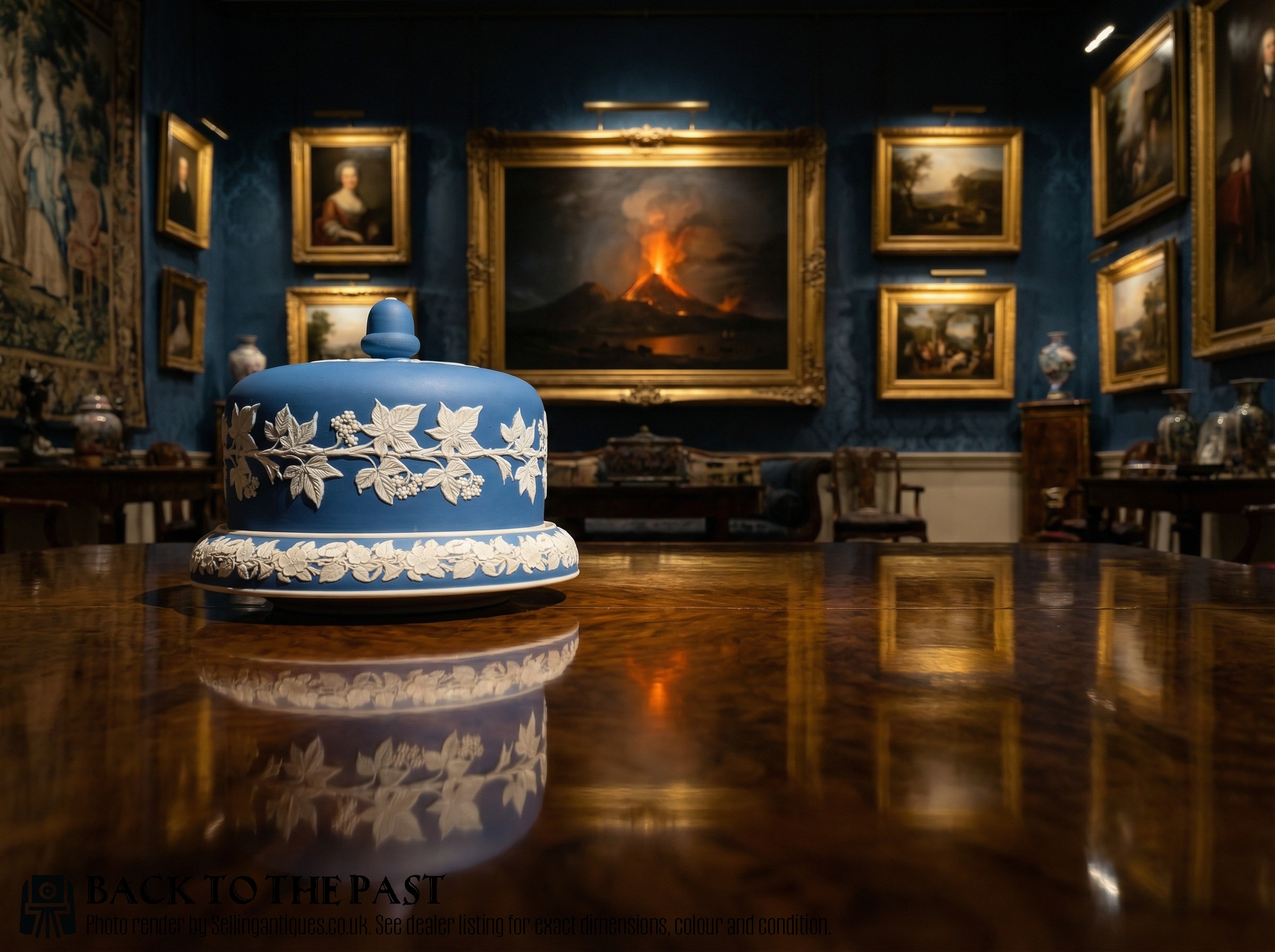
C19th Jasper Ware Cheese Dish, 19th Century
Priced at £195 from Beresford Antiques LTD
The 2026 retail price guide for Antique Dishes is drawn from a proprietary archive of over 1.1 million retail prices indexed by Sellingantiques since 2003. This guide relies exclusively on their own internal data; no external sources or auction records are used.
Analysing nearly 25 years of UK antique market history alongside current retail values, the data indicates that typical UK retail prices for Antique Dishes range between £200 and £1,300. Entry-level prices generally fall under £200 and premium examples upwards of £1,300.
The well of the plate holds the food, often featuring a slight depression to keep liquids contained during serving.
Rims provide a lifting surface and often carry the main decorative borders, keeping the centre clear for cutlery use.
Check the foot rim underneath. A properly fired unglazed foot ring prevents the piece from fusing to the kiln shelf.
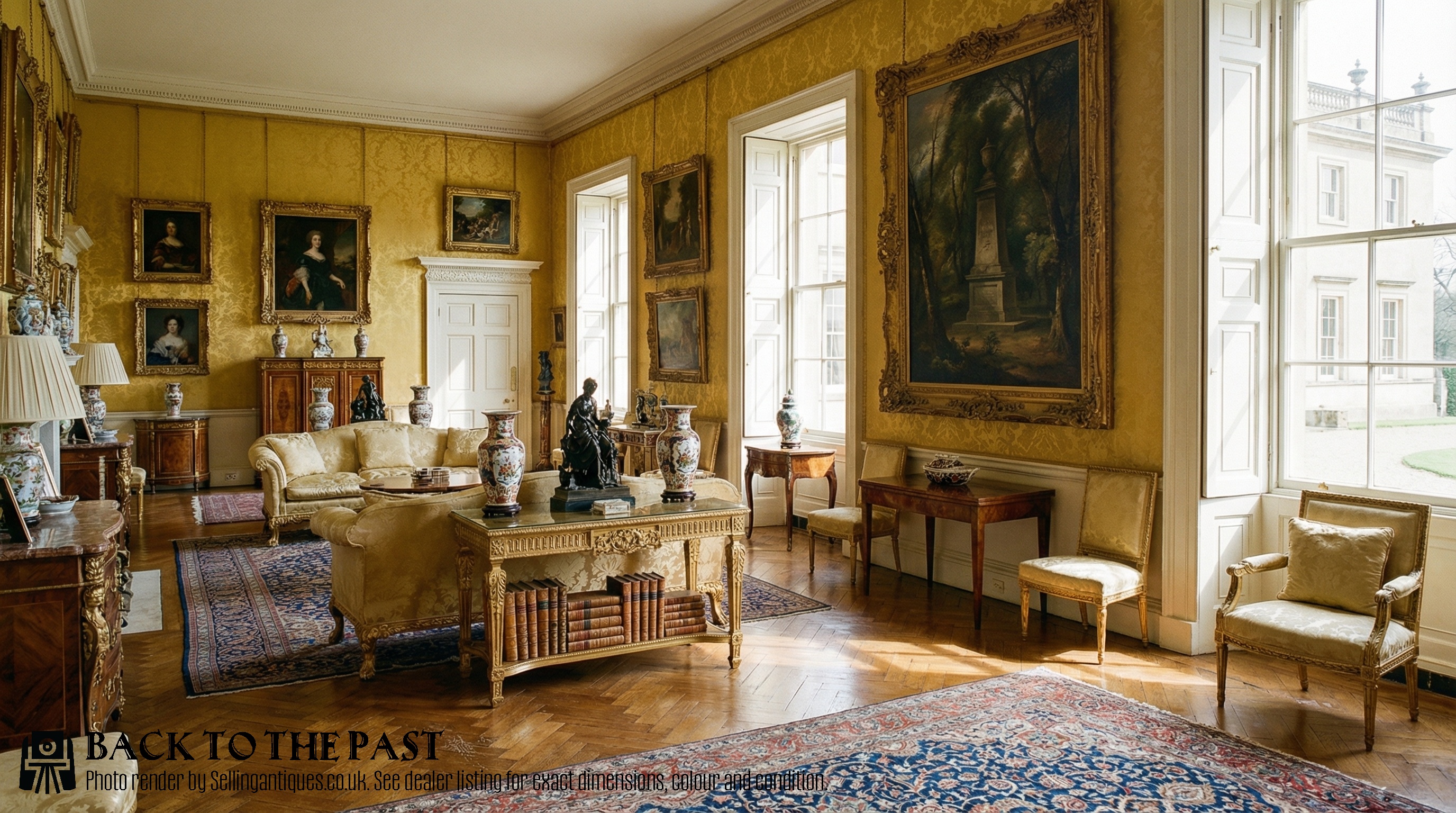
Unusual Antique Japanese Imari Quality Boat Shaped Dish, 1900
Priced at £425 from Unique Antiques by Emma Jade
Early potters threw dishes individually on a wheel, leaving faint concentric rings in the clay body visible under the glaze.
Press moulding allowed faster production. Workers pressed flat slabs of clay over shaped plaster moulds to ensure uniform sizing across a dinner service.
Transfer printing revolutionised decoration. Engraved copper plates transferred intricate ink patterns onto tissue paper, which was then pressed onto the unfired ceramic.
"Many sets include specific shapes designed to fit into matching hot water jackets, keeping the food warm during long winter meals."
"The foot rims were often polished smooth by hand after firing to ensure they would not scratch polished mahogany dining tables."
"Some large meat platters feature hidden channels or subtle slopes moulded into the ceramic to drain juices away from the main joint."
Based on almost 25 years of Sellingantiques UK antique market data, Antique Dishes appeared 10253 times (out of 1,100,000 antiques) which gives it a rarity score of 13/100.
This score measures scarcity within the Sellingantiques archive only and is not a survey of the entire antiques market, so these statistics may not be indicative of the general availability of Antique Dishes elsewhere.
You can use most stoneware and porcelain pieces for daily dining. They were designed for hot food and handle modern temperatures well.
Earthenware is more delicate. The glaze often develops micro-cracks over time, allowing moisture to seep into the porous clay body underneath if submerged. Hand wash them quickly rather than soaking.
That brown staining is trapped organic matter. Moisture and food juices seep through the fine cracks in the glaze over decades of use.
Standard washing up liquid will not remove it. Some restorers use weak peroxide solutions to bleach the stains from the inside out, but this risks damaging the underlying ceramic body if left too long.
Those are stilt marks. They occur when the plate is raised on small pins inside the kiln.
Potters used these supports to stop the wet glaze sticking to the kiln shelf during firing.
That feature is known as a tree-and-well design. The platter sits at a slight angle, or the ceramic itself is moulded with a gradient.
When a large roast was carved at the table, the hot juices ran down the grooves into the recessed well. This kept the meat from sitting in liquid and made it much easier to spoon the juices over the plated food.
Metal platters often have similar channels chased into the surface for the exact same reason.
Please note: This Antique Dishes guide and its associated pricing data are provided for general informational purposes only. It does not constitute formal financial, investment, or appraisal advice and should not be relied upon as the sole basis for any commercial activity, purchasing, or sales decisions. Sellingantiques.co.uk accepts no liability for any actions taken in reliance on this information. Always consult with a qualified professional or independent appraiser.
