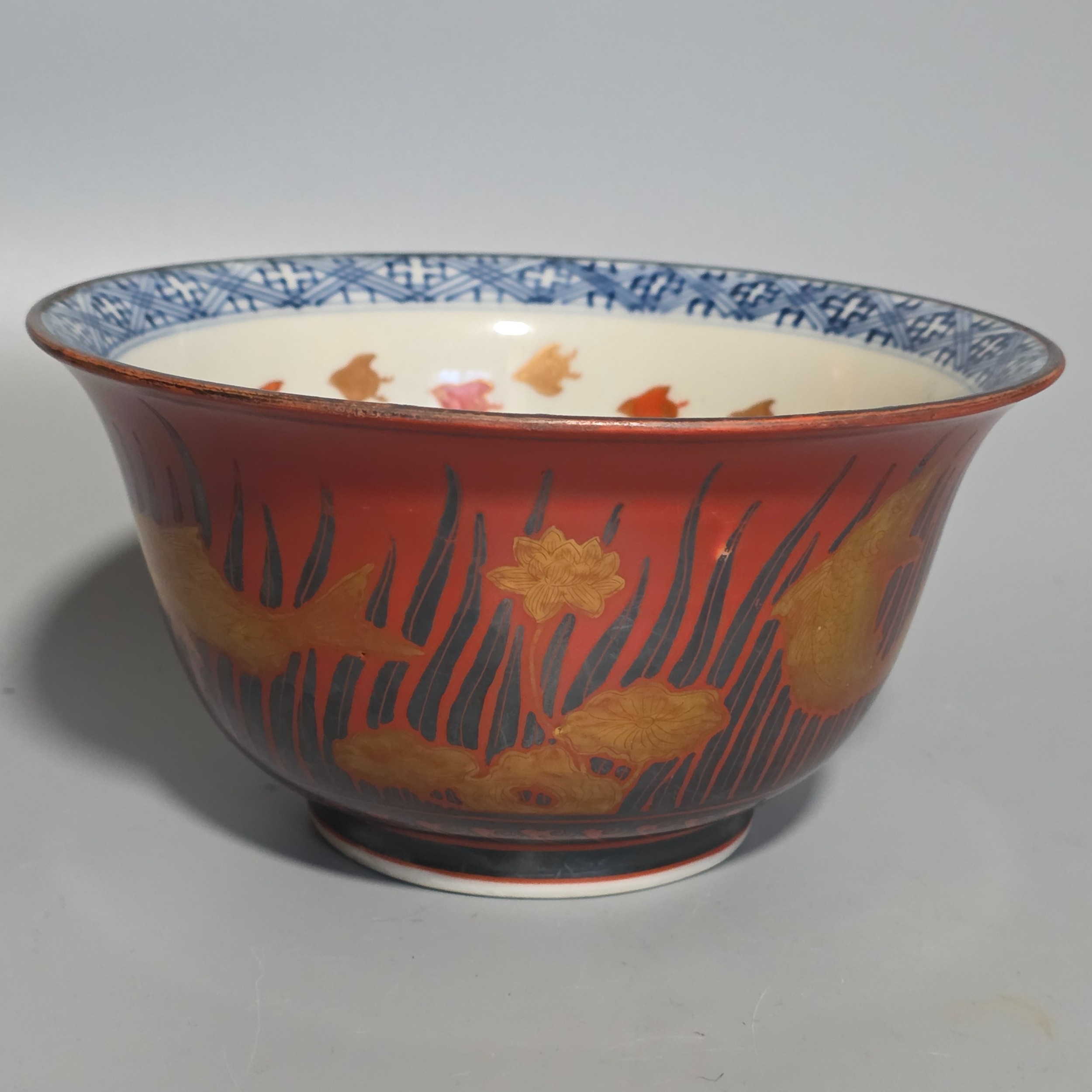
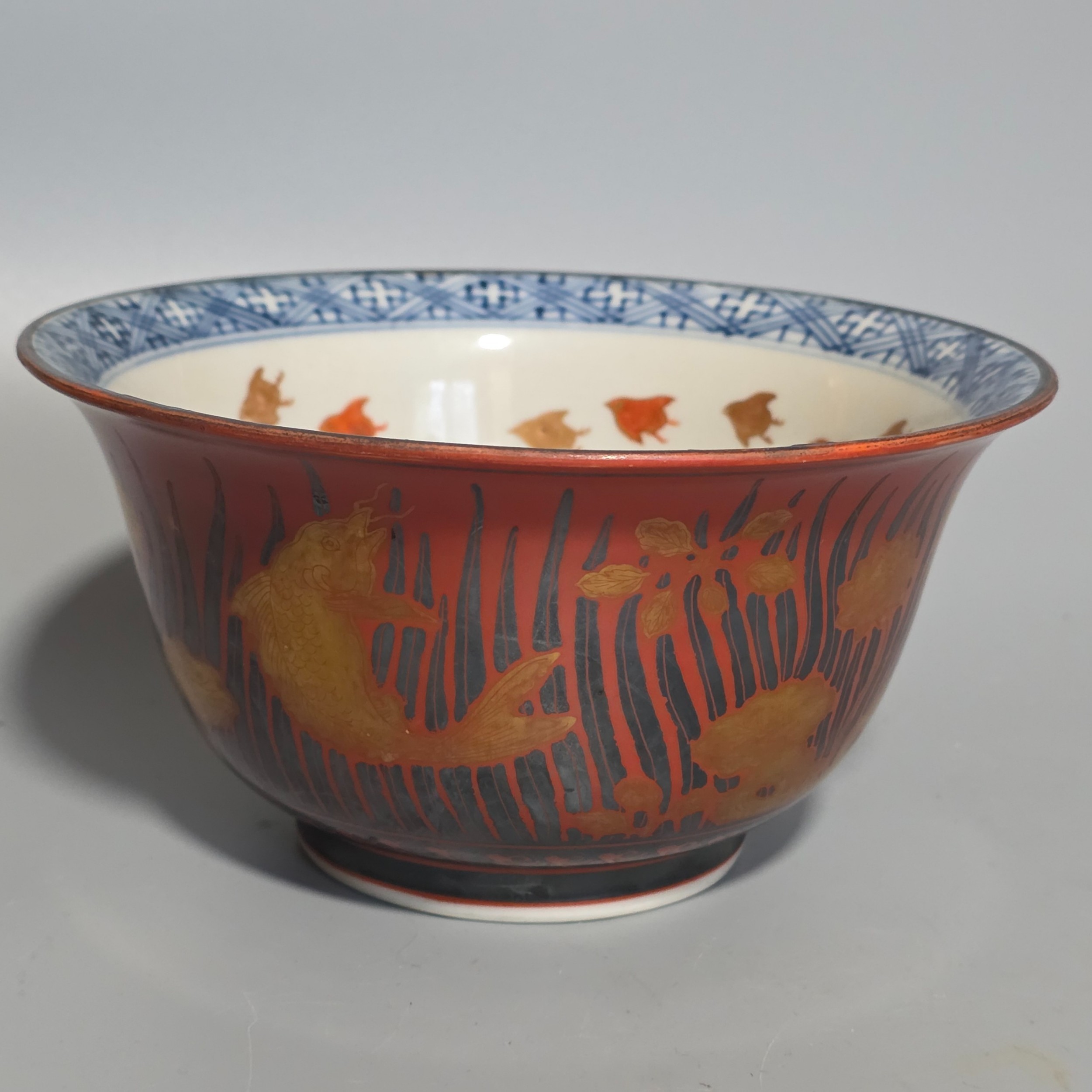
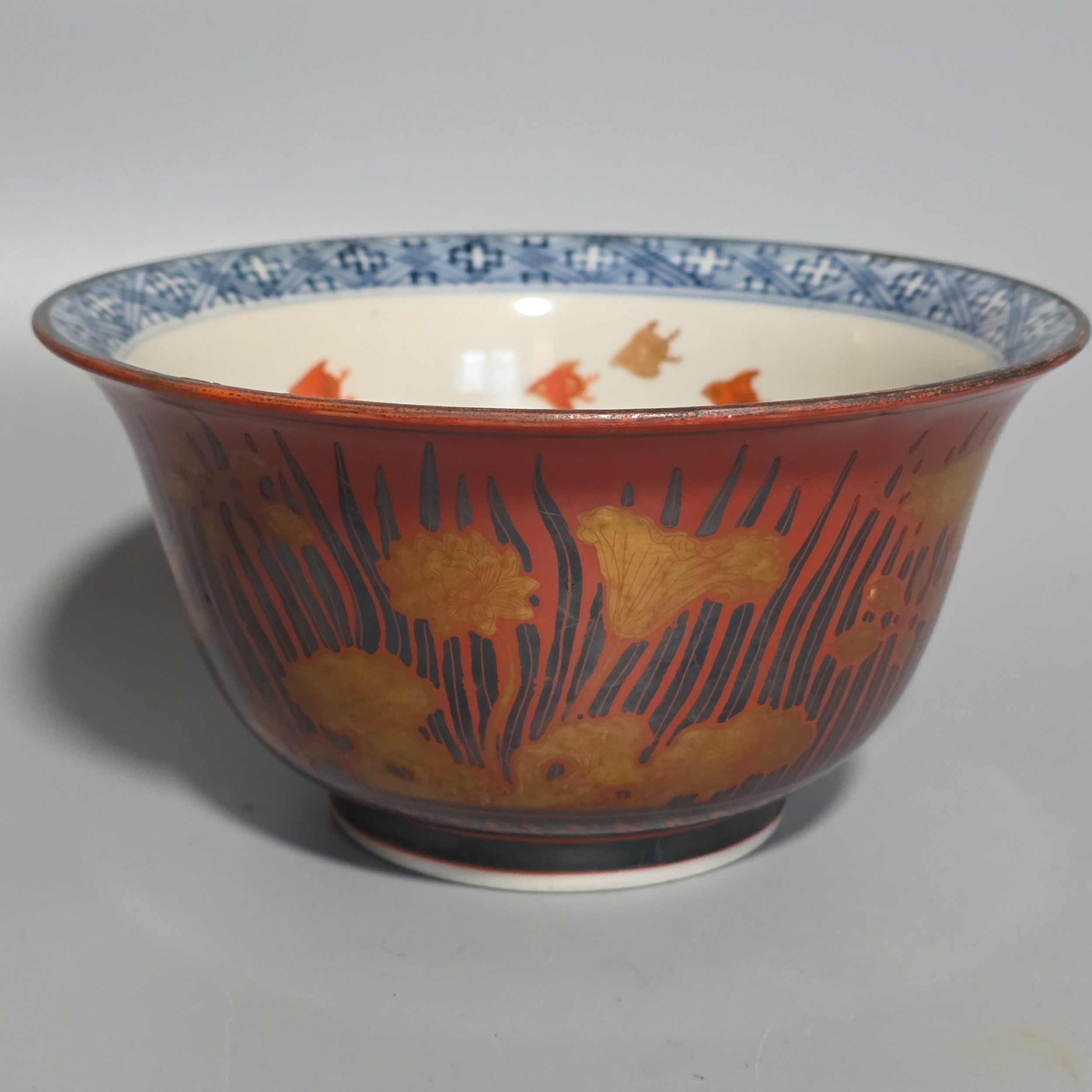
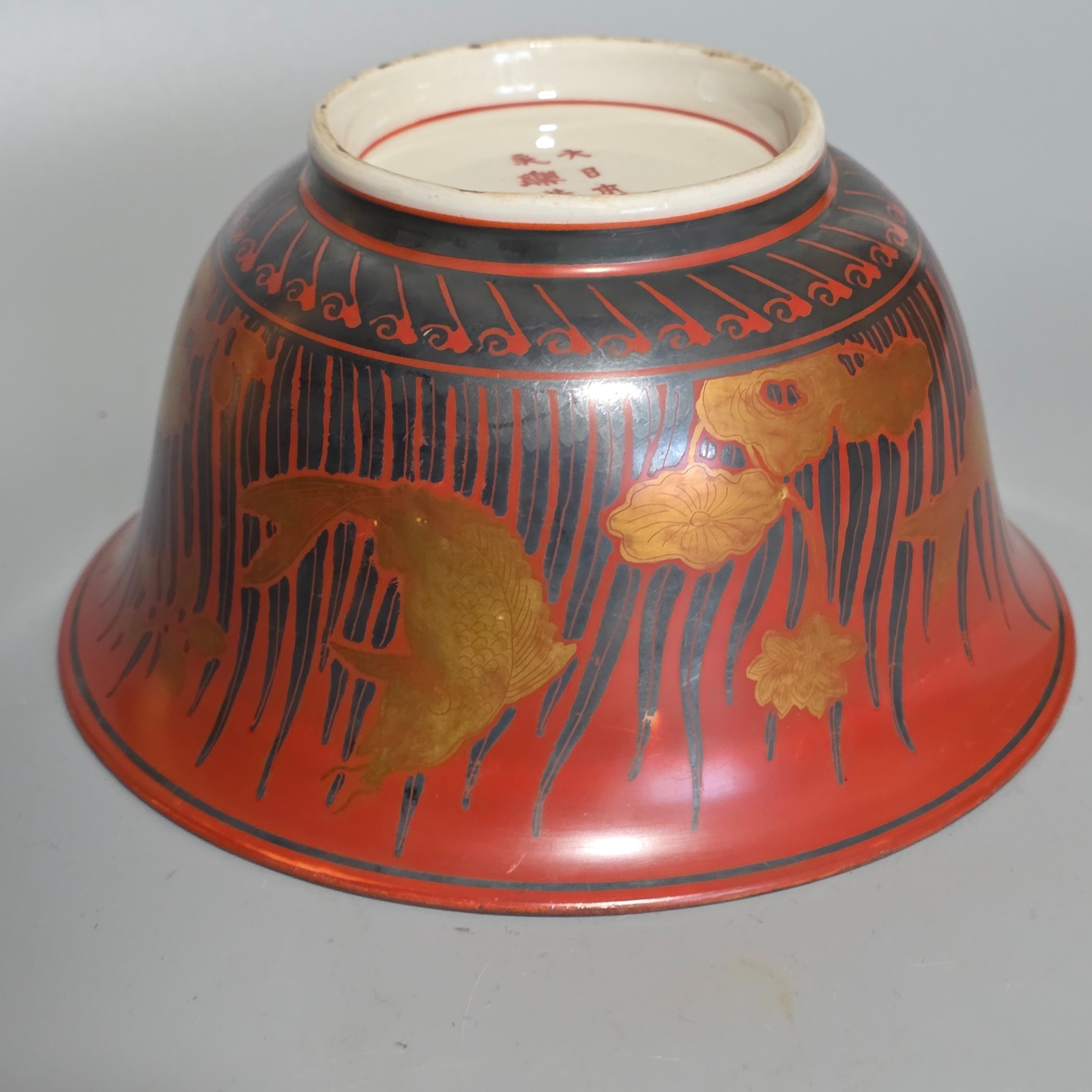
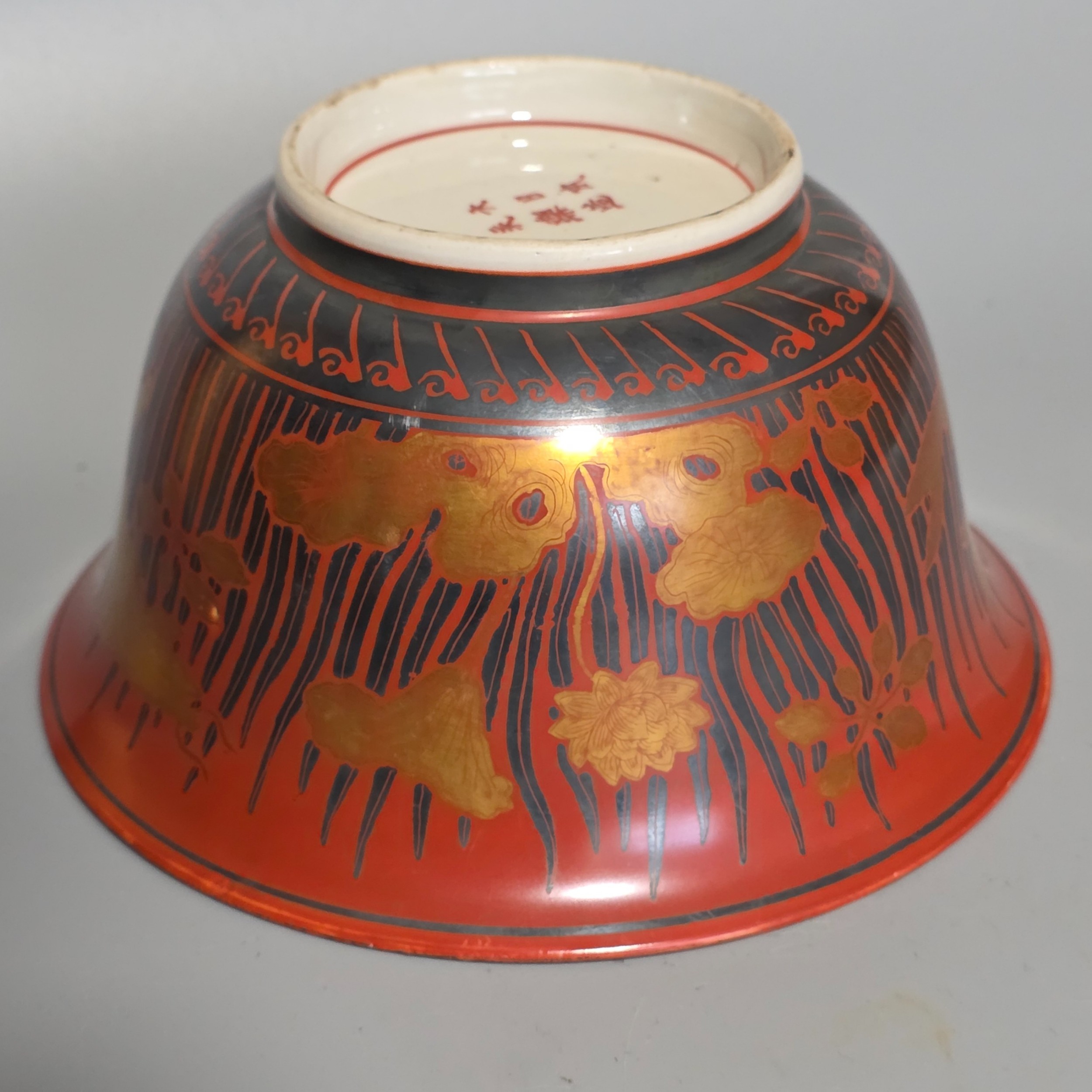
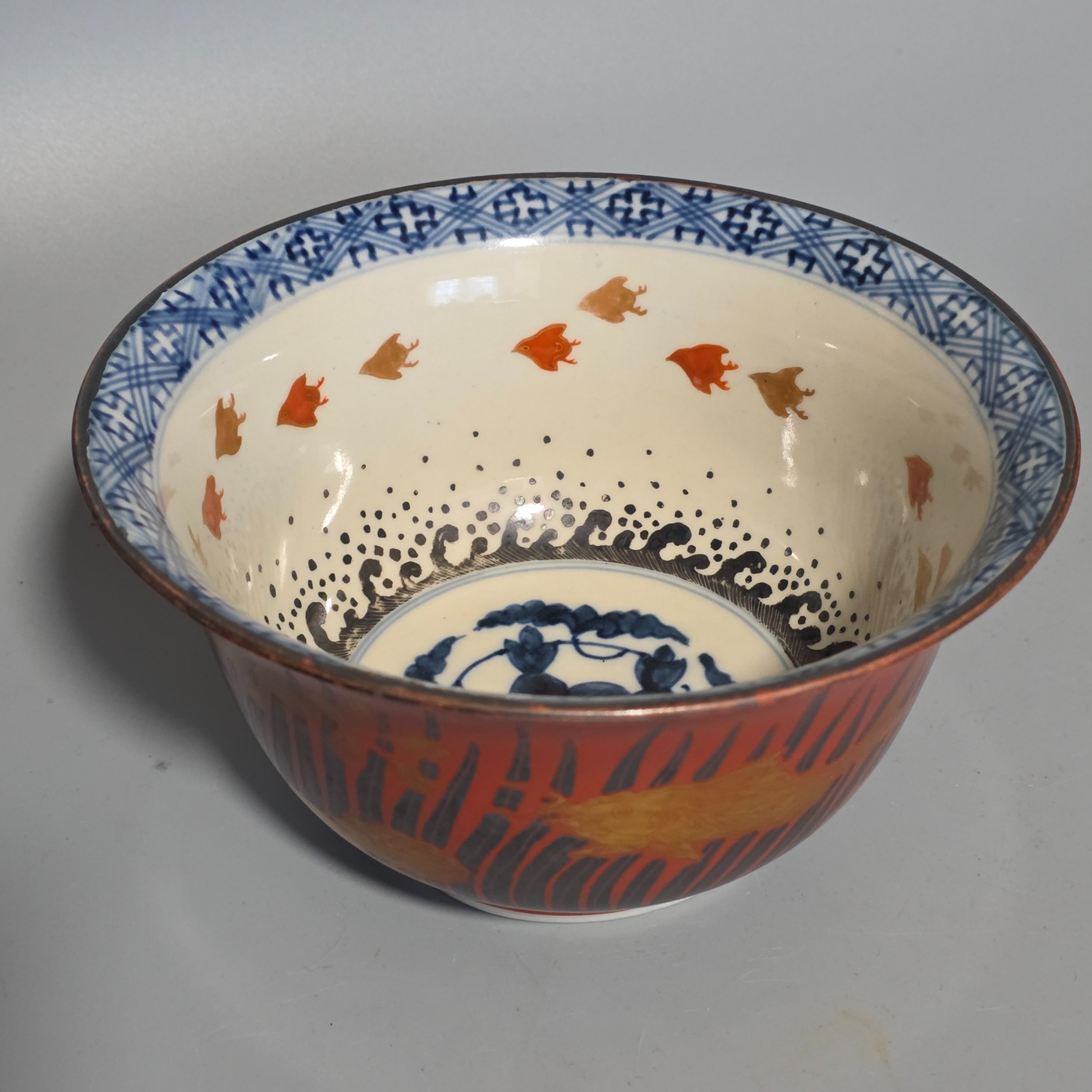
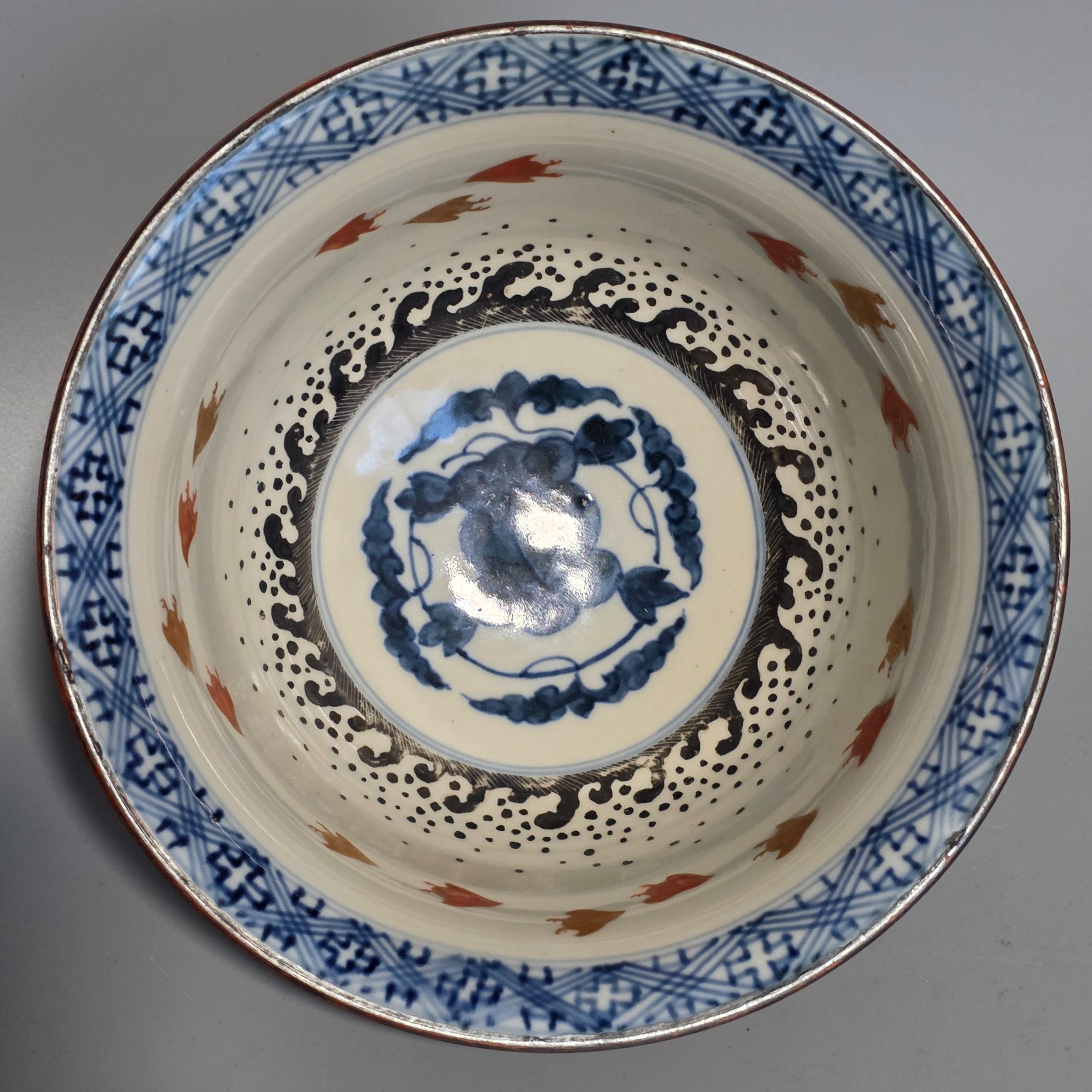
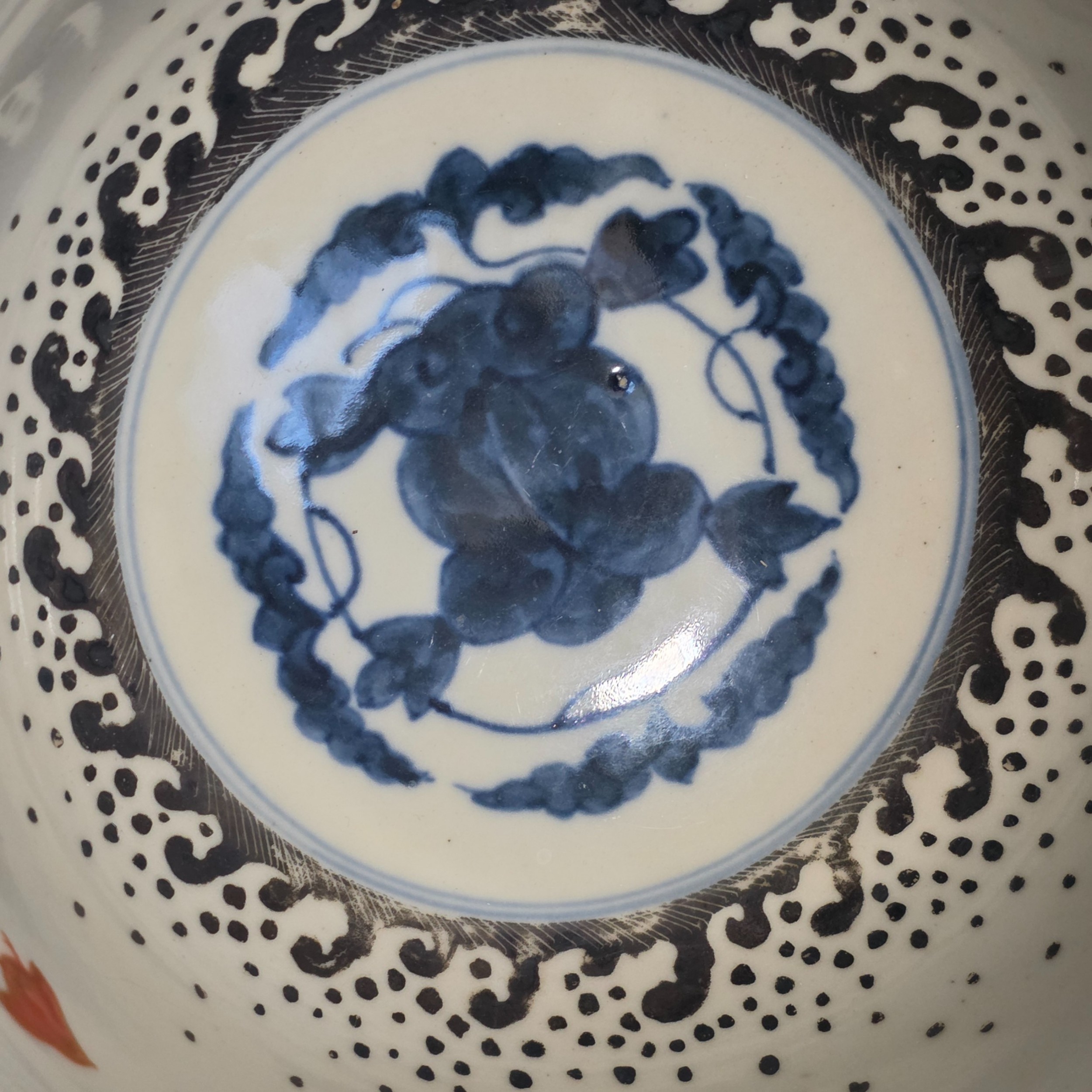
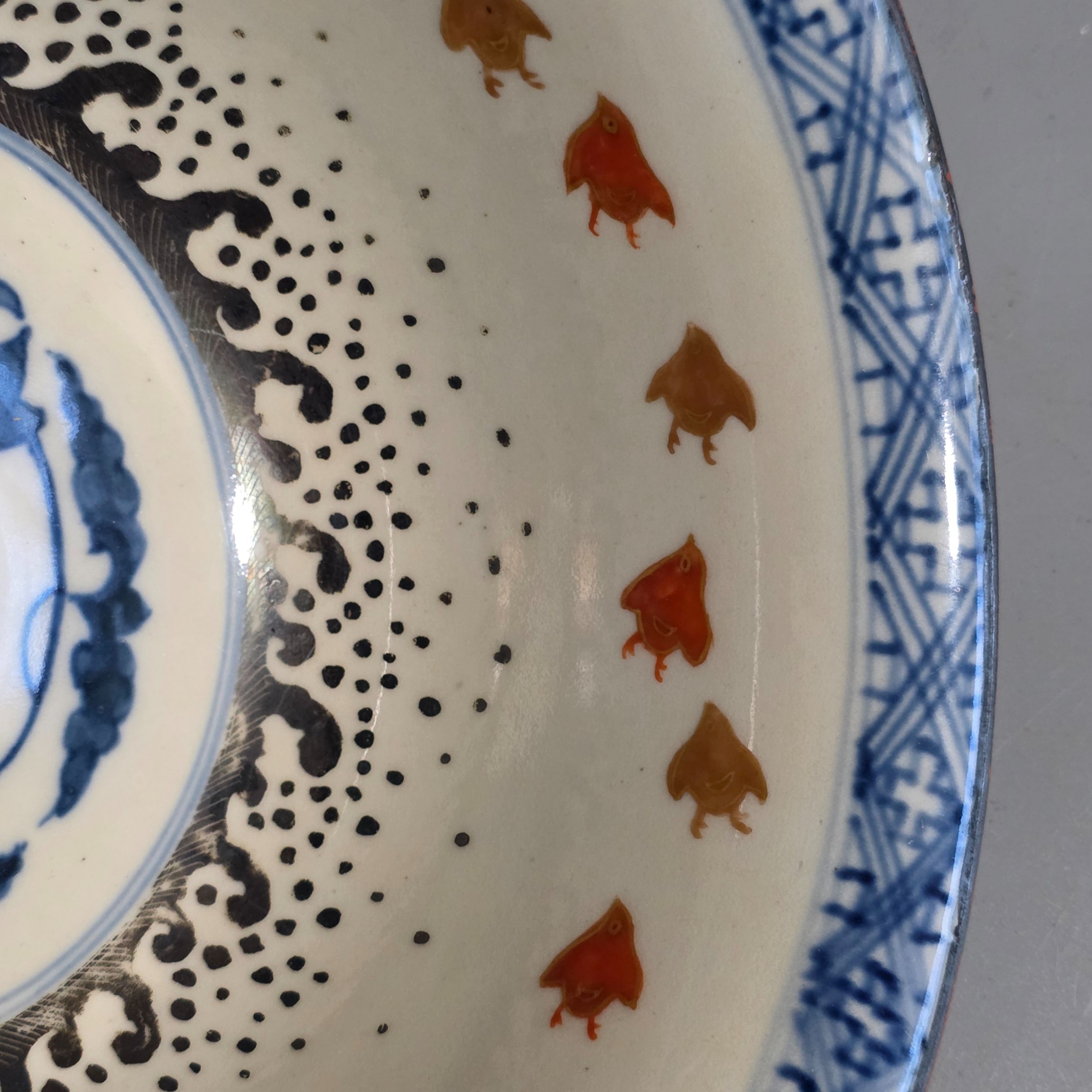
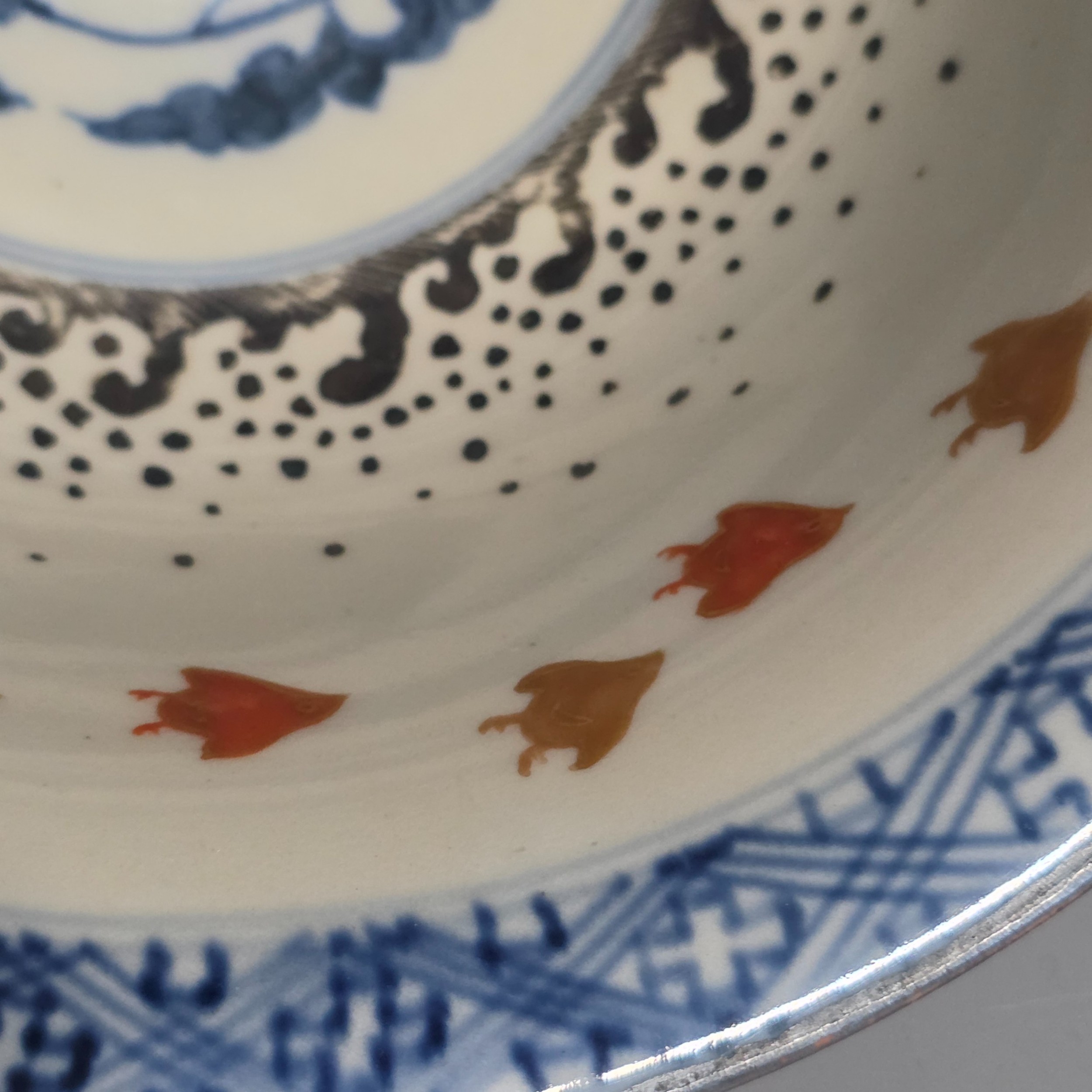
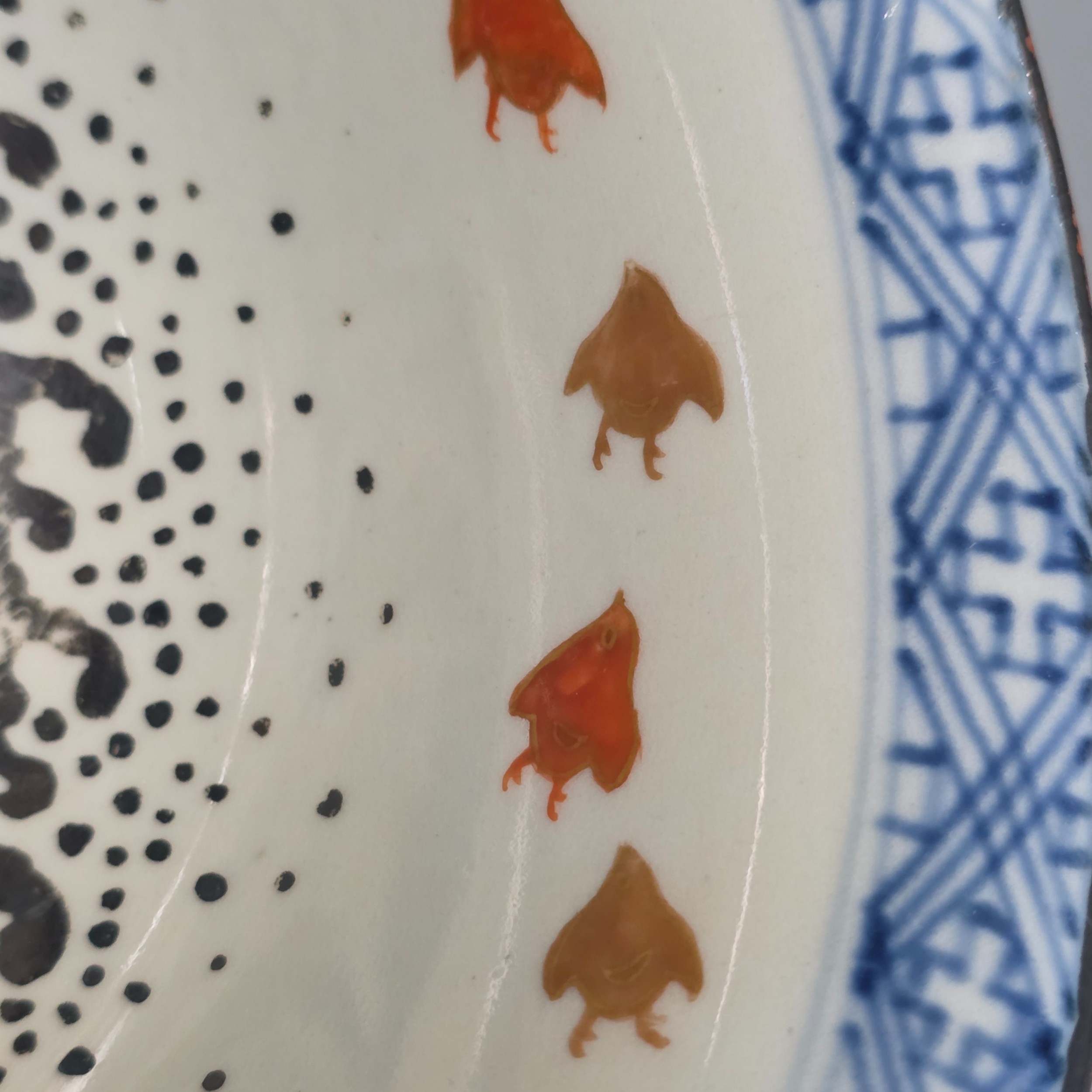
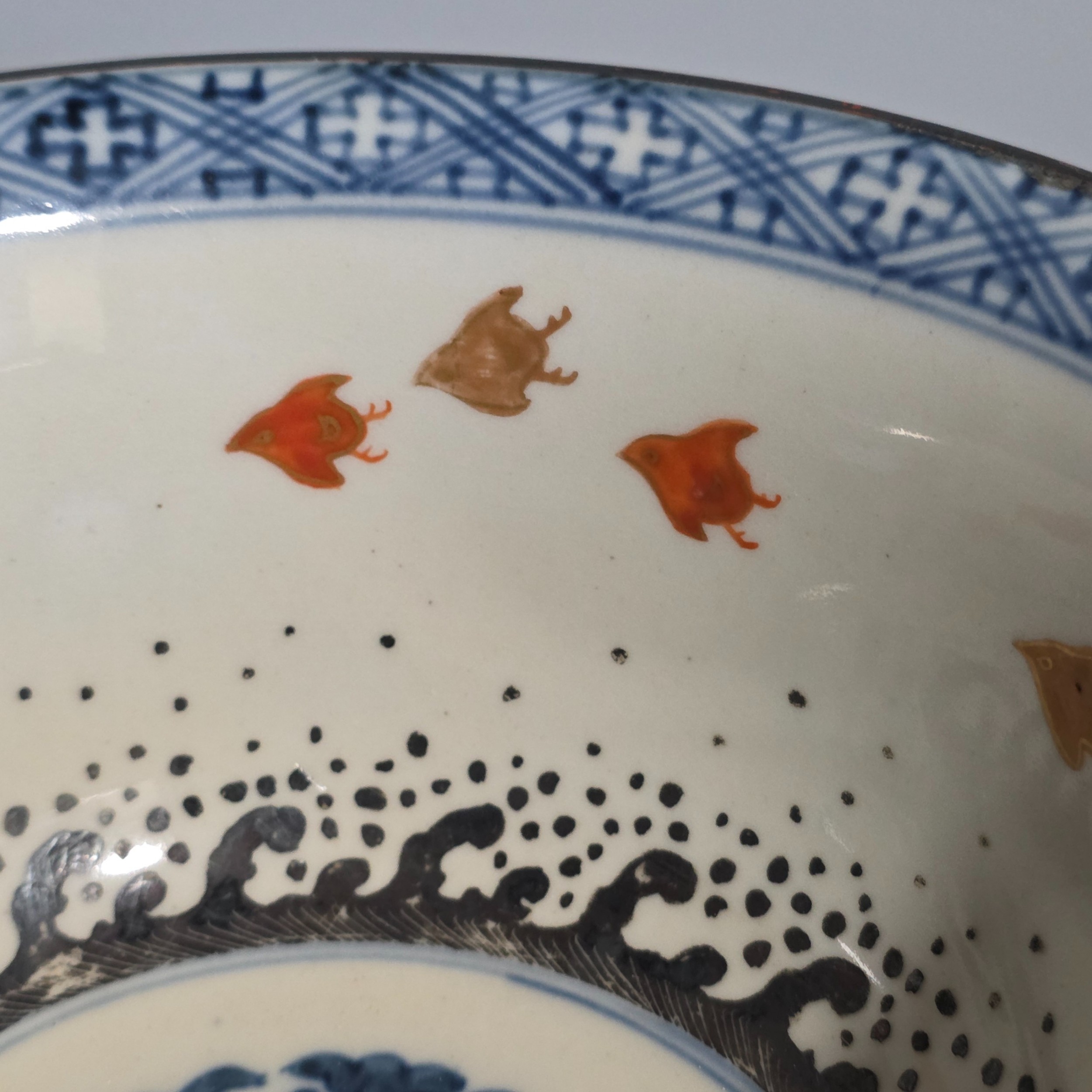
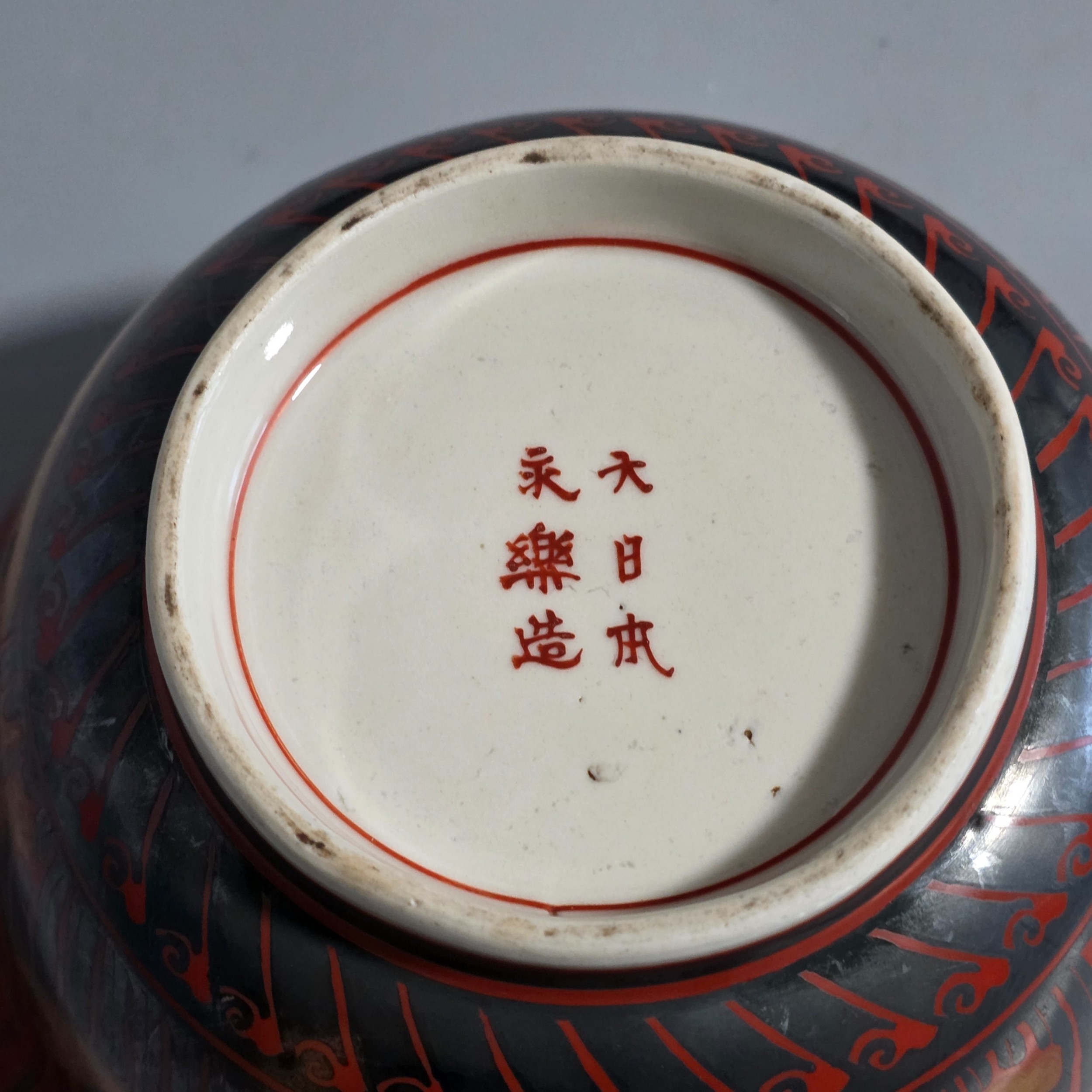
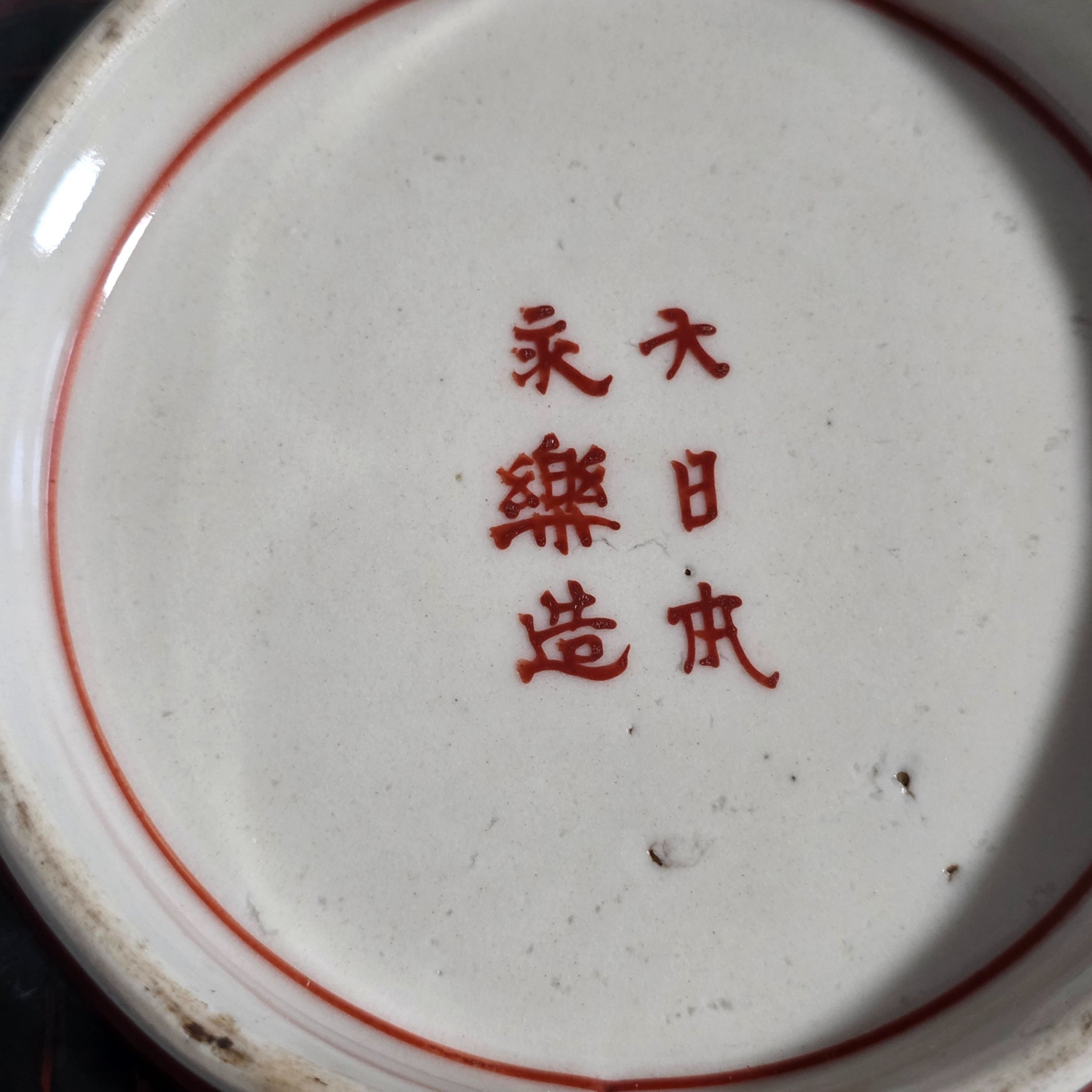
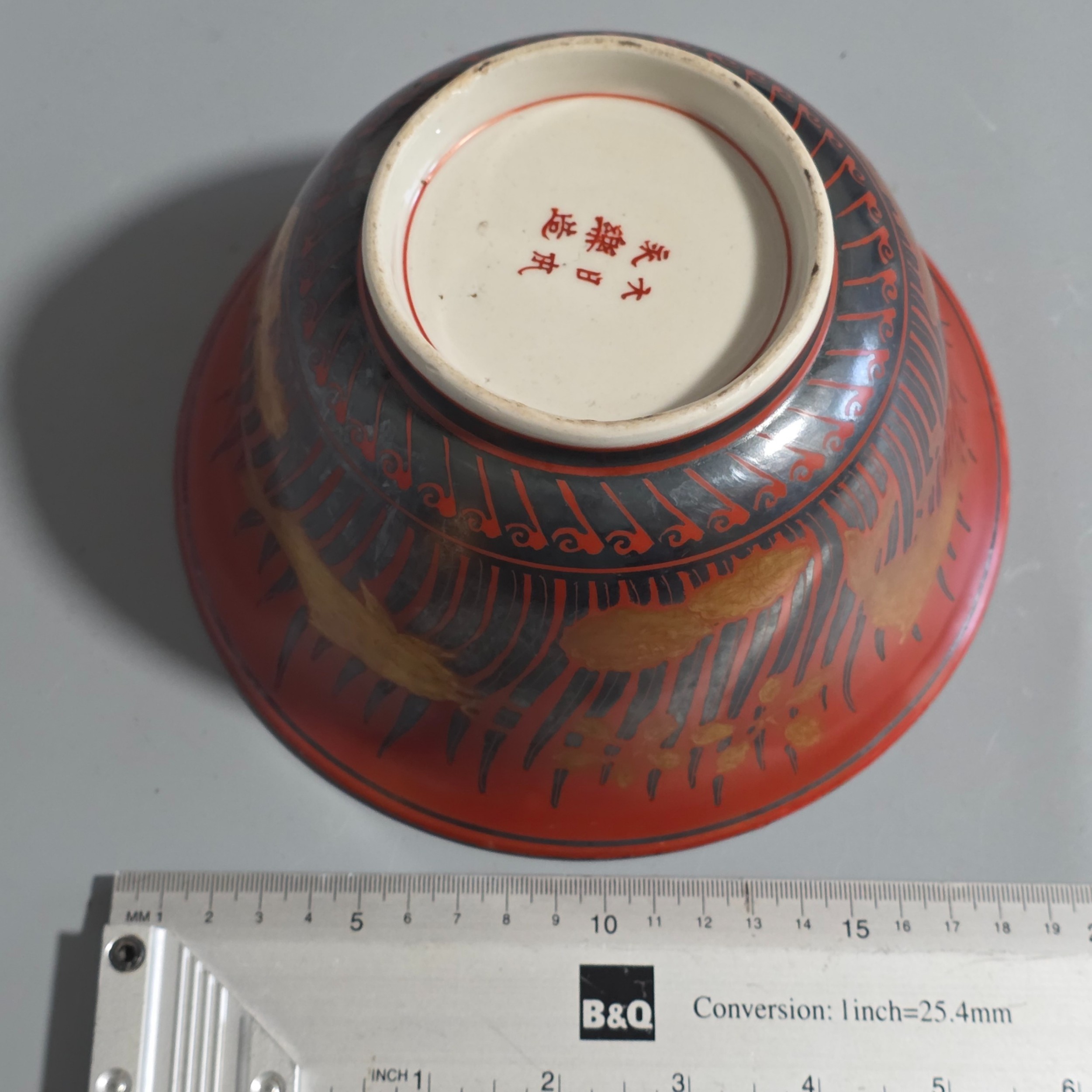
Lee Sherman Antiques has dated this piece to the 1900s.
The style originally came from China during the Ming dynasty, especially in the Jiajing (1521–1566) and Wanli (1573–1620) periods.
In the late Edo period in Japan, several types of ceramics were made in the kinrande style, including Arita, Imari, Koto, Kutani, Kyo, and Satsuma ware. Imari kinrande pieces became especially popular in Europe during the Baroque period, and King Augustus II the Strong of Poland was one of the major collectors.
Kinrande often used the Chinese wucai (“five colors”) palette, called gosai in Japanese, with a white background and red, green, and yellow designs, with gold added on top.
Lee Sherman Antiques has dated this piece to the 1900s.
Sourcing beautiful antiques & collectables from the past three hundred years!
You can view the stock and full dealer information on the Lee Sherman Antiques Profile Page
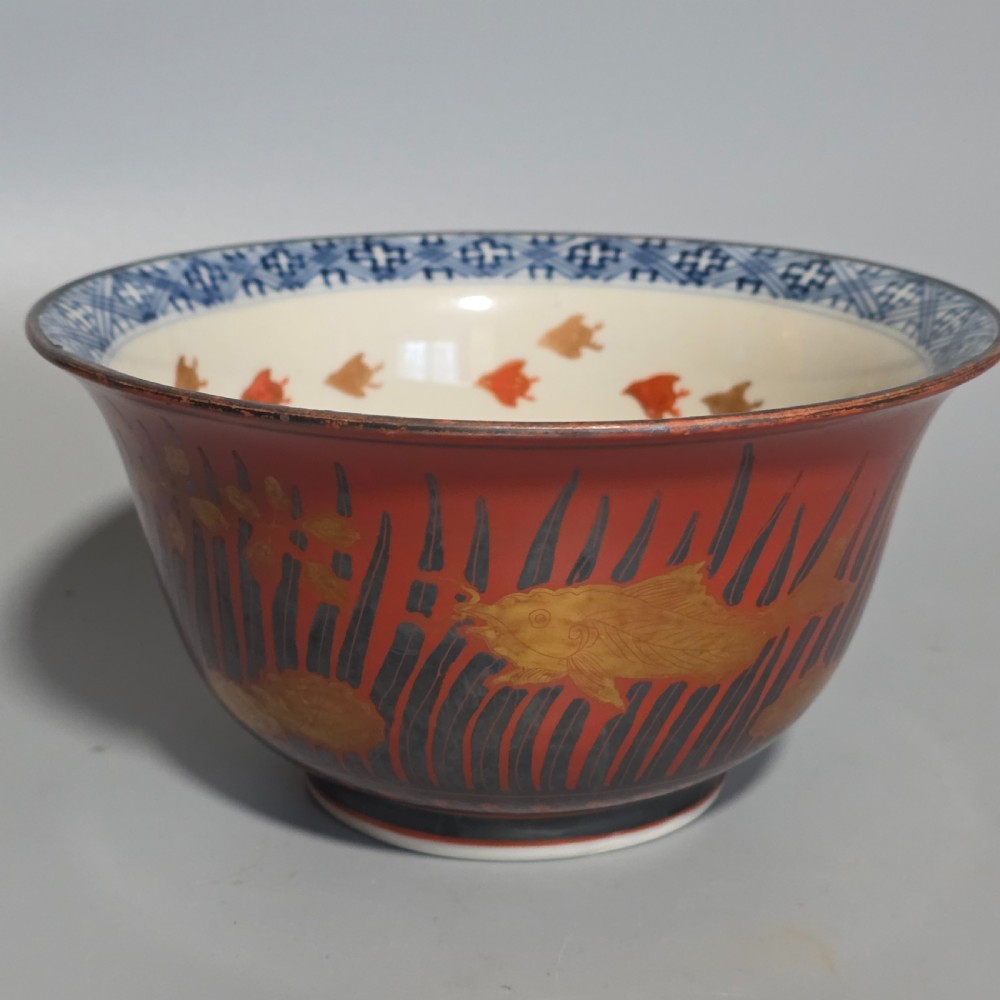
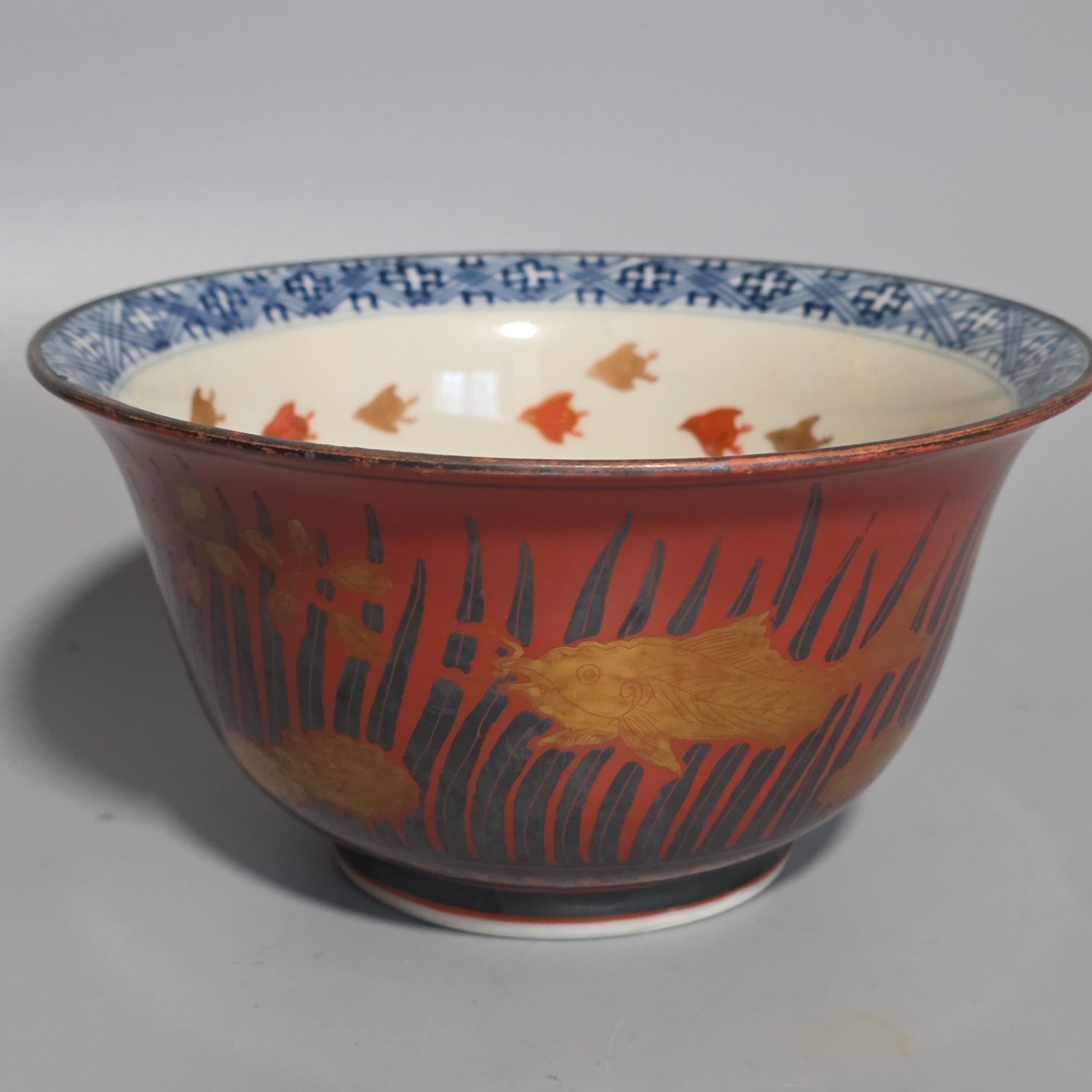
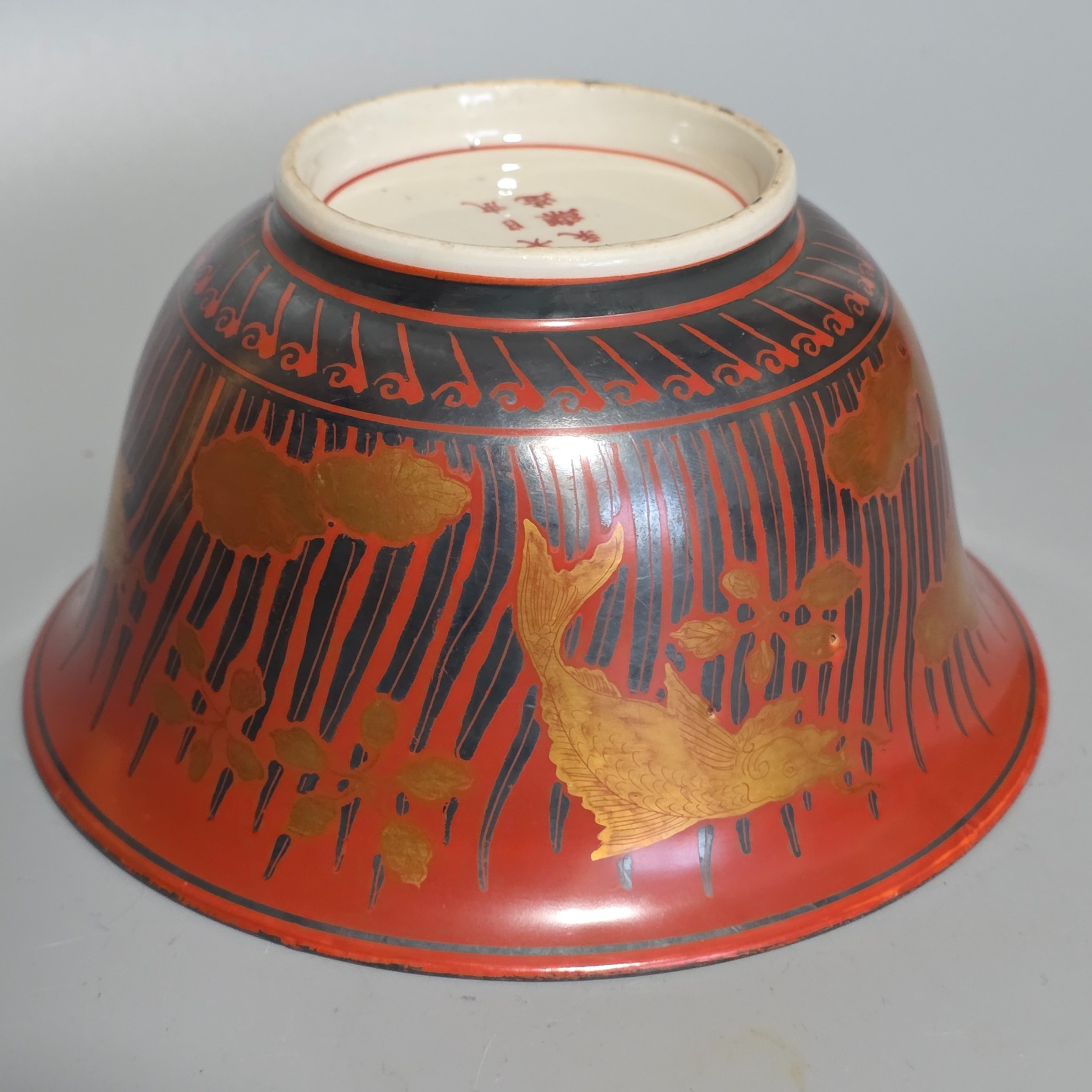
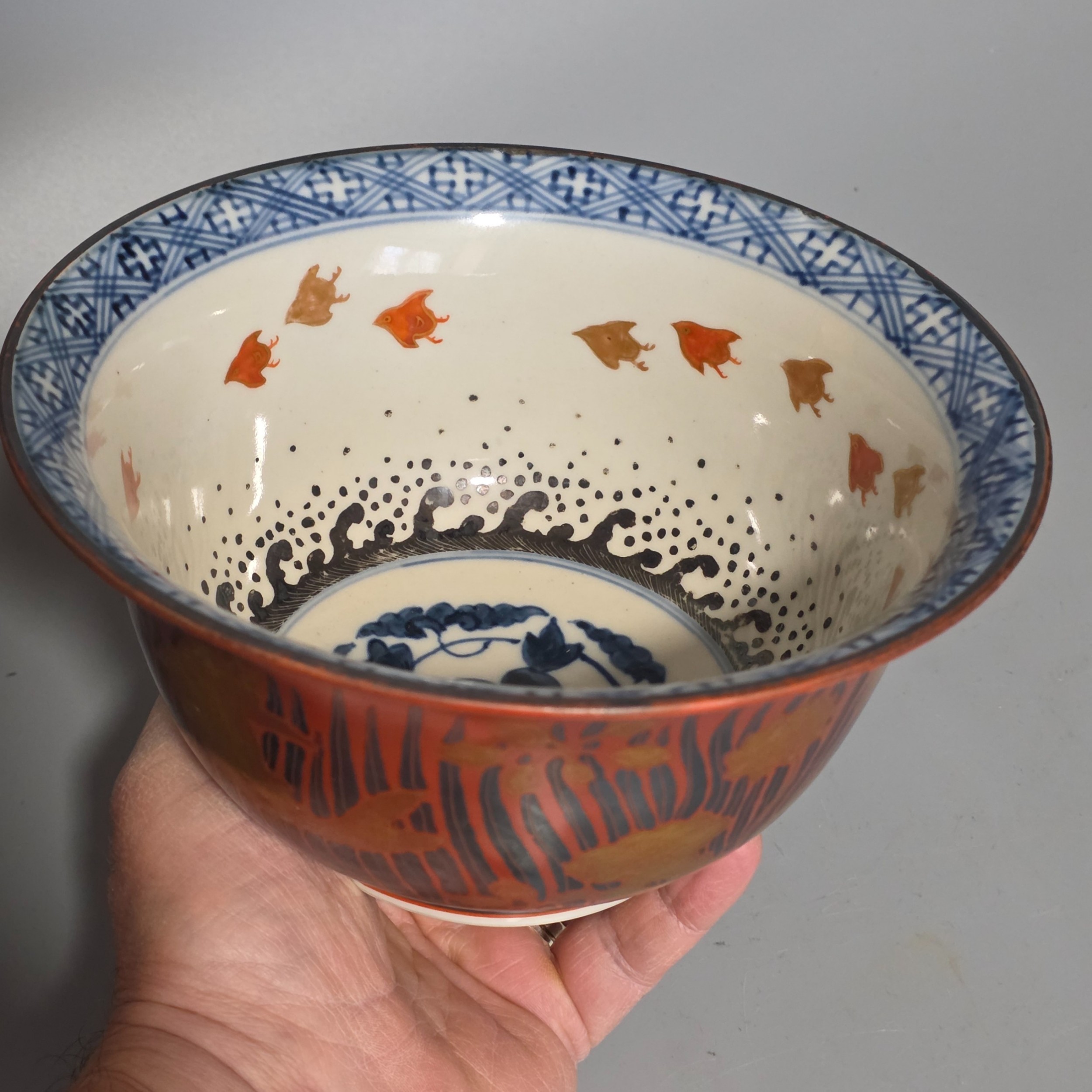
Exquisite Kutani Kinrande Bowl C1900, Superb Decoration