
A 2026 Guide by Sellingantiques
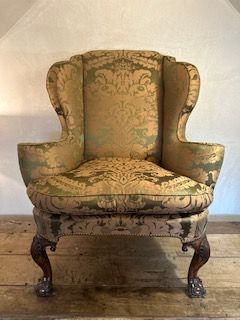
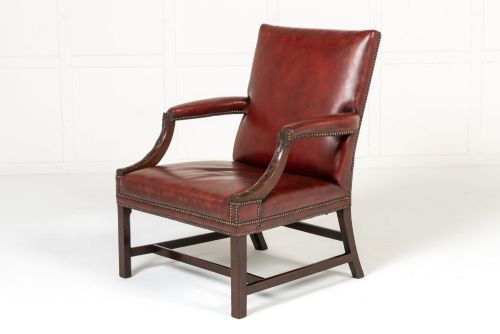
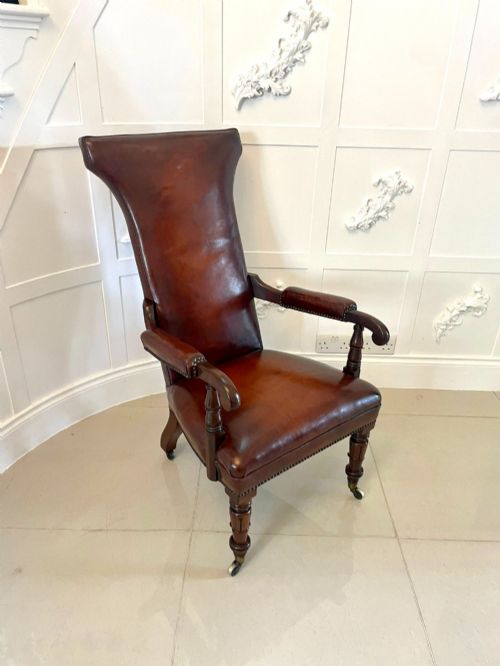
Originally, only the most important person in a household occupied one of these tall seats.
Look at seventeenth-century dining arrangements to understand their purpose. The master takes the tall chair, while lesser members sit on joint stools.
Proportions grew noticeably taller across Europe during the latter decades of the seventeenth century.
Changing room layouts gradually brought antique high back chairs away from the wall panelling and out towards the centre of the floor.
Thomas Roberts supplied numerous carved walnut seating suites to the English royal palaces between 1686 and 1714.
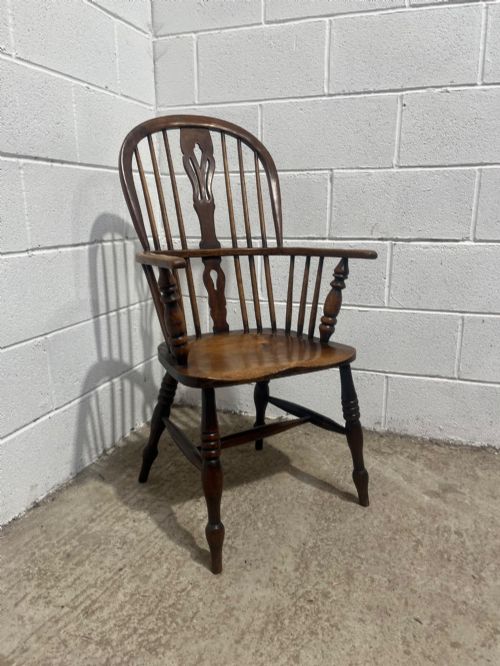
Regional variations tell you more than individual names, as most production came from anonymous provincial joiners and turners.
French craftsmen fleeing to London in the 1680s brought new upholstery techniques that rapidly changed the local trade.
The 2026 retail price guide for Antique High Back Chairs is drawn from a proprietary archive of over 1.1 million retail prices indexed by Sellingantiques since 2003. This guide relies exclusively on their own internal data; no external sources or auction records are used.
Analysing nearly 25 years of UK antique market history alongside current retail values, the data indicates that typical UK retail prices for Antique High Back Chairs range between £500 and £2,800. Entry-level prices generally fall under £500 and premium examples upwards of £2,800.
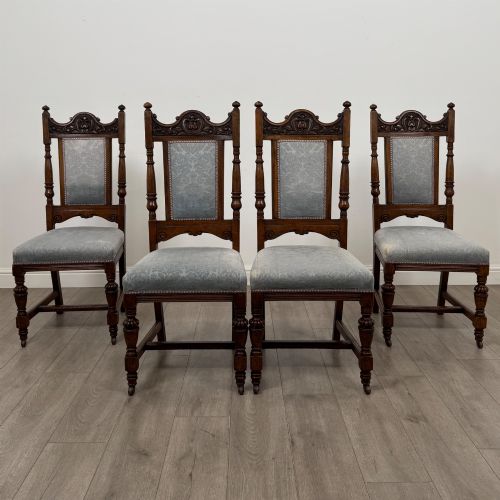
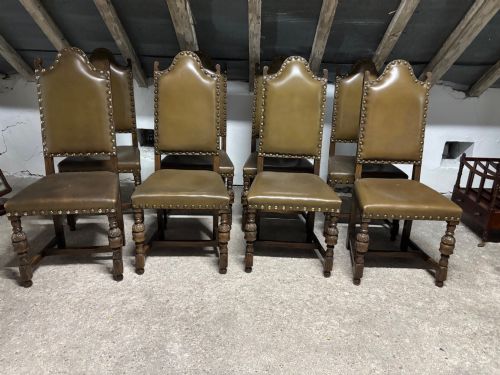
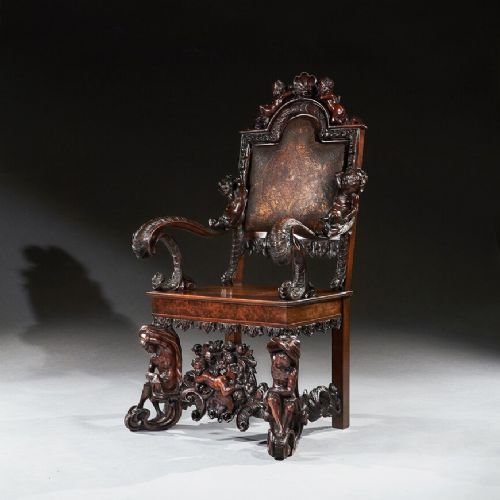
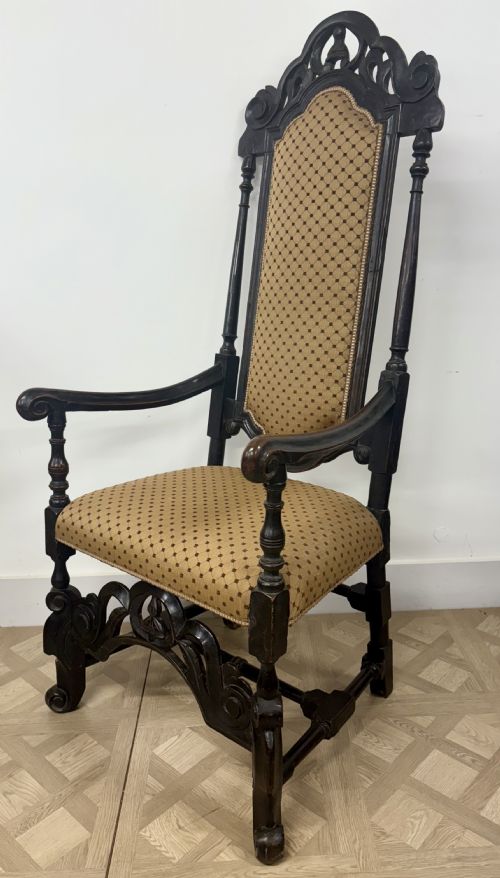
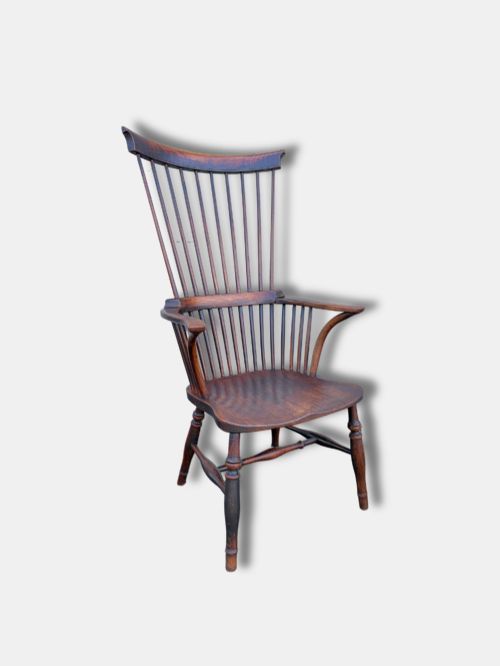
The cresting rail defines the top edge. This usually sits well above the sitter's head and carries prominent carved decoration.
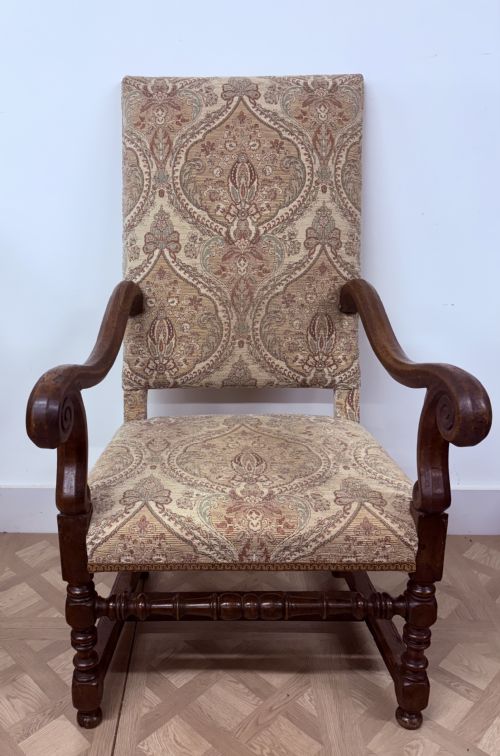
Sweeping curves often characterise the back posts of William and Mary period antique high back chairs.
Front legs sometimes end in 'Braganza' or Spanish scroll feet, projecting slightly forward to balance the tall back.
Mortise and tenon joints hold the main frame together. The craftsman cuts a projecting tongue to fit tightly inside a rectangular hole.
Pegged construction relies on wooden dowels driven through the joints to lock the timbers securely in place without glue.
Notice how hand-carved details on early antique high back chairs often show slight asymmetries when compared side by side.
"These imposing seats improved room acoustics. The tall wooden panels helped project the sitter's voice forward during conversations."
"Some seventeenth-century backs feature subtle tilting angles designed specifically to accommodate the era's bulky clothing and swords."
"Upholsterers often used dried meadow grass or horsehair as stuffing to create a firm cushion that held its shape."
Based on almost 25 years of Sellingantiques UK antique market data, Antique High Back Chairs appeared 2237 times (out of 1,100,000 antiques) which gives it a rarity score of 64/100.
This score measures scarcity within the Sellingantiques archive only and is not a survey of the entire antiques market, so these statistics may not be indicative of the general availability of Antique High Back Chairs elsewhere.
Yes. Cane weaving is a traditional skill and specialists can replace damaged sections using the same techniques as the original makers.
They strip out the old cane and weave new split rattan through the existing holes in the frame. The new cane will look bright at first, but it gradually mellows to blend with the older timber.
Creaking often points to dry joints. Hide glue becomes brittle over the decades and central heating accelerates this process by drawing moisture out of the wood.
A restorer can dismantle the loose sections, clean away the old adhesive and re-glue the frame. Once the joints are tight, an antique high back chair is usually robust enough for regular use.
You should keep them away from direct heat sources like radiators. A stable humidity level helps prevent the timber from shrinking and moving.
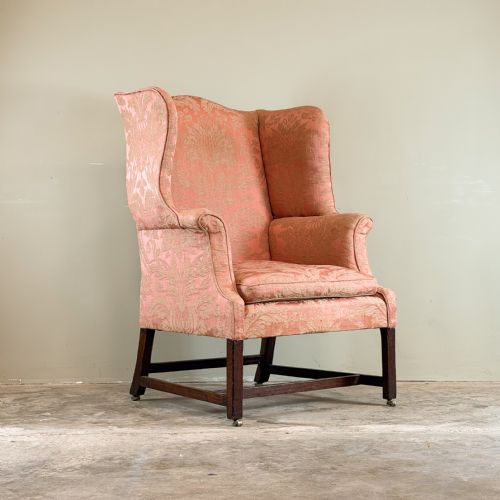
Wool damasks and mohair velvets work well on late seventeenth and early eighteenth-century seating. These materials replicate the textures favoured by the early upholstery trade.
Linen canvas is another sensible choice for a plain finish. Avoid synthetic modern weaves, as they lack the give of natural fibres and can place undue stress on the older wooden rails.
Stripping is rarely a good idea. The dark colour usually comes from accumulated wax, domestic smoke and generations of handling. This surface is called the patina and it forms an important part of the chair's history.
A sticky surface just means the wax has built up too thickly or reacted with moisture. You can clean this gently using a specialist antique furniture reviver and soft cotton cloths.
Once the old residue is gone, a single thin coat of microcrystalline wax will protect the timber. This approach preserves the character while leaving the surface clean to the touch.
Please note: This Antique High Back Chairs guide and its associated pricing data are provided for general informational purposes only. It does not constitute formal financial, investment, or appraisal advice and should not be relied upon as the sole basis for any commercial activity, purchasing, or sales decisions. Sellingantiques.co.uk accepts no liability for any actions taken in reliance on this information. Always consult with a qualified professional or independent appraiser.
