
A 2026 Guide by Sellingantiques
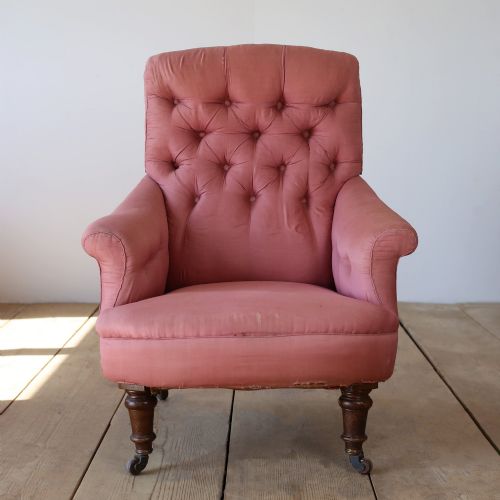
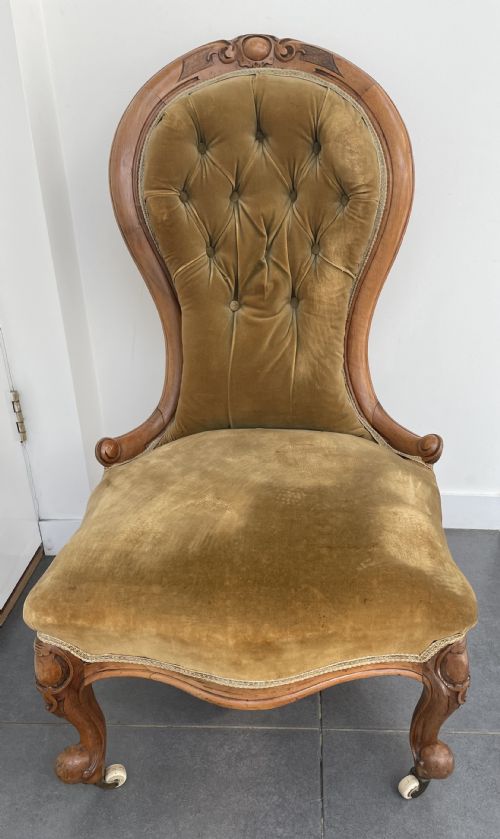
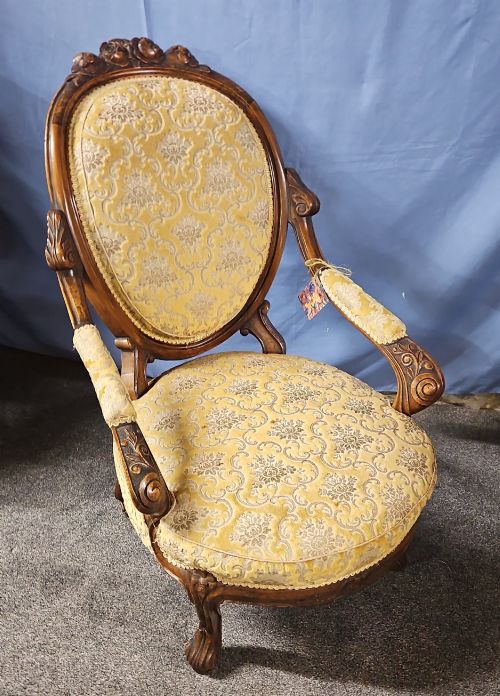
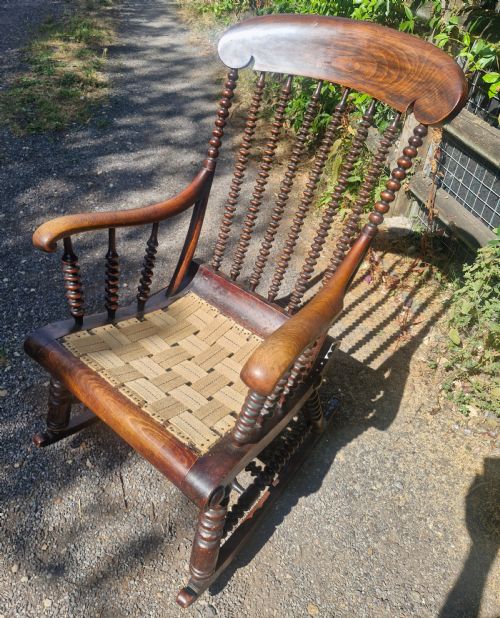
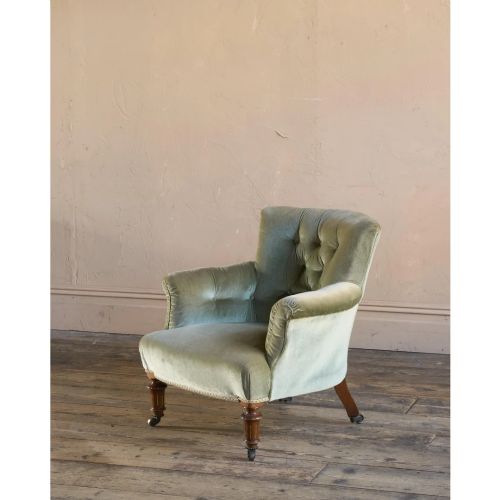
Victorian Walnut Nursing Chair, Victorian
Priced at £395 from Sinclairs Antiques and Interiors
Victorian homes often required a low seat near the bedroom hearth for infant feeding.
Lowering the seat height kept the mother closer to the warmth of the fire.
Remember that heavy layers of mid-century crinoline skirts demanded an open, armless profile.
Antique nursing chairs became standard nursery fixtures across Britain by the 1850s, continuing in production through the Edwardian period.
Howard & Sons produced some refined examples featuring their patent coil spring system and stamped rear legs.
Most surviving antique nursing chairs lack any maker's mark and came from regional cabinet makers.
Provincial workshops relied heavily on widely circulated trade catalogues to follow London trends.
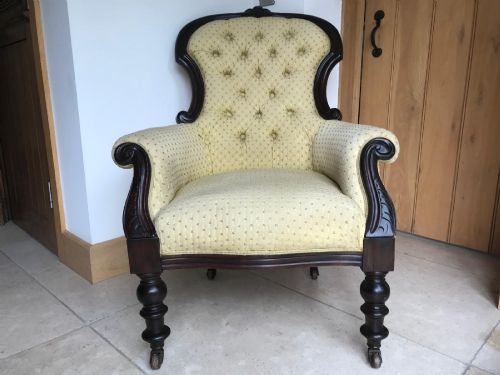
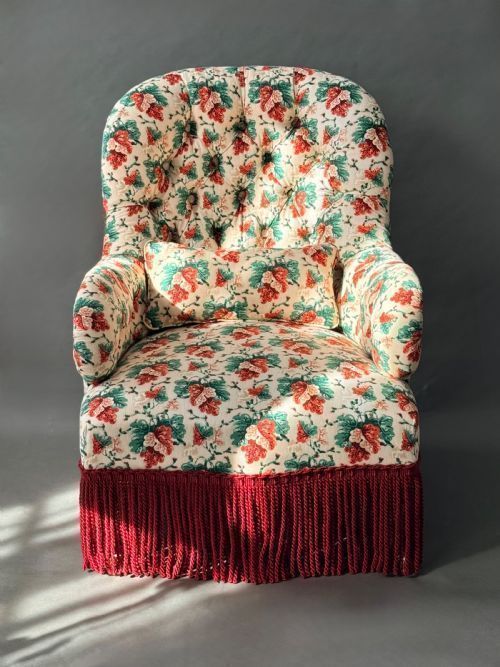
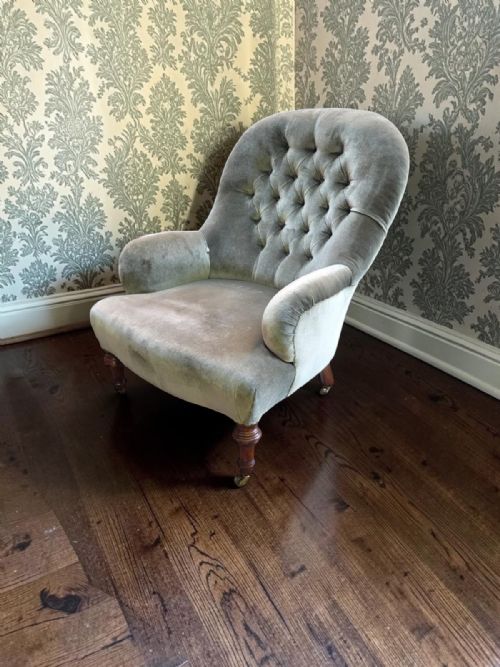
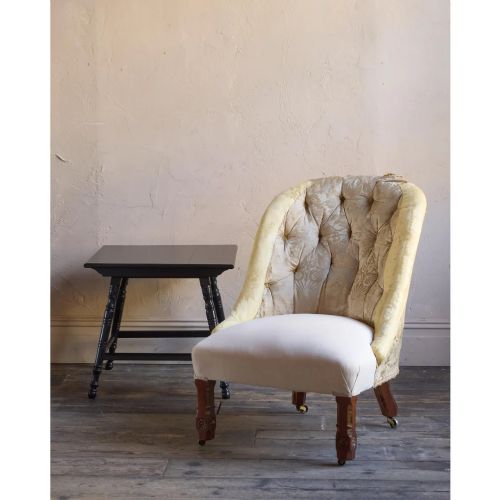
Antique Victorian Tall Balloon Buttoned Back Walnut Upholstered Nursing Chair, Victorian
Priced at £310 from Lincoln Restorations
The 2026 retail price guide for Antique Nursing Chairs is drawn from a proprietary archive of over 1.1 million retail prices indexed by Sellingantiques since 2003. This guide relies exclusively on their own internal data; no external sources or auction records are used.
Analysing nearly 25 years of UK antique market history alongside current retail values, the data indicates that typical UK retail prices for Antique Nursing Chairs range between £200 and £1,000. Entry-level prices generally fall under £200 and premium examples upwards of £1,000.
Typical seat heights measure less than fourteen inches from the floor.
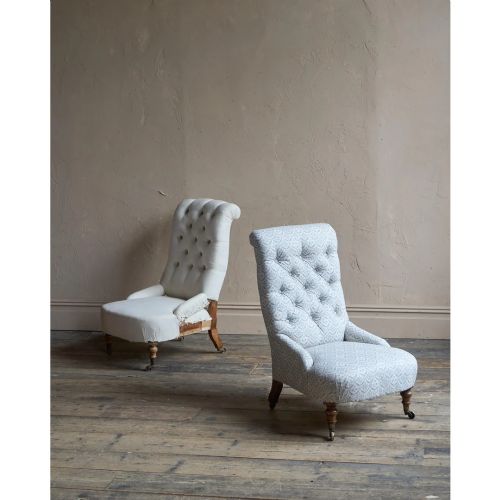
Tall backs, heavily padded and buttoned, give vital head and shoulder support.
Look for the total absence of arms, which is the main functional feature of any antique nursing chair.
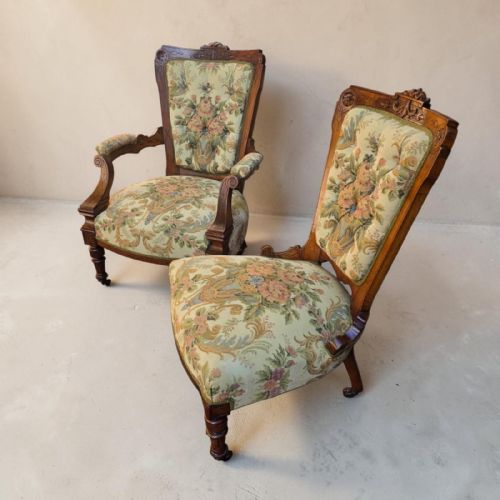
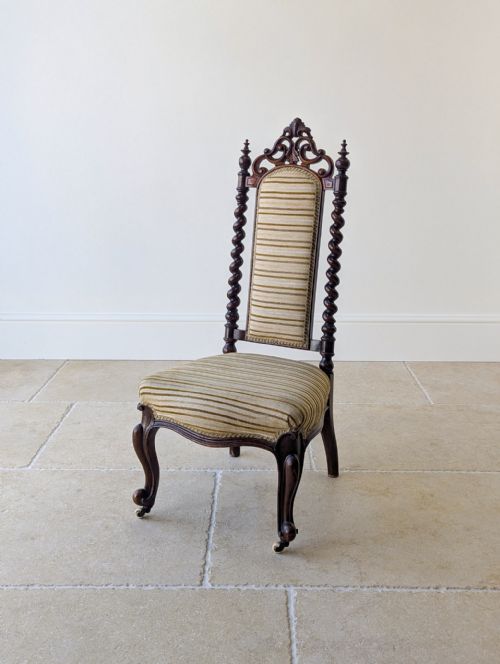
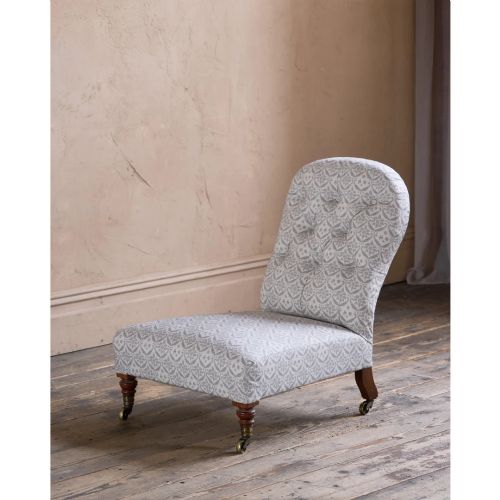
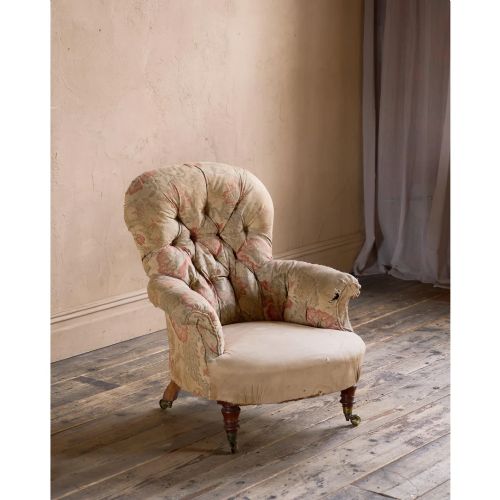
Upholstered Victorian Bedroom Chair, Circa 1850, Victorian
Priced at £250 from WelshAntiques
Early Victorian examples relied on rigid horsehair padding stitched firmly over simple webbing.
Mid-century makers adopted copper coil springs tied directly into the seat carcase for a softer ride.
Watch how rounded balloon backs give way to straight-sided aesthetic movement profiles by the 1880s.
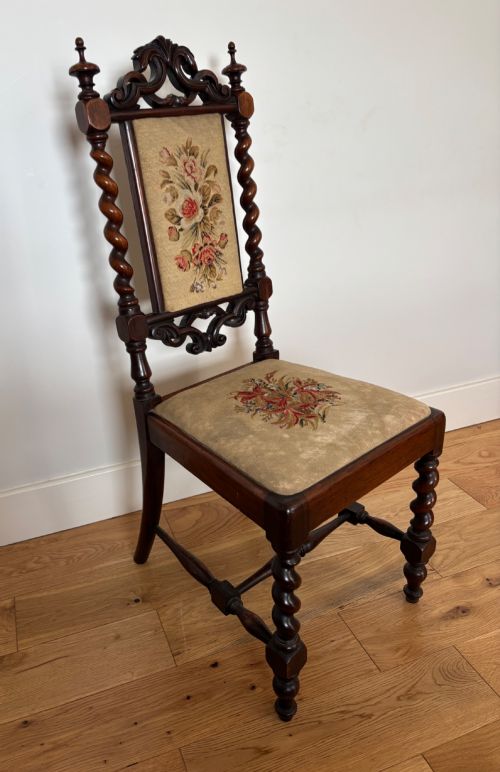
"Beadwork covers were frequently embroidered by the expectant mother herself during confinement."
"These compact seats transition seamlessly into modern homes as practical bedroom slipper chairs."
"Some frames feature white ceramic castors designed specifically to roll quietly over floorboards without waking a sleeping infant."
Based on almost 25 years of Sellingantiques UK antique market data, Antique Nursing Chairs appeared 1344 times (out of 1,100,000 antiques) which gives it a rarity score of 76/100.
This score measures scarcity within the Sellingantiques archive only and is not a survey of the entire antiques market, so these statistics may not be indicative of the general availability of Antique Nursing Chairs elsewhere.
Most sit between ten and fourteen inches from the floor. The severe drop kept the sitter closer to the heat of the fire.
Later Edwardian versions sometimes sit a fraction higher, but anything reaching sixteen inches is just a standard side chair.
The defining trait is the low seat combined with a tall, supportive back. A dining chair without arms will still have a standard eighteen-inch seat height to match a dining table.
Look at the proportions. A true antique nursing chair always looks slightly out of balance. The back will seem unusually high compared to the squat legs.
They also tend to have much deeper upholstery than dining chairs, often with heavy buttoning to support the shoulders during long nights.
Yes, they strip back to the bare beech frame quite simply. A competent upholsterer can remove the old fabric without damaging the show-wood.
The coil springs and horsehair layers often survive well and just need retying. Keeping those original internal layers maintains the correct profile and saves on labour.
That joint takes the most stress. The tall back acts as a lever against the seat frame every time someone leans back.
Over decades, the animal hide glue dries out and the dowels work loose. It isn't a flaw in the original design, just a structural reality for armless chairs from this period.
A cabinet maker can dismantle the joint, clean out the old glue, and clamp it tight again. It usually solves the problem without needing new timber.
Please note: This Antique Nursing Chairs guide and its associated pricing data are provided for general informational purposes only. It does not constitute formal financial, investment, or appraisal advice and should not be relied upon as the sole basis for any commercial activity, purchasing, or sales decisions. Sellingantiques.co.uk accepts no liability for any actions taken in reliance on this information. Always consult with a qualified professional or independent appraiser.
