

A 2026 Guide by Sellingantiques
Early apothecaries dispensed medicine in paper twists or crude wooden vials before dedicated boxes caught on.
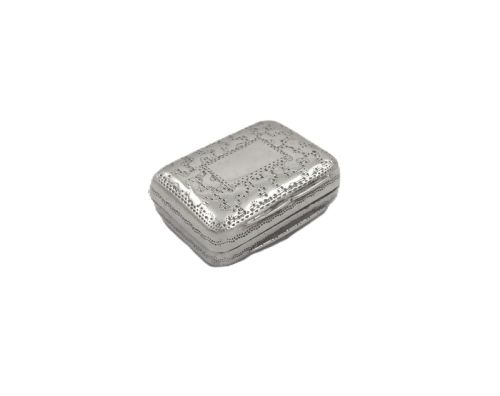
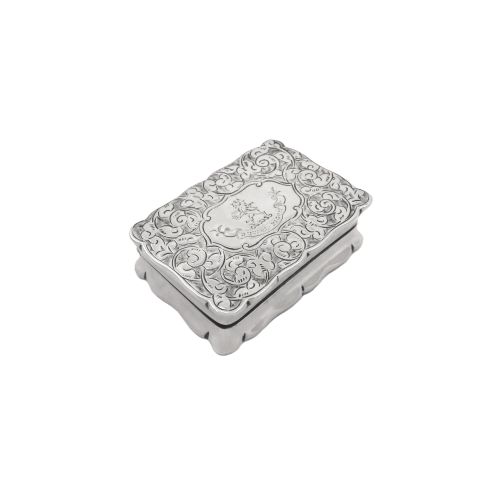
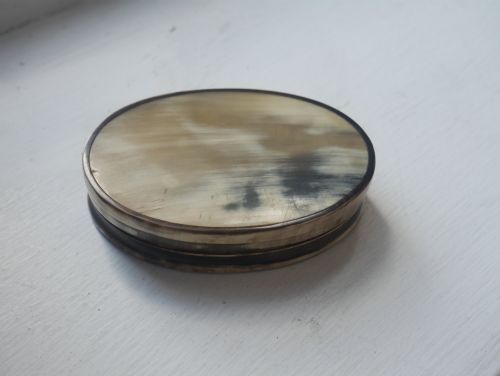
Carry a personal supply. Wealthy individuals commissioned elaborate silver or gold antique pill boxes during the Georgian era to reflect social standing.
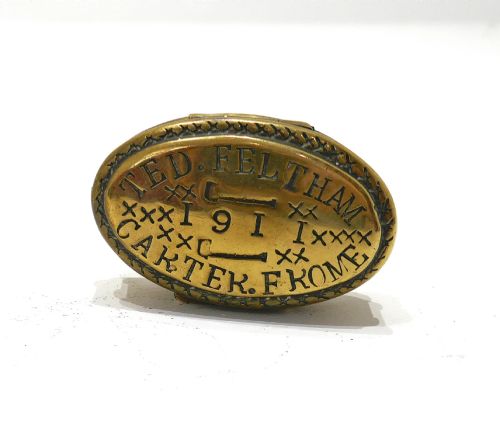
Victorian expansion of commercial pharmacy shifted production toward simpler, machine-stamped tins and brass cases.
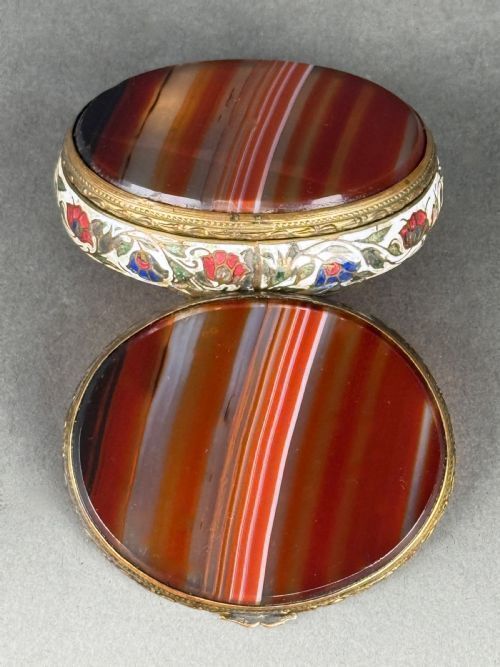
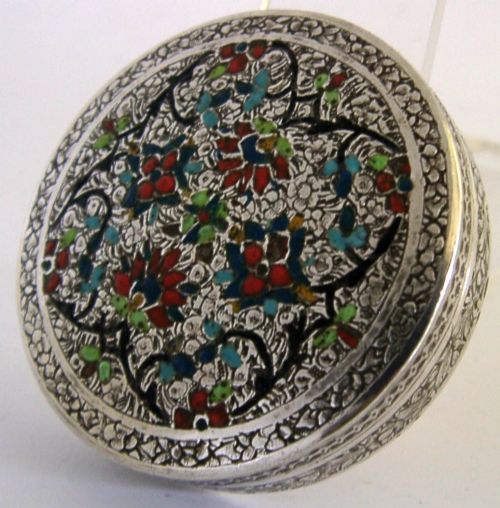
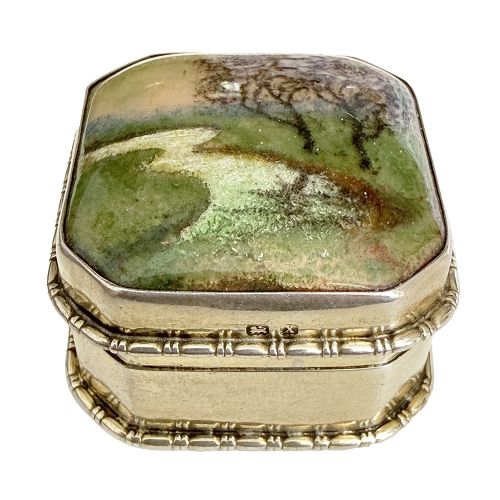
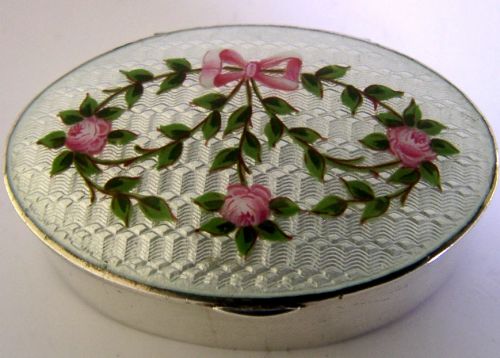
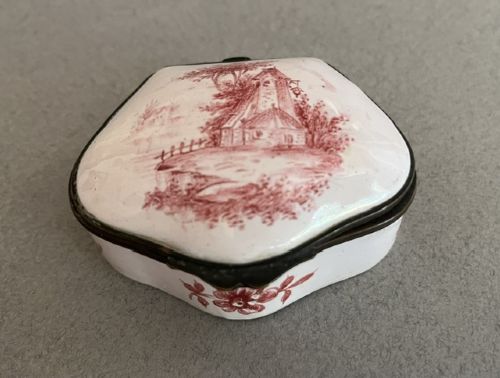
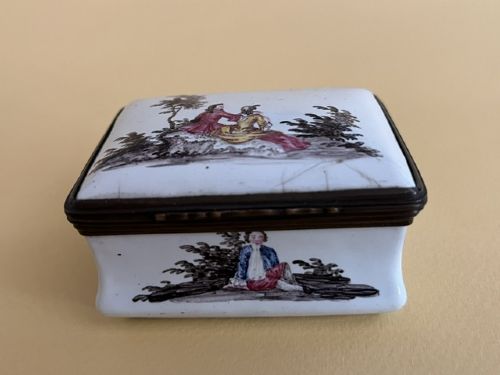
Look at the wider context. Taking medicine publicly became fashionable in certain European courts, prompting a surge in ornate enamelled designs.
Samuel Pemberton operated in Birmingham during the late eighteenth and early nineteenth centuries. His workshop turned out hundreds of small silver boxes for pills and patches.
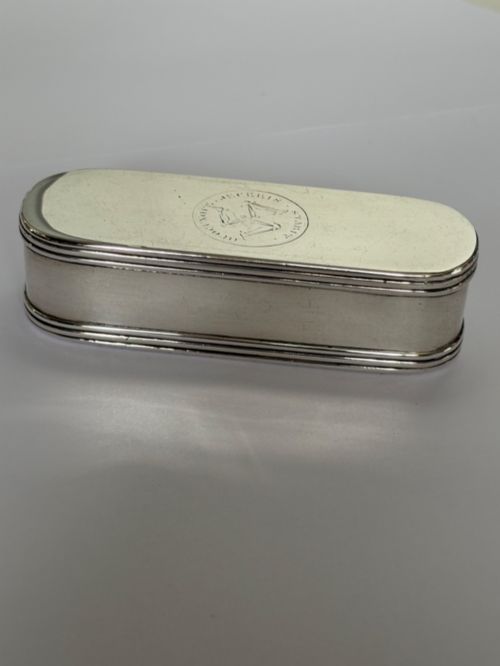
Look for marks by Nathaniel Mills. Though famous for vinaigrettes, he also produced highly decorated silver pill containers between 1825 and 1850.
Battersea Enamel works in London produced copper-based boxes covered in opaque white glass paste during the 1750s.
The 2026 retail price guide for Antique Pill Boxes is drawn from a proprietary archive of over 1.1 million retail prices indexed by Sellingantiques since 2003. This guide relies exclusively on their own internal data; no external sources or auction records are used.
Analysing nearly 25 years of UK antique market history alongside current retail values, the data indicates that typical UK retail prices for Antique Pill Boxes range between £100 and £500. Entry-level prices generally fall under £100 and premium examples upwards of £500.
Snug closures are essential. The lid needs a firm friction fit or a robust hinge to stop loose powders escaping into a pocket.
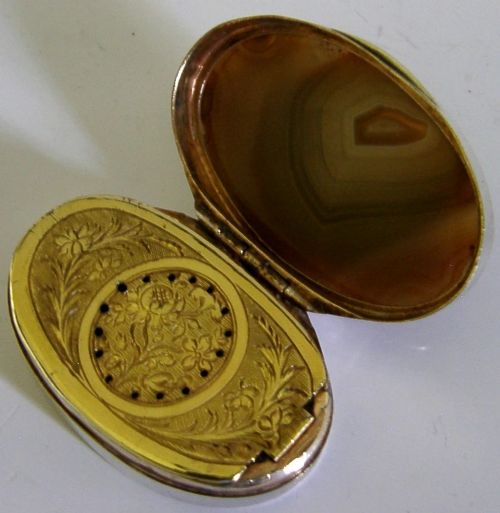
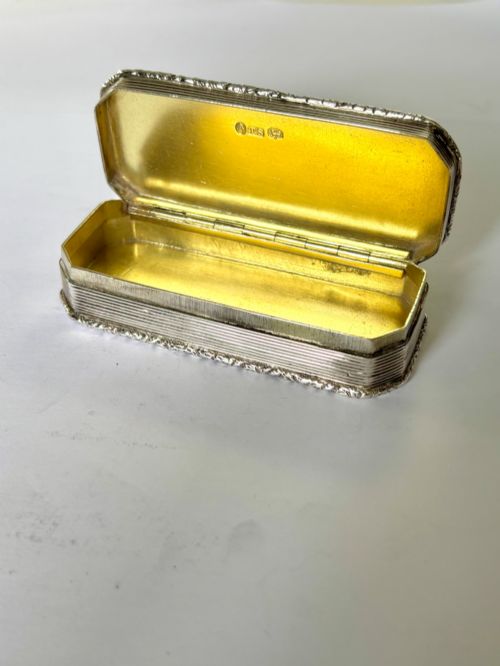
Check the interior lining. Many feature a pale gold wash inside the main compartment.
Flat bases allow the object to sit flush on a nightstand. Domed lids give a bit more internal clearance for larger tablets.
Silversmiths hammered flat sheets over steel anvils to form the early round bodies. It took considerable skill to get the walls straight.
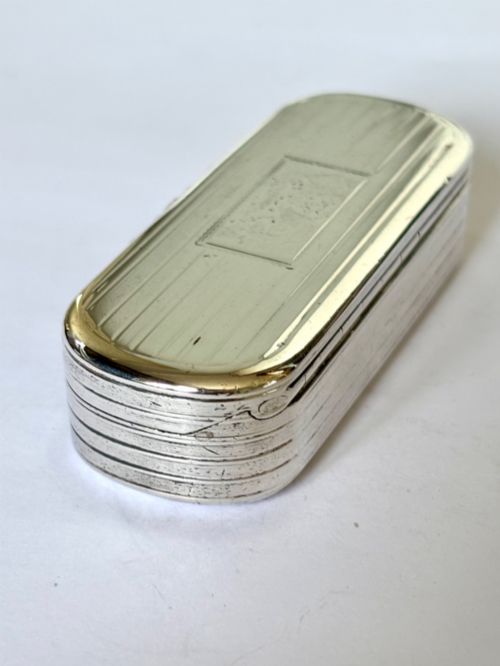
Engine turning arrived in the nineteenth century. Lathes cut repeating geometric patterns into the metal surface at a fraction of the time hand-engraving took.
Die-stamping sped up production. Two steel blocks forced thin gauge brass into uniform shapes for the mass market.
"Some contained secret compartments. A false bottom could hide a tiny portrait or a lock of hair beneath the medicine."
"People repurposed them constantly. A box bought for medicinal powders often ended up storing dress pins or small watch keys years later."
"Certain shapes dictated the contents. Very tall cylindrical examples held stacked medicinal wafers rather than loose rolled pills."
Based on almost 25 years of Sellingantiques UK antique market data, Antique Pill Boxes appeared 1364 times (out of 1,100,000 antiques) which gives it a rarity score of 76/100.
This score measures scarcity within the Sellingantiques archive only and is not a survey of the entire antiques market, so these statistics may not be indicative of the general availability of Antique Pill Boxes elsewhere.
Modern medication often comes in larger capsules than eighteenth-century pills. You might find a standard paracetamol tablet struggles to fit inside the very shallowest Georgian examples.
Small mints or sweetener tablets work well. Many collectors just keep them empty on a desk to admire the craftsmanship.
Those are actually vinaigrettes rather than standard pill containers. The pierced grill held a tiny piece of sponge soaked in aromatic oils or vinegar.
People held them under their nose to mask bad street smells. While they look similar on the outside, the internal structure means they serve a separate purpose.
A gentle wipe with a dry cloth is enough. Abrasive polishes will rub the soft gold layer right off.
A wooden toothpick helps lift old residue out without scratching the base material.
Mirrors point toward cosmetics rather than medicine. A piece like that was likely a patch box, used for storing the small silk beauty spots popular in the eighteenth century.
The mirror let the owner check the placement of the patch on their face. The basic shape is identical to antique pill boxes, but the fitted glass gives the game away.
Please note: This Antique Pill Boxes guide and its associated pricing data are provided for general informational purposes only. It does not constitute formal financial, investment, or appraisal advice and should not be relied upon as the sole basis for any commercial activity, purchasing, or sales decisions. Sellingantiques.co.uk accepts no liability for any actions taken in reliance on this information. Always consult with a qualified professional or independent appraiser.
