


A 2026 Guide by Sellingantiques
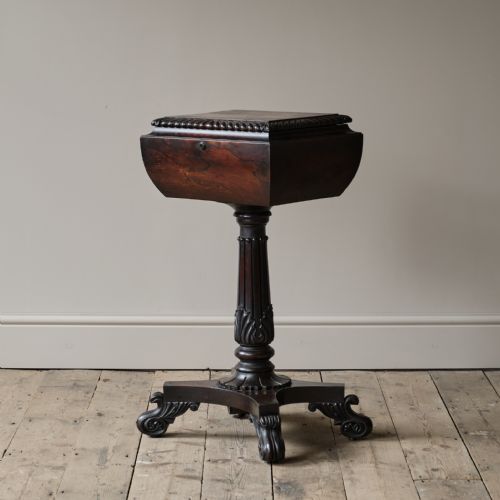
Victorian Oak Teapoy, Victorian
Priced at £450 from Sinclairs Antiques and Interiors
Originally just a small tripod table in eighteenth-century India.
British cabinetmakers adapted the form during the Regency period. They replaced the flat top with a fitted box for tea storage.
Demand peaked between 1820 and 1850. After that, tea became cheaper and locking it away felt less necessary to most households.
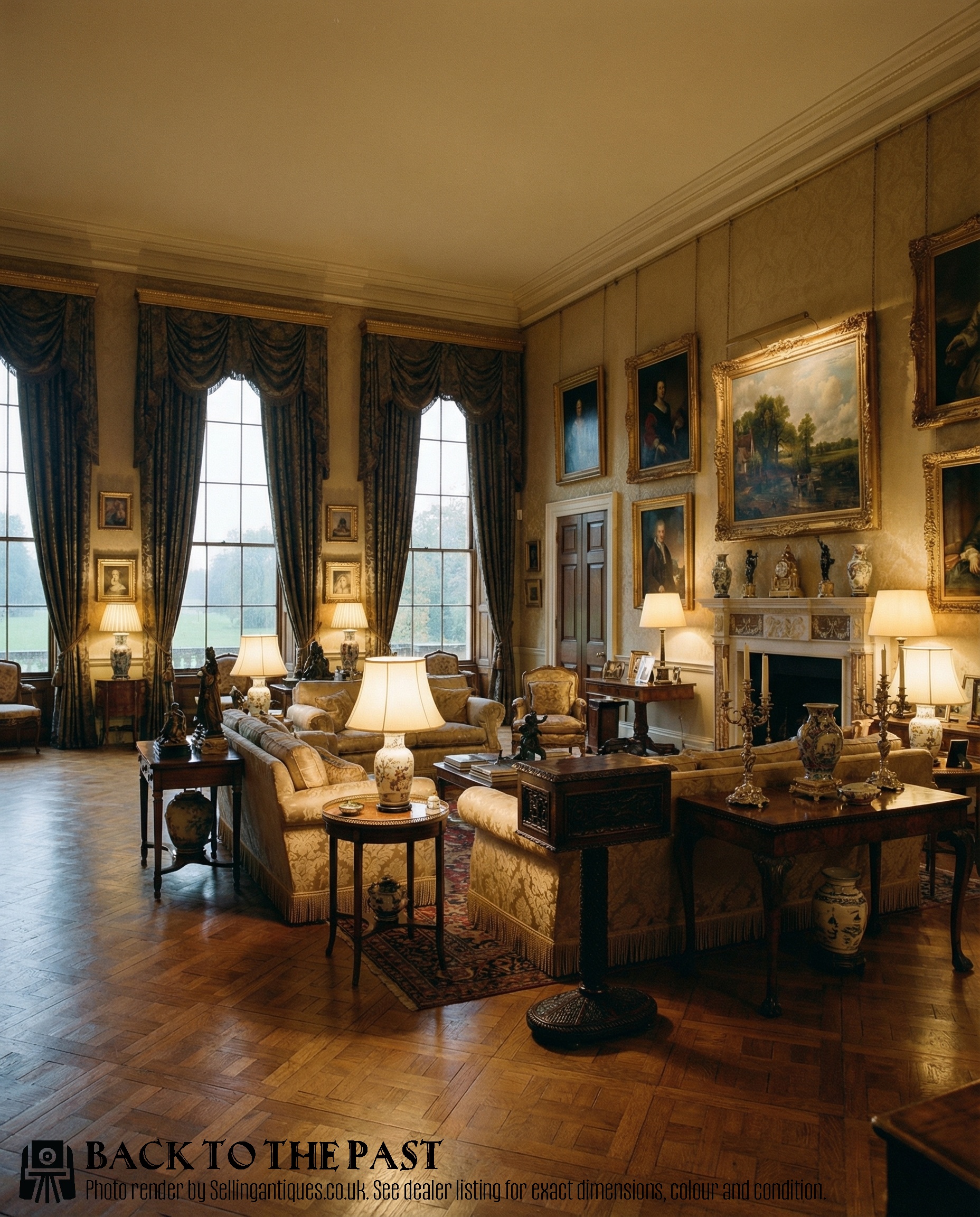
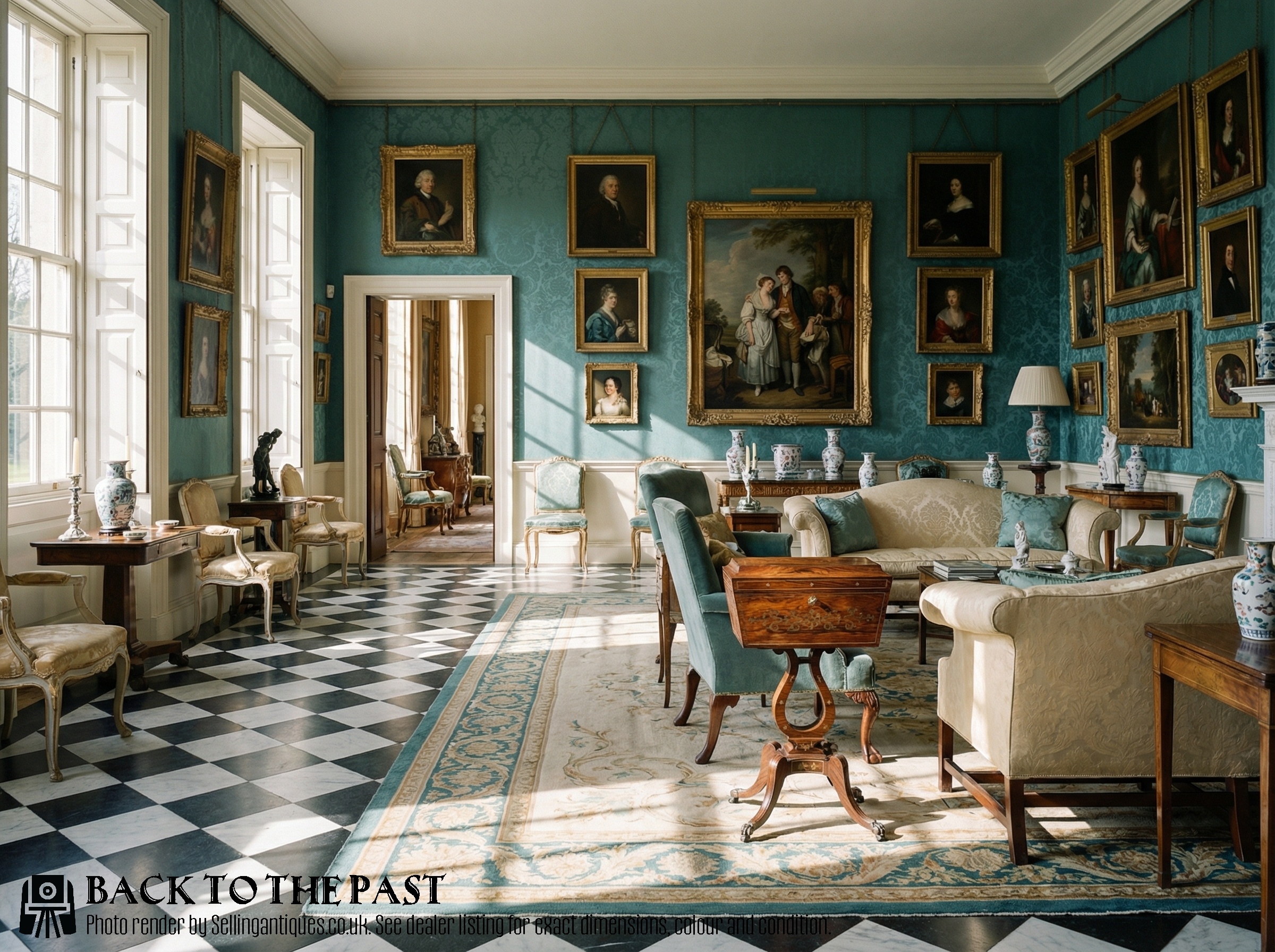
Look at how they sit in a room. They were meant to stand beside the sofa, keeping the tea equipage close at hand.
Few antique teapoys carry a maker's stamp. Gillows of Lancaster did produce some well-documented examples, often noting the form in their nineteenth-century sketchbooks.
London firms supplied the bulk of the high-end market. Retailers like Miles & Edwards sold them, sometimes stamping the top edge of the open box.
Provincial workshops turning out countless variations. A local joiner might buy in the glass bowls from a specialist before fitting out a mahogany carcase.

An Extremely Pretty Victorian Teapoy.
, 19th Century
Priced at £1,225 from Stalham Antique Gallery
The 2026 retail price guide for Antique Teapoys is drawn from a proprietary archive of over 1.1 million retail prices indexed by Sellingantiques since 2003. This guide relies exclusively on their own internal data; no external sources or auction records are used.
Analysing nearly 25 years of UK antique market history alongside current retail values, the data indicates that typical UK retail prices for Antique Teapoys range between £700 and £2,400. Entry-level prices generally fall under £700 and premium examples upwards of £2,400.
A deep box section resting on a stout central column.
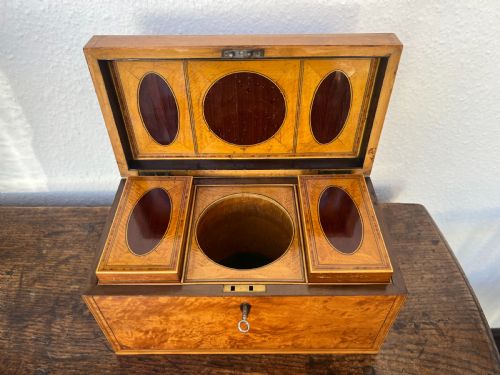
Fitted compartments dominating the interior space. They usually hold two or four removable tea canisters flanking spaces for blending bowls.
Working locks are standard. Securing expensive tea stocks from the household staff remained a priority for the original owners of these pieces.
Fine Early C19th Regency Period Brass-inlaid Rosewood Tea-poy ., Regency
Priced at £1,150 from M Lees and Sons
Hand-cut dovetails hold the main box together. Cabinetmakers often concealed these joints under rich veneers to keep the external surfaces clean.
Solid wood columns requiring heavy turning on a pole lathe.
Look at the hinged lid mechanism. A robust brass quadrant hinge stops the heavy top from falling backwards and splitting the carcase.
"The earliest Indian versions had nothing to do with tea. They were small occasional tables meant for holding a glass or a book."
"Some designs incorporate a concealed drawer in the frieze. This shallow space held caddy spoons or sugar nips."
"Clever cabinetmakers occasionally weighting the bases. Adding lead to the bottom platform counterbalanced the heavy wooden box when the lid was thrown open."
Based on almost 25 years of Sellingantiques UK antique market data, Antique Teapoys appeared 235 times (out of 1,100,000 antiques) which gives it a rarity score of 95/100.
This score measures scarcity within the Sellingantiques archive only and is not a survey of the entire antiques market, so these statistics may not be indicative of the general availability of Antique Teapoys elsewhere.
The original owners used the large central glass bowls to blend different types of tea. They might mix a strong black tea with a green variety to achieve a specific flavour profile.
Once mixed, the dry leaves were scooped straight into the teapot. The bowl stayed in the box and was never used for wet ingredients or hot water.
A fitted box without canisters often points to another use. While antique teapoys were built for tea, the same form was occasionally adapted for needlework or games.
If the velvet lining looks original and fills the whole interior, it might be a sewing worktable on a pillar base. Check if there are small divisions for thread rather than large square voids for caddies.
Sourcing exact matching canisters is difficult. The internal dimensions vary widely between makers. Finding a stray pair that slots perfectly takes patience.
A wobbly pillar is common. The joint where the column meets the top box or the base platform takes all the leverage when the heavy lid falls back.
Most were built with a thick wooden dowel or a long metal thread running into the base. A furniture restorer can usually secure the loose joint by regluing the tenon or tightening the hidden iron block.
Please note: This Antique Teapoys guide and its associated pricing data are provided for general informational purposes only. It does not constitute formal financial, investment, or appraisal advice and should not be relied upon as the sole basis for any commercial activity, purchasing, or sales decisions. Sellingantiques.co.uk accepts no liability for any actions taken in reliance on this information. Always consult with a qualified professional or independent appraiser.
